NASA and Roscosmos agree to extend ISS operations, seat-swaps through 2030
human-spaceflight
Russia commits to the station's 2030 retirement date, two years past its prior pledge, and keeps its no-cost astronaut seat-swap with NASA.
what happened
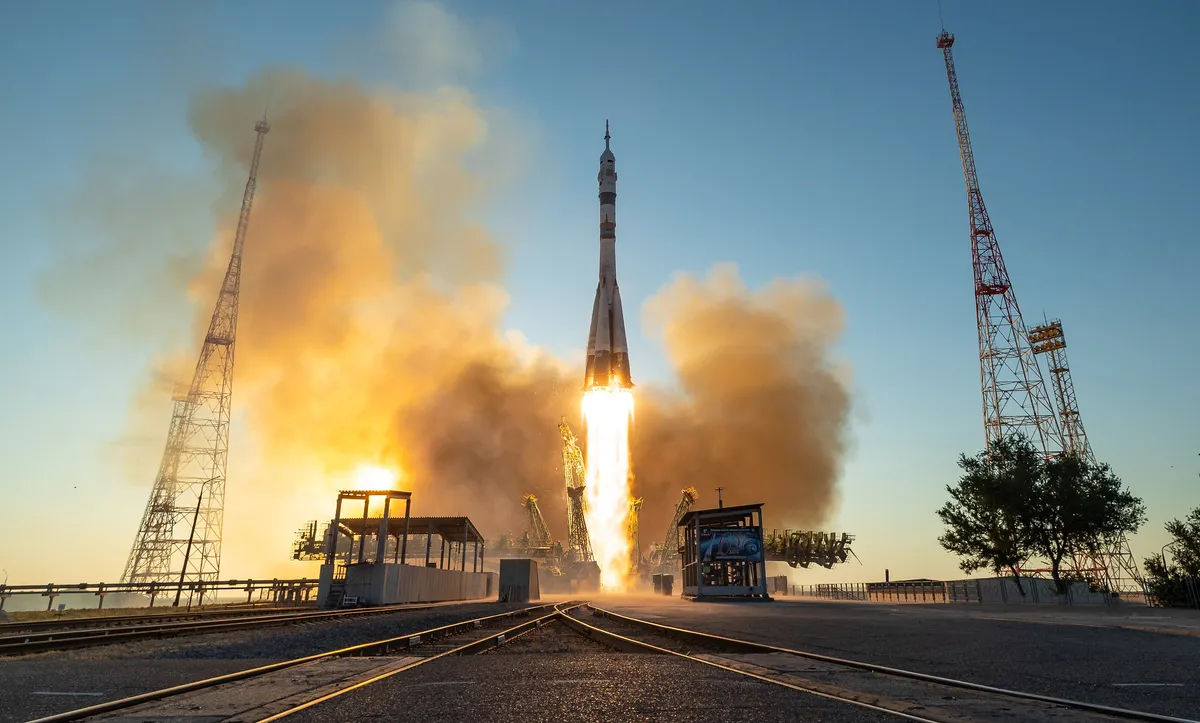
NASA Administrator Jared Isaacman and Roscosmos Director General Dmitry Bakanov agreed this week that Russia will support ISS operations through 2030, two years beyond Russia's prior 2028 commitment, and will continue the no-exchange-of-funds seat-swap that launches NASA astronauts on Soyuz and Russian cosmonauts on US vehicles, per SpacePolicyOnline and SpaceNews. The two met at Baikonur Cosmodrome around the July 14 launch of Soyuz MS-29. Russia's TASS first reported the agreement, with Bakanov calling it "in principle"; NASA confirmed to SpacePolicyOnline that Bakanov's account was accurate, adding the two also discussed a fix for a persistent air leak at the station's PrK transfer tunnel. NASA's low Earth orbit program manager Dana Weigel said August 5 the arrangement covers Soyuz and SpaceX's Crew Dragon but does not yet extend to Boeing's Starliner: "We have not finished the work on Starliner. What they're waiting to see is the rest of our flight and certification data."
why it matters
A Russian commitment through 2030 removes a standing uncertainty for every US commercial cargo and crew provider planning ISS-dependent manifests, and keeps the seat-swap arrangement that gives NASA a second human-rated ride to orbit alongside Commercial Crew. Starliner's continued exclusion from the swap underlines that Boeing has not yet cleared the certification bar its competitors already met.
signal-to-noise
quick facts
- Companies
- none listed
- Category
- human-spaceflight
- Impact
- notable
- SNR
- 4 / 5
- Event date
- 2026-07-14
- Published
- 2026-07-17 07:20 UTC