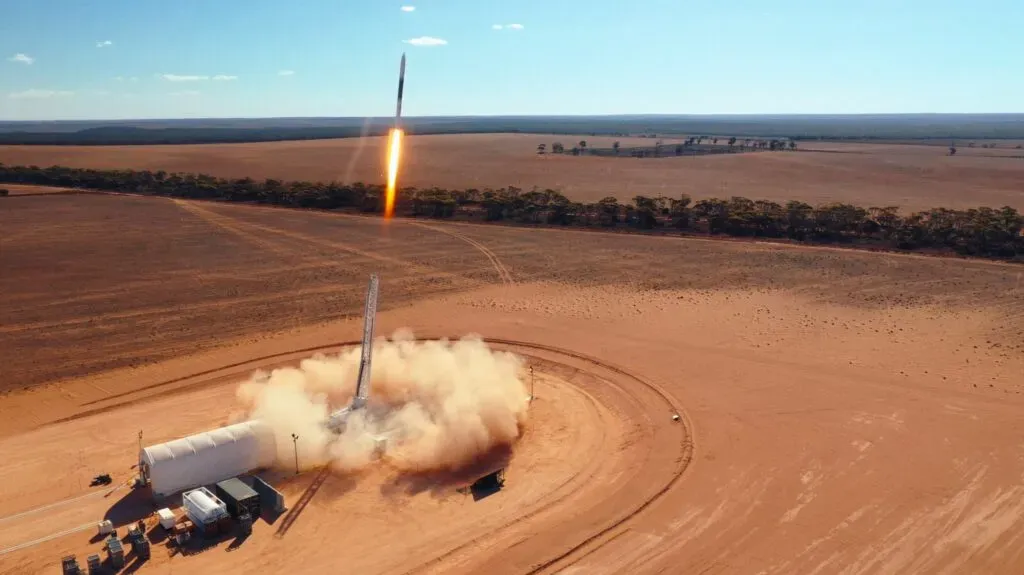
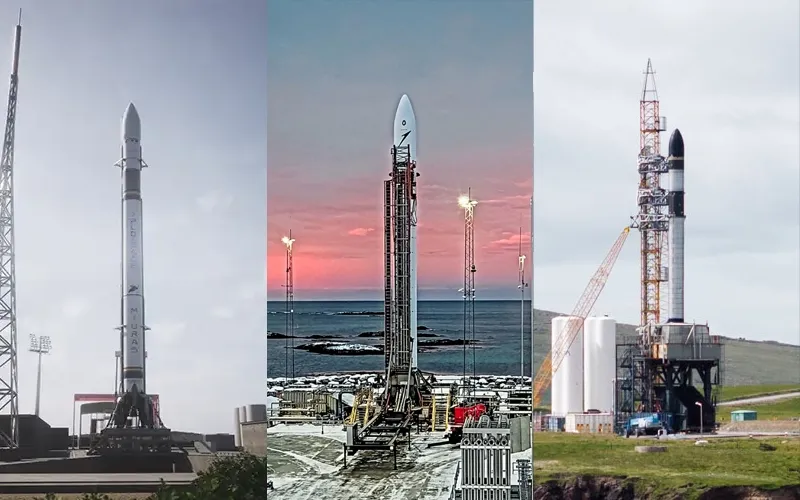
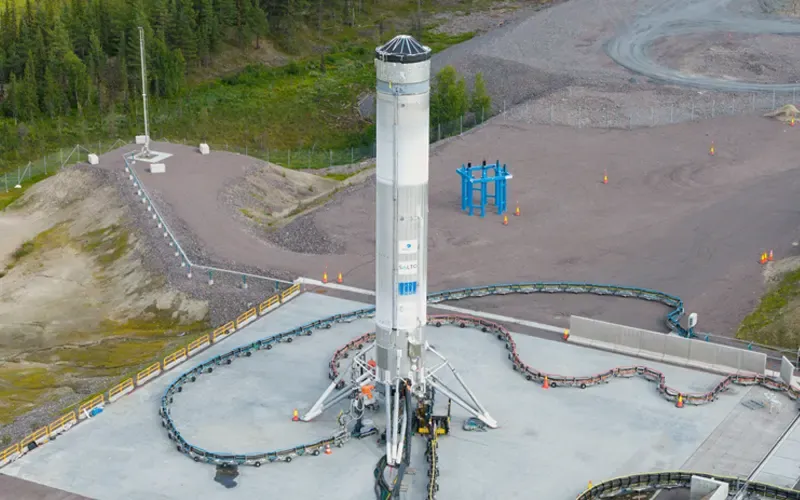
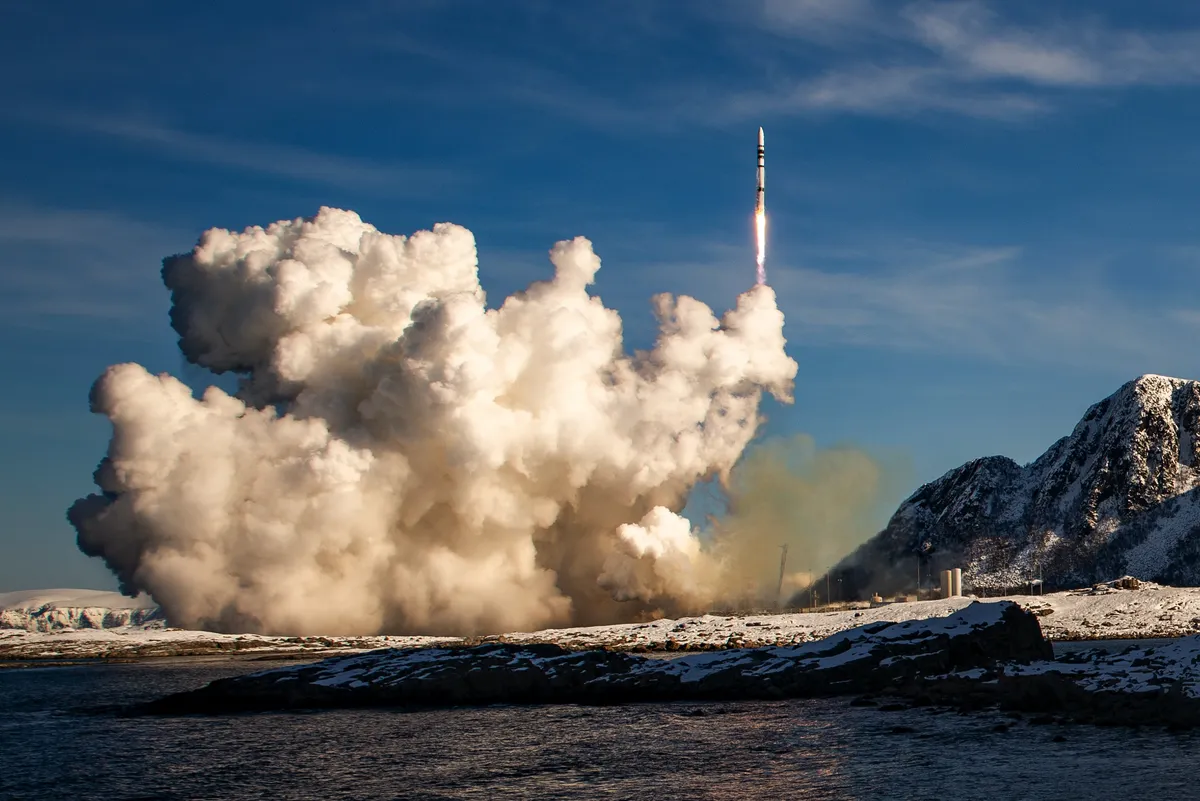
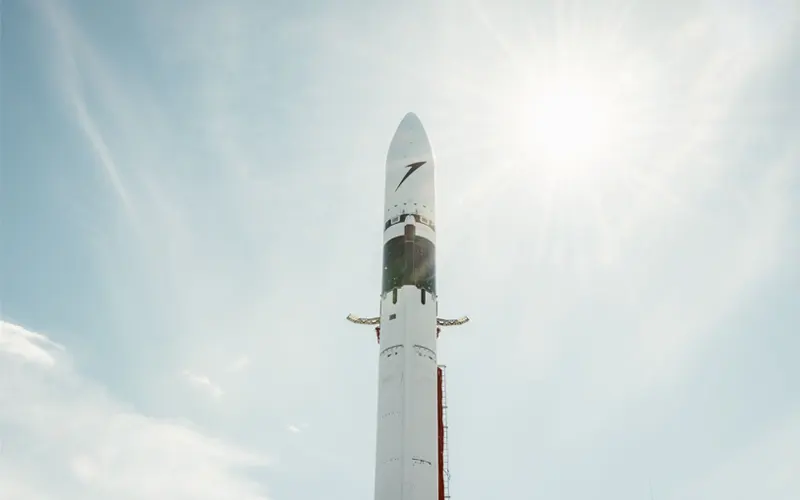
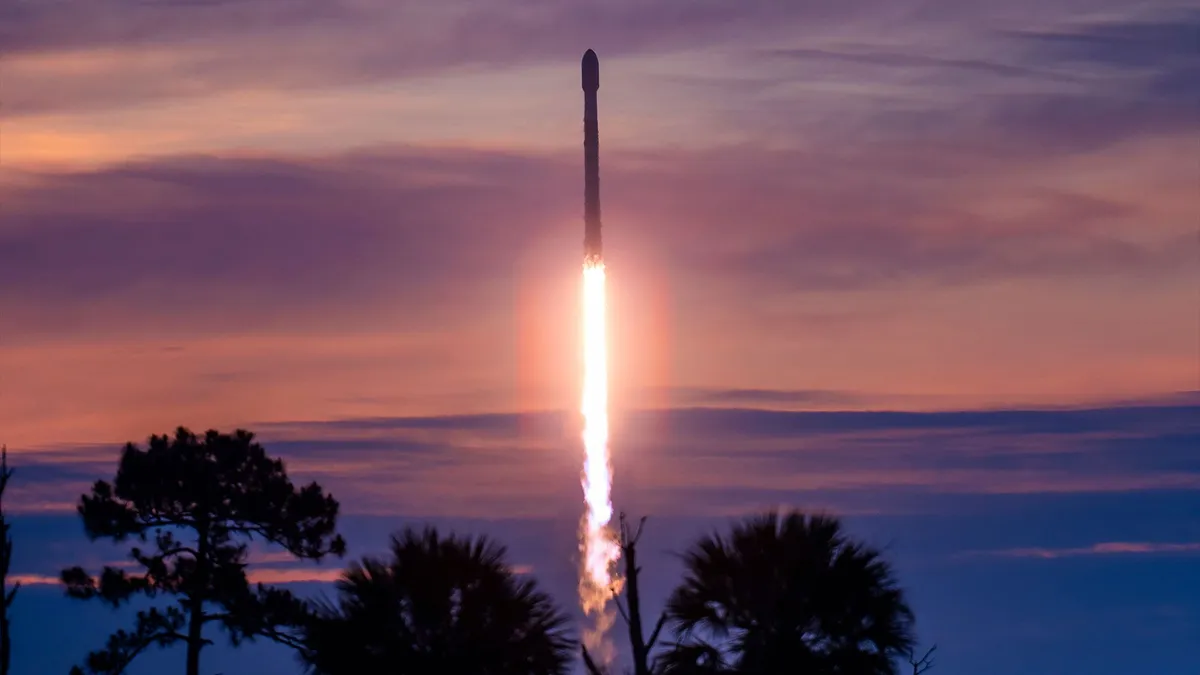
Isar Aerospace's Spectrum rocket reached orbit from Norway, the first orbital-class launch from Western Europe.
A spent Falcon 9 upper stage from a 2025 lunar-lander mission crashed into the Moon on August 5.
The FAA formally published its proposal to waive 13 federal laws, including NEPA, for launch and reentry licensing.
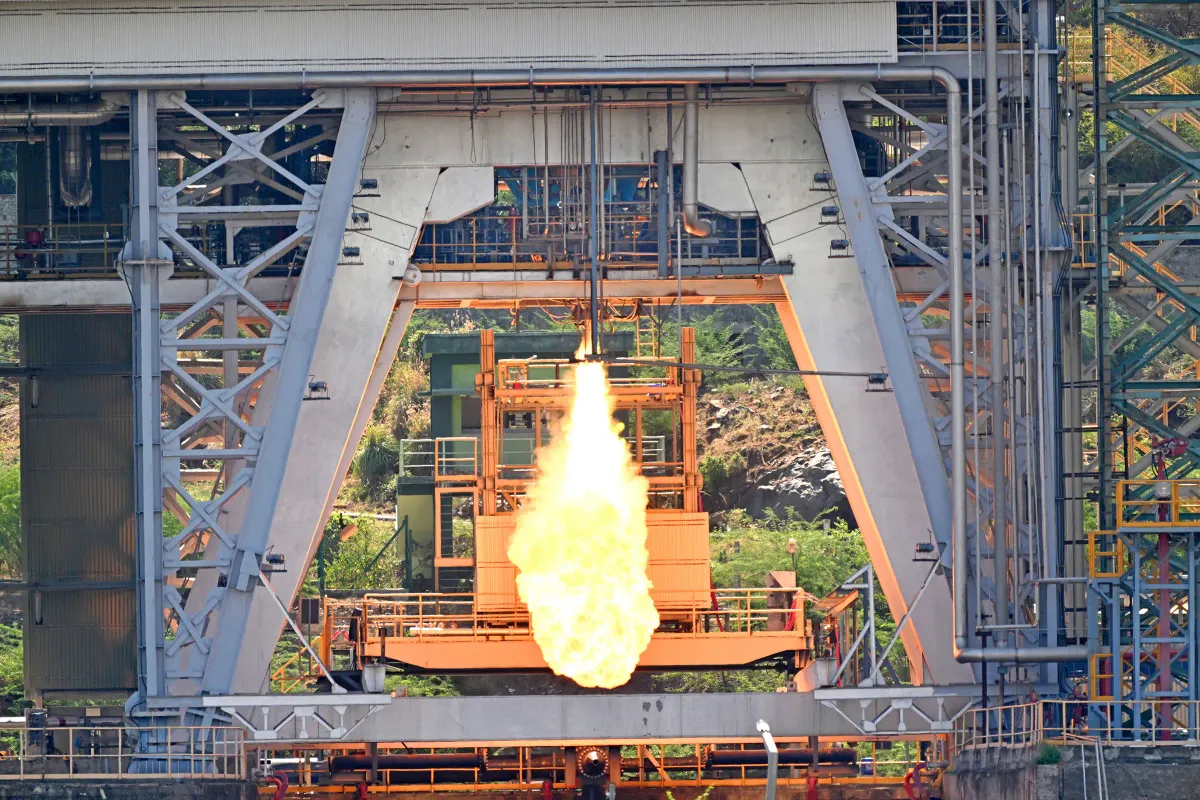
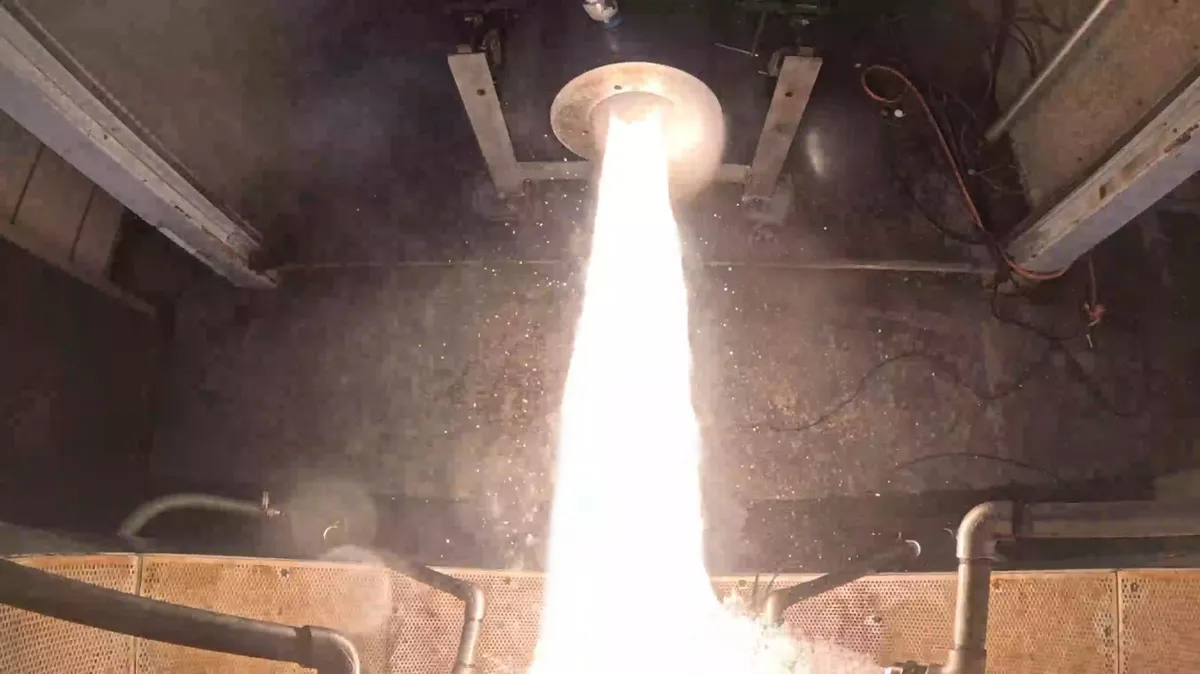
ISRO completed the first 100% thrust hot test of its semi-cryogenic engine power head, aimed at a heavier LVM3.
The FAA issued a final environmental finding clearing wider SpaceX Starship reentry and splashdown zones in the Pacific.
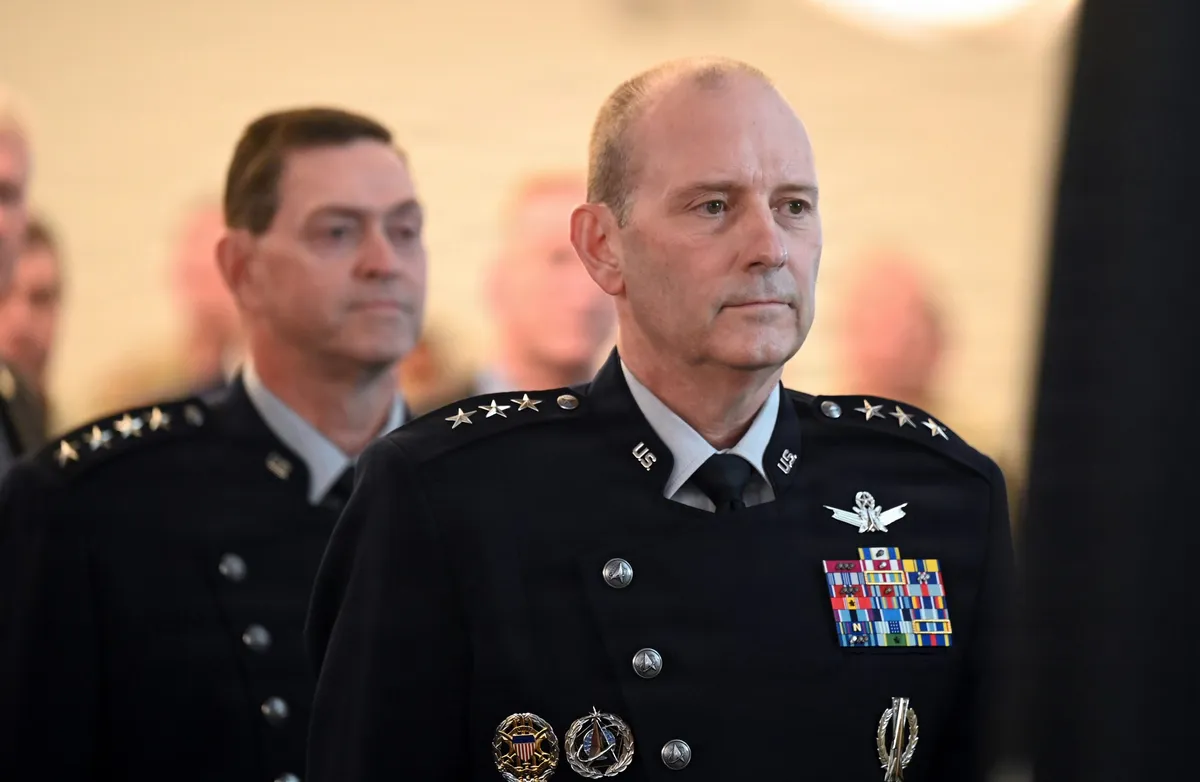
Gen. Douglas Schiess took over as Space Force's top uniformed officer, succeeding Gen. Chance Saltzman.
The German launch company adds 50 million euros to its Series A, taking total funding past 125 million euros.
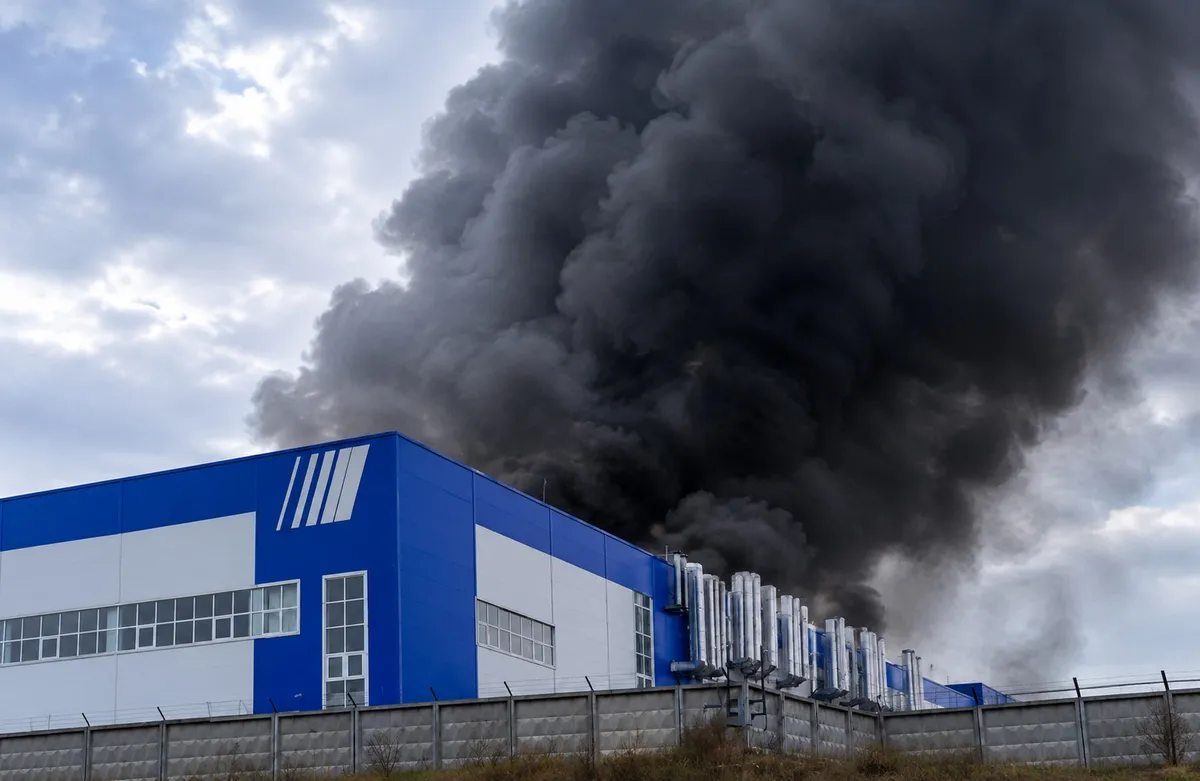
A fire broke out in a workshop at Proton-PM, which builds RD-191 engines for Russia's Angara rockets; no injuries were reported.
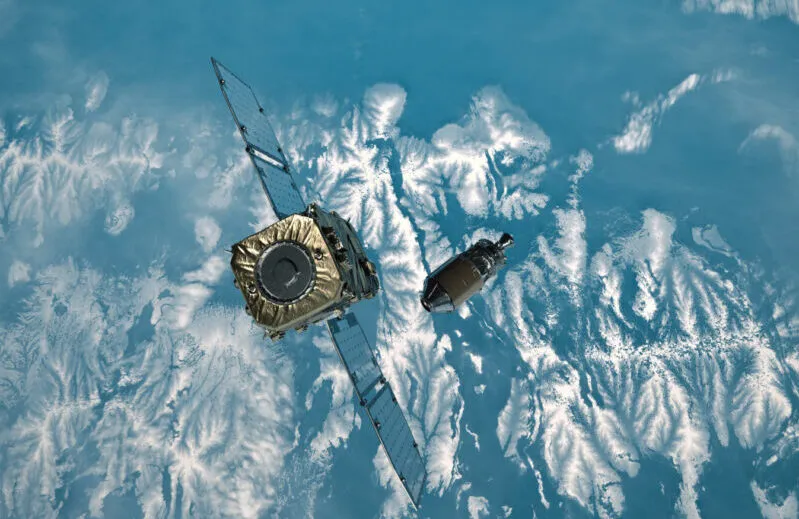
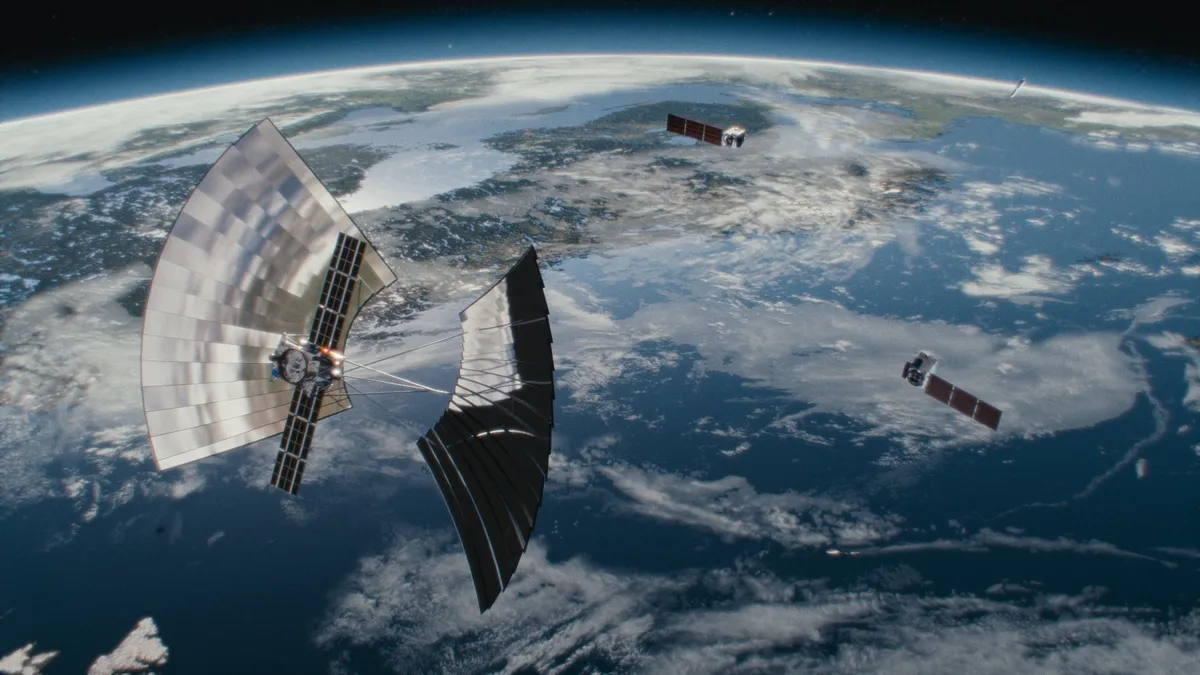
Astroscale Japan picked Isar Aerospace's Spectrum rocket to launch ADRAS-J2, its bid to capture and remove a large piece of orbital debris.
NASA is merging its launch programs into one office weighing block buys of launch services, per SpaceNews.
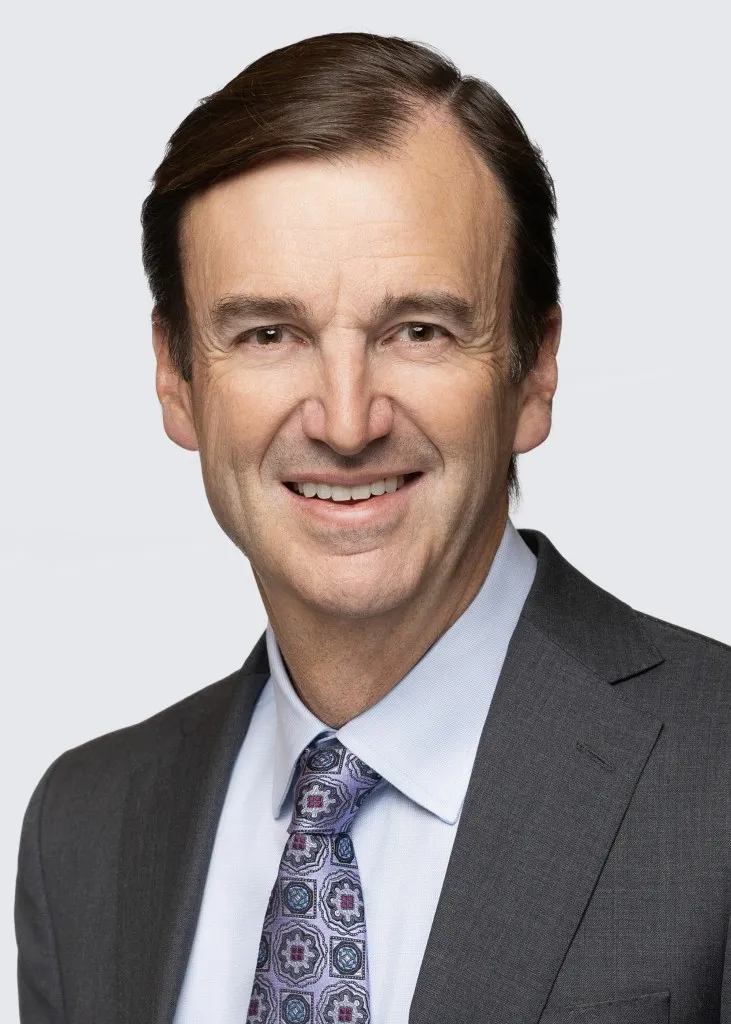
Per Oppenheimer analyst Timothy Horan: SpaceX's vertically integrated AI platform justifies a $280 target, up from $250.
SpaceX and Louisiana officials confirmed a $100 billion Starbase Louisiana spaceport on 130,000 acres at Vermilion Parish's Pecan Island.
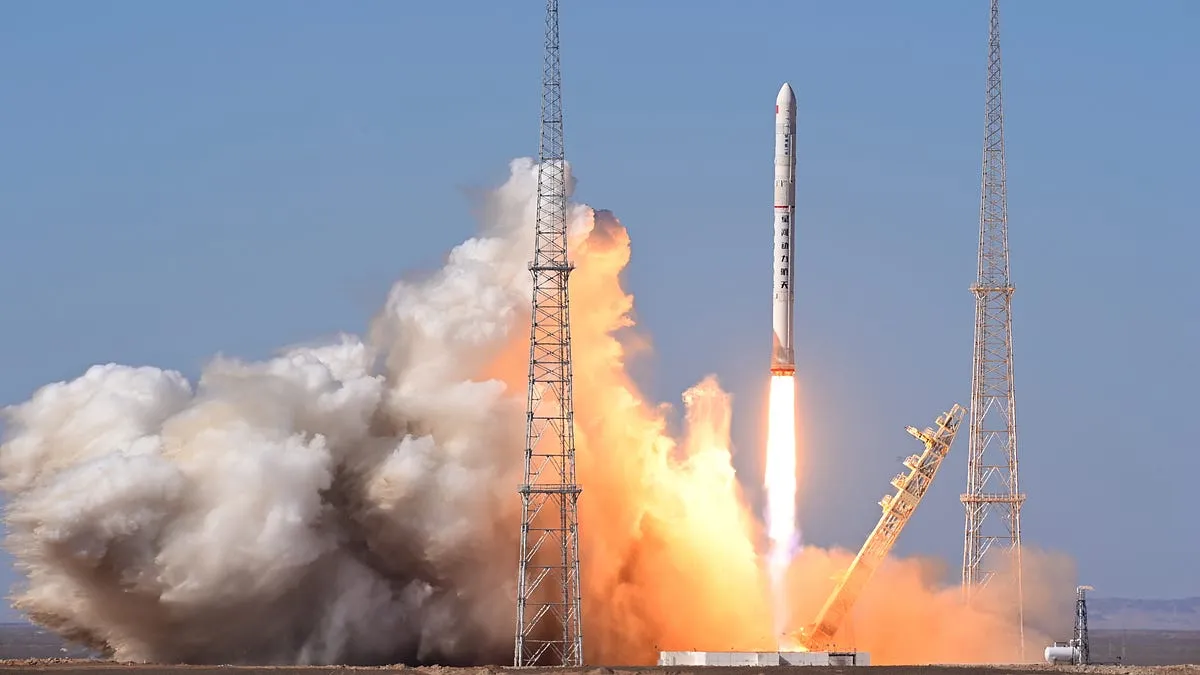
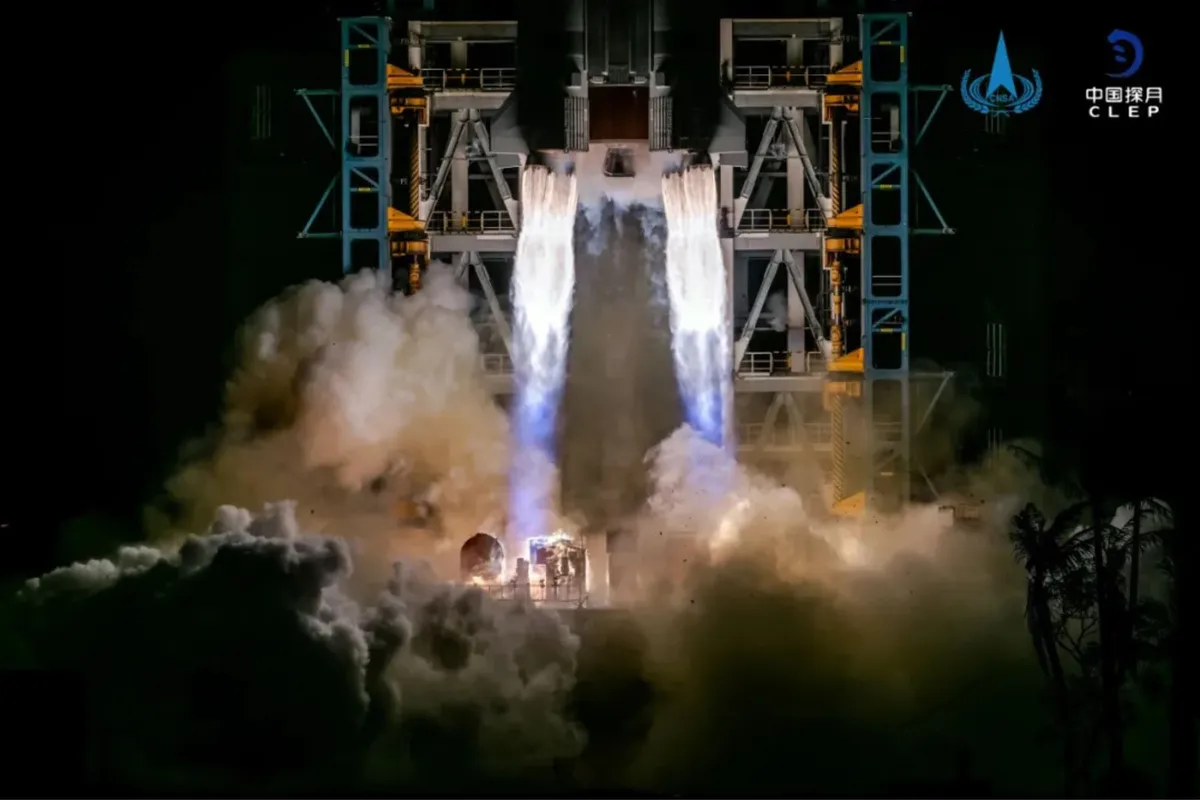
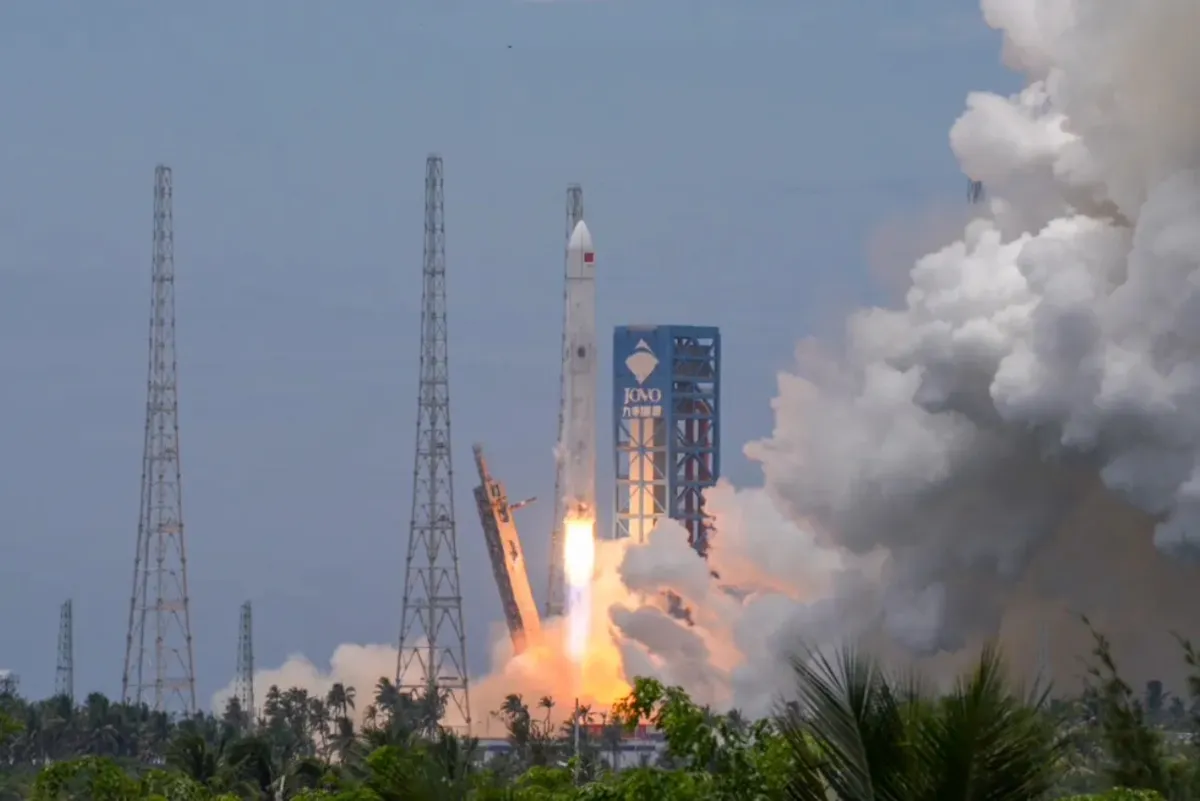
China's Galactic Energy flew its new Pallas-1 rocket for the first time, reaching orbit on a test flight with no customer payload.
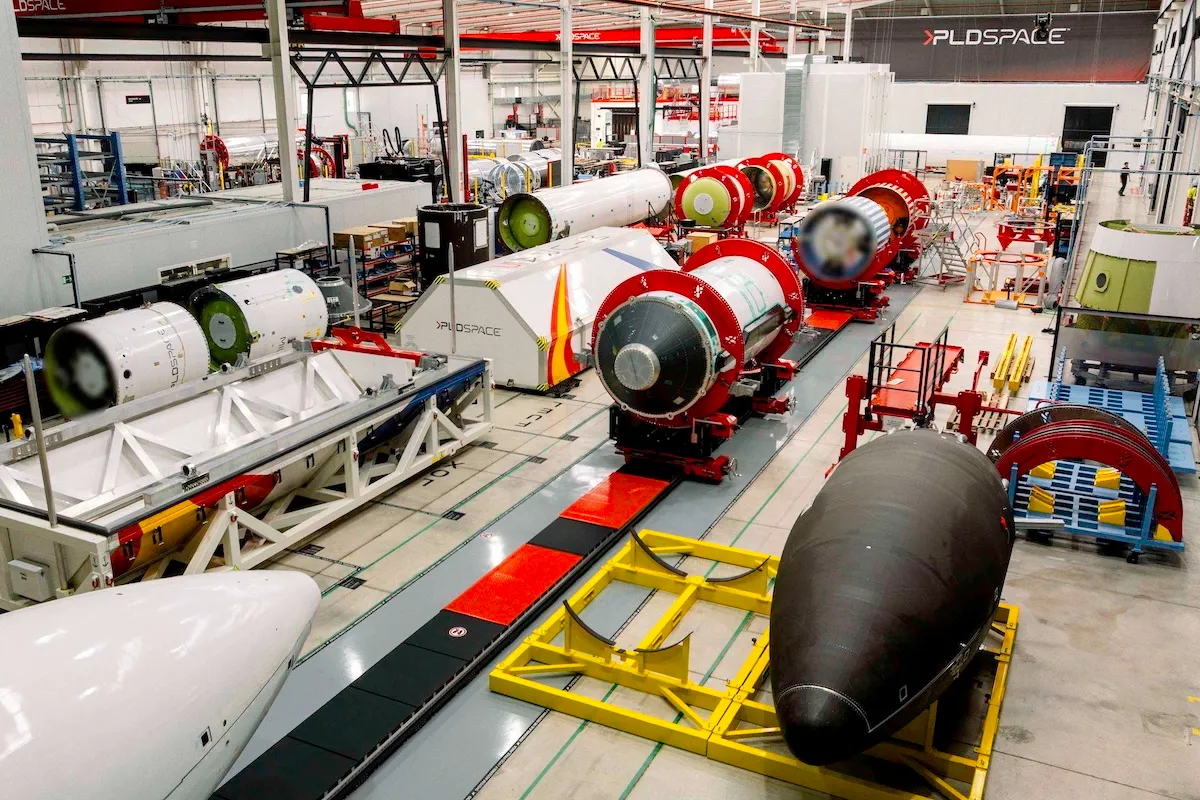
Mitsubishi Electric leads a fresh €108M tranche, bringing PLD Space's Series C round to €288M total.
Per Teslarati: SpaceX's FCC filing for Flight 14 describes Starship's first real orbital-insertion attempt, targeting Sept. 15.
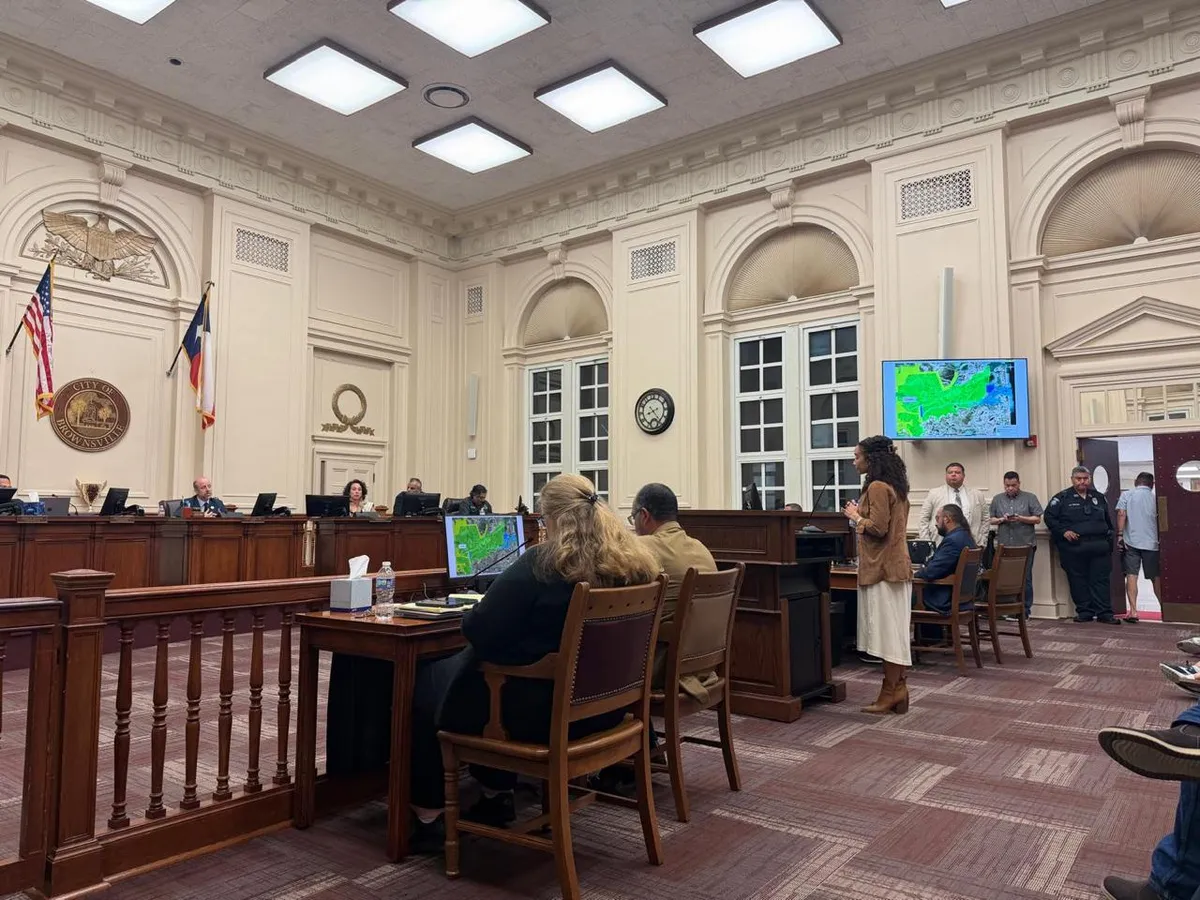
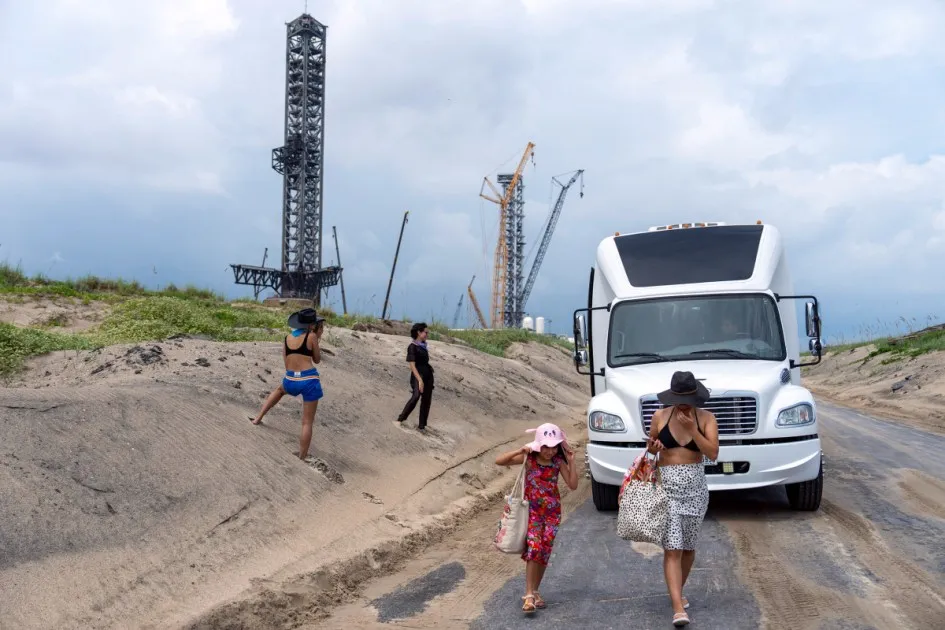
Brownsville removed 444 acres near Starbase from city zoning after SpaceX tied the move to a $220 million water-infrastructure commitment.
Per Firefly CEO Jason Kim, to Yahoo Finance: even with SpaceX dominant, rocket supply still trails satellite demand.
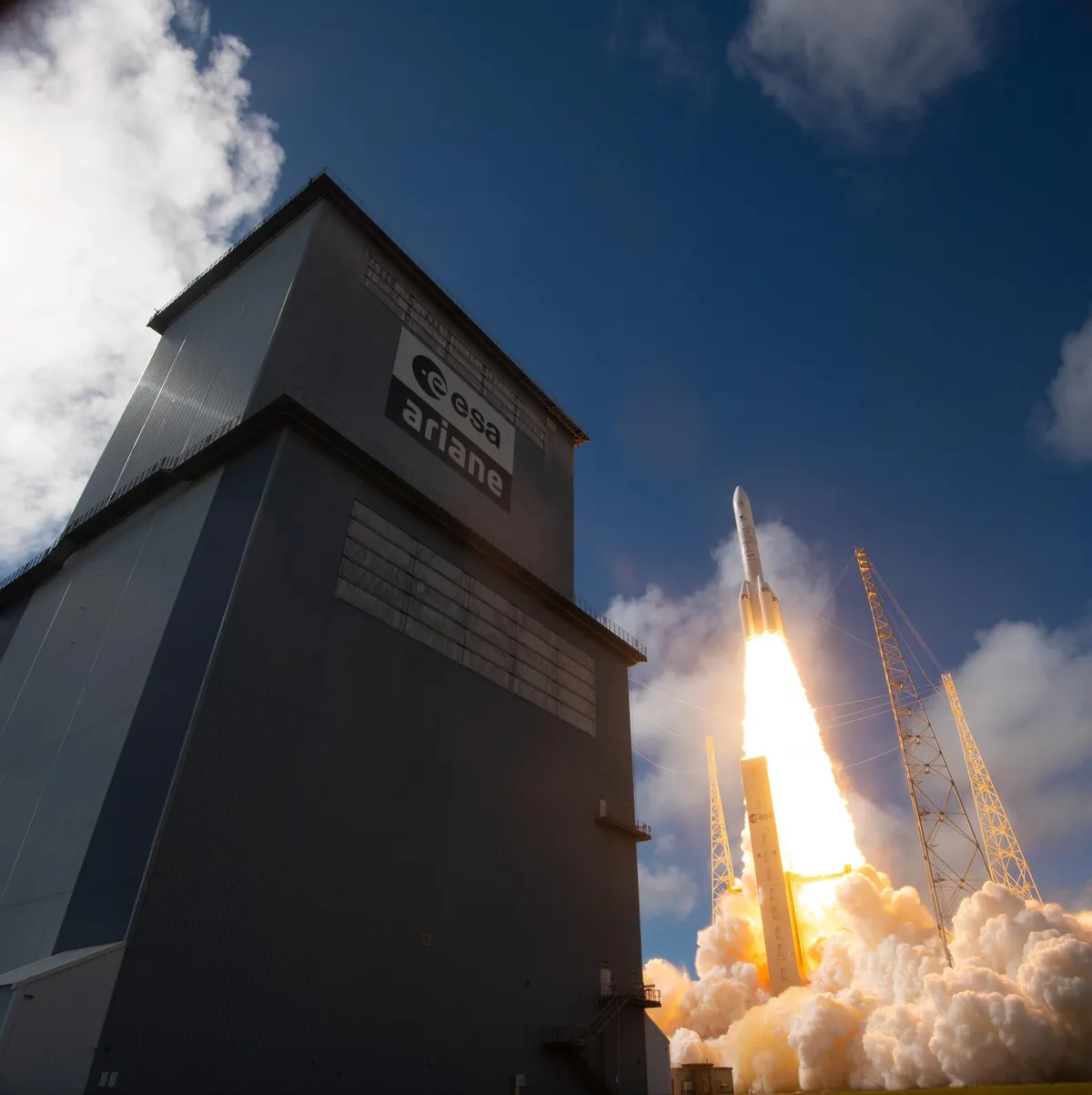
Ariane 6 successfully launched EUMETSAT's MTG-I2 weather satellite on its first flight to geostationary transfer orbit.
ESA awarded Isar Aerospace, Rocket Factory Augsburg, and PLD Space a combined €543.6 million to fly alternatives to Ariane 6.
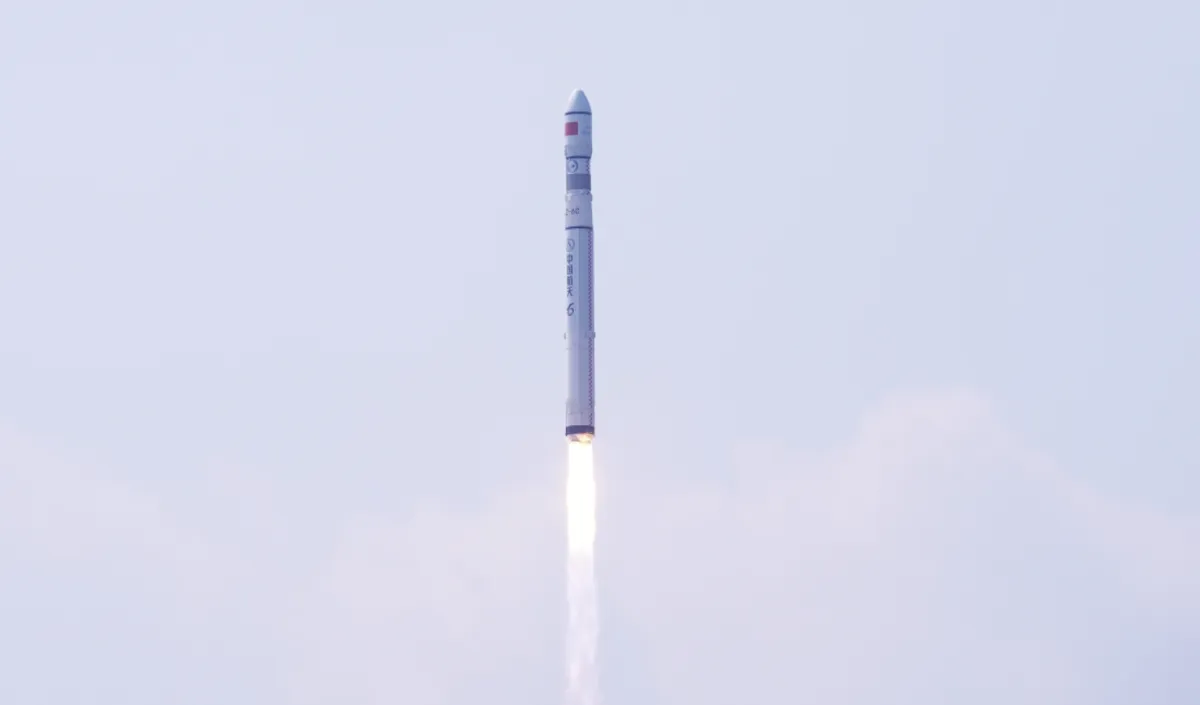
A Long March 6C upper stage fragmented in orbit two days after launch, adding tens to hundreds of debris pieces to a low orbital shell.
The White House sets a 1,000-launch-a-year goal and the FAA opens two implementation RFIs with an Oct. 26 comment deadline.
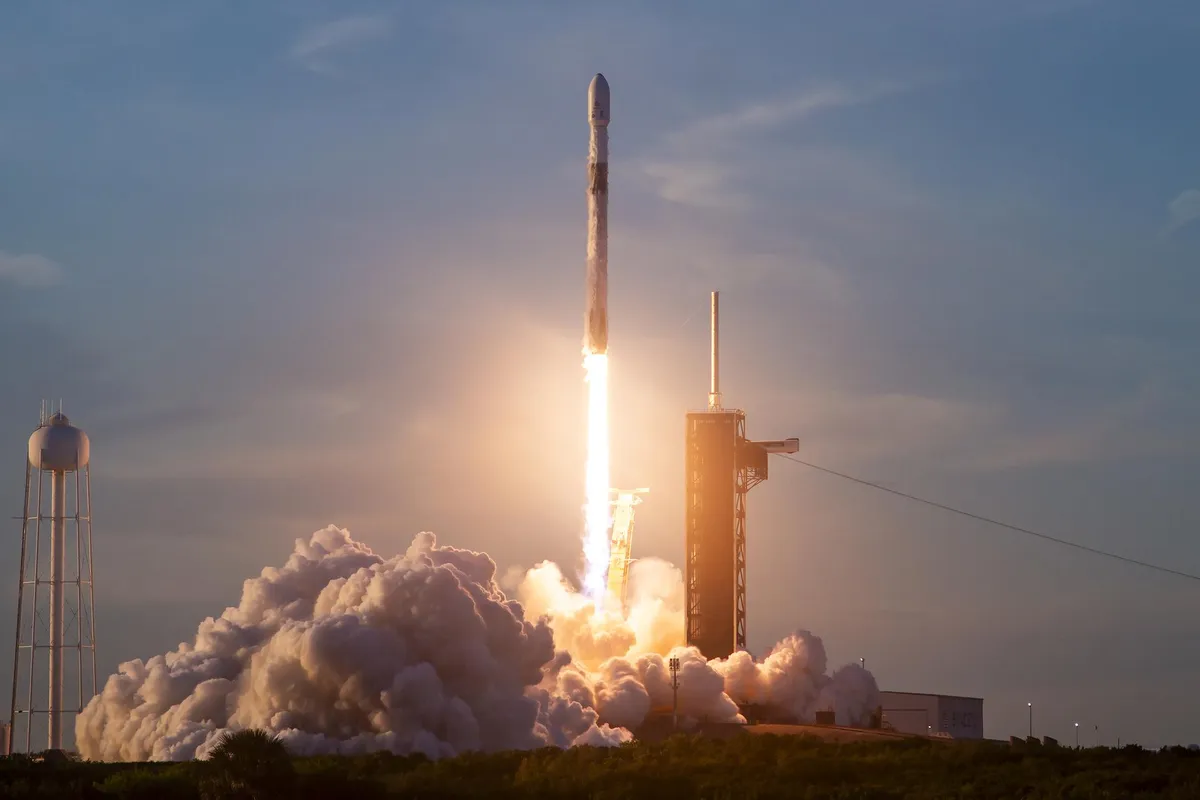
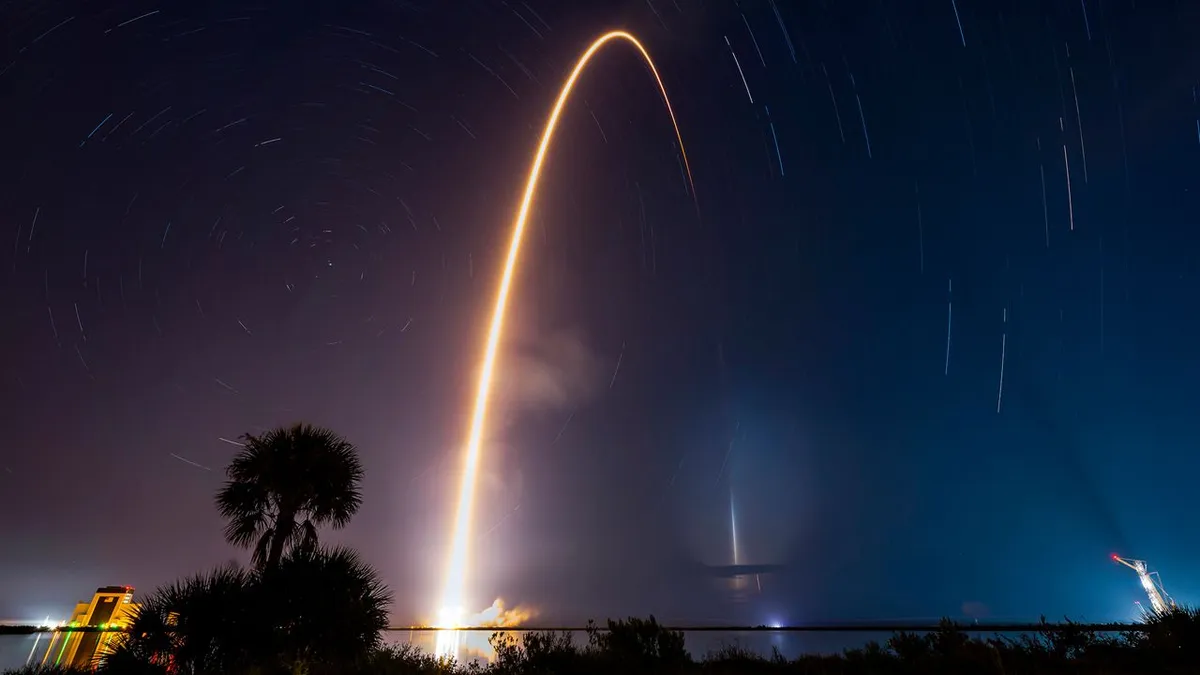
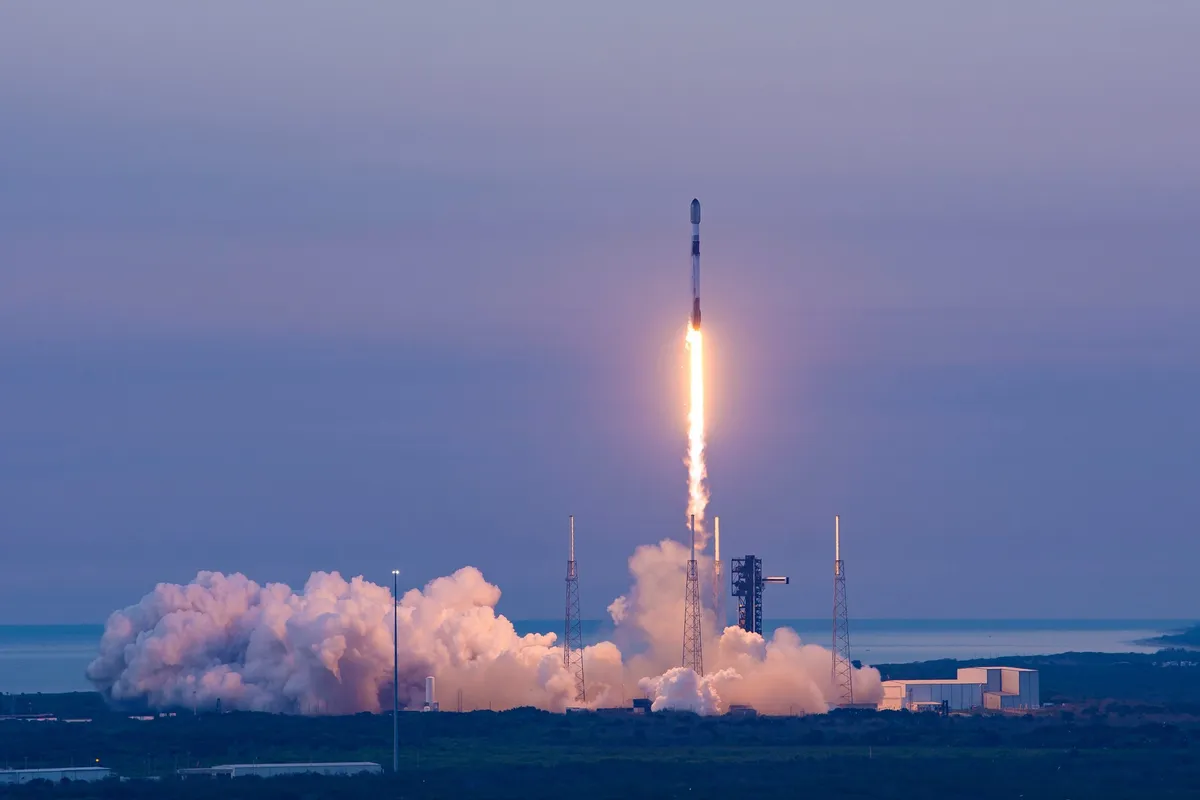
The booster's 100th Falcon 9 launch of 2026 was also the last planned Falcon 9 Starlink mission from Florida, per SpaceX.
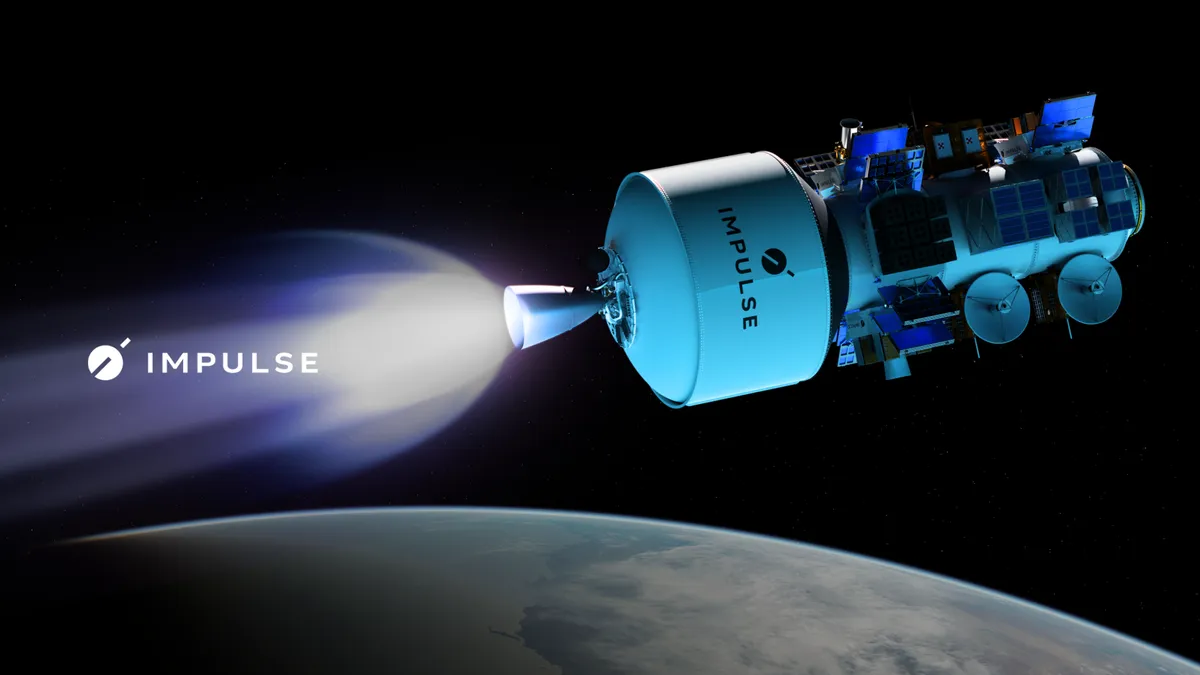
Impulse Space says demand for its Caravan GEO rideshare missions has booked out through 2028.
Scotland's HIE bought the liquidated Sutherland Spaceport's assets, keeping the UK launch site's future open after Orbex's collapse.
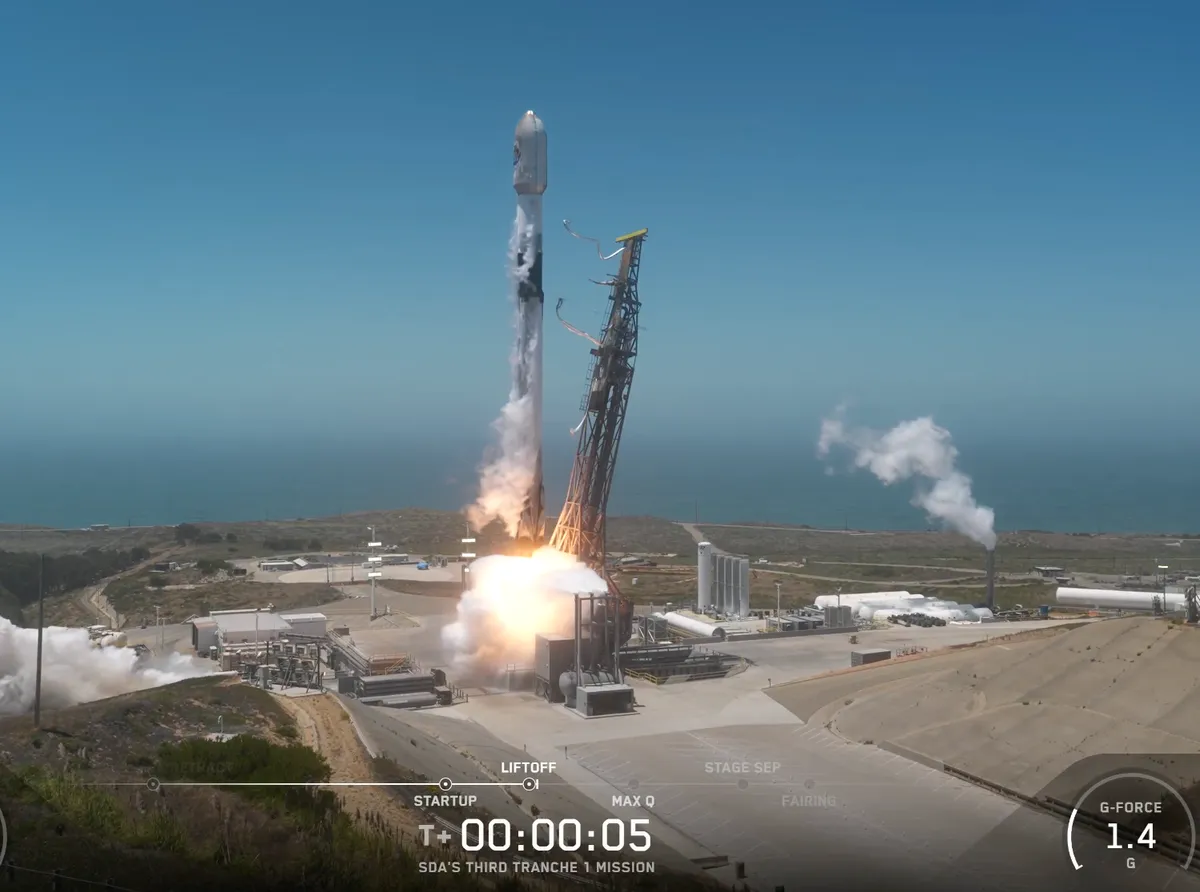
The Falcon 9 mission puts the military's proliferated data-relay constellation at the halfway mark of its planned 126 satellites.
SpaceX has stopped taking new Transporter and Bandwagon rideshare bookings for launches past late 2028, multiple trade outlets report.
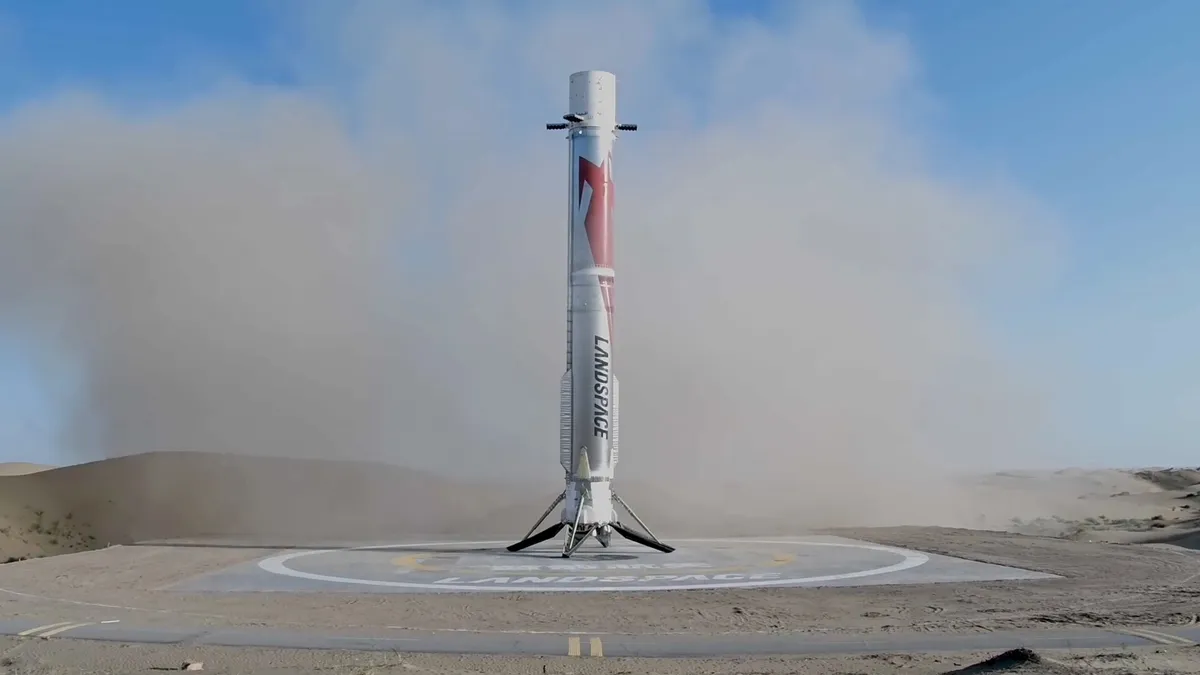
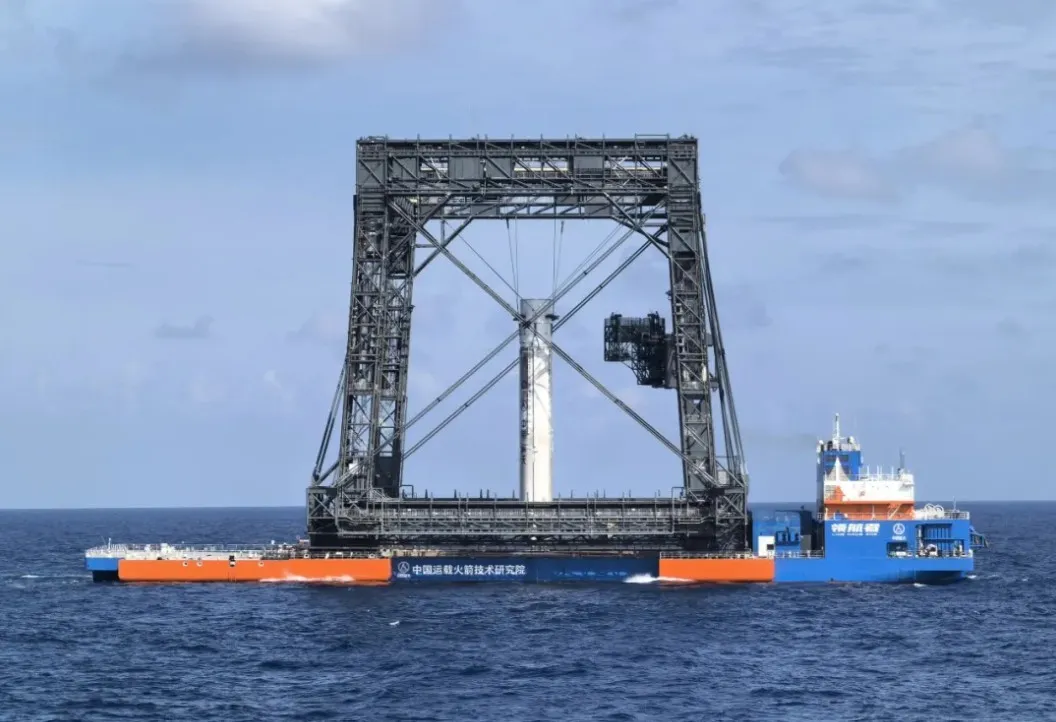
LandSpace landed Zhuque-3's booster on its second flight, a China first, but the recovered stage later tipped over on the pad.
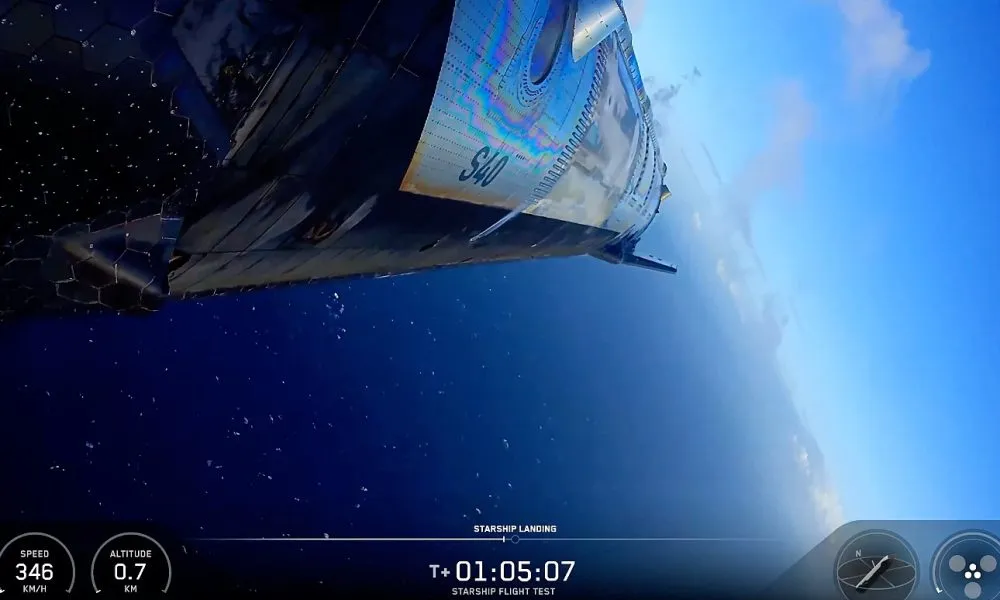
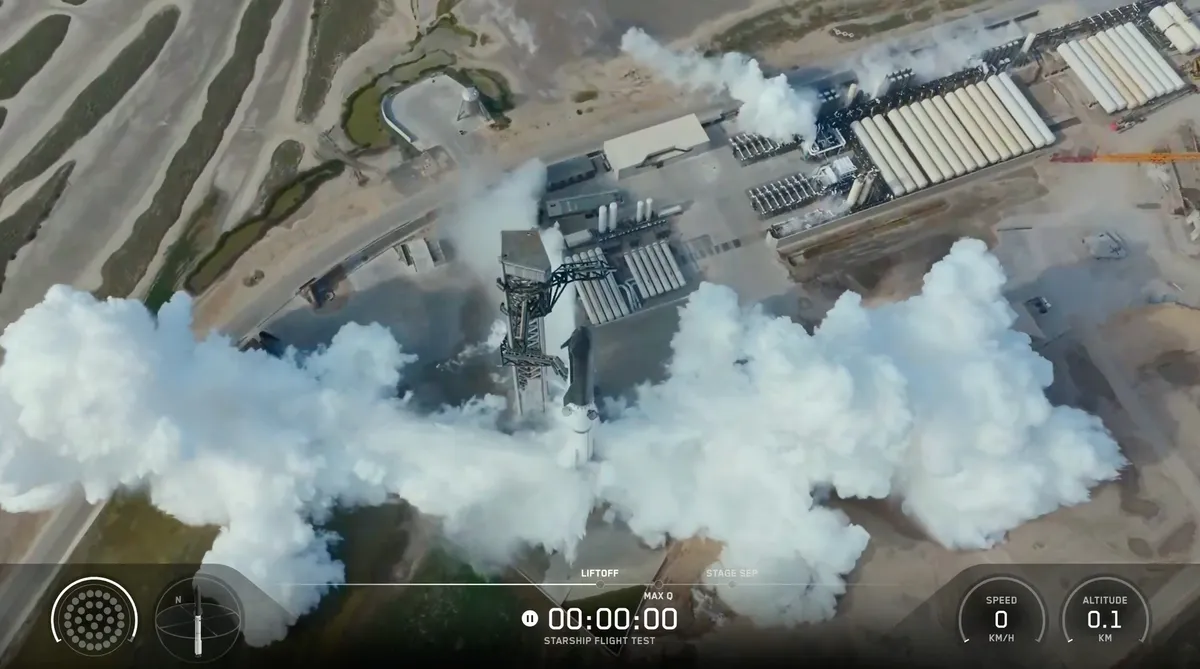
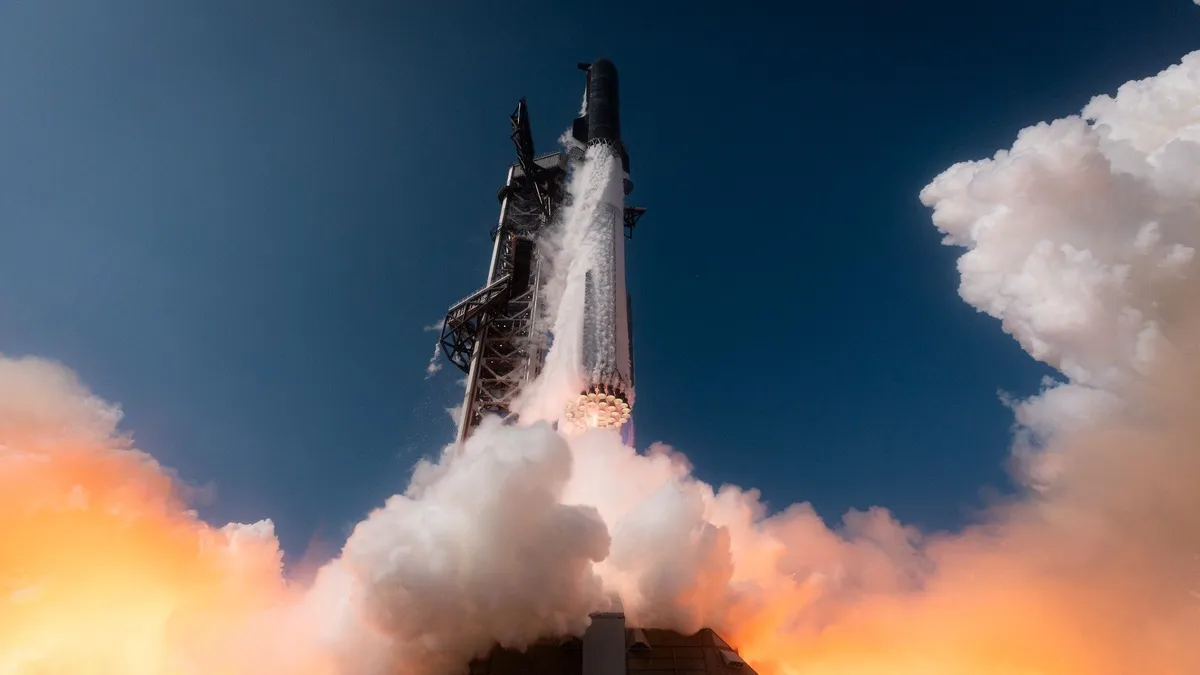
Flight 13 flew: Starship's first intact splashdown, first V3 Starlink deployment, and a hard Super Heavy booster landing.
SpaceX's Cursor acquisition became effective Aug. 14, converting Cursor into a wholly owned SpaceXAI division.
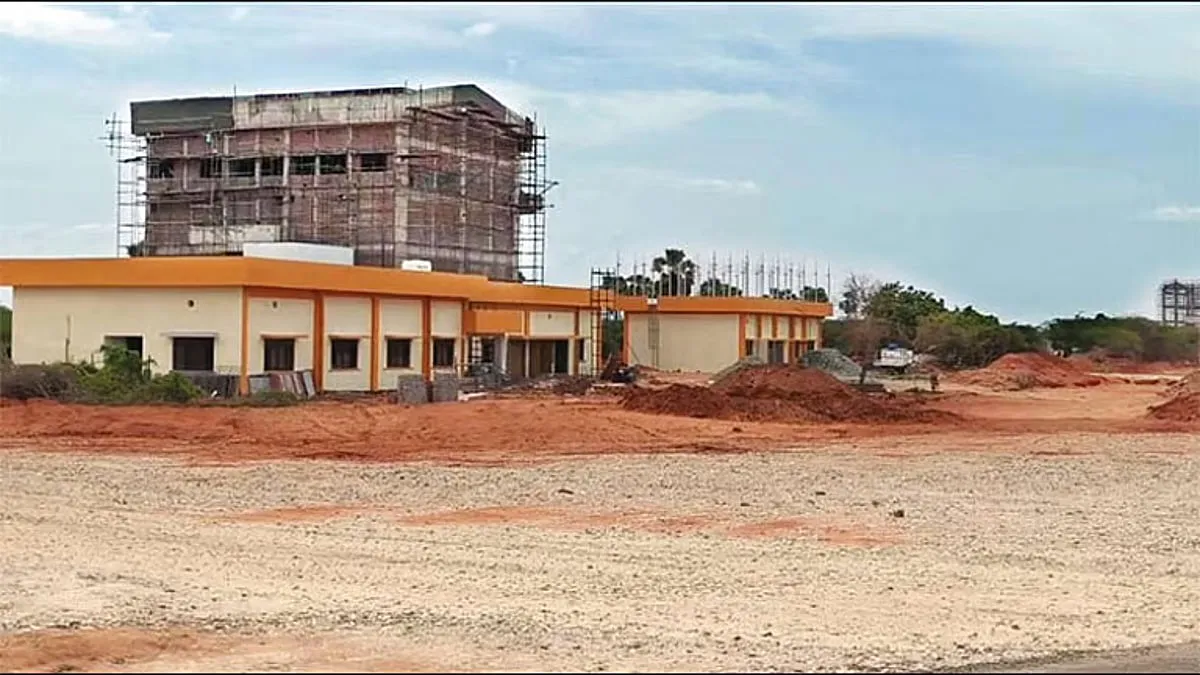
India has begun transferring operation and maintenance of the Rs 986 crore Kulasekarapattinam launch facility to private companies.
Portal Space Systems purchased a whole Falcon 9 for its first Supernova spacecraft and will resell the excess capacity as rideshare.
Japanese propulsion startup Letara closed a ¥2.6 billion ($16 million) pre-Series A round for its hybrid rocket engine technology.
NASA and Katalyst called off Link's Swift reboost after attitude-control problems proved unrecoverable; Swift will reenter later in 2026.
NCSIST's first Taiwan-built satellite launch vehicle veered off course and was destroyed on its first test flight.
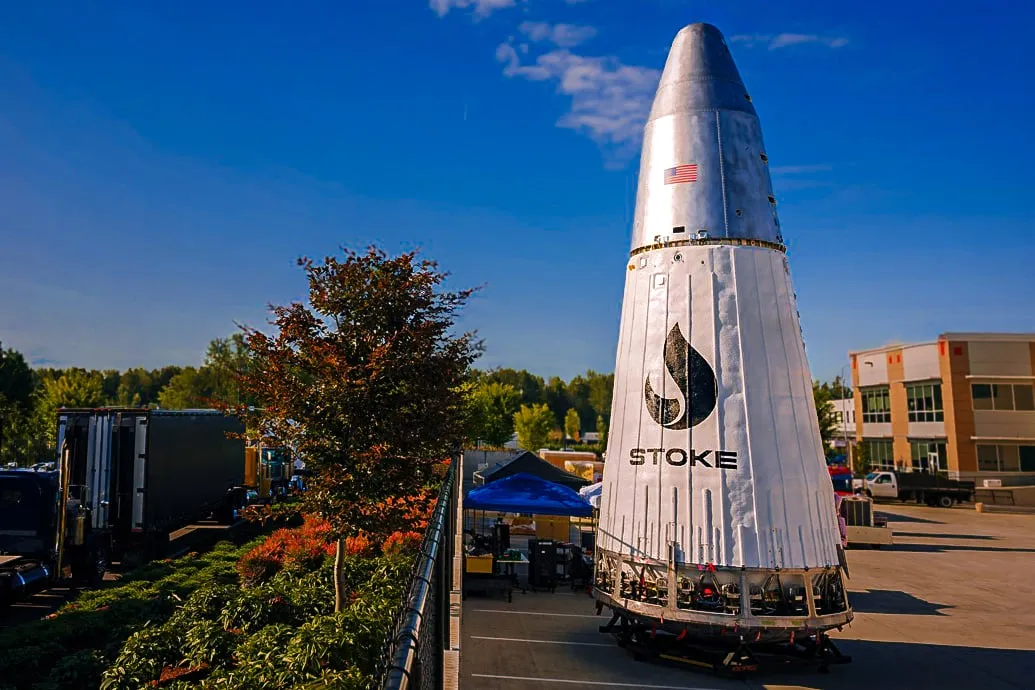
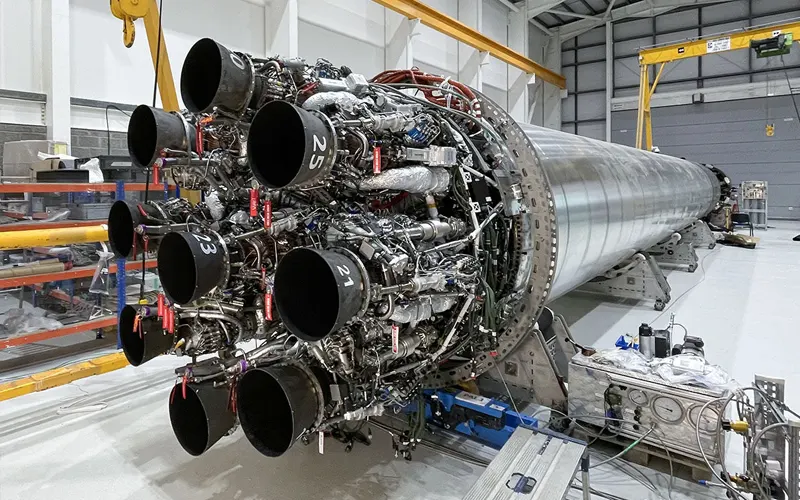
Stoke Space mated Nova's second stage for fit checks and finished building three first-stage engines ahead of its 2026 debut.
Ukraine's Flamingo missiles hit Russia's Soyuz rocket plant in Samara.
Vietnam's VinSpace signed a SpaceX Transporter rideshare contract to launch its first satellites in 2027.
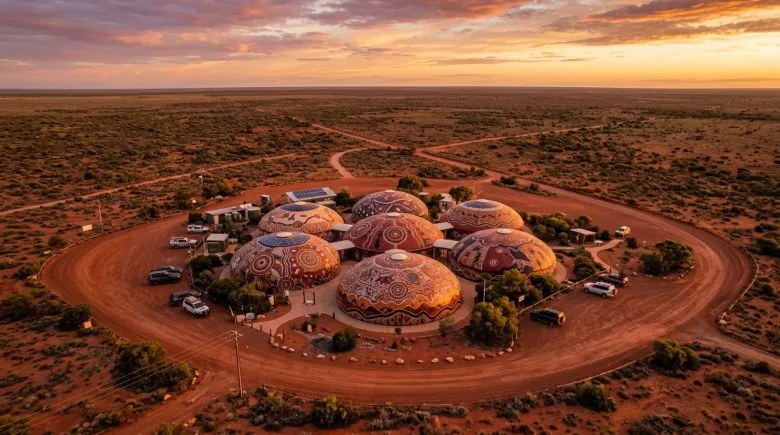
Western Australia awarded Space Angel a $1.75 million Spaceport Establishment Support Grant to develop spaceport site plans.
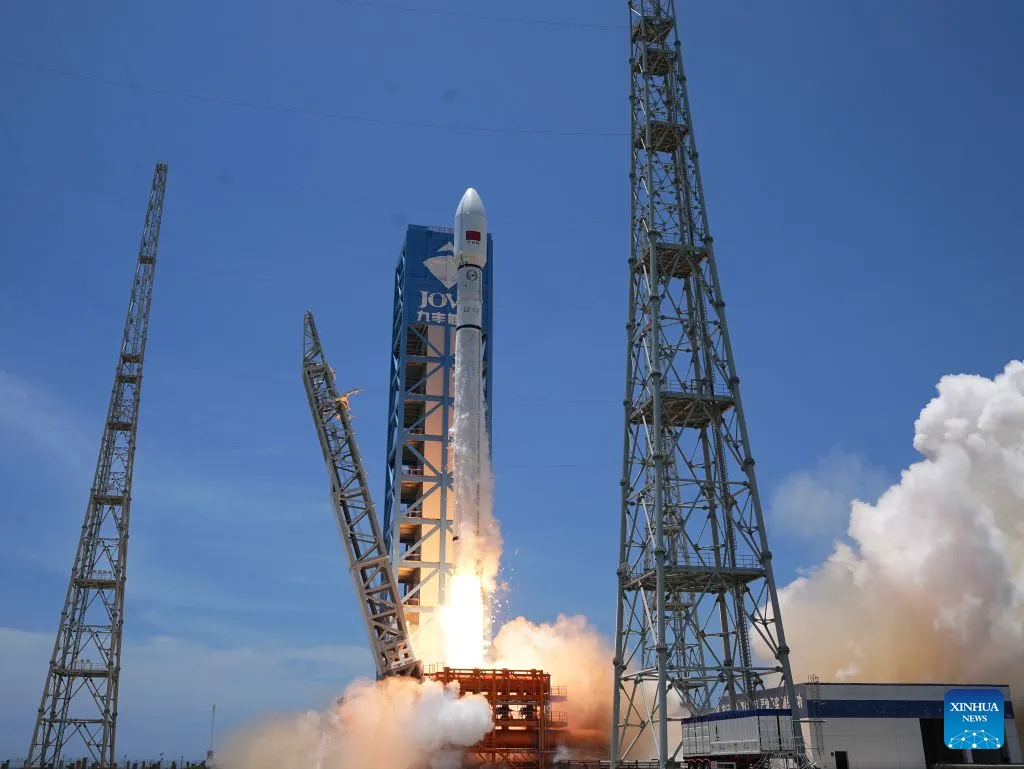
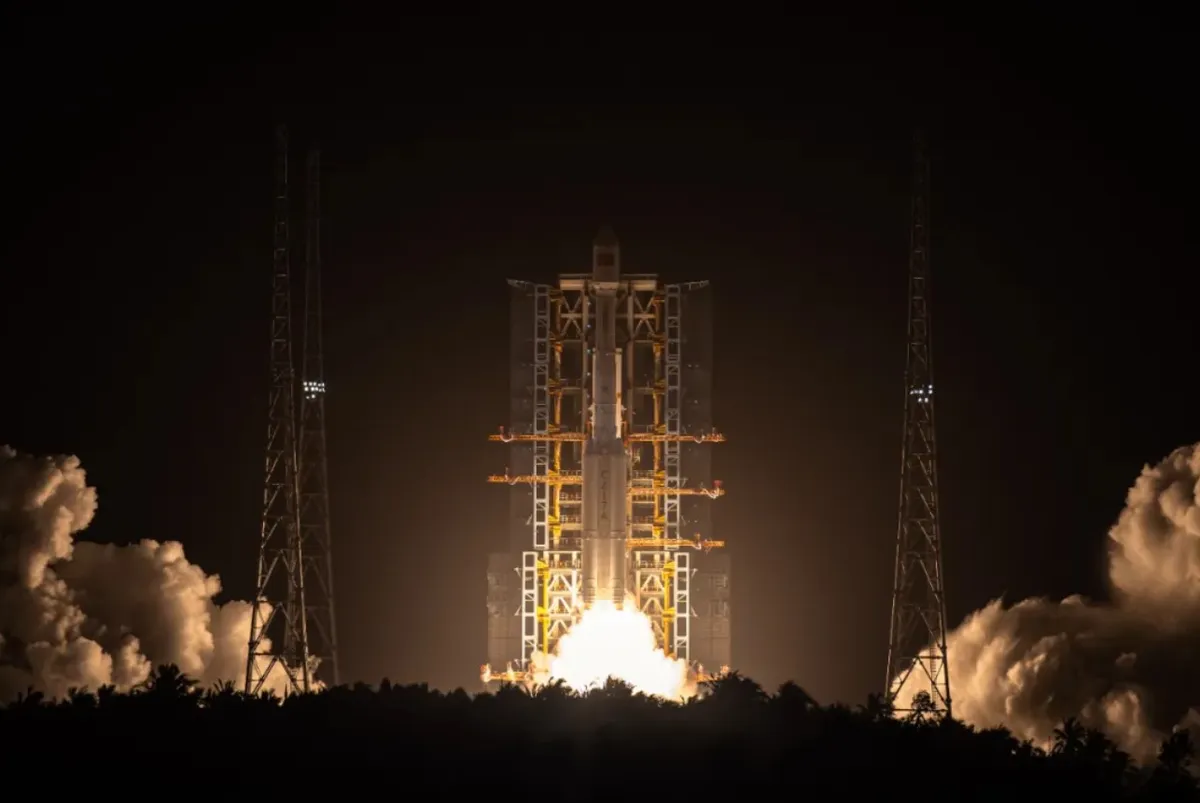
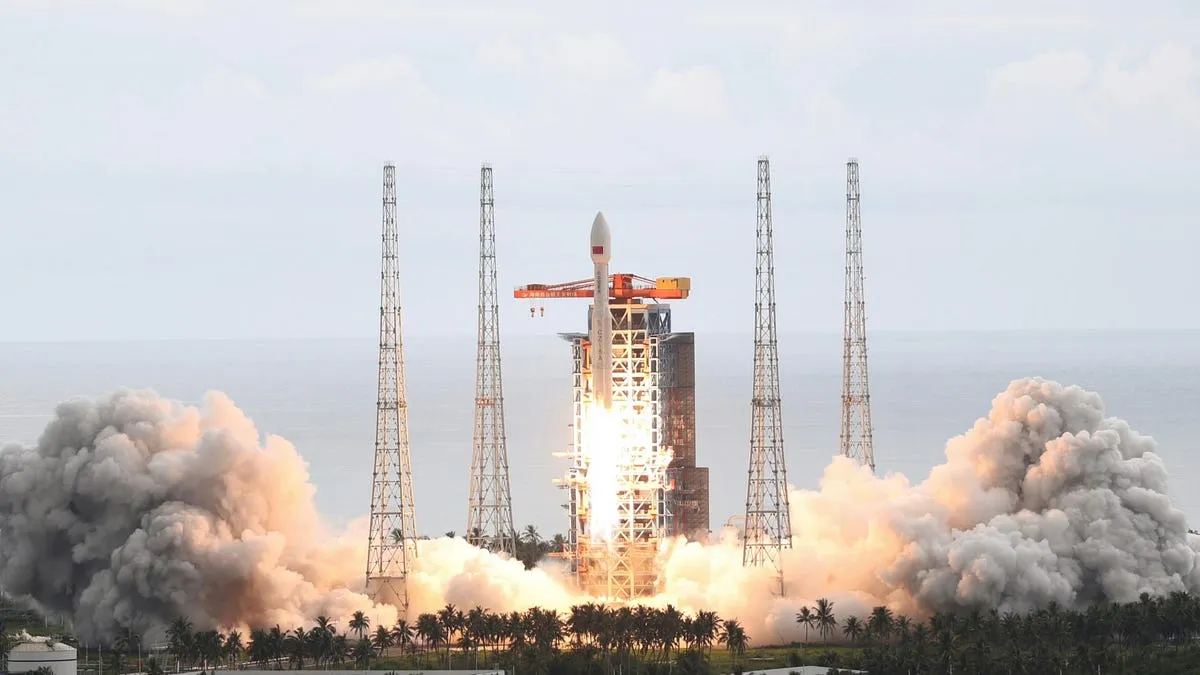
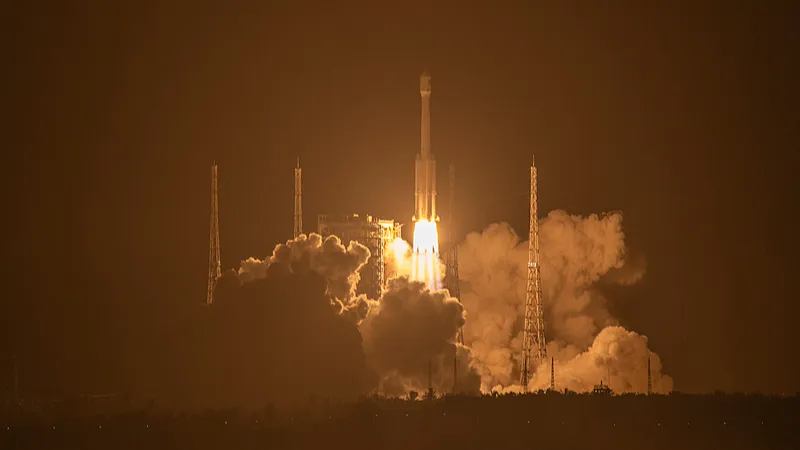
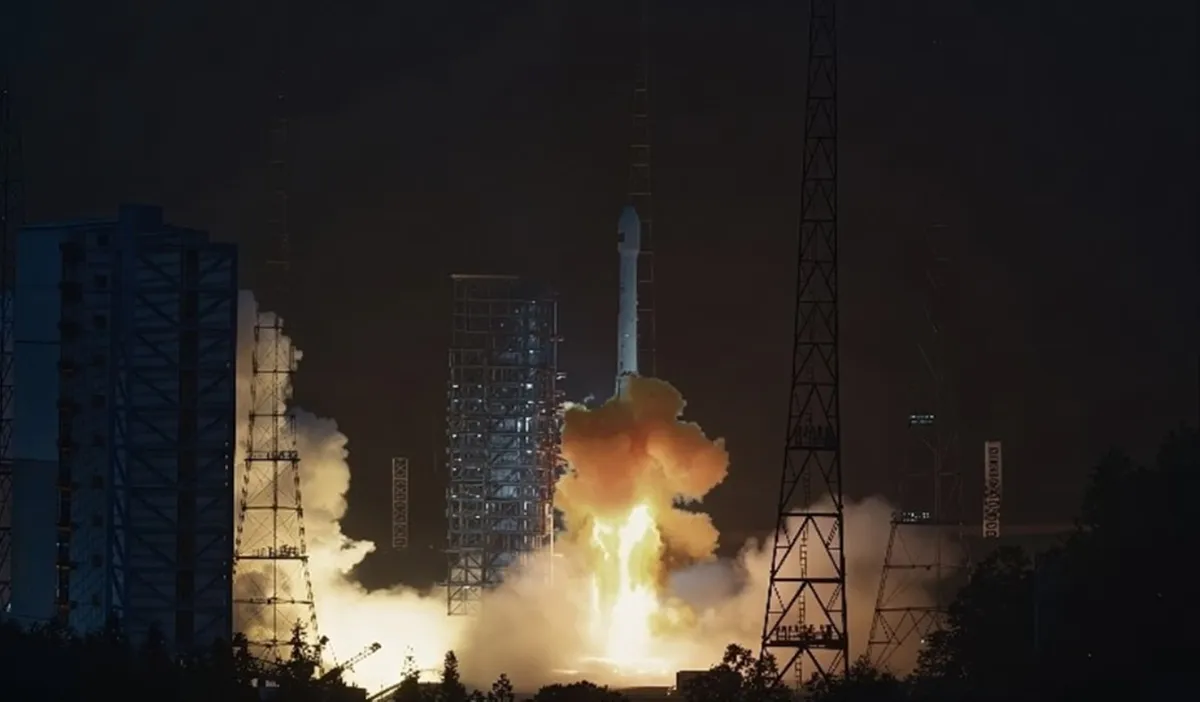
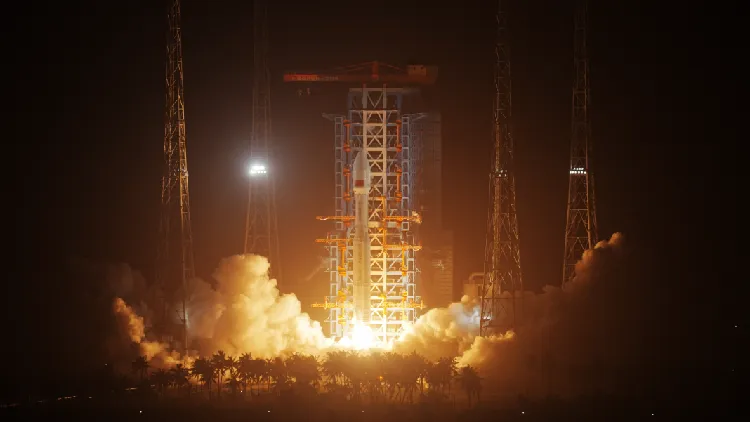
A Long March-12 launched GuoWang's 24th satellite batch from Hainan, China's first flight since the Aug 10 Long March-7A failure.
ULA named longtime COO Mark Peller as permanent president and CEO, ending John Elbon's eight-month run as interim chief.
SEOPS added a second dedicated Falcon 9 rideshare mission to low Earth orbit after its first Waymaker flight nearly sold out.
NASA added Firefly to its Spacecraft Processing Operations Contract, letting it compete for payload-processing task orders at Vandenberg.
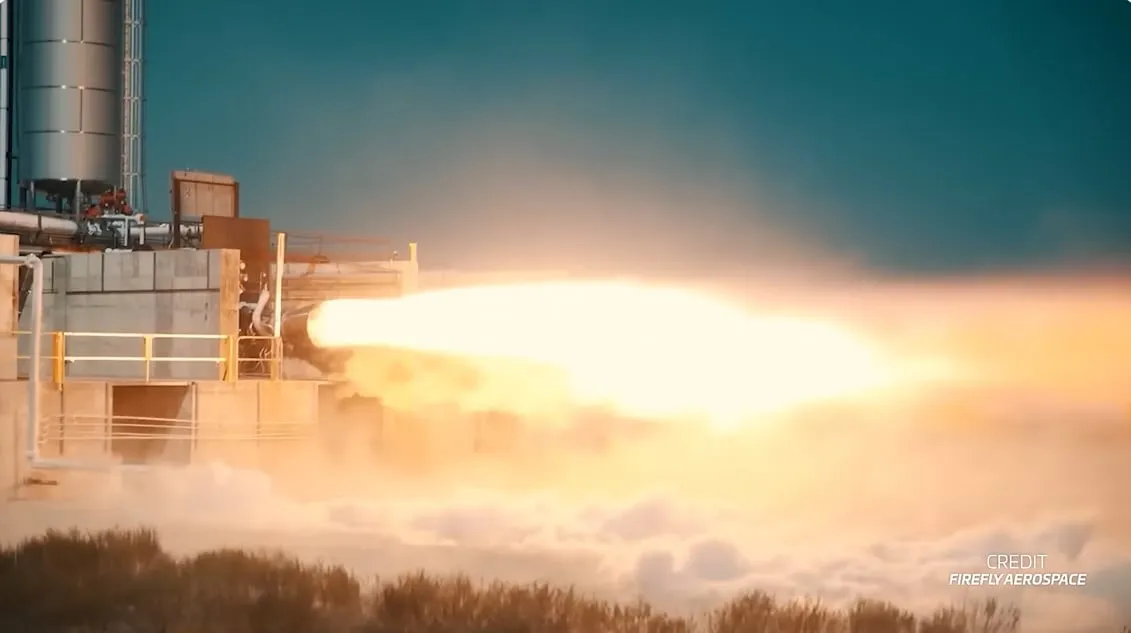
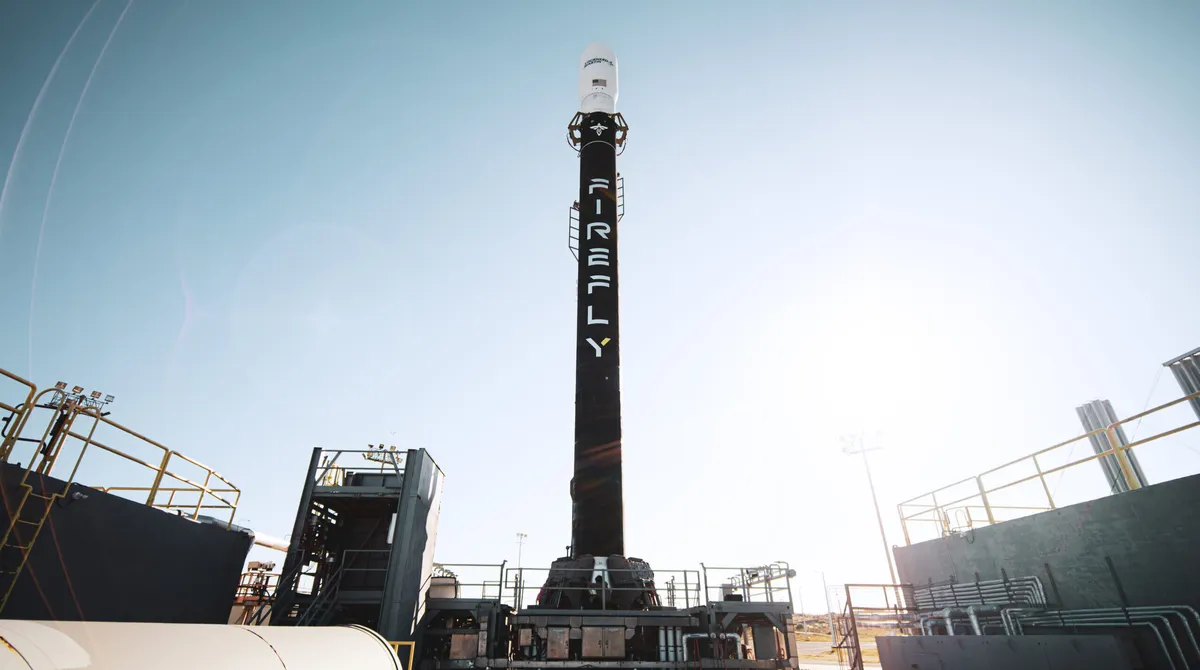
Firefly's Miranda engine cleared a 226-second flight-like burn, a milestone toward qualifying Eclipse's first stage.
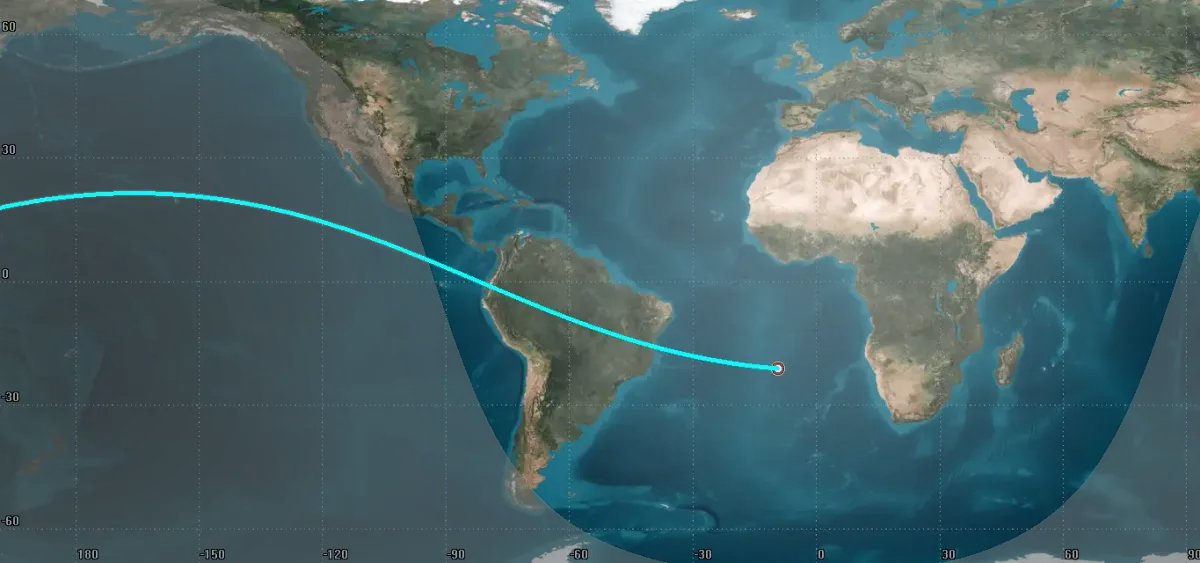
The C25 upper stage from ISRO's LVM3-M5 flight reentered over the Atlantic on July 30, within its planned short orbital lifetime.
SpaceX launched two Falcon 9s 38.5 minutes apart on Aug. 15, a new cadence record, with the 650th Falcon booster landing.
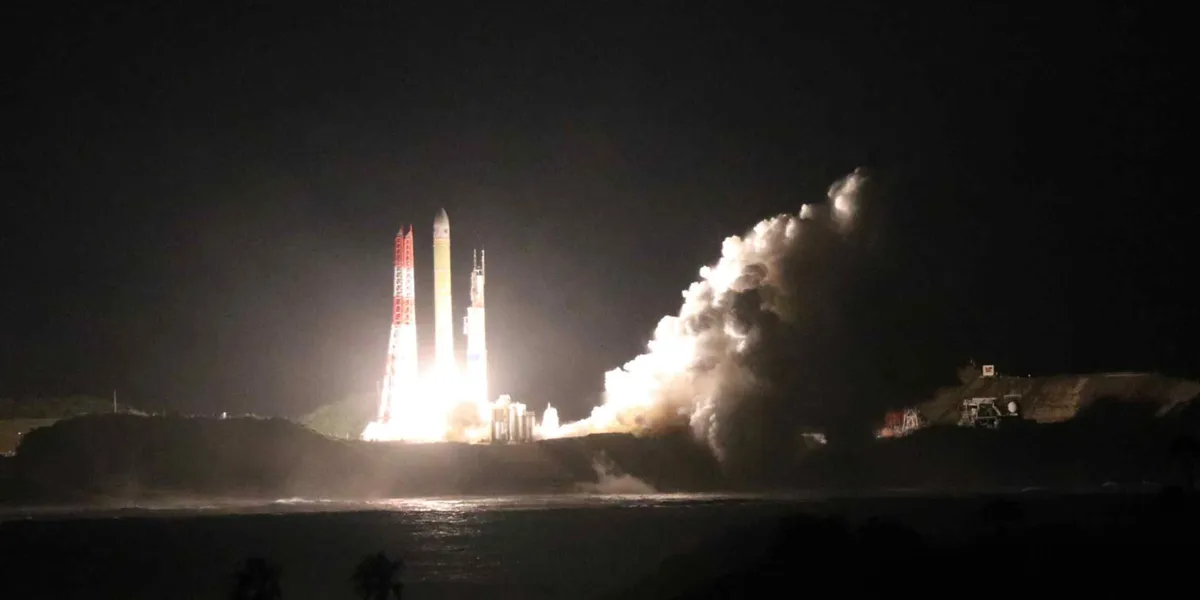
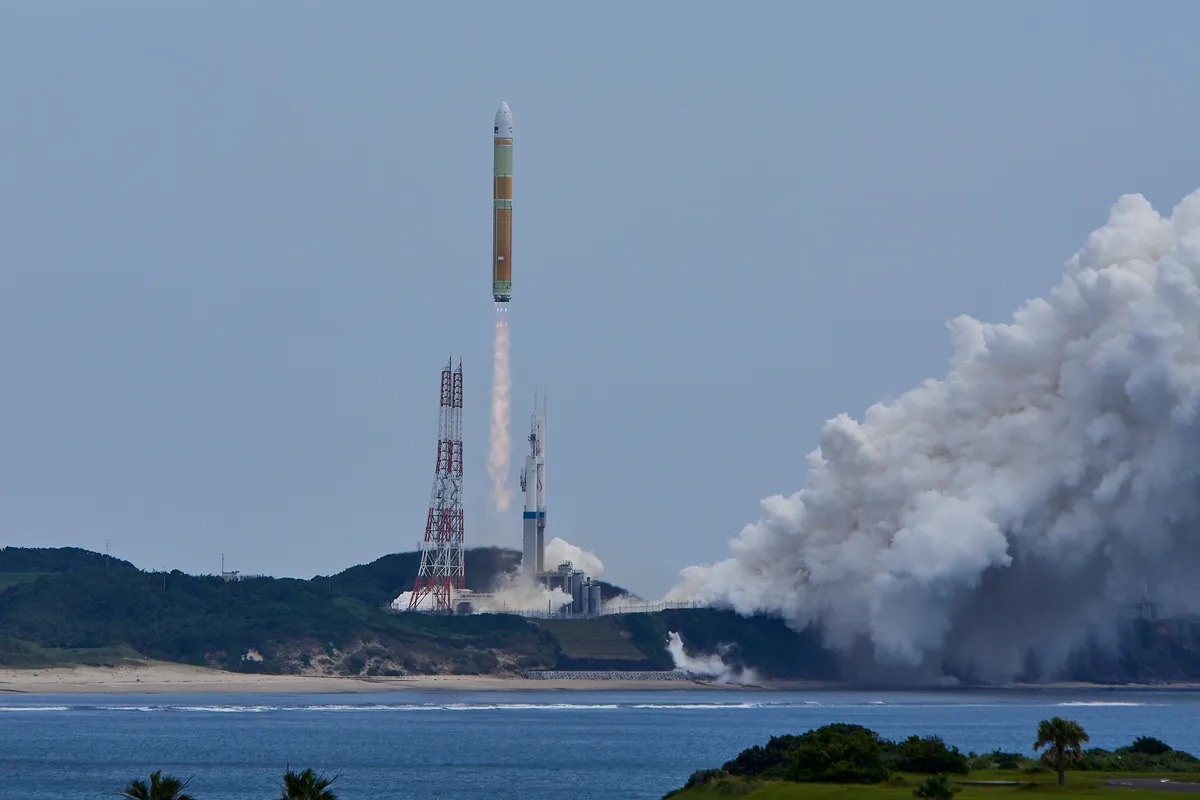
JAXA's QZS-7 launch on H3's 9th flight also completed a US-Japan space domain awareness hosted-payload program.
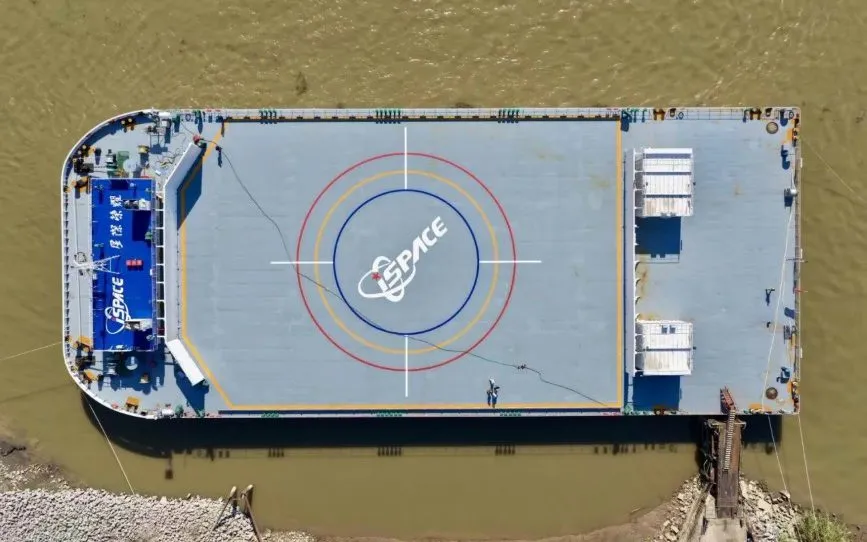
China's iSpace closed a $148 million first tranche of a Series E round for its reusable Hyperbola-3 rocket, with fundraising ongoing.
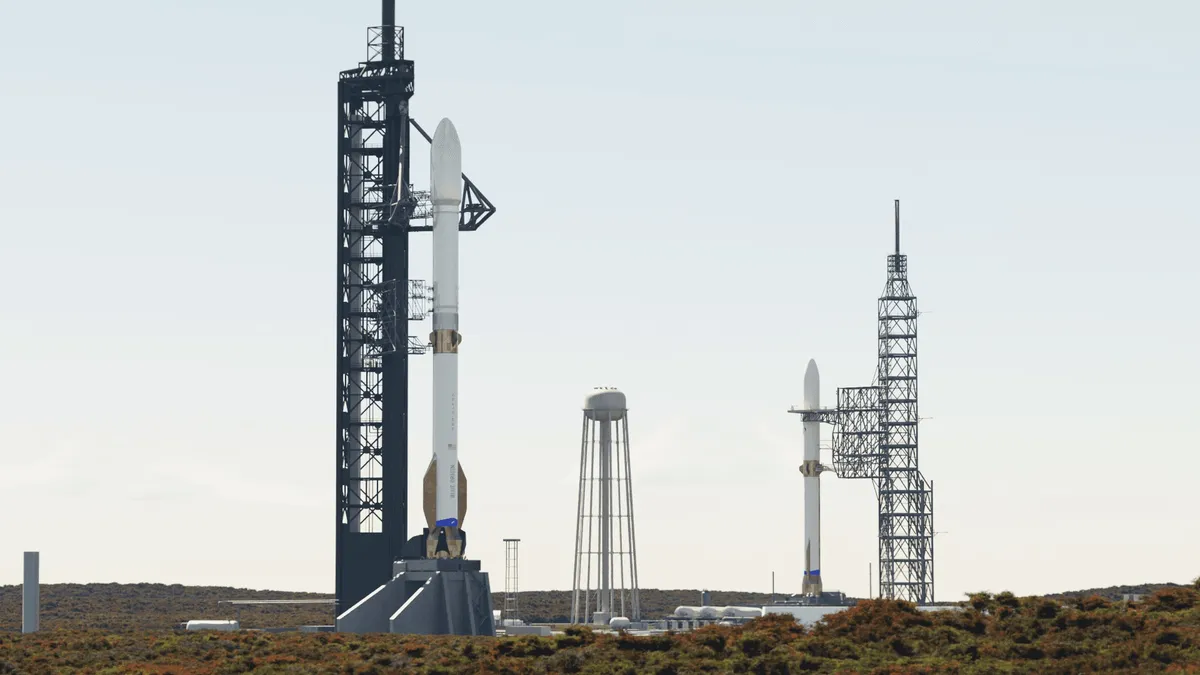
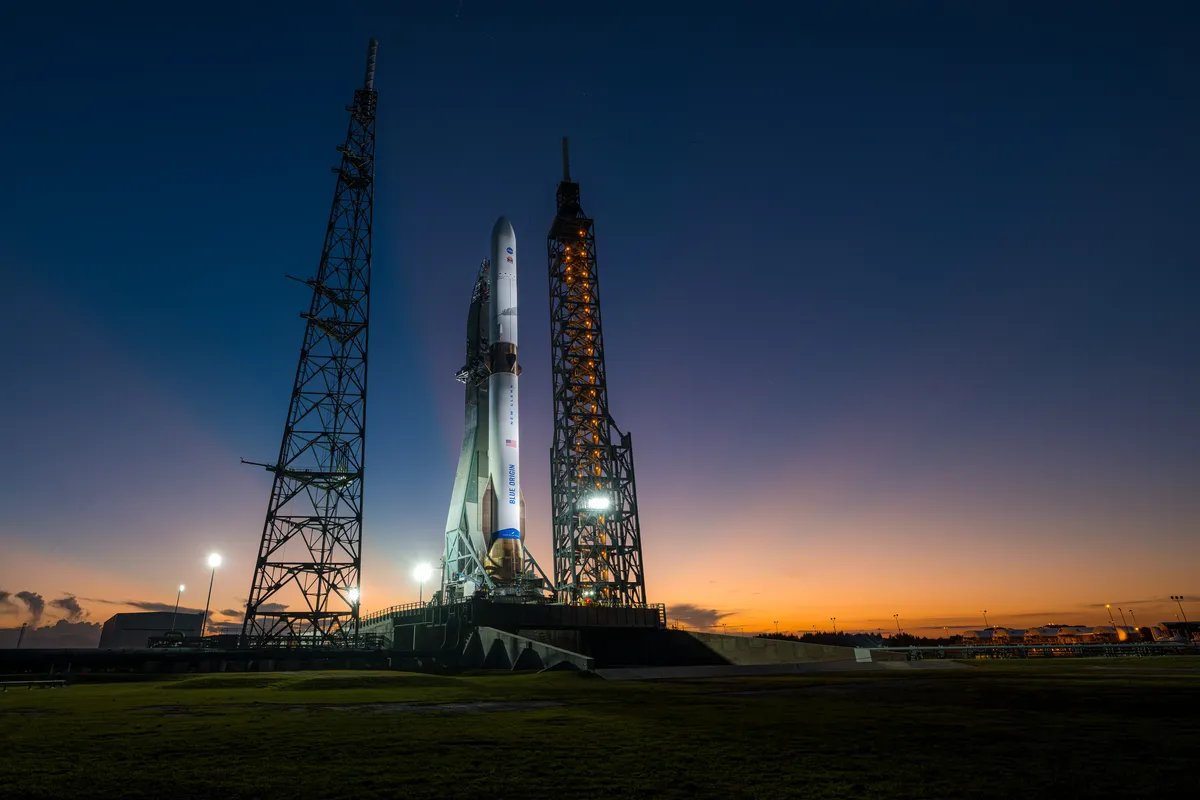
Blue Origin will add Launch Complex 36B at Cape Canaveral for a larger, nine-engine New Glenn variant.
Firefly and Lockheed Martin extended their multi-launch deal to up to 25 Alpha flights through 2031, on the upgraded Alpha Block II rocket.
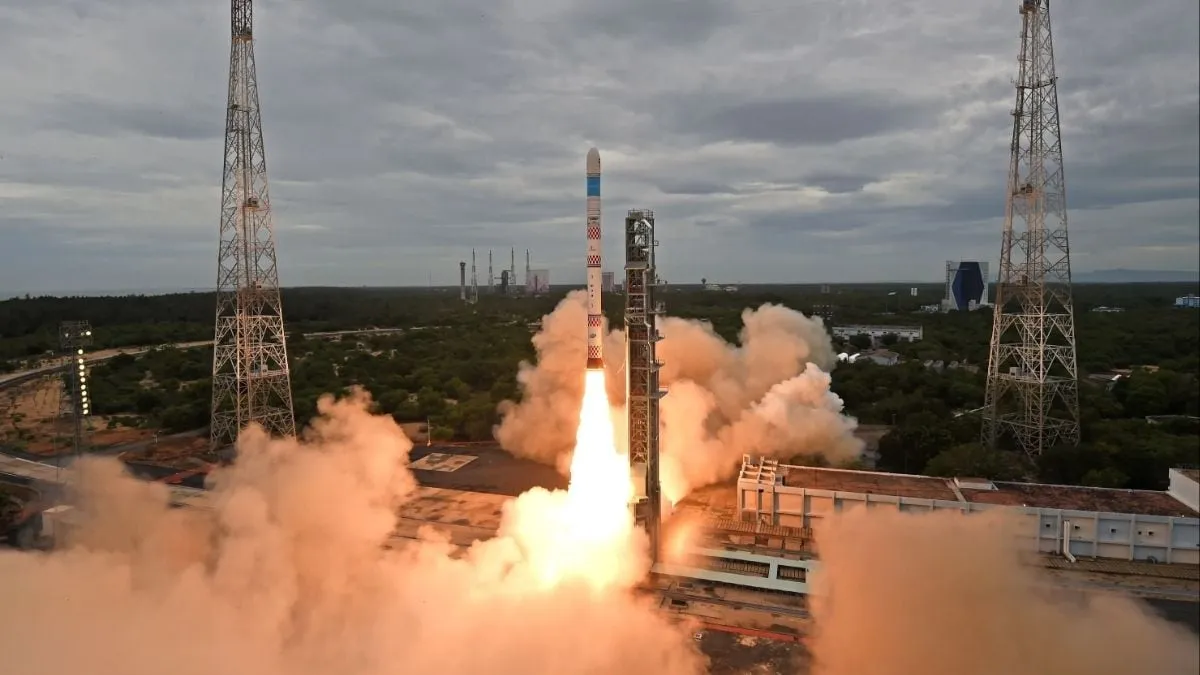
ISRO's redesigned SSLV solid booster passed a static test, expected to add about 100 kg of payload capacity.
A Long March 7A carrying the ChinaSat-4B communications satellite exploded about 85 seconds into flight from Wenchang.
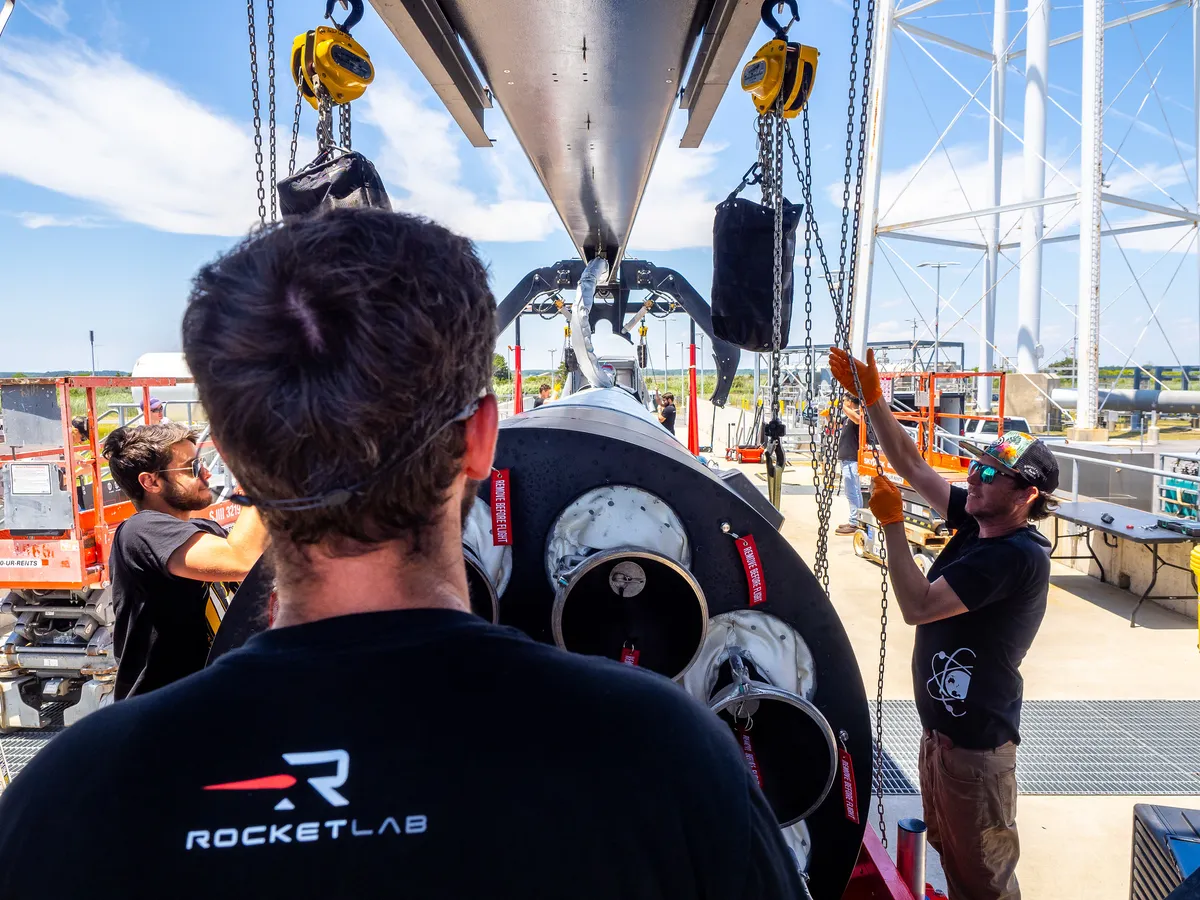
Rocket Lab's new shipping-container launch infrastructure will let it stand up Electron and HASTE pads anywhere, debuting in Alaska in 2027.
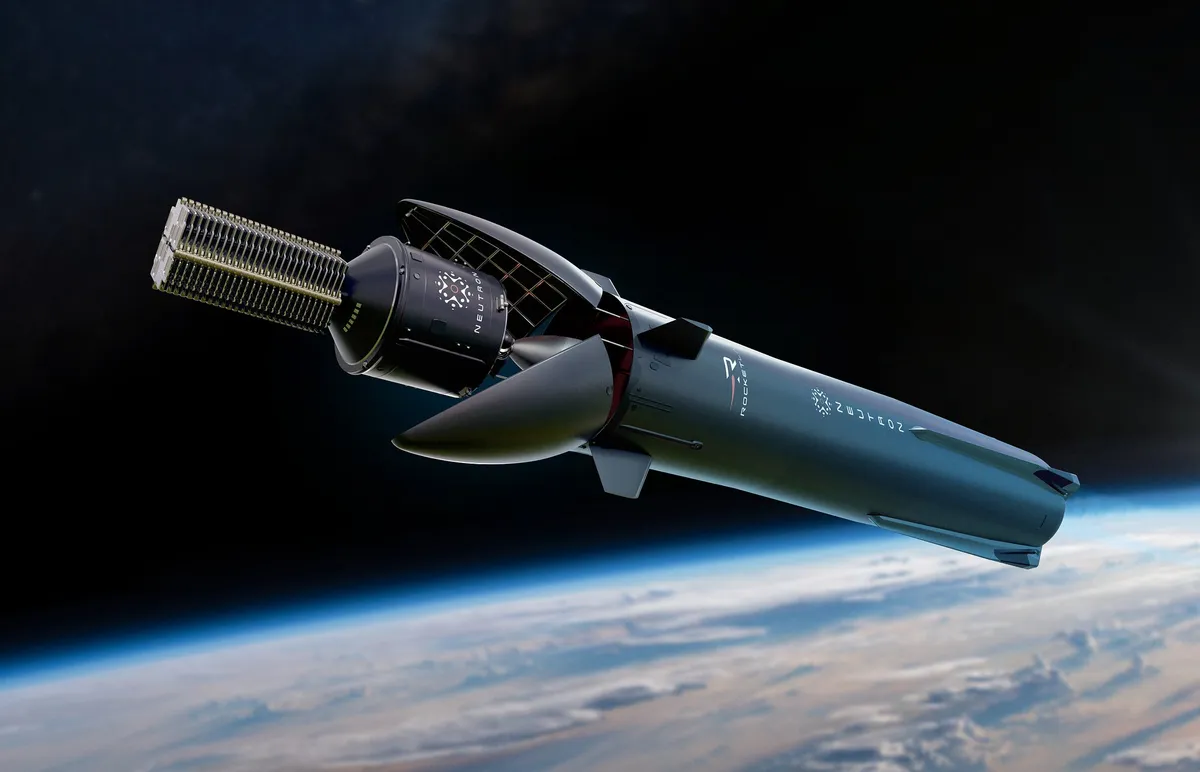
Rocket Lab CEO Peter Beck said Neutron's window for an end-of-year 2026 debut is narrowing and may slip to 2027.
Rocket Lab launched a Munich-based German subsidiary to build a regional hub for satellite manufacturing and European launch sales.
ESA's Aschbacher tells the Financial Times Europe's launch capacity won't meet demand by 2030, and wants developers to price expansion.
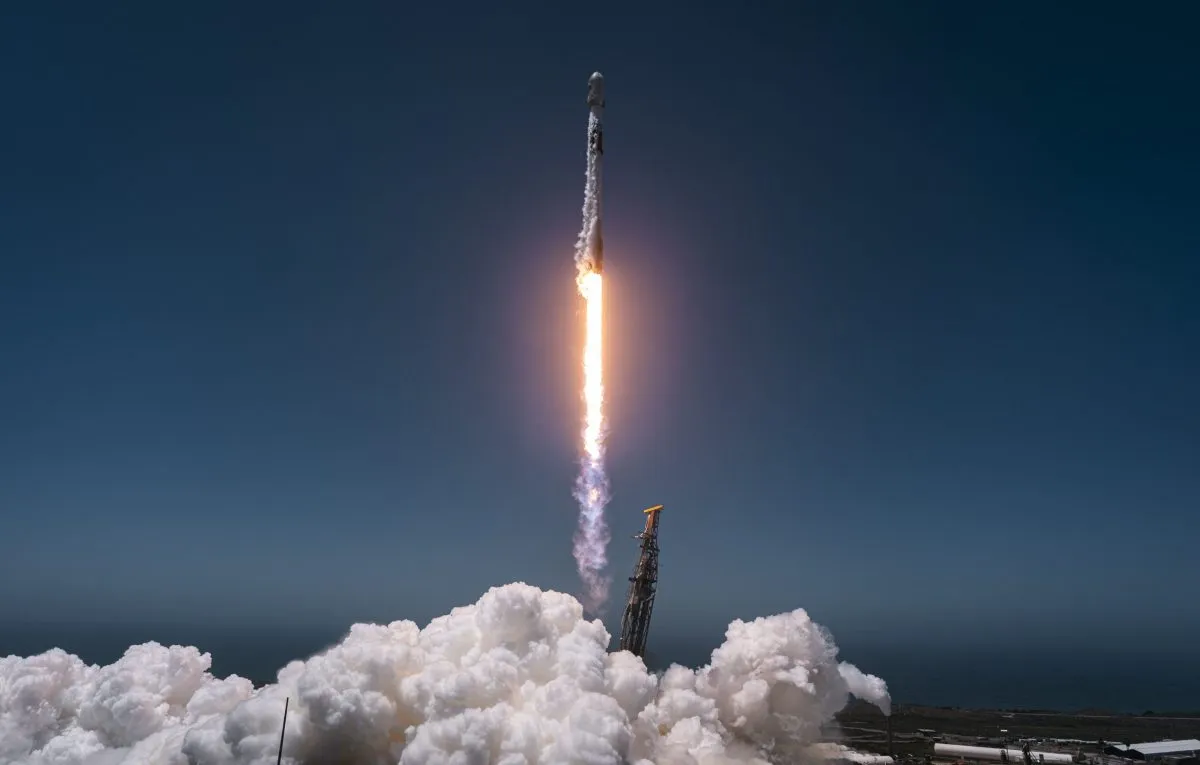
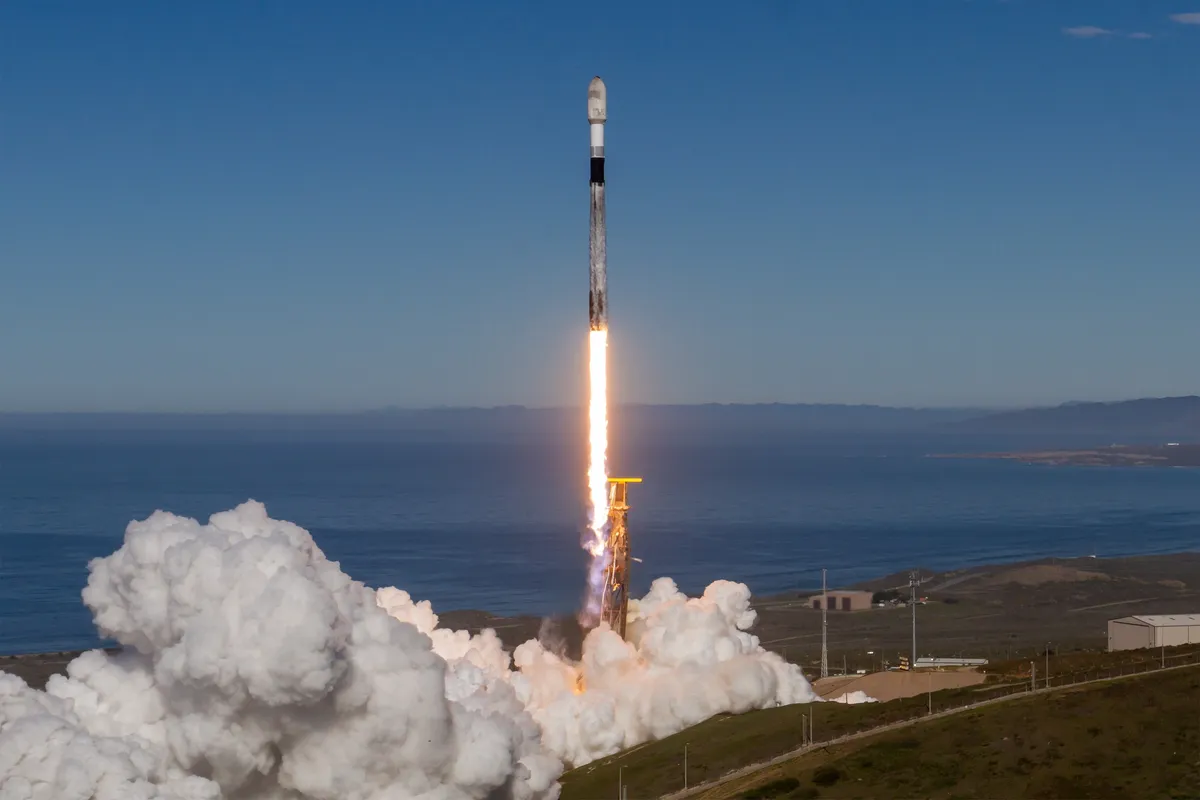
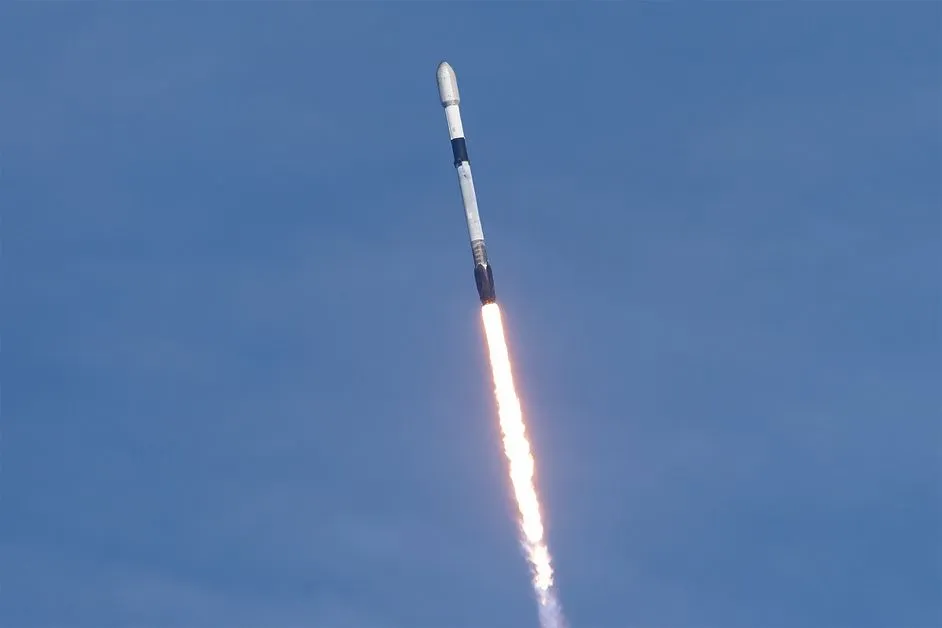
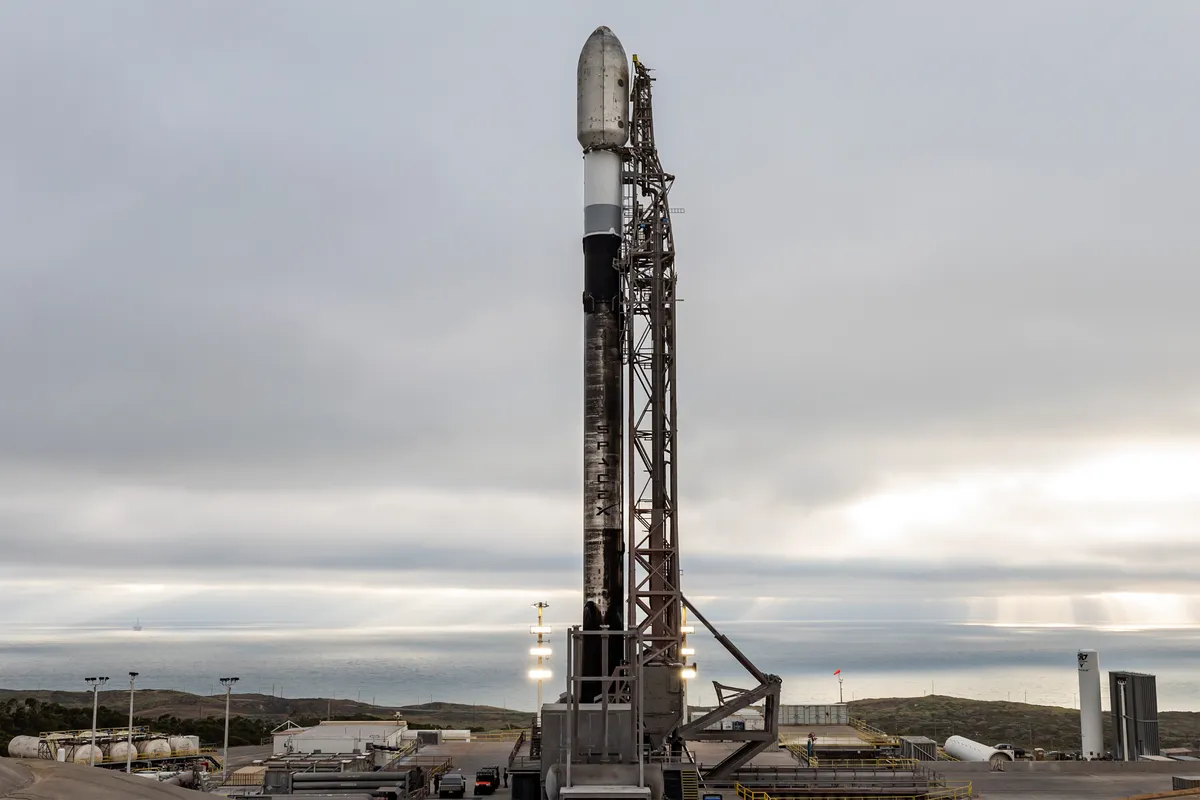
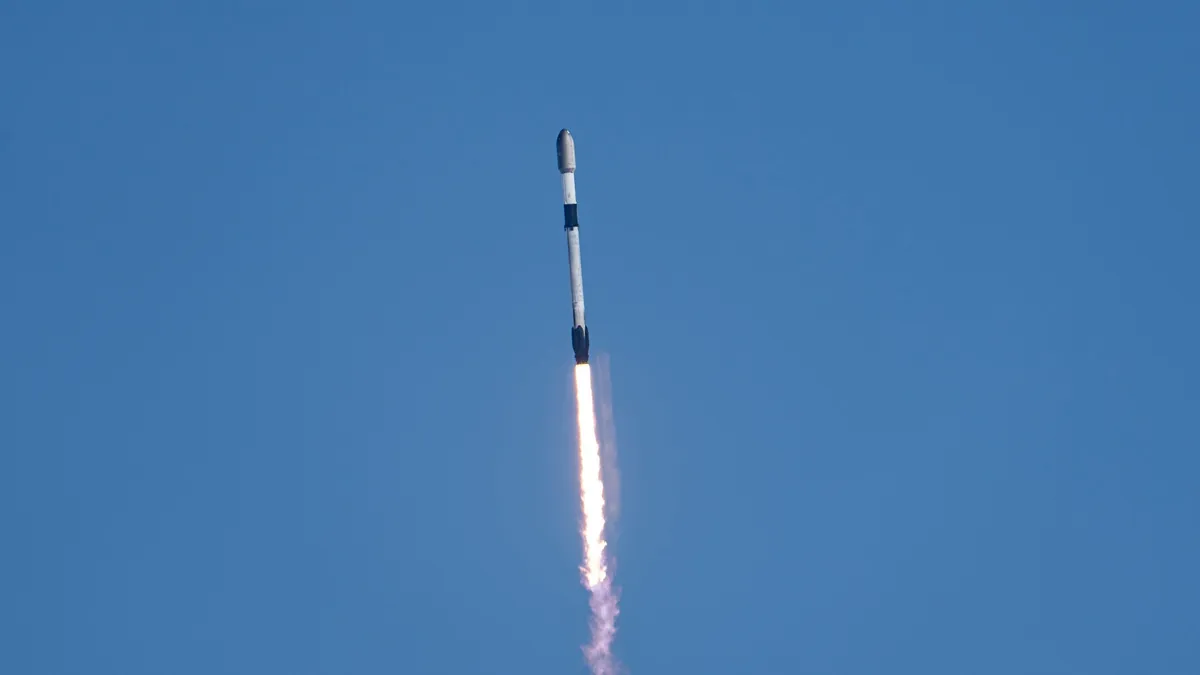
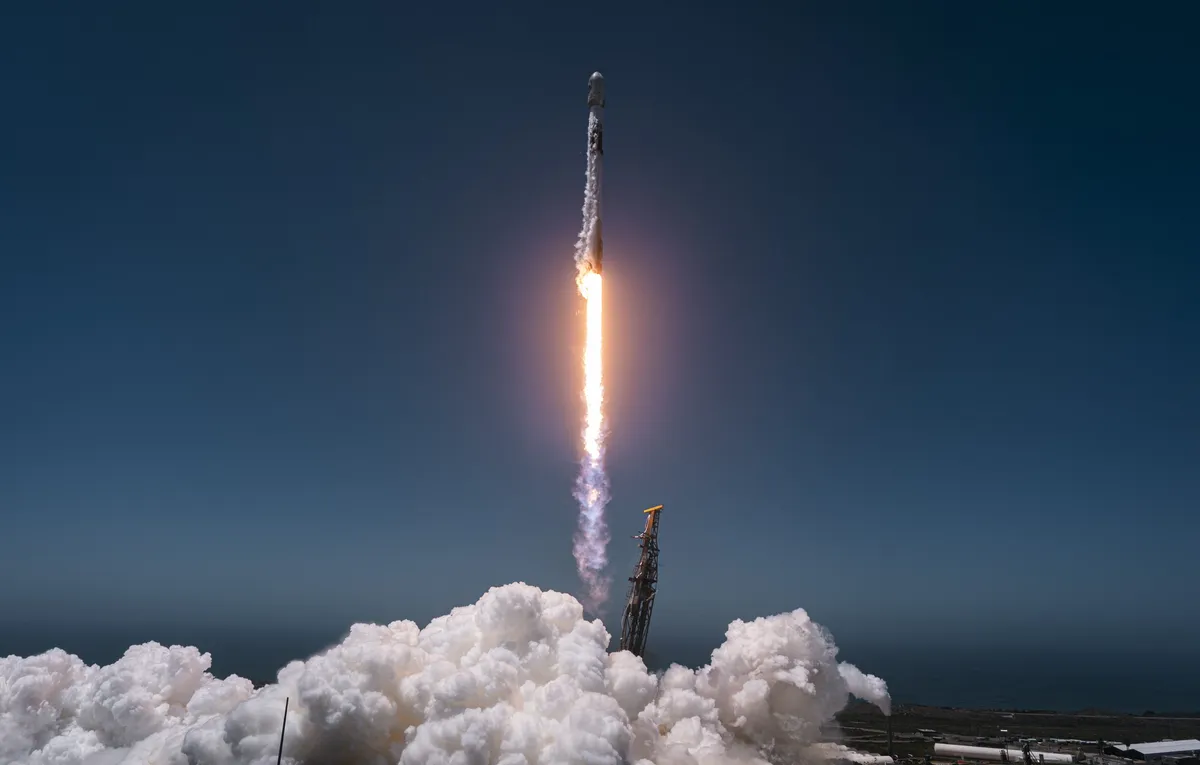
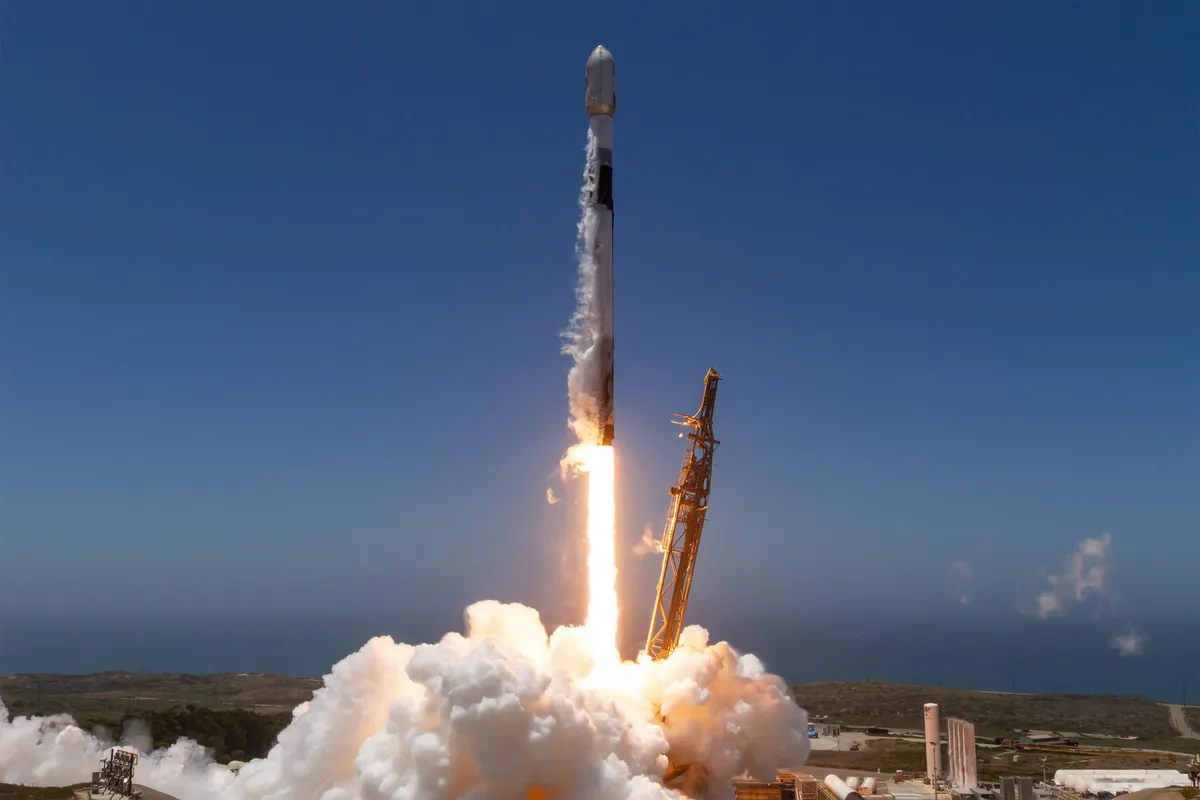
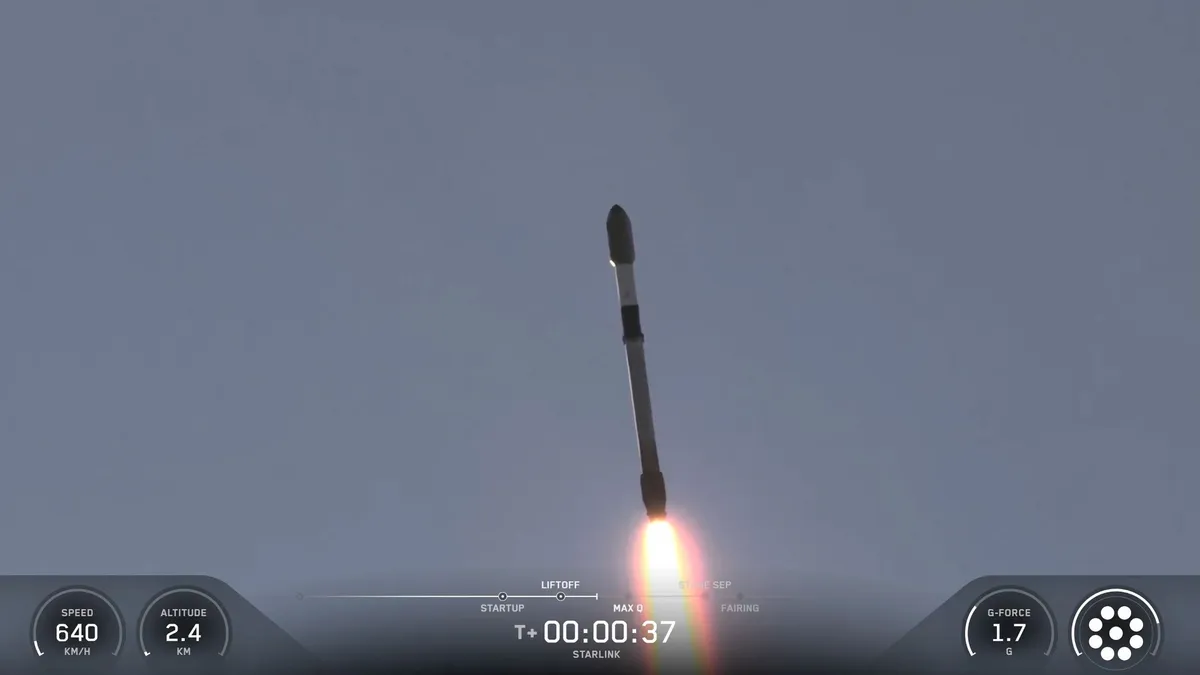
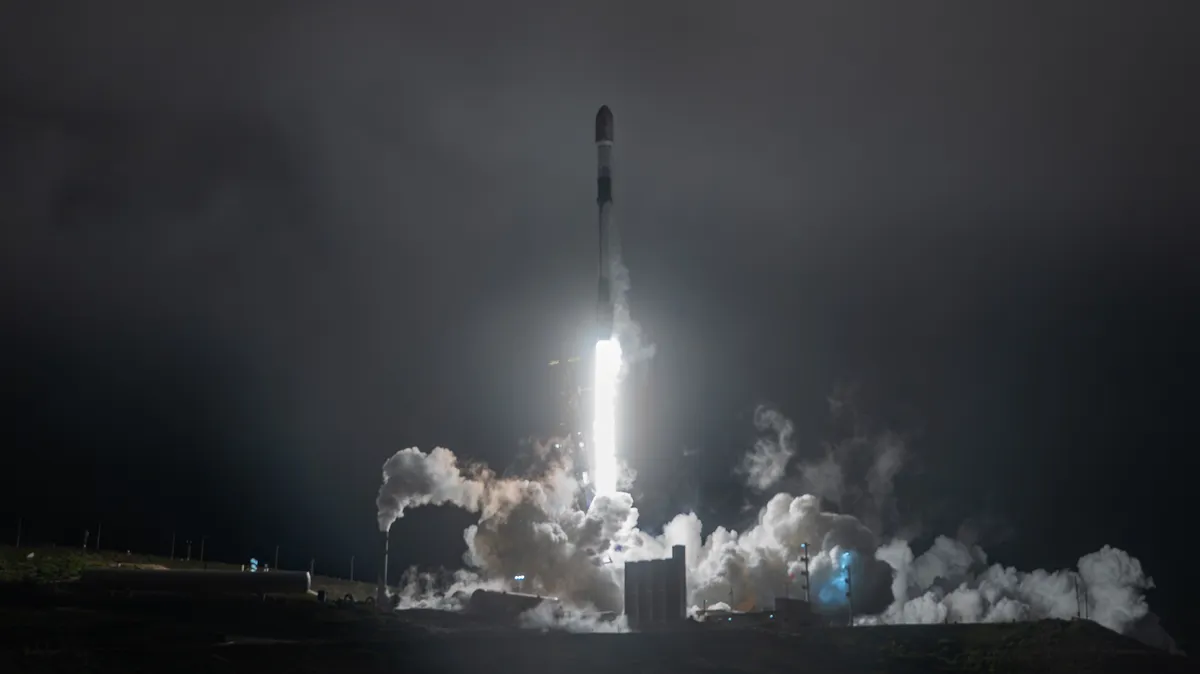
A routine Falcon 9 batch from California deployed 24 more Starlink satellites; the booster completed its 16th flight.
Skyroot Aerospace will fly three dedicated Vikram missions carrying HEX20's Nila-3, MAYA-V and DINK-N satellites starting late 2027.
Space Systems Command awarded Rocket Lab $266 million for 12 HASTE suborbital launches from Alaska, with an option for six more.
Nine more GuoWang broadband satellites reached orbit on a Long March-8A, taking the constellation past 180 launched.
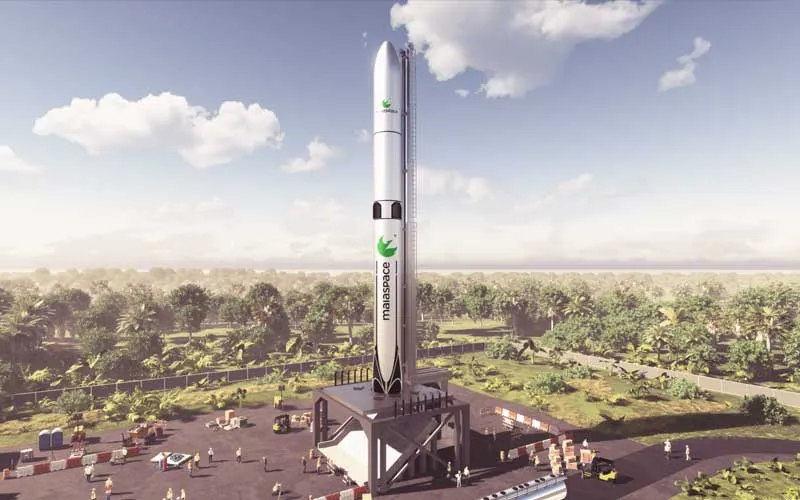
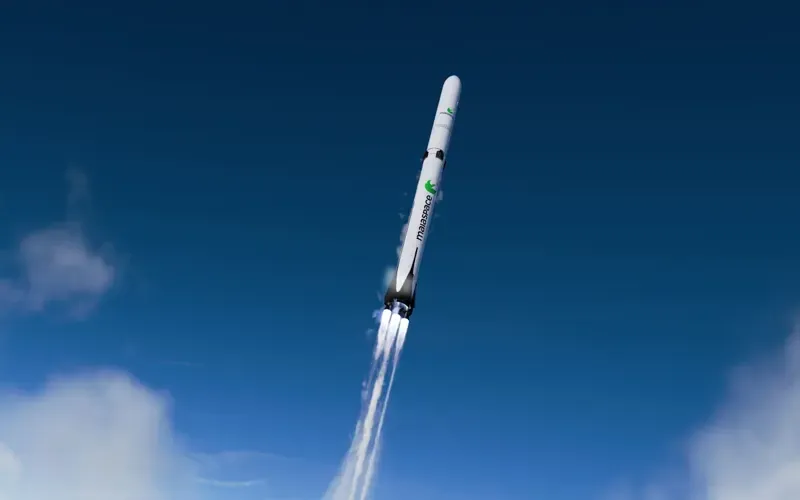
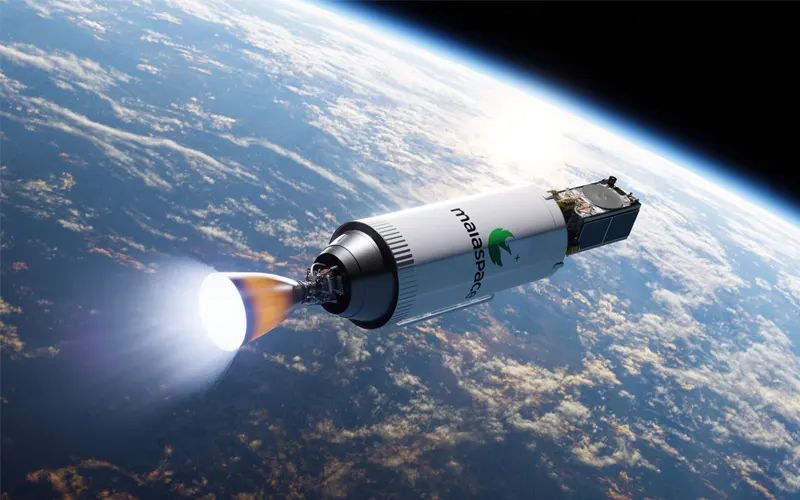
MaiaSpace posted a 37.5 million euro loss for 2025 that pushed shareholders' equity negative; ArianeGroup voted not to dissolve it.
SpaceX and Louisiana are close to a deal giving the company an 18-mile marshland stretch in Vermilion Parish for a new launch site.
Rocket Factory Augsburg found an issue during pressure testing and de-stacked RFA ONE, casting doubt on the planned August 10 launch window.
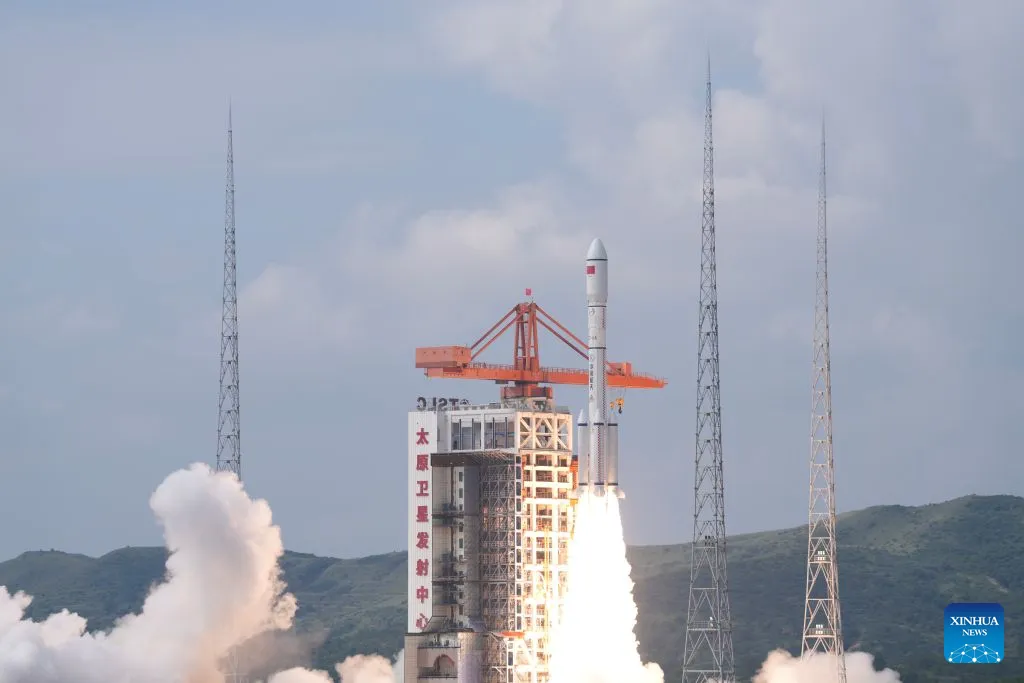
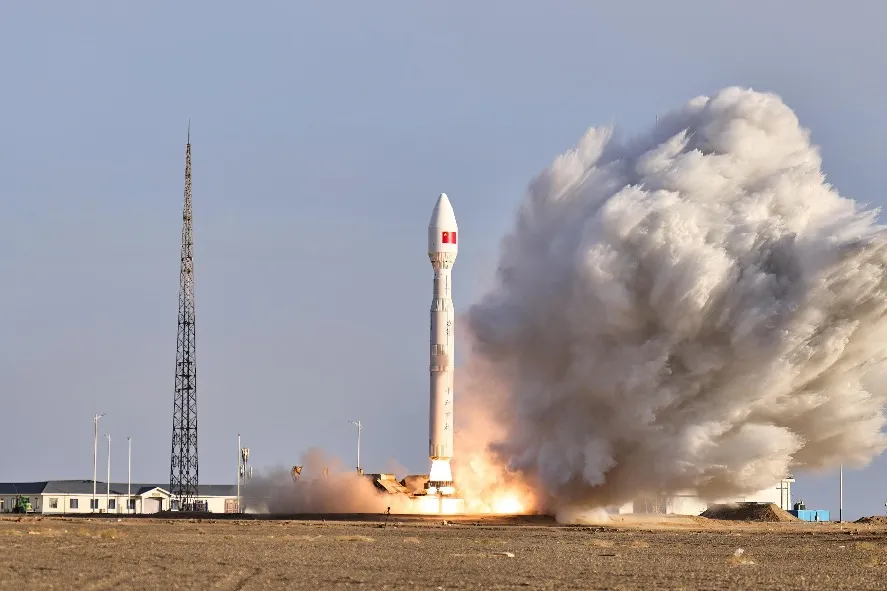
A modified Long March-6 carried new communications test satellites into orbit from Taiyuan, per Xinhua and CASC.
A routine Starlink batch from Vandenberg reused a Falcon 9 booster for the 26th time.
The Air Force Research Laboratory added $11.7 million to Blue Origin's REGAL contract to study rocket-based cargo delivery.
A Falcon 9 carried the NRO's classified NROL-95 payload from Cape Canaveral, landing its booster back at the Cape.
Rocket Lab will fly three more iQPS SAR satellites on Electron starting late 2027, its third contract with iQPS this year.
ArianeGroup rehearsed a full cryogenic countdown for the Themis reusable-booster demonstrator, its first update in ten months.
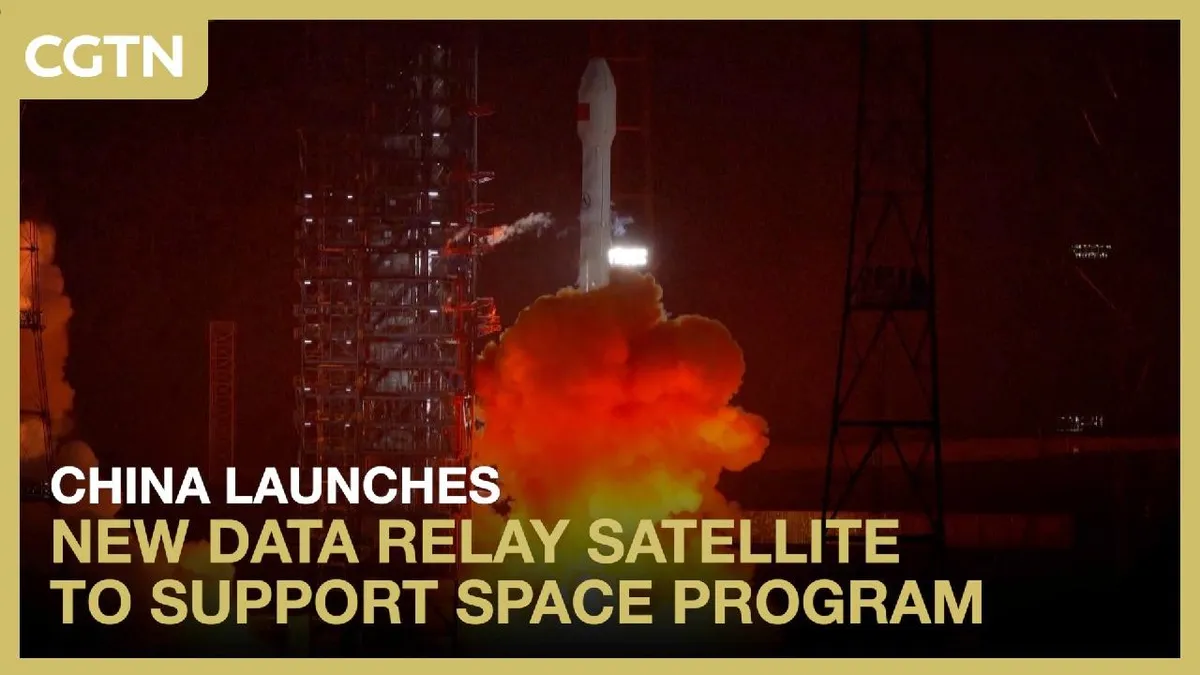
A Long March-7A rocket carried China's Tianlian III-01 relay satellite into orbit from Wenchang, per Xinhua.
The Space Force ordered 18 Falcon 9 launches through 2027 for missile-tracking, targeting and comms satellites, worth $1.6B.
MaiaSpace says ground testing made a suborbital hop unnecessary; Maia's debut now targets an orbital attempt in second-half 2027.
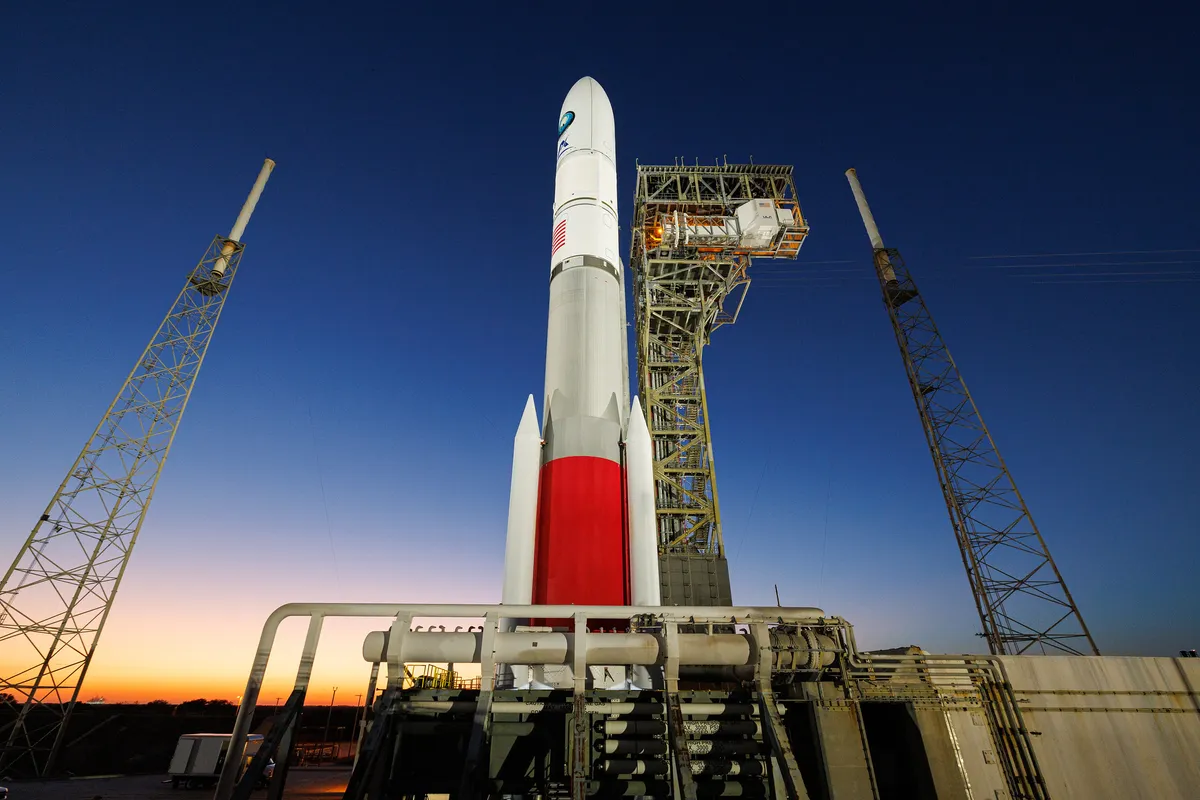
Lockheed cut its Space profit outlook and backed a $500 million ULA loan as Vulcan's grounding drags on.
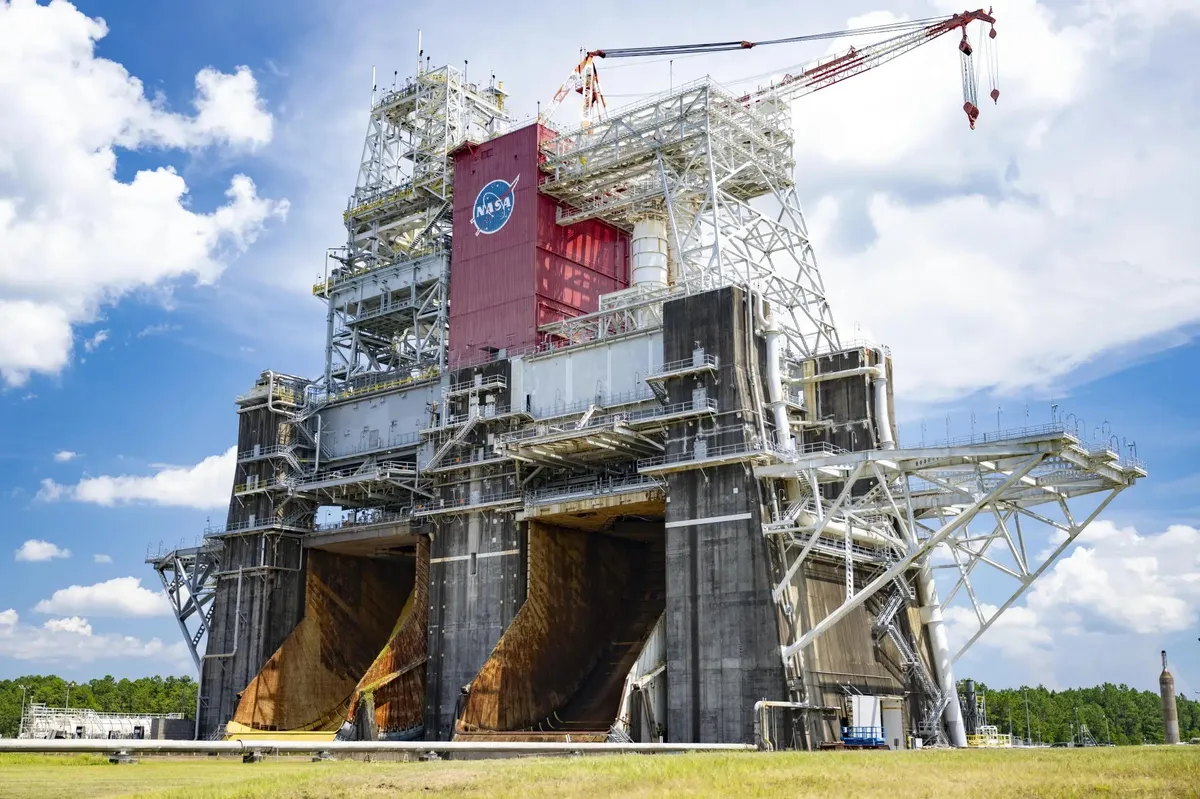
NASA and Blue Origin will hot-fire test New Glenn's second stage on the Apollo-era B-2 stand at Stennis starting this fall.
ATmoto's Gande-01, per Xinhua, is China's first commercial space debris monitoring satellite in a planned 120-satellite network.
A Long March-3B carried China's Tianlian II-06 relay satellite into orbit from Xichang despite a lightning strike, per Xinhua and SpaceNews.
CAS Space's Kinetica-1 solid rocket delivered five commercial Earth observation and tech demo satellites to orbit from Jiuquan.
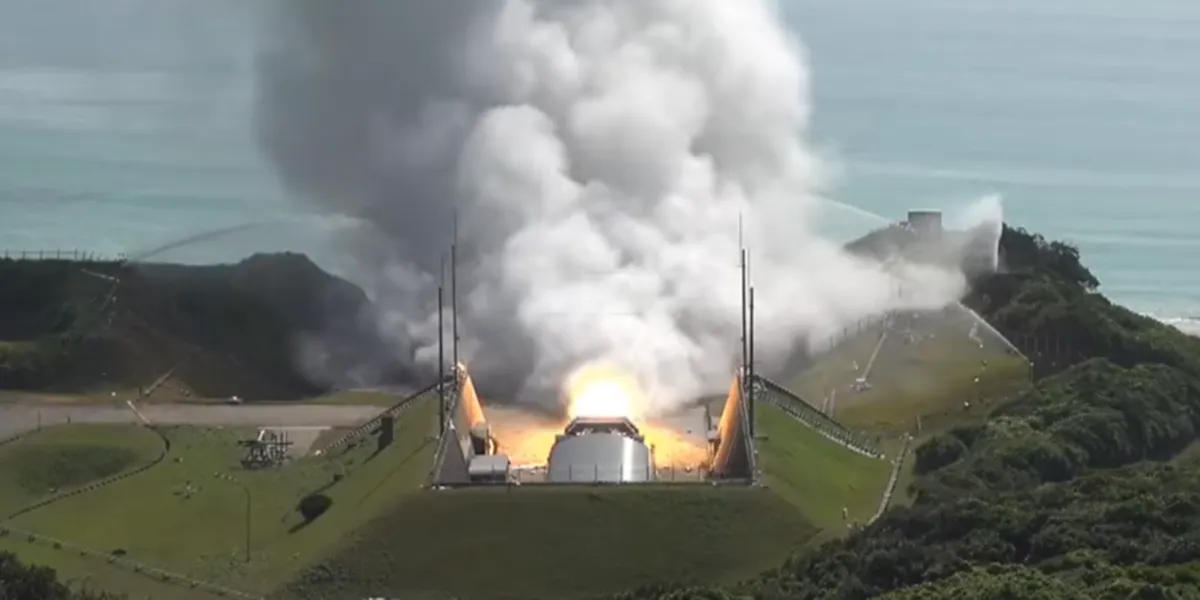
JAXA's Epsilon S clears its second-stage engine test, using a fallback motor after two prior explosions grounded the program.
Orienspace's solid-fuel Gravity-1 rocket carried nine satellites to orbit from a sea launch platform off Shanghai.
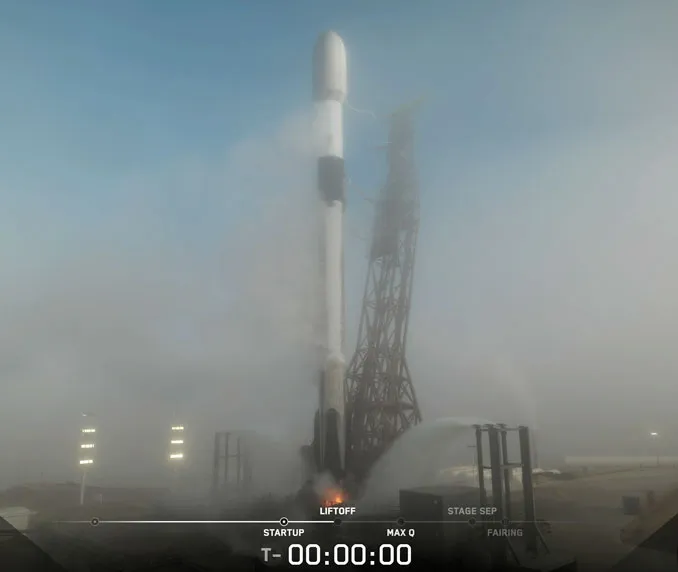
All nine Merlin engines briefly ignited then shut down, only the second post-ignition Falcon 9 abort since June 2024.
Northrop added a $91 million charge on its GEM 63XL solid rocket motor program, bringing 2026 charges to $162 million.
Space Florida is putting up to $134 million toward a second Terran R rocket factory near Cape Canaveral.
Space Force raised the NSSL Phase 3 Lane 1 launch contract ceiling from $5.6 billion to $17 billion for its seven-provider vendor pool.
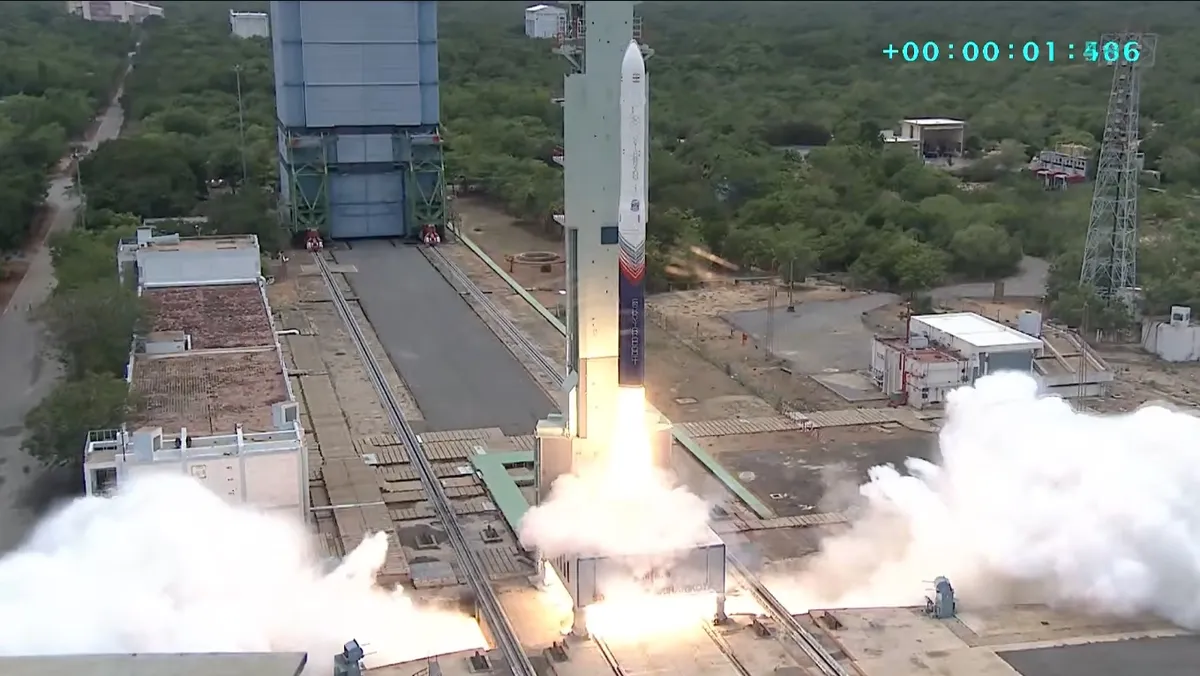
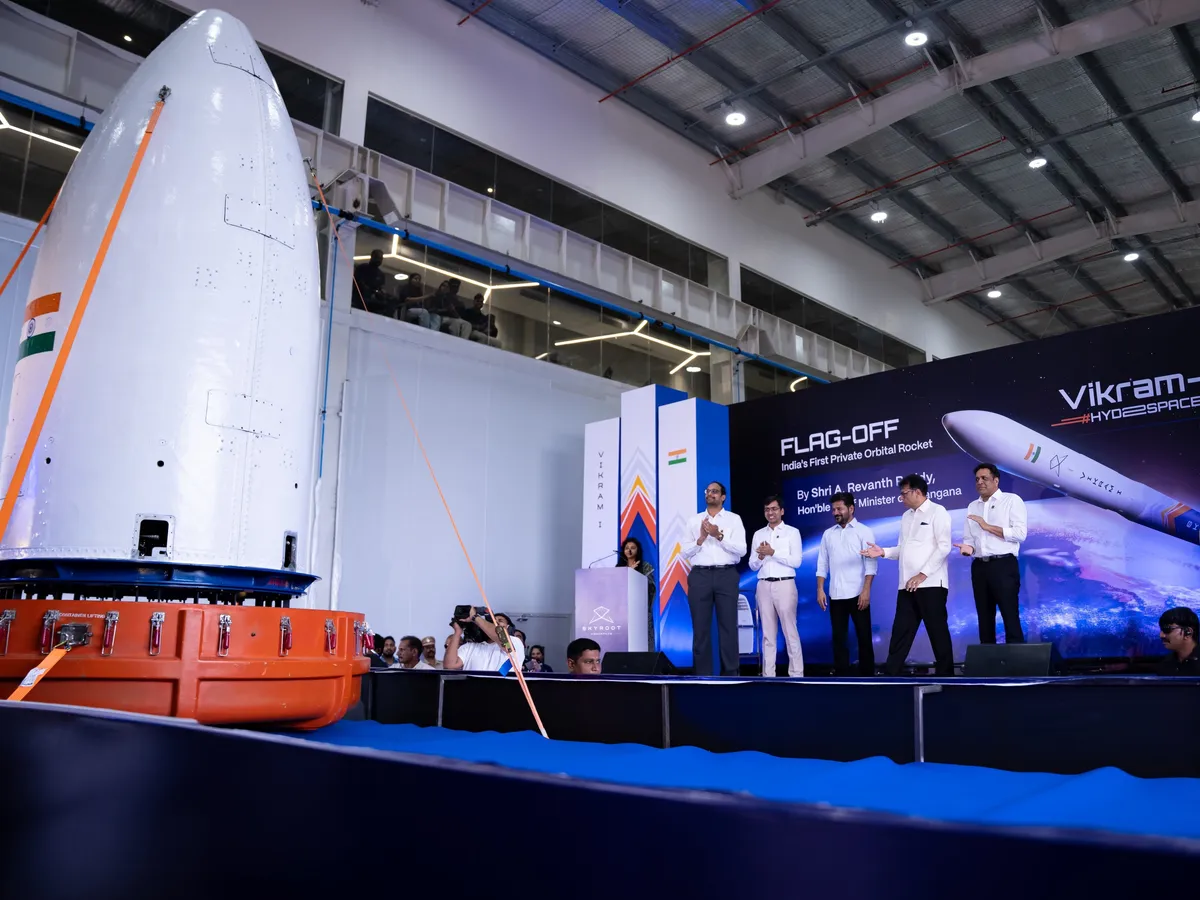
Skyroot's Vikram-1 reached orbit on its debut flight, becoming the first privately built rocket to do so from India.
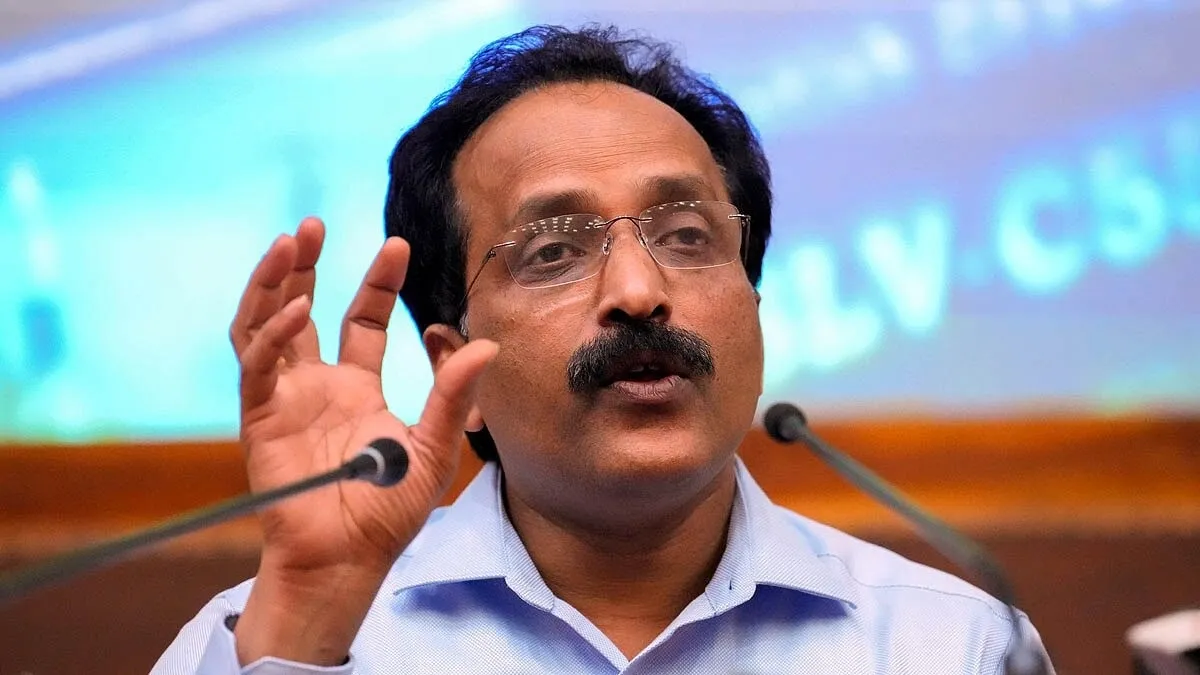
Former ISRO chairman S Somanath joins Agnikul Cosmos's board as an observer ahead of its Mission 02 booster-recovery attempt.
Six-month-old Chinese startup LegendSpace raised 200 million yuan ($29.5M) to build AI-designed liquid rocket engines.
Japan's National Space Policy Secretariat targets 30 launches yearly by the early 2030s, per SpaceNews.
Booster B1080's 28th flight, carrying 29 Starlink satellites, was the 600th reflight of a flight-proven Falcon booster.
The FAA closed its investigation into May's Starship booster failure and cleared SpaceX for Flight 13 as soon as July 16.
CALT confirmed the methalox Long March 10C as its commercial launch workhorse after the 10B's first booster recovery.
The Long March 12B developer's registered capital nearly tripled to about 4.17 billion yuan as investors expanded stakes.
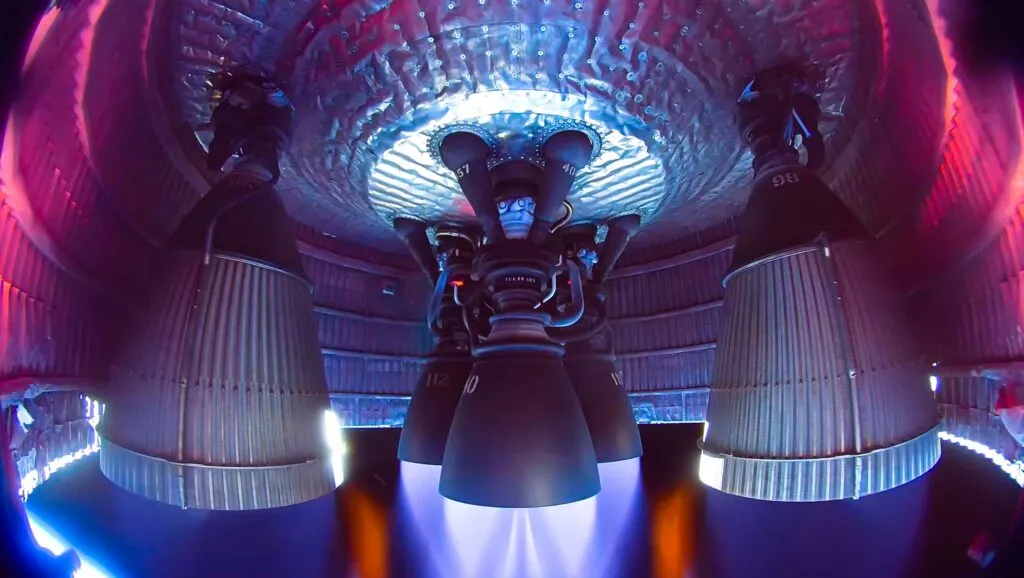
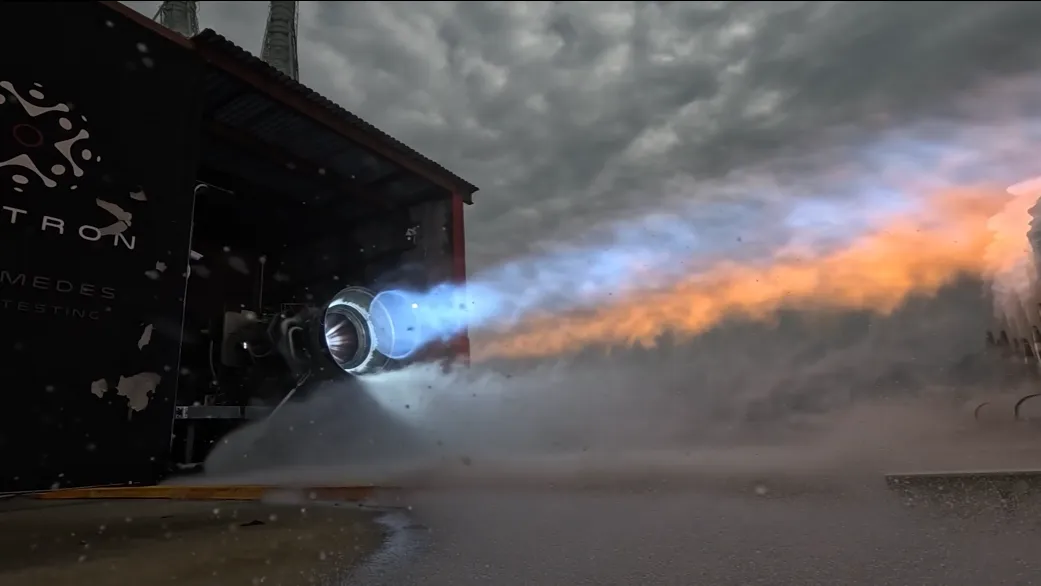
Rocket Lab ran a 5.5-minute full-duration test of the Archimedes vacuum engine that powers Neutron's second stage.
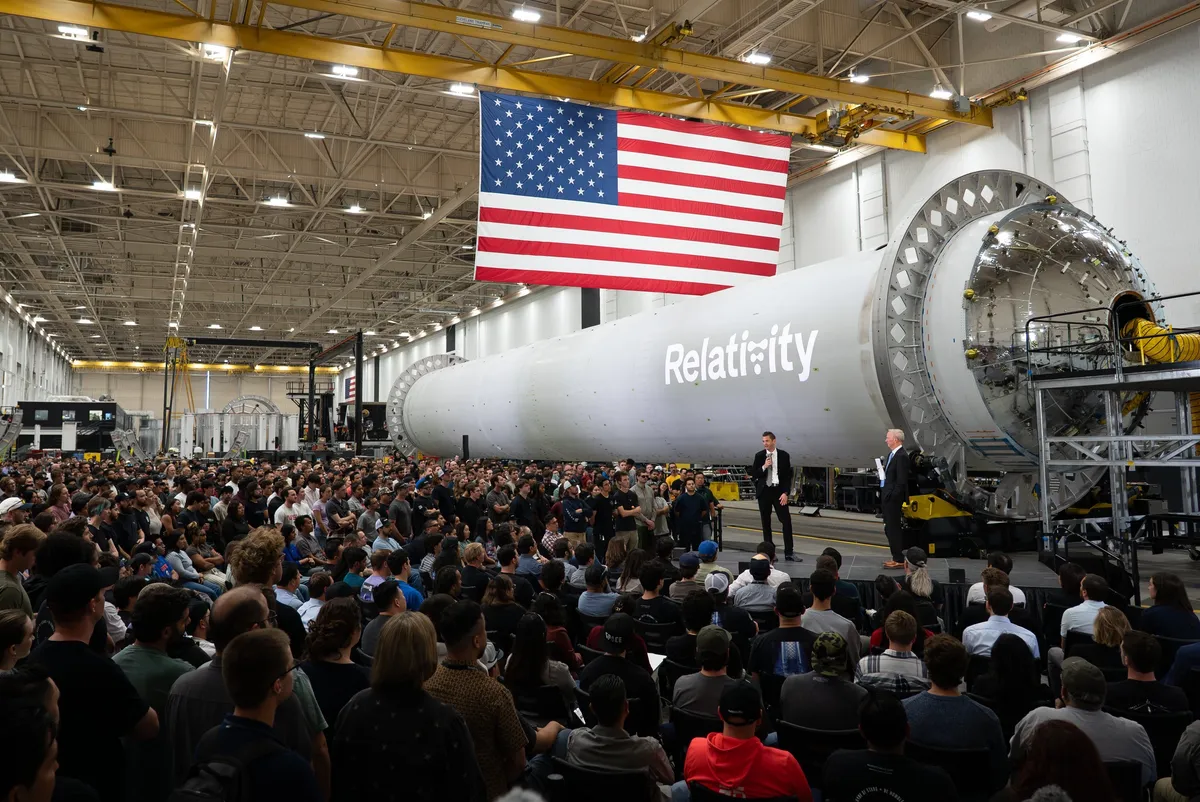
Space Force added Relativity Space and Impulse Space to its NSSL Phase 3 Lane 1 launch-services pool.
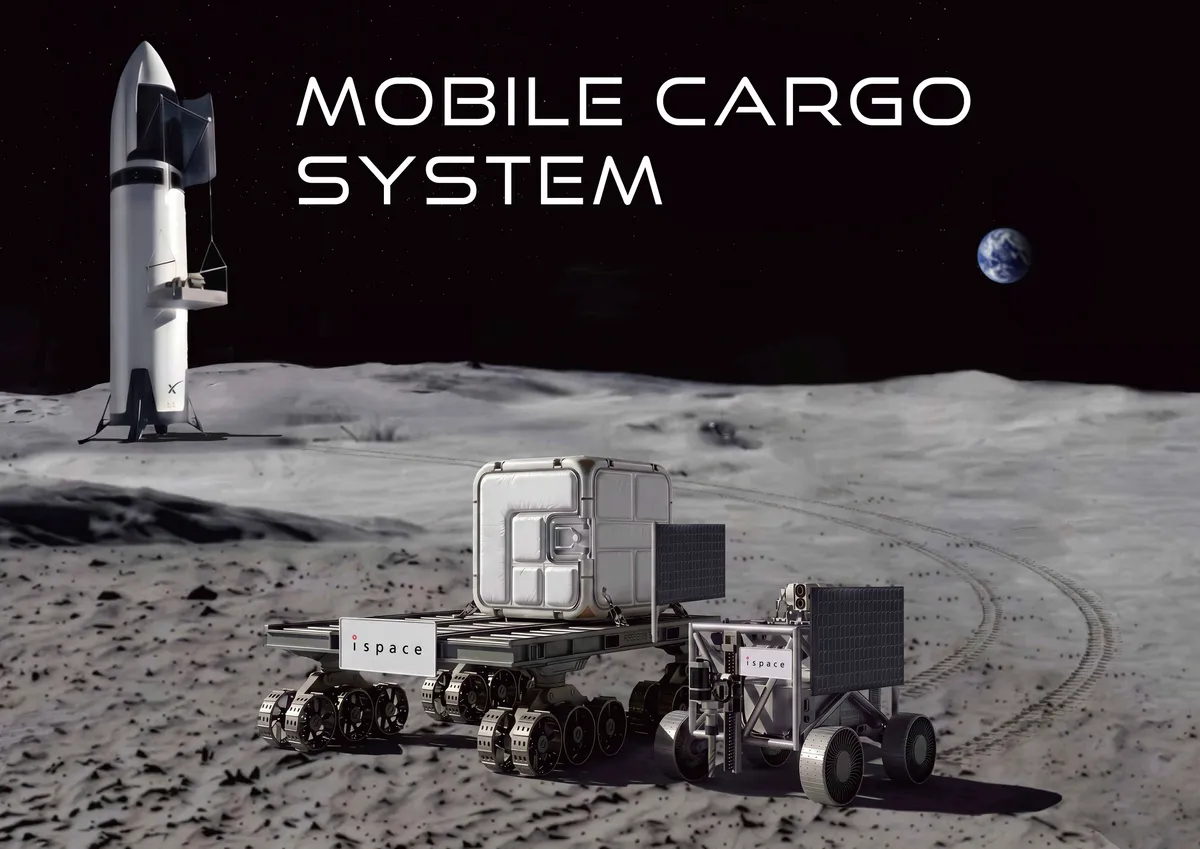
ispace reserved 500 kg of Starship cargo capacity for a lunar mission targeting no earlier than 2030, a roughly $50 million deal.
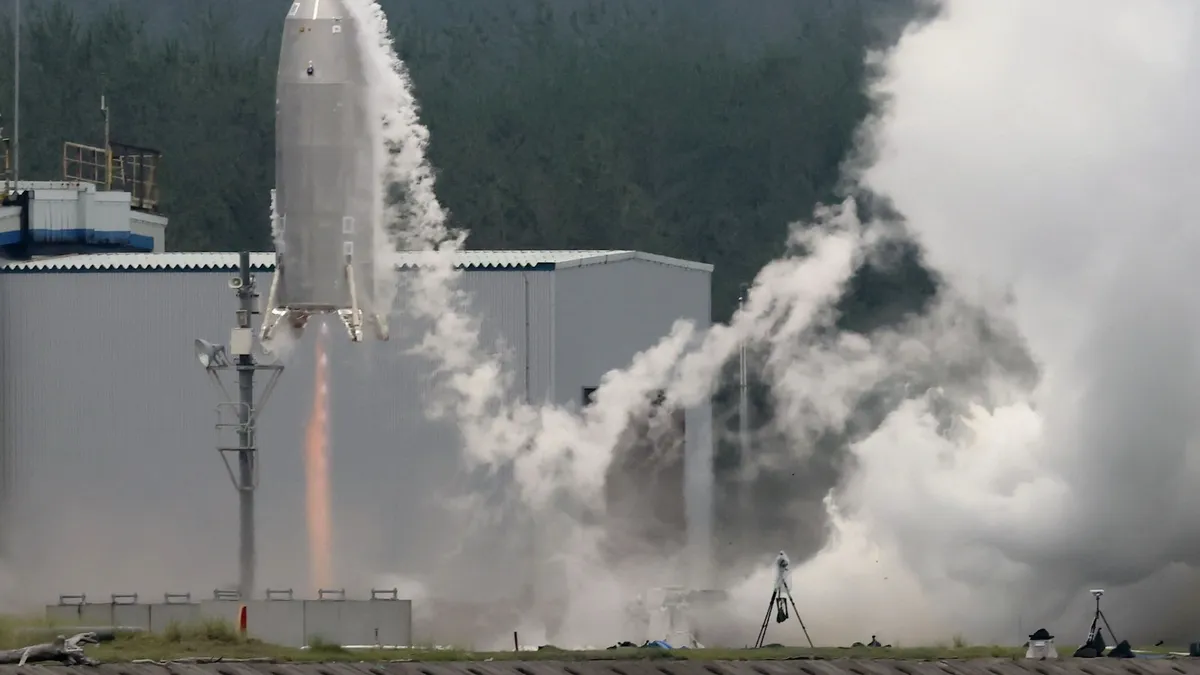
JAXA and Mitsubishi Heavy Industries flew a short hover-and-land test of their RV-X reusable rocket testbed.
A routine Starlink batch from California, flown on a booster one flight short of SpaceX's reuse record.
Per the New York Times, Blue Origin is raising $10B at a $130B valuation from Coatue and Bezos, its first outside funding.
China's Long March 10B flew for the first time and recovered its first stage at sea, the second country to do so.
Isar Aerospace will pay Maritime Launch Services for a dedicated Spectrum launch complex at Spaceport Nova Scotia in Canada.
Booster B1067 extends the Falcon 9 reuse record to 36 flights, a month after setting it at 35.
D-Orbit will fly ArkEdge Space demo satellites on its ION carrier from 2027, per SpaceNews.
Per Andrew Parsonson on Bluesky, Loft Orbital signed MaiaSpace for multiple launches starting 2028.
Beyond Gravity will supply 27 payload fairings for Ariane 6 flights 16 through 42, its largest Swiss launch-vehicle contract yet.
The Interior Department's BOEM opened a comment period on repurposing offshore oil rigs and new platforms for rocket launch and re-entry.
Venus Aerospace closed a $91 million Series B to move its rotating detonation rocket engine from flight test to production.
Rocket Lab says it finished all VICTUS HAZE mission phases for Space Force ahead of deadline, including on-orbit tracking in under 59 hours.
Rocket Lab's CFO says Falcon 9 rideshare-access anxiety has reached 'panic' amid reports SpaceX is capping new bookings.
Per SpaceNews, Arianespace and Infinite Orbits will explore direct-to-GEO rideshare services on Ariane 6 from 2029.
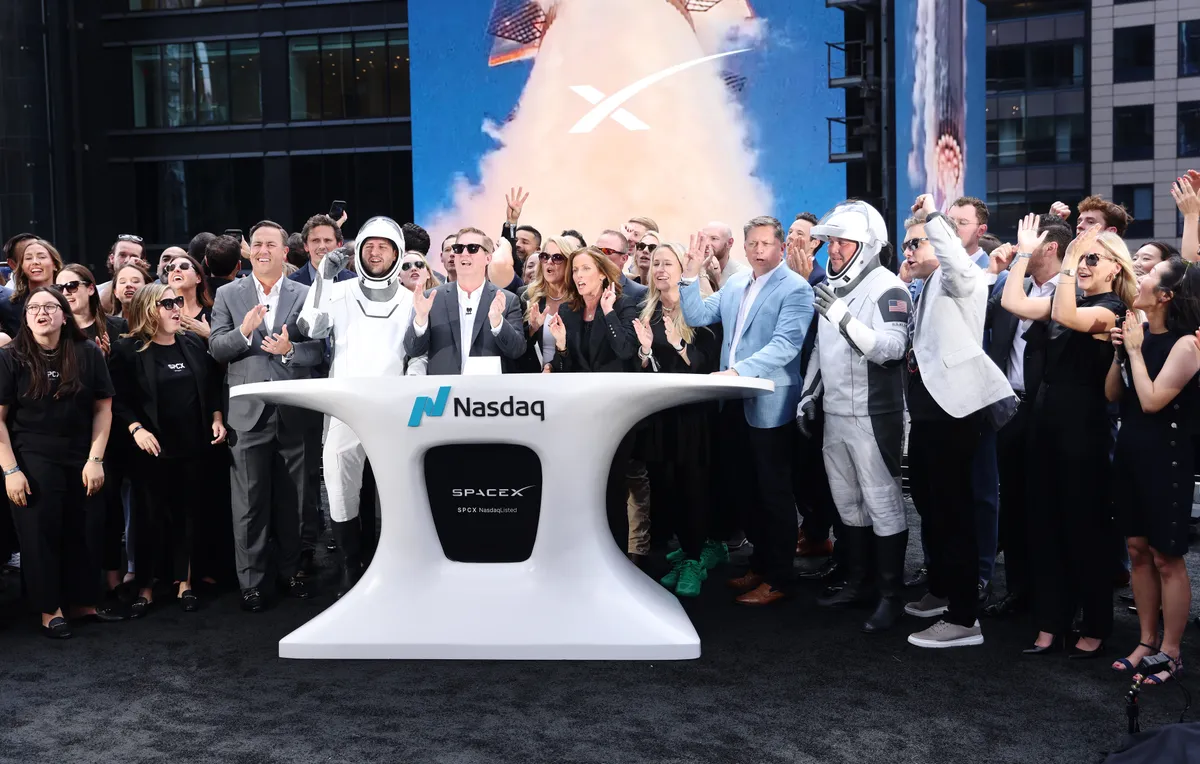
SpaceX joined the Nasdaq-100 at a market value near $2 trillion, its shares slipping on the debut.
Per Morgan Stanley: SpaceX is worth $300 a share on reusable rockets, Starlink and AI infrastructure; Goldman sees $205.
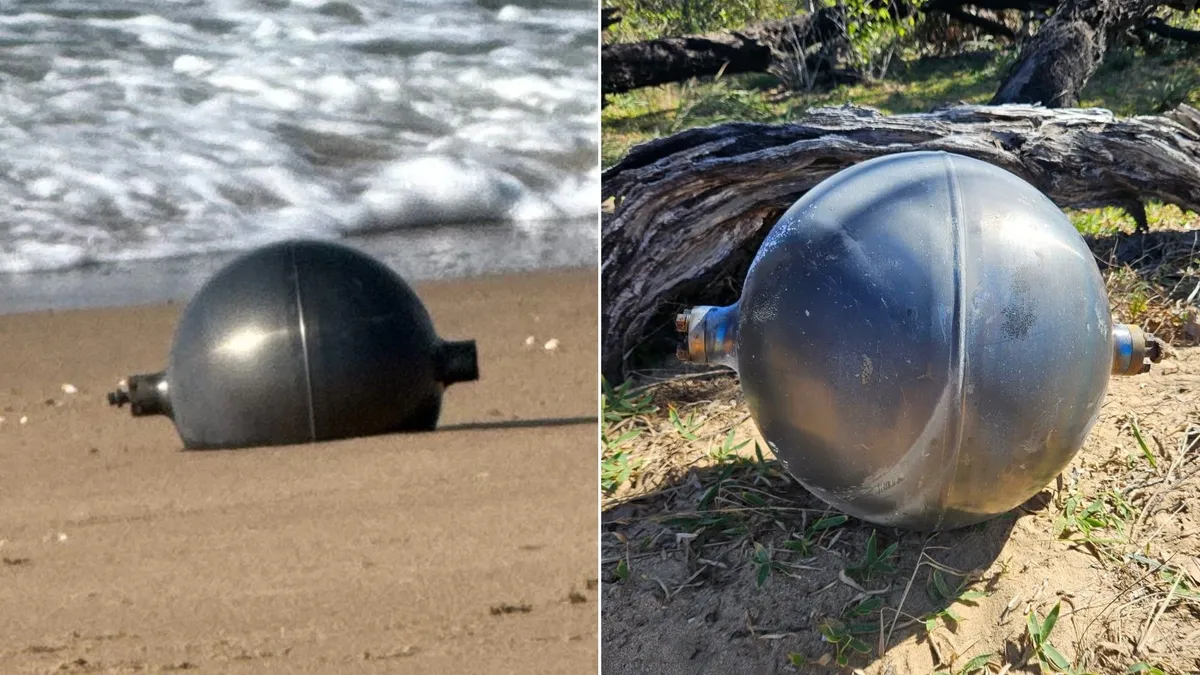
The Australian Space Agency says metal spheres found on a Queensland beach are debris from a foreign rocket body.
Isar's Spectrum rocket will carry a Planet Labs Germany Pelican Earth-observation satellite within about a year of the deal.
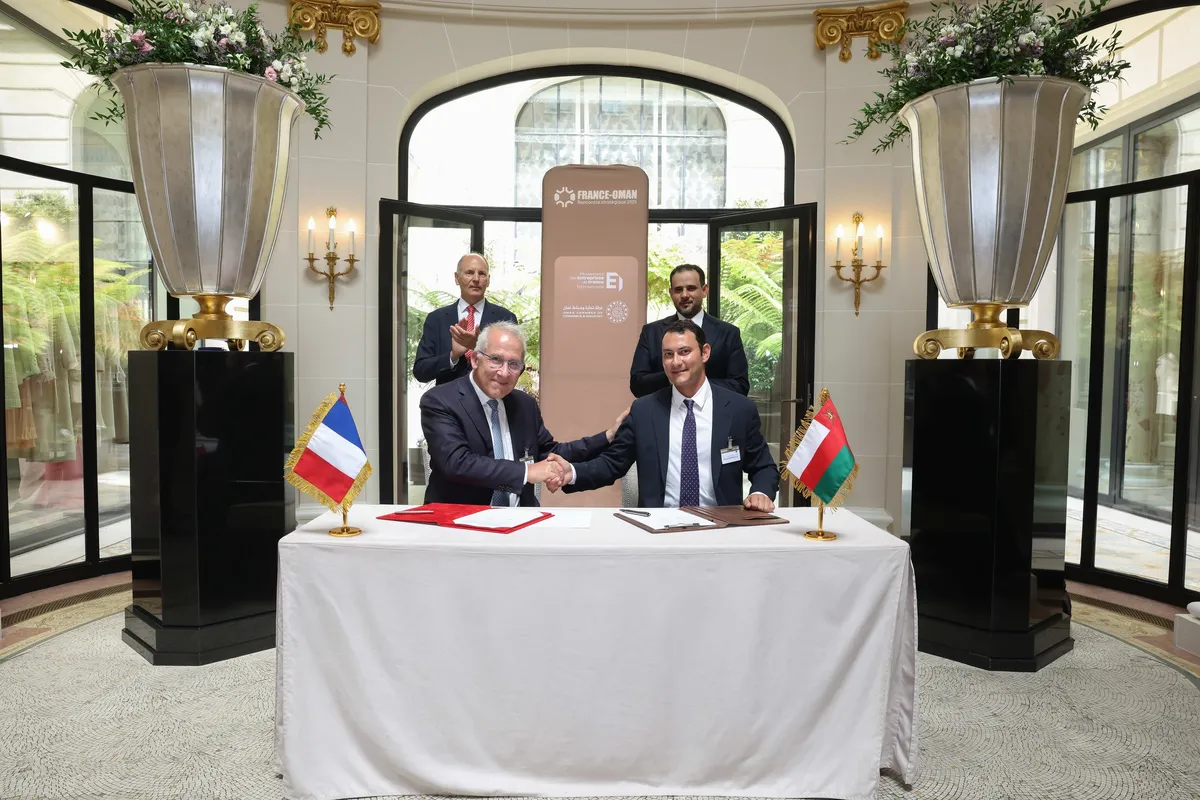
French launch startup Latitude wants to fly its small launcher from a new Omani spaceport as soon as late 2027.
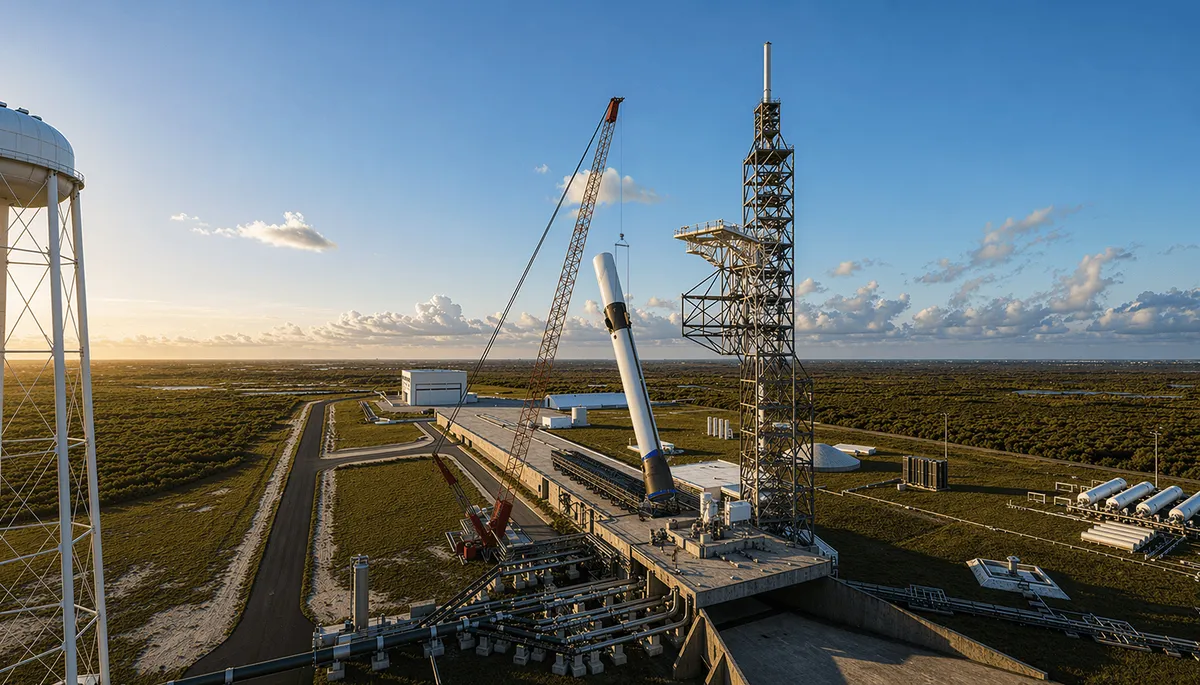
After a May 28 pad explosion destroyed its transporter-erector, Blue Origin will move New Glenn horizontally then raise it by crane.
The largest Qianfan group yet per China in Space: 20 satellites, taking the constellation to 238 deployed.
Another SpaceSail constellation batch, launched a day before a second group flew from Hainan.
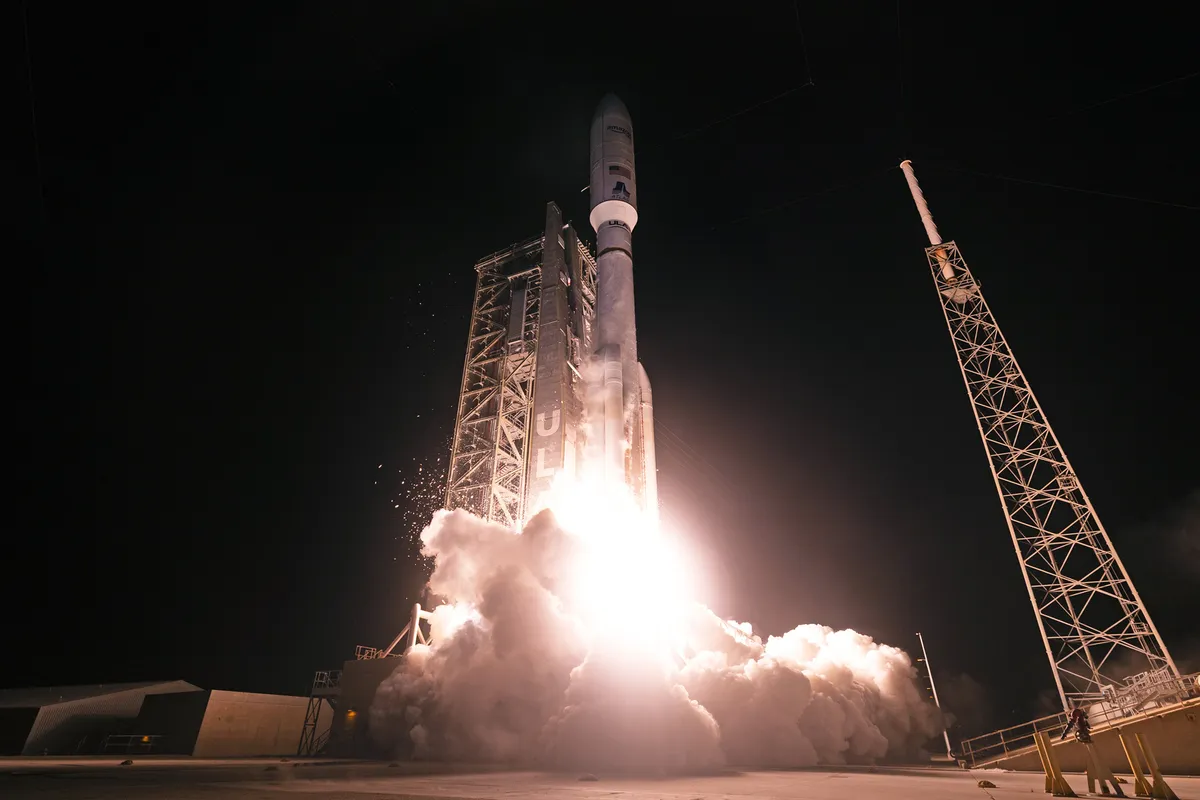
An Atlas V 551 deployed 29 Amazon Leo satellites in what ULA says is the rocket's last flight carrying a satellite payload.
Skyroot set a July 12-August 4 launch window for Vikram-1, India's first private orbital rocket, per SpaceNews and PTI.
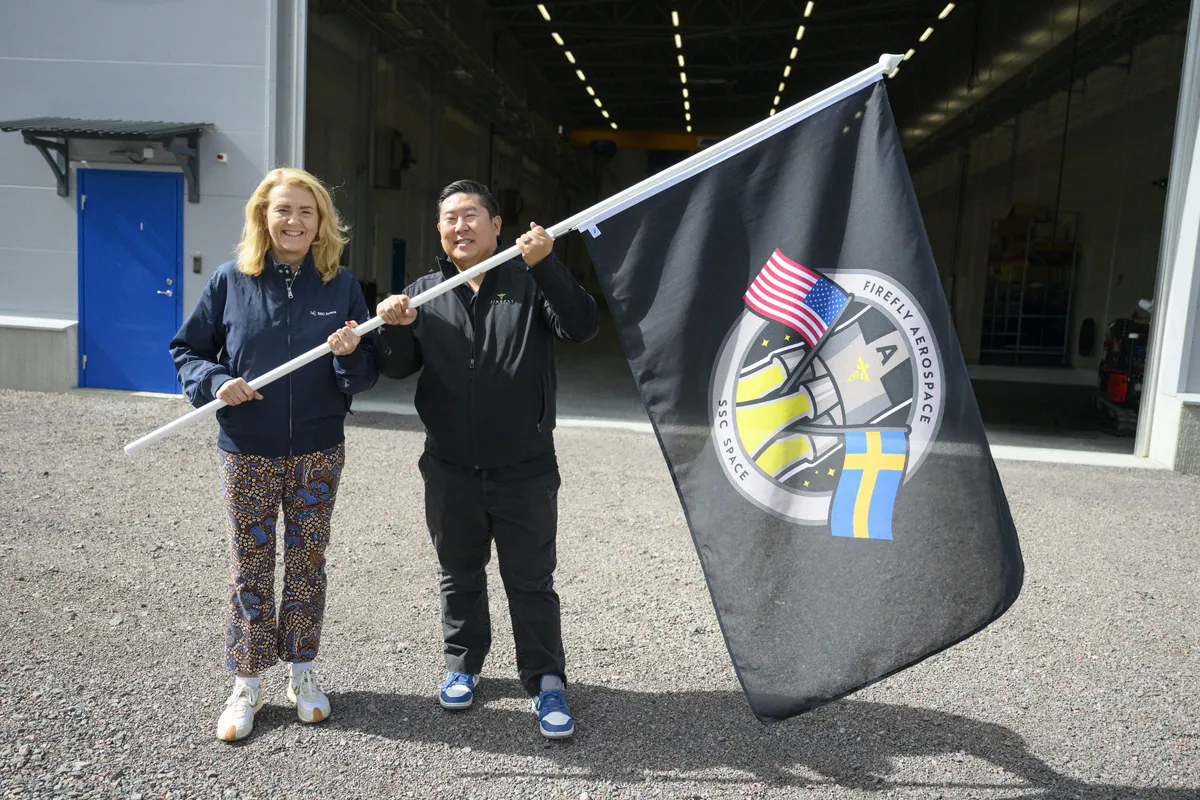
Firefly's Alpha rocket is set to fly from a new pad in Swedish Lapland by 2028, adding an orbital launch site to mainland Europe.
ArianeGroup subsidiary MaiaSpace is considering a fourth Prometheus engine that would double Maia's payload across all variants.
MaiaSpace's 2025 loss pushed shareholders' equity to -€823,375; ArianeGroup voted against dissolving the launch startup.
Per SpaceNews: the first public confirmation of Starfall, a vehicle for in-space manufacturing and orbital cargo return.
Senior notes from 5.35% due 2031 to 6.65% due 2056, mainly to repay the pre-IPO bridge loan, per the company's 8-K.
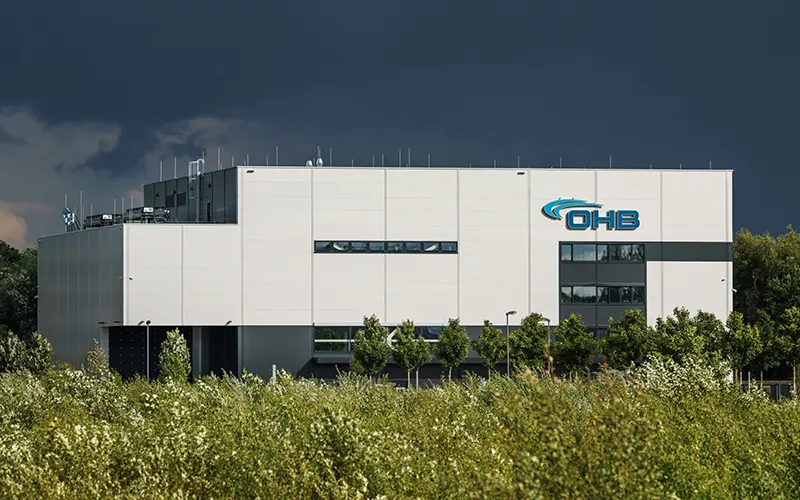
OHB is issuing new shares worth roughly 510 million euros to fund manufacturing capacity and its RFA launch subsidiary.
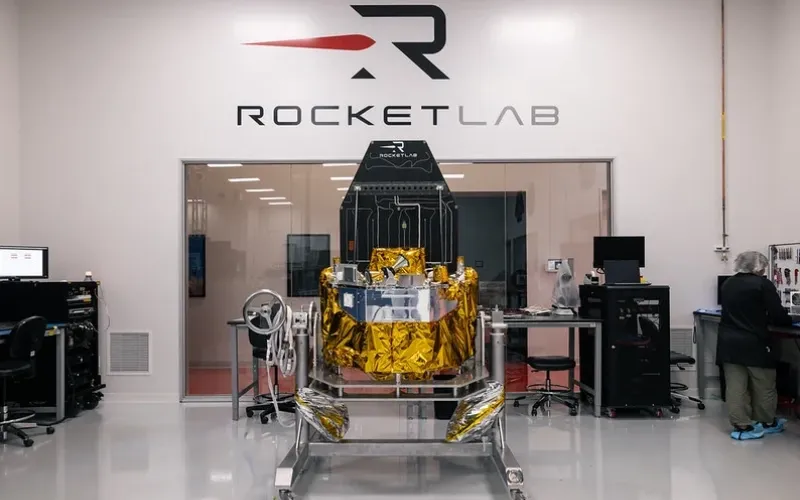
Rocket Lab built, launched, and will operate a rendezvous-capable spacecraft for a Space Force rapid-response exercise.
Another batch of NRO satellites, widely believed to be Starshield-derived, reached orbit June 19, per Spaceflight Now.
The court ruled unanimously that the beach-access amendment gives no private right to sue, ending the 2021 state case.
ESA says the upgraded boosters made this the heaviest payload ever launched by a European rocket, beating Ariane 5's ATV.
The US Space Force confirmed the breakup; a LeoLabs analyst estimates 100-150 debris pieces, per Ars Technica.
SpaceX sold 555.6M shares at $135 and closed its first day near $161, a $2.1 trillion valuation, per CNBC.
H3 flight No.6 flew as planned from Tanegashima; per SpaceNews it debuted the three-engine, zero-booster H3-30S variant.
CNMI emergency officials say Joint Task Force-Micronesia and the FAA confirmed the June 11 object was space debris, per RNZ.
Per GKToday: IN-SPACe invited Expressions of Interest for private companies to manufacture, operate and commercialise LVM3.
Per the Texas Tribune: plaintiffs sue to stop a 715-acre wildlife-refuge exchange the Fish and Wildlife Service approved June 1.
The fleet-leading booster launched 29 Starlink satellites from Cape Canaveral and landed at sea, per Space.com.