
Kineis targets break-even in 2026 on 150% device growth
Kineis says it expects to reach break-even in 2026 on projected revenue of 18 million euros, a year after launching commercial service.
Kineis says it expects to reach break-even in 2026 on projected revenue of 18 million euros, a year after launching commercial service.
Pixxel closed its Series C at $100 million co-led by Temasek and Seraphim, India's largest space-tech funding round to date.
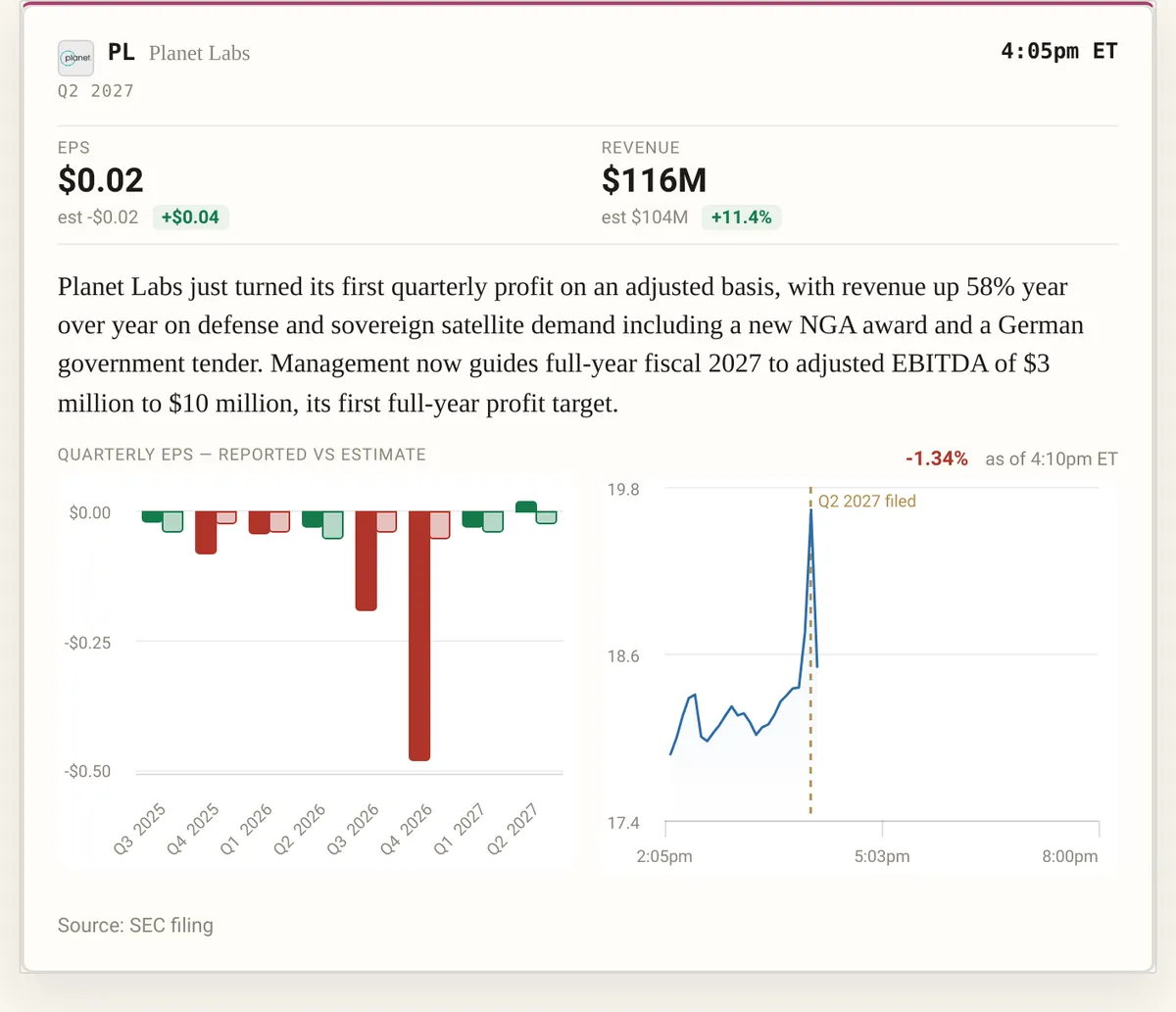
Planet's fiscal Q2 revenue hit $116.1 million, up 58% year over year, with its first quarter of adjusted EBITDA profit.
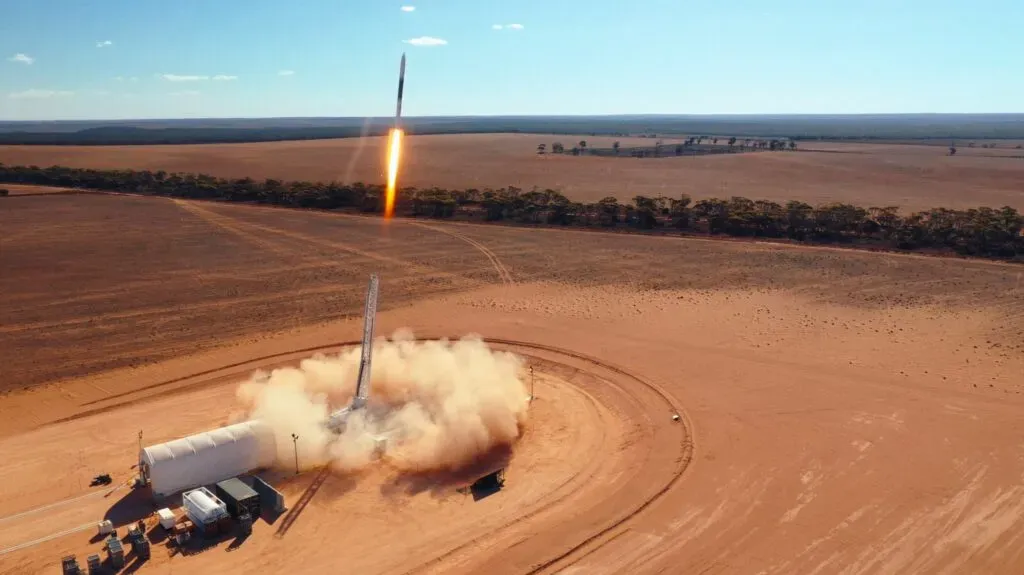
The German launch company adds 50 million euros to its Series A, taking total funding past 125 million euros.
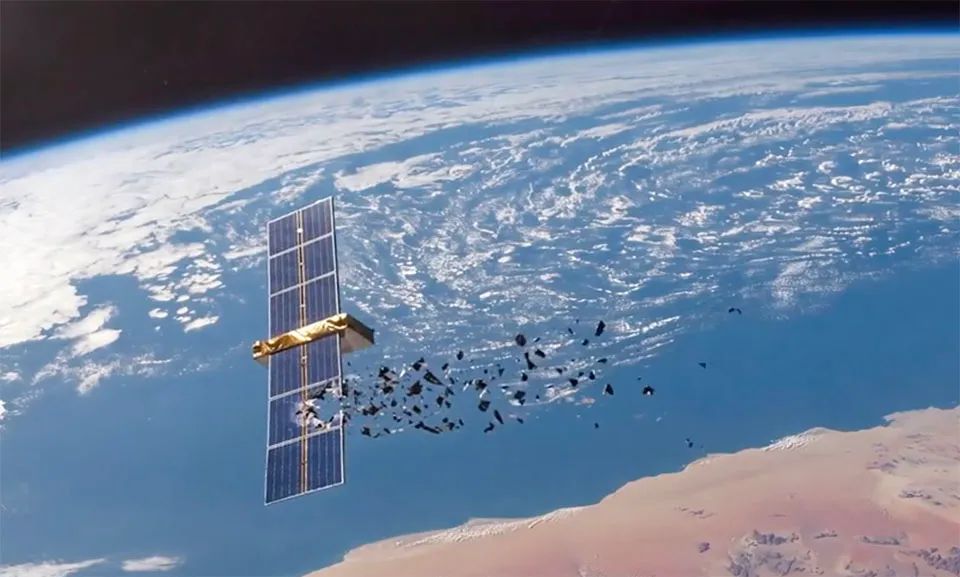
Project-S emerged from stealth with a multi-million-euro seed round to build a radar-based system for tracking orbital debris.

Per Oppenheimer analyst Timothy Horan: SpaceX's vertically integrated AI platform justifies a $280 target, up from $250.
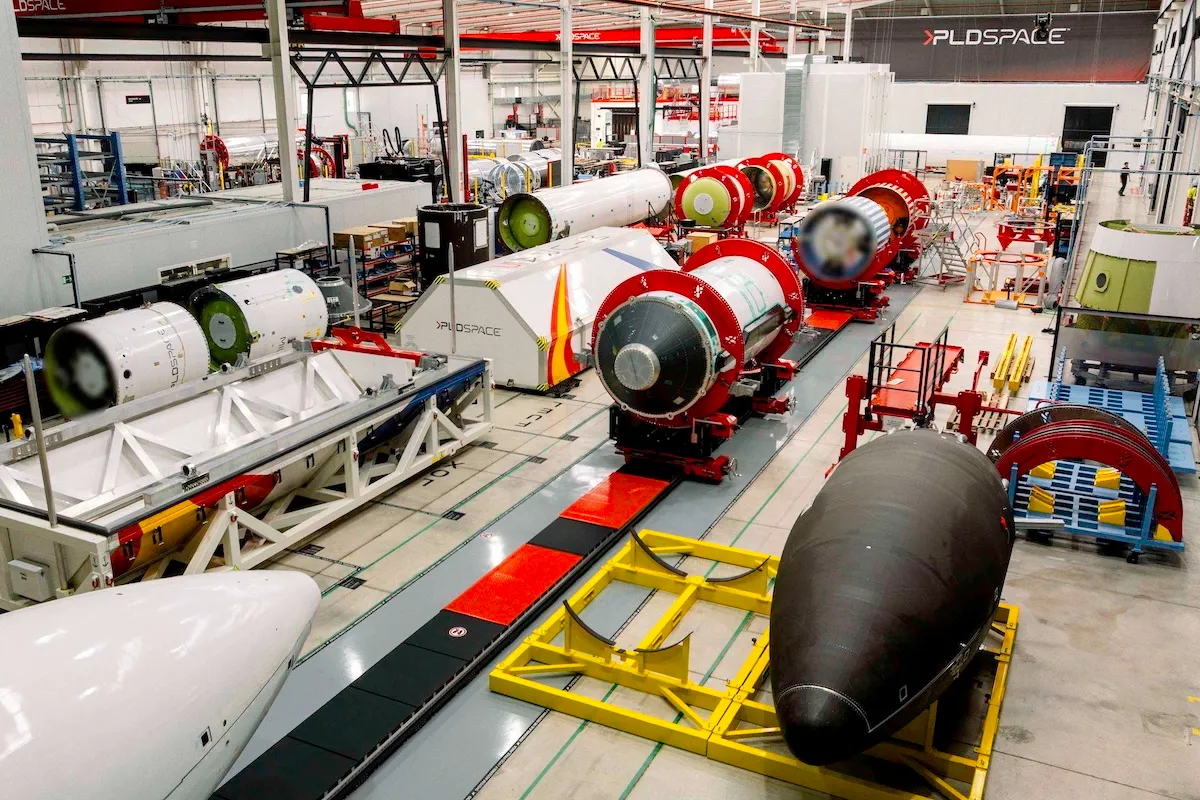
Mitsubishi Electric leads a fresh €108M tranche, bringing PLD Space's Series C round to €288M total.

Bengaluru startup Kepler Aerospace lands its first outside funding to build six autonomous swarming surveillance satellites.
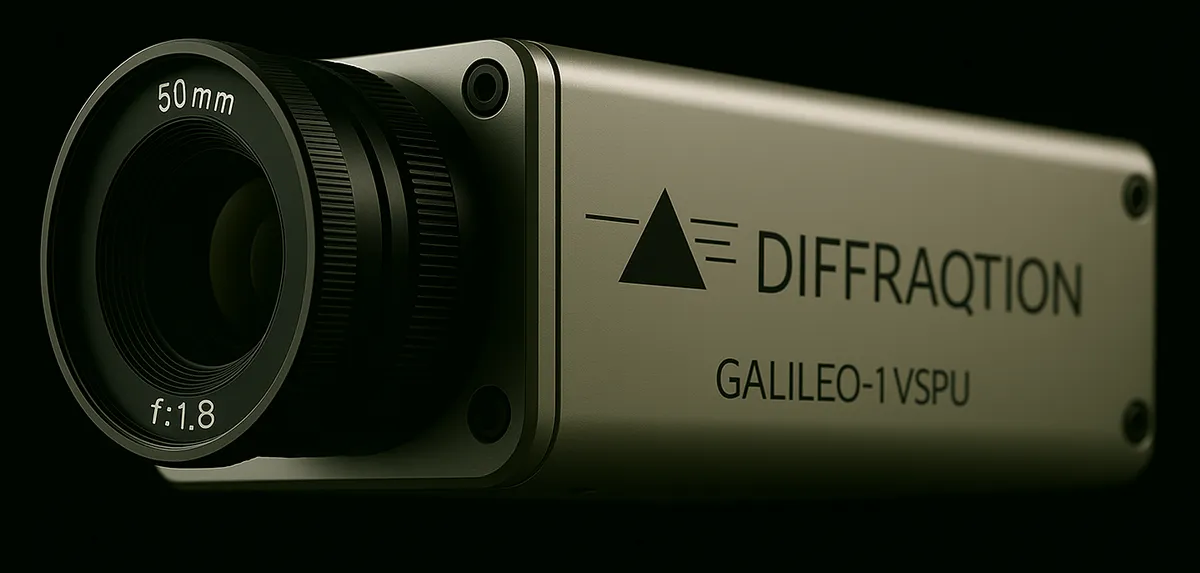
Quantum-imaging startup Diffraqtion added over $5 million to its pre-seed round, led by Lockheed Martin Ventures and Presidio Ventures.
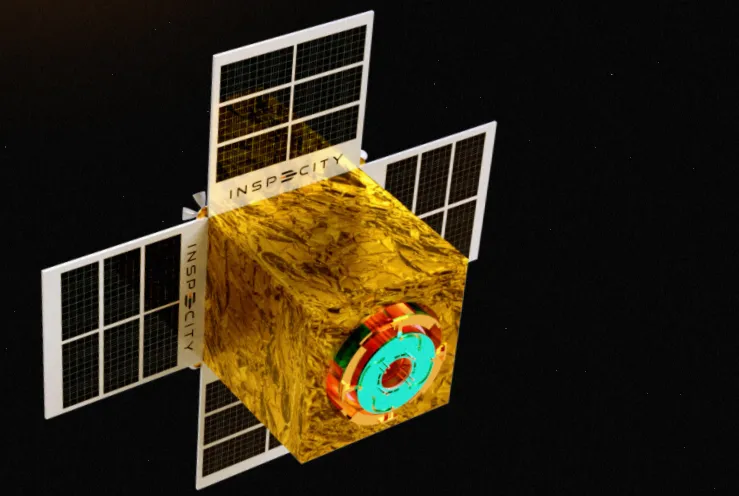
The Indian in-space servicing startup raised a pre-Series A round to fund four planned in-orbit demonstration missions.
Astrum Space is merging with SPAC Black Spade Acquisition III at a roughly $1 billion valuation.
Hughes Satellite Systems bondholders allege EchoStar stripped over $1.5 billion from the subsidiary before its Chapter 11 filing.
CesiumAstro's third defense acquisition of 2026 adds 1Aardvark's mission software for contested, disconnected environments.
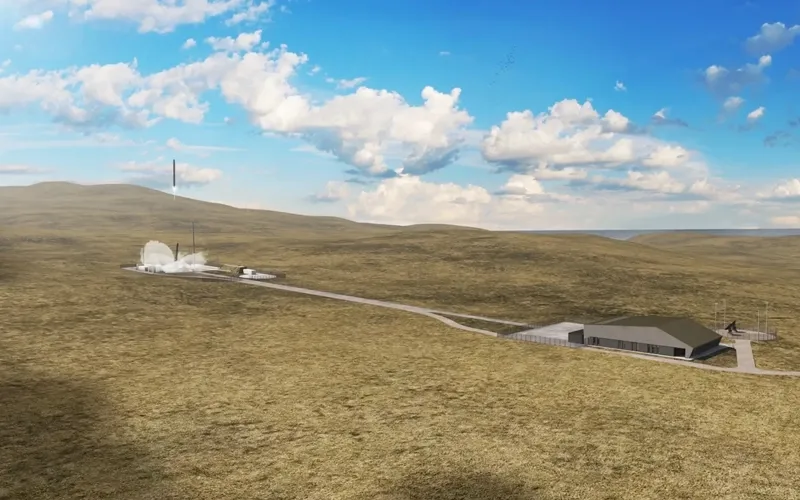
Highlands and Islands Enterprise bought Sutherland Spaceport's assets out of liquidation, leaving the site's future launch use undecided.
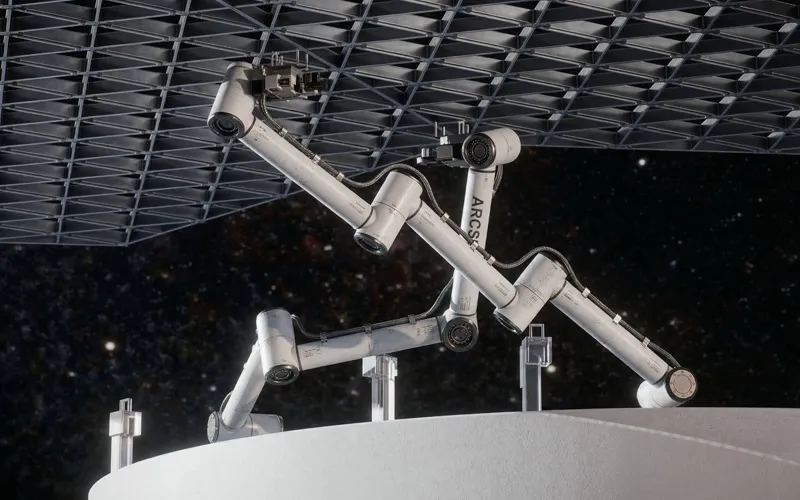
French startup ArcSpace closed a 2 million euro seed round to fund a 2027 in-orbit welding demonstration.
SpaceX's Cursor acquisition became effective Aug. 14, converting Cursor into a wholly owned SpaceXAI division.
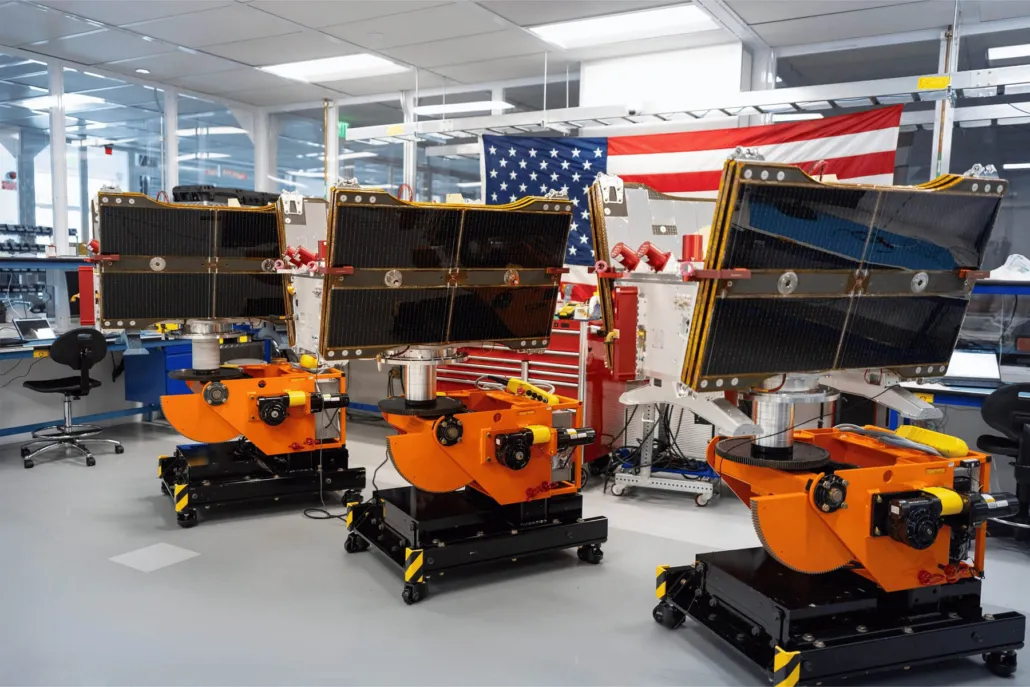
Muon Space closed a $250 million Series C to scale satellite production toward 500 spacecraft a year by 2027.
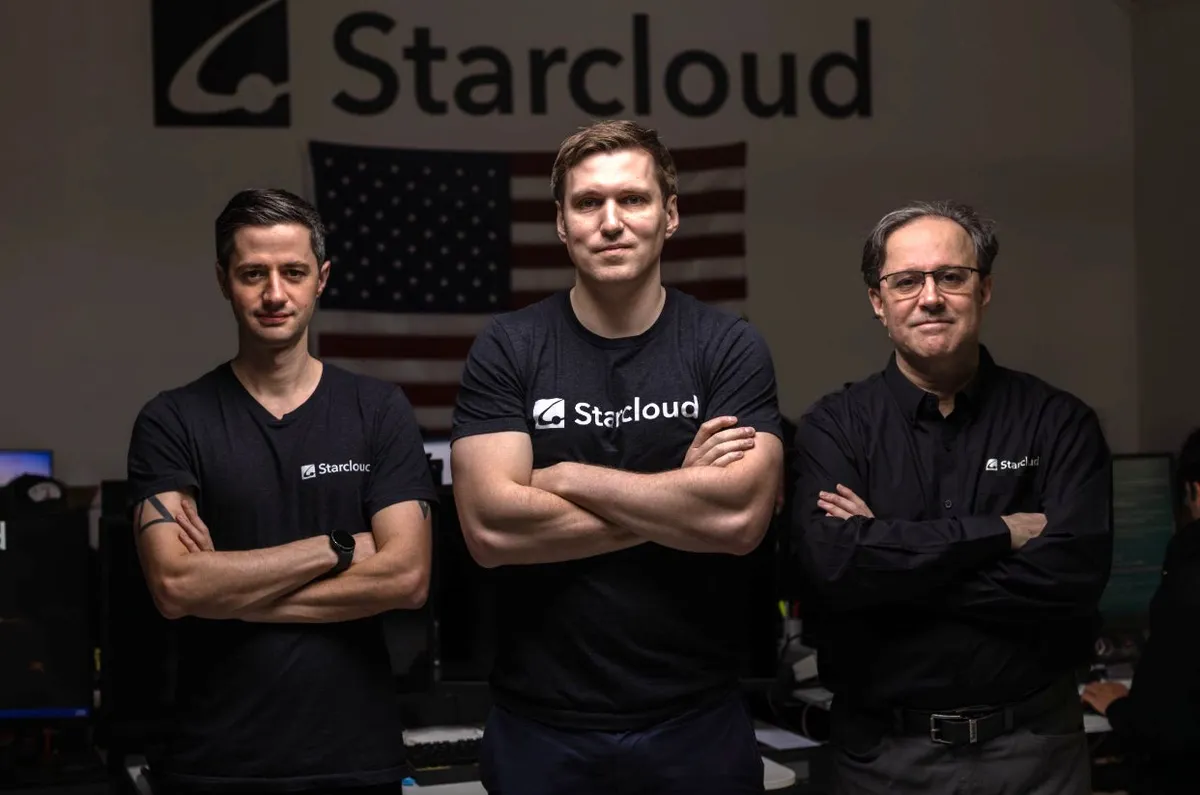
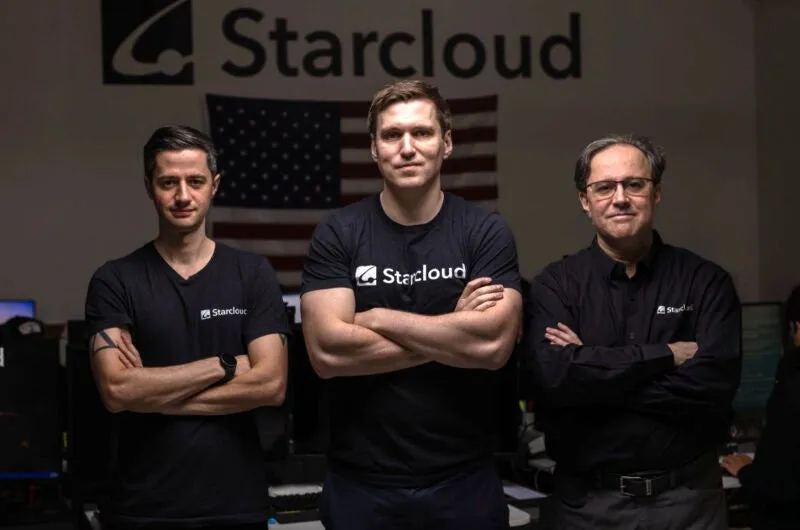
Starcloud added $250 million to its Series A, more than doubling its valuation to $2.3 billion five months after its March round.
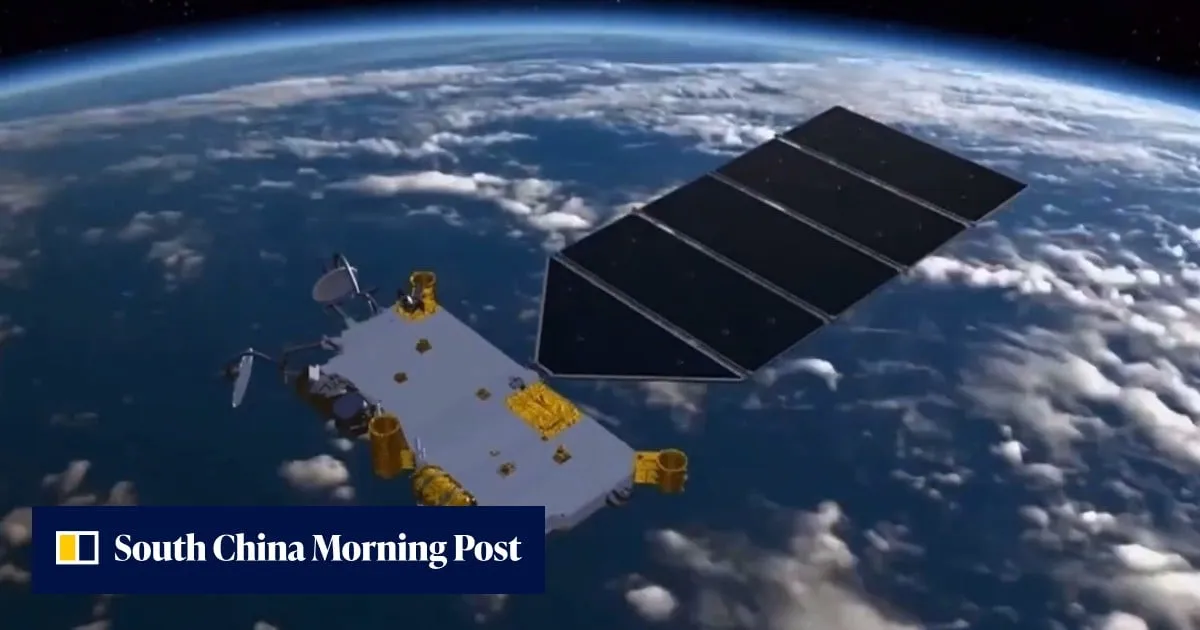
Qianfan operator SpaceSail closed a 7 billion yuan ($1B) Series B, a record for China's satellite-internet sector.
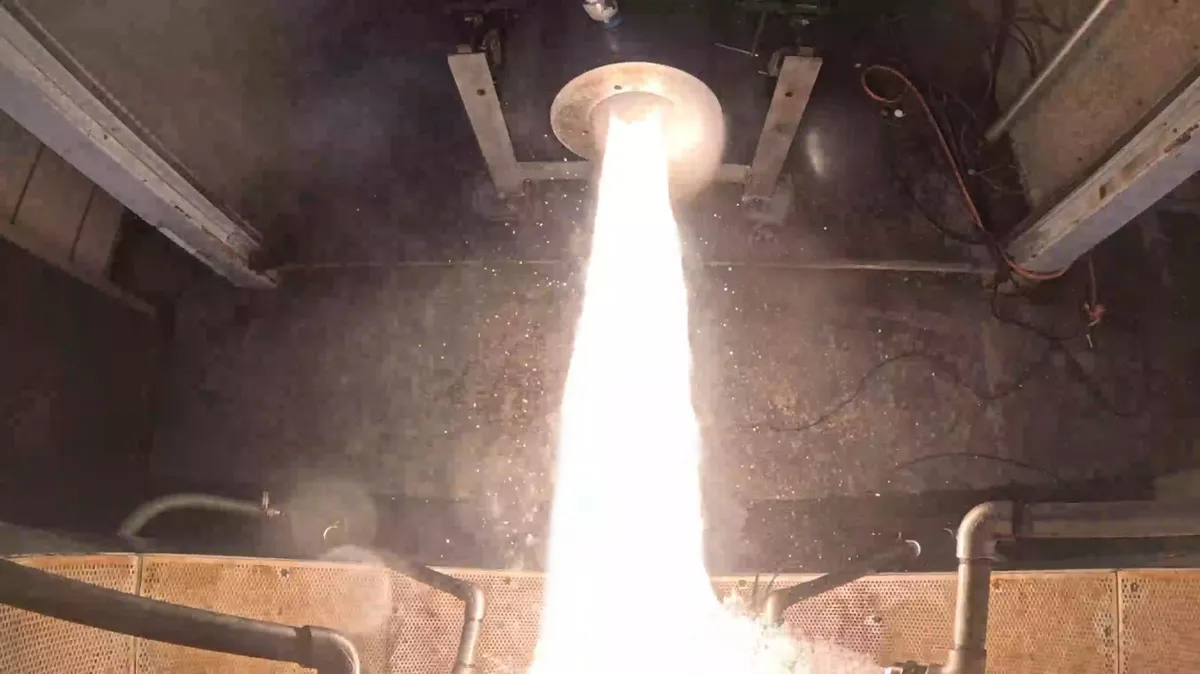
Japanese propulsion startup Letara closed a ¥2.6 billion ($16 million) pre-Series A round for its hybrid rocket engine technology.
Novaspace projects more than 6,500 Earth observation satellites will launch by 2035, generating $155.9 billion in manufacturing revenue.
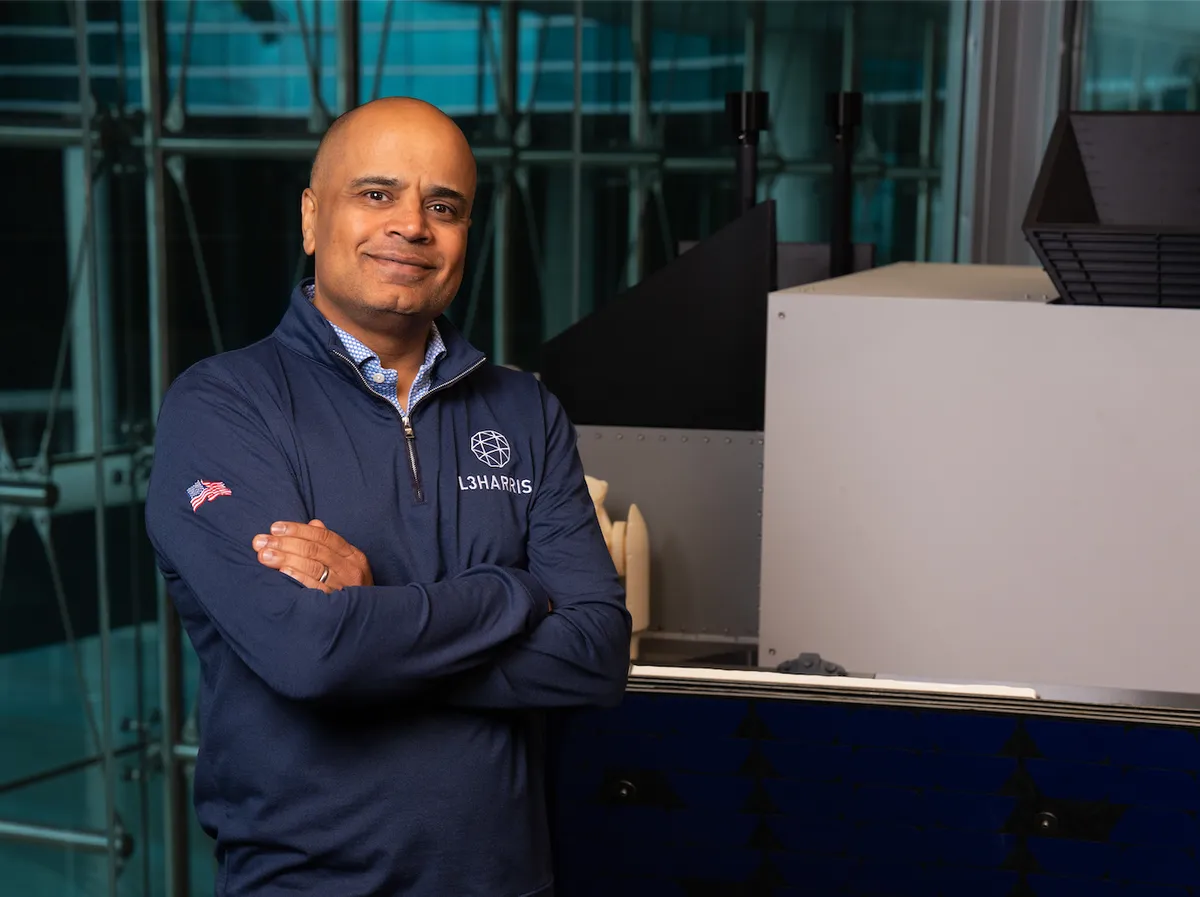
L3Harris ousted CEO Christopher Kubasik over a code-of-conduct breach, naming space-sector chief Sam Mehta as successor.

Seraphim Space Investment Trust put a further $30 million into satellite-Bluetooth network operator Hubble Network.
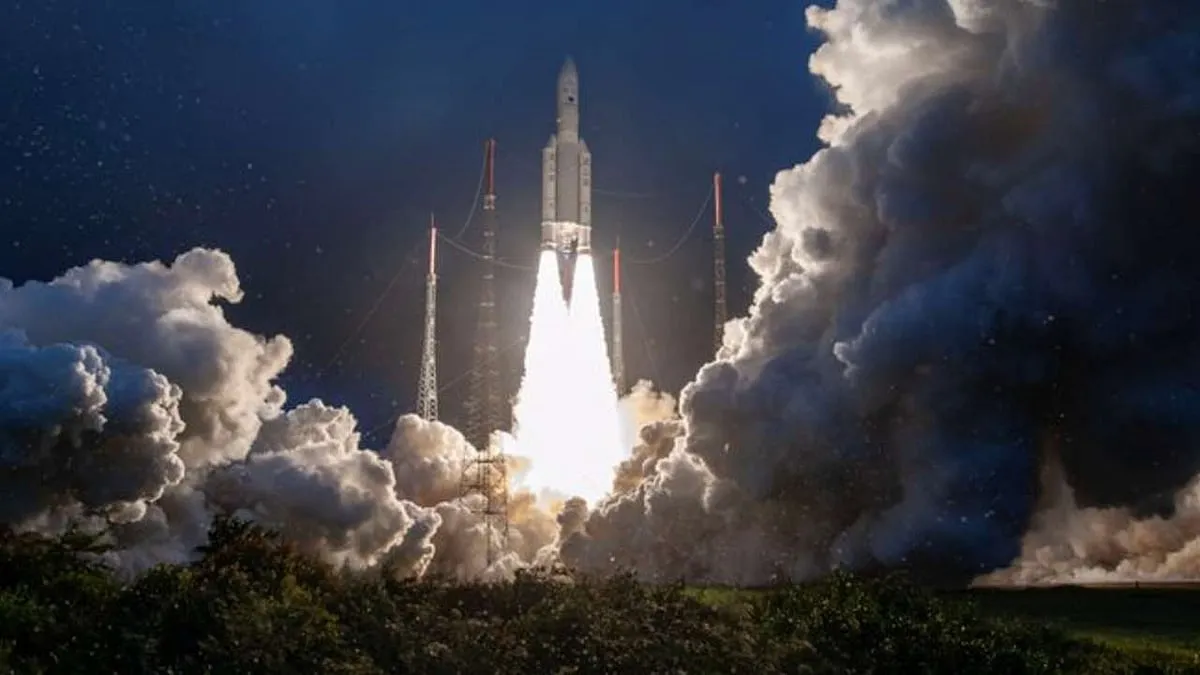
A US appeals court kept Devas' $562.5 million award against ISRO's Antrix alive; with interest it now tops $2 billion.

Lynk and Omnispace closed their merger as Elveo Mobile, and investor SES announced an expanded D2D investment and collaboration.
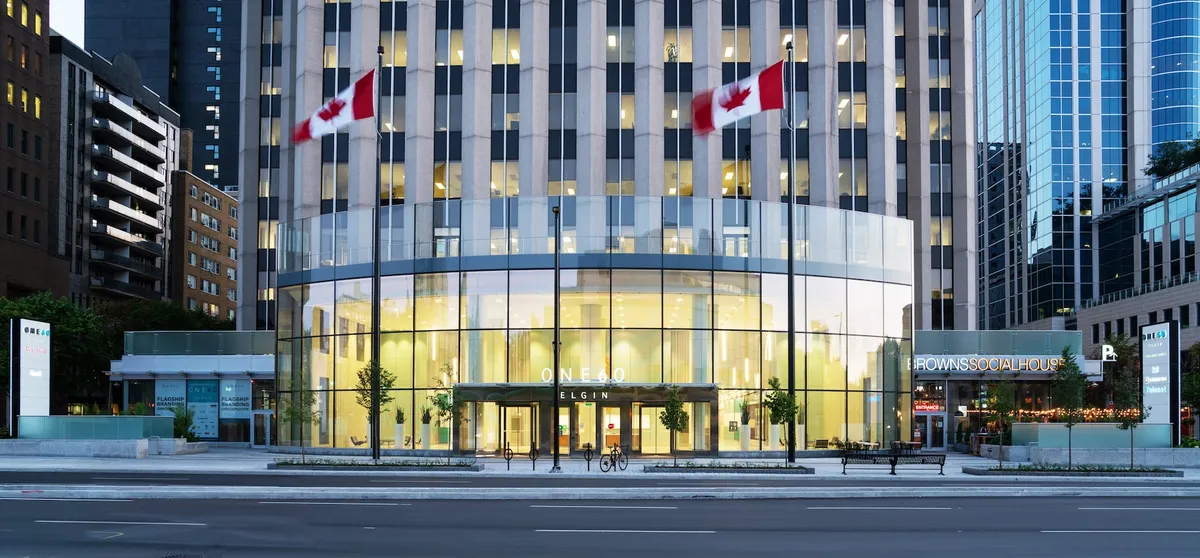
Telesat's first-half 2026 results show falling GEO revenue and a Lightspeed cost jump to $5.2 billion, per the company.
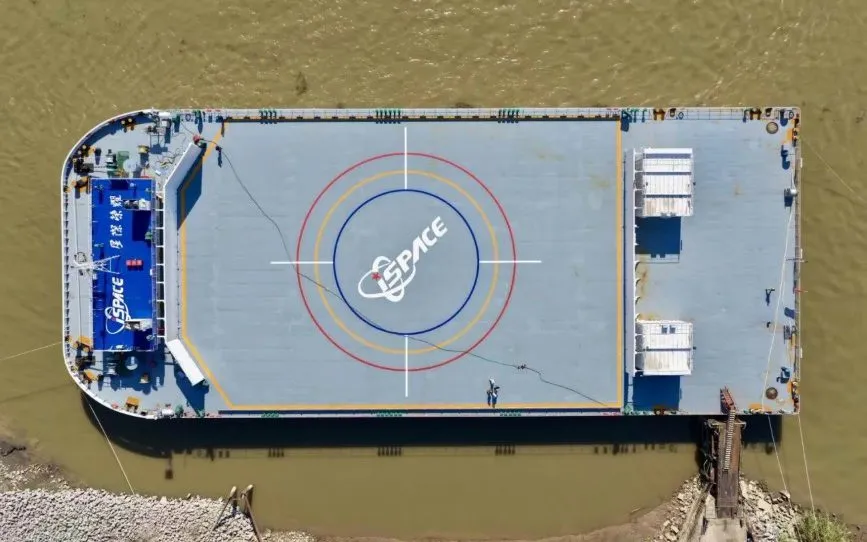
China's iSpace closed a $148 million first tranche of a Series E round for its reusable Hyperbola-3 rocket, with fundraising ongoing.
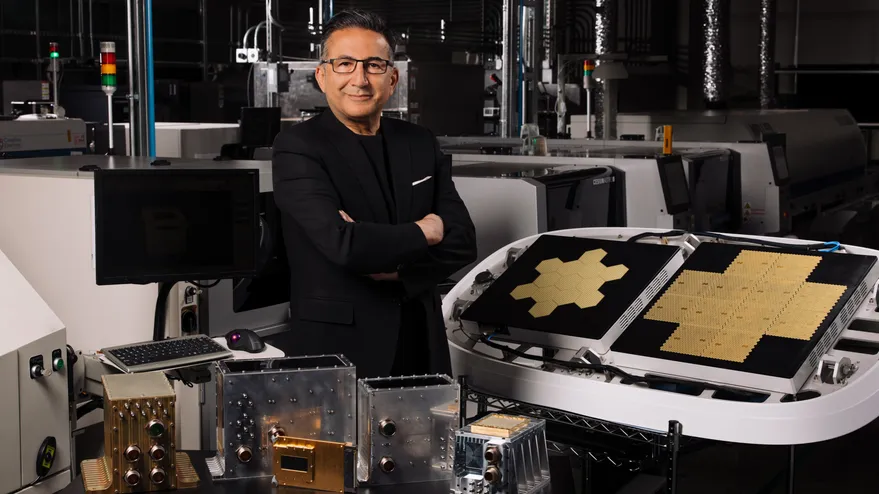
CesiumAstro is buying RF chipmaker Jariet Technologies to build its own satellite semiconductors in-house.
Marlink agreed to buy Global RadioData Communications, a UK satellite and RF comms specialist serving the UK Ministry of Defence and NATO.
AST SpaceMobile's Q2 net loss widened to $230.9 million, driven partly by a $125.9 million write-off tied to the lost BlueBird 7 satellite.
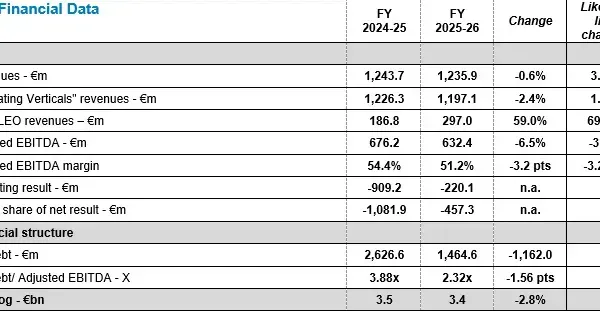
Eutelsat's full-year results show LEO connectivity revenue up 69.5% to EUR297 million, now a quarter of total revenue.
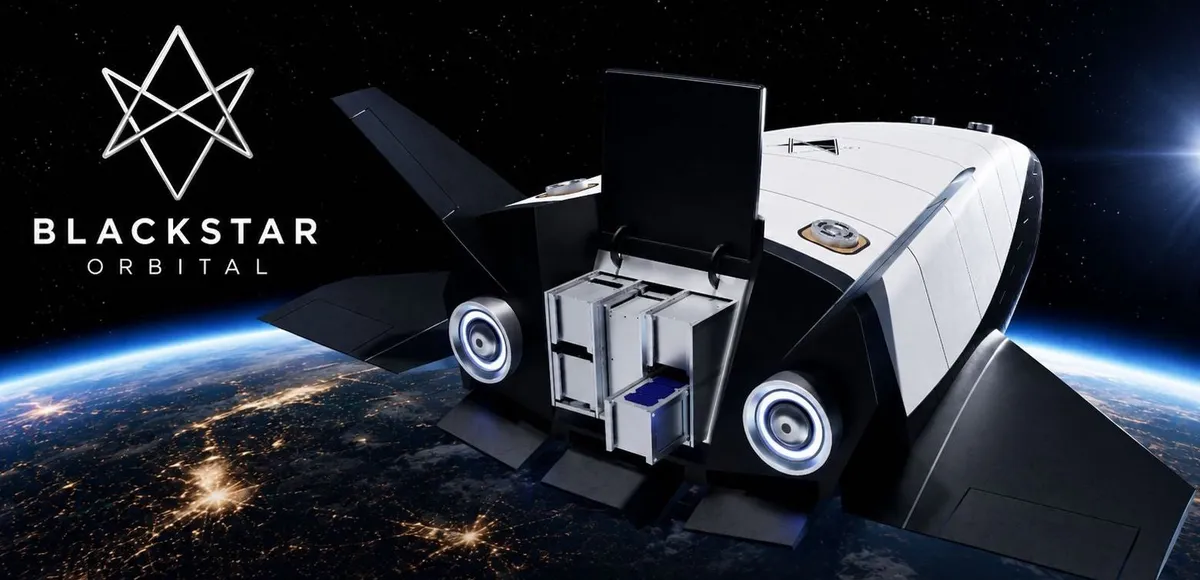
The reusable-spaceplane startup will merge with Pono Capital Four, targeting a Q1 2027 close.
Space-based intelligence revenue rose 36% as BlackSky's Gen-3 constellation adoption accelerated.
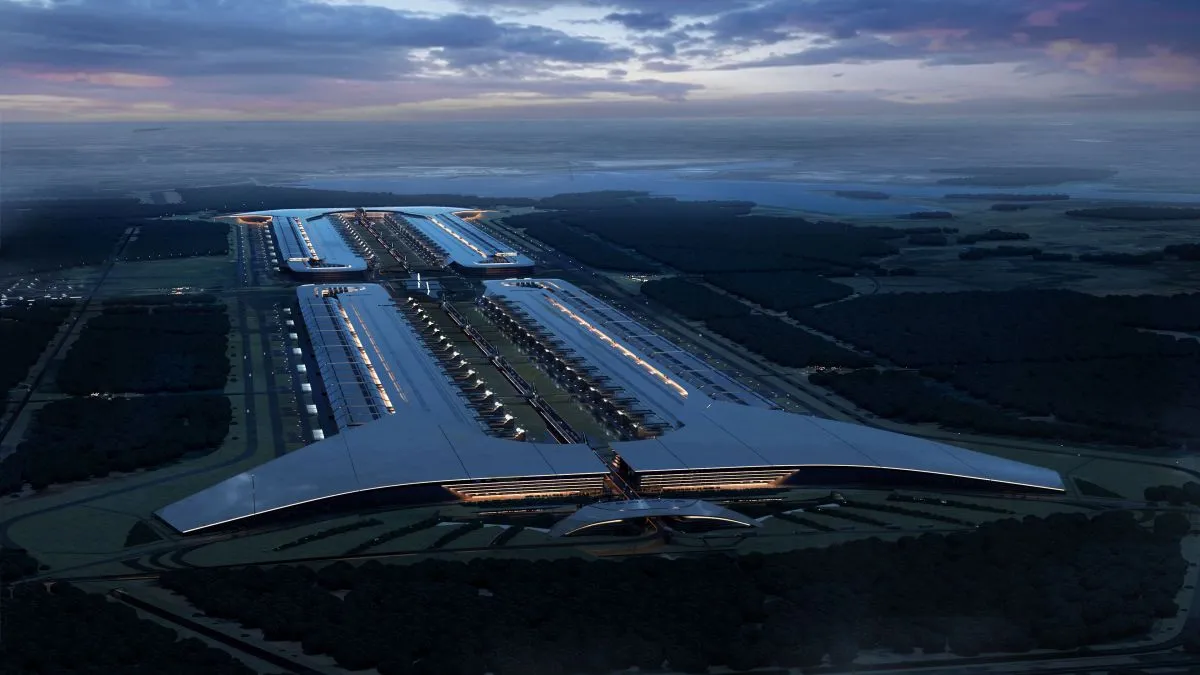
The joint venture's Grimes County, Texas complex will make AI chips for Tesla robots and SpaceX's planned space-based data centers.
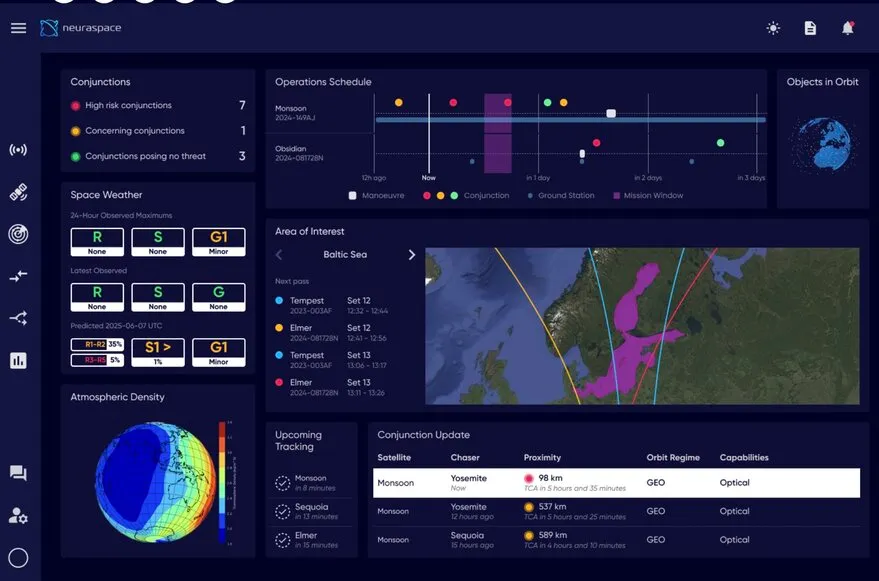
Portugal's Neuraspace secured an $18 million Series B and EU funding round for AI-driven space traffic management.
Redwire's Q2 2026 revenue rose 89.6% to a record $117.1 million as gross margin and backlog also hit highs.

Satellogic's Q2 2026 revenue rose 259% to $15.9 million, delivering its first positive operating income and adjusted EBITDA.

The Chinese launch startup closed a pre-C funding round and began IPO coaching while pushing Gravity-2 toward a Q4 debut.
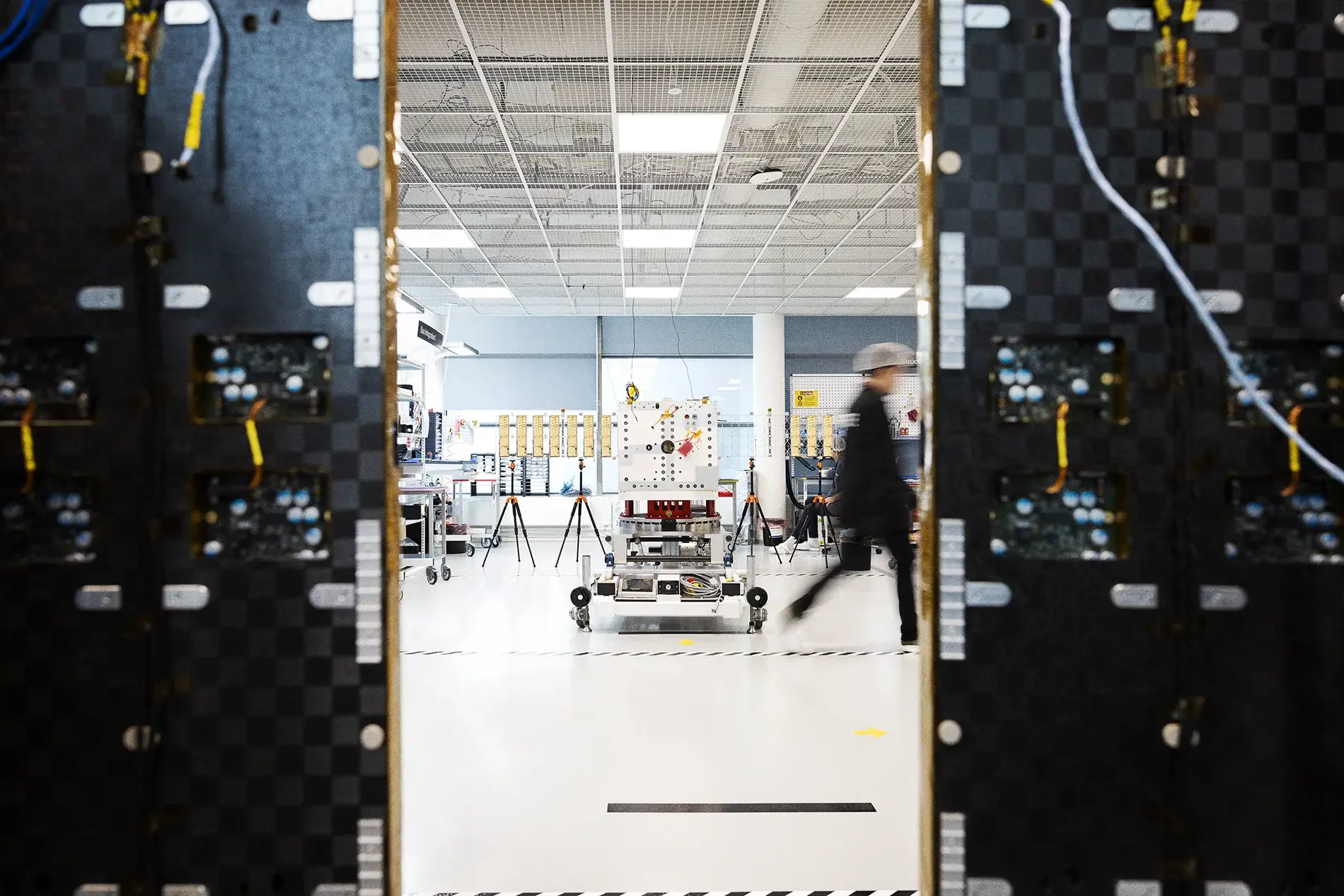
ICEYE's primary Series F values the SAR operator above EUR 10B; the full round tops EUR 1B with a secondary placement.

AE Industrial closed its $845 million majority buy of L3Harris's space propulsion unit, relaunched as Rocketdyne.

A new startup wants laser-linked MEO satellites to compete with subsea cables on long-haul data routes.
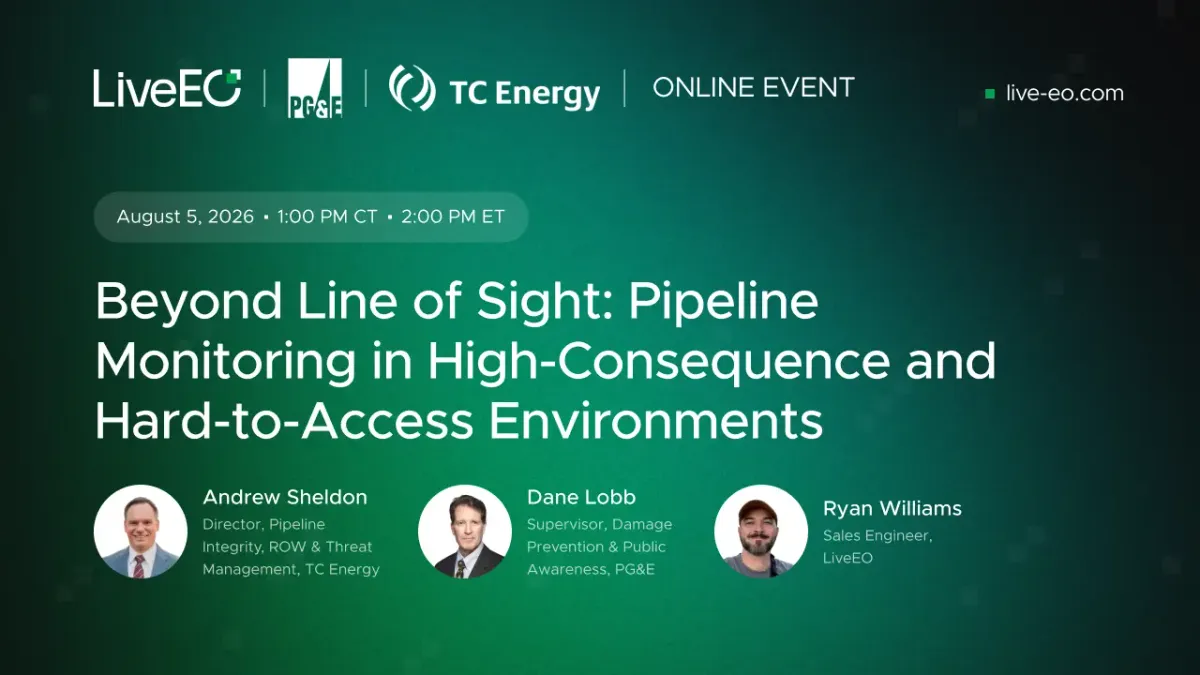
Germany's Space Agency at DLR funded LiveEO to study a foundation AI model spanning optical and radar Earth-observation imagery.
Viasat's Q1 FY2027 revenue held flat at $1.2 billion as both remaining ViaSat-3 satellites near service entry.
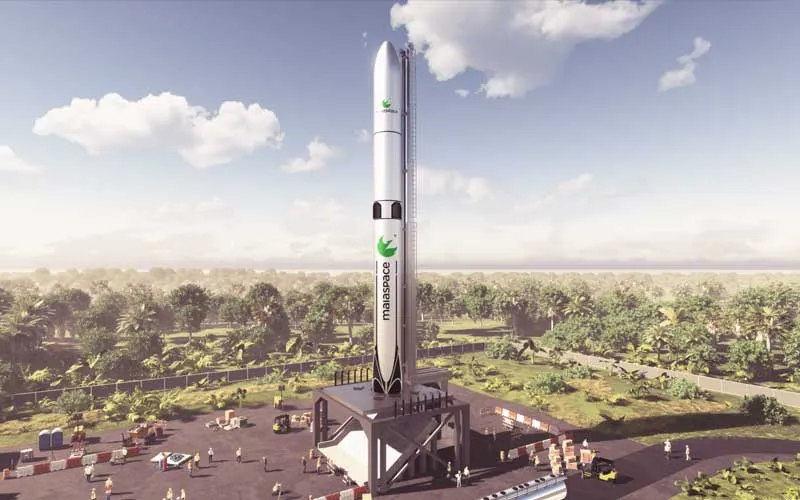
MaiaSpace posted a 37.5 million euro loss for 2025 that pushed shareholders' equity negative; ArianeGroup voted not to dissolve it.
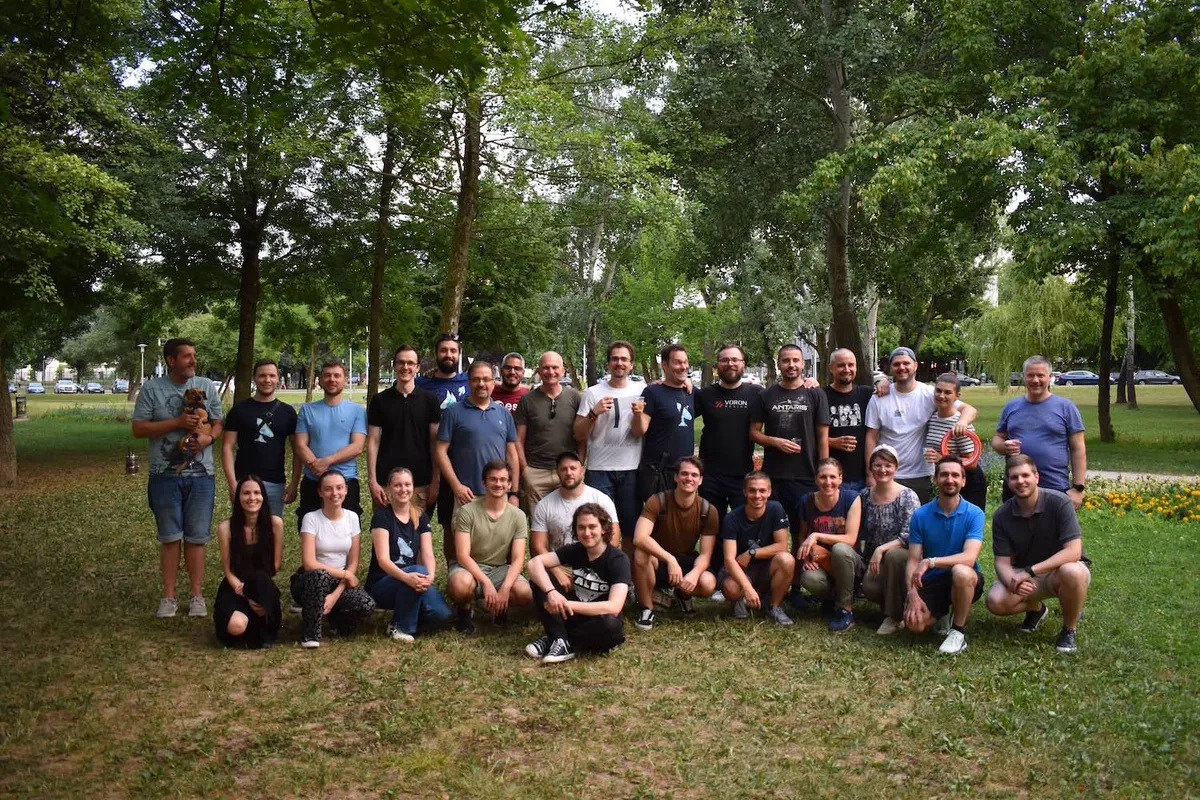
ETL Systems buys Croatian software specialist Amphinicy to broaden its satellite ground-segment portfolio.
EchoStar's satellite broadband unit files Chapter 11 after missing an August 1 debt deadline, without a pre-negotiated plan.
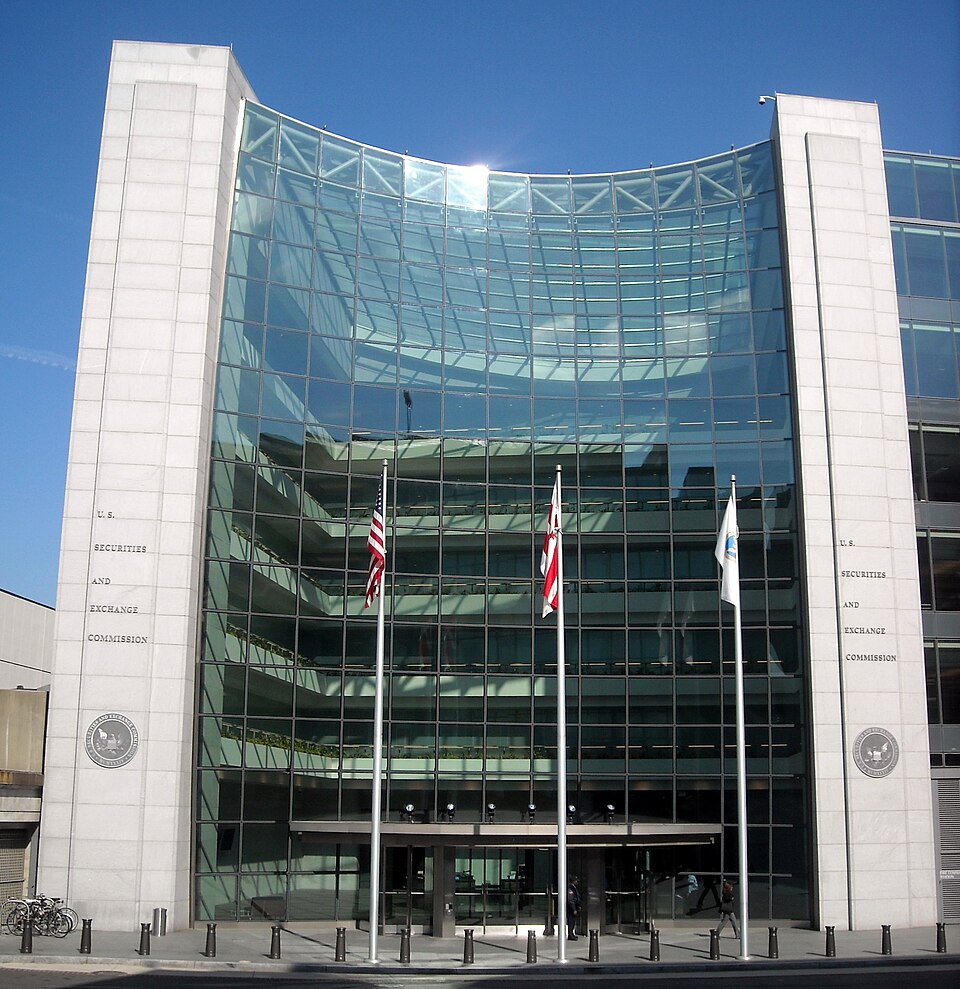
Hughes Network Systems, EchoStar's satellite broadband subsidiary, filed for Chapter 11 bankruptcy on August 2 in the US Bankruptcy Court for the Southern District of Texas, per Advanced Television. Hughes had $102 million in cash on hand against $1.5 billion in borrowings that matured August 1, and filed without a pre-negotiated restructuring plan. EchoStar's own SEC 8-K, filed the same day, discloses an Item 1.03 bankruptcy event.
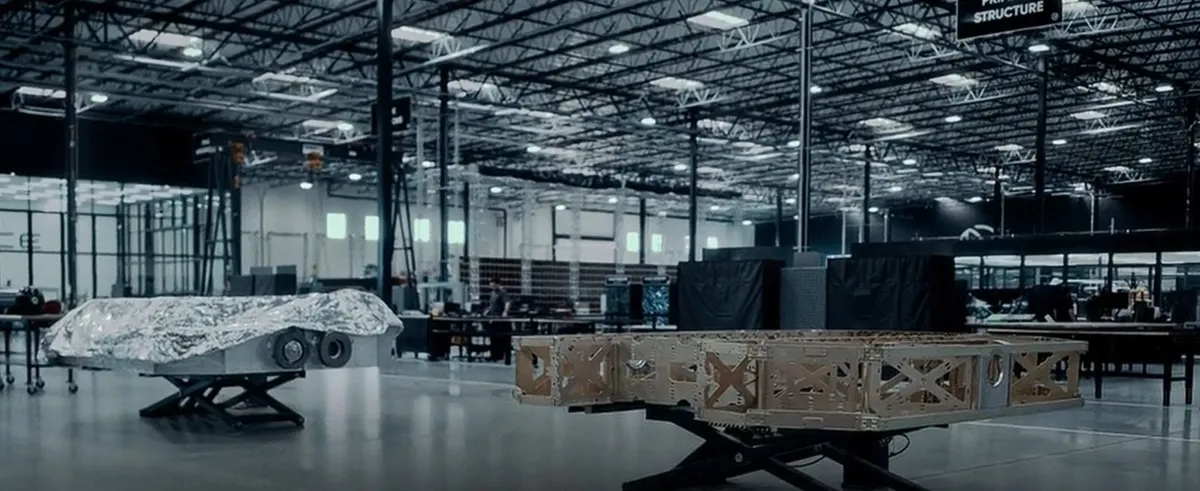
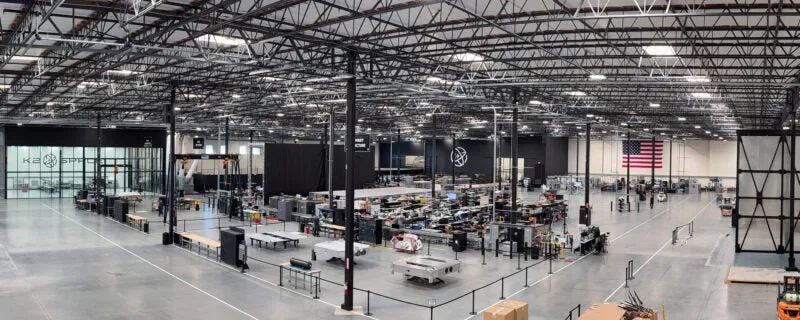
K2 Space's new funding, led by Kleiner Perkins and ICONIQ, more than doubles its valuation as it scales satellite production.
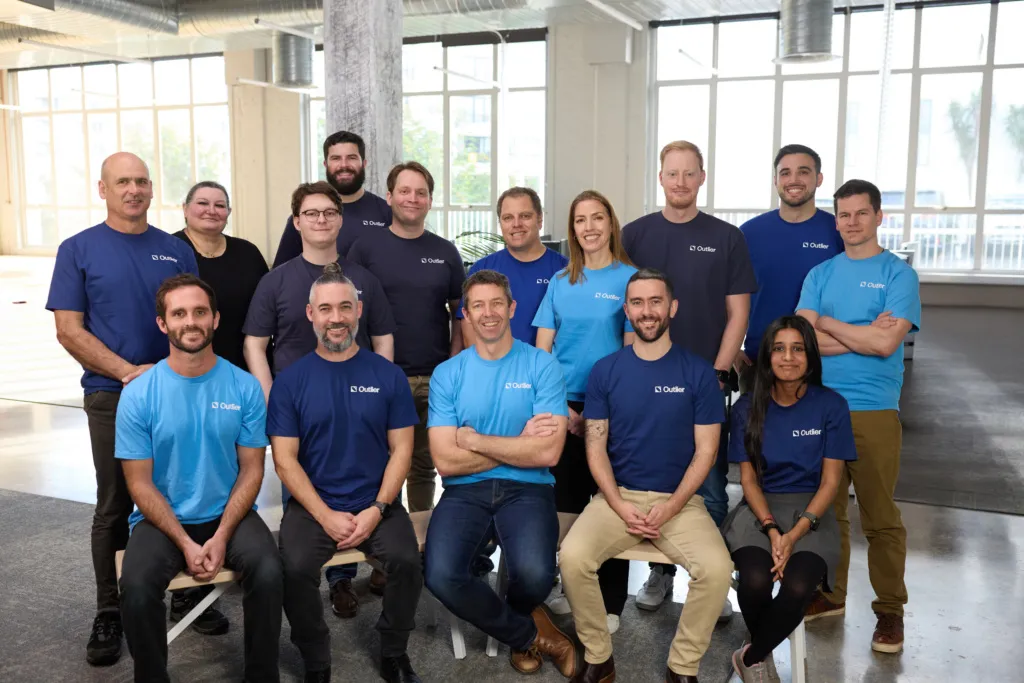
Outlier Space raised $7.35 million pre-seed to build a reusable microgravity return capsule, per Payload.
EchoStar closed its $20.25 billion spectrum sale to AT&T, funding debt payoff across its satellite and wireless units.
Per the Financial Times, the German space firm is negotiating a $300 million round that would value it at over $2 billion.
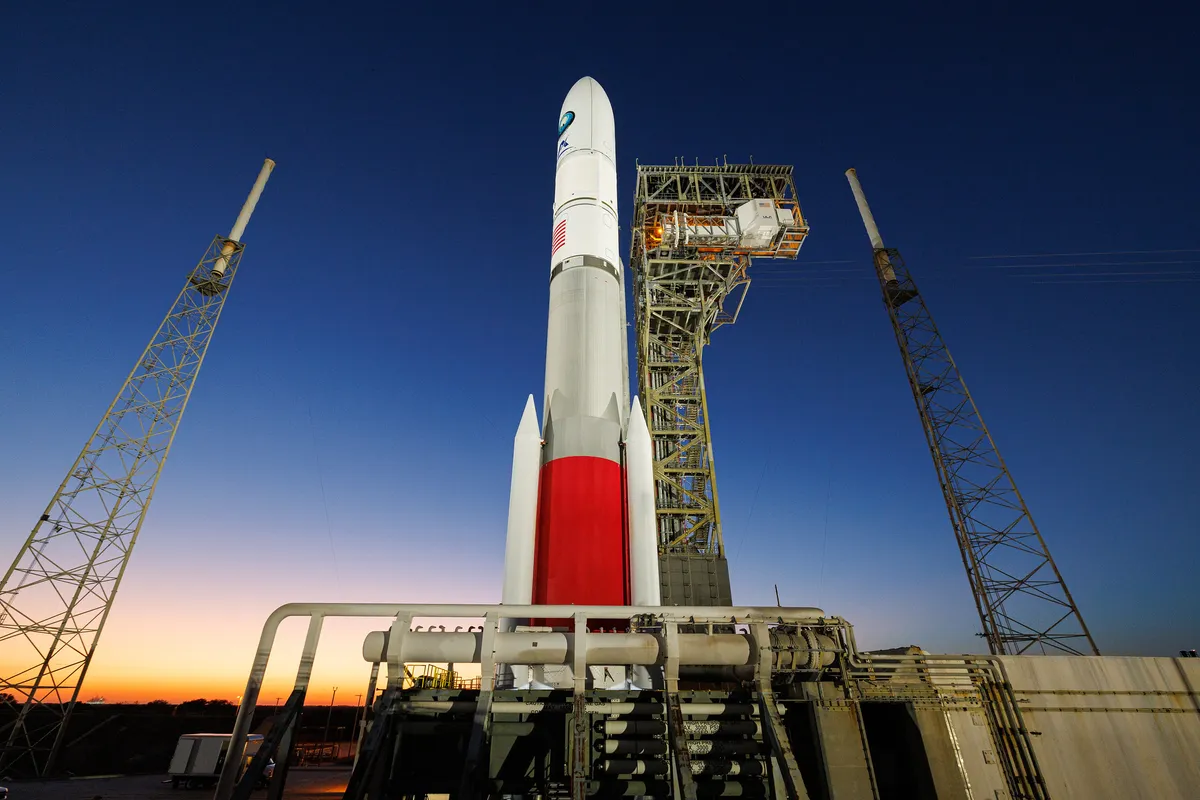
Lockheed cut its Space profit outlook and backed a $500 million ULA loan as Vulcan's grounding drags on.

Mark Matossian and two co-founders launched Whipsmart Ventures, a fund for Series A-stage space and deep-tech startups.
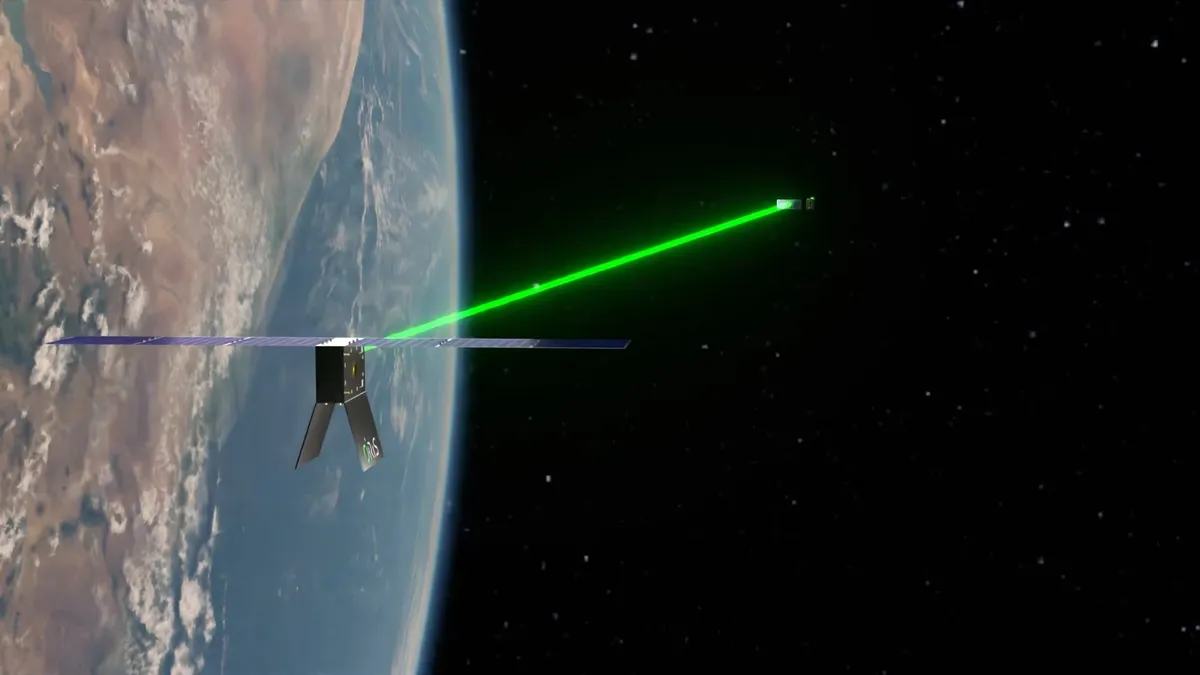
Per SpaceNews: the Turin startup raised 5 million euros to develop laser-based wireless power beaming for satellites.
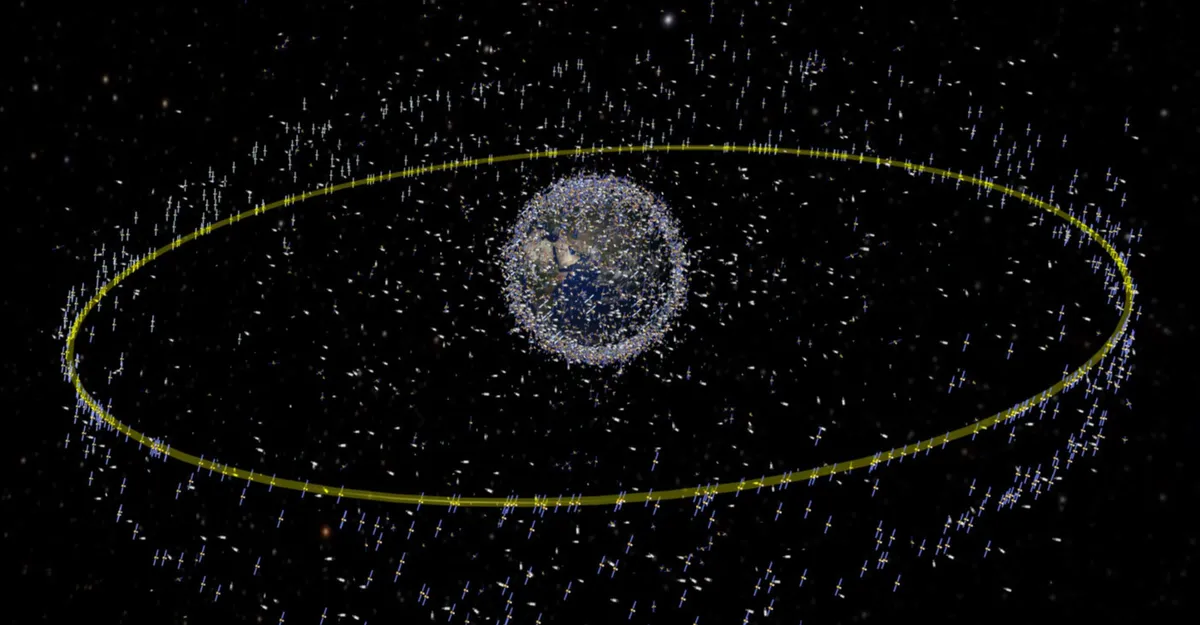
The Beijing startup raised nearly 100 million yuan to build its Guanlan space situational-awareness constellation.
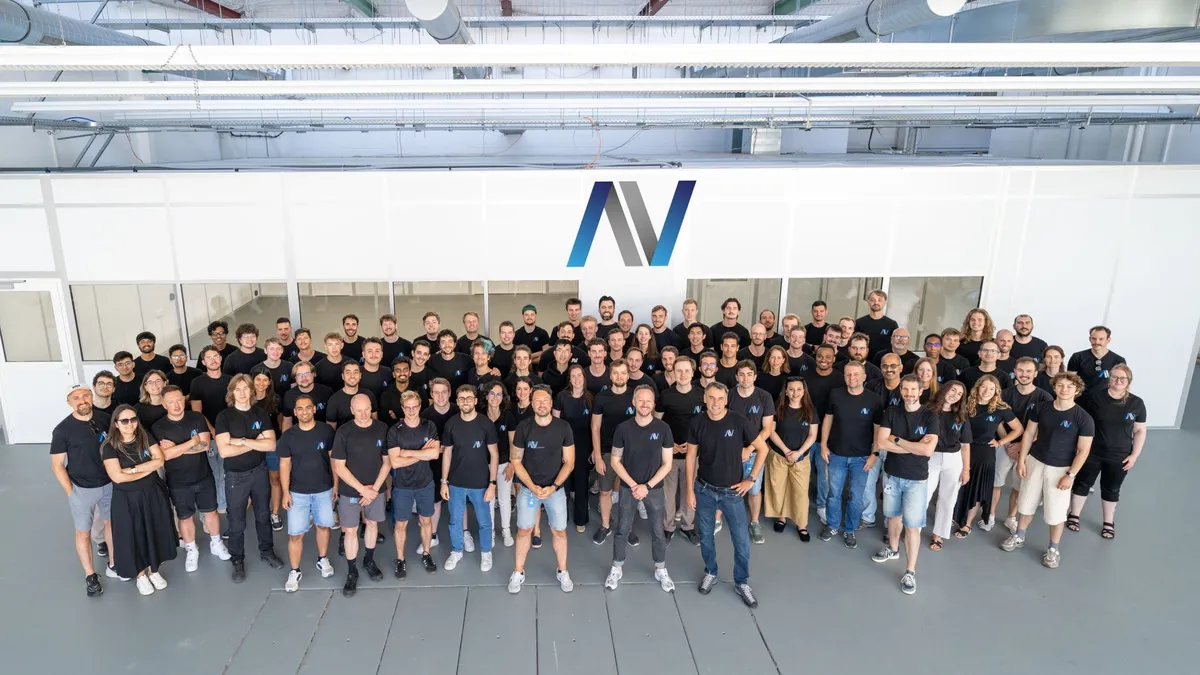
German fluidics maker deltaVision raised 10.2 million euros to scale valve production for in-orbit refueling.
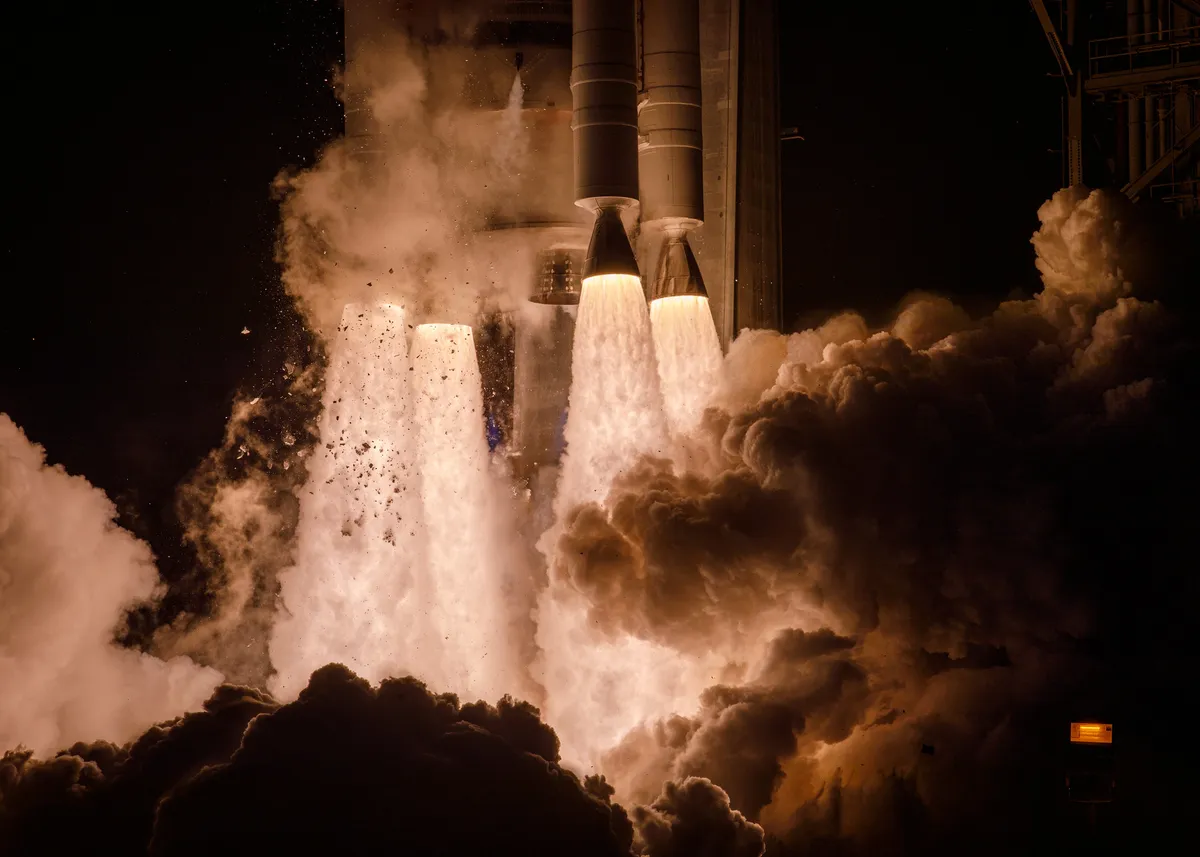
Northrop added a $91 million charge on its GEM 63XL solid rocket motor program, bringing 2026 charges to $162 million.

The Space Foundation says the global space economy hit $686 billion in 2025, up 12% year over year.
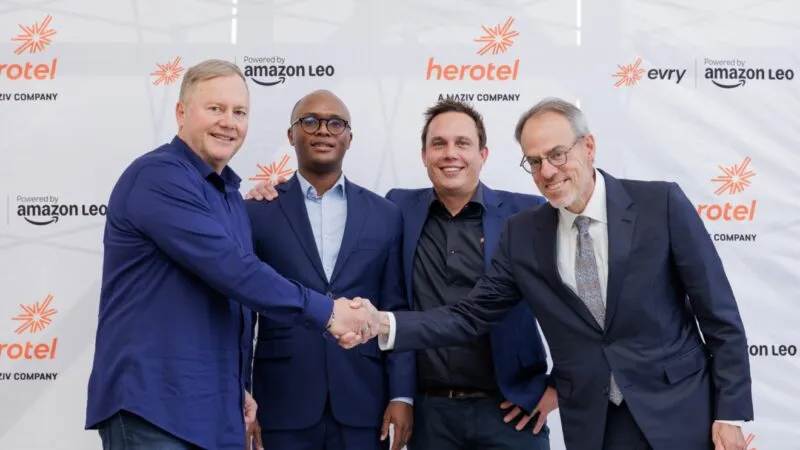
Contrivian folded networking-software maker Big Network into its Starlink-plus-terrestrial connectivity platform.

The UK government opened GBP62 million in space-sector funding, including a third C-LEO satcom technology round.
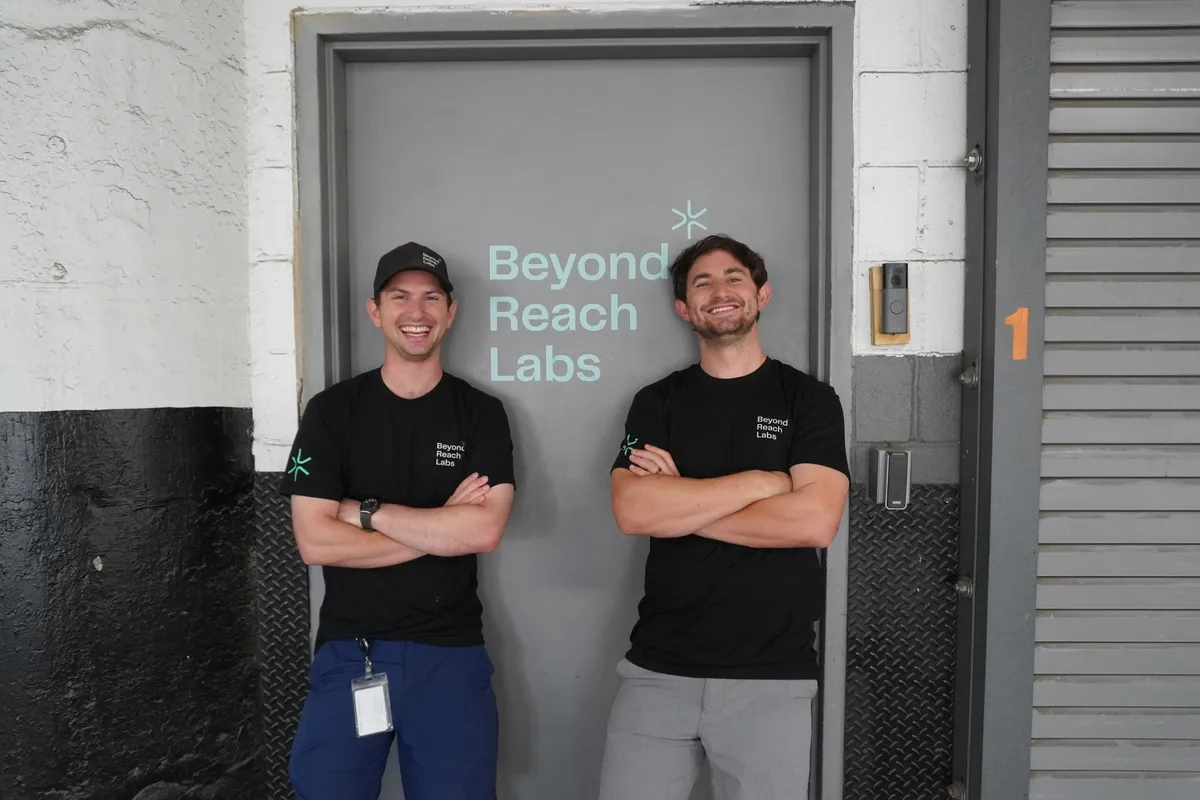
The startup's 100-meter deployable solar arrays have drawn $342.6 million in customer letters of intent.
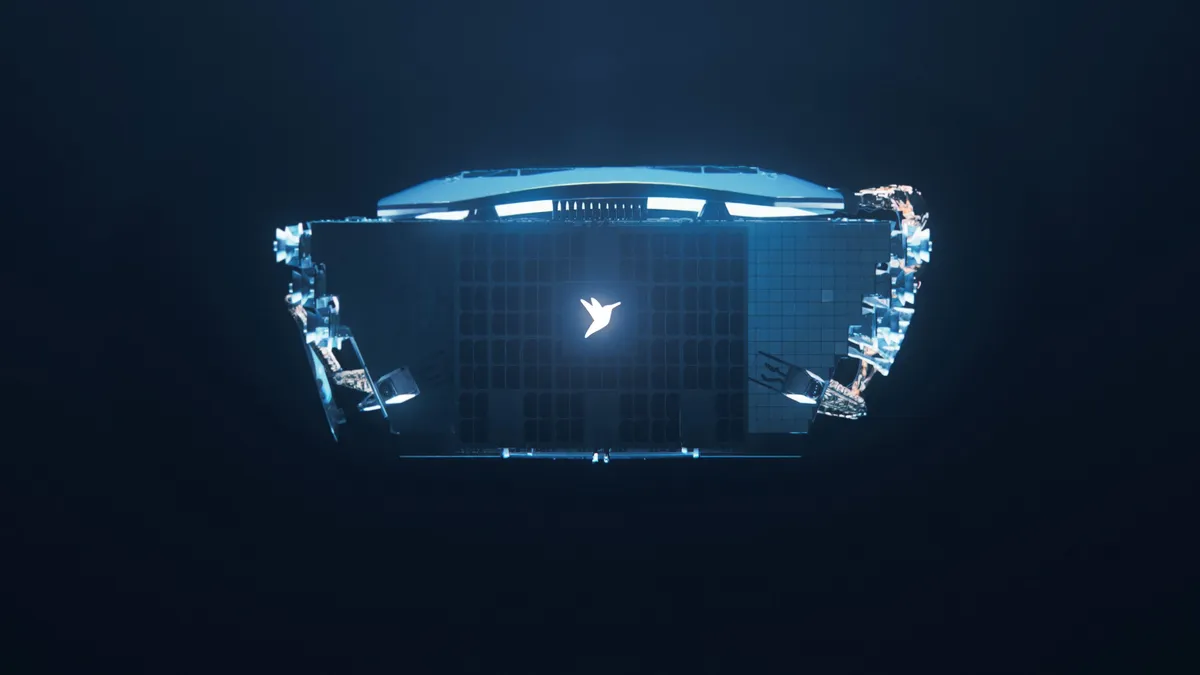
Swissto12 raised a $70 million Series C to scale up HummingSat small-GEO satellite manufacturing.
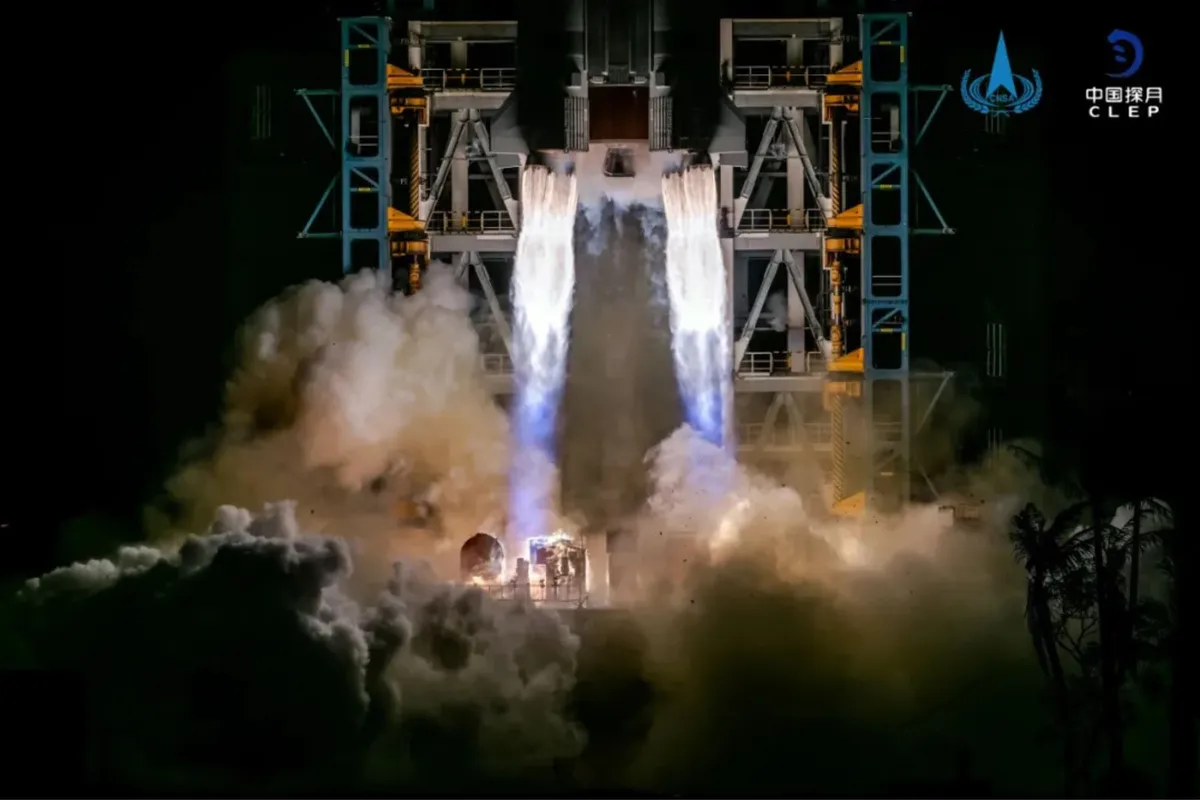
Six-month-old Chinese startup LegendSpace raised 200 million yuan ($29.5M) to build AI-designed liquid rocket engines.

The SEC filing flags possible vertical integration into launch and an advanced-stage Rakuten joint venture for Japan's J-LEO program.
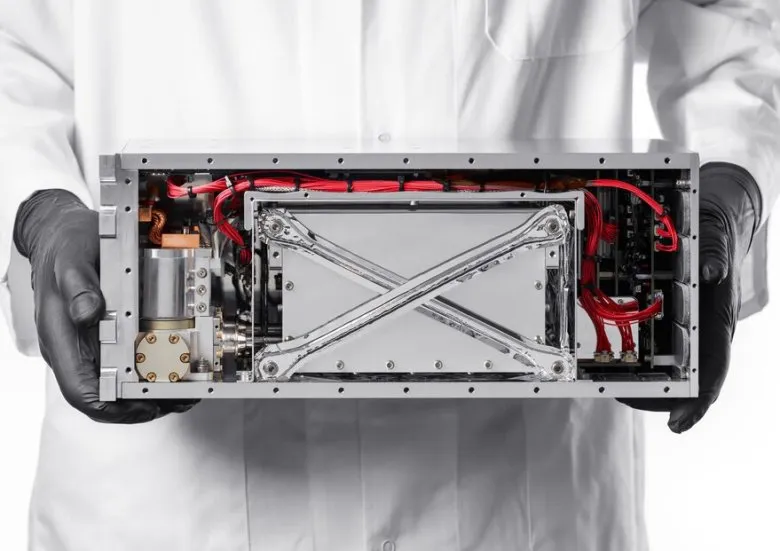
Zenno Astronautics will relocate its headquarters to Los Angeles, citing the US space industry's scale and talent pool.
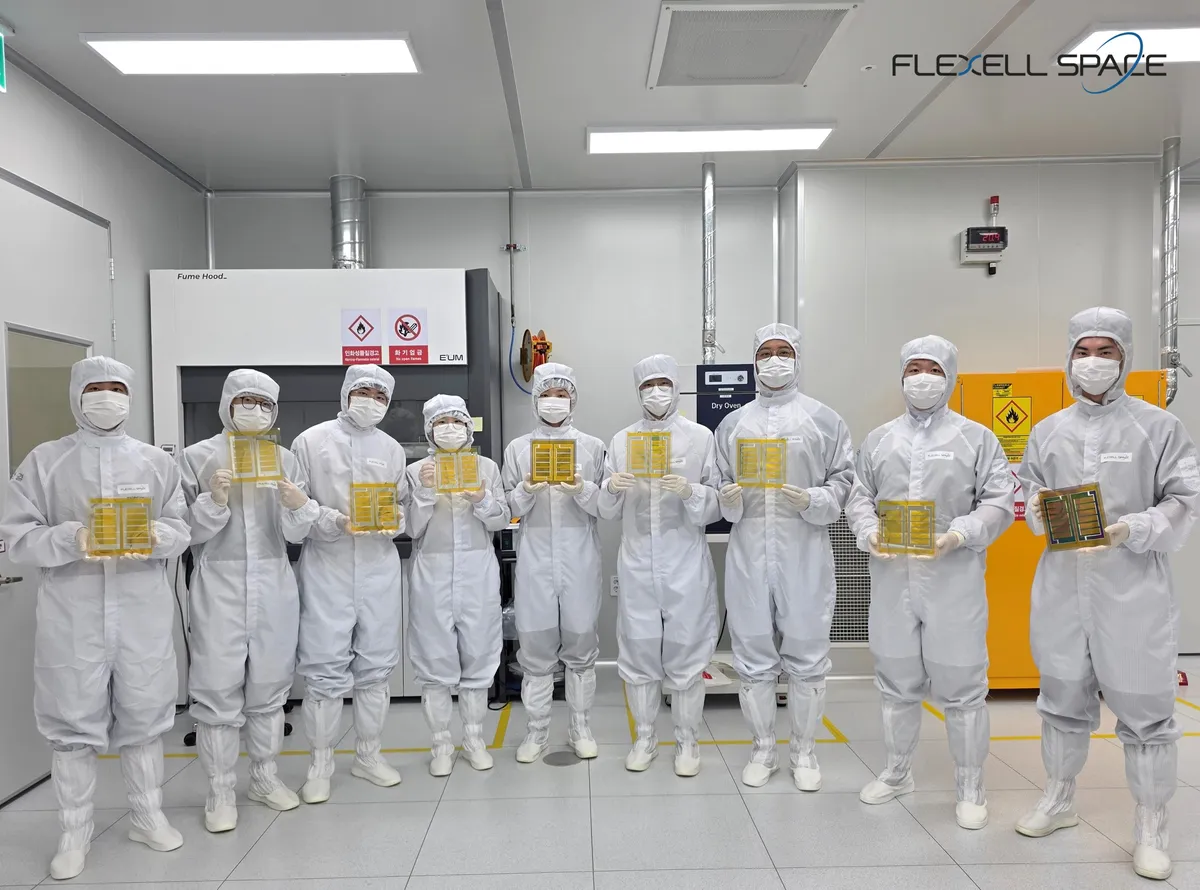
Hanwha-backed Flexell Space closed a $20 million Series A to scale its flexible perovskite and CIGS space solar cells.
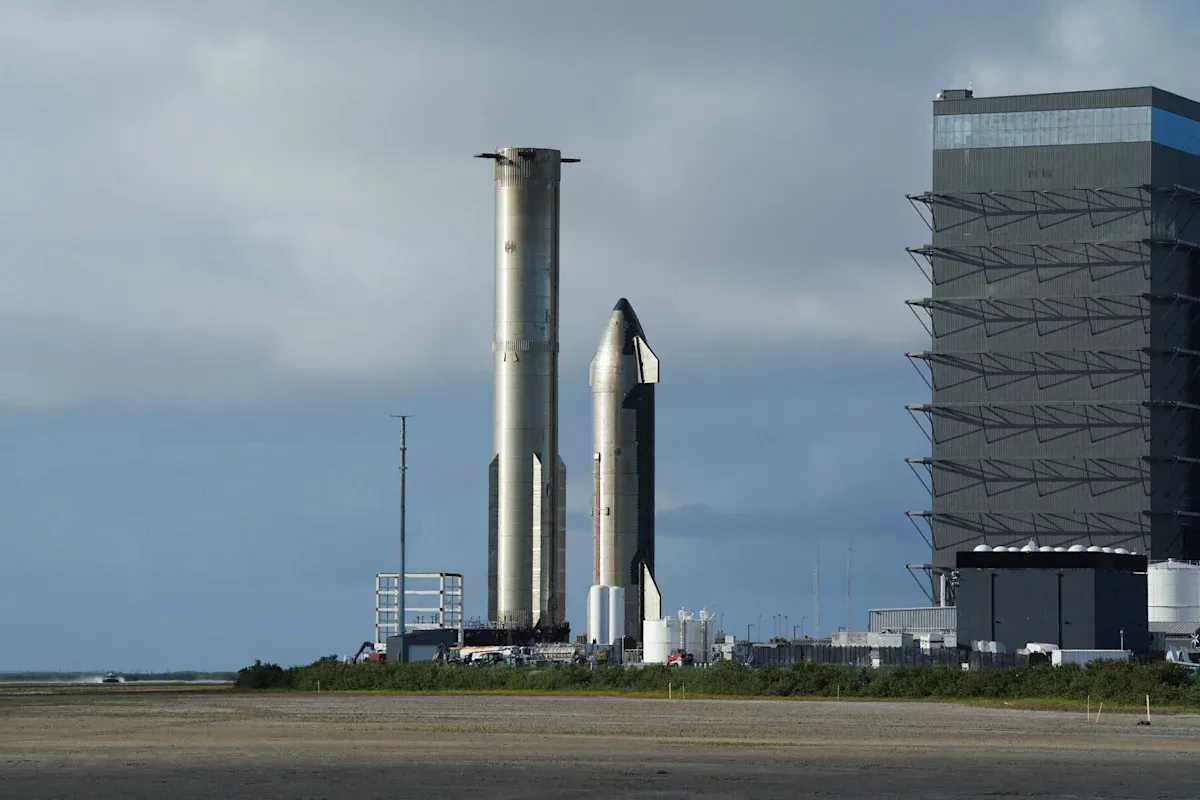
Per Evercore ISI's Kutgun Maral: SpaceX's post-IPO slide makes the upside 'too compelling to ignore.'
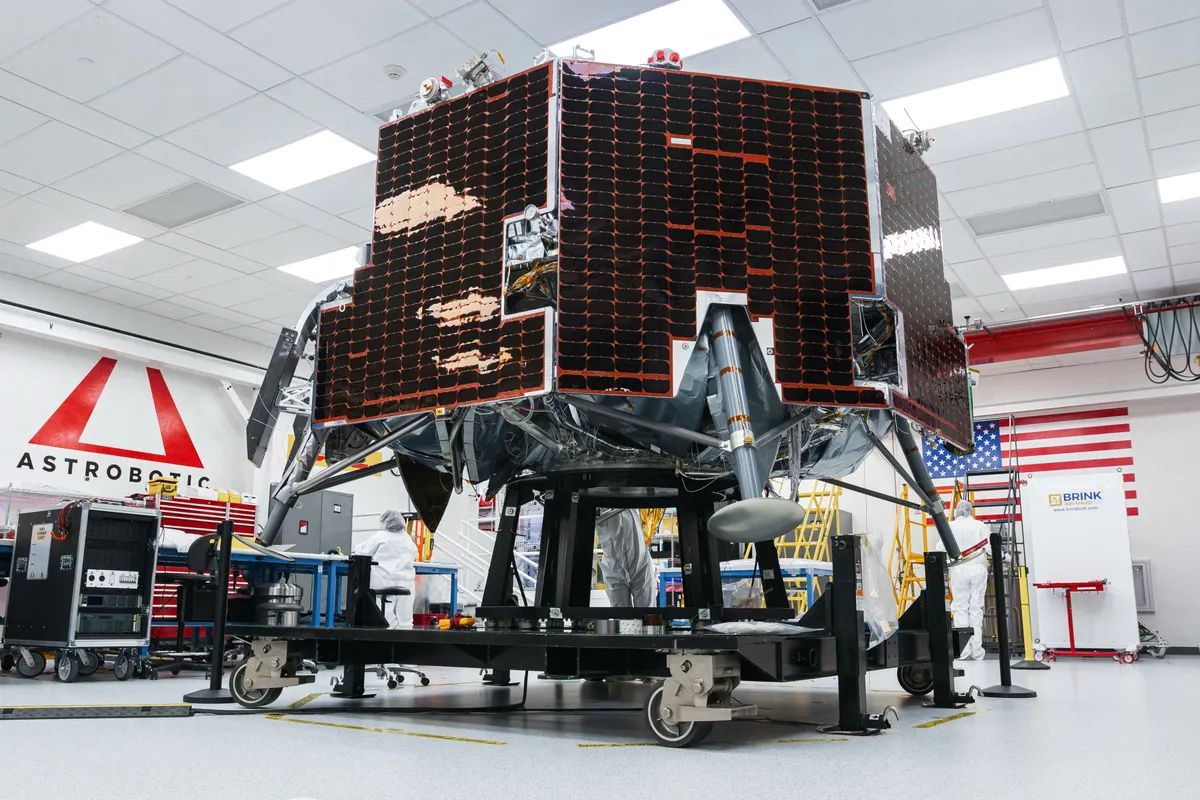
Voyager closed its acquisition of lunar lander maker Astrobotic, now renamed Voyager Lunar Systems.
The Long March 12B developer's registered capital nearly tripled to about 4.17 billion yuan as investors expanded stakes.
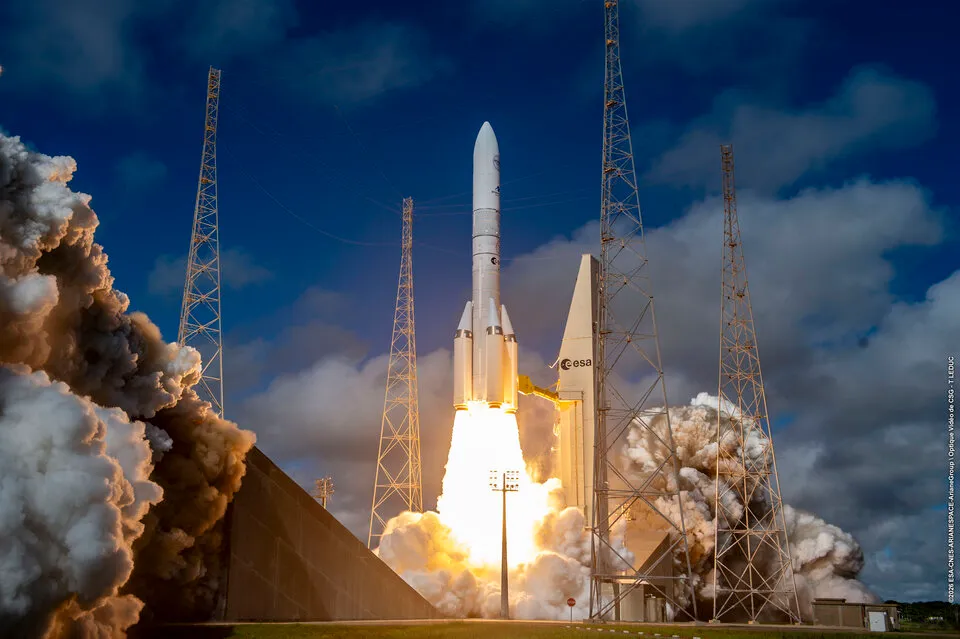
ESA's 2026 report found European space budgets grew 12% to €13.5 billion in 2025, the fastest rise in five years.
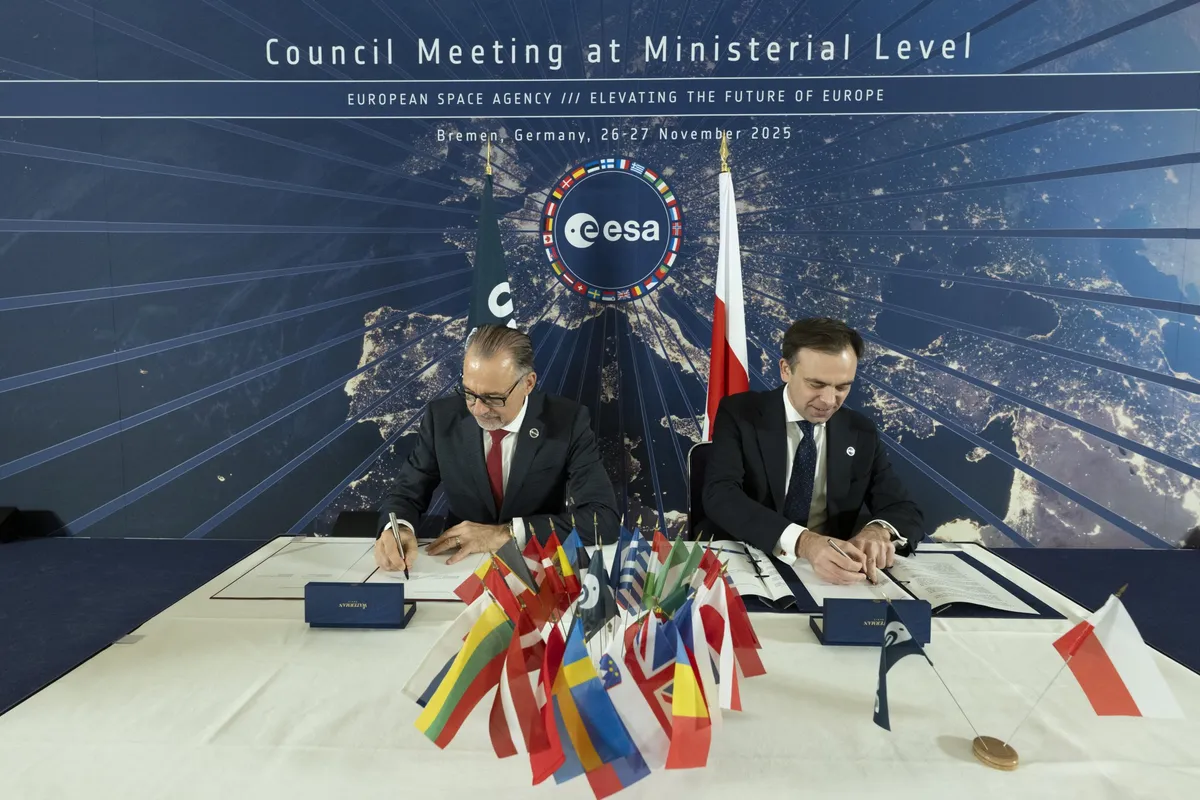
Poland will host ESA's first center in an eastern-flank member state and is raising its ESA funding roughly tenfold for 2026-2028.
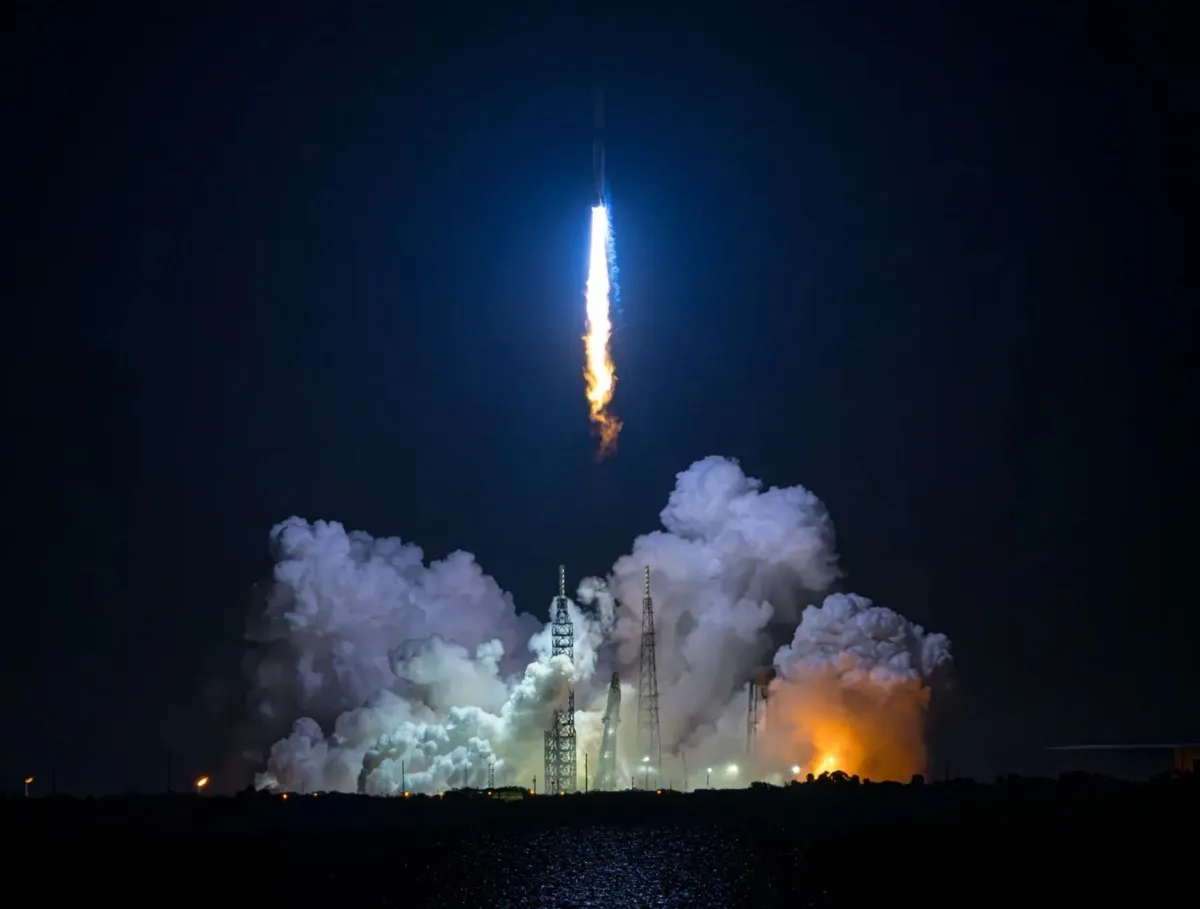
Per the New York Times, Blue Origin is raising $10B at a $130B valuation from Coatue and Bezos, its first outside funding.
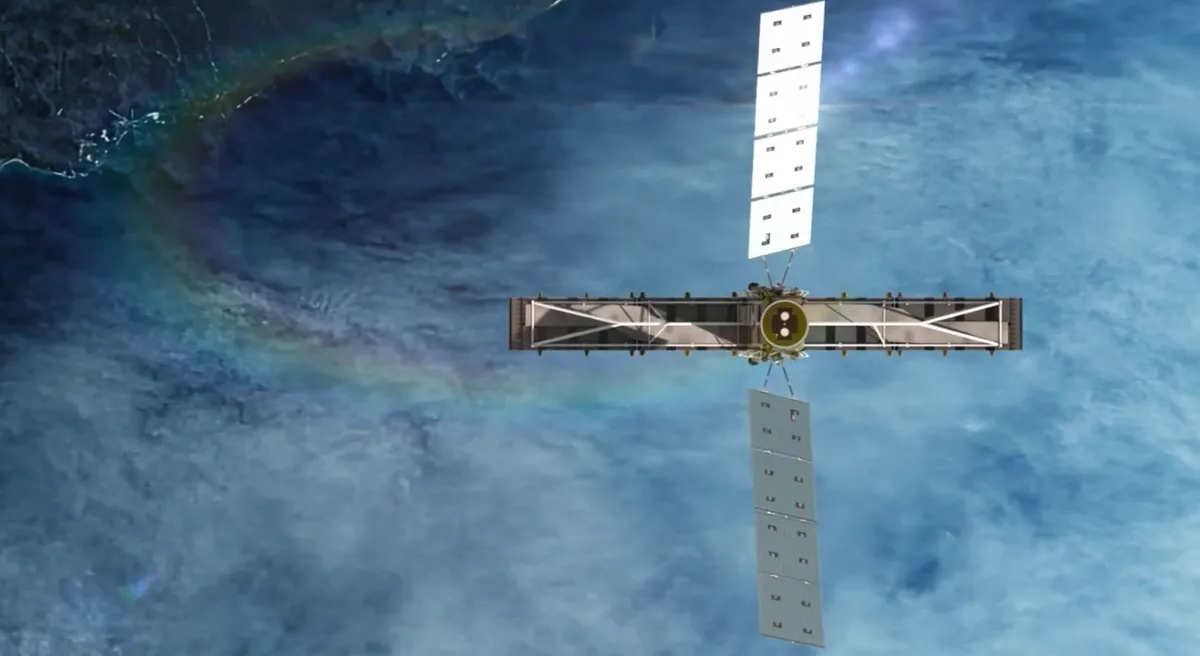
MDA Space is acquiring a 70% stake in French EO data analytics firm CLS for 567 million euros, per SpaceNews.
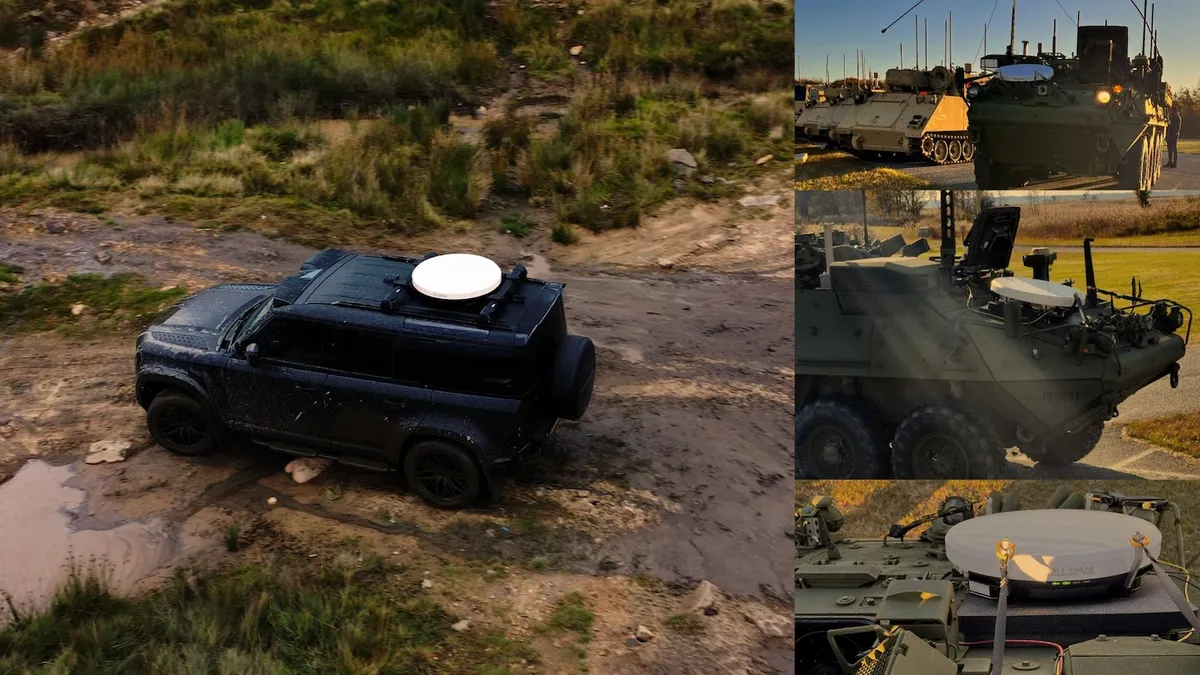
York Space Systems closed its purchase of satcom terminal maker All.Space at $300 million, down from the $355 million first announced.

Intesa Sanpaolo, the EIB and ESA launched a EUR 300 million financing facility for Italy's aerospace supply-chain SMEs.
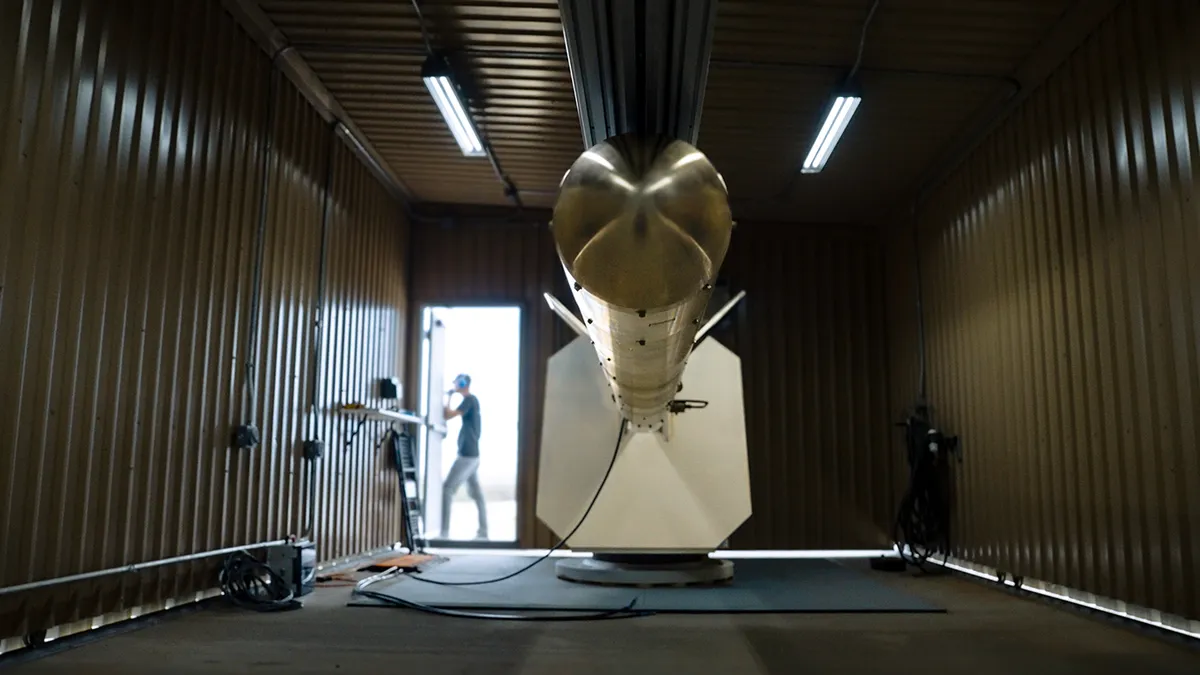
Venus Aerospace closed a $91 million Series B to move its rotating detonation rocket engine from flight test to production.
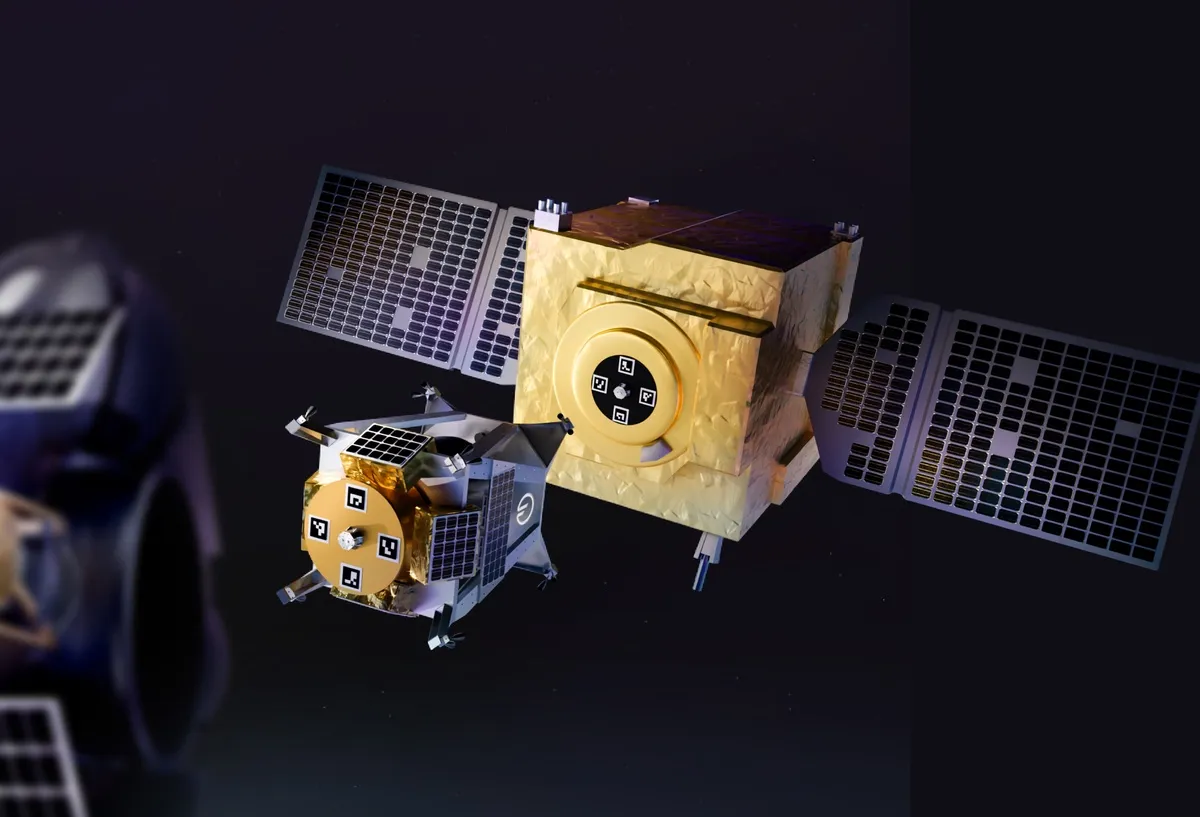
Per SpaceNews, Orbit Fab appointed Peter Shaper as CEO and raised over $25 million in interim funding ahead of a Series B round.

SpaceX joined the Nasdaq-100 at a market value near $2 trillion, its shares slipping on the debut.
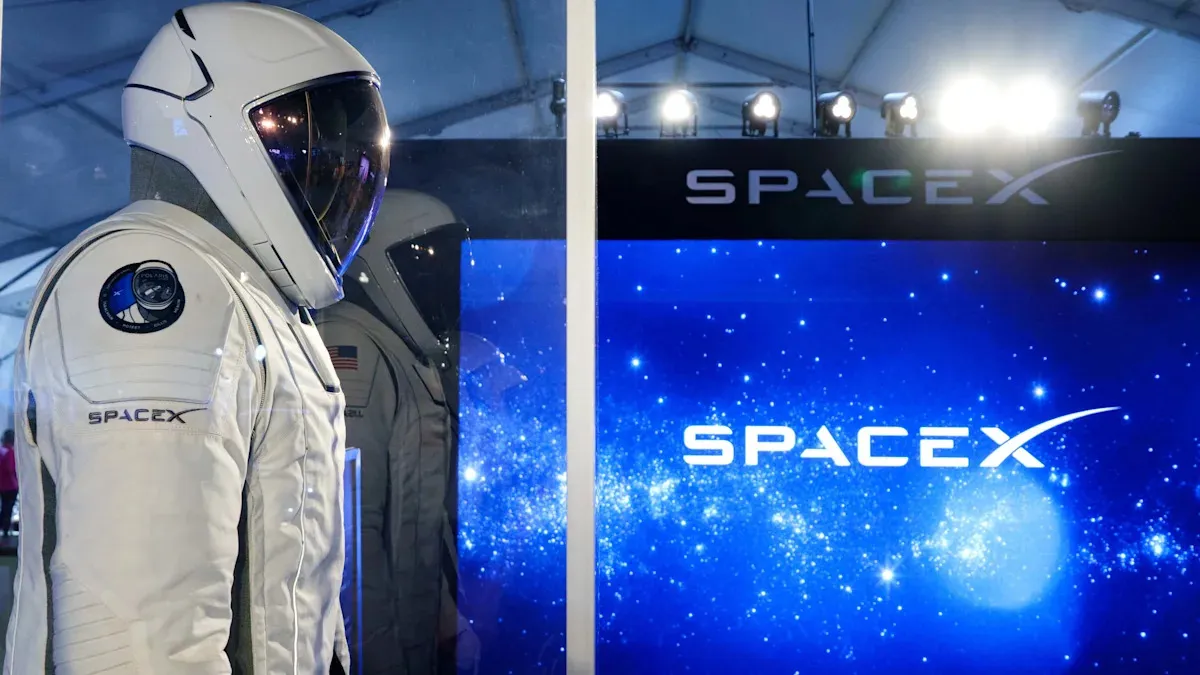
Per Morgan Stanley: SpaceX is worth $300 a share on reusable rockets, Starlink and AI infrastructure; Goldman sees $205.
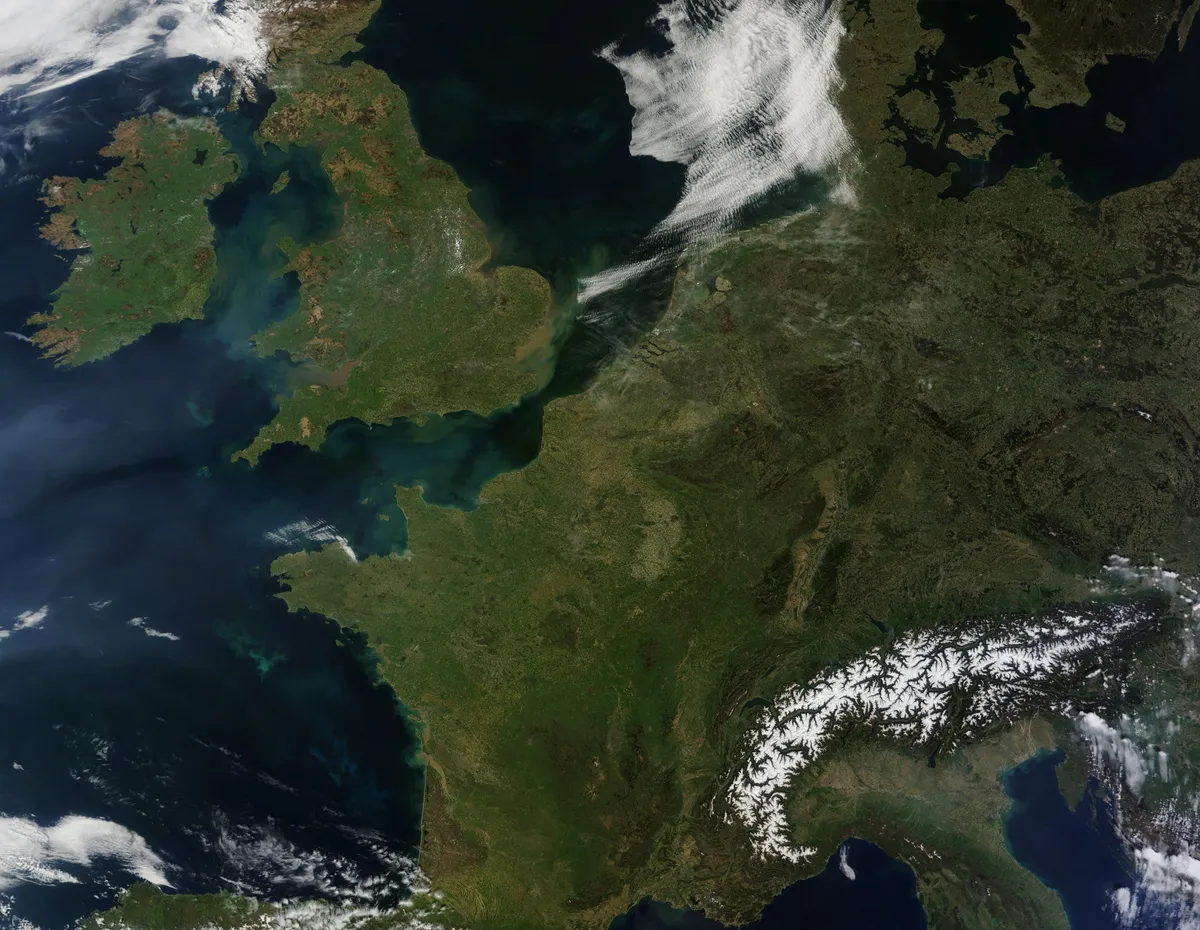
Eurospace's 2025 report shows European space industry sales up 23% to EUR10.9 billion, with EO overtaking telecom as the top segment.
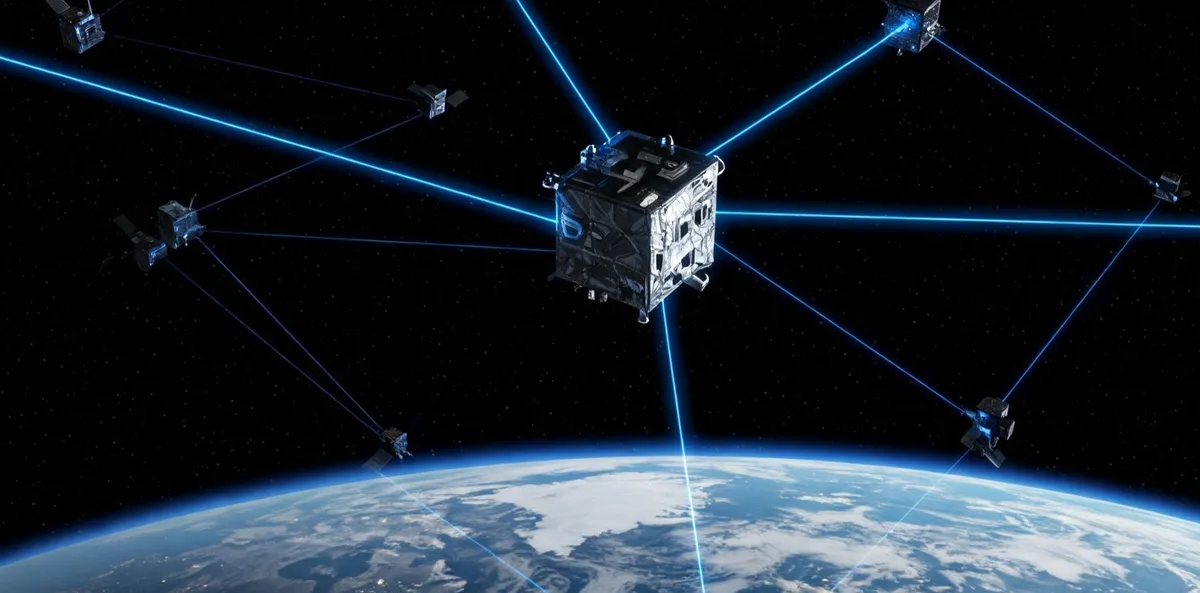
Ravee Optics raised a $6 million seed round to build compact meta-optics laser communication terminals for small satellites.
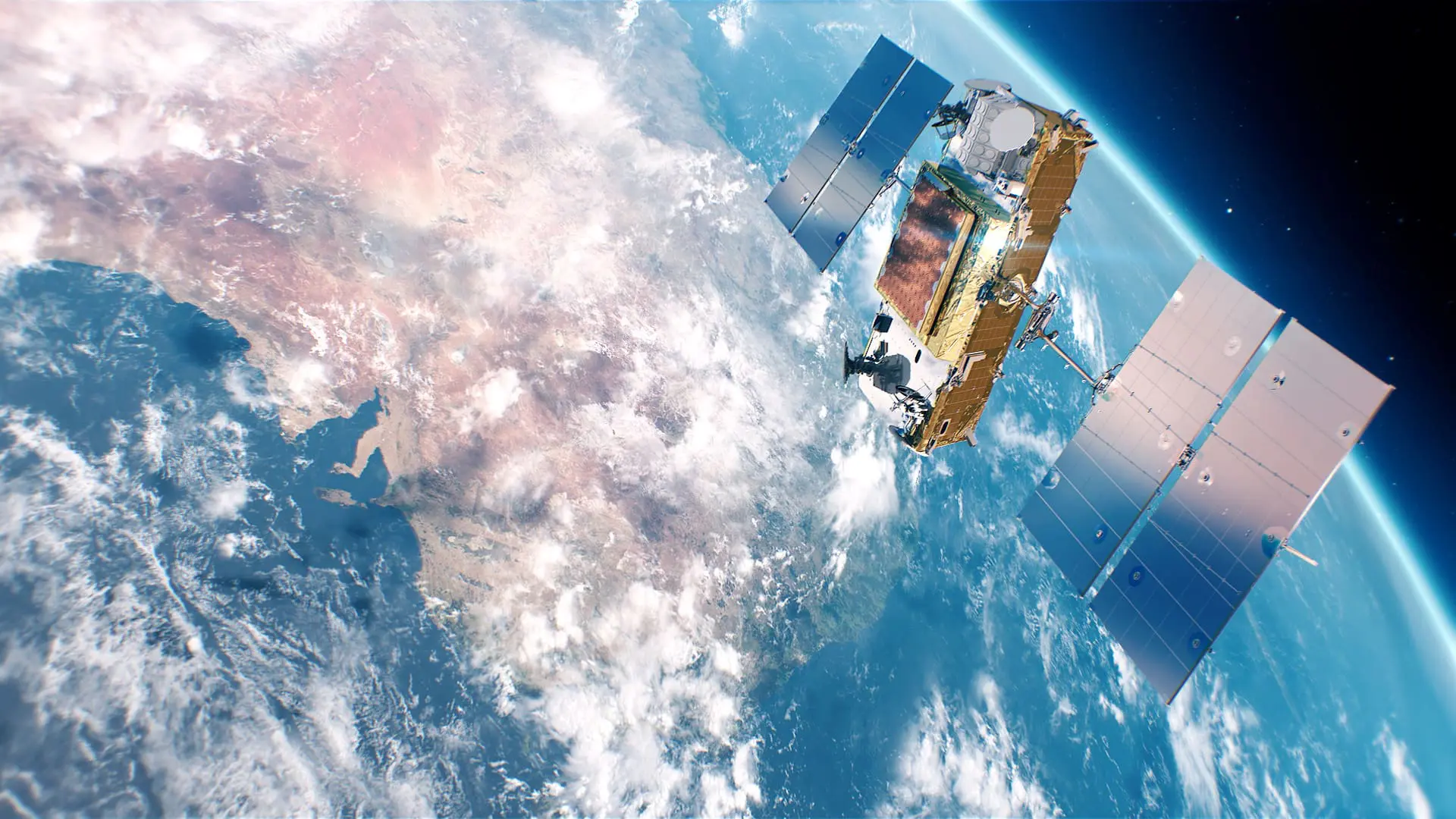
Rocket Lab agreed to acquire Iridium Communications in a cash-and-stock deal valuing Iridium at about $8 billion enterprise value.
Rocket Lab and Iridium Communications said they signed a definitive agreement for Rocket Lab to acquire all outstanding Iridium common stock, per a joint press release filed as an exhibit to Rocket Lab's 8-K with the SEC on June 29, 2026. Iridium stockholders will receive $27.00 in cash plus Rocket Lab shares under an exchange ratio collared between $67.50 and $112.50, a structure the companies say has a notional value of $54.00 per Iridium share and implies an $8.0 billion enterprise value. Both boards approved the deal unanimously, Rocket Lab has commitments for a $3.6 billion bridge loan from Deutsche Bank and Wells Fargo, and the companies expect to close in mid-2027 subject to Iridium stockholder and regulatory approval. On July 6, 2026, Iridium said it completed its acquisition of the remaining 61% of Aireon, the space-based air-traffic-surveillance venture it did not already own, paying about $367 million to providers in Canada, England, Denmark, Ireland, and Italy, per SpaceNews, consolidating Aireon as a wholly owned subsidiary ahead of the Rocket Lab deal's close.
Jilin-1 operator Chang Guang Satellite raised about 5 billion yuan for satellite production and constellation growth.
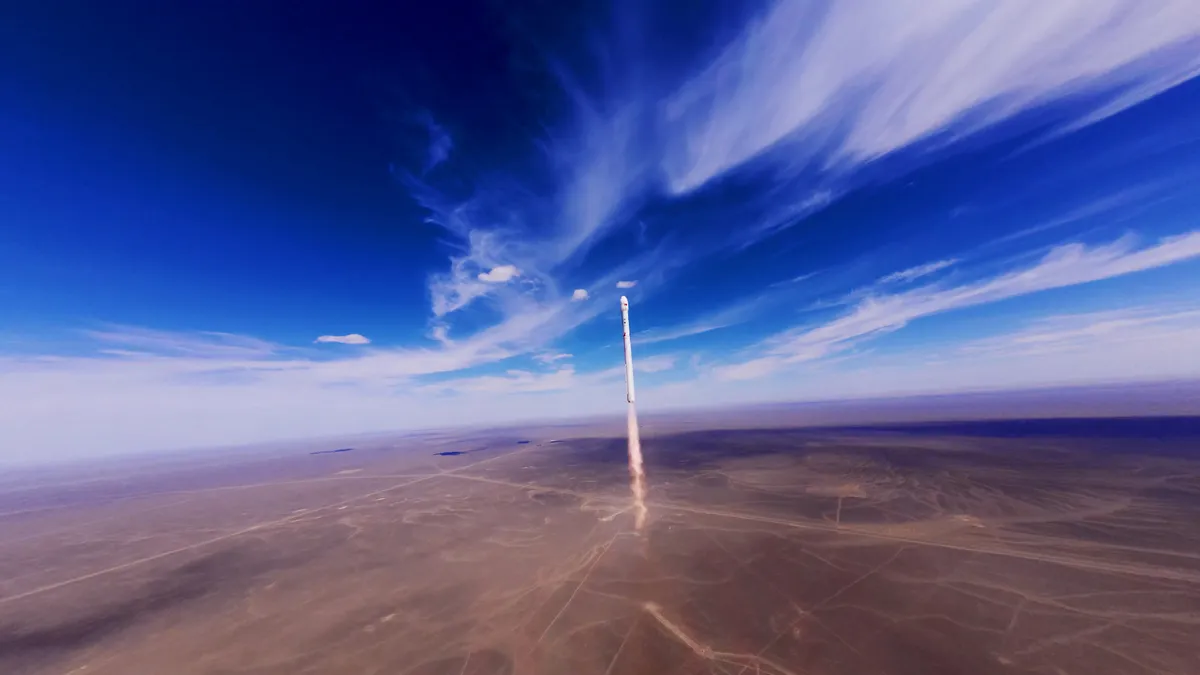
A satellite-manufacturing affiliate of launch company Landspace raised over 1.3 billion yuan from state-linked banks and investment funds.
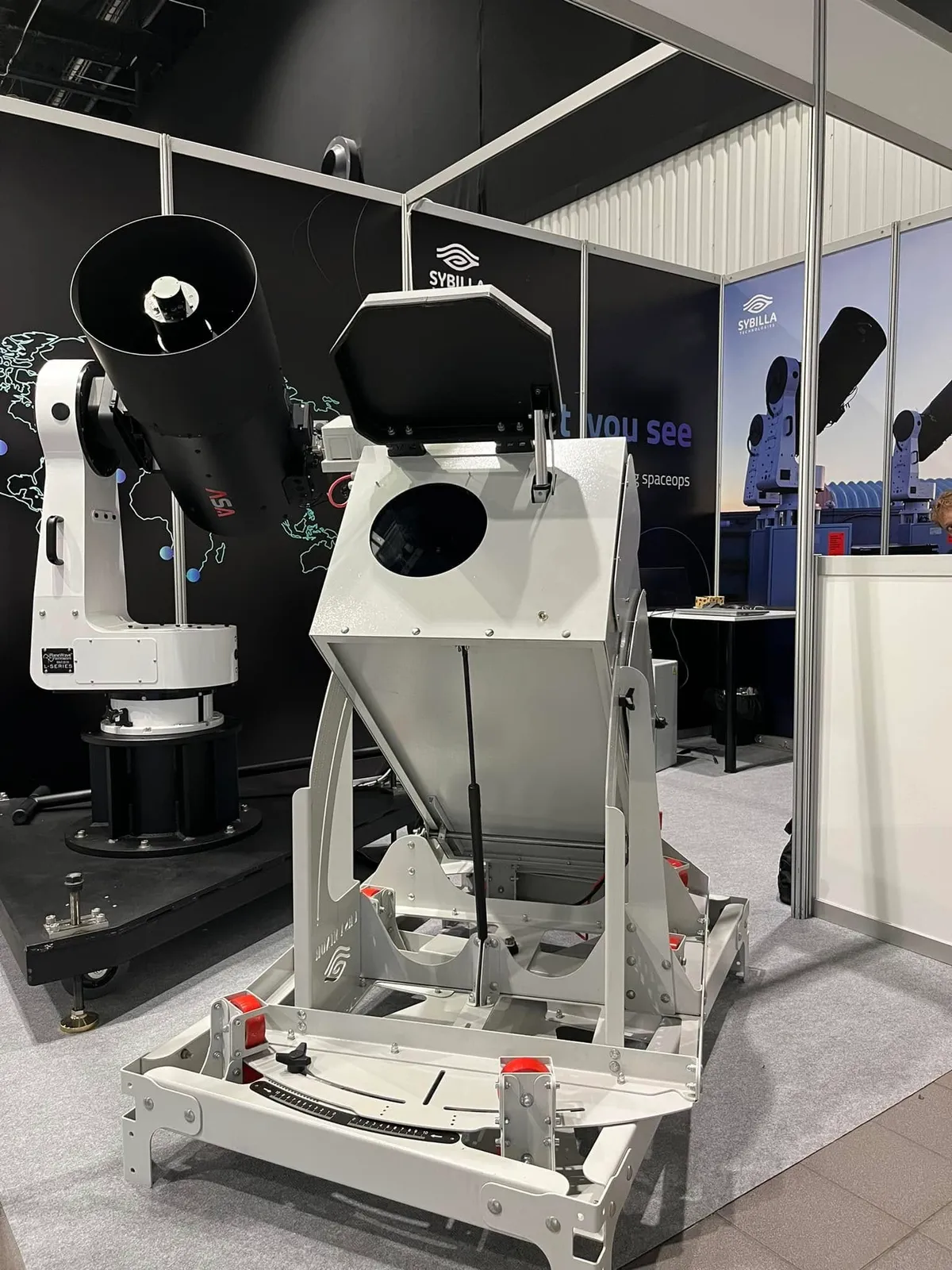
Poland's Sybilla Technologies raised about $10 million to grow its optical sensor network and enter the US market.
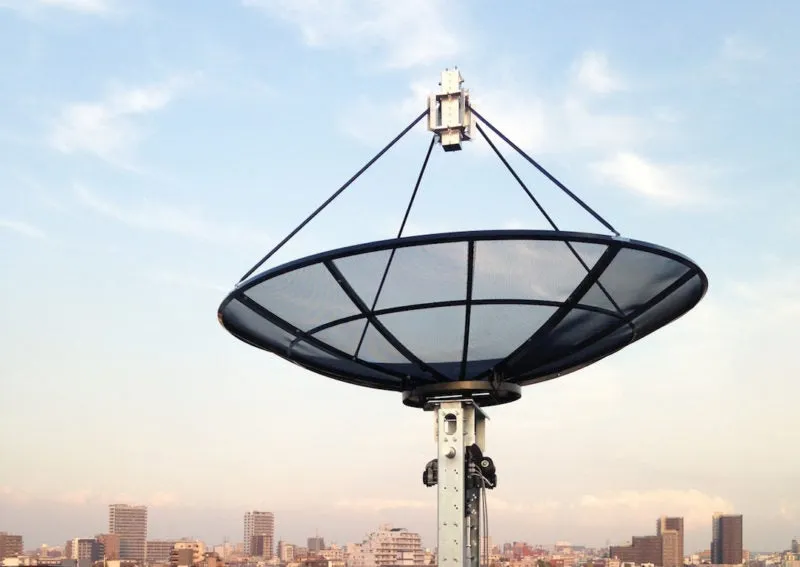
Mitsubishi Electric took full ownership of Japanese ground-station-as-a-service provider Infostellar; terms undisclosed.
Dish DBS and Dish Wireless file prepackaged Chapter 11; EchoStar, Hughes and the AT&T spectrum sale continue.
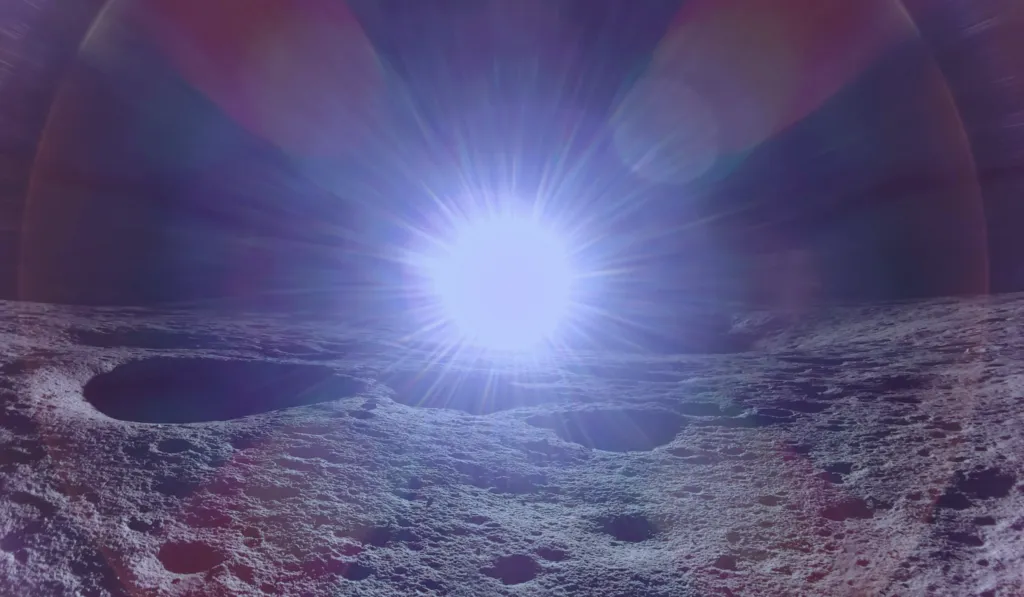
The Blue Ghost descent-navigation supplier joins Firefly; no deal terms were disclosed in the announcement.

MaiaSpace's 2025 loss pushed shareholders' equity to -€823,375; ArianeGroup voted against dissolving the launch startup.
Senior notes from 5.35% due 2031 to 6.65% due 2056, mainly to repay the pre-IPO bridge loan, per the company's 8-K.
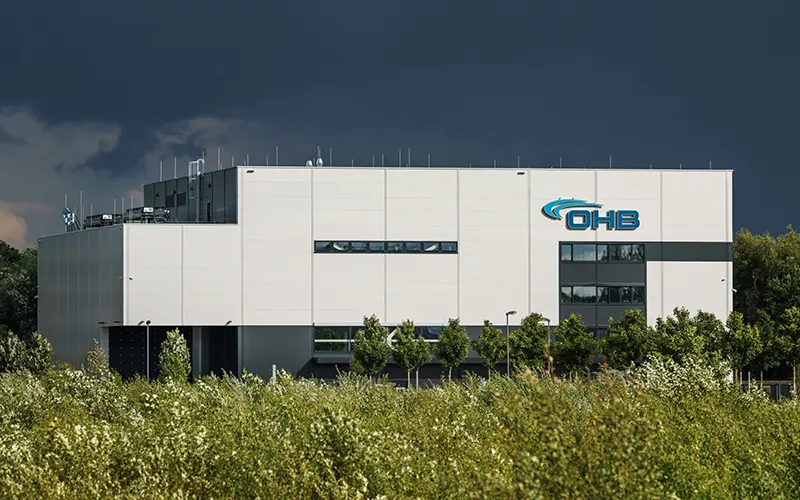
OHB is issuing new shares worth roughly 510 million euros to fund manufacturing capacity and its RFA launch subsidiary.
Per Securities Times via Reuters: up to three new investors for at most a 20% combined stake to fund constellation buildout.
The all-cash deal buys RTX's smallsat bus maker, 400+ staff and two Denver plants, closing by end of 2026 pending CFIUS.
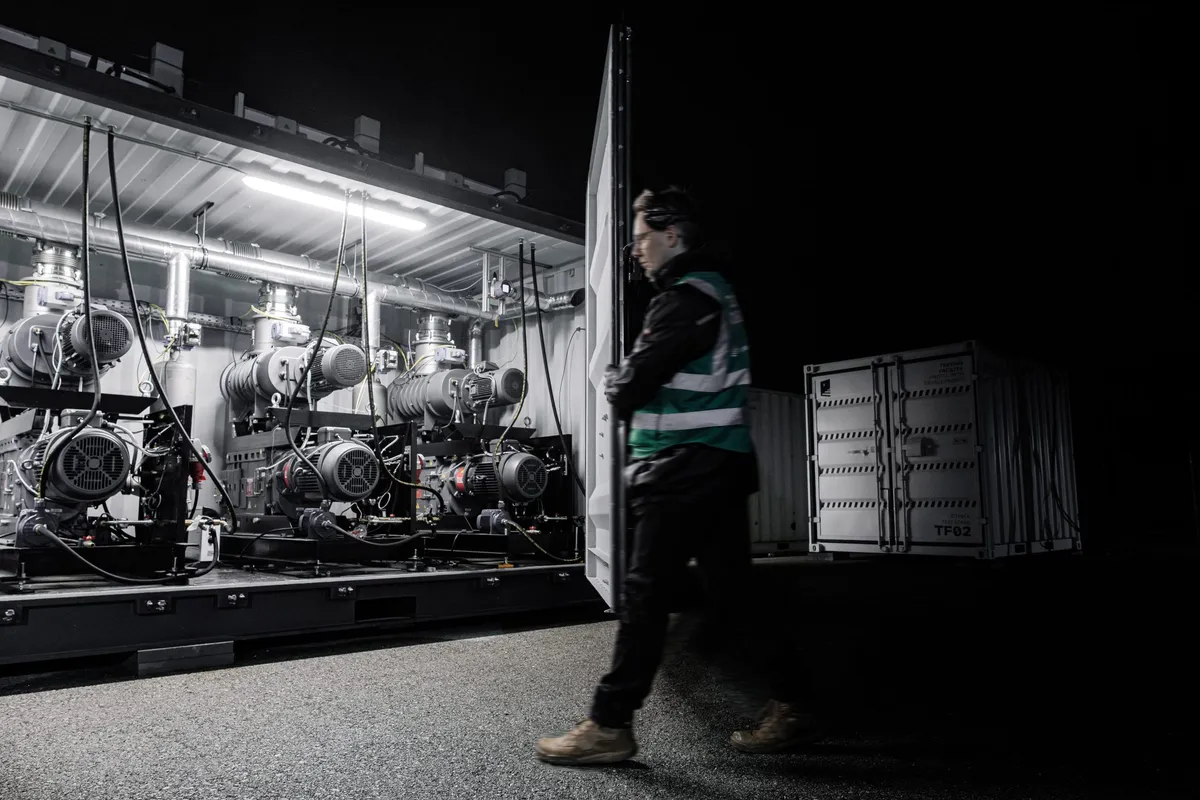
The Vienna TU Wien spinout gets grants and equity to industrialise its chemical Jetpack thrusters, per SpaceNews.

The fund calls it the largest single philanthropic grant to wildfire detection; Muon Space builds the satellites.
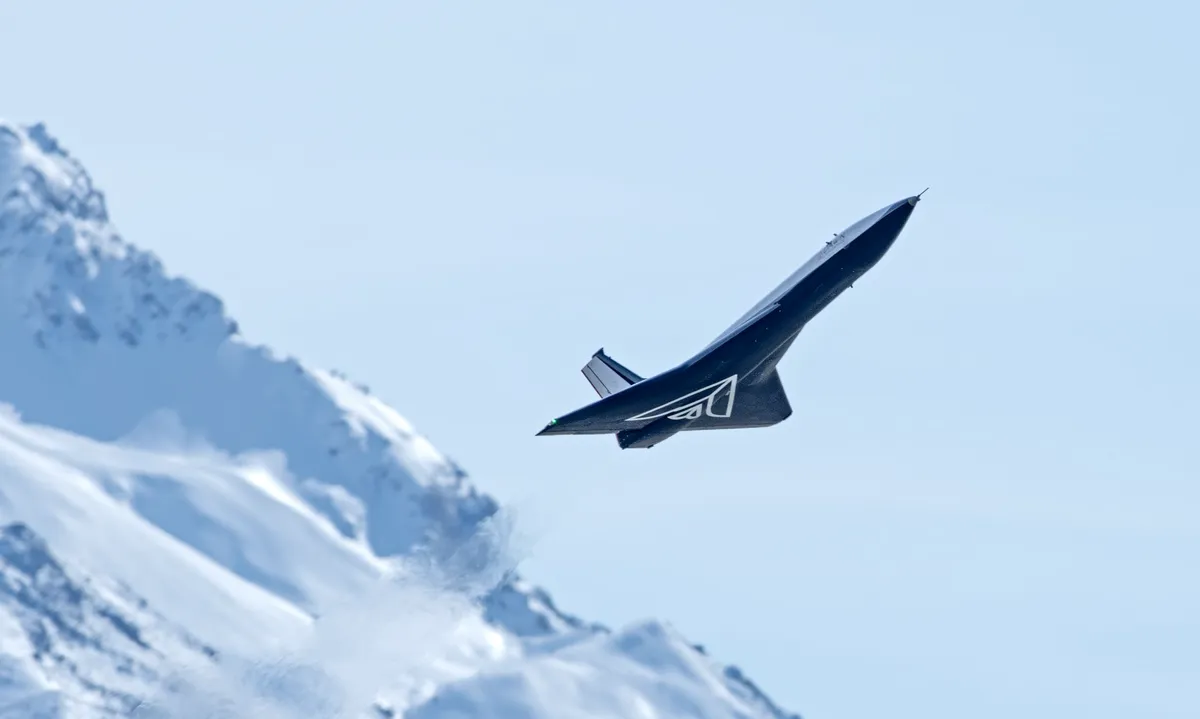
Balerion Space Ventures led the round; Dawn says it is cash-flow positive with 200 thrusters flown on 50+ satellites.
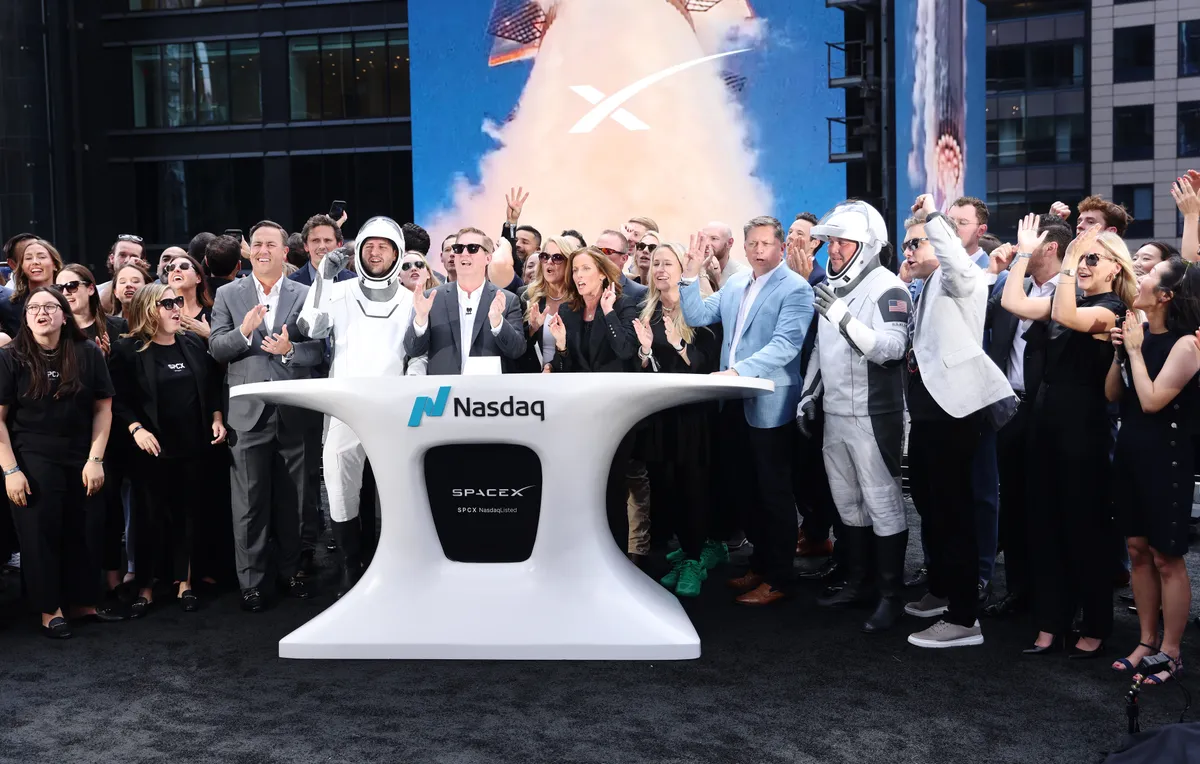
SpaceX sold 555.6M shares at $135 and closed its first day near $161, a $2.1 trillion valuation, per CNBC.
SpaceX priced 555,555,555 Class A shares at $135.00 each in its initial public offering, for proceeds to the company before expenses of $74,499,999,925, and began trading on Nasdaq on June 12 under the ticker SPCX. Per its prospectus, underwriters hold a 30-day option for up to 83,333,333 additional shares, and Elon Musk retains about 82.4% of voting power after the offering through the dual-class structure. Per CNBC, the stock opened at $150, closed near $161, up 19%, valuing the company around $2.1 trillion, with more than 500 million shares traded on the first day; TechCrunch called it the largest IPO in history, eclipsing Saudi Aramco's 2019 debut.
Per Reuters: a $2.57M Technology Adoption Fund grant to develop AI models for Earth observation, one of three projects selected.
A new ATM agreement with 10 banks allows up to $500M in share sales; the month-old May ATM was terminated the same day.
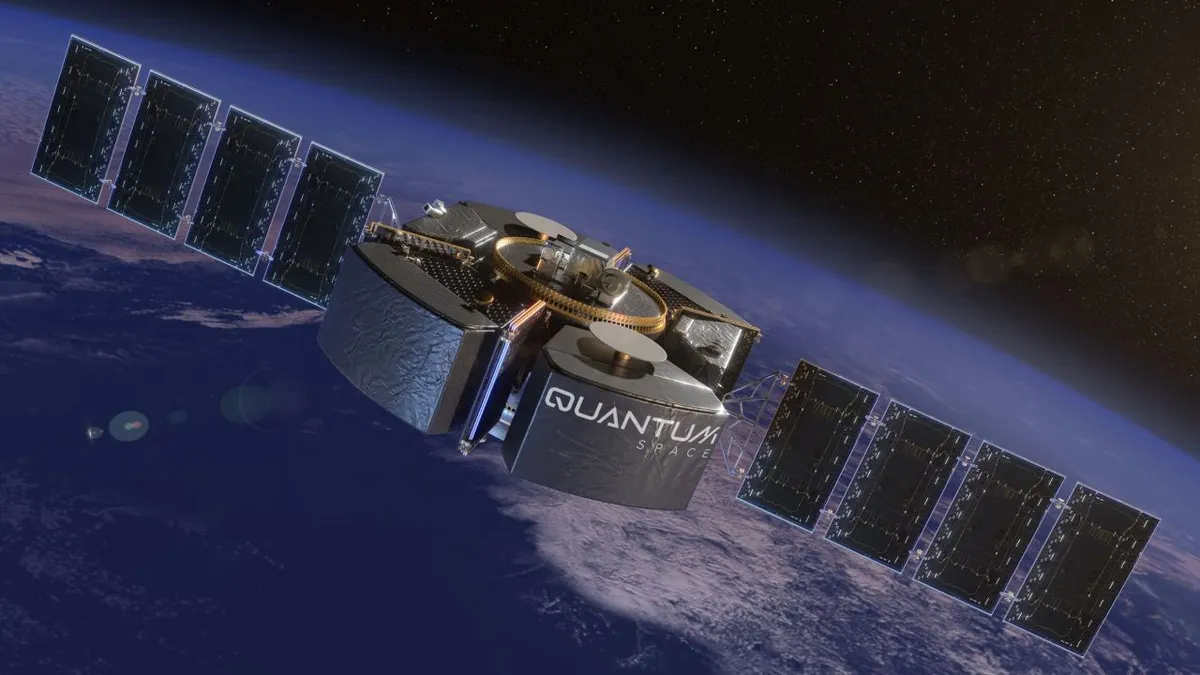
The Bridenstine-led spacecraft maker merges with Inflection Point VI, with a $300M PIPE, targeting Nasdaq as QSPC in Q4.
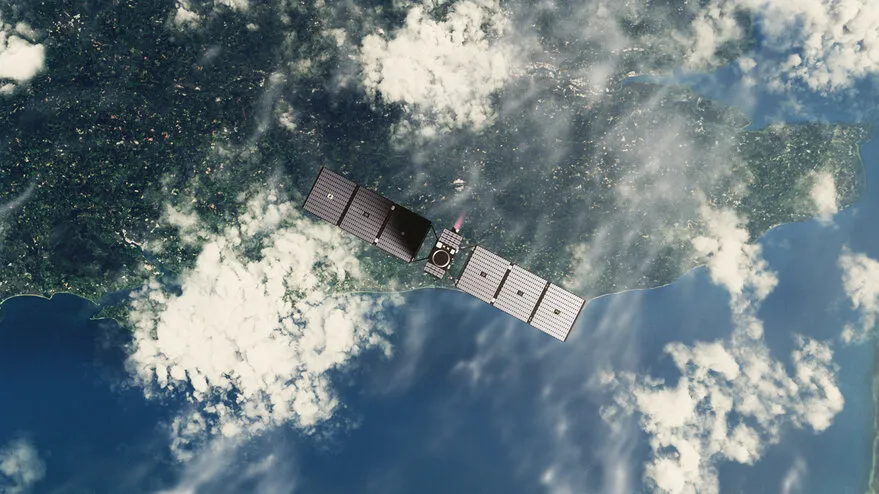
The UK startup targets 200-300 km very low Earth orbit with air-breathing ion propulsion; first flight planned for 2028.
Planet Labs can now sell up to $1.5 billion in shares over time through banks acting as sales agents.
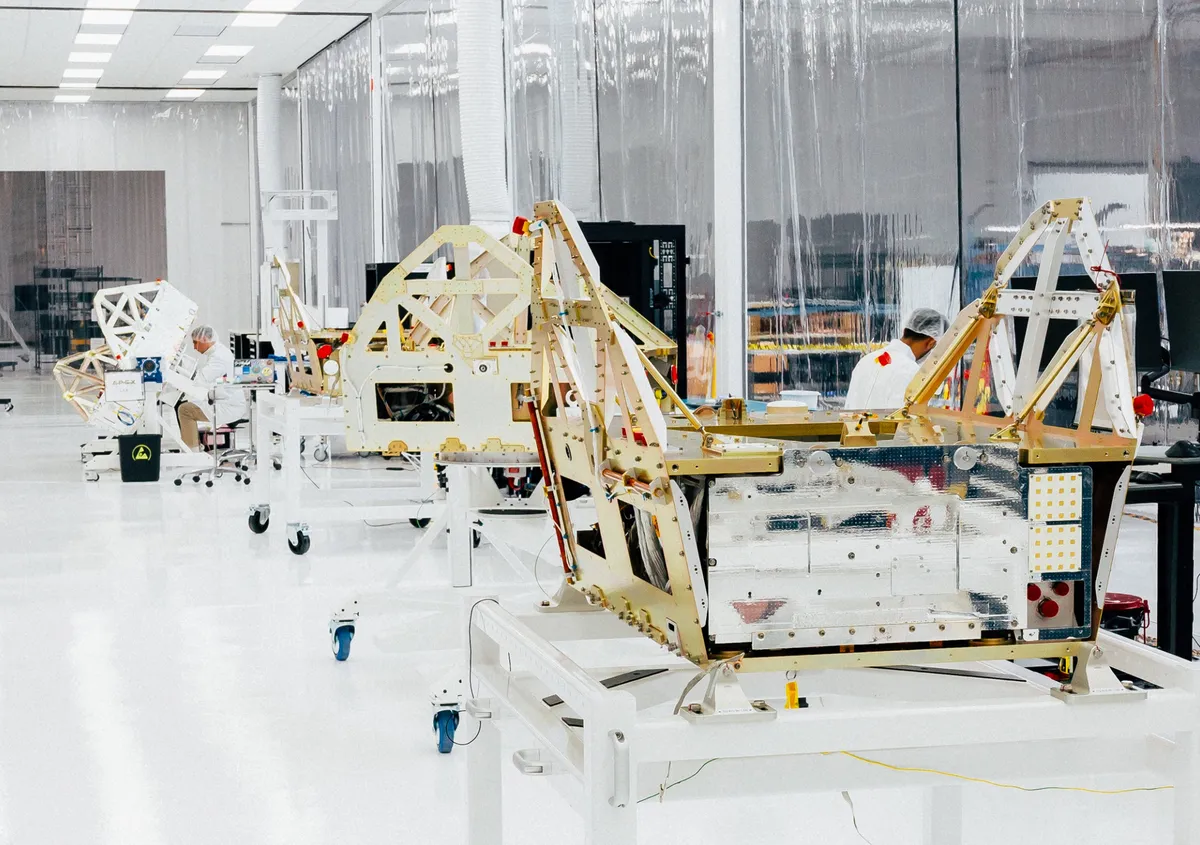
Apex closed a $200 million round led by Glade Brook Capital, nearly doubling its valuation to $2.3 billion.
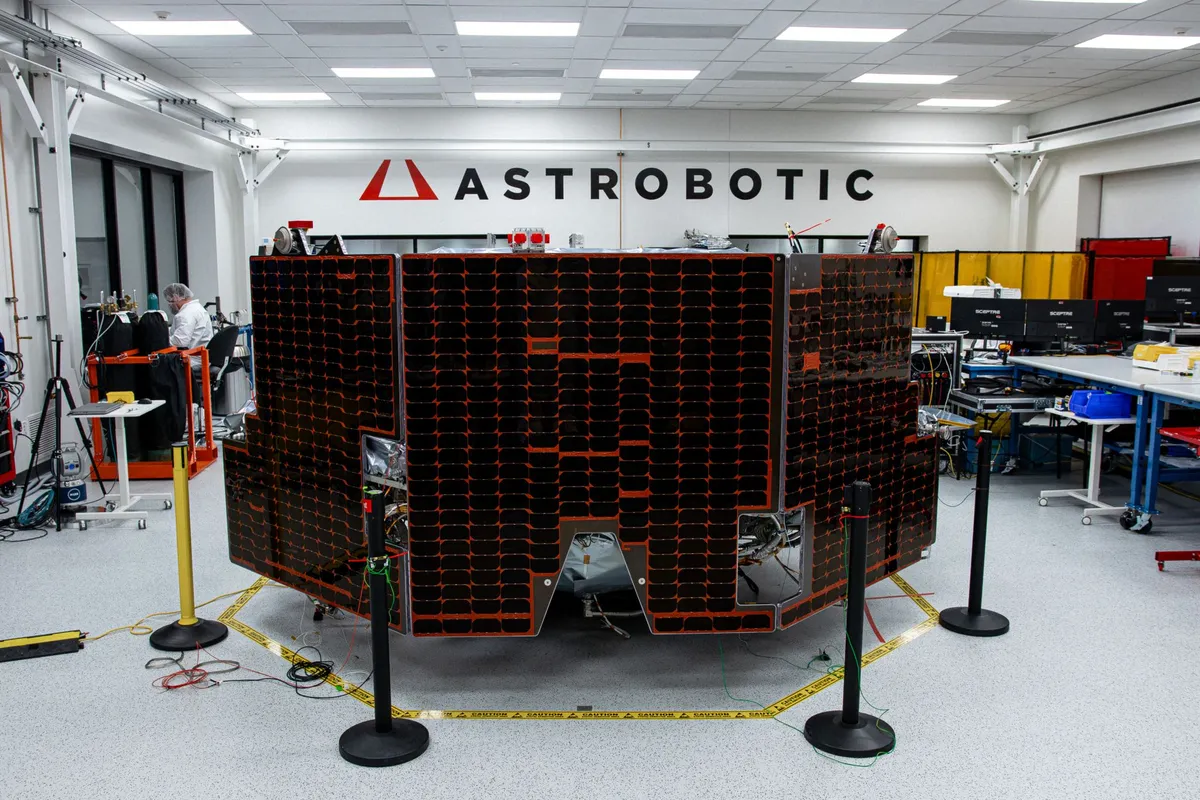
Voyager will acquire lunar lander pioneer Astrobotic for up to $300 million in cash and stock, expected to close by early July 2026.
The space situational awareness company merges with Viking Acquisition Corp. I, targeting NYSE as NSTR in Q3 2026.

Amazon Leo will absorb Globalstar's satellite fleet and direct-to-device spectrum rights in a deal expected to close in 2027.
Amazon agreed April 14, 2026 to acquire Globalstar for up to $90 per share in cash or Amazon stock, a deal worth roughly $11.6 billion, per Amazon's own release. Globalstar shareholders holding about 58% of voting power approved the deal by written consent. Closing is expected in 2027, subject to regulatory approvals and Globalstar meeting satellite-deployment milestones tied to its HIBLEO-4 replacement constellation, with up to $110 million of downward price adjustment if those milestones are missed, per Amazon and IoT Business News. Amazon said it will use Globalstar's direct-to-device spectrum licenses and more than 30 years of low Earth orbit satellite operations expertise to build a next-generation Amazon Leo direct-to-device system. Globalstar CEO Paul Jacobs said the combination "will advance innovations in digital connectivity," and Apple SVP Greg Joswiak noted Apple and Amazon's existing infrastructure relationship, per Amazon's release.
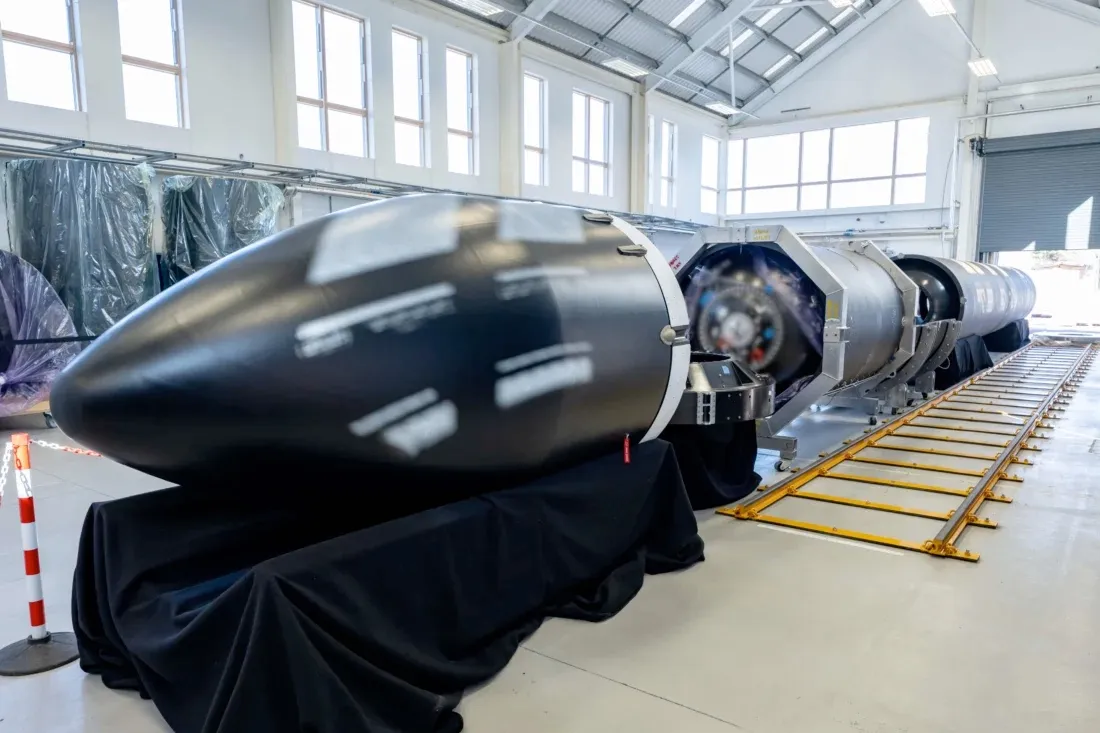
Orbex filed for UK administration in February after Series D funding talks and an acquisition by The Exploration Company both fell through.
Orbex, developer of the UK's Prime small launch vehicle, filed a notice of intention to appoint administrators on February 11, 2026, after failing to close a Series D funding round or complete a previously announced acquisition by French company The Exploration Company, per SpaceNews, Via Satellite, and European Spaceflight. Orbex, a winner of ESA's European Launcher Challenge that had received EUR34.9 million ($41.5 million) from the program, had already shut down its Danish rocket-engine subsidiary and laid off about 90 employees in January; administration puts roughly 150 further UK jobs at risk. CEO Phil Chambers said: "Disappointing doesn't come close to describing how we feel about this moment."

Airbus, Leonardo and Thales signed an MOU to combine space units into one company with 25,000 staff and EUR 6.5bn revenue.
Airbus, Leonardo and Thales signed a memorandum of understanding on October 23, 2025 to combine their space businesses into a new, jointly controlled company, per Via Satellite. Airbus will hold 35% of the new venture and Leonardo and Thales 32.5% each; the combination pools Airbus's Space Systems and Space Digital units, Leonardo's Space Division including its stakes in Telespazio and Thales Alenia Space, and Thales's own shares in Thales Alenia Space, Telespazio and Thales SESO (launchers are excluded). The companies project the venture will have about 25,000 employees across Europe, roughly EUR 6.5 billion in pro-forma 2024 revenue, and a backlog covering more than three years of sales, with operations expected to start in 2027 subject to regulatory approvals.