
ASD Eurospace CEOs say Europe lacks the industrial model to match its space capabilities
Per ASD Eurospace President Marco Fuchs: Europe needs "strong and determined institutional customers" to anchor a stable space market.
Per ASD Eurospace President Marco Fuchs: Europe needs "strong and determined institutional customers" to anchor a stable space market.
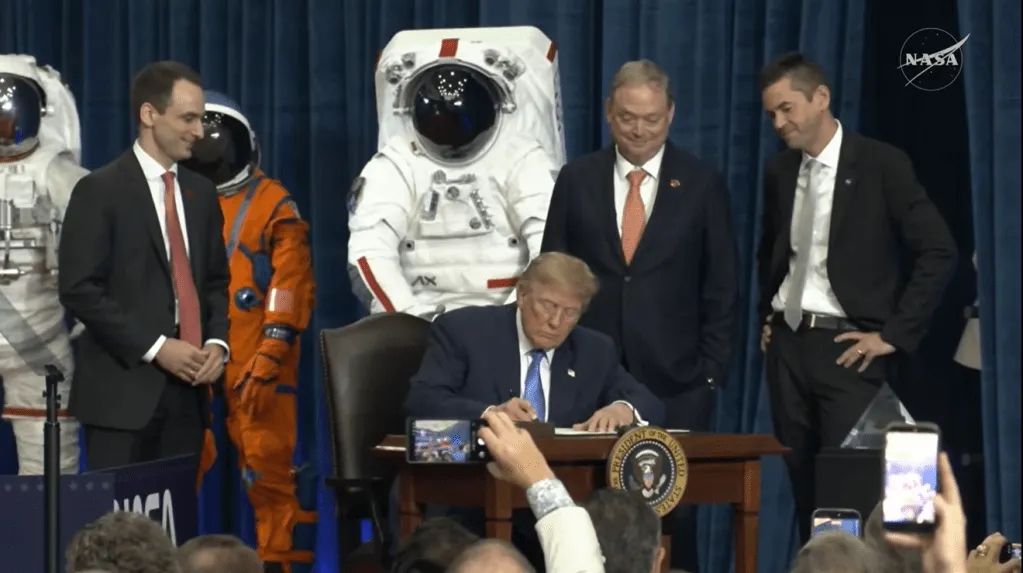
Open Cosmos becomes an approved provider on the UK's £8 billion TacSys defence-communications framework.
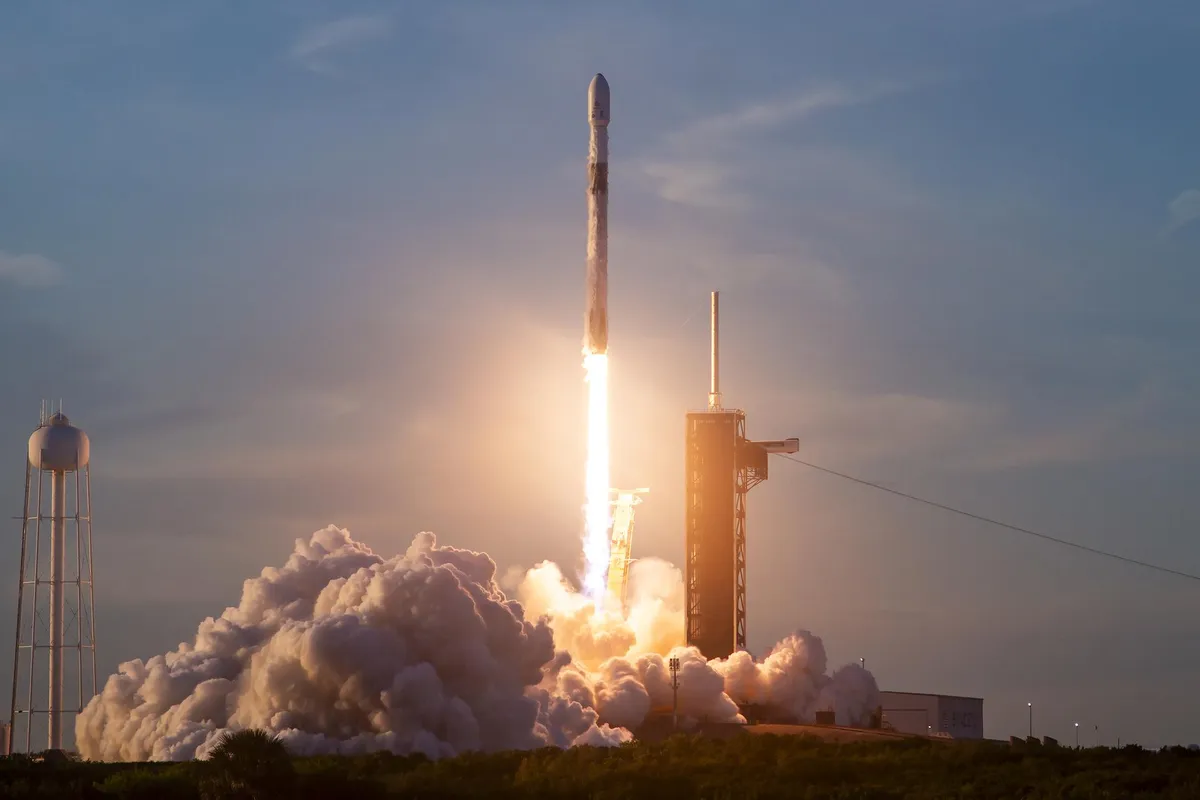
NASA is merging its launch programs into one office weighing block buys of launch services, per SpaceNews.
Vantor's Maritime Sentry will feed SAR and optical imagery into the Indo-Pacific Partnership for Maritime Domain Awareness.
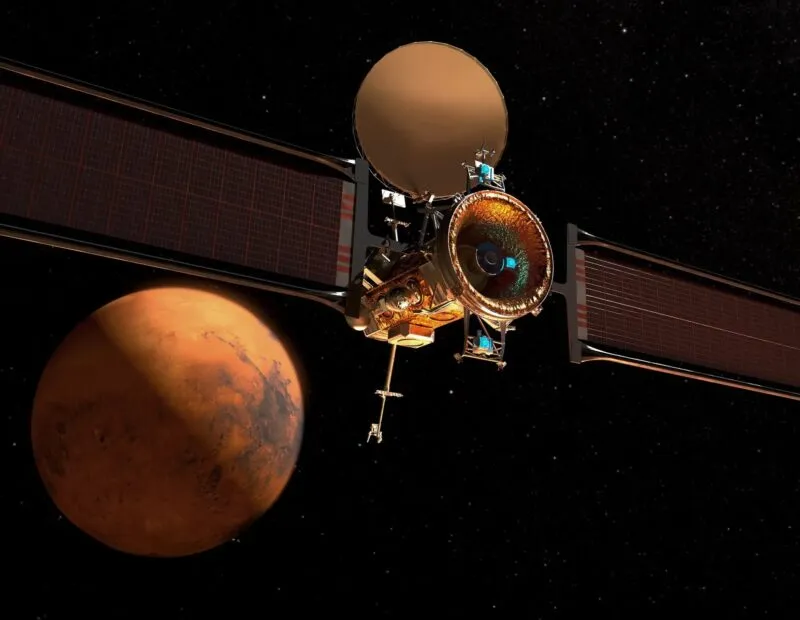
NASA picked Blue Origin over Rocket Lab to build and operate a $700 million Mars telecom orbiter due by December 2028.
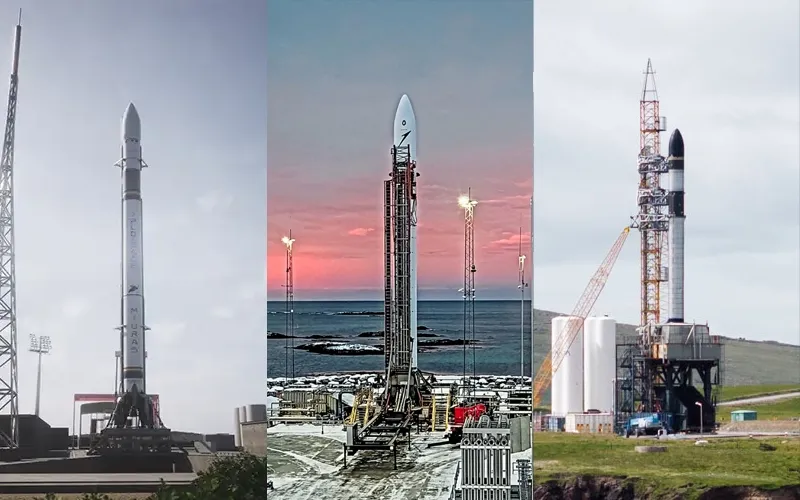
ESA awarded Isar Aerospace, Rocket Factory Augsburg, and PLD Space a combined €543.6 million to fly alternatives to Ariane 6.

NOAA's TMATE program awarded Spire, Muon Space, and Weather Stream a combined $46.5 million to build new microwave sounding instruments.
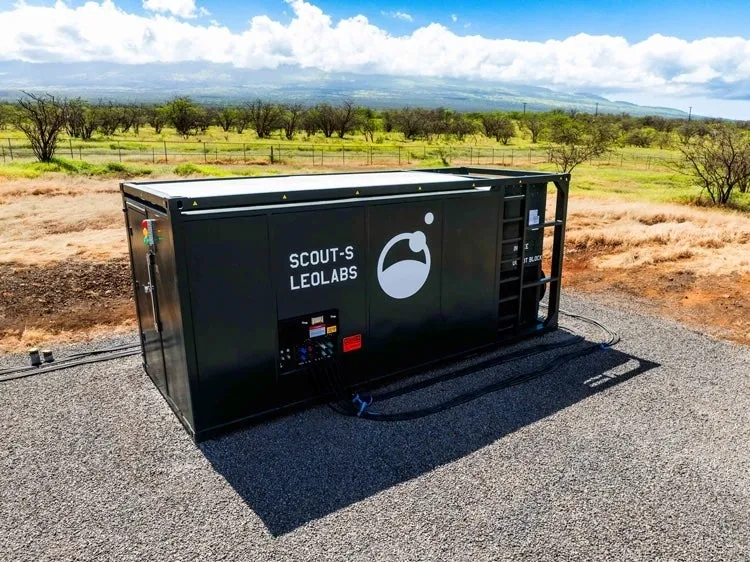
LeoLabs will deliver a modified Scout-S radar system for the Space Force under a $20.68 million prototype award.
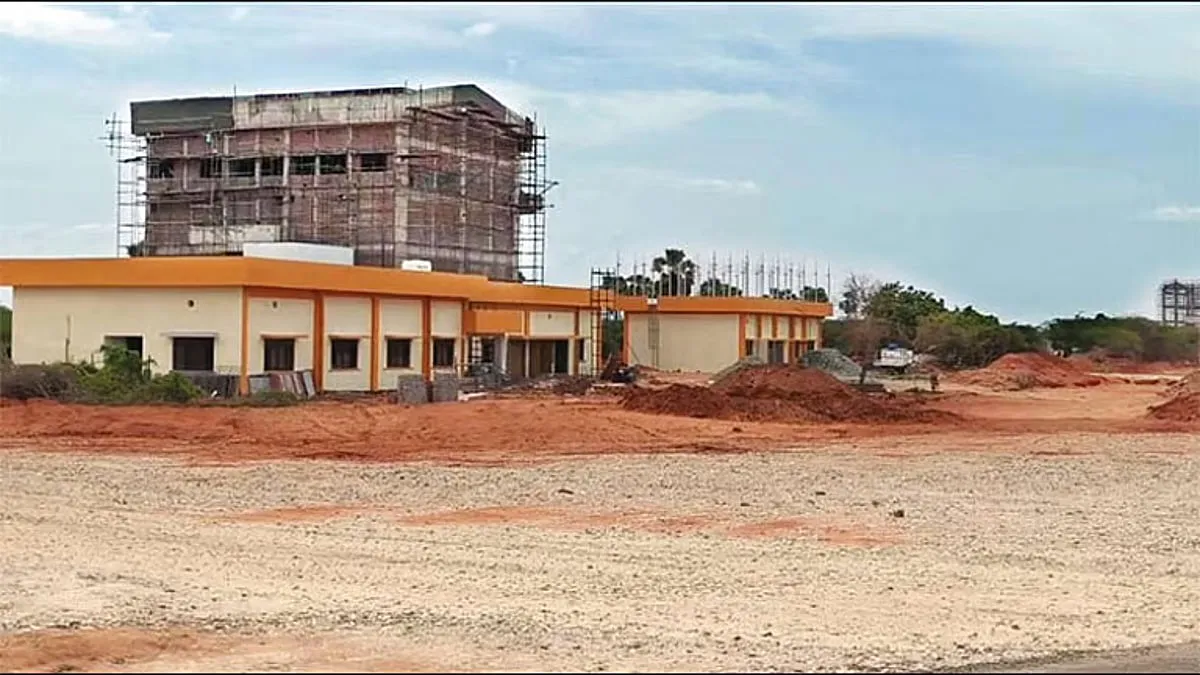
India has begun transferring operation and maintenance of the Rs 986 crore Kulasekarapattinam launch facility to private companies.
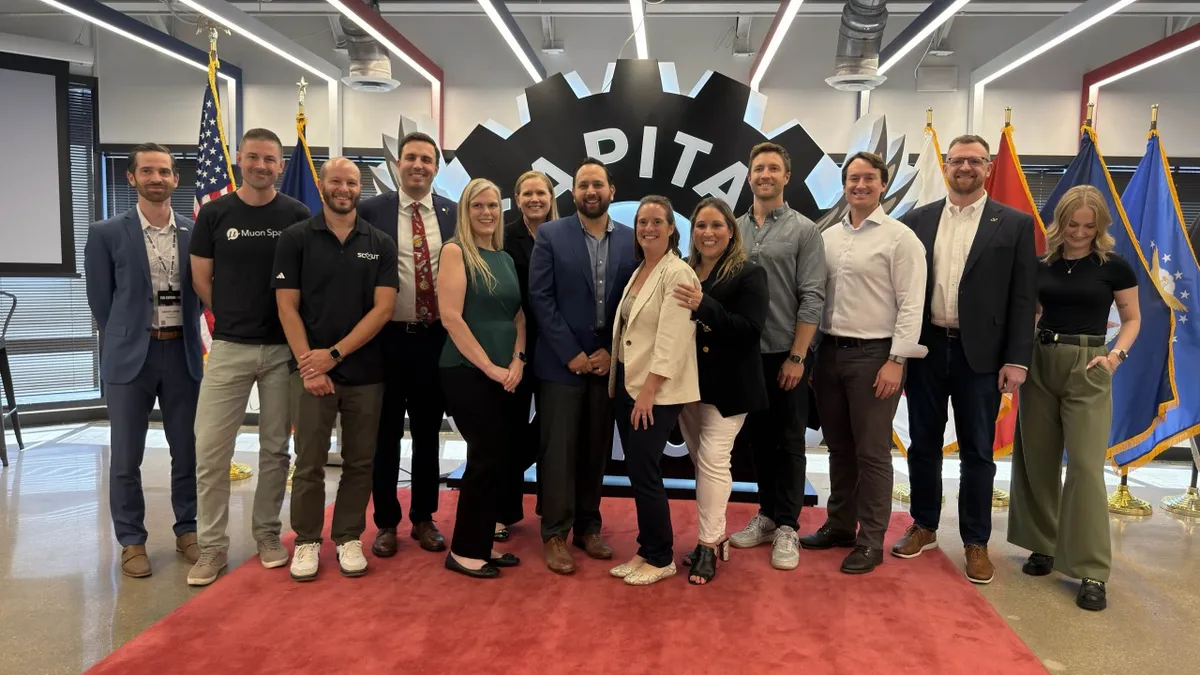
SpaceWERX named 11 STRATFI awardees at the Fed Supernova conference, matching $562.5 million in Space Force and private funding.

Amazon Leo, Lockheed, Northrop, Rocket Lab and York Space each get $12M to test linking to Space Force's satellite network.
HawkEye 360 became the first commercial RF provider to reach an operational NRO contract after completing three BAA test phases.
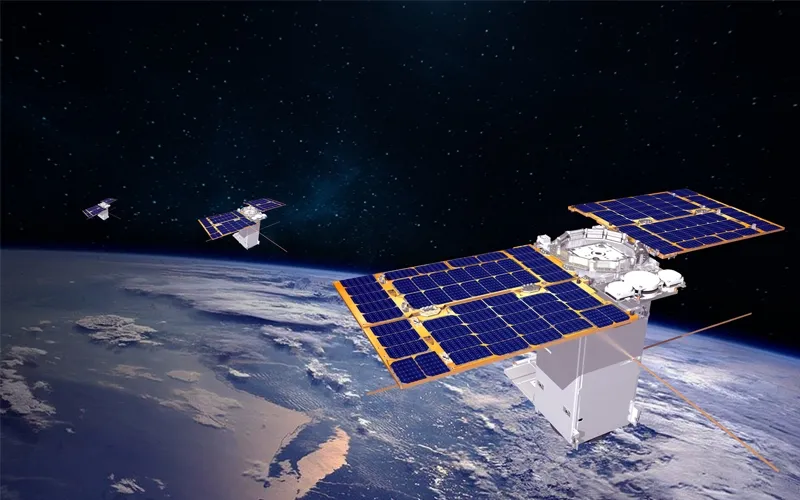
CNES issued an RFI for a compact, diamond-machined optical telescope meant to scale past 1,000 units for constellations.
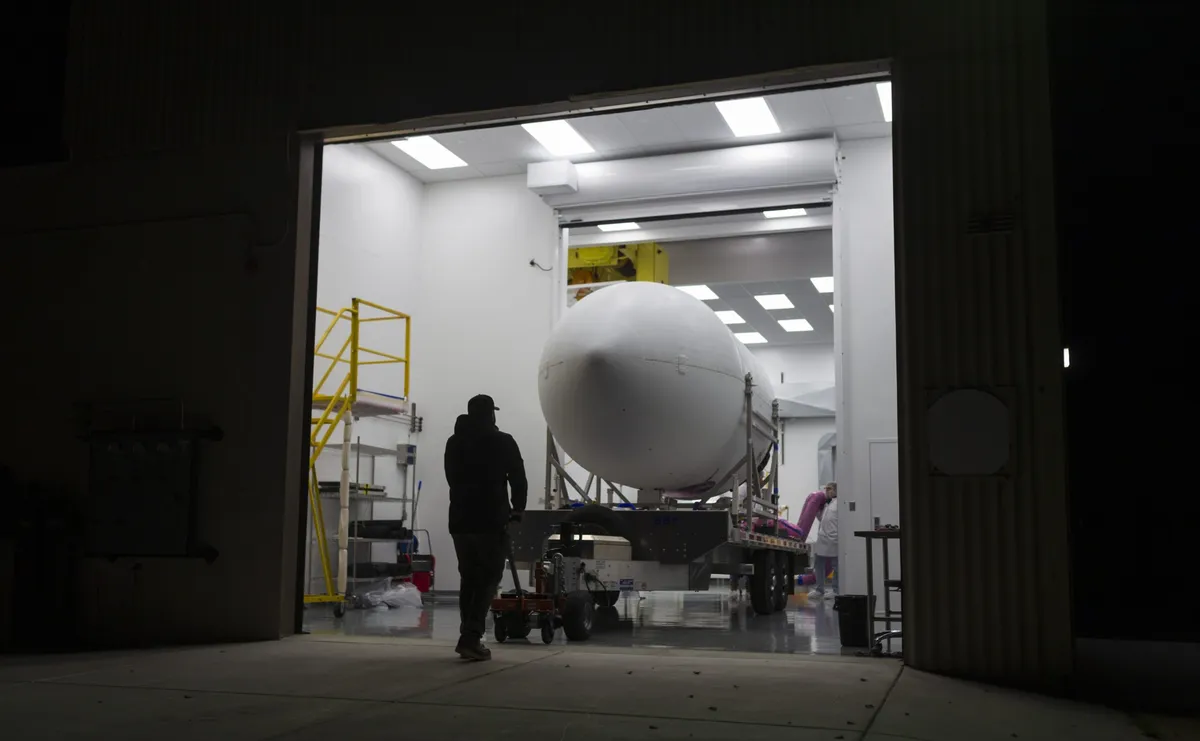
NASA added Firefly to its Spacecraft Processing Operations Contract, letting it compete for payload-processing task orders at Vandenberg.

SDA and DIU tapped Firefly, D-Orbit and Katalyst for a combined $8.4 million to design commercial satellite-deorbit services.
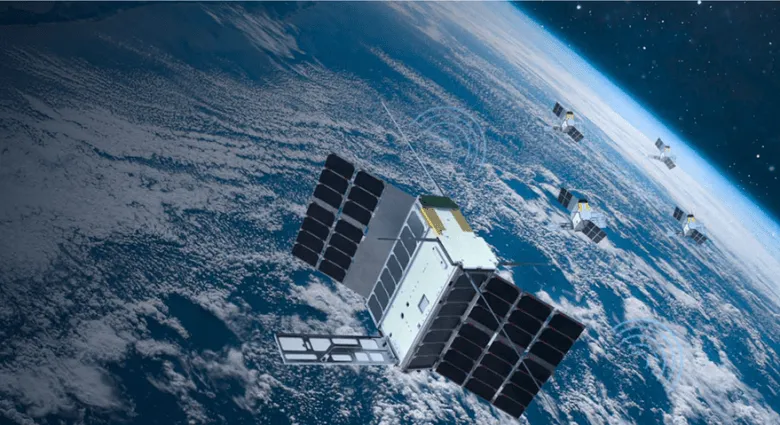
NOAA awarded Spire $3.7 million and PlanetiQ $2.7 million for GNSS radio-occultation weather data through early December.
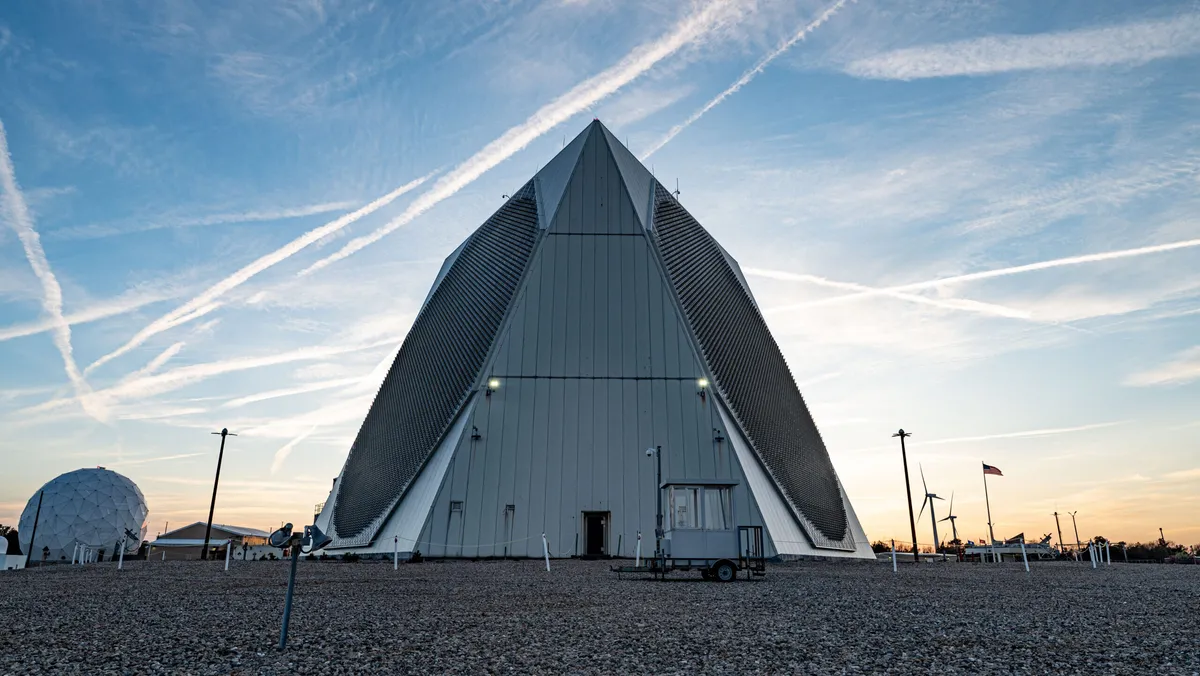
SciTec, a Firefly Aerospace subsidiary, won a $93.7 million Space Force contract to modernize ground-based radar.
Golden Dome opened a public web portal letting companies submit concepts and access unclassified program data before formal solicitations.

Voyager Technologies won a Space Force contract to develop space-to-space communications; value undisclosed.

The European Commission and SpaceRISE concluded a deal adding 66 satellites to IRIS2, taking the program to EUR15.6 billion.

Space Systems Command awarded Rocket Lab $266 million for 12 HASTE suborbital launches from Alaska, with an option for six more.
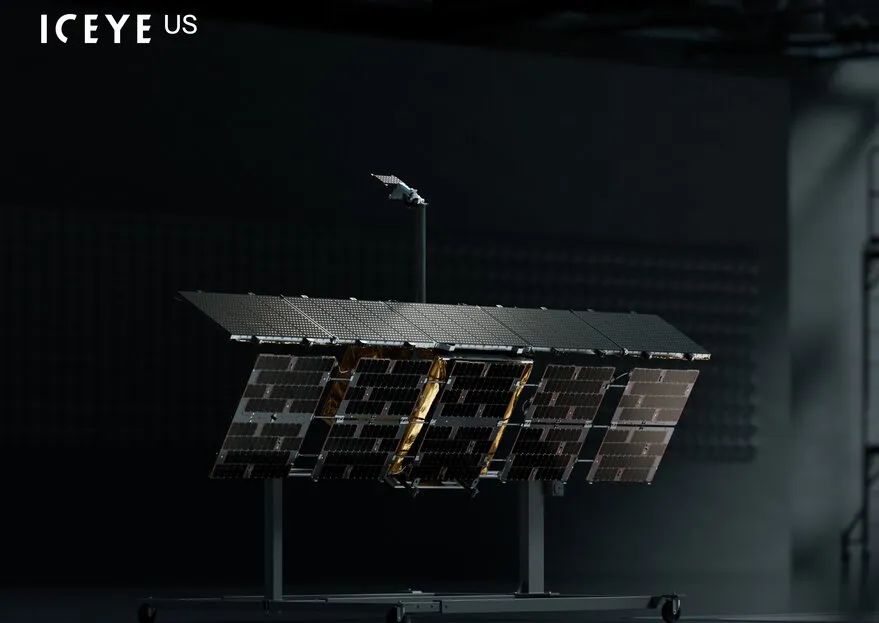
The NRO awarded Capella Space, ICEYE U.S. and Umbra new contracts to expand government use of commercial SAR imagery.

Telesat signed a firm $2.3 billion CAD contract for Canada's Arctic military connectivity, expanding Lightspeed by 69 satellites.

Canada awarded Telesat a C$2.3 billion Arctic military satcom contract, expanding Lightspeed by 69 satellites to 225 total.
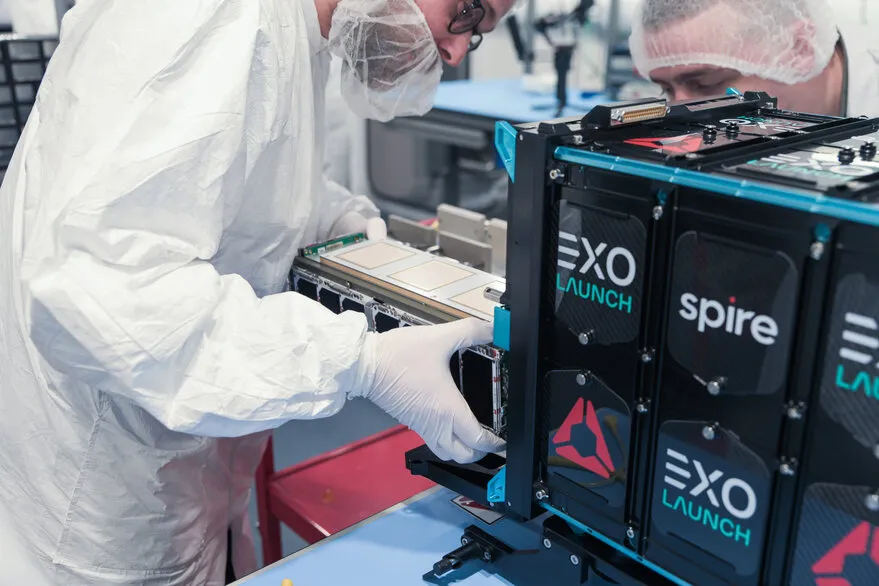
NOAA extended its evaluation of Spire's Hyperspectral Microwave Sounder data with a $3 million contract add-on.

Rocket Lab and STR split $615 million to build airborne-target-tracking satellites for the Space Force's SB-AMTI program.

Rocket Lab, Firefly, Redwire, Sierra Space, Viasat and York join legacy primes competing for NITE-STAR training-range task orders.
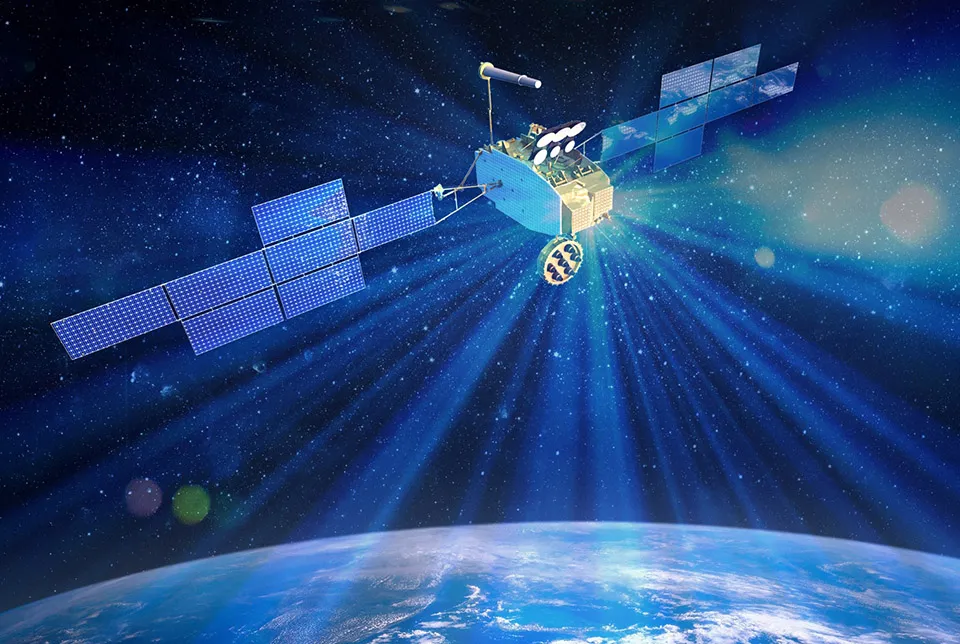
Spain's satellite operator signed the industrial contract for a replacement secure-comms satellite after SpainSat NG II's total loss.

Scotland's government picked Planet, via reseller Computacenter, for a one-year, seven-figure satellite-monitoring deal.
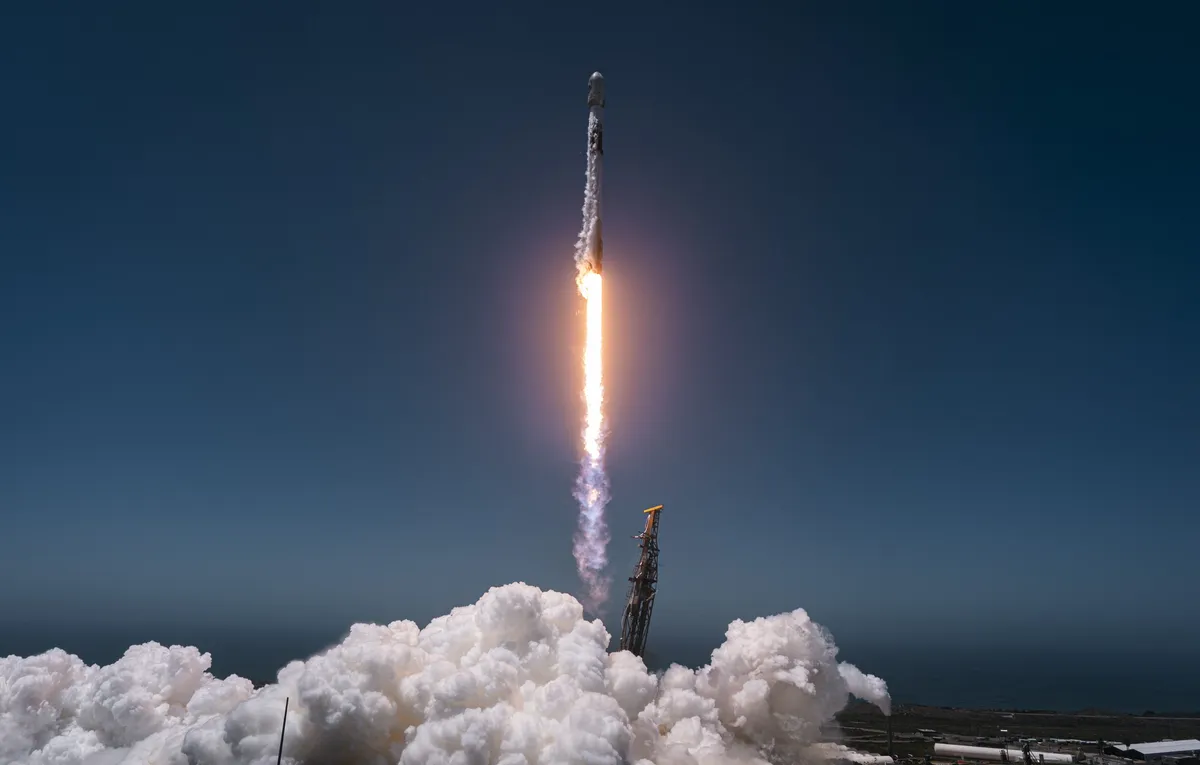
The Space Force ordered 18 Falcon 9 launches through 2027 for missile-tracking, targeting and comms satellites, worth $1.6B.
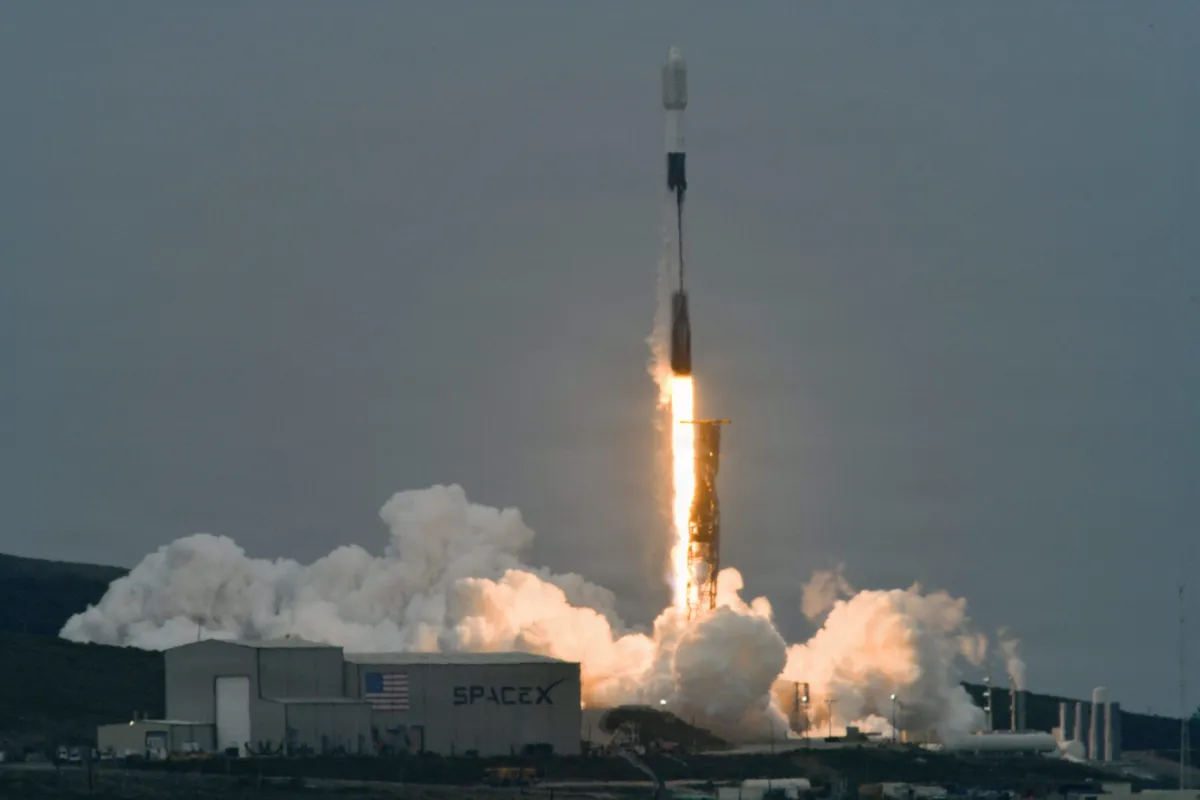
All Points Logistics will build a new satellite processing center at Vandenberg, the largest Space Force award of its kind to date.
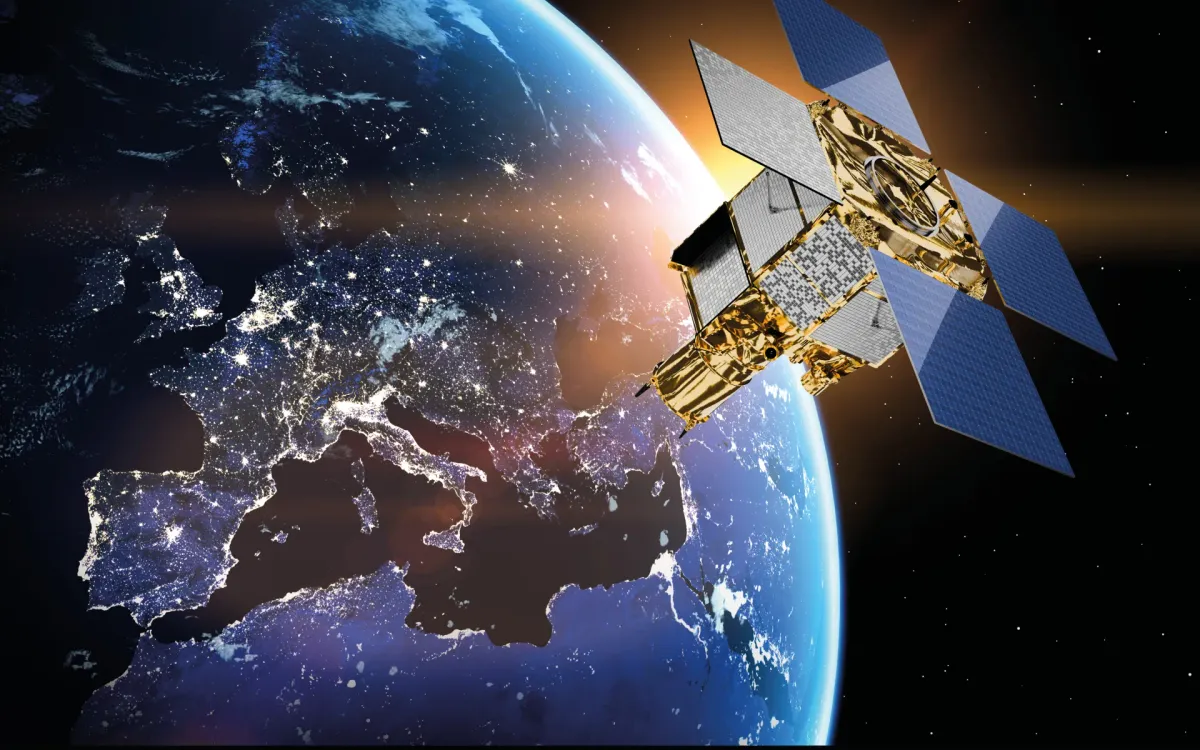
OHB Italia, Thales Alenia Space and Leonardo will build Italy's next hyperspectral satellite, tripling ground resolution to 10 meters.
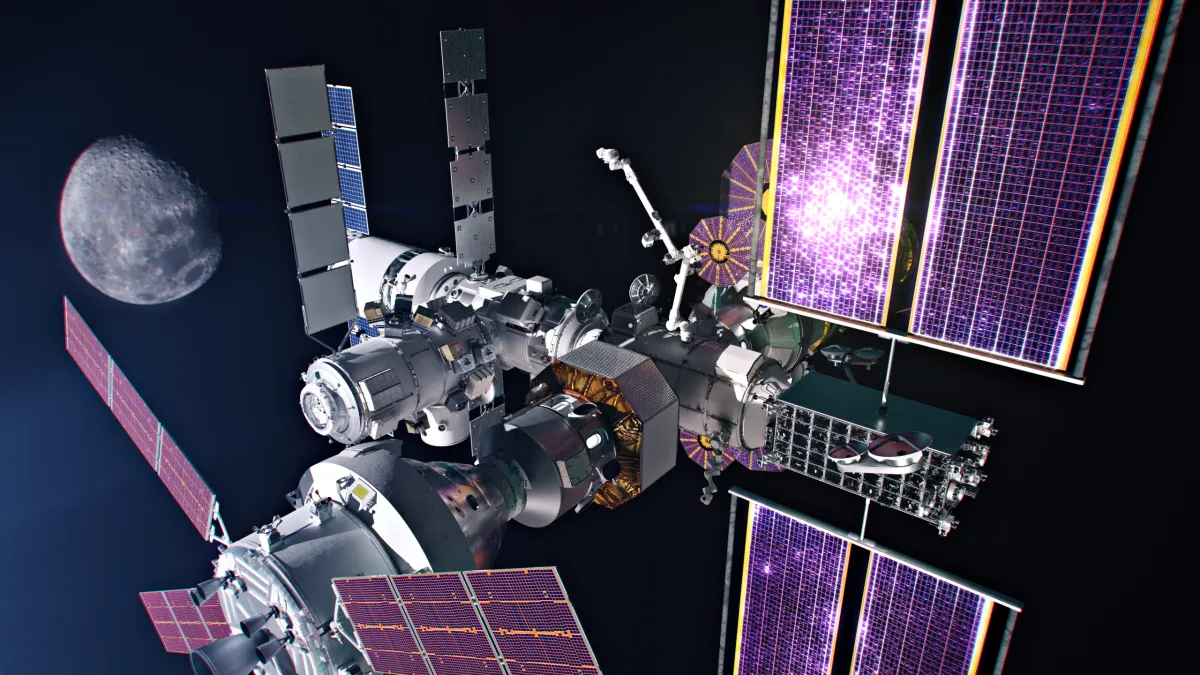
ESA is soliciting feasibility studies to turn its Gateway-built Lunar Link payload into a standalone lunar comms satellite.

Belgium's AMOS will build PROVIDENCE, a 2.5-metre telescope giving France's Air and Space Force LEO object-tracking down to 10 cm.
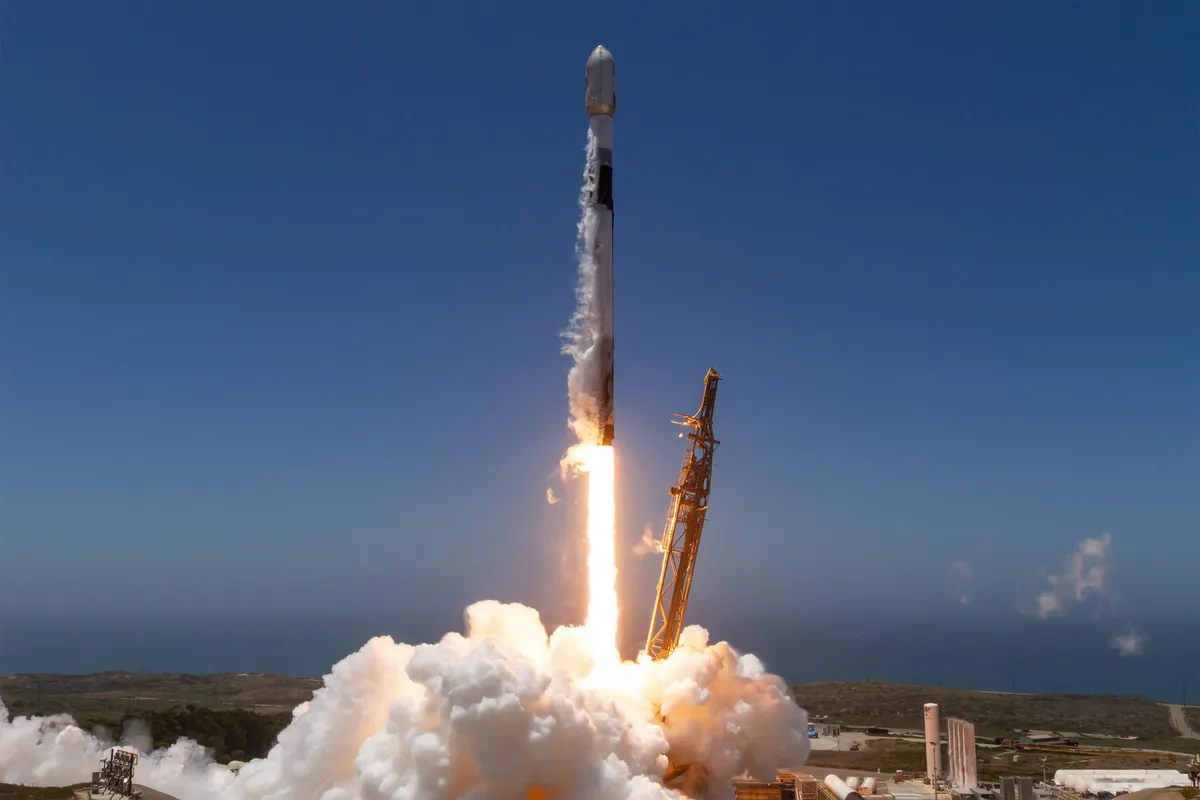
Space Force raised the NSSL Phase 3 Lane 1 launch contract ceiling from $5.6 billion to $17 billion for its seven-provider vendor pool.
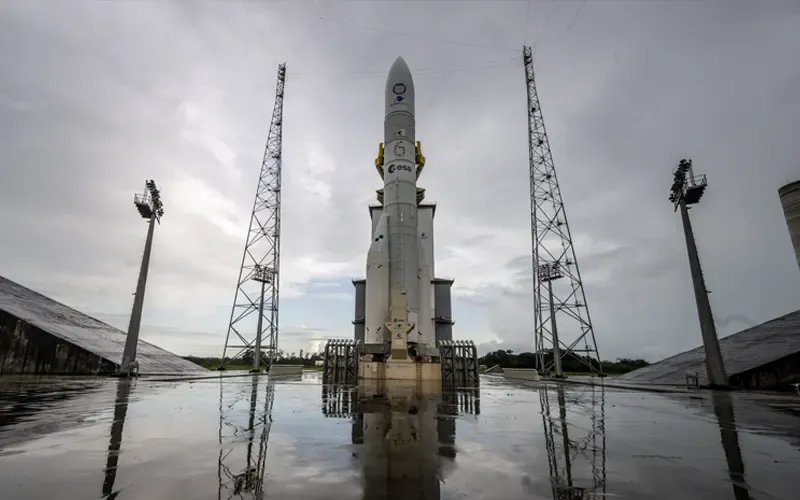
Per Hartpunkt: David Cavaillolès says a 10-20-launch block order would 'completely change' Ariane 6's supply chain planning.
Per the Wall Street Journal, the multi-billion-dollar computing deal is still being negotiated and could fall apart.

DIU's solicitation seeks commercial proposals to beam electrical power to and from orbit, aiming for a 2030 capability.
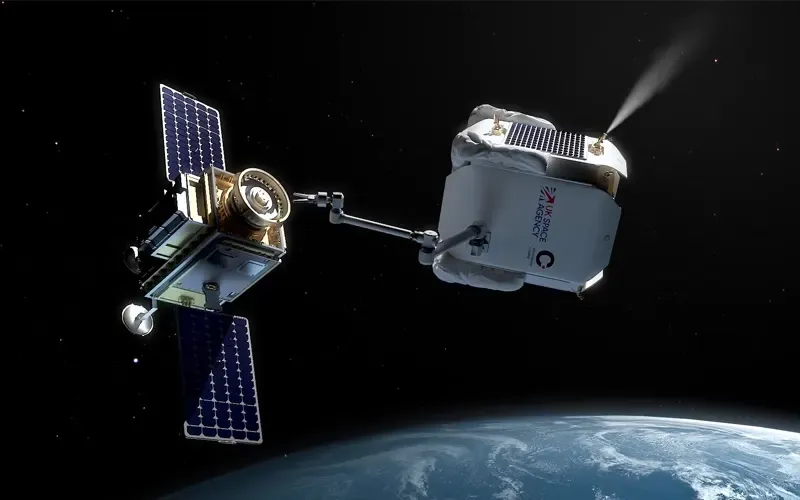
The UK Space Agency missed its deadline to award a GBP75.6 million debris-removal contract to Astroscale or ClearSpace.

The Space Development Agency awarded the two companies a combined $1.75 billion to build 36 Tranche 3 missile-tracking satellites.

Space Force added Relativity Space and Impulse Space to its NSSL Phase 3 Lane 1 launch-services pool.

Pulse Space won a $40 million Space Force contract to mature laser-based power and data transmission between spacecraft.
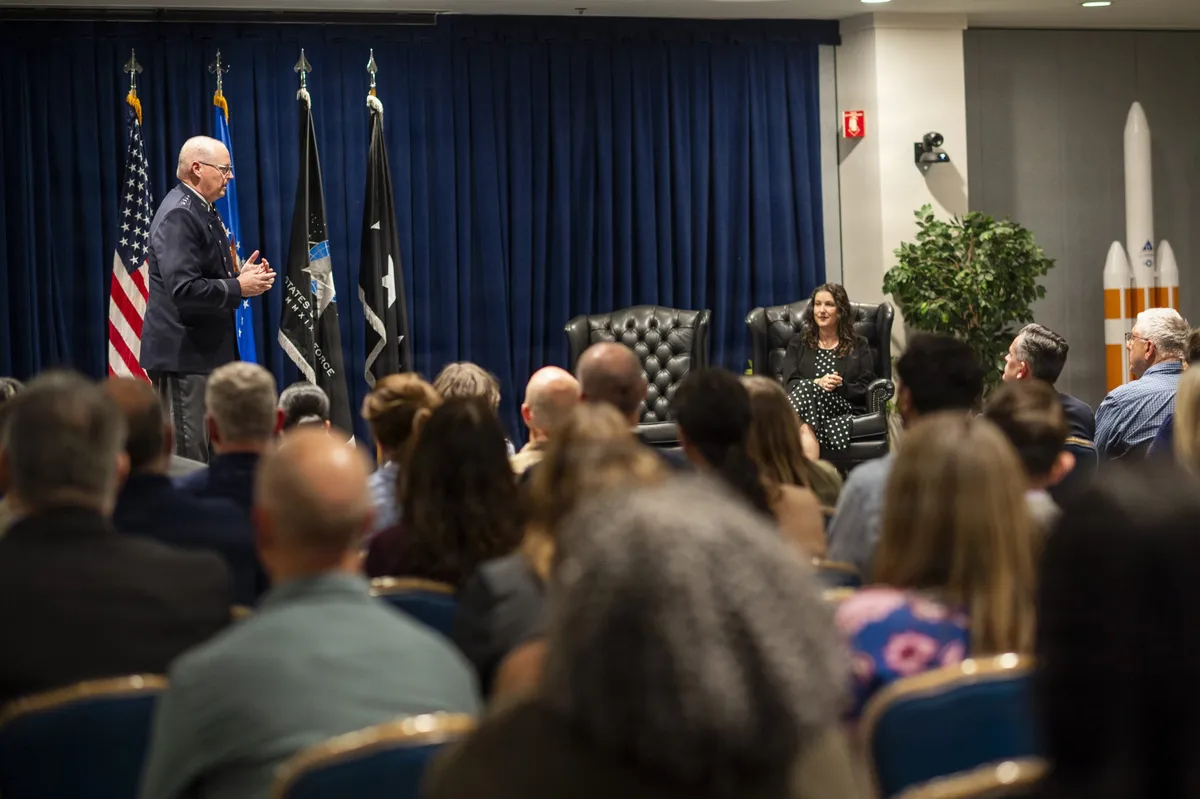
Space Force finished restructuring procurement around nine mission-focused portfolios instead of individual programs, per SpaceNews.
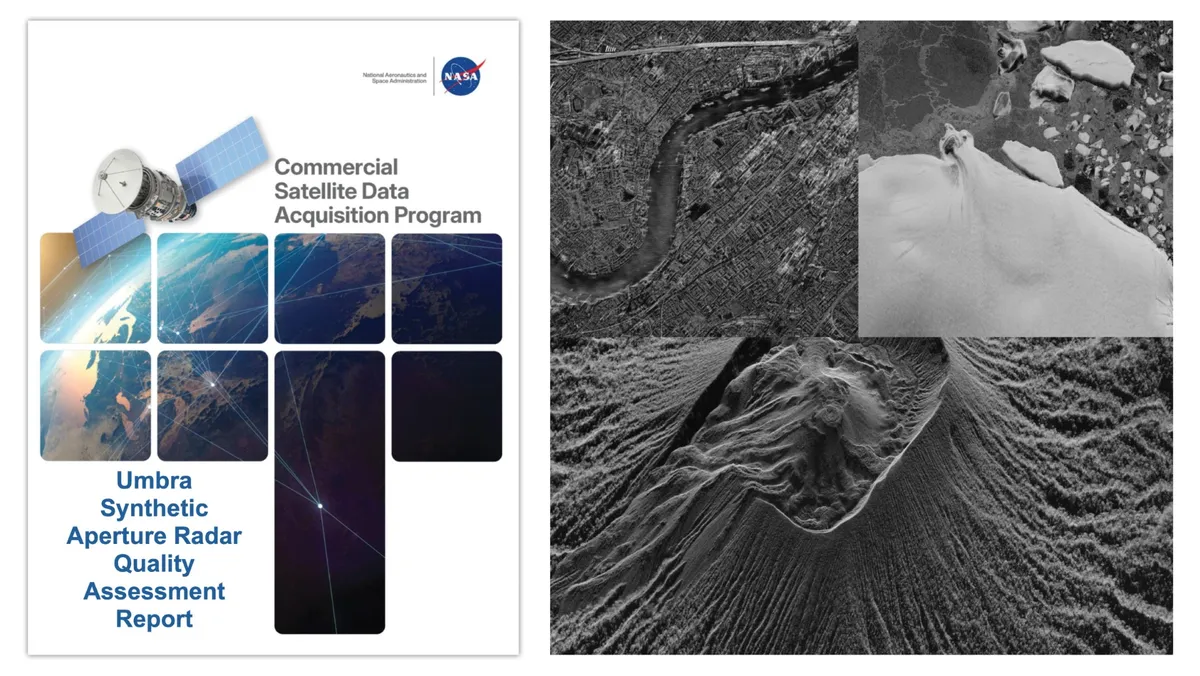
NASA's CSDA program found Umbra's SAR data underperforms on geolocation accuracy and radiometric calibration versus reference systems.
BlackSky says it won multiple US R&D contracts to add AI target-recognition and damage detection to its Gen-3 imagery.
SES Space & Defense won a 5-year blanket purchase agreement to supply the US Space Force with managed Ku-band connectivity.
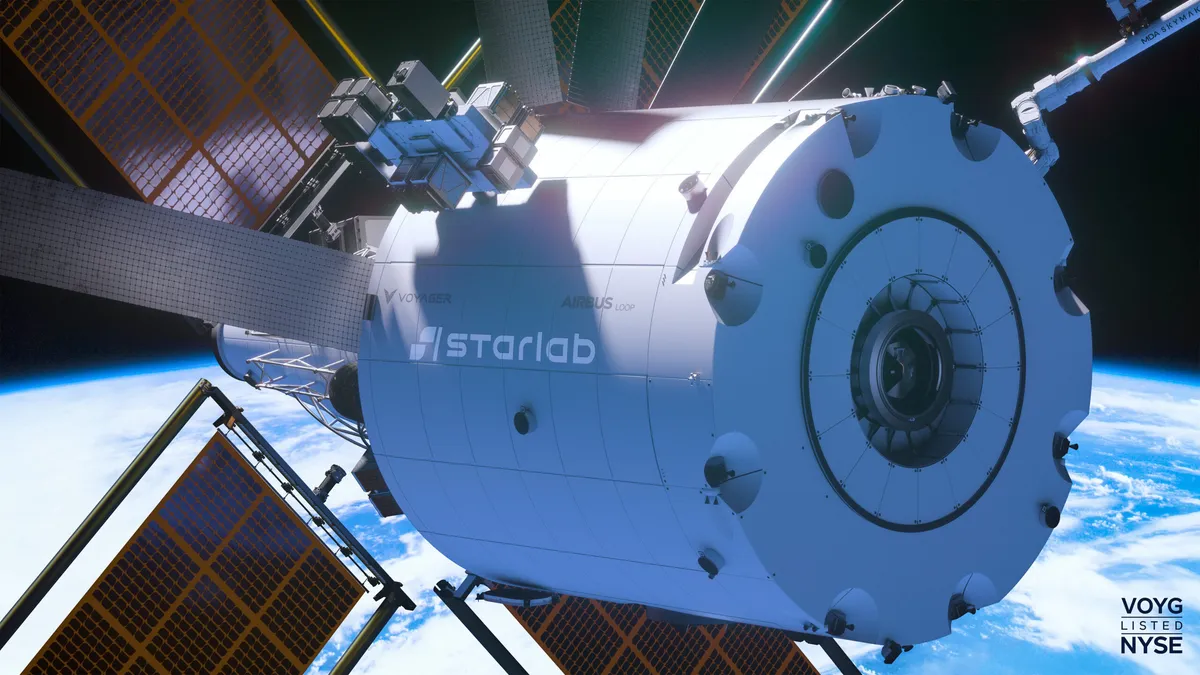
NASA issued a draft RFP for Commercial LEO Destinations, planning to fund at least two station builders in early development.
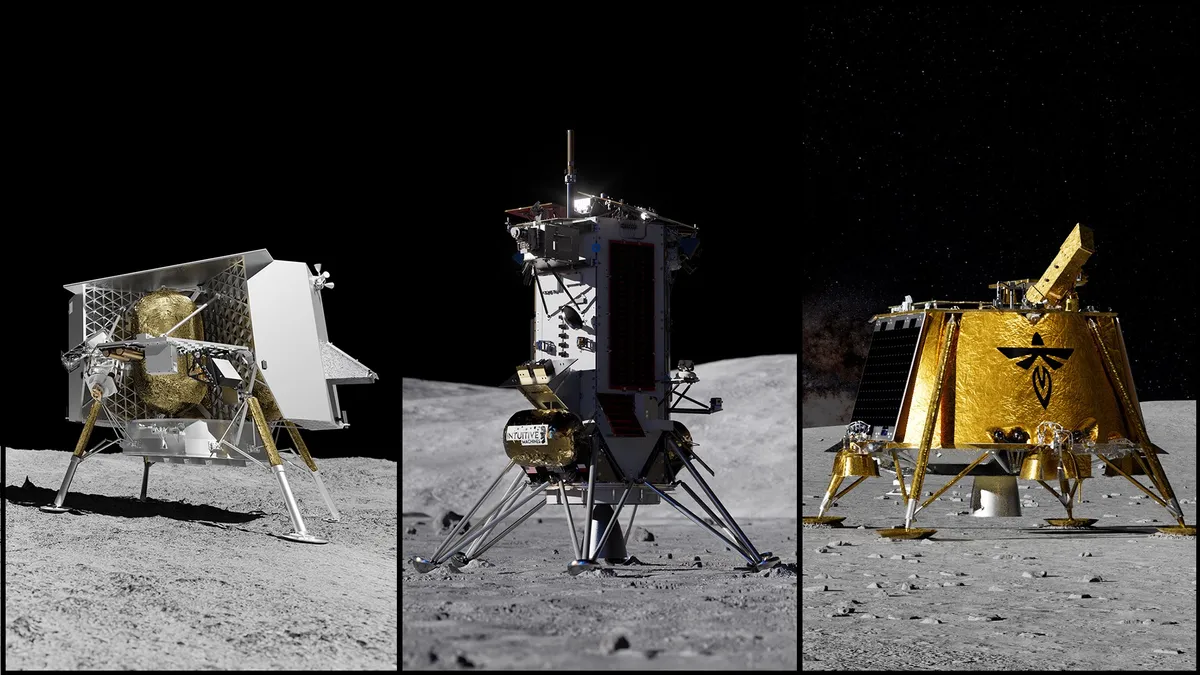
Astrobotic, Firefly Aerospace, and Intuitive Machines split nearly $600 million in new NASA lunar lander task orders.
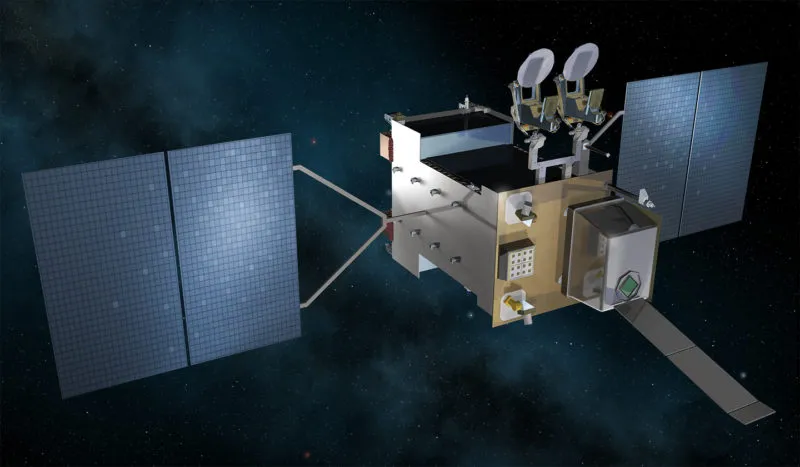
A GAO assessment found cost overruns and schedule slips across several Space Force missile-warning and satcom programs.

ESA and EUMETSAT contract Airbus to build a successor to the Aeolus wind-lidar satellite as an operational service.
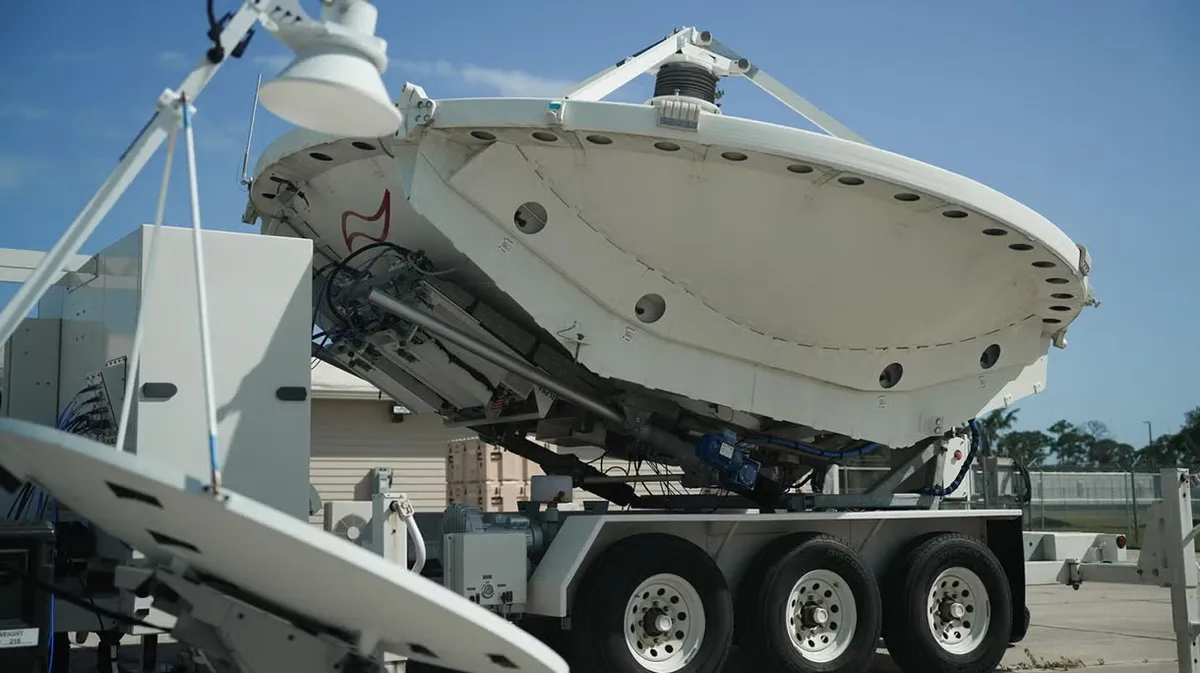
The Space Force operationally accepted L3Harris's mobile counter-communications jammer.

The award covers build, launch, commissioning and ground upgrades for a CHORUS-based SAR satellite, per SpaceQ.

Parsons' ground-systems unit won a five-year, $245 million Navy IDIQ to keep running NRL's Blossom Point tracking facility.

Per SpaceNews, NASA added three European Earth-observation firms to its CSDA commercial-data contract.
ICEYE will provide always-on SAR flood tracking across mainland Norway and Svalbard under a one-year government contract.
Portugal is expanding its sovereign SAR constellation from one satellite to four, all built by ICEYE.
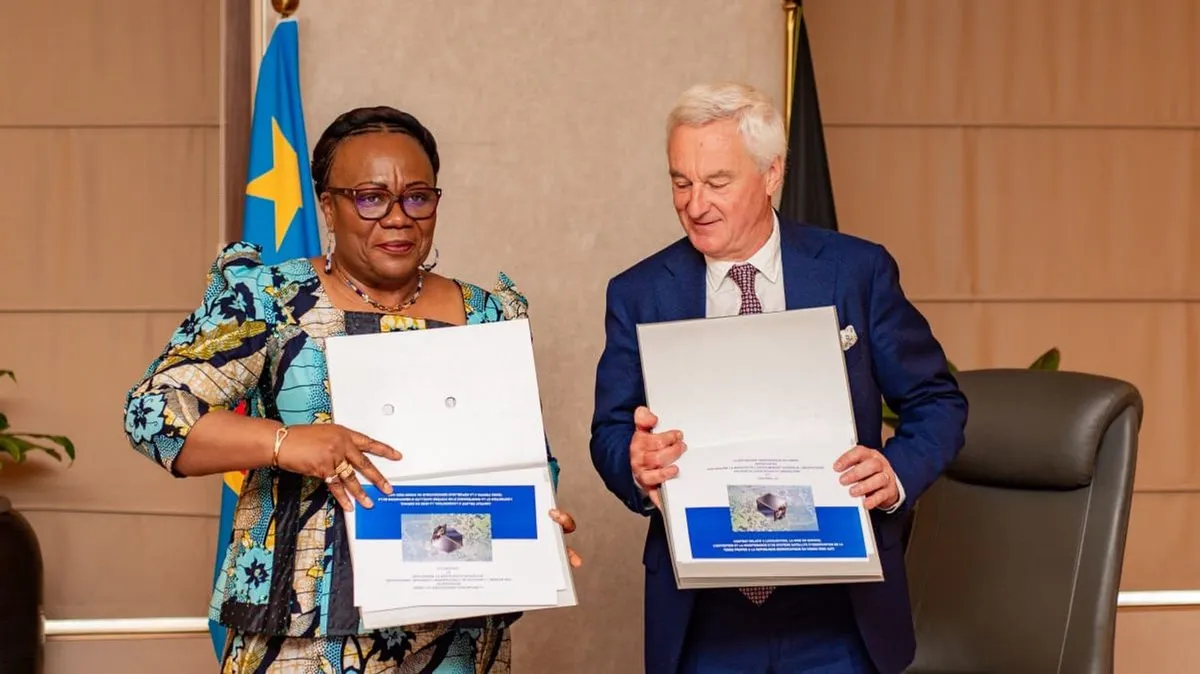
The Belgian firm calls it the first made-in-Belgium commercial satellite; RTBF reports a hyperspectral instrument aboard.

Three contracts of up to C$804,000 each, C$2.4M total, for RADARSAT+ ground-segment concept studies, per SpaceQ.
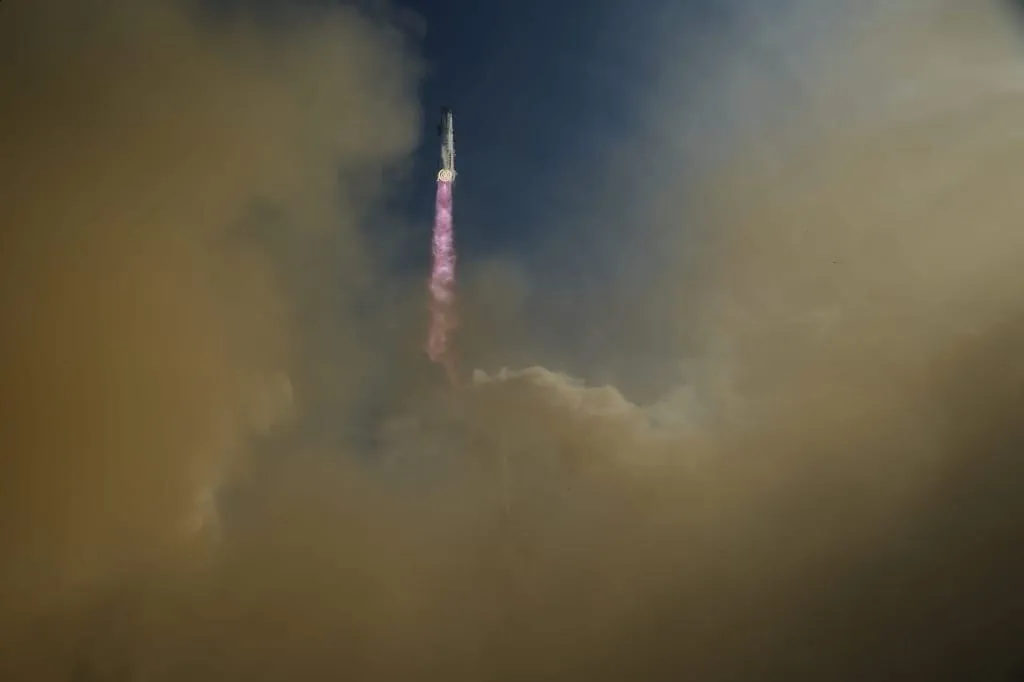
ConnectLA signed an $8.2 million BEAD deal with Starlink for 10,635 rural locations too costly to reach with fiber.
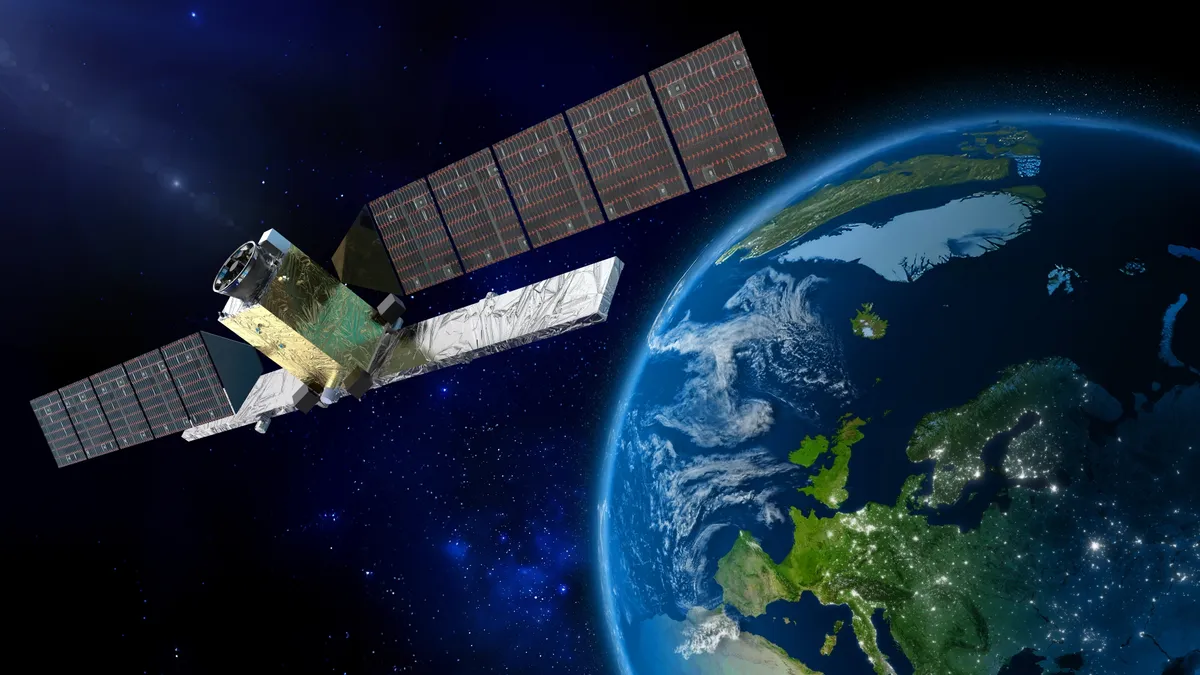
Thales Alenia Space will build two next-generation Sentinel-1 radar satellites, with Airbus supplying the SAR instruments.

Space Systems Command awarded SpaceX $4.16 billion for the initial phase of its SB-AMTI airborne-threat-tracking satellite program.
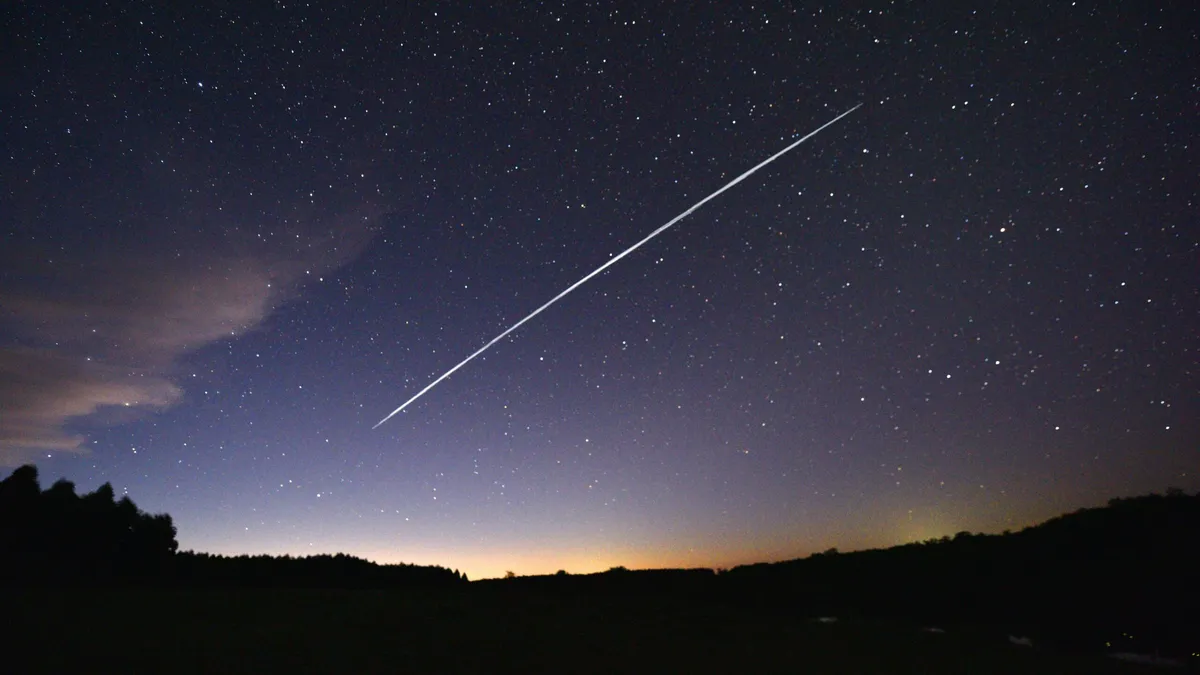
Space Systems Command awarded SpaceX $2.29 billion to build the backbone of its new military Space Data Network.