ISRO says LVM3-M5 upper stage's atmospheric reentry met debris rules
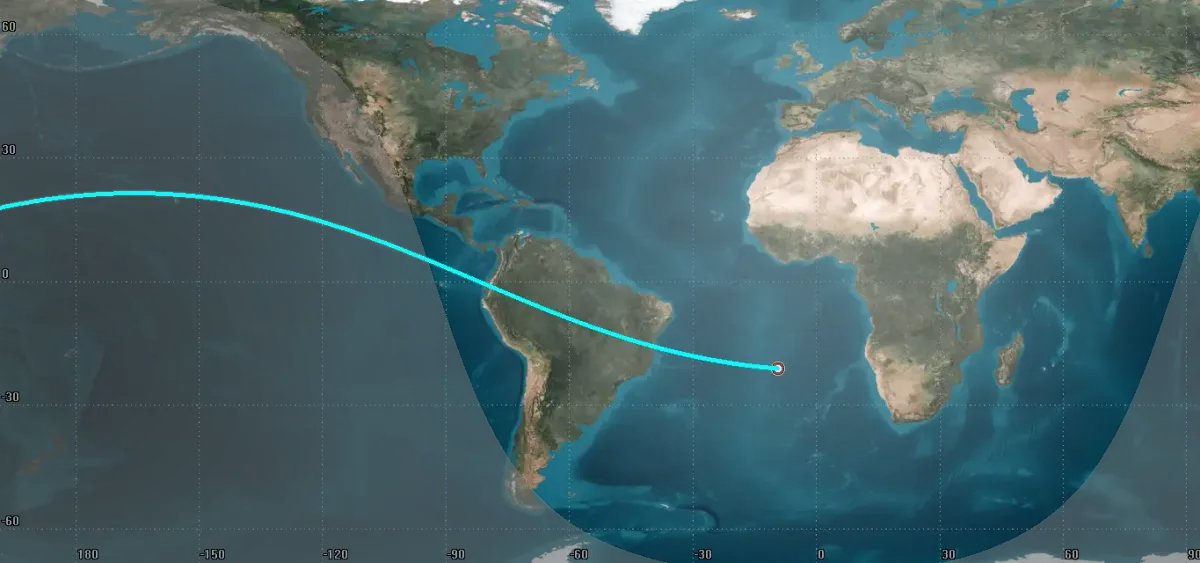
The C25 upper stage from ISRO's LVM3-M5 flight reentered over the Atlantic on July 30, within its planned short orbital lifetime.
what happened
ISRO's own release states the LVM3-M5 upper stage, which deployed the CMS-03 satellite to geostationary transfer orbit on November 2, 2025, reentered the atmosphere around 12:08 UTC on July 30, 2026, with predicted impact in the Atlantic Ocean; only high-melting-point elements such as gas bottles, nozzle, and tanks were expected to survive. ISRO says the stage's actual orbital lifetime of within 9 months met both the IADC's 25-year LEO disposal rule and India's own 5-year rocket-stage guideline, and was tracked throughout by ISRO's IS4OM system alongside USSPACECOM/NORAD. Per Indian Defence News, the launch's liftoff time was deliberately chosen to shorten the stage's GTO orbital lifetime.
why it matters
Deliberately engineering a launch window to shorten a spent stage's orbital lifetime, rather than relying on propulsive deorbit, is a debris-mitigation approach other GTO launch providers can be measured against as regulators and insurers tighten scrutiny of rocket-body disposal.
signal-to-noise
quick facts
- Companies
- ISRO
- Category
- incident
- Impact
- noise
- SNR
- 5 / 5
- Event date
- 2026-08-15
- Published
- 2026-08-15 05:32 UTC