Update: NASA's Swift Observatory reenters over Indonesia after 22-year mission
NASA confirms Swift reentered over Indonesia's North Sumatra region at 7:39 a.m.
original 2026-11-02
NASA confirms Swift reentered over Indonesia's North Sumatra region at 7:39 a.m.
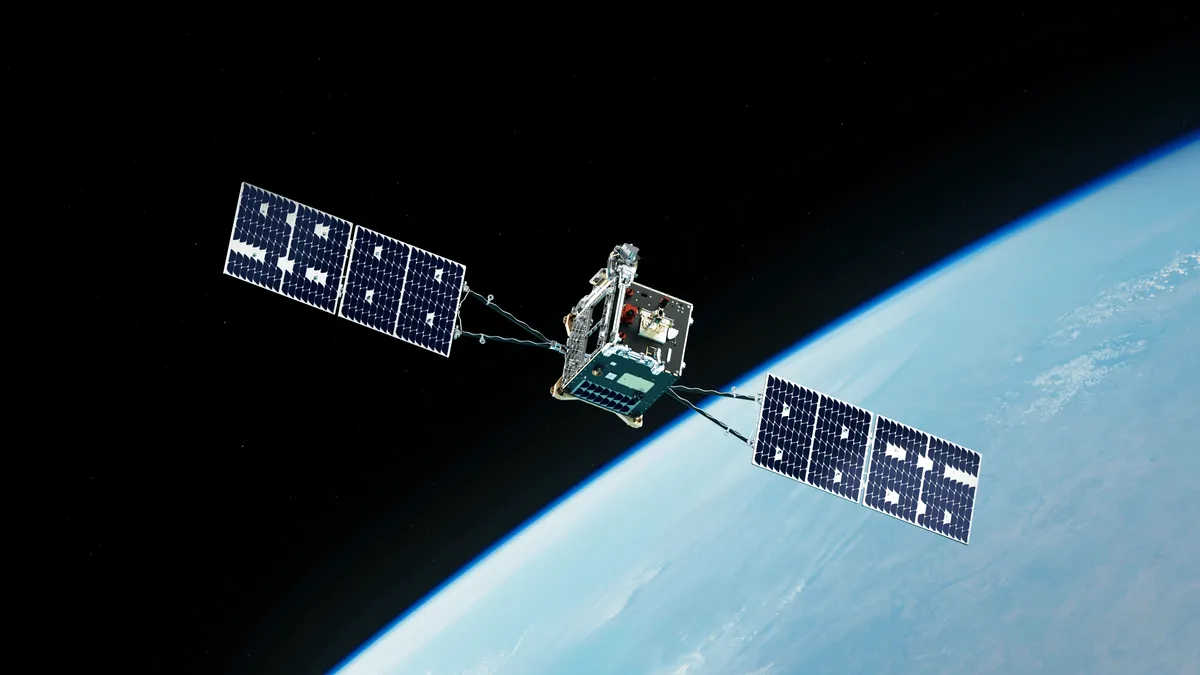
A satellite bus fault knocked out Otter's radio a month after launch, cutting short a $15 million NASA satellite-inspection demo.
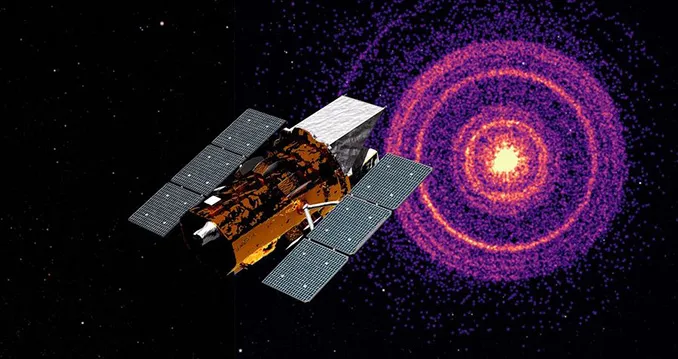
NASA's Neil Gehrels Swift Observatory reentered over North Sumatra at 7:39 a.m. EST Nov. 4, nearly 22 years after launch.
Per RussianSpaceWeb, an unstoppable leak forces Roscosmos to permanently seal Zvezda's transfer chamber, changing how Progress ships dock.
NASA confirms Swift's science mission has ended: the observatory could no longer hold its pointing against atmospheric drag as of its October 20 final observ...
The debris has been identified: it's likely the upper stage of a Chinese Zhuque-2E rocket that reentered Sept. 15, per Ars Technica's reporting.
LeoLabs calls Cosmos 2612's maneuvers the most advanced and potentially dangerous uncooperative proximity operation it has tracked, and trackers say the two...
Tracker Marco Langbroek says Cosmos 2612 made a further maneuver on Oct. 18 after its earlier orbit raise, writing the shadowing "is clearly not over yet."
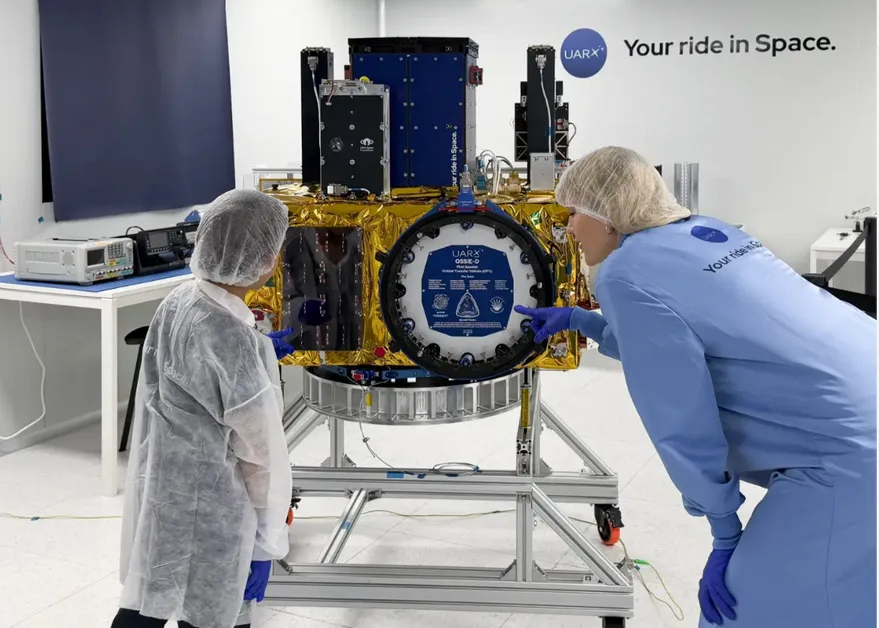
UARX Space lost contact with its first orbital transfer vehicle after an October 1 launch, then restored it and deployed payloads.
Trackers say the two satellites have held within about 2 km of each other for over a day, and Langbroek says ICEYE-X36 may now be Ukrainian-operated rather t...
Trackers confirm Cosmos 2612's shadowing of ICEYE-X36 persisted into a third day with no new maneuver detected.

A spent Zhuque-2E upper stage reentered uncontrolled and shed debris over Borneo, with fragments recovered on an Indonesian palm plantation.
Trackers say Cosmos 2612 has held within 2 km of ICEYE-X36 for over a day, as questions grow over who now operates the satellite.

Conibio Global collected 200+ suspected SpaceX Starship fragments on a Tamaulipas beach and handed them to Mexico's environmental agency.
Ars Technica traces the 11-foot cornfield object to the upper stage of a LandSpace Zhuque-2E rocket that reentered Sept. 15.

LeoLabs detected a debris-generating event near the defunct Soviet-era satellite, launched in 1981, that may threaten nearby spacecraft.

A power-amplifier fault permanently disabled downlink on 4 of Axelspace's 7 GRUS-3 satellites; commercial ops now target February 2027.
NASA formally concluded its involvement September 3, and Link reentered September 25, per NASA; Swift itself remains expected to reenter without intervention.
NASA Administrator Jared Isaacman said the outcome "is not the outcome we were working toward, but it does not change why this mission was worth attempting";...

A retired 1988 NRO reconnaissance satellite fragmented Sept. 13 at 775 km, adding debris near 200+ active satellites including Iridium.
Link went on to attempt a rendezvous demonstration without capturing Swift: it fired all three of its electric propulsion thrusters and adjusted its orbit to...
NASA's Lunar Reconnaissance Orbiter imaged the resulting crater on August 11 and 12, finding it about 60 feet wide and less than 10 feet deep, per NASA.
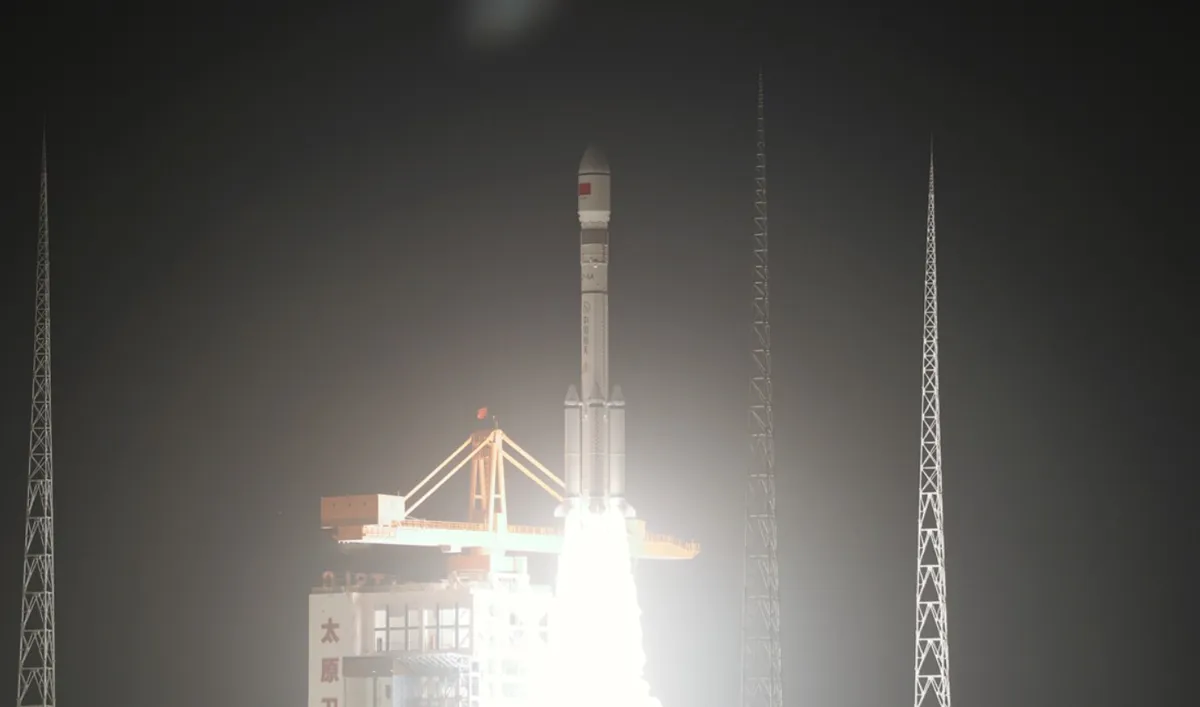
China's Yaogan-50 (02) satellite broke apart in a rare retrograde orbit; the US Space Force has cataloged 43 debris pieces.

A Chinese reconnaissance satellite fragmented in a rare retrograde orbit, and the cause is still unknown.

A fire broke out in a workshop at Proton-PM, which builds RD-191 engines for Russia's Angara rockets; no injuries were reported.
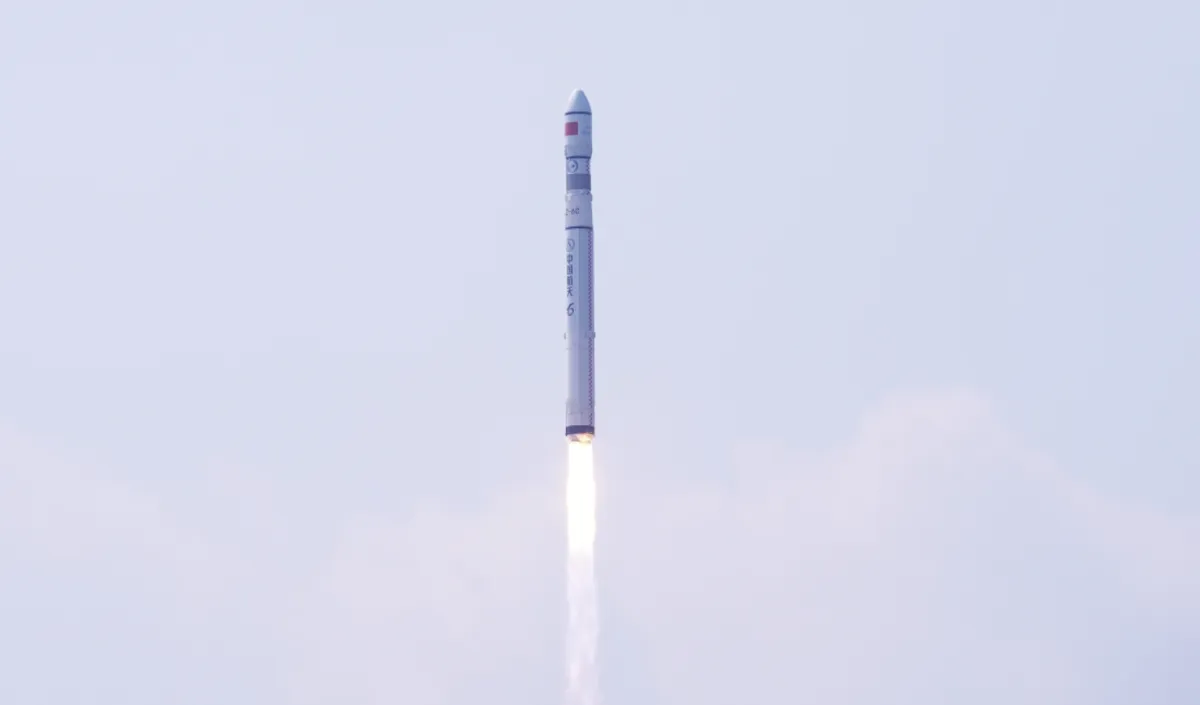
A Long March 6C upper stage fragmented in orbit two days after launch, adding tens to hundreds of debris pieces to a low orbital shell.
NASA and Katalyst announced August 19 that Link will not capture or boost Swift, ending the reboost effort after Link's attitude-control problems proved unre...
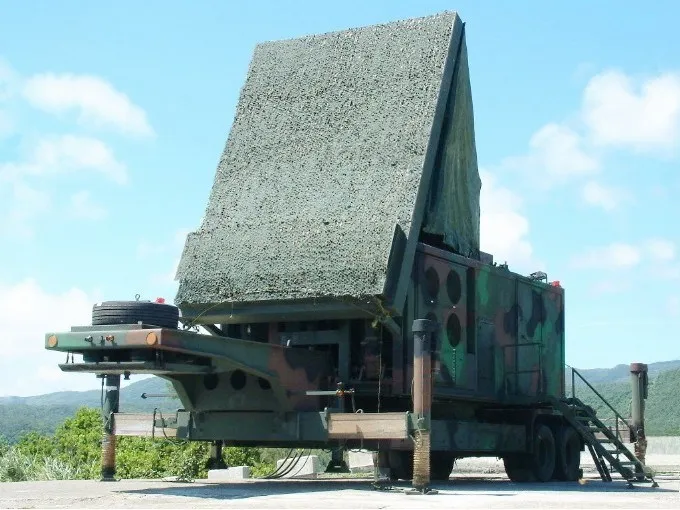
NCSIST's first Taiwan-built satellite launch vehicle veered off course and was destroyed on its first test flight.
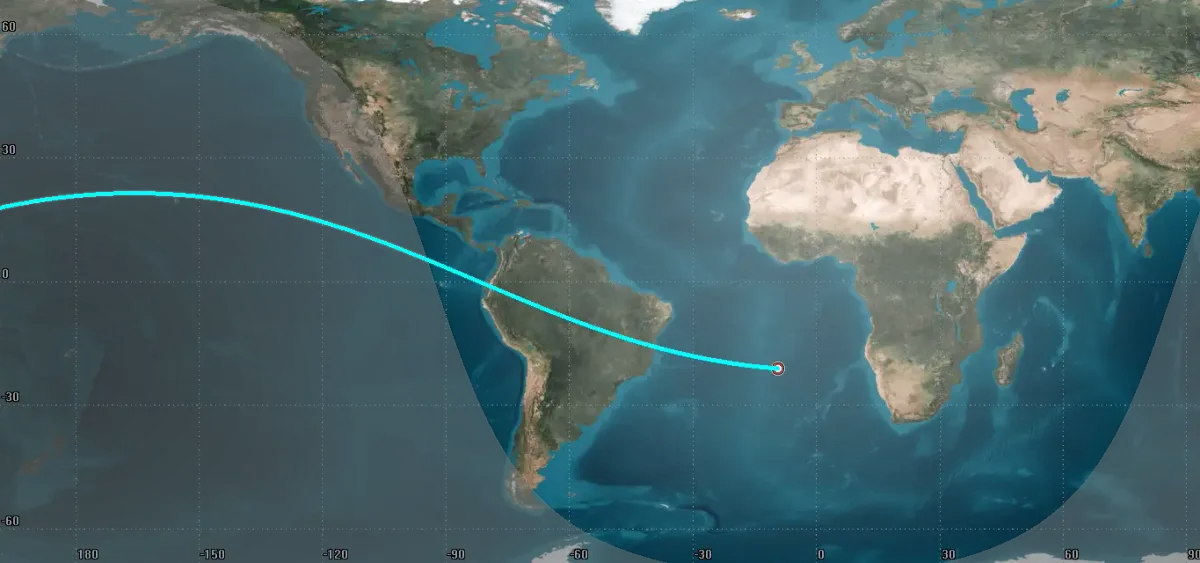
The C25 upper stage from ISRO's LVM3-M5 flight reentered over the Atlantic on July 30, within its planned short orbital lifetime.
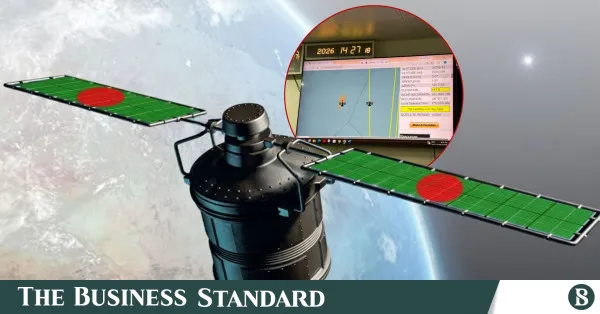
BSCL shifted its BS-1 satellite after a US tracking alert flagged INSAT-1A debris passing within 852 meters.
China in Space reported the YF-100 engine, used in the joint burn at the time of the failure, is under suspicion; the Long March 7A is grounded until the inv...
Per SpaceNews, the spin reduction to 1.47 degrees per second used one electric thruster and consumed less than 100 grams of fuel; Katalyst plans to upload a...
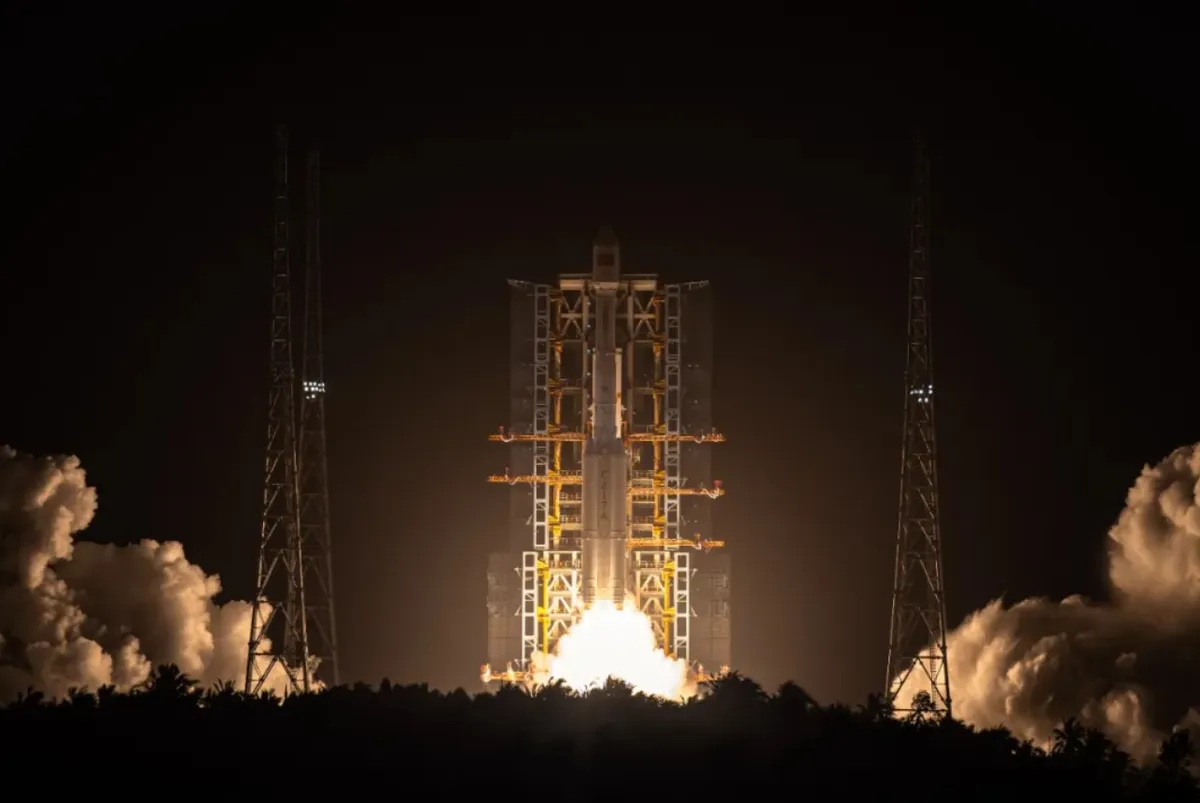
A Long March 7A carrying the ChinaSat-4B communications satellite exploded about 85 seconds into flight from Wenchang.
NASA said August 6 that continued thruster burns have further slowed LINK's spin to about 1.47 degrees per second, and Katalyst plans to hold that rate while...

A fire in a TsNIIMash building basement, the facility that houses Russian ISS mission control, was extinguished with no injuries reported.

A spent Falcon 9 upper stage from a 2025 lunar-lander mission crashed into the Moon on August 5.
By July 30, a series of Hall-effect thruster burns had cut LINK's spin rate from about 9 degrees per second to about 4 degrees per second, per the company's...
Katalyst said the spacecraft had been in a multi-axis spin for 72 hours; NASA and Katalyst are attempting to use LINK's electric propulsion system to stop th...
Per SpaceNews, Northrop Grumman launched Katalyst Space Technologies' 425 kg Link spacecraft on a Pegasus XL rocket from Kwajalein Atoll on July 3, 2026, und...
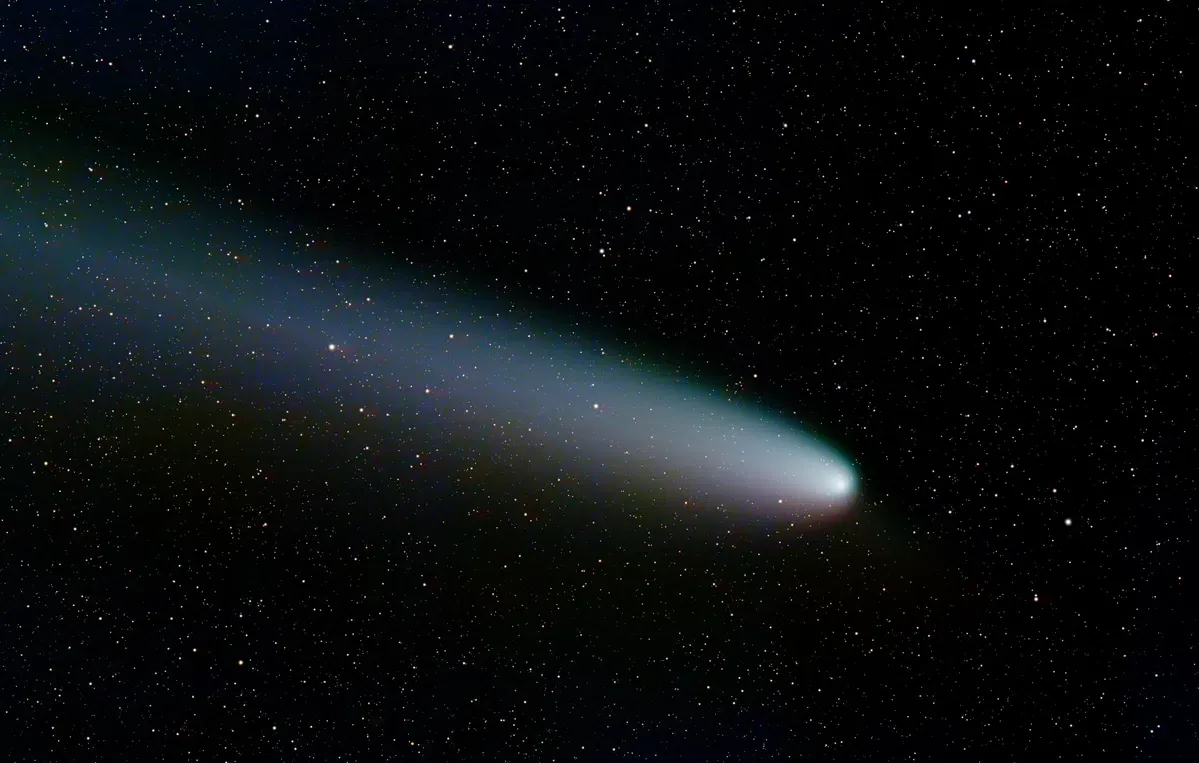
A defunct SpaceX Starlink satellite burned up over the Netherlands on July 24, producing a widely observed fireball, per Dutch outlets.
Katalyst's Link spacecraft launches to reboost NASA's Swift
GalaxEye lost contact with Mission Drishti, billed as the world's first OptoSAR satellite, after a geomagnetic storm.
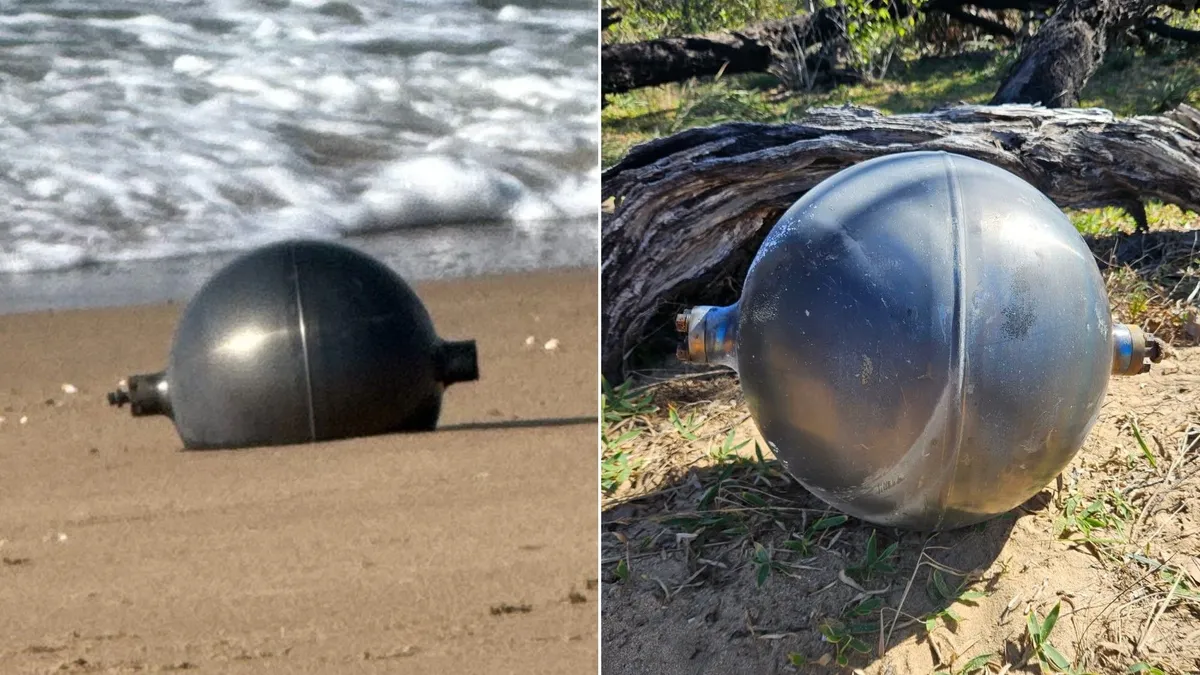
The Australian Space Agency says metal spheres found on a Queensland beach are debris from a foreign rocket body.
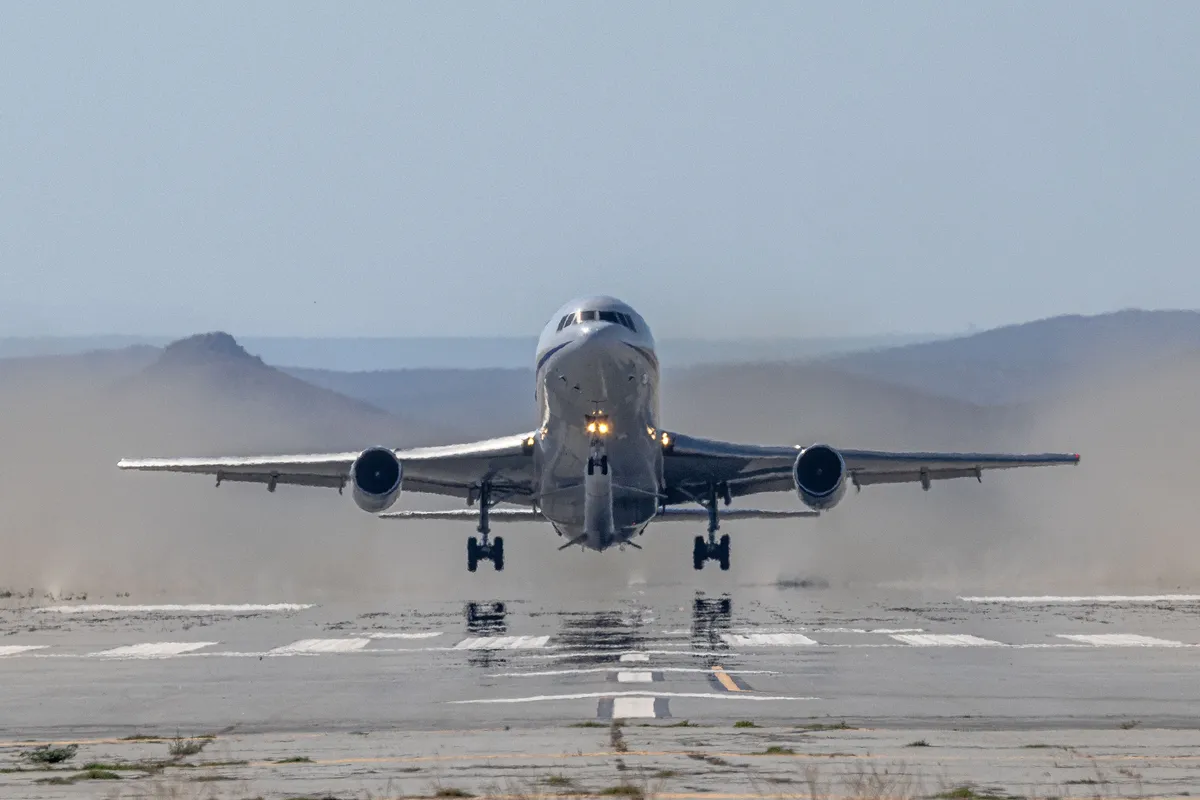
NASA and Katalyst called off Link's Swift reboost; Link reentered September 25, and NASA has published its lessons-learned findings.
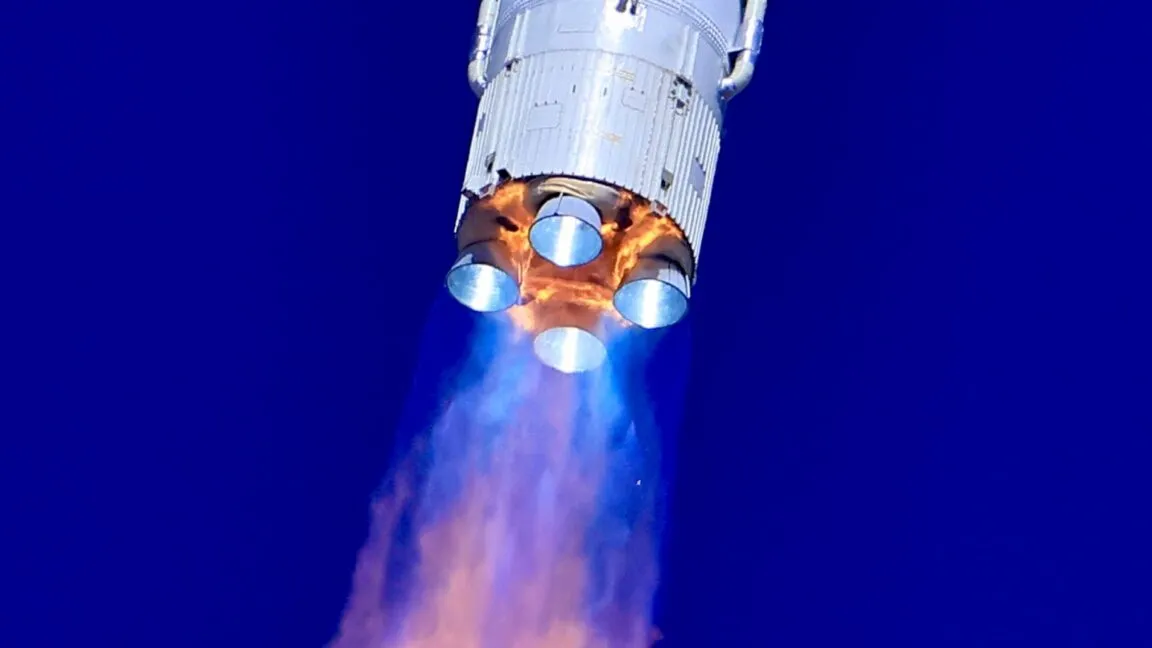
The US Space Force confirmed the breakup; a LeoLabs analyst estimates 100-150 debris pieces, per Ars Technica.

CNMI emergency officials say Joint Task Force-Micronesia and the FAA confirmed the June 11 object was space debris, per RNZ.
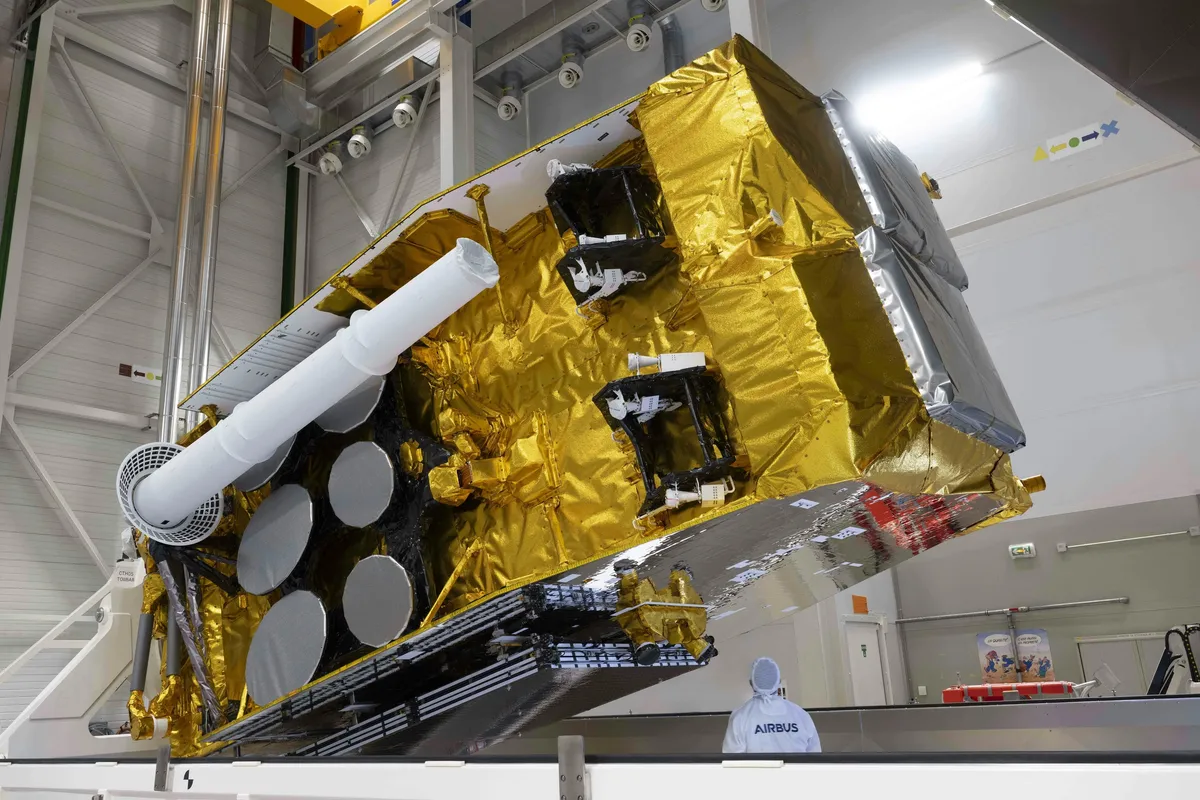
A space particle strike during orbit-raising destroyed Spain's new secure military comms satellite before it entered service.