CASC's Long March 6C upper stage breaks apart in orbit, scatters debris
A Long March 6C upper stage fragmented in orbit two days after launch, adding tens to hundreds of debris pieces to a low orbital shell.
what happened
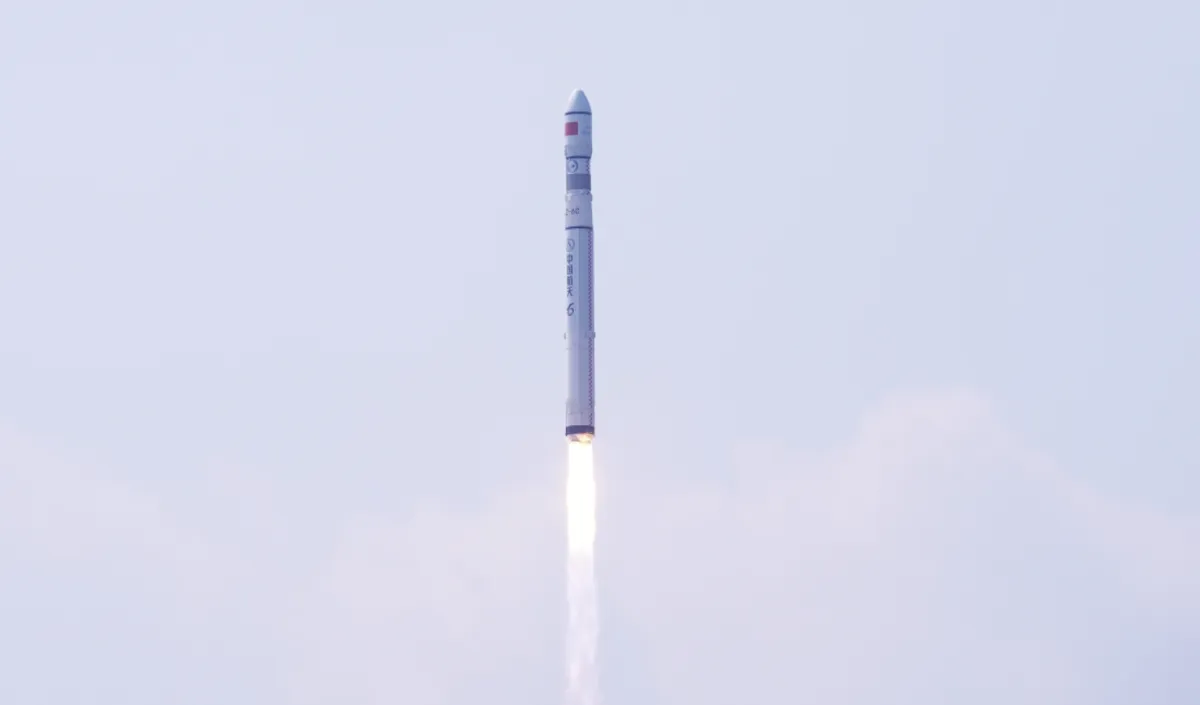
LeoLabs detected the fragmentation of a Long March 6C upper stage (NORAD ID 100472) at 2:30am UTC on Aug. 27, just under two days after the rocket launched a seven-satellite rideshare mission from Taiyuan Satellite Launch Center on Aug. 24-25, per SpaceNews. LeoLabs' Multi-Object Detection tool first flagged numerous objects near the rocket body during a radar pass over its Western Australia site, with a follow-up New Zealand pass confirming the event; the company estimated tens to hundreds of fragments were generated. The stage's orbit was roughly 396 by 482 kilometers, low enough that LeoLabs expects the debris to reenter within a few years. Neither the stage's manufacturer, Shanghai Academy of Spaceflight Technology (SAST), nor CASC or CNSA has offered a technical explanation.
why it matters
This is at least the second documented fragmentation of a Long March 6-family upper stage this year, extending a pattern of reliability problems in the workhorse rocket series China uses for LEO rideshare deployments (the Long March 6A shed hundreds of fragments in a widely reported 2024 breakup). Every fragmentation adds trackable and untrackable debris to a crowded low-orbit shell that commercial EO and connectivity operators fly through, raising collision-avoidance costs and conjunction-alert volume for everyone in that band, not just Chinese operators.
signal-to-noise
quick facts
- Companies
- CASC
- Category
- incident
- Impact
- notable
- SNR
- 2 / 5
- Event date
- 2026-08-27
- Published
- 2026-08-30 05:26 UTC