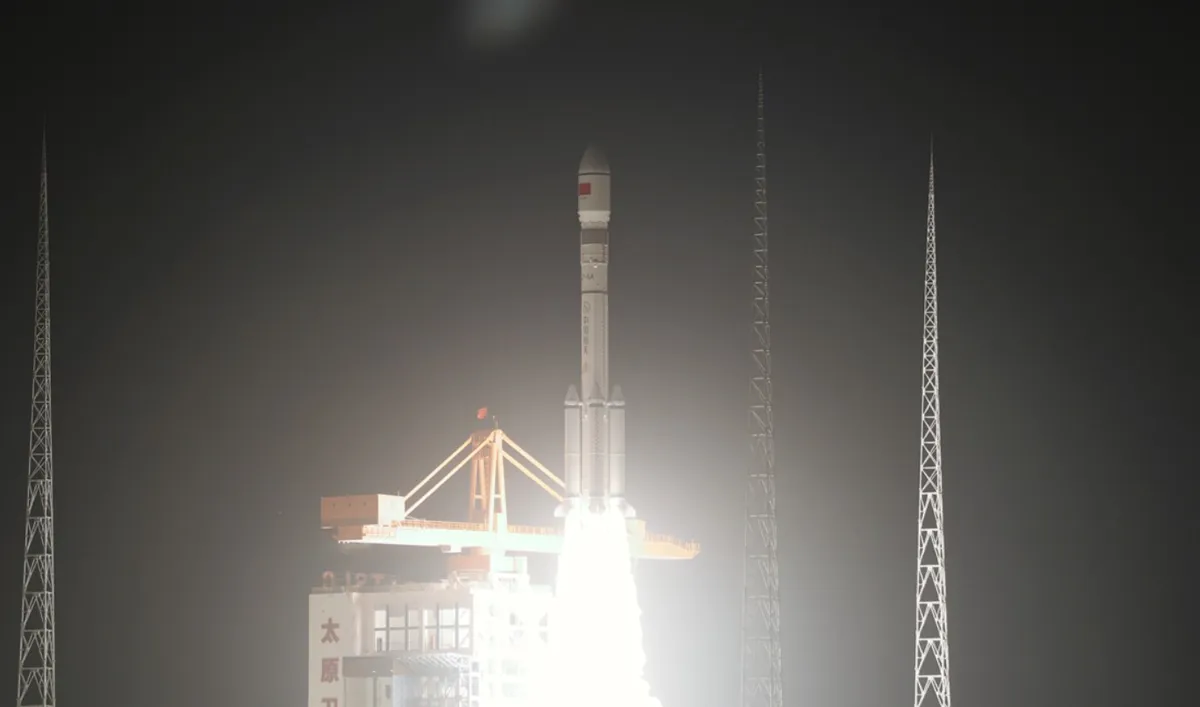
Yaogan-50 (02) satellite breaks up, sheds 43 tracked debris pieces
China's Yaogan-50 (02) satellite broke apart in a rare retrograde orbit; the US Space Force has cataloged 43 debris pieces.
China's Yaogan-50 (02) satellite broke apart in a rare retrograde orbit; the US Space Force has cataloged 43 debris pieces.
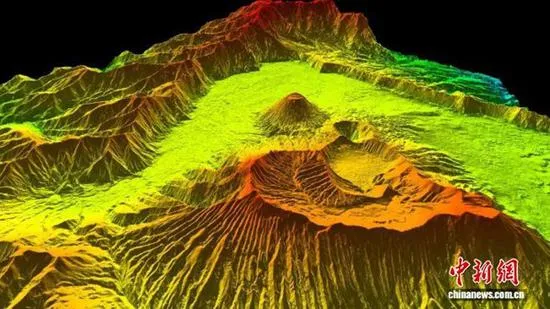
Chang Guang Satellite says its new 19-satellite fleet is the world's largest dedicated 3D-mapping constellation.
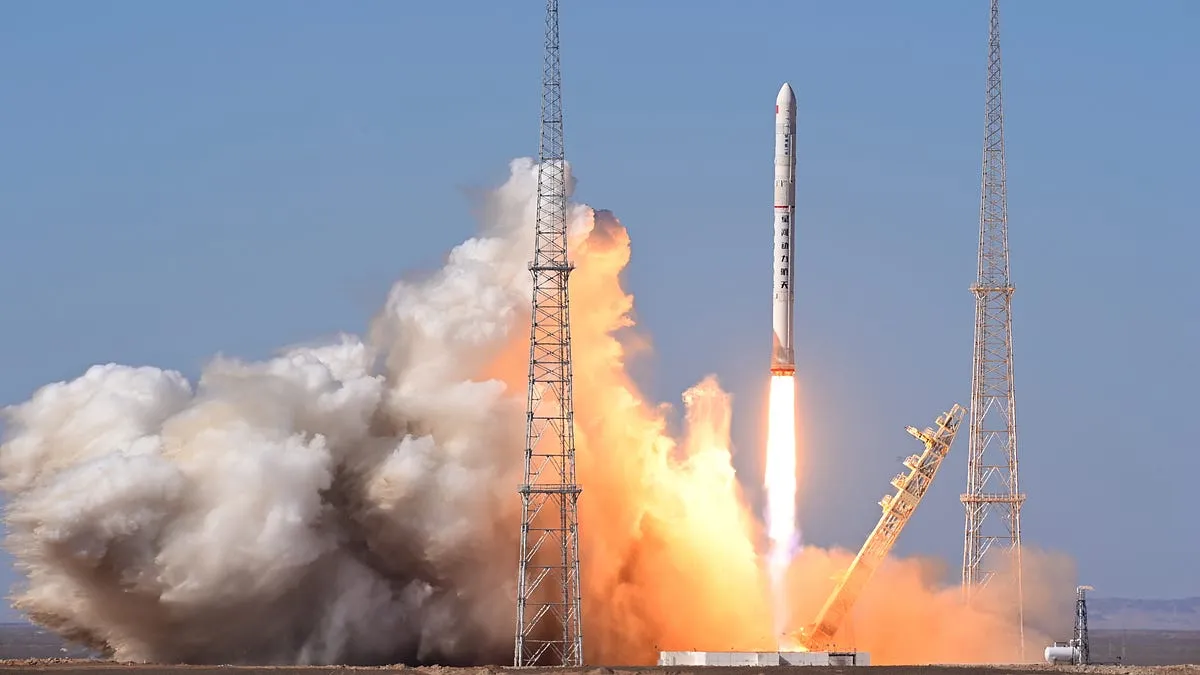
China's Galactic Energy flew its new Pallas-1 rocket for the first time, reaching orbit on a test flight with no customer payload.
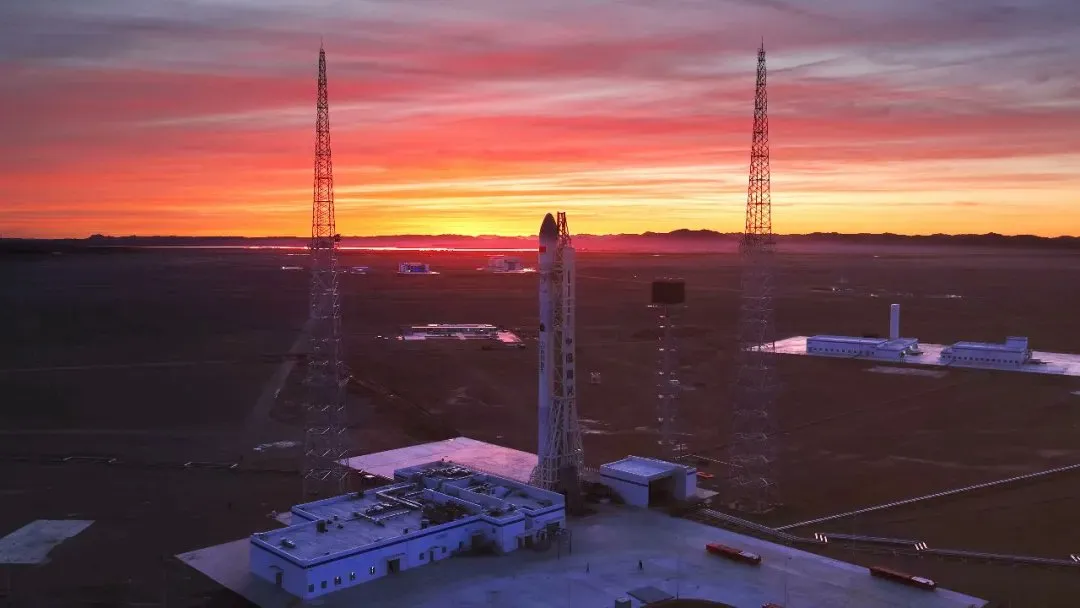
Galactic Energy launched the Pallas-1 Y1 rocket on its maiden flight from the Dongfeng commercial space site at Jiuquan on September 1 at 10:00 a.m. Beijing time (02:00 UTC), carrying no customer or internal payload; both stages separated normally and the second stage reached its target sun-synchronous orbit, completing the flight's test objectives, per Xinhua and China-in-Space. No booster-recovery hardware was installed on this flight; Galactic Energy said the debut completes the first of a three-step plan toward routinely reusing the first stage, which the company says will progress to a controlled descent and an eventual first-stage landing on future flights, per China-in-Space.
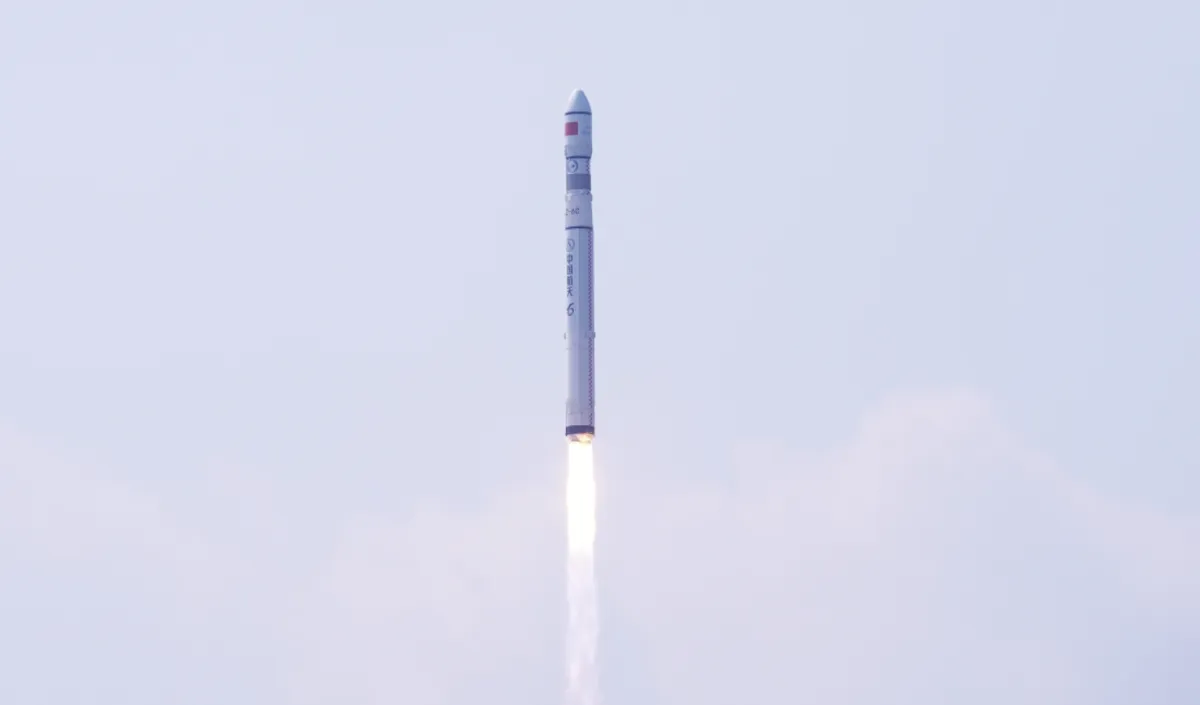
A Long March 6C upper stage fragmented in orbit two days after launch, adding tens to hundreds of debris pieces to a low orbital shell.
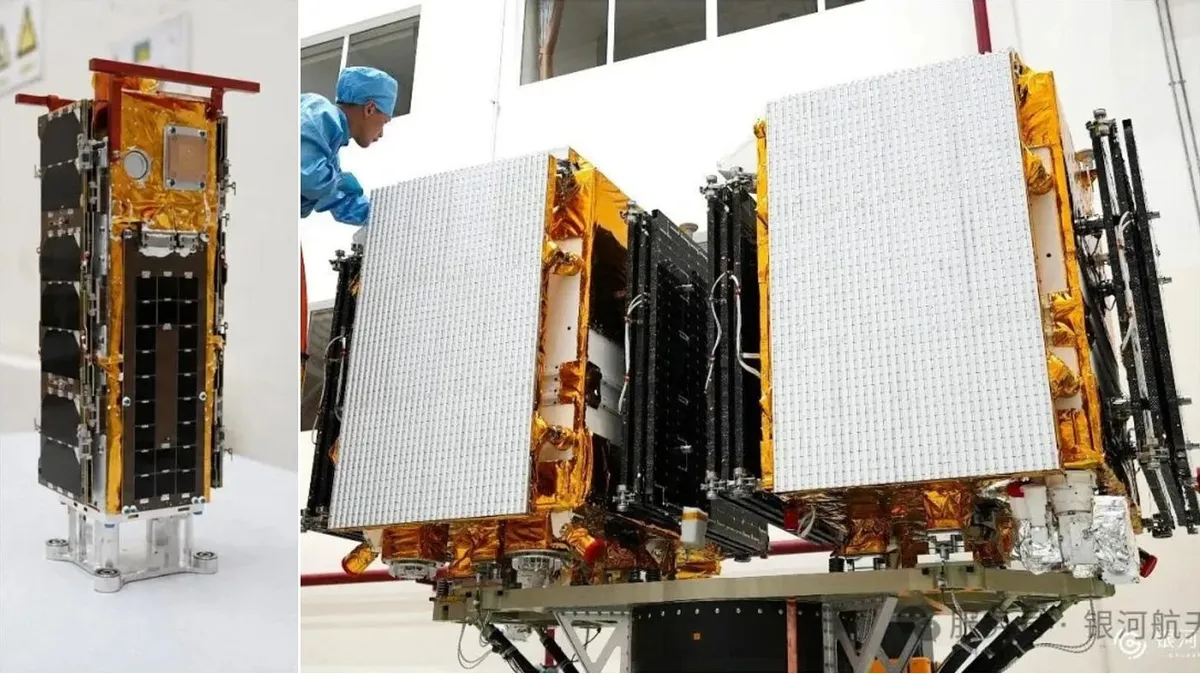
GalaxySpace built, launched, and delivered a full satellite package to Thailand's GISTDA, a first for a Chinese commercial space firm.
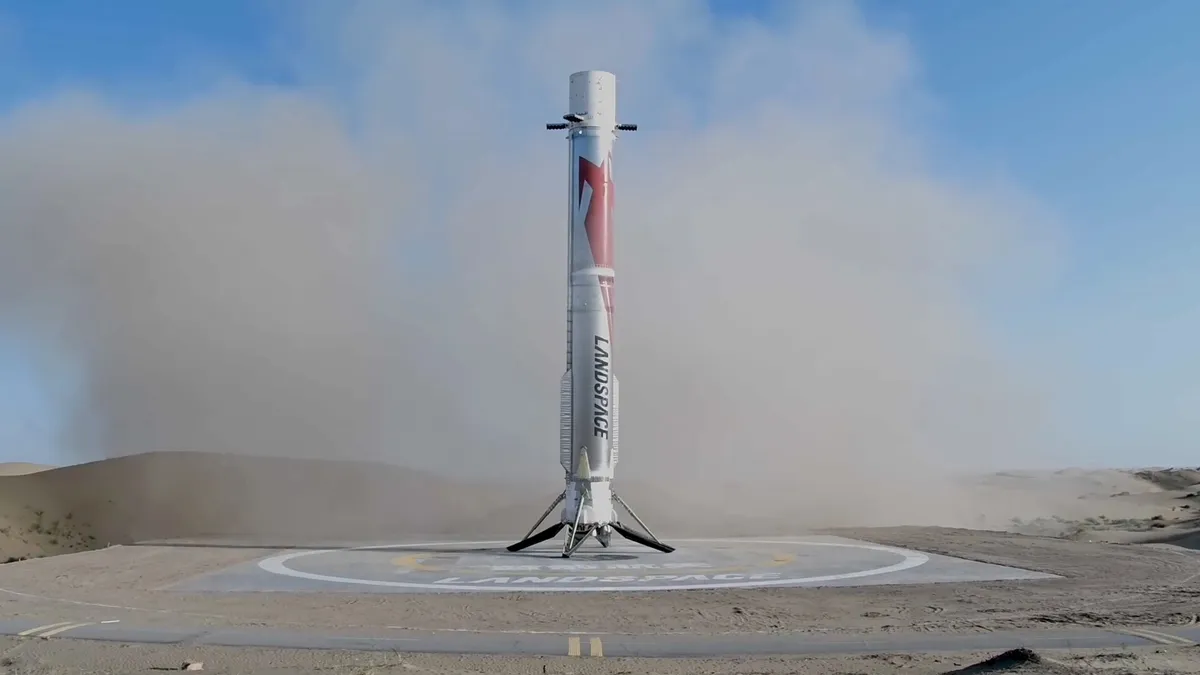
LandSpace landed Zhuque-3's booster on its second flight, a China first, but the recovered stage later tipped over on the pad.
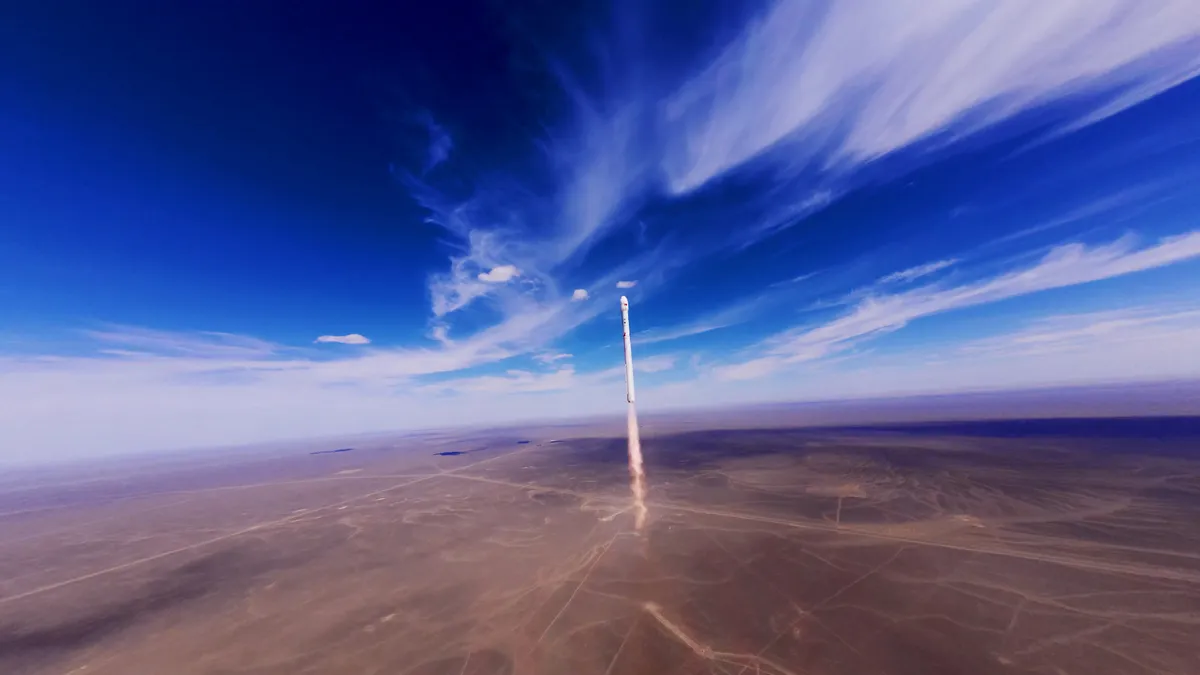
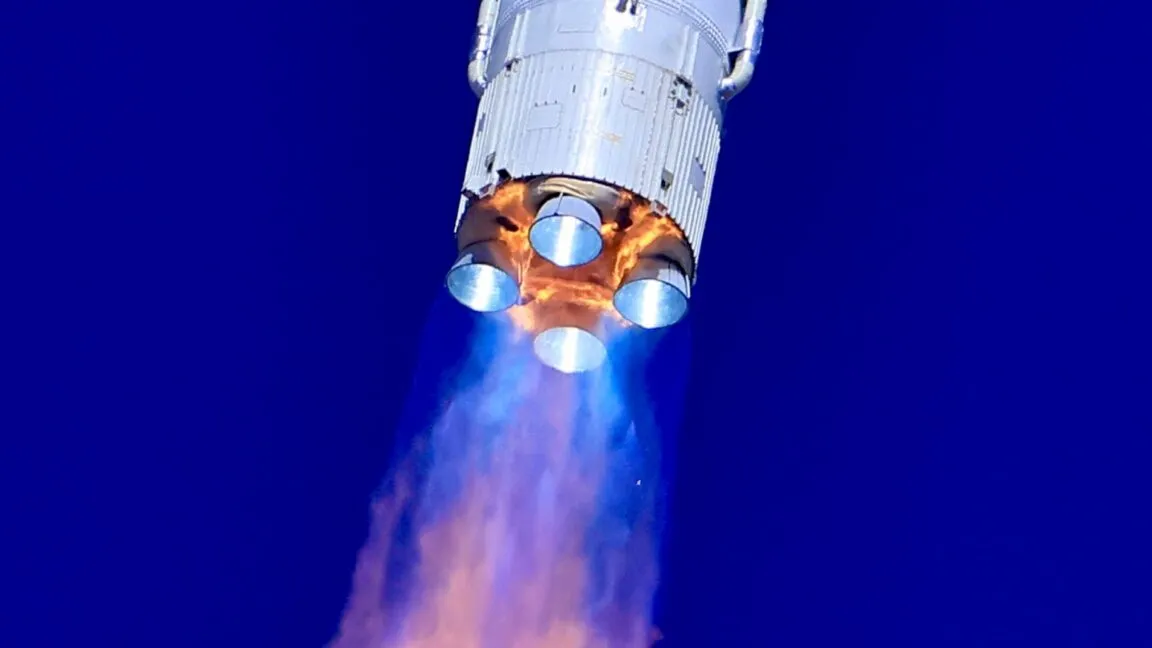
LandSpace launched its Zhuque-3 rocket on its second flight from the Dongfeng Commercial Space Innovation Pilot Zone at the Jiuquan Satellite Launch Center at 23:35 UTC on Aug. 18, carrying a prototype LEO communications satellite for its subsidiary Hongqing Technology, per SpaceNews, Space.com and NASASpaceflight. About 137 seconds after stage separation, the first stage completed a powered vertical landing on deployable legs roughly 390 km downrange in Minqin County, Gansu province, becoming the first Chinese company to recover an orbital-class booster and the first recovery in China using landing legs rather than net capture. Zhuque-3's December 2025 debut flight reached orbit, but its booster crashed during an earlier landing attempt. LandSpace said the mission moves Zhuque-3 "from the technological demonstration and verification phase toward the engineering application phase of reusability," per Space.com. LandSpace was targeting a reflight of the recovered booster within six months, a company representative told SpaceNews. Days later, the booster tipped over on the recovery pad: a fire broke out near its base during propellant offloading and one of its four landing legs failed, per NASASpaceflight and China in Space. China in Space reported the fall damaged the interstage and both propellant tanks and deformed two of the booster's nine Tianque-12A engine nozzles.
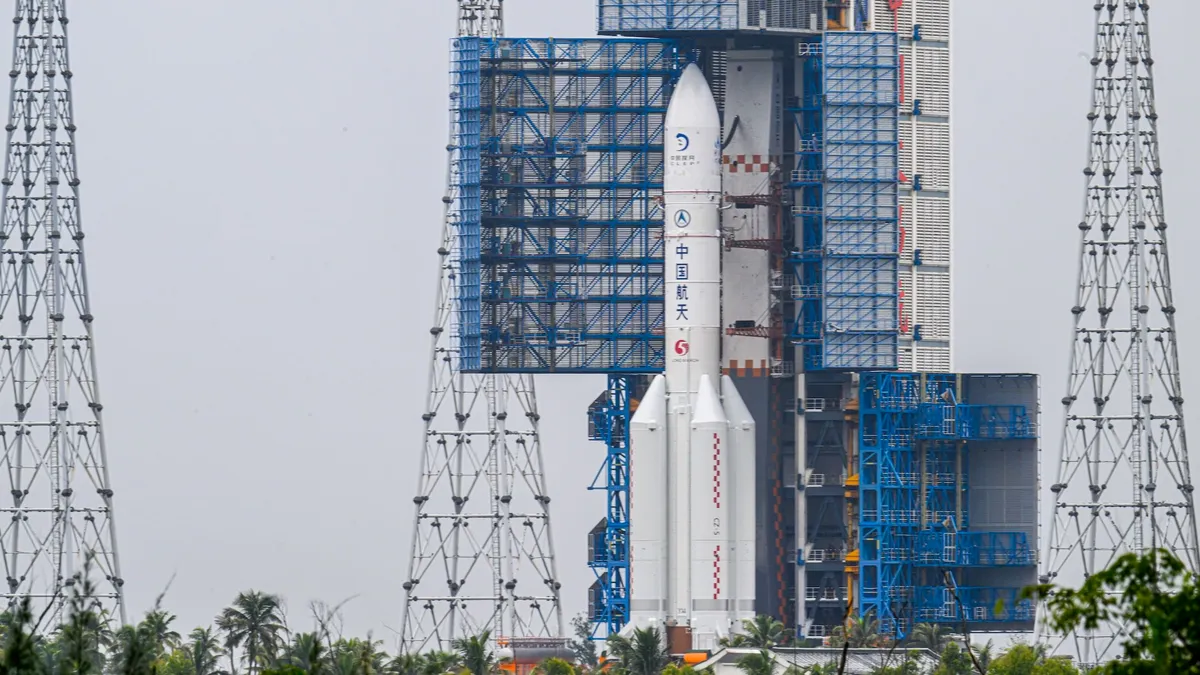
China's ice-hunting lunar lander missed its launch window this year, with no confirmed new date.
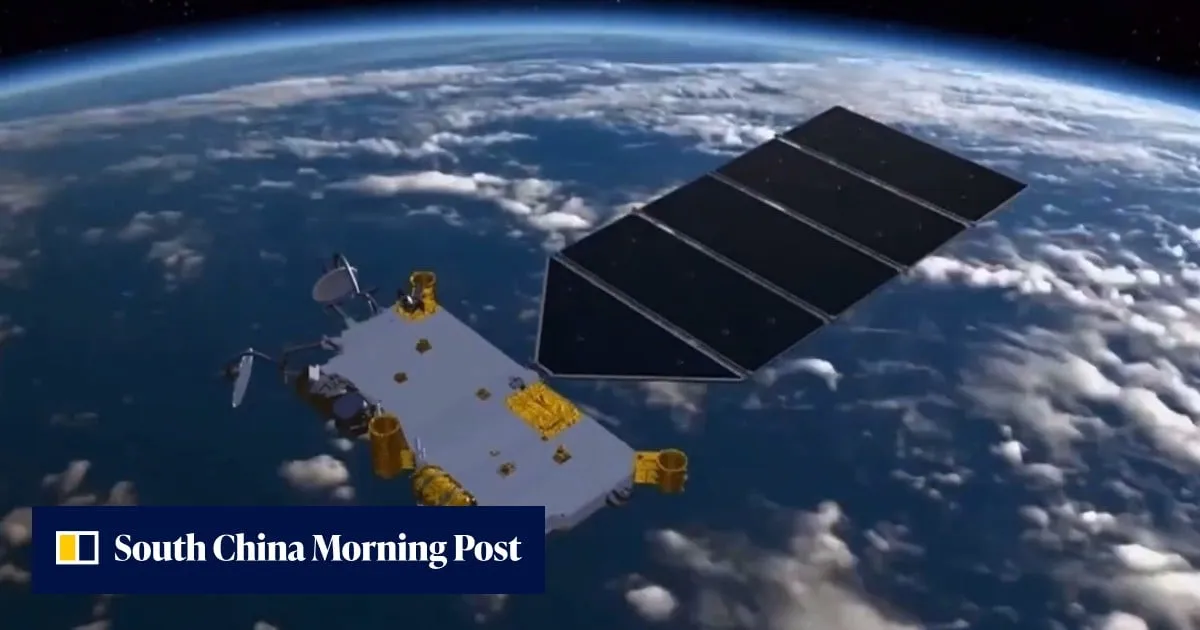
Qianfan operator SpaceSail closed a 7 billion yuan ($1B) Series B, a record for China's satellite-internet sector.
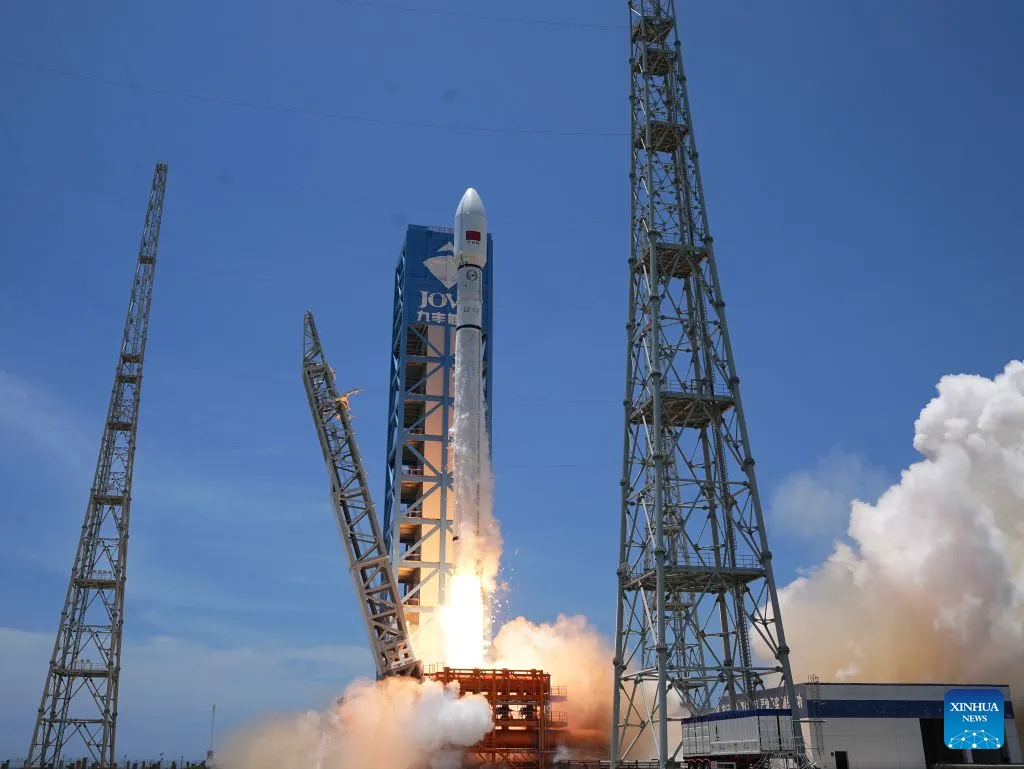
A Long March-12 launched GuoWang's 24th satellite batch from Hainan, China's first flight since the Aug 10 Long March-7A failure.
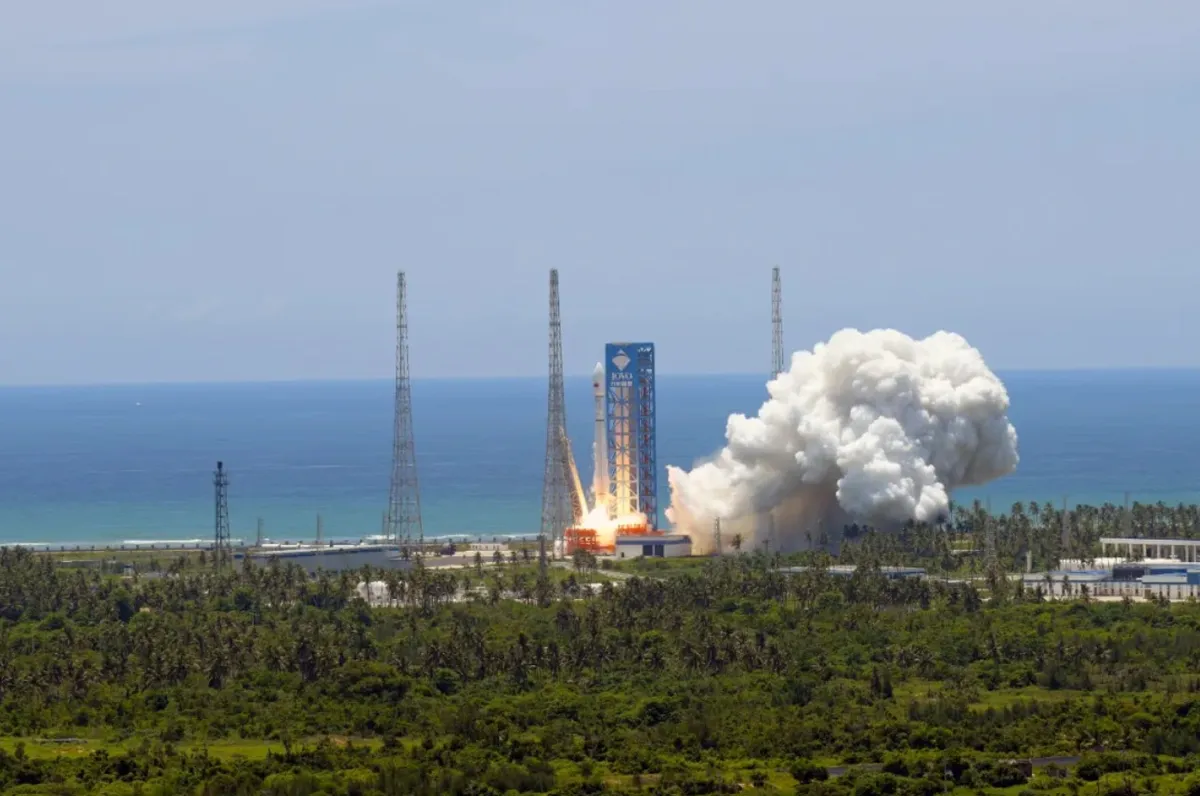
A Chinese Long March 2C rocket put the UAE's first university-built Earth observation satellite into orbit from Taiyuan.
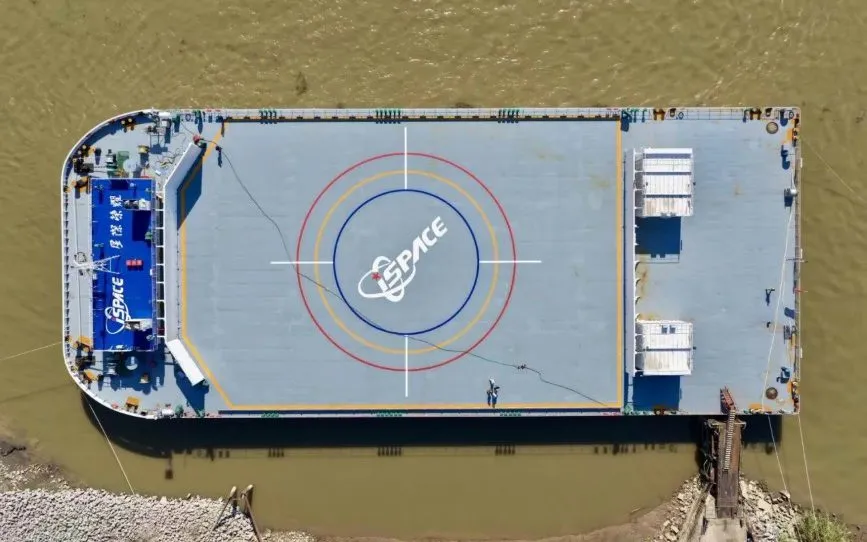
China's iSpace closed a $148 million first tranche of a Series E round for its reusable Hyperbola-3 rocket, with fundraising ongoing.
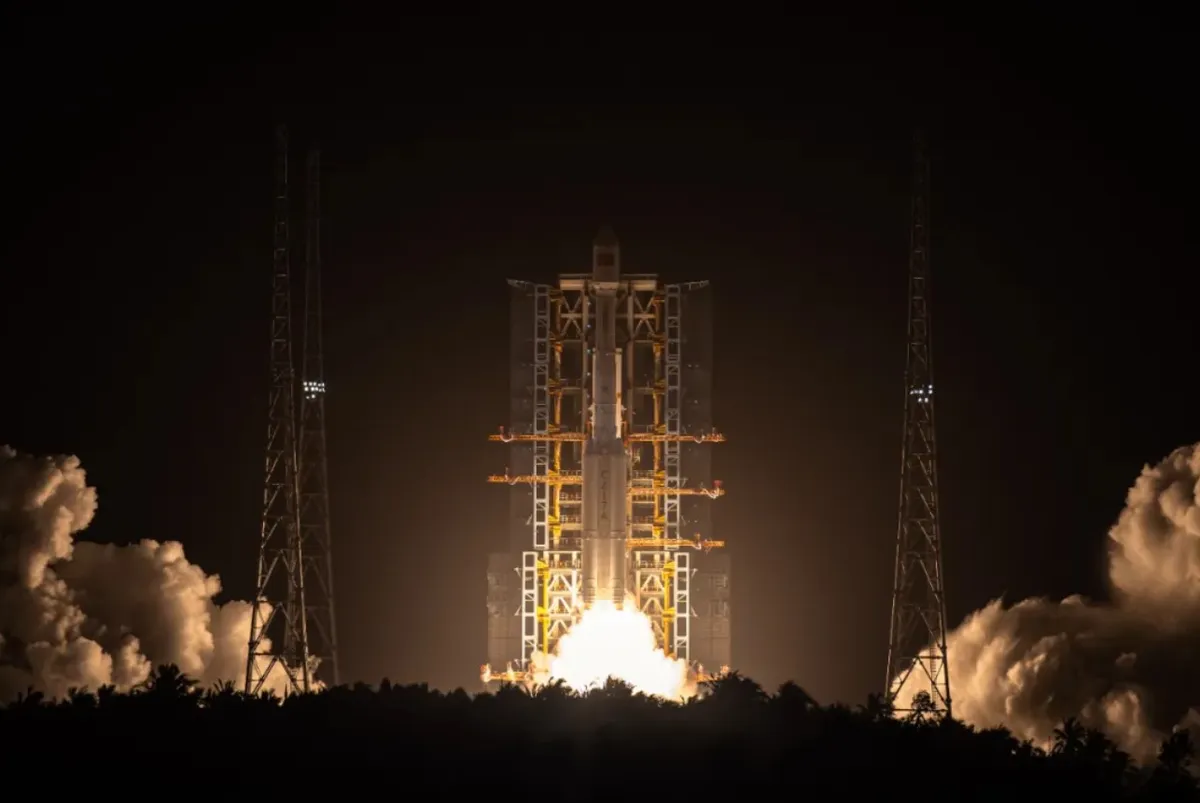
A Long March 7A carrying the ChinaSat-4B communications satellite exploded about 85 seconds into flight from Wenchang.

China's STAR.VISION launched Lampung-1 and Samarkand-2028, sovereign hyperspectral satellites built for Indonesia and Uzbekistan.
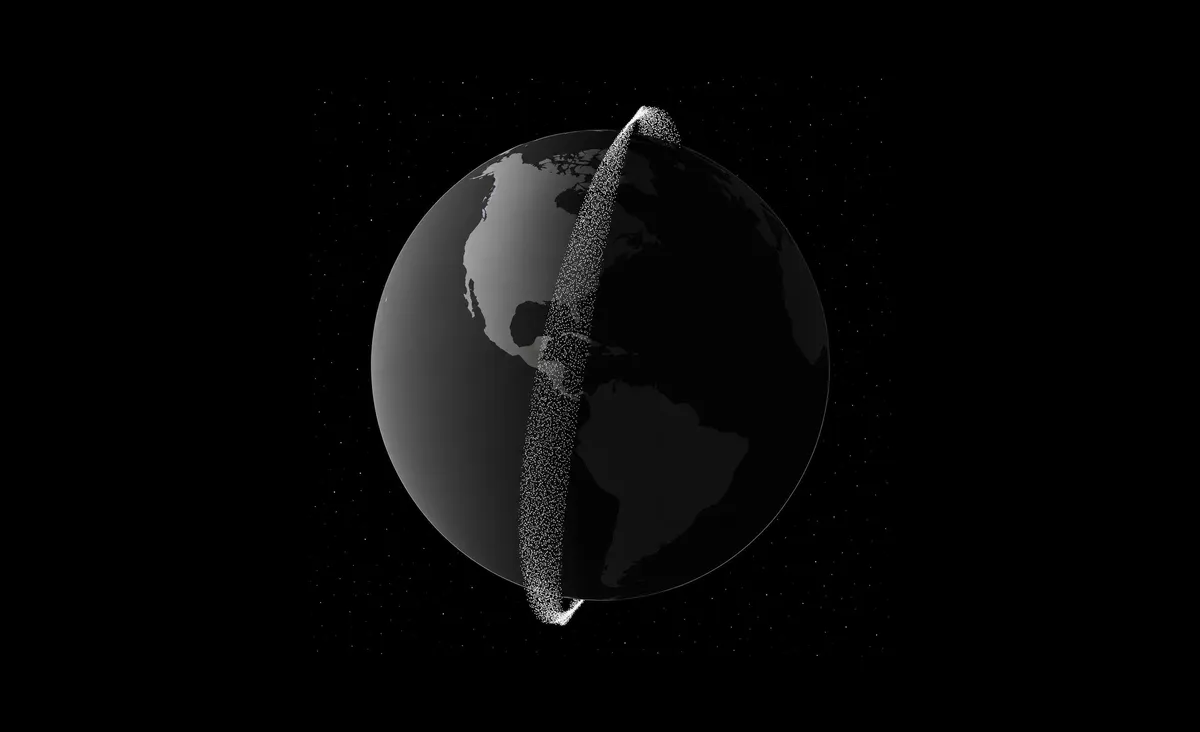
Per ESPI: Chinese orbital-computing ventures are moving to deployment while Europe still weighs the concept.
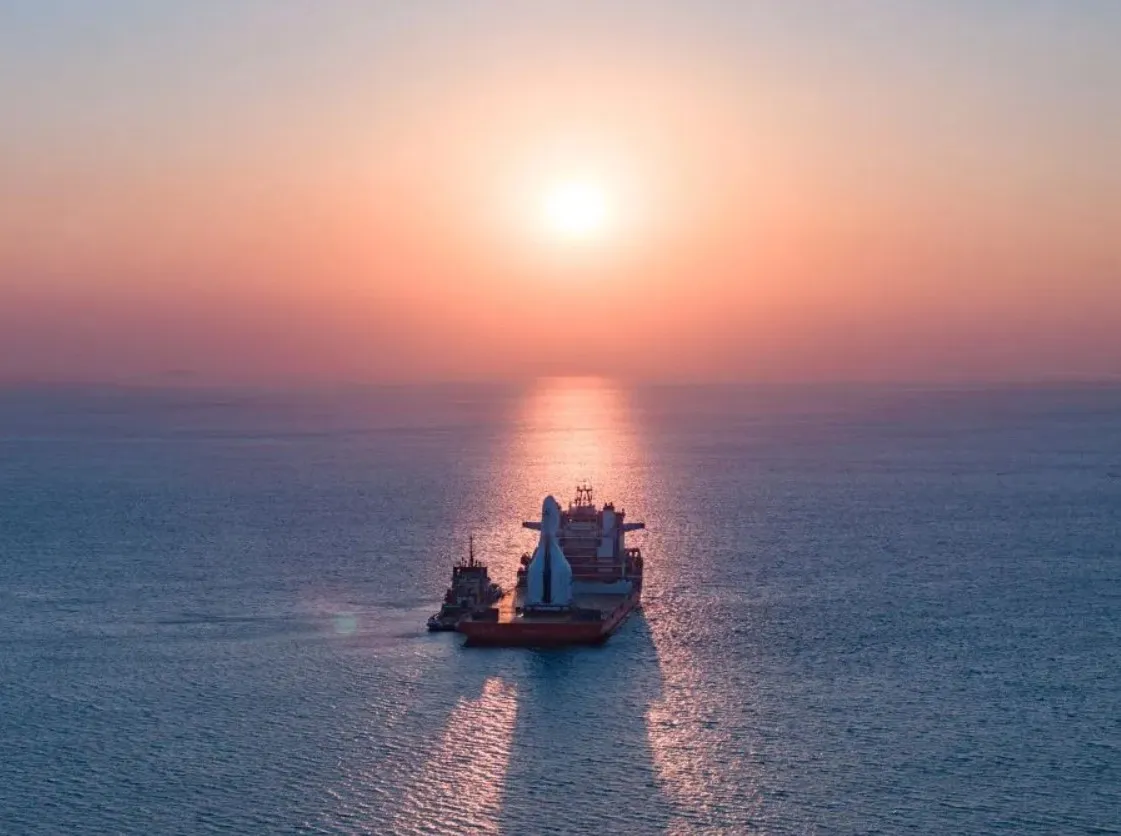
The Chinese launch startup closed a pre-C funding round and began IPO coaching while pushing Gravity-2 toward a Q4 debut.
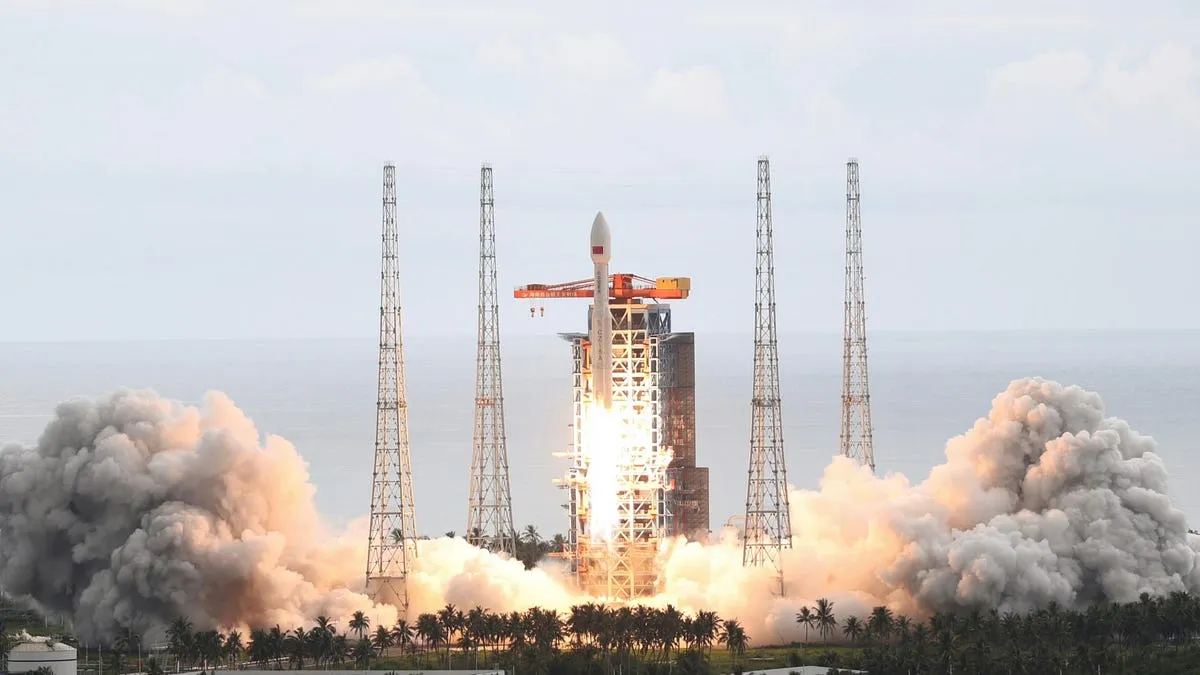
Nine more GuoWang broadband satellites reached orbit on a Long March-8A, taking the constellation past 180 launched.
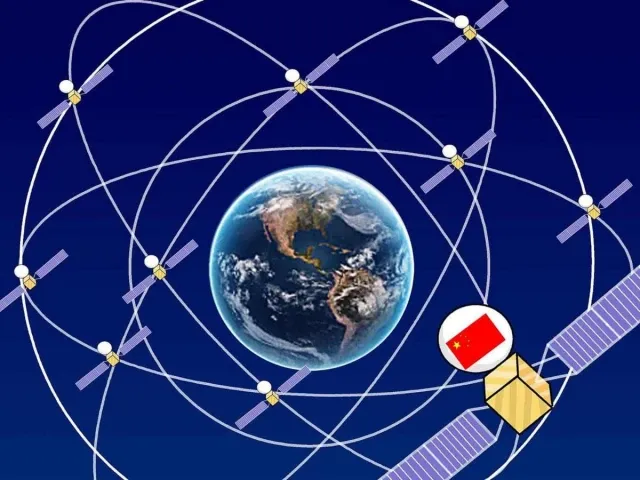
CSNO says a software-only in-orbit upgrade to BeiDou's 50 satellites improves positioning and timing accuracy.
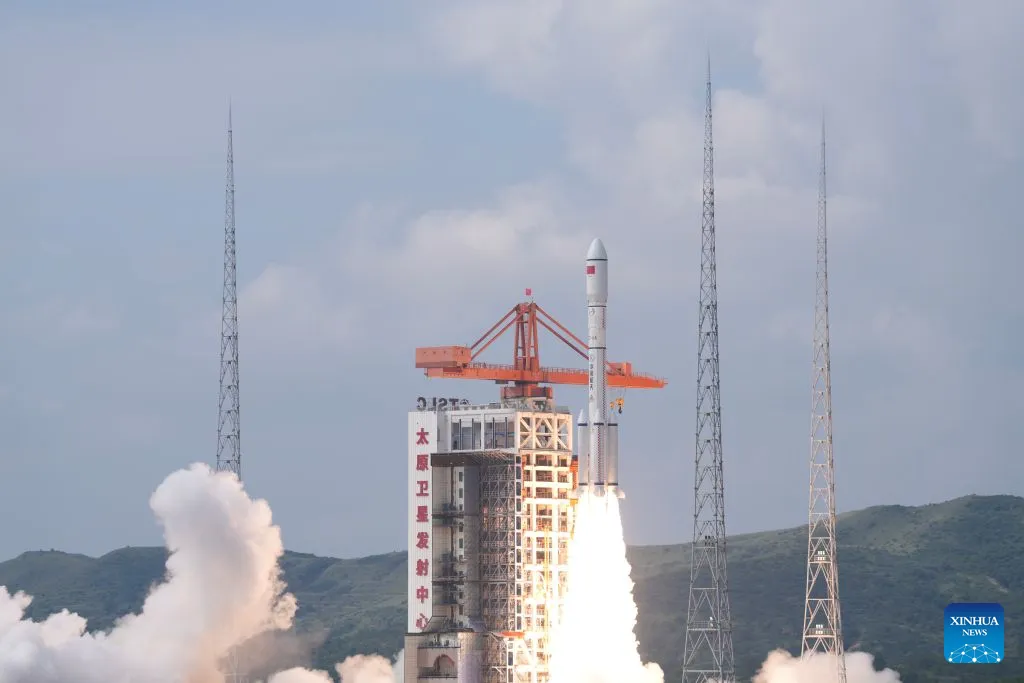
A modified Long March-6 carried new communications test satellites into orbit from Taiyuan, per Xinhua and CASC.
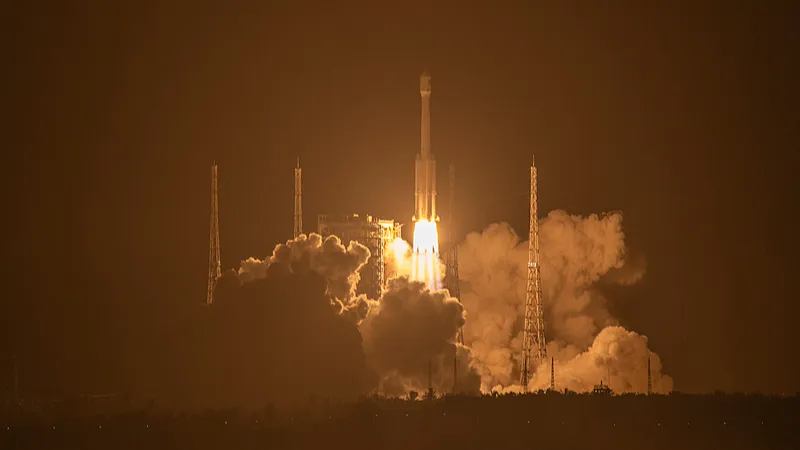
A Long March-7A rocket carried China's Tianlian III-01 relay satellite into orbit from Wenchang, per Xinhua.
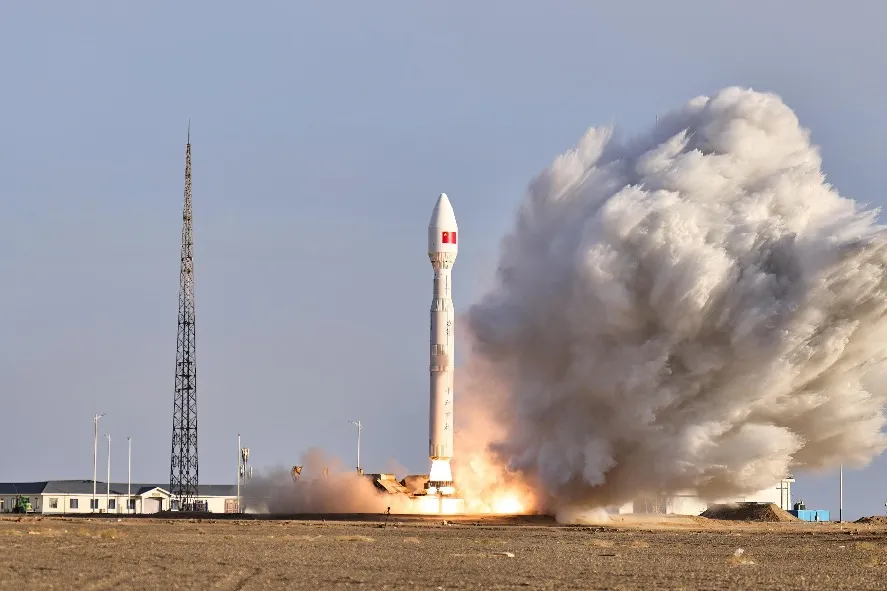
ATmoto's Gande-01, per Xinhua, is China's first commercial space debris monitoring satellite in a planned 120-satellite network.
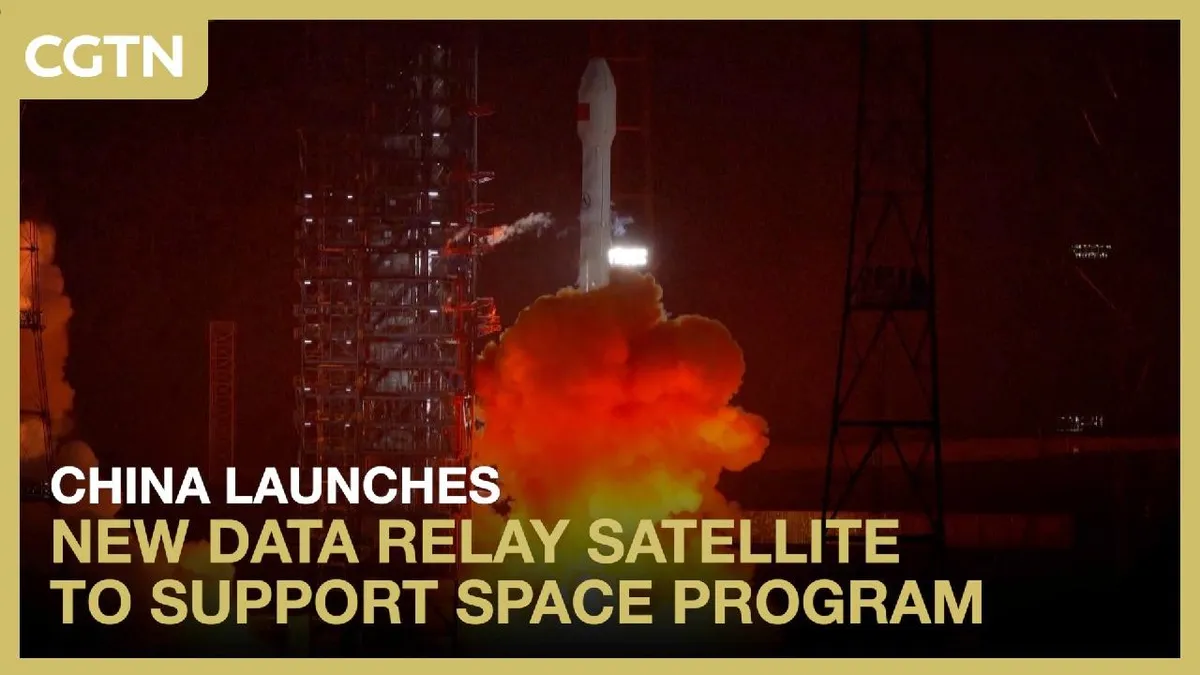
A Long March-3B carried China's Tianlian II-06 relay satellite into orbit from Xichang despite a lightning strike, per Xinhua and SpaceNews.
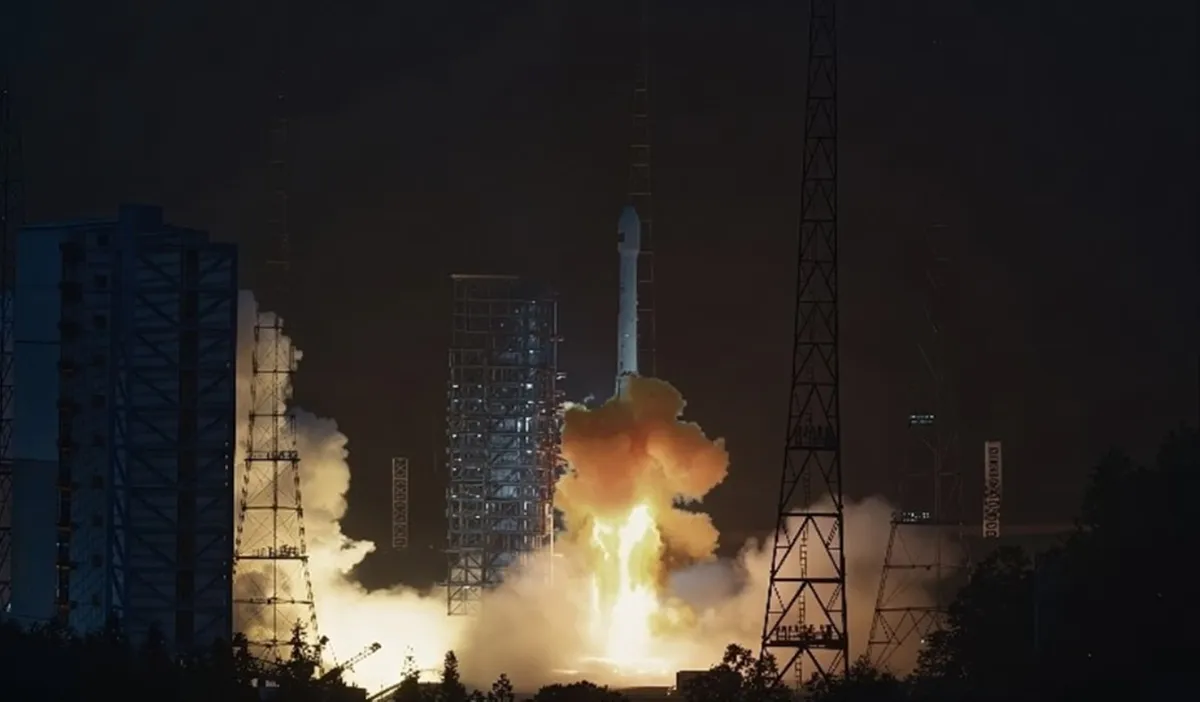
CAS Space's Kinetica-1 solid rocket delivered five commercial Earth observation and tech demo satellites to orbit from Jiuquan.
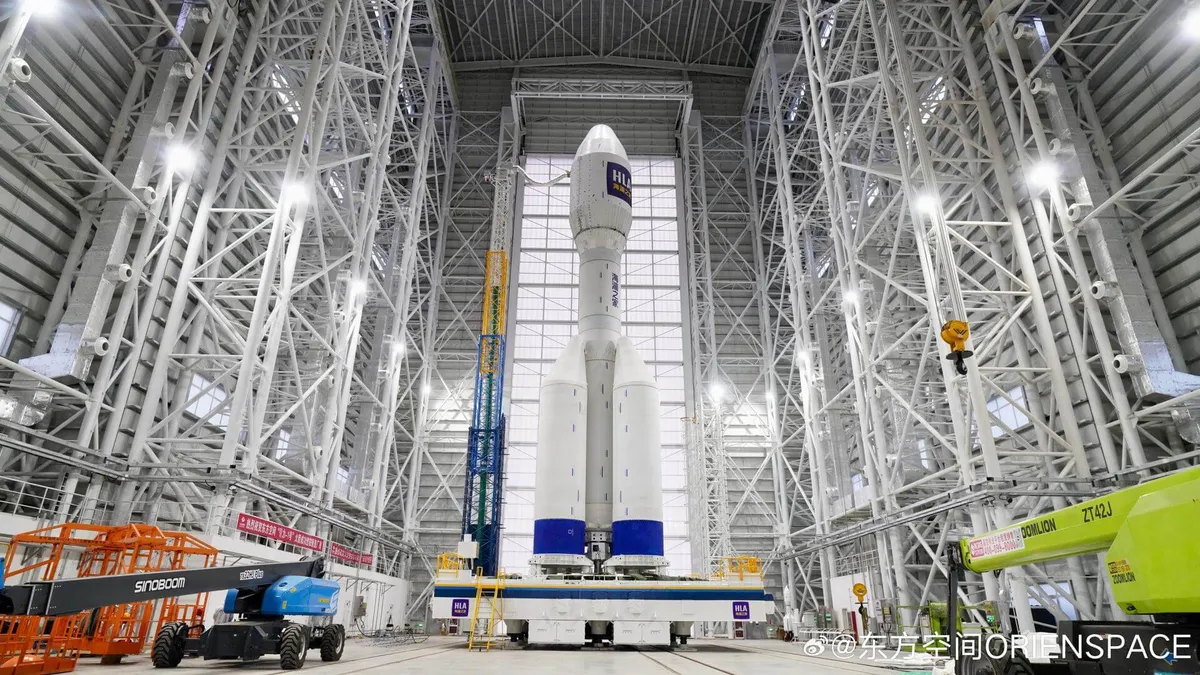
Orienspace's solid-fuel Gravity-1 rocket carried nine satellites to orbit from a sea launch platform off Shanghai.
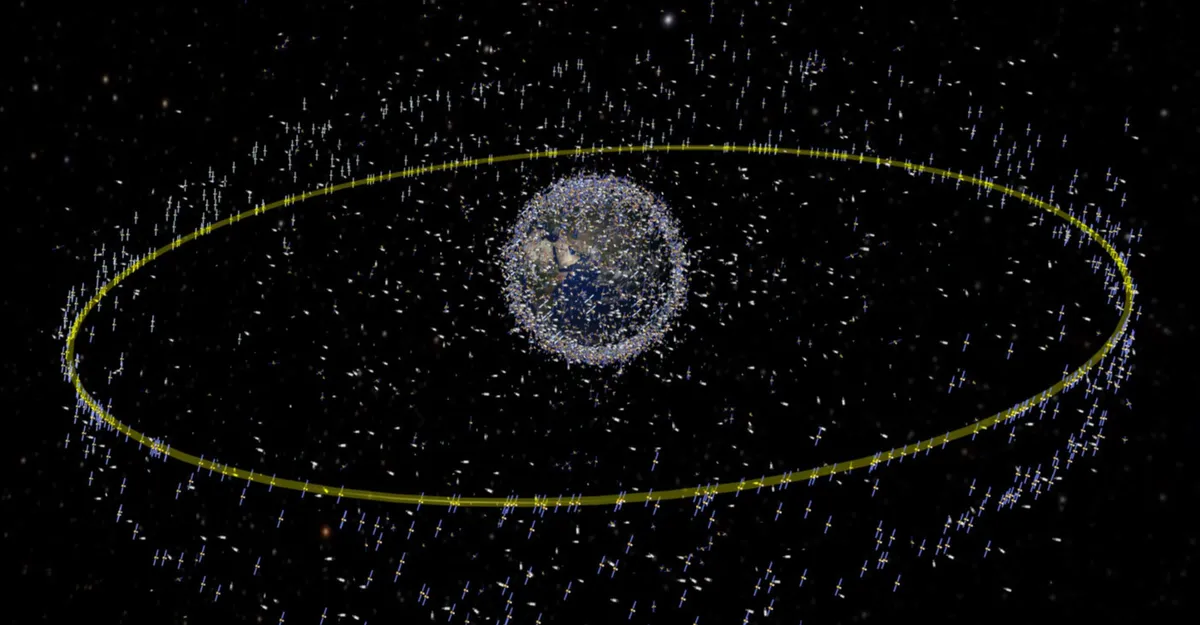
The Beijing startup raised nearly 100 million yuan to build its Guanlan space situational-awareness constellation.
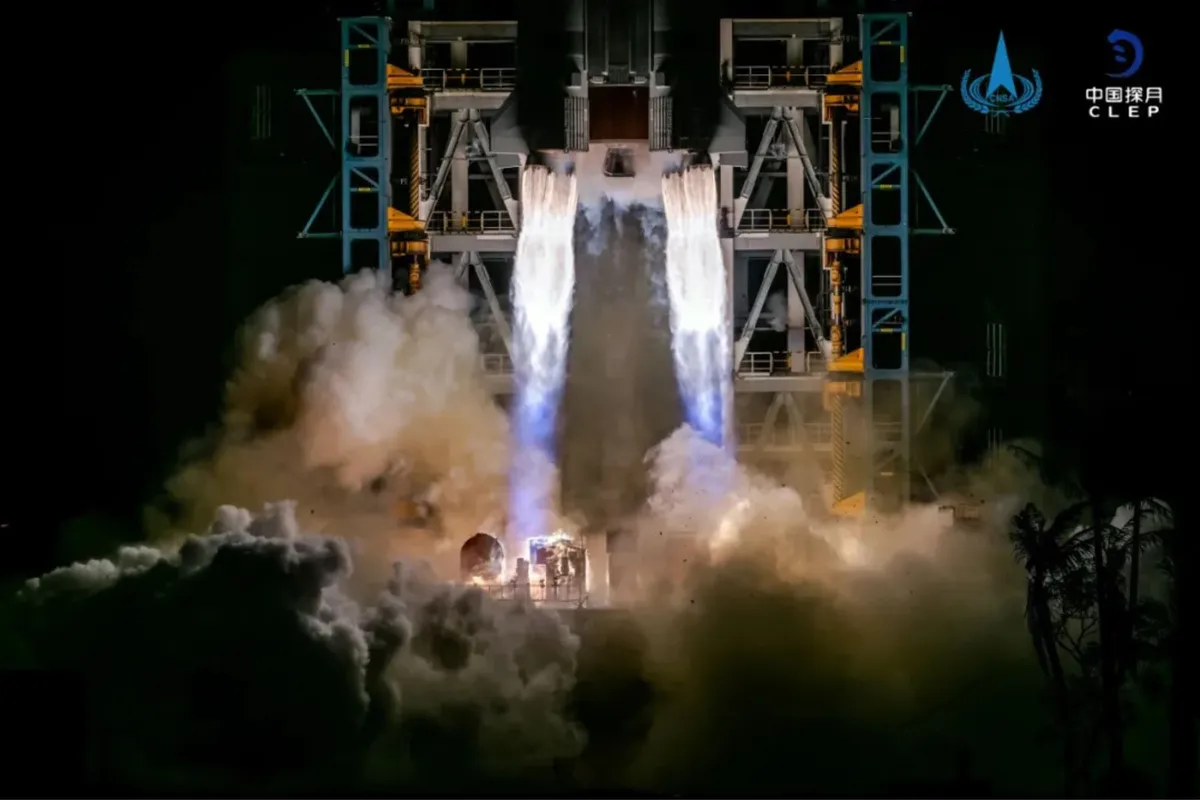
Six-month-old Chinese startup LegendSpace raised 200 million yuan ($29.5M) to build AI-designed liquid rocket engines.
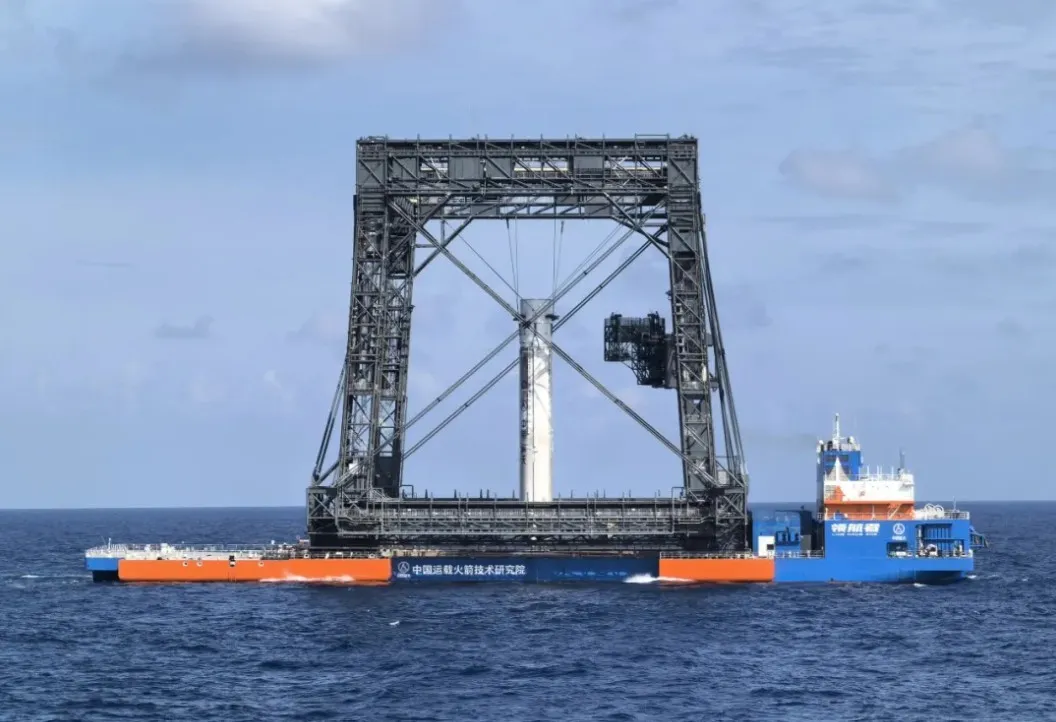
CALT confirmed the methalox Long March 10C as its commercial launch workhorse after the 10B's first booster recovery.
The Long March 12B developer's registered capital nearly tripled to about 4.17 billion yuan as investors expanded stakes.
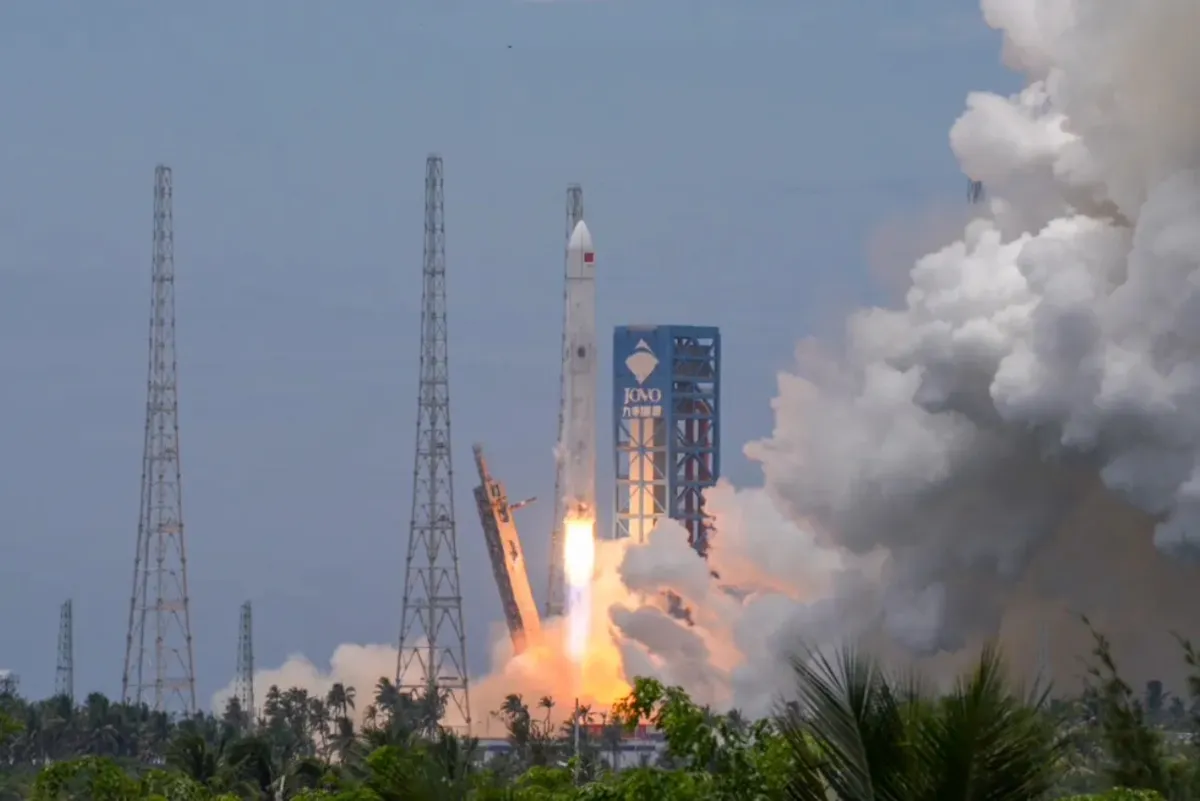
China's Long March 10B flew for the first time and recovered its first stage at sea, the second country to do so.
China Aerospace Science and Technology Corporation (CASC) launched the Long March 10B on its maiden flight from the Hainan Commercial Space Launch Site early July 10, carrying a satellite that reached its planned orbit, per SpaceNews and Space.com. About six minutes after stage separation, the first stage returned vertically and was captured by a net system aboard a sea-based recovery platform, the vessel Linghang Zhe, roughly 11 minutes after liftoff, per CASC's own statement quoted by Space.com. CASC said it intends to reuse the recovered stage before the end of 2026.
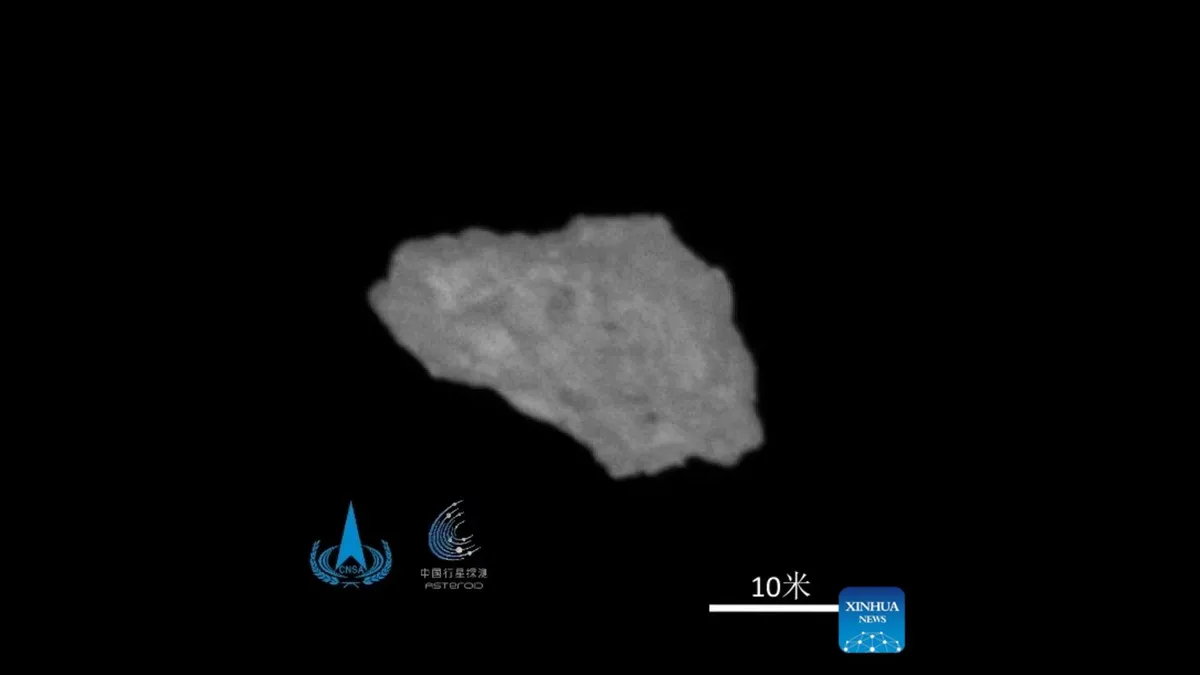
Tianwen-2 closed to 20km of Kamo'oalewa and sent its first photos, revealing a smaller asteroid than expected.
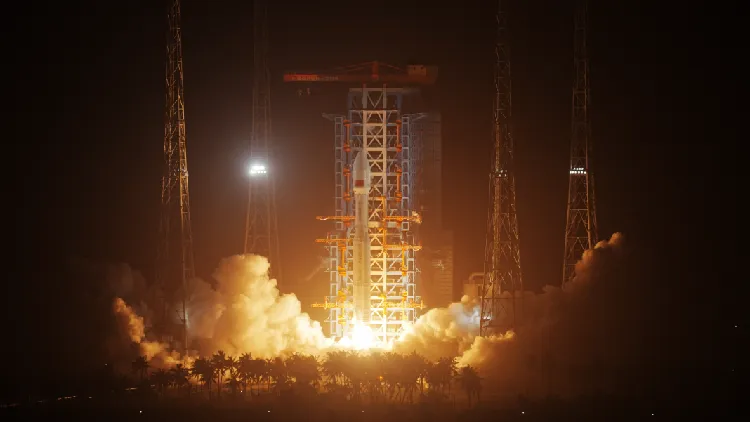
The largest Qianfan group yet per China in Space: 20 satellites, taking the constellation to 238 deployed.
Jilin-1 operator Chang Guang Satellite raised about 5 billion yuan for satellite production and constellation growth.
Another SpaceSail constellation batch, launched a day before a second group flew from Hainan.
A satellite-manufacturing affiliate of launch company Landspace raised over 1.3 billion yuan from state-linked banks and investment funds.
SASTIND published the first roster of China's commercial space innovation consortium, naming 271 organizations across nine groups.
Per Securities Times via Reuters: up to three new investors for at most a 20% combined stake to fund constellation buildout.
The US Space Force confirmed the breakup; a LeoLabs analyst estimates 100-150 debris pieces, per Ars Technica.