GalaxySpace-built PIESAT-2 radar quartet reaches orbit on Long March 2D
GalaxySpace · Zhuzhou Space Interstellar Satellite Technology
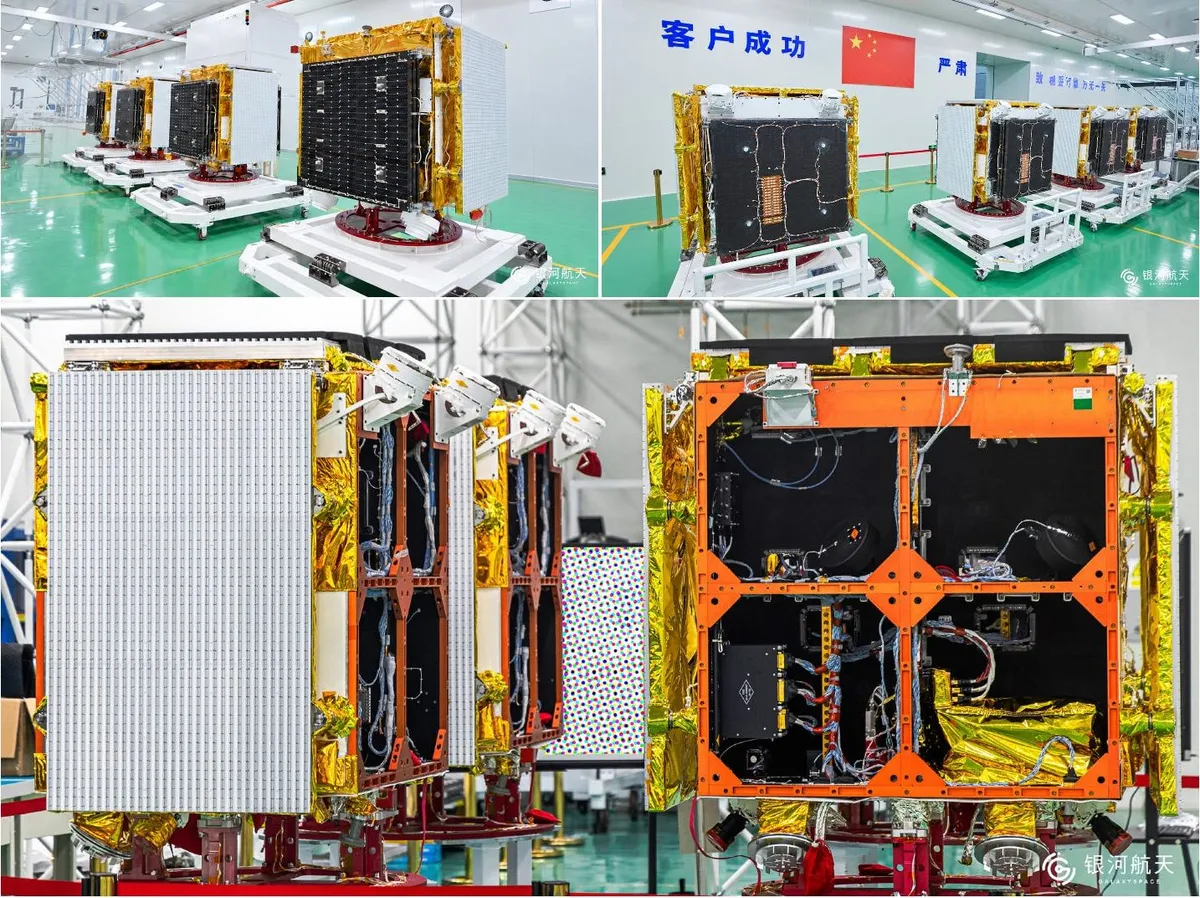
Four more PIESAT-2 SAR satellites launched from Taiyuan, taking the commercial constellation to 12 second-generation spacecraft.
what happened
A Long March 2D rocket lifted off from the Taiyuan Satellite Launch Center at 18:50 Beijing time (10:50 UTC) on September 19, carrying four PIESAT-2 satellites, designated -13 through -16, into sun-synchronous orbit, per China in Space and China Daily. The satellites are operated by Zhuzhou Space Interstellar Satellite Technology Co Ltd and were built by GalaxySpace, which equipped them to collect high-resolution synthetic aperture radar imagery and perform in-orbit data processing before downlink; the launch brings the second-generation PIESAT-2 fleet to 12 satellites. China Daily reports it was China's 69th orbital launch of 2026 and GalaxySpace's 53rd independently developed satellite deployed.
why it matters
PIESAT-2 is a commercially operated Chinese SAR constellation selling imagery to domestic customers, adding to the wave of Chinese EO capacity (alongside Chang Guang, Head Aerospace and others) that Western SAR operators like ICEYE and Umbra increasingly compete against in third-market sales, even though PIESAT-2 itself has no announced export customers.
signal-to-noise
quick facts
- Companies
- GalaxySpace, Zhuzhou Space Interstellar Satellite Technology
- Category
- launch
- Impact
- noise
- SNR
- 4 / 5
- Event date
- 2026-09-19
- Published
- 2026-09-19 17:27 UTC