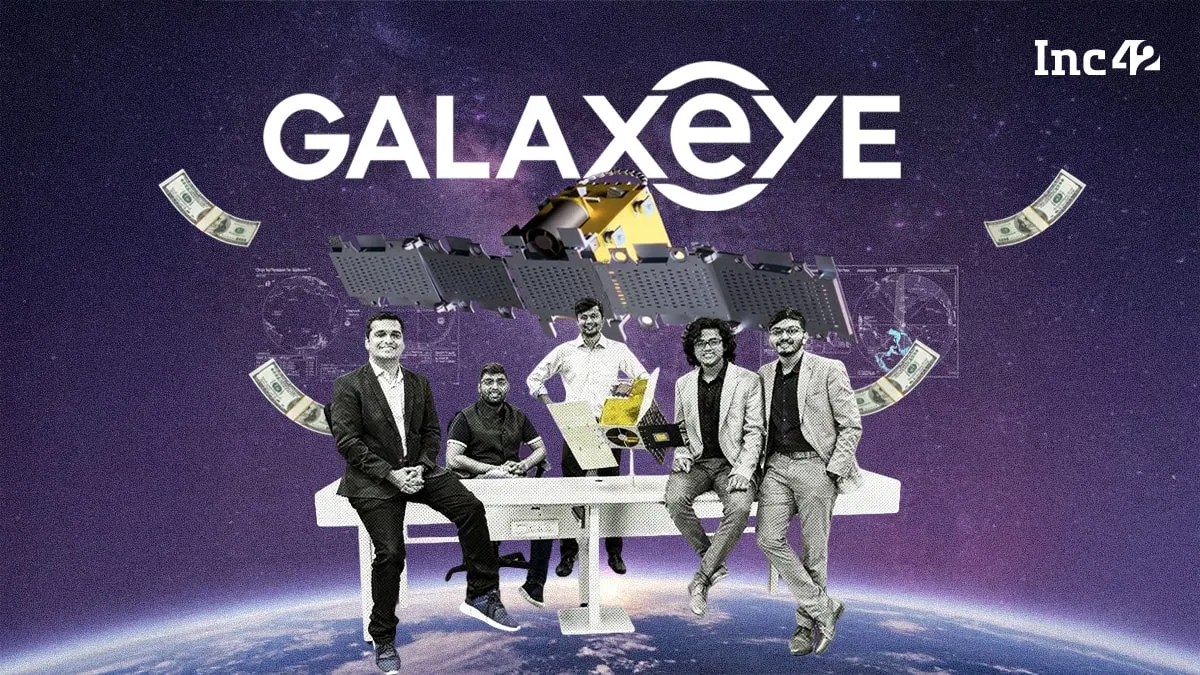
GalaxEye secures US patent for OptoSAR satellite imaging tech
GalaxEye became the first Indian startup to win a US patent for its OptoSAR tech, which fuses optical and SAR imaging on one satellite.
GalaxEye became the first Indian startup to win a US patent for its OptoSAR tech, which fuses optical and SAR imaging on one satellite.

Cowboy Space is leasing a 291,000-square-foot former Costco building in Kent, Wash. to build its orbital data center satellites.
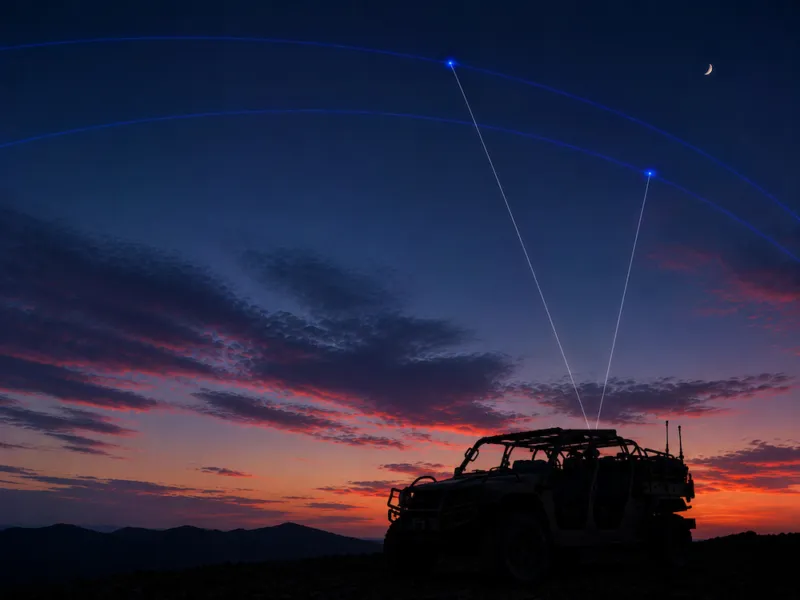
ST Engineering iDirect piloted its INT3000 modem, which supports both 5G NR-NTN and existing DVB satellite waveforms in one device.
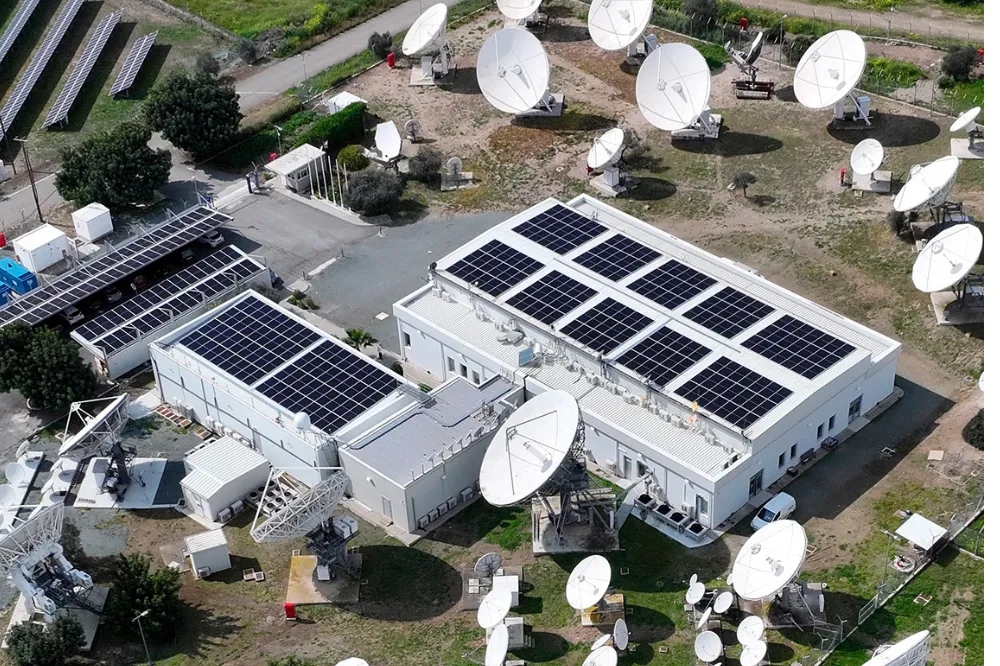
Sparkle and Hellas Sat extended quantum-safe encryption over a live satellite link connecting their Athens and Cyprus infrastructure.

KSAT is running demo campaigns with NOAA and ESA to validate its future HYPER relay network ahead of a late-2027 launch.
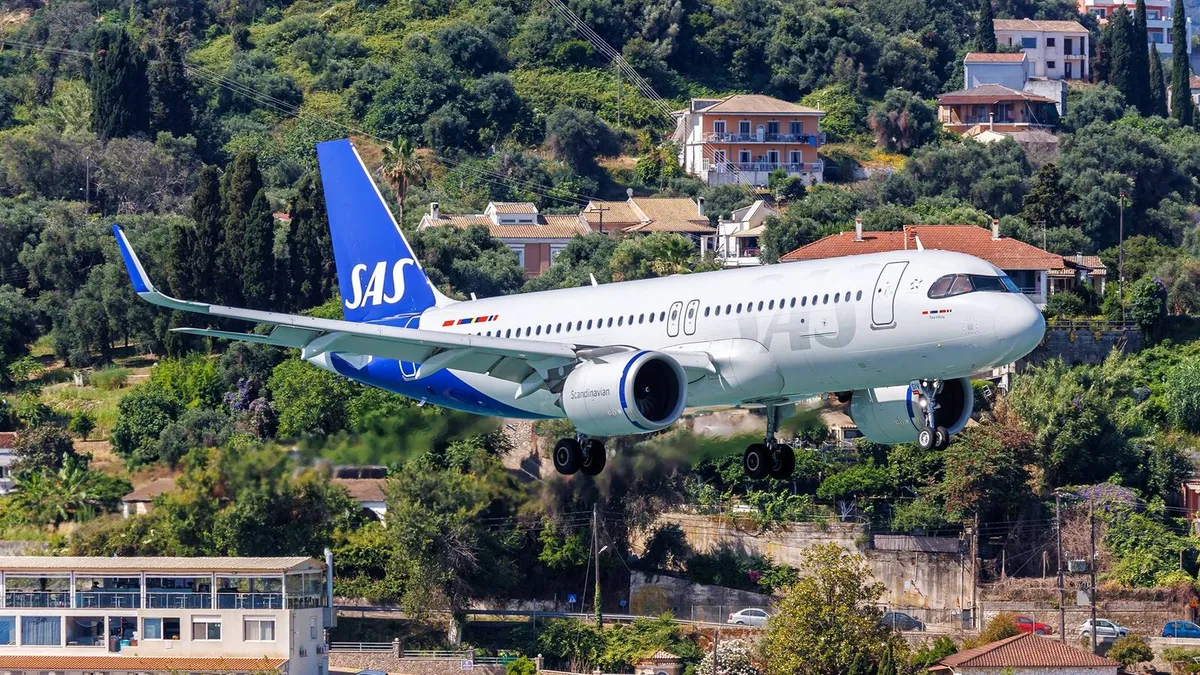
SAS finished fitting Starlink Wi-Fi to all 81 of its Airbus A320neo aircraft six months after starting.
Farcast validated its electronically steered antenna over Telesat's LEO 3 test satellite, a step toward a Lightspeed user terminal.

York introduced the LX/V-Class, a satellite bus built to sustain very low Earth orbit for tactical imaging and communications payloads.
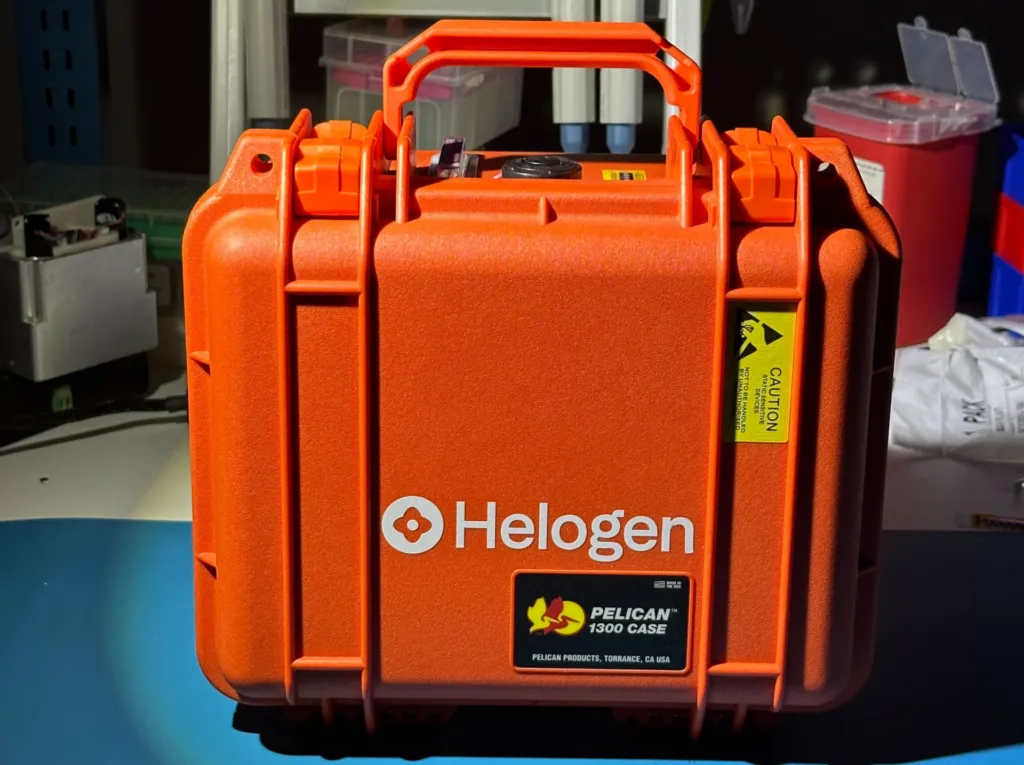
Per Payload: Helogen plans two October orbital missions, making biopolymers on one and retina proteins with LambdaVision on the other.
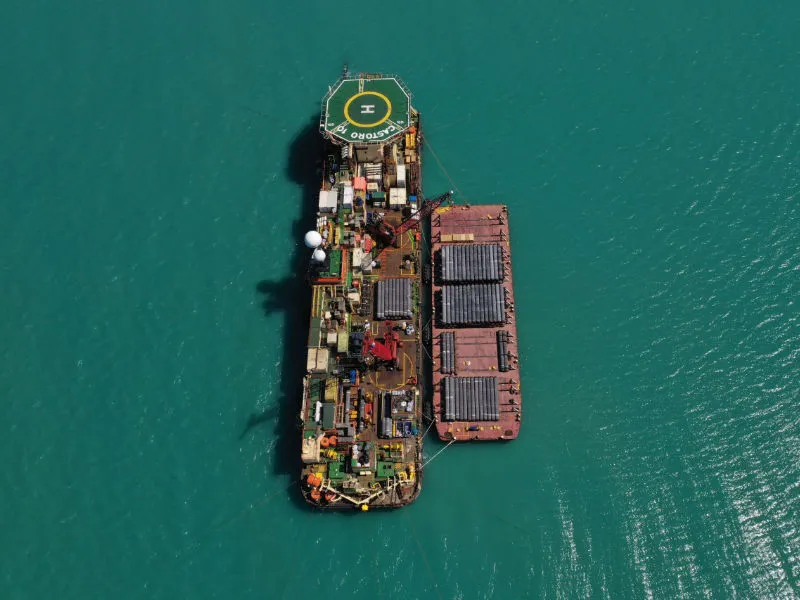
Inmarsat Maritime launched a Safety Data Hub combining three years of distress-call data with weather patterns to flag maritime risk trends.
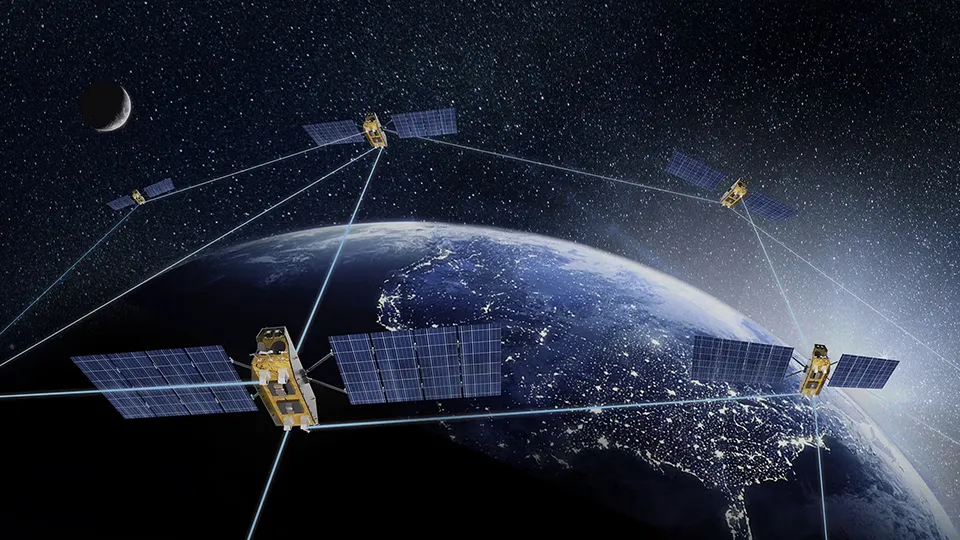
Per SatNews: MDA Space is applying its software-defined AURORA satellite platform to the direct-to-device market, targeting 2027 deliveries.
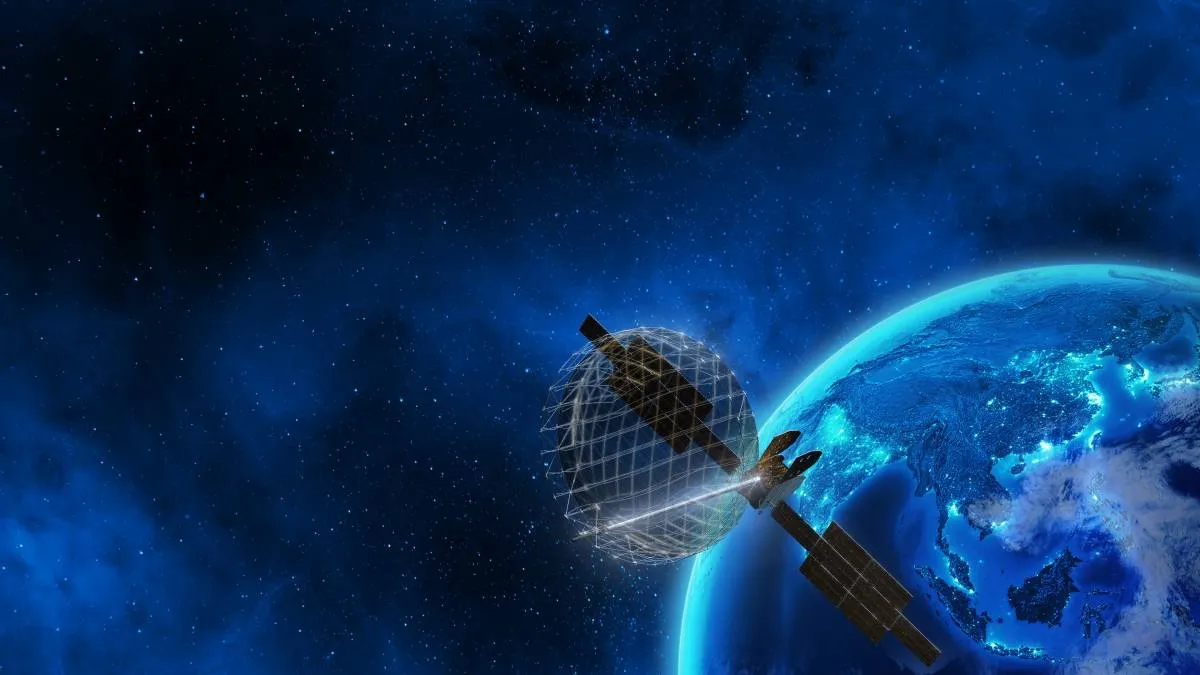
Viasat's second next-generation ViaSat-3 satellite began commercial operations, adding over 1 Tbps of capacity across Asia-Pacific.
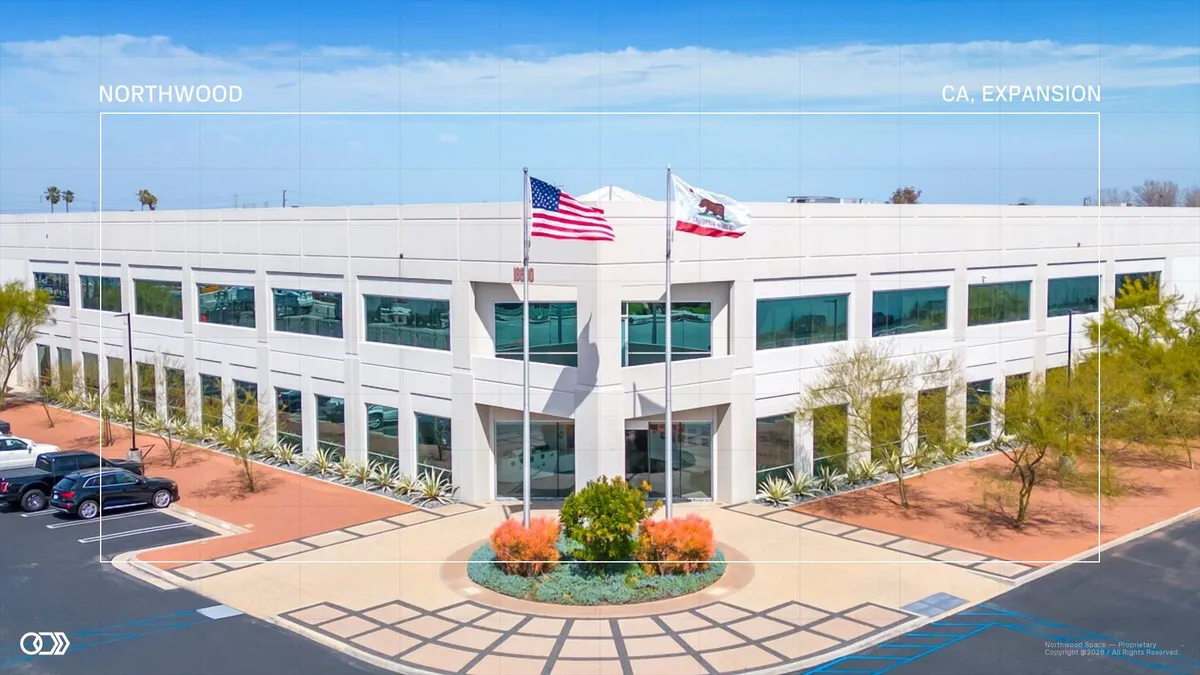
Northwood Space opened a new California factory that more than fivefolds its antenna manufacturing footprint and adds 400 jobs.

ICEYE is folding The Water Institute's FloodID predictive-flood platform and development team into its own products.

SpaceX is halving Starlink residential prices for people living near its new Starbase Louisiana spaceport site.

EarthDaily's wildfire AI model will support underwriting for an unnamed North American insurer's western US book.
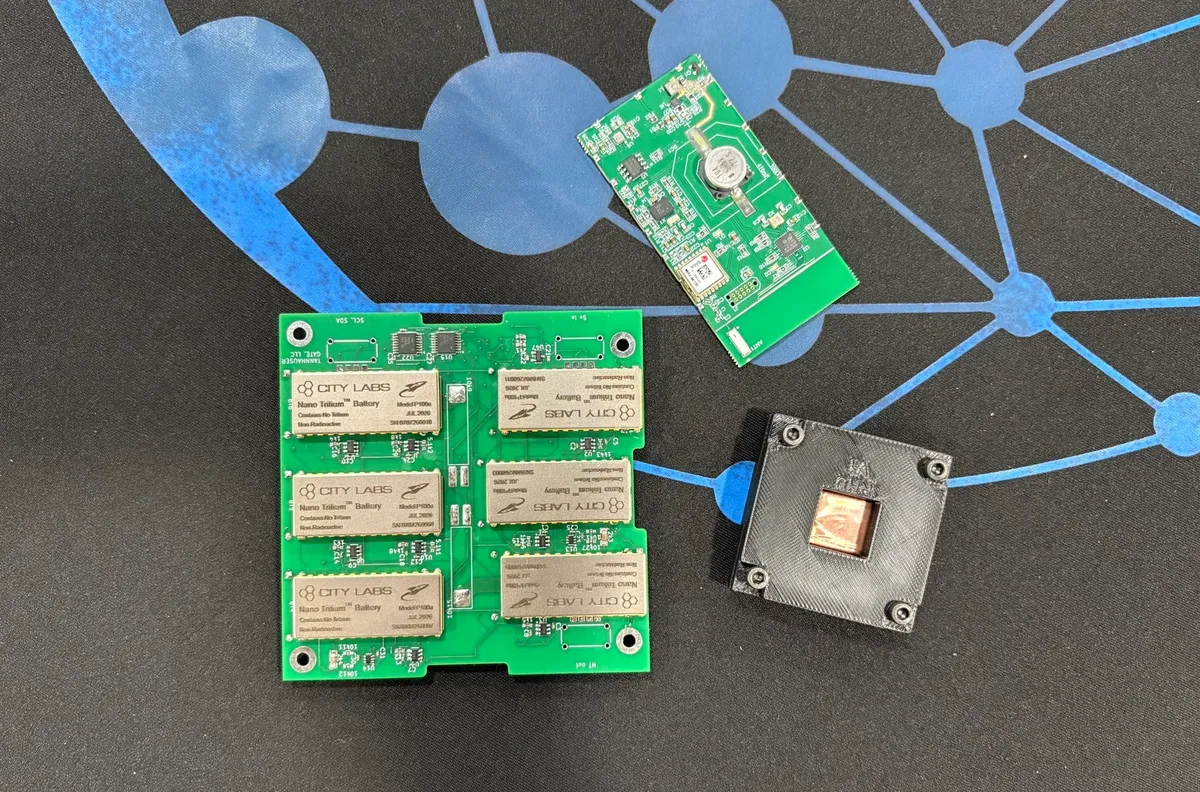
City Labs, fresh off its first nuclear-powered satellite demo, plans a second flight testing a tritium heat source for lunar night survival.
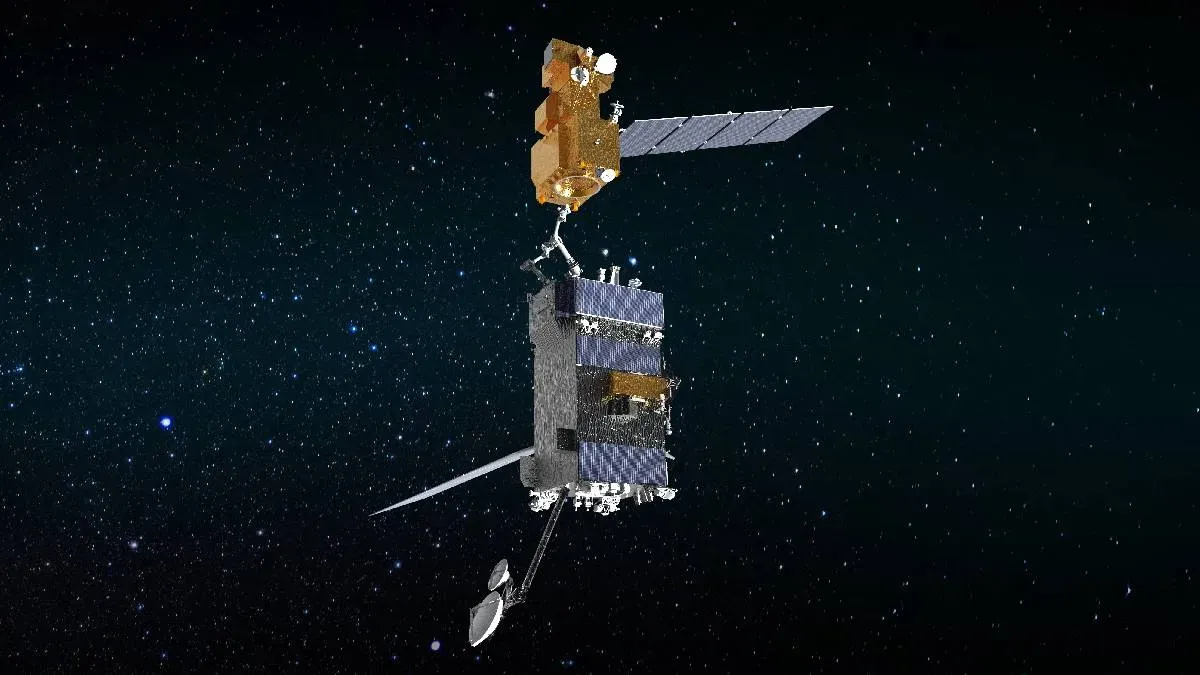
OrbitAID plans a chaser-and-target mission in Q1 2027 to prove its full in-space refueling sequence, per Payload.
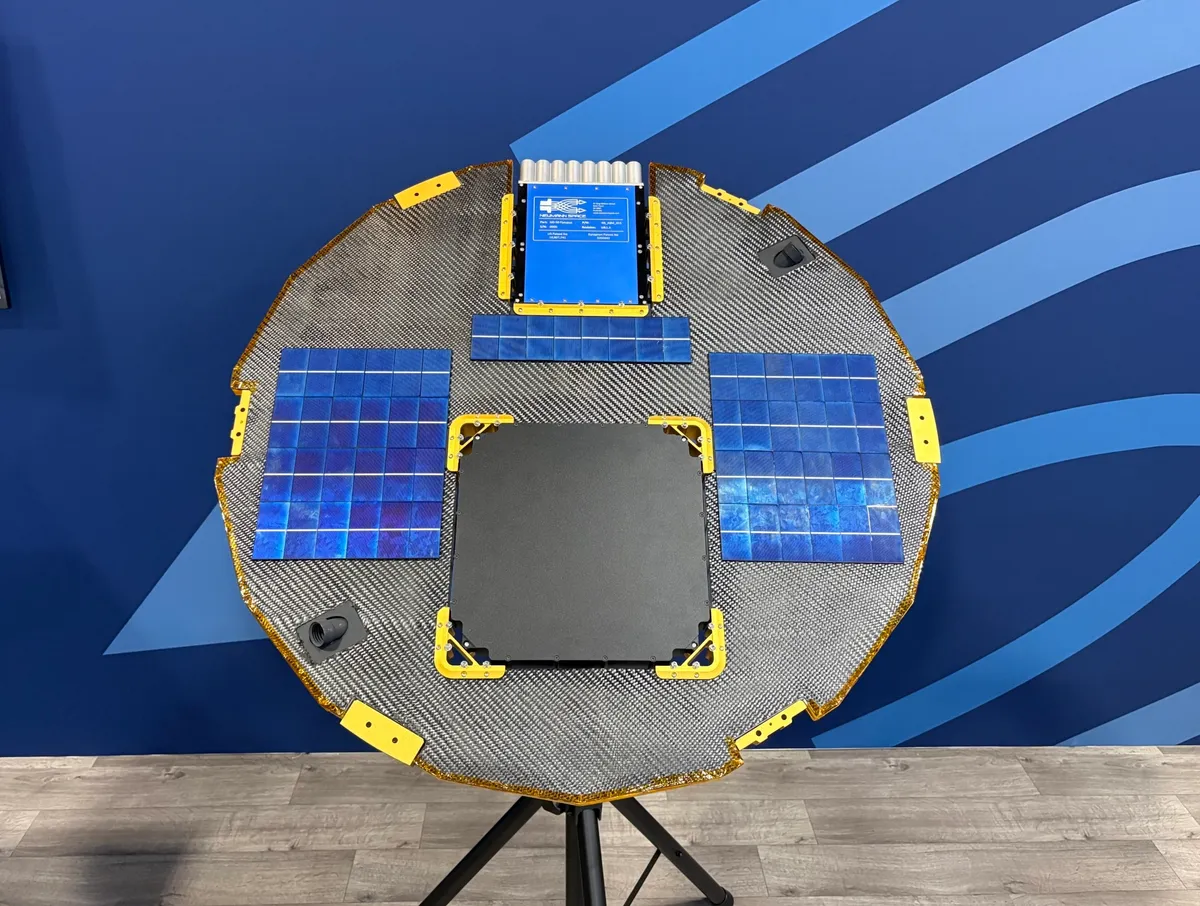
Australian startup Neumann Space plans to license The Aerospace Corporation's box-less Disksat satellite architecture.

Redwire is investing in next-generation phased array antennas for LEO/MEO/GEO communications, aimed at military connectivity.
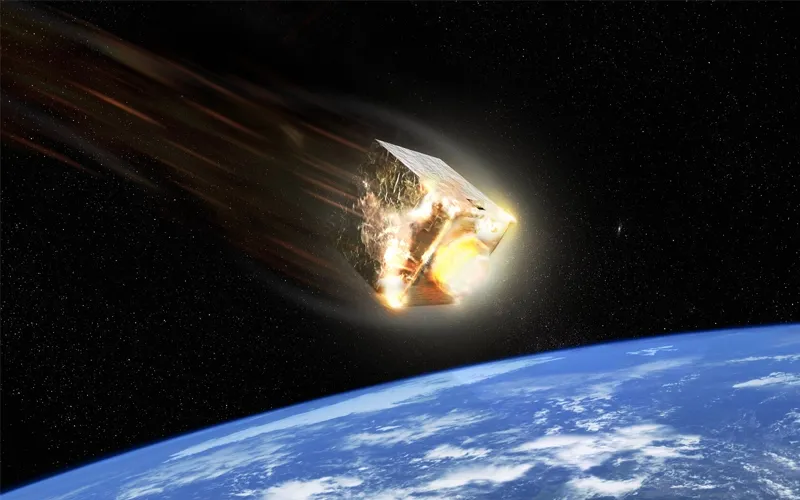
ESA's Draco satellite, built to record its own atmospheric breakup, passed its Critical Design Review ahead of a 2027 launch.
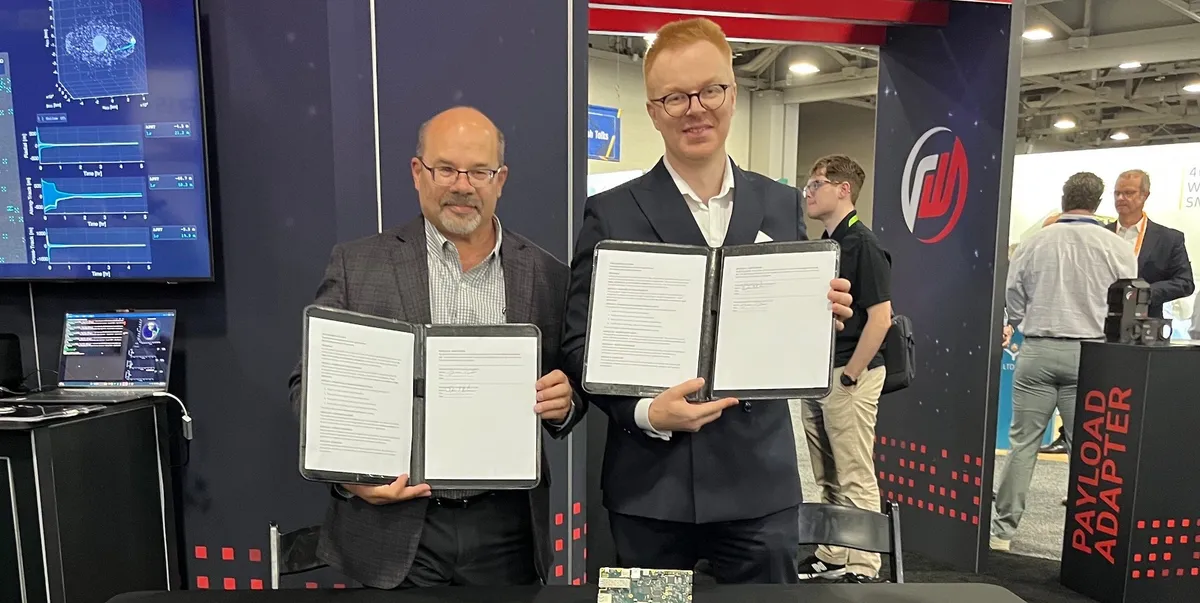
Redwire will build Edge Aerospace's space-qualified data processing units in Massachusetts under a new US manufacturing license.
TrustPoint and Hexagon's NovAtel showed C-band positioning signals working through jamming under a Navy SBIR contract.
Impulse Space says demand for its Caravan GEO rideshare missions has booked out through 2028.
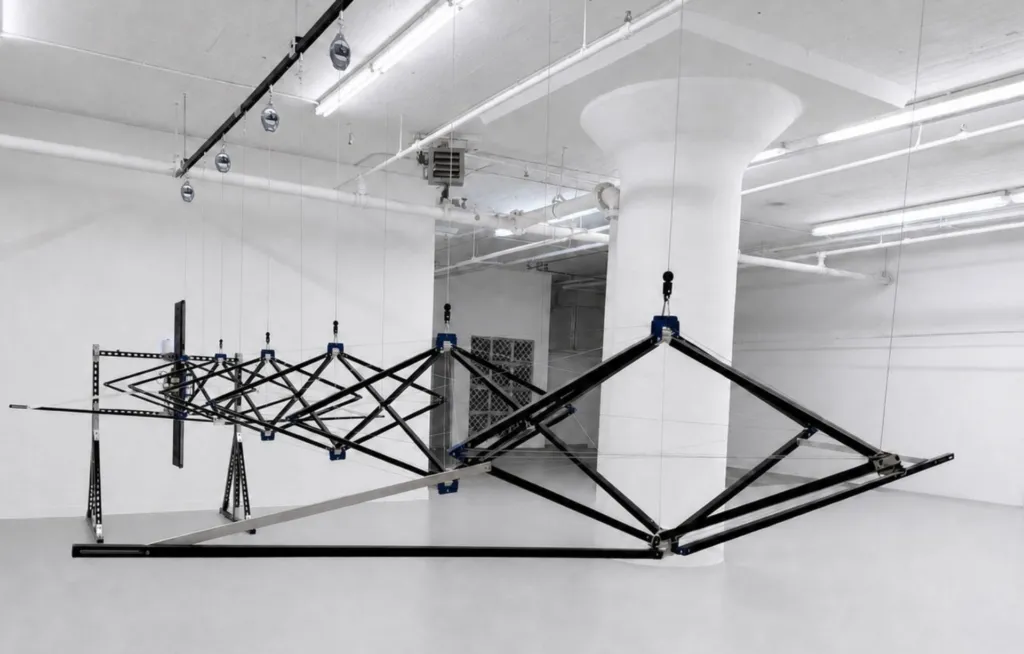
Brooklyn startup Beyond Reach Labs unveiled Flarewing, a three-size deployable solar array system it plans to start qualifying by year end.
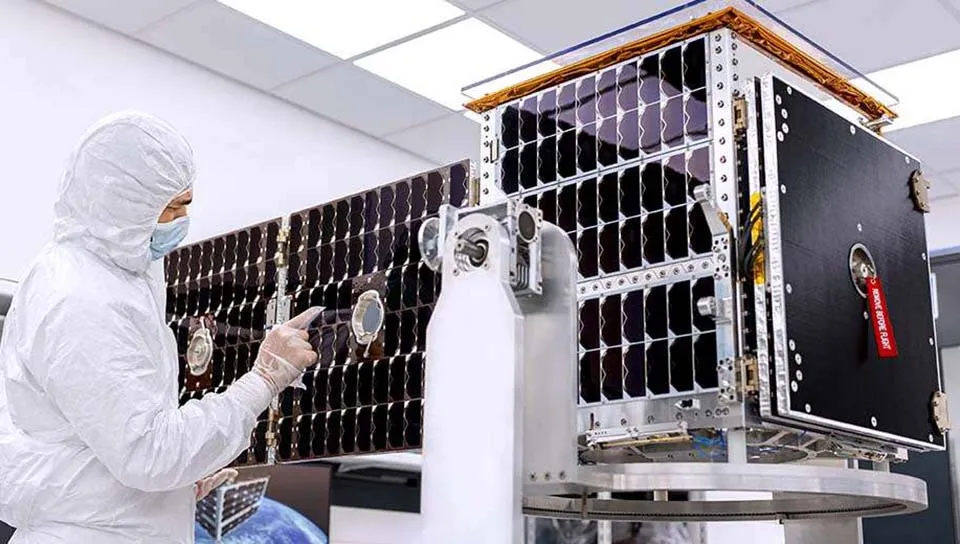
Kongsberg NanoAvionics added a 500kg-class MP42D platform to its Gen-2 microsatellite bus lineup, aimed at ISR payloads.
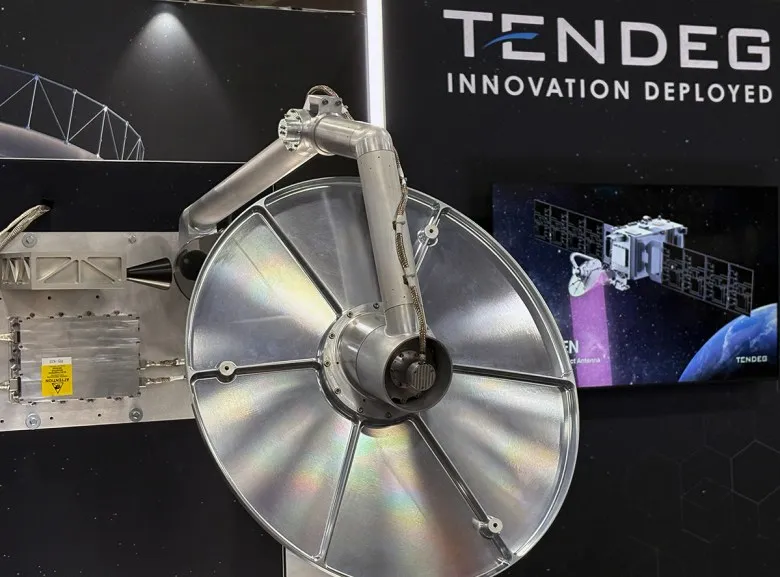
Tendeg unveiled NewTEN, a two-axis steerable compact reflector antenna for small spacecraft, at the Small Satellite Conference.
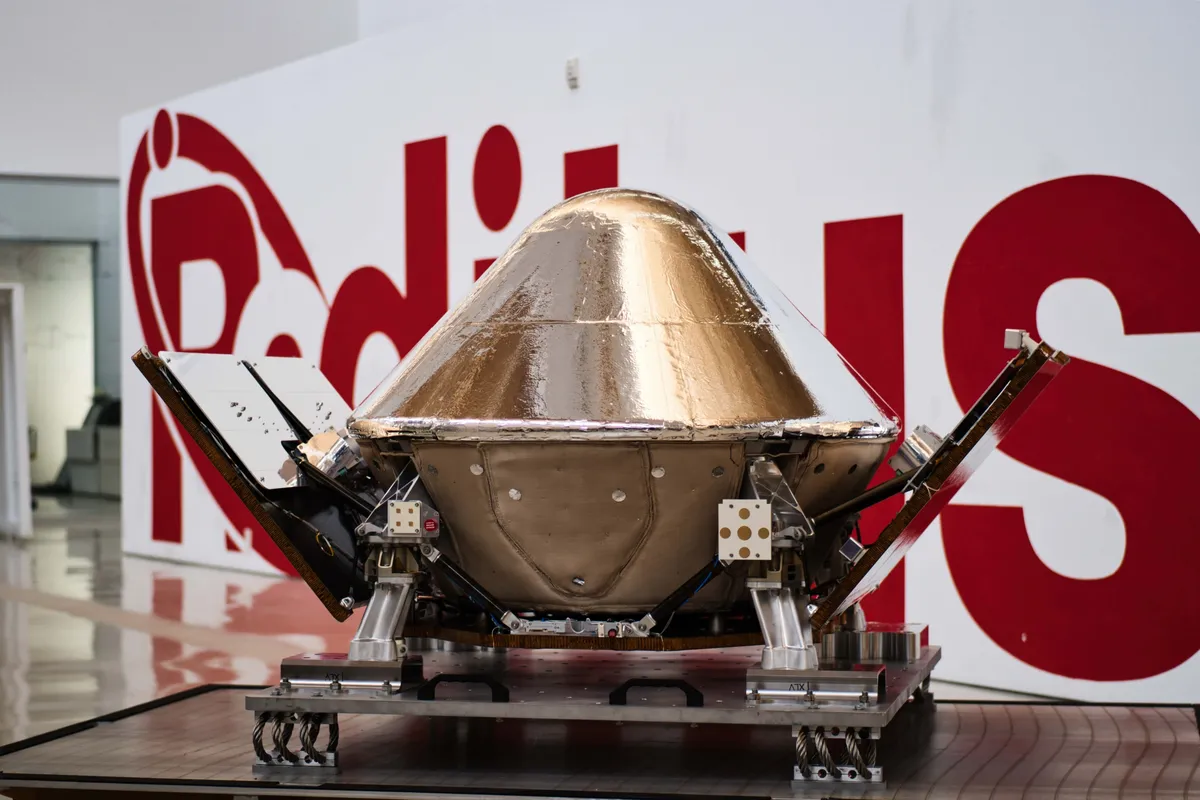
Reditus finished building its first reusable reentry capsule, ENOS, targeting a rideshare launch this fall.
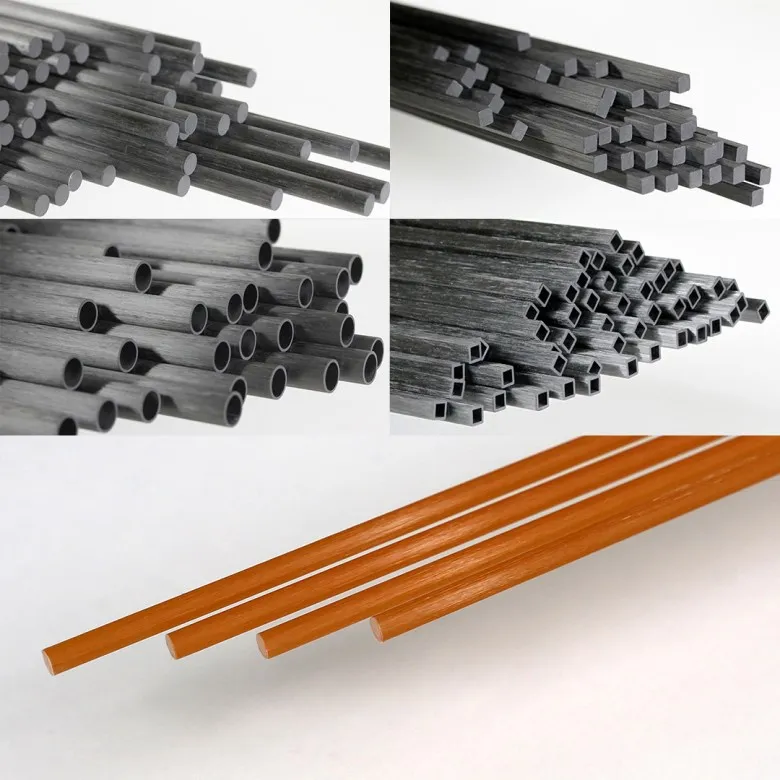
Rock West Composites is premiering a new pultruded-composite structural product line for satellite trusses and deployables.

CNES and EO analytics firm Kayrros put a satellite-and-AI wildfire detection platform into daily use at over 40 French fire services.
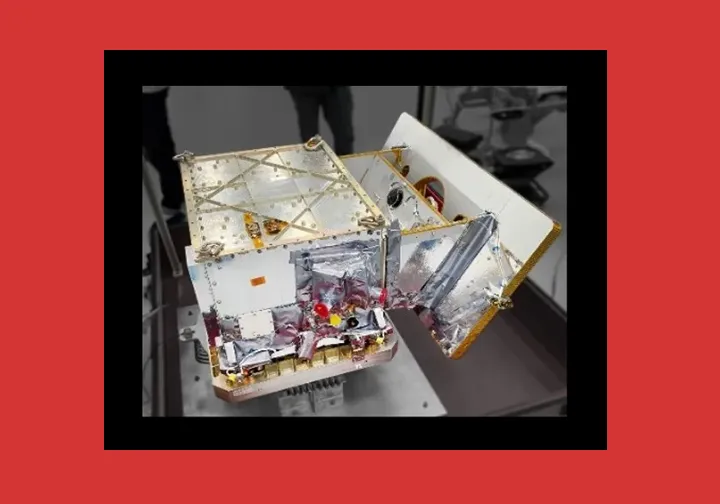
Moog added a high-thrust, high-propellant variant to its METEORITE satellite bus and grew its propulsion clean-room over 80 percent.
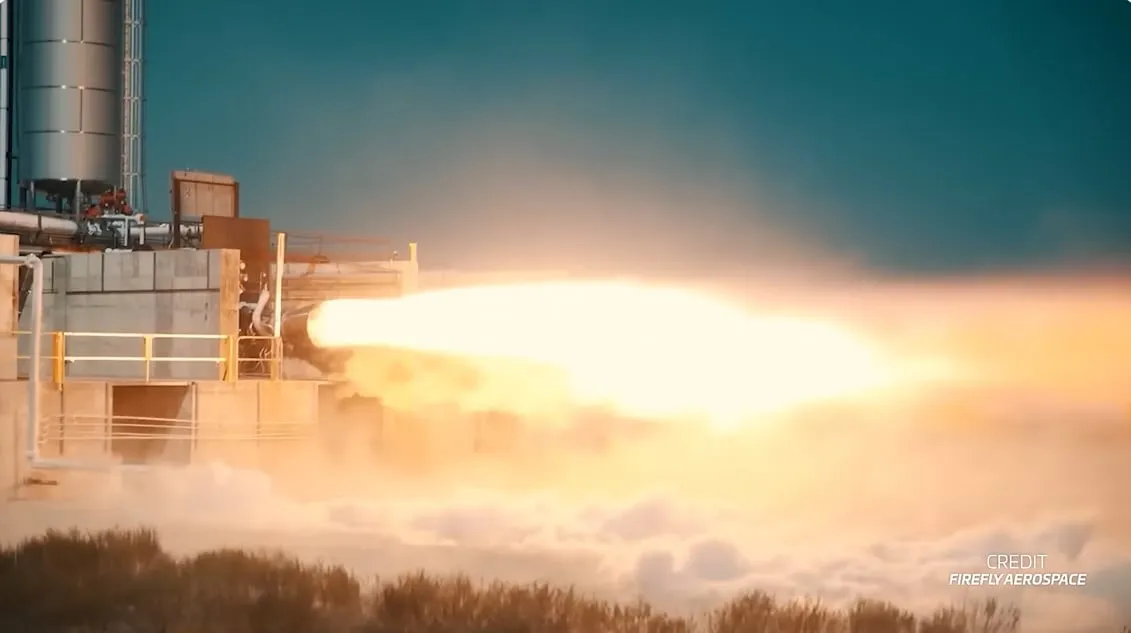
Firefly's Miranda engine cleared a 226-second flight-like burn, a milestone toward qualifying Eclipse's first stage.
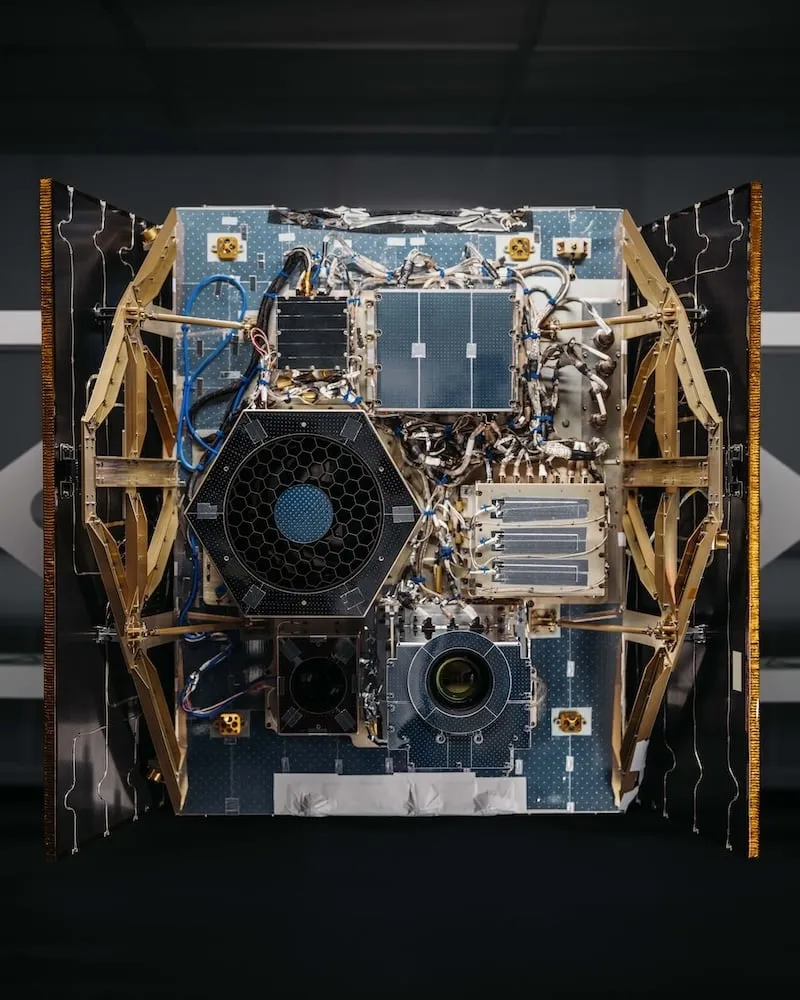
Anduril's Anduril-26 sensing satellite, built on an Apex Aries bus, is operating on orbit after a July 7 rideshare launch.
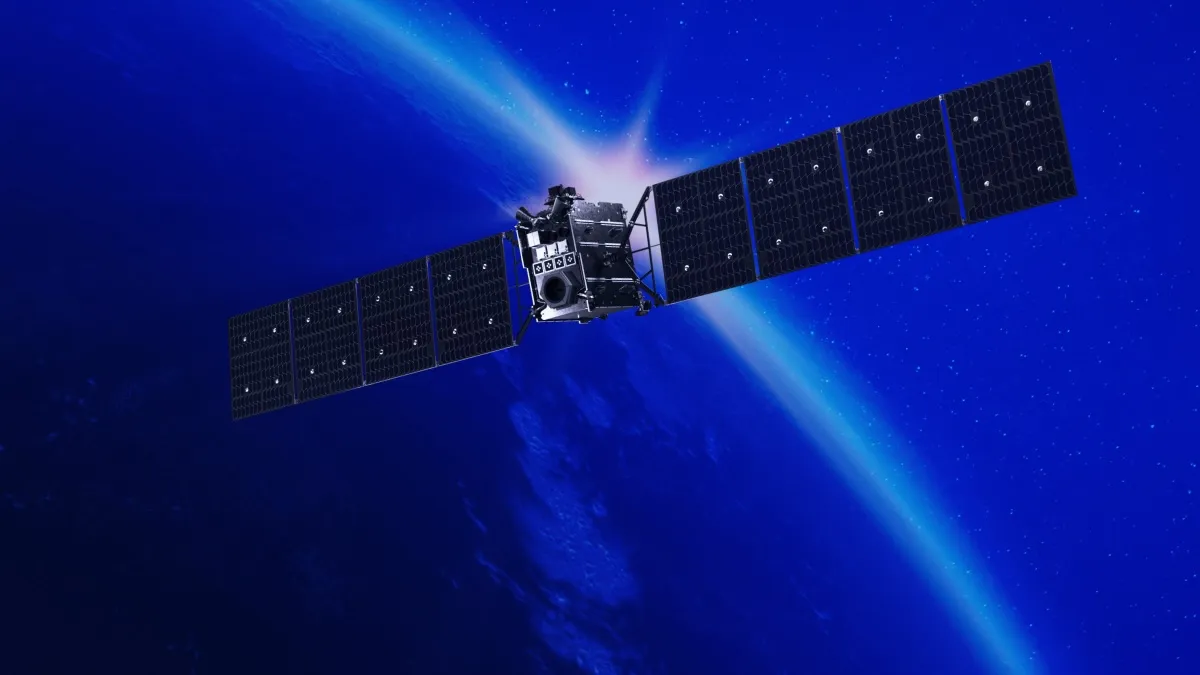
Astranis is building a new MicroGEO-based satellite line to inspect and track other spacecraft in geostationary orbit.
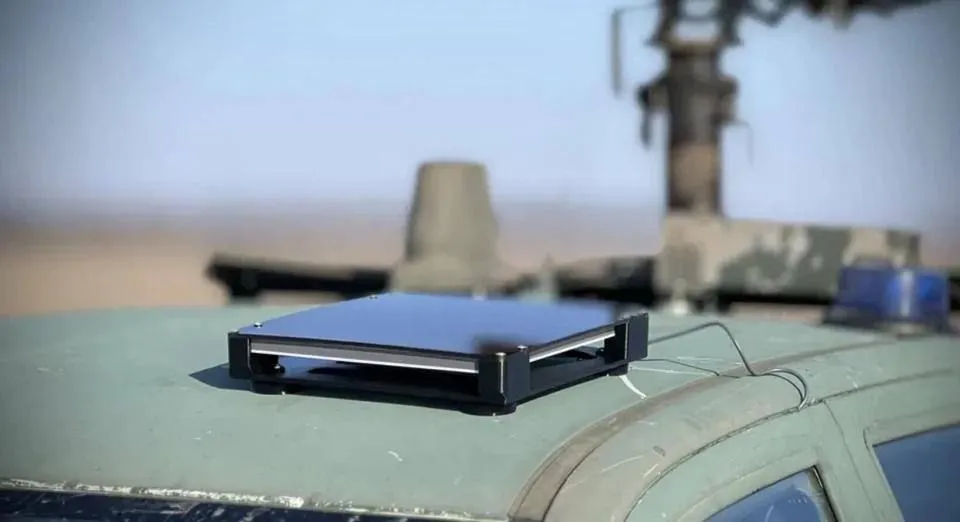
SpaceX reversed Starlink's Poland roaming exclusion days before it was due to take effect, after Polish officials protested.

Synspective opened Synspective Europe GmbH in Munich, Germany, to serve as its EMEA hub for SAR satellite data and partnerships.
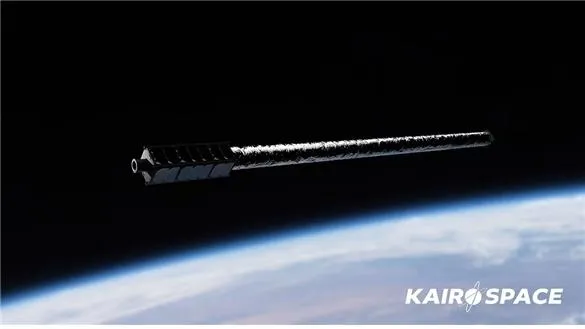
South Korean startup Kairospace says its Dorb drag device more than doubled its KSAT3U cubesat's orbital decay rate.

Optus undocked Northrop Grumman's Mission Extension Vehicle from Optus D3, completing phase one of its Project Aurora life-extension.
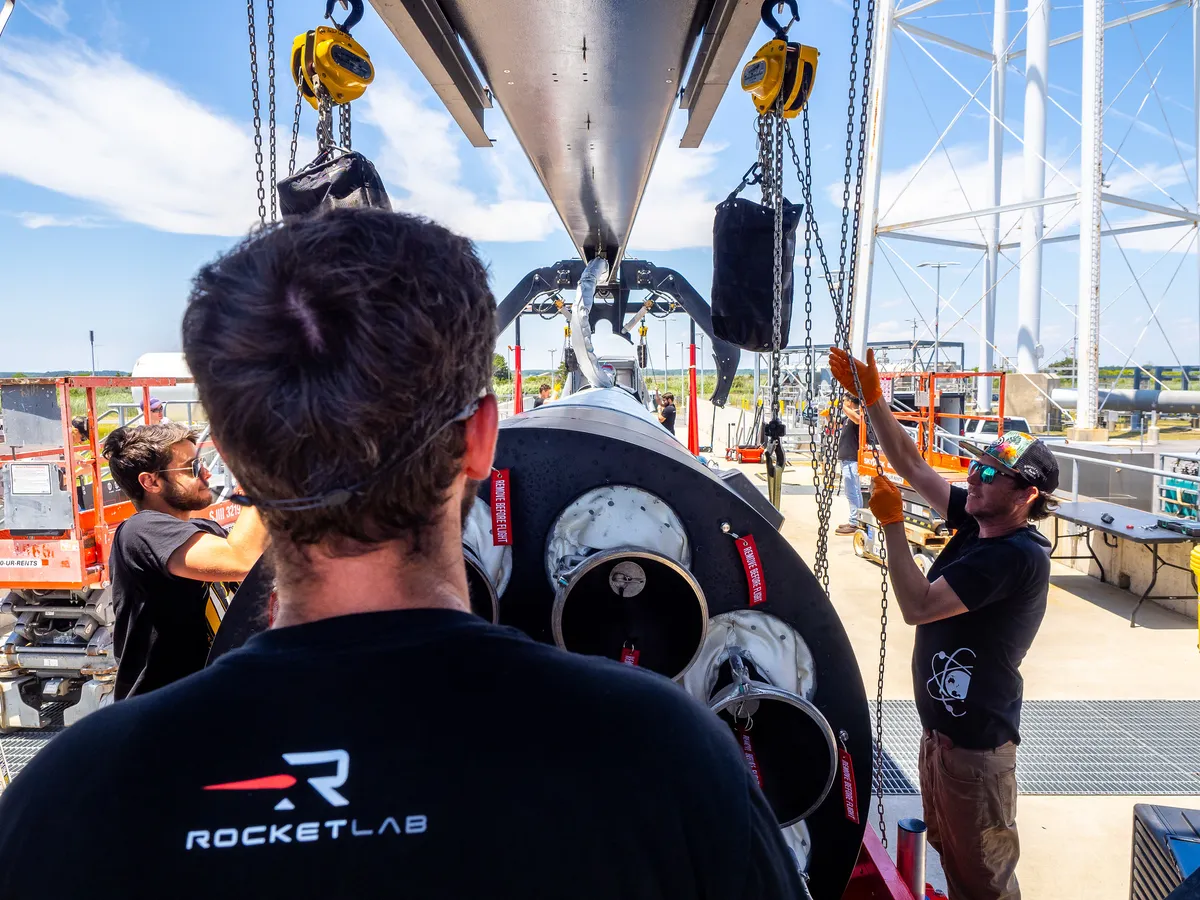
Rocket Lab's new shipping-container launch infrastructure will let it stand up Electron and HASTE pads anywhere, debuting in Alaska in 2027.
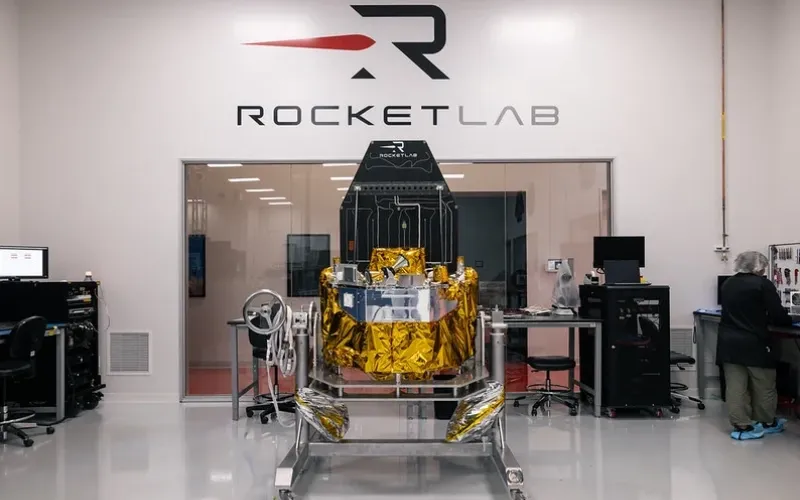
Rocket Lab launched a Munich-based German subsidiary to build a regional hub for satellite manufacturing and European launch sales.
Indian in-space-servicing startup Aule Space became the first non-government user of ISRO's Rendezvous Simulation Laboratory.
Gilat says its patent-pending AI system canceled satellite-link interference at up to 10x conventional performance.
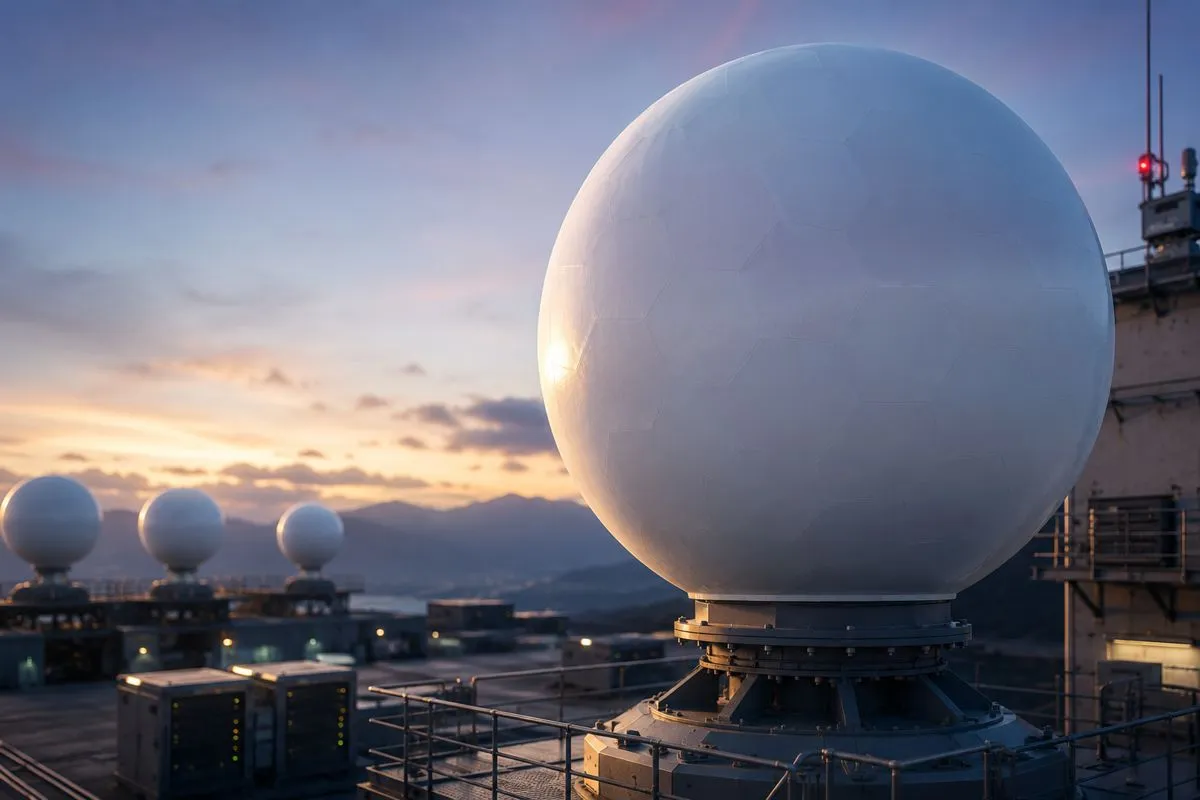
The new process lets MatSing produce Luneburg lens antennas at apertures and frequencies it says were previously lab-only.

Synspective's ninth StriX satellite, launched in May, returned its first test radar image of Tashkent, Uzbekistan.

Shotwell confirmed on SpaceX's first earnings call that it will build a terrestrial network for Starlink Mobile using EchoStar spectrum.

AST SpaceMobile began active satellite-to-phone service in Japan alongside Rakuten Mobile, its first commercial market outside the US.
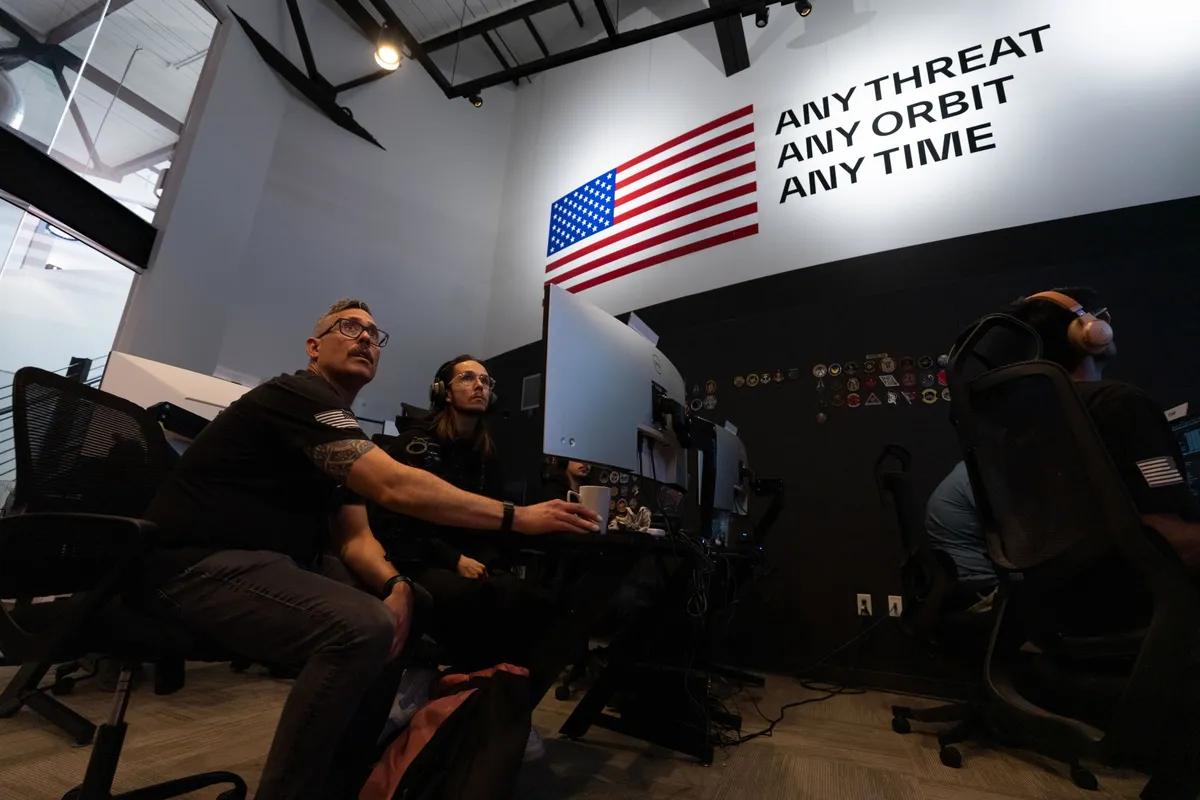
True Anomaly's Jackal spacecraft found, approached, and photographed a Rocket Lab-launched target for Space Systems Command.
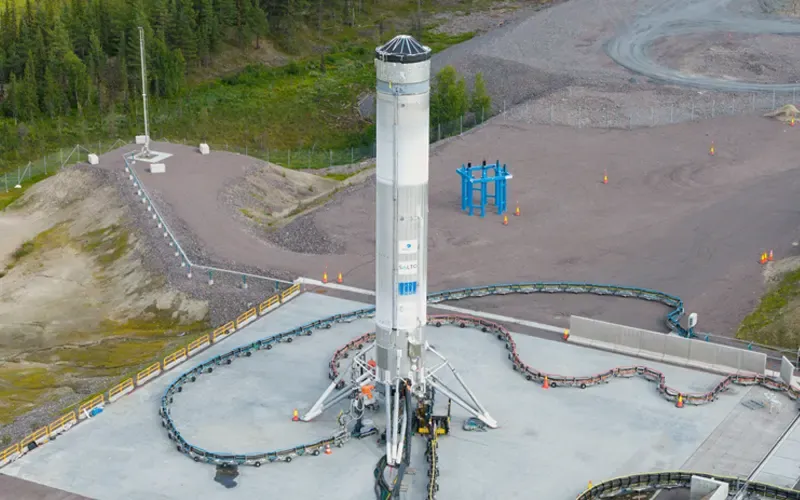
ArianeGroup rehearsed a full cryogenic countdown for the Themis reusable-booster demonstrator, its first update in ten months.
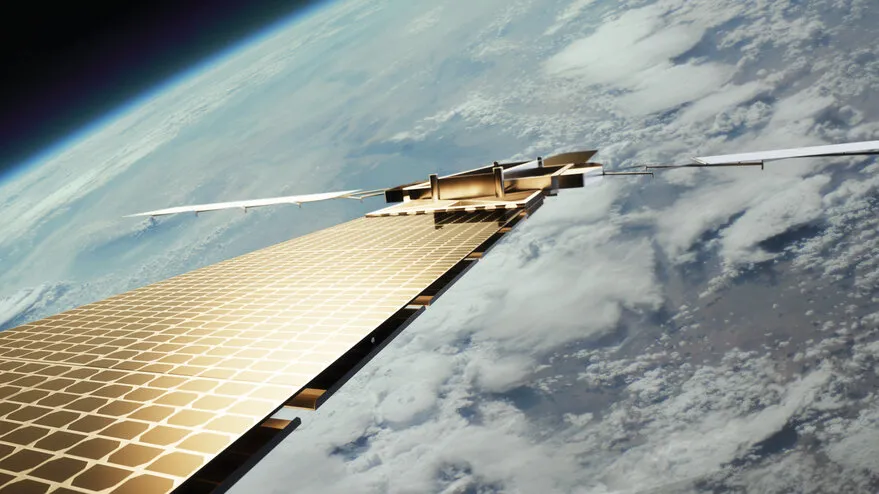
Sophia Space and Caltech's new US patent covers a solar-powered, passively cooled modular tile design for space data centers.
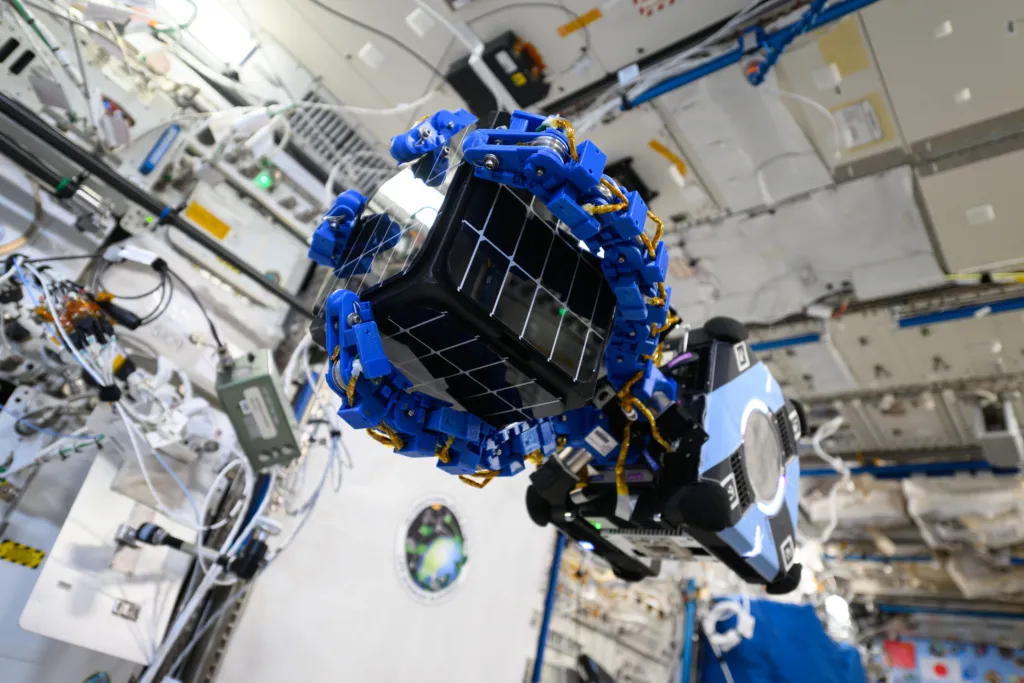
Kall Morris ran 172 capture trials of its REACCH gecko-gripper arms aboard the ISS across six sessions, per Payload.
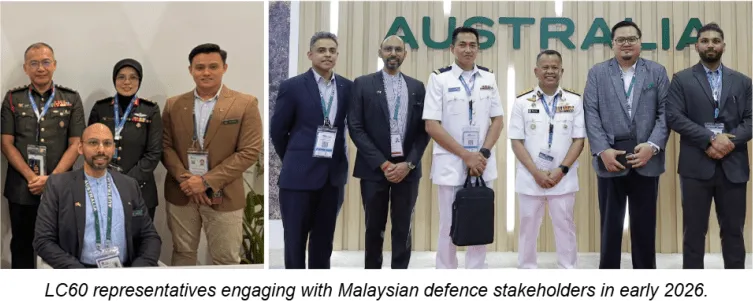
LatConnect 60 unveiled an AI system fusing its planned SWIR imagery with radar and other intelligence for defence buyers.
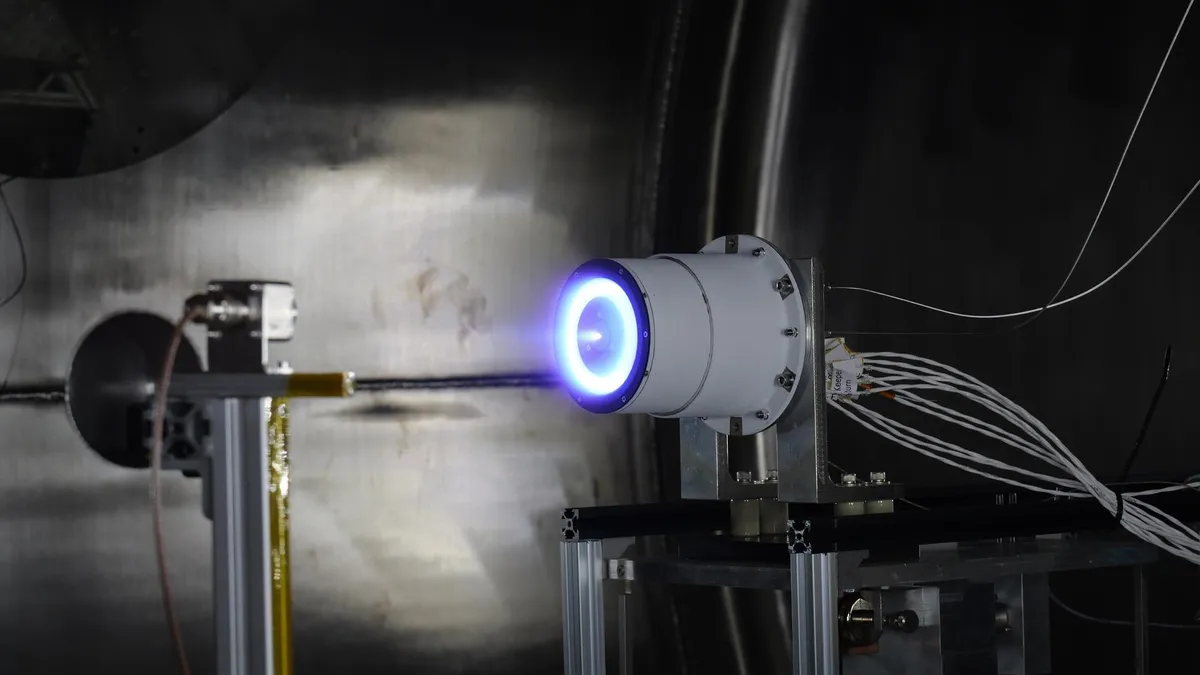
Impulse Space detailed Electra, its first in-house electric propulsion system, built to complement its chemical thrusters.
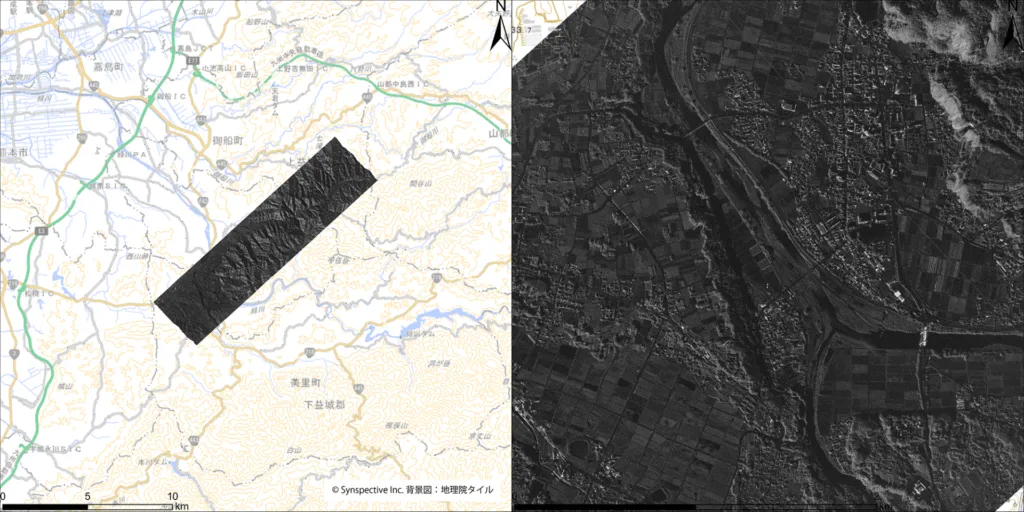
Synspective tasked StriX SAR satellites hours after Japan's July 28 Kumamoto quake, later measuring up to 1m of fault displacement.

Orbes unveiled its Exo-ORB inspection spacecraft and signed a letter of intent to fly it on Symphony Space's station.
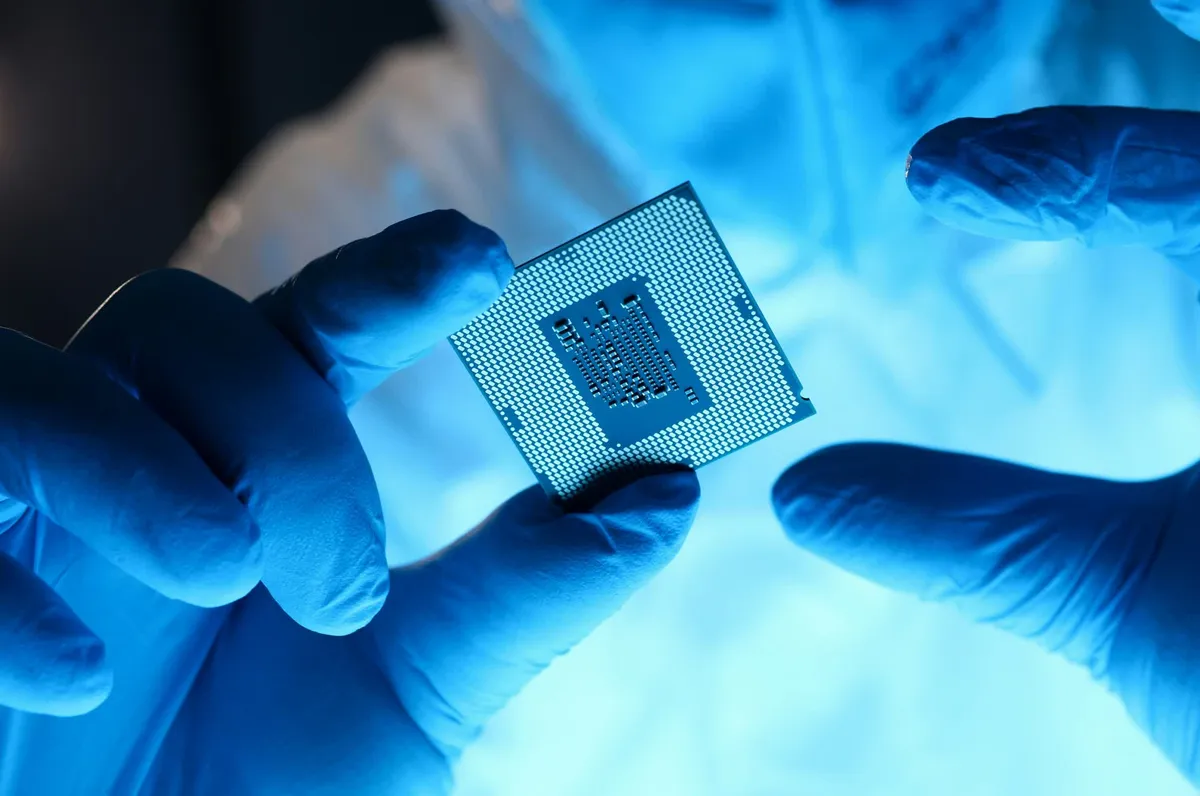
Intel launched Starfire, a radiation-hardened system-on-chip built for onboard satellite AI and data processing.
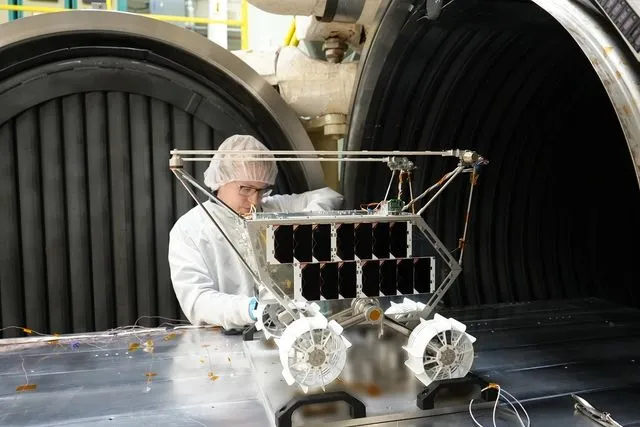
Lunar Outpost will fly an NVIDIA Jetson AI chip on its MAPP rover this year, with NVIDIA's Space-1 module on two later flights.
Intellian's new C100M terminal, built on Iridium Certus 100, gives it a dedicated terminal for every Iridium Certus GMDSS service tier.

Vast hired ex-Slingshot Aerospace CEO Melanie Stricklan to lead a new division chasing national security work.

Redwire opened a 30,000-square-foot Indiana facility for microgravity biotech R&D and ISS payload operations.
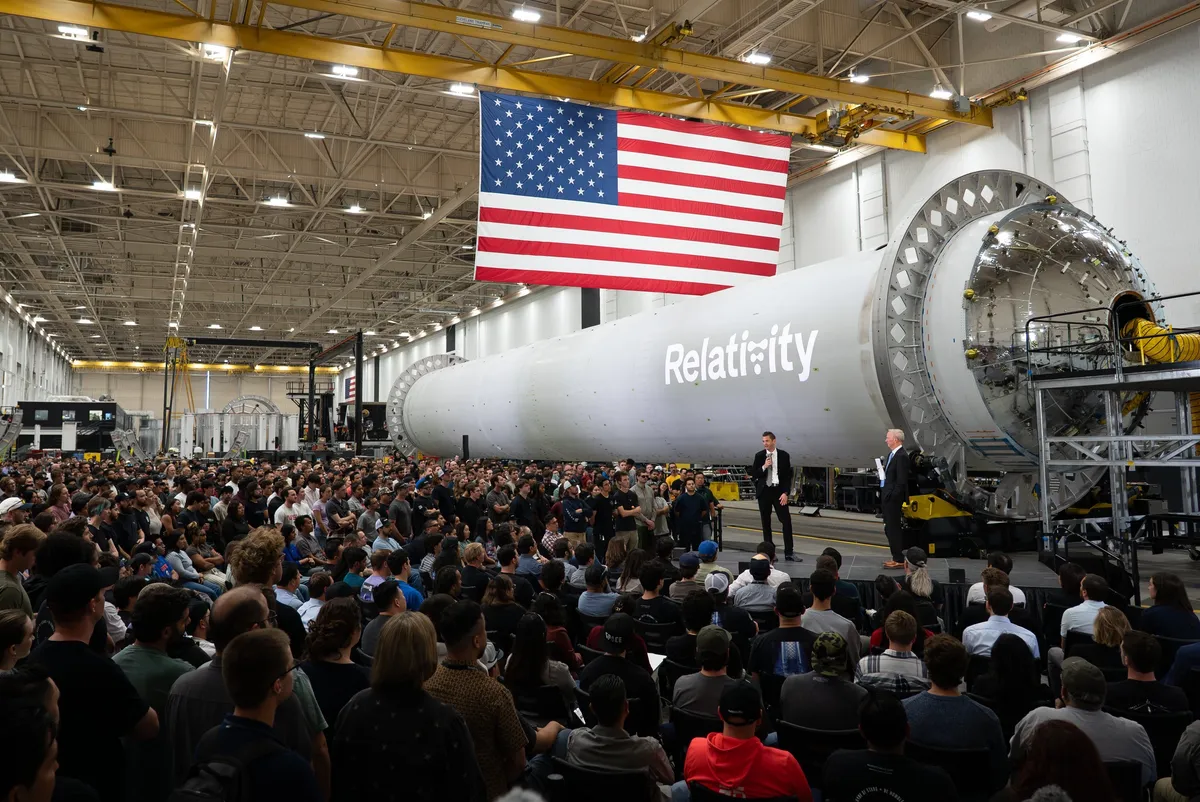
Space Florida is putting up to $134 million toward a second Terran R rocket factory near Cape Canaveral.
ThinKom's ThinAir GT2517 is the first airborne antenna certified to operate on SES's O3b mPower constellation.
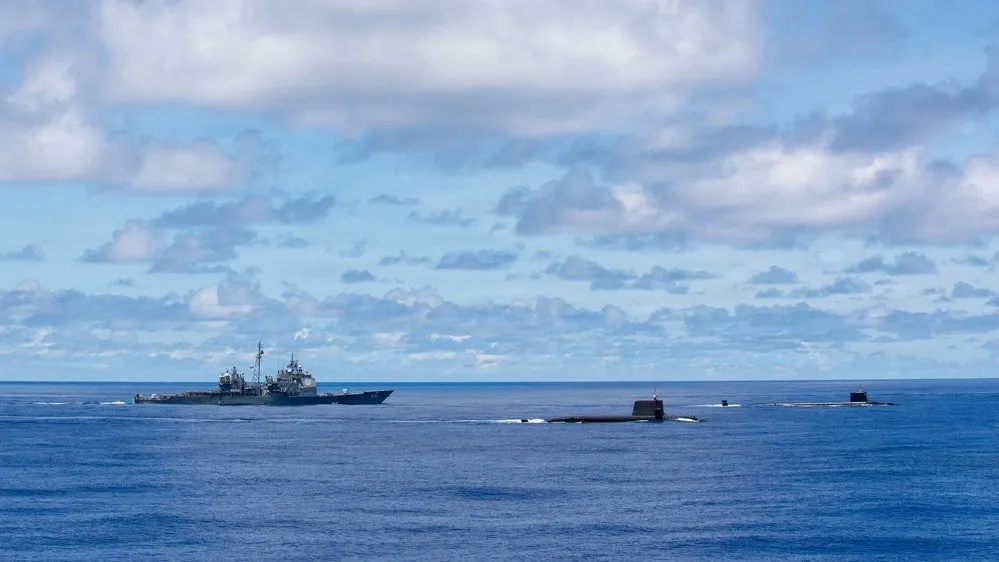
HawkEye 360 relayed commercial RF intelligence direct to Lockheed Martin's Aegis-linked C2 system during Valiant Shield 2026.
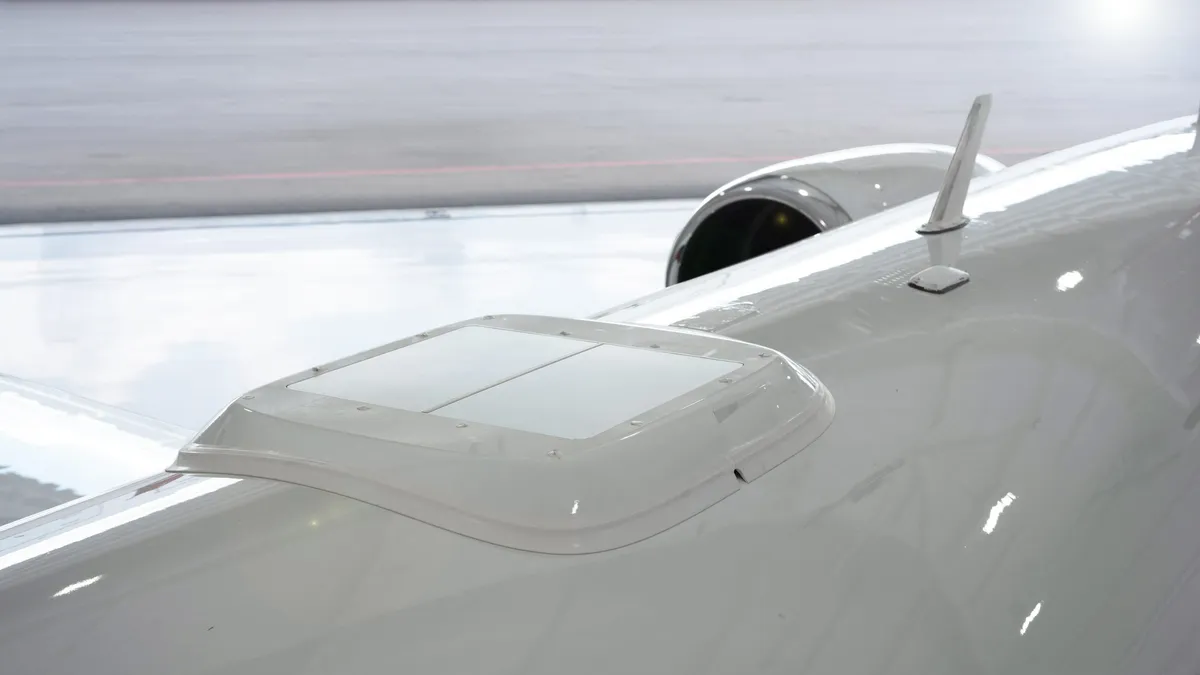
Per Correnti, via Corporate Jet Investor: Starlink's aviation price hike 'lacks any reasonable ethical process.'
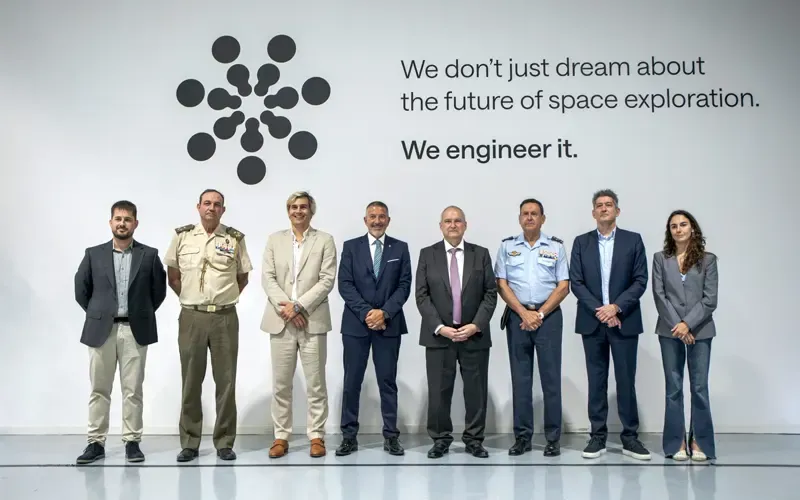
The Spanish propulsion maker opened a 1,000-square-metre plant near Barcelona, its first shift to serial production.
The satellite operator's assured-PNT chip is now shipping to device makers after 150+ organizations expressed interest.

SpaceX's Starlink V5 dish weighs less, draws roughly half the power of the V4, and trades a little peak speed for efficiency.
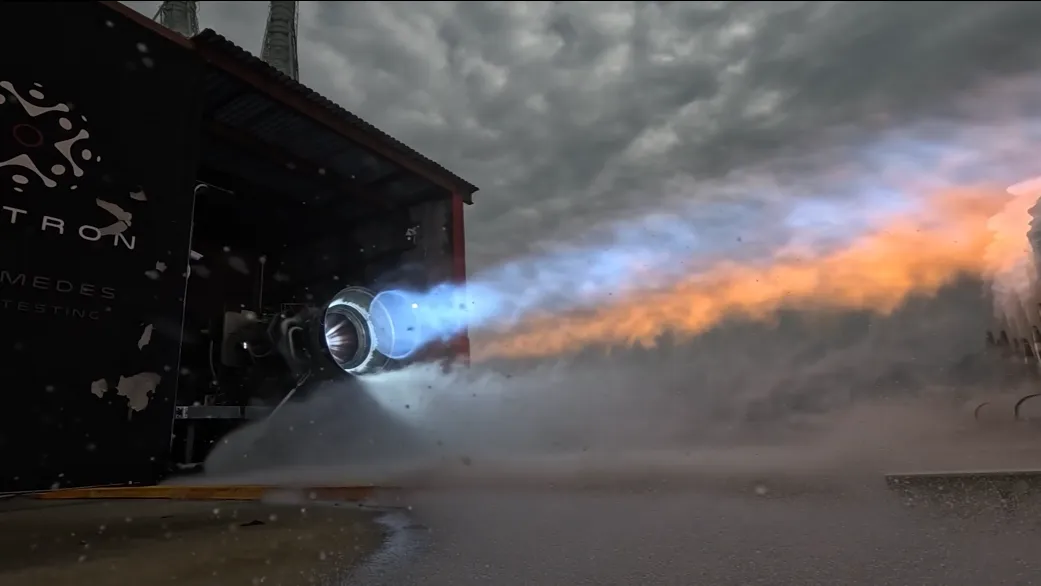
Rocket Lab ran a 5.5-minute full-duration test of the Archimedes vacuum engine that powers Neutron's second stage.
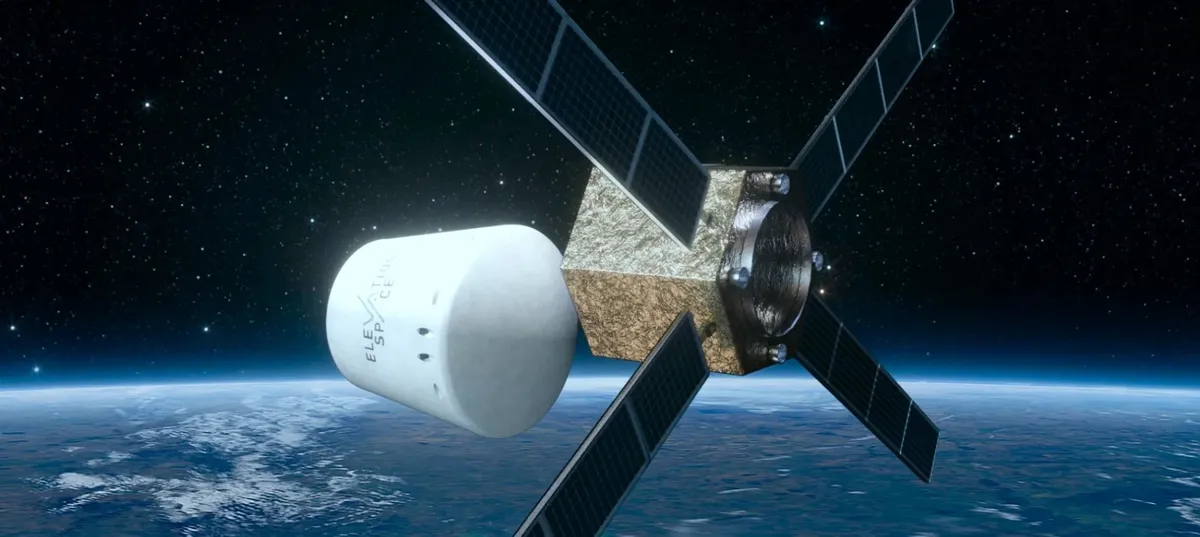
ElevationSpace signed a partner for its AOBA reentry demonstrator and detailed progress toward a mid-2027 first flight.
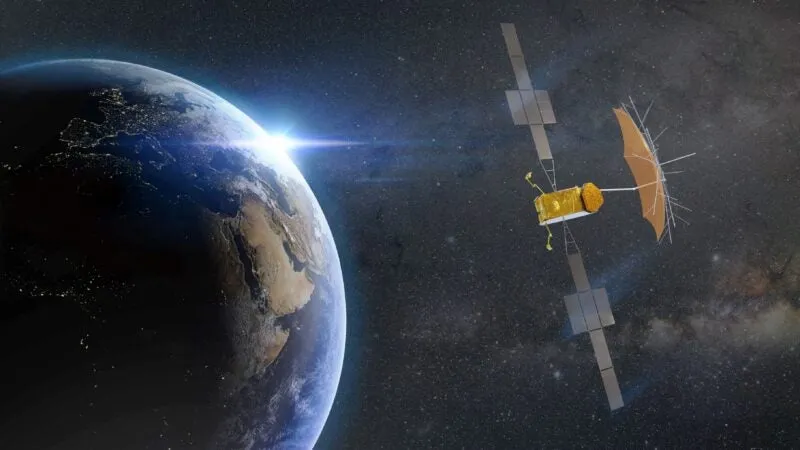
Space42 and Skylo tested two-way SMS and SOS messaging to standard Android phones via the Thuraya-4 satellite.
Ovzon tested its GEO satellite and mobile terminals nearly 1,300 km inside the Arctic Circle with NATO country observers.
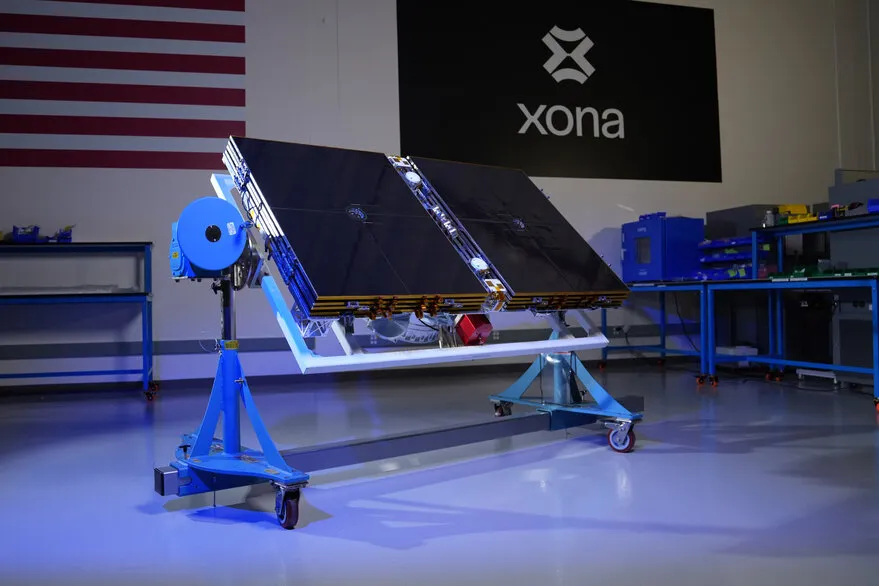
Xona introduced Pulsar Verified, certifying receivers and simulators as compatible with its Pulsar positioning satellite signal.

Vantor, formerly Maxar Intelligence, launched a 3D imagery line built on its WorldView Legion satellites.
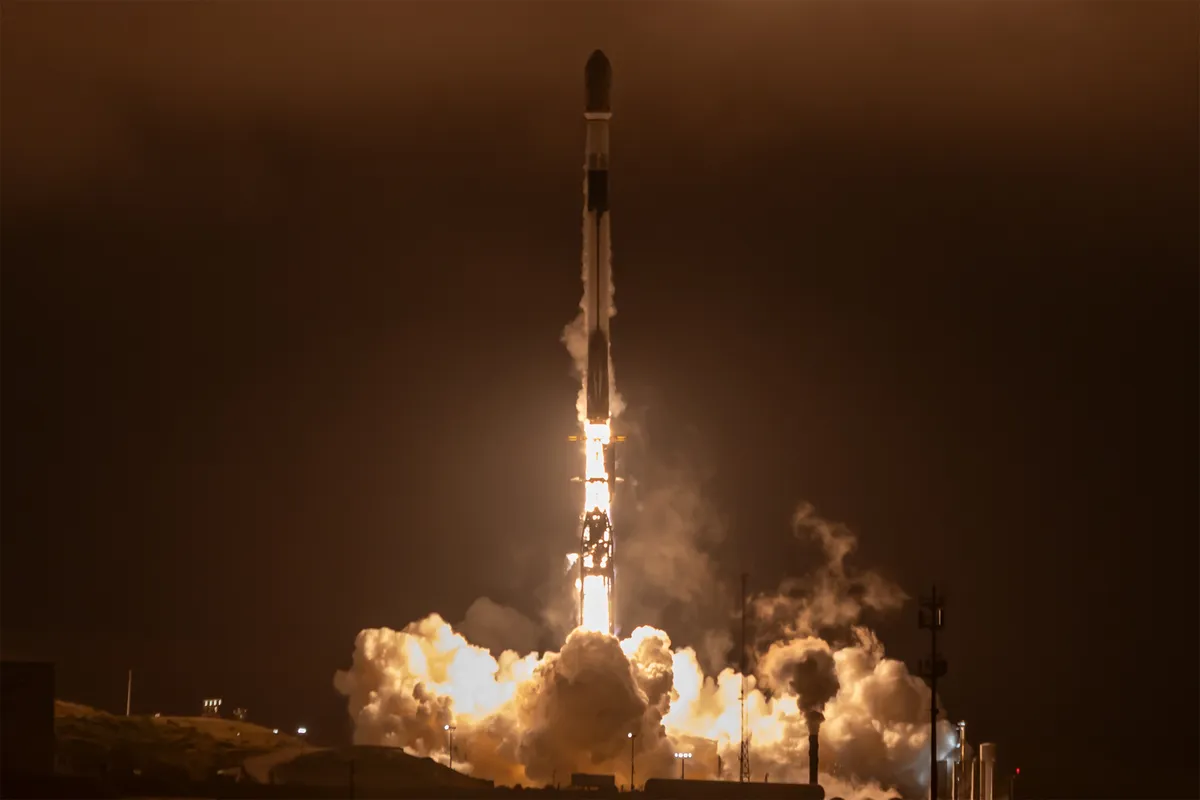
City Labs flew BOHR, calling it the first commercial nuclear-powered satellite, on SpaceX's Transporter-17 rideshare.
SpaceX doubled its Starlink Business Aviation subscription prices and raised hardware costs to $200,000, per Benzinga.
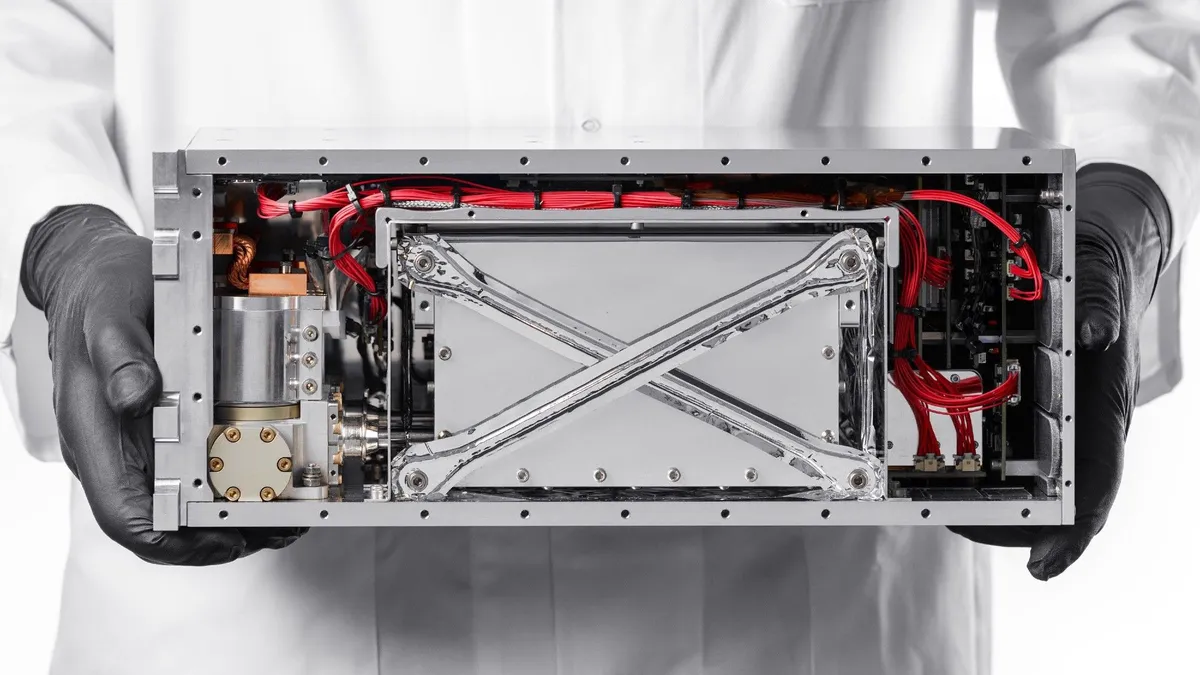
Zenno Astronautics says it is the first company to operate a superconducting product in space, testing its fuel-free Supertorquer thruster.
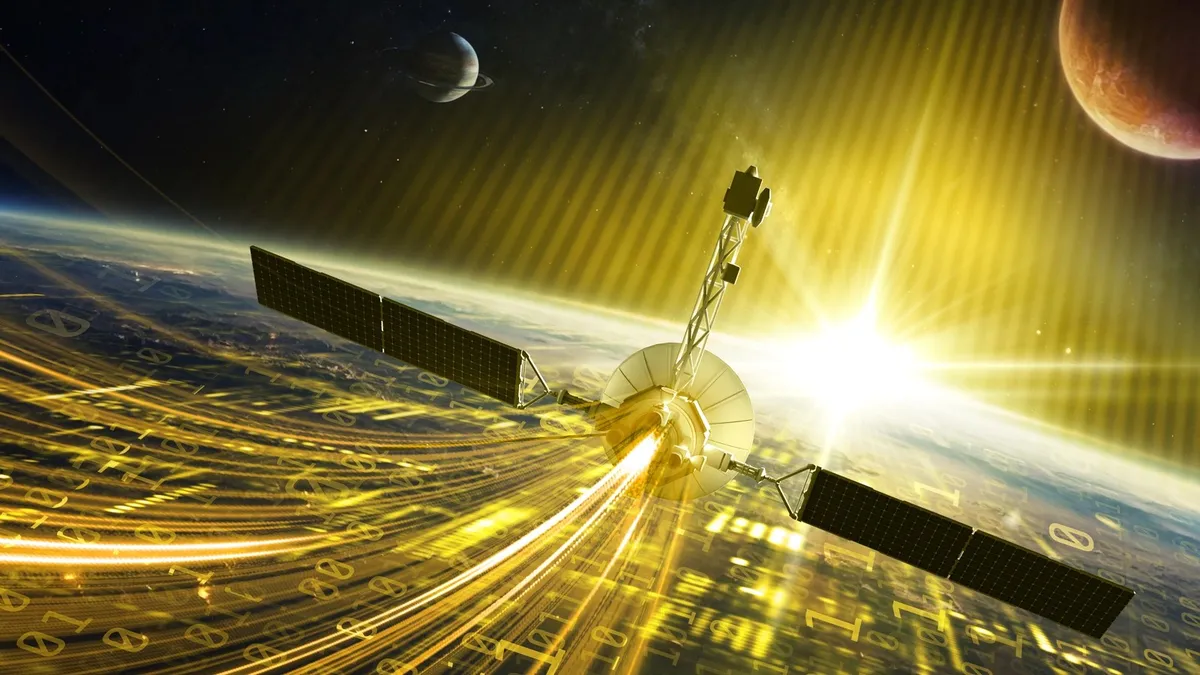
BAE Systems says its Endura processor passed radiation testing for classified and missile-defense satellite missions.
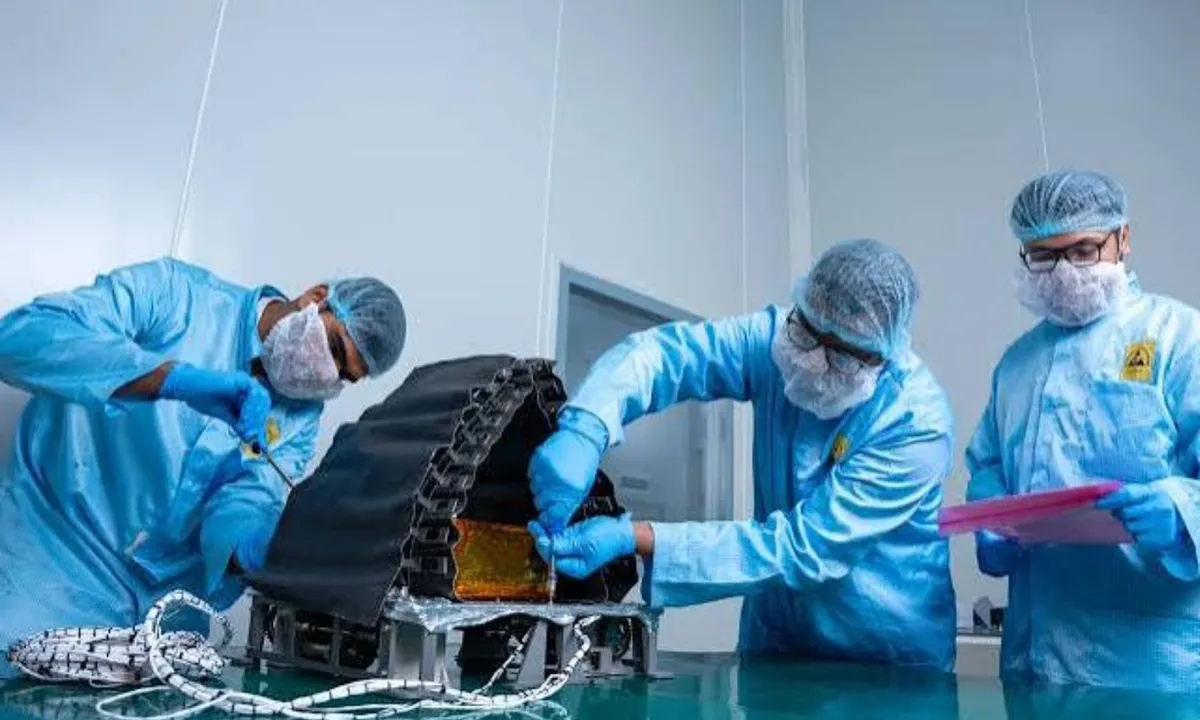
Cosmoserve will test a soft robotic debris-capture mechanism aboard Skyroot's first orbital launch.
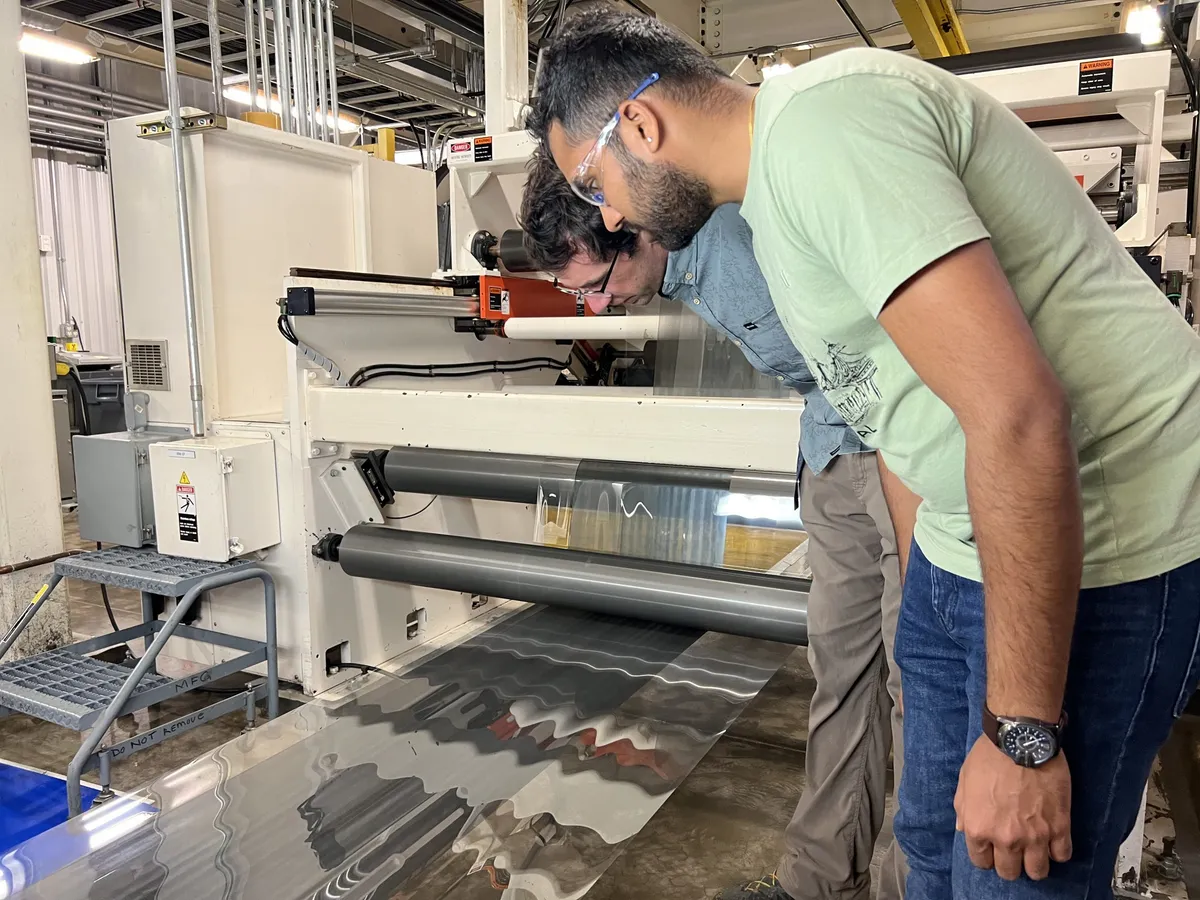
Vermont's Verde Technologies is shifting its perovskite solar-panel business from rooftops toward satellites, naming a new CEO to lead it.
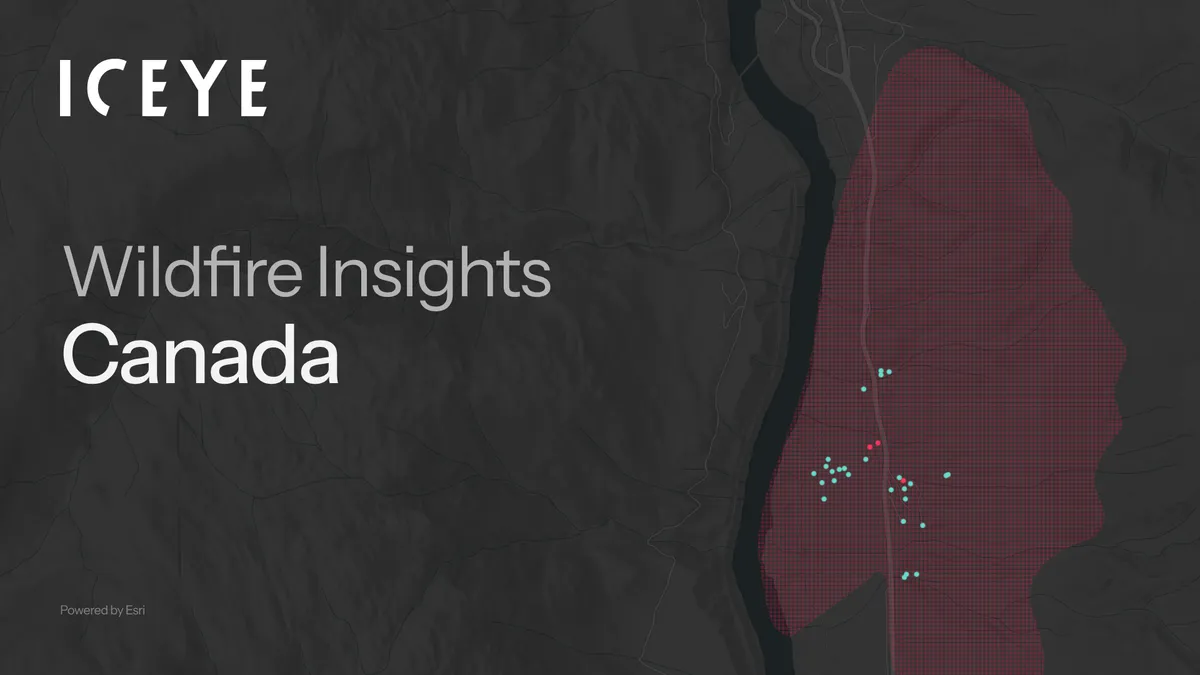
ICEYE extended its SAR wildfire-monitoring service to Canada.
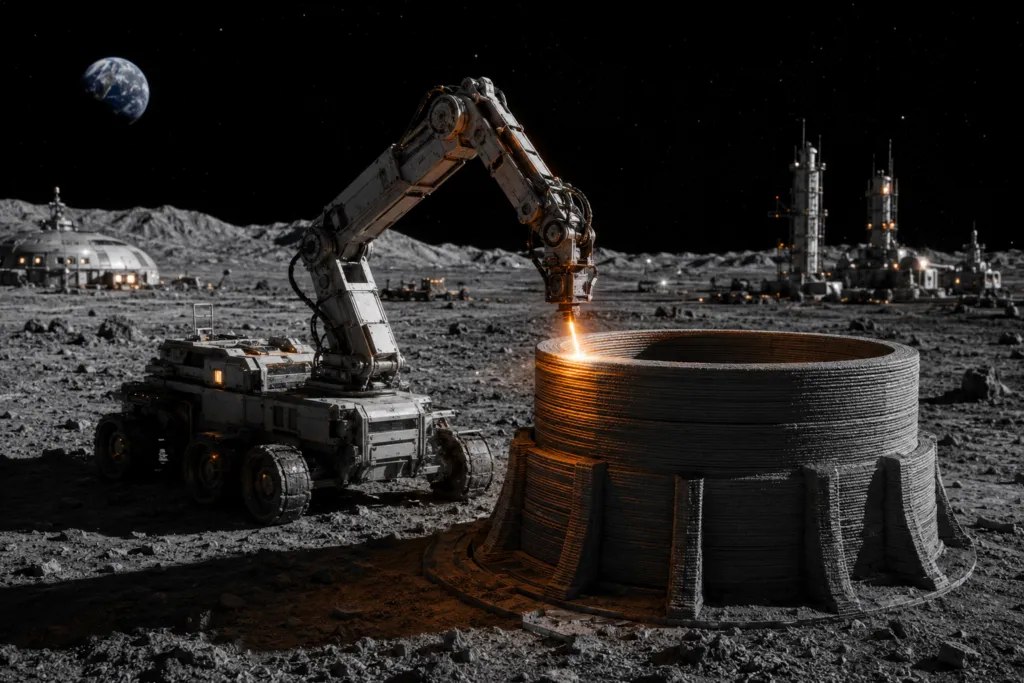
Startup Lunar Forge came out of stealth with laser-sintering tech that turns lunar regolith into structures, starting with reactor housing.
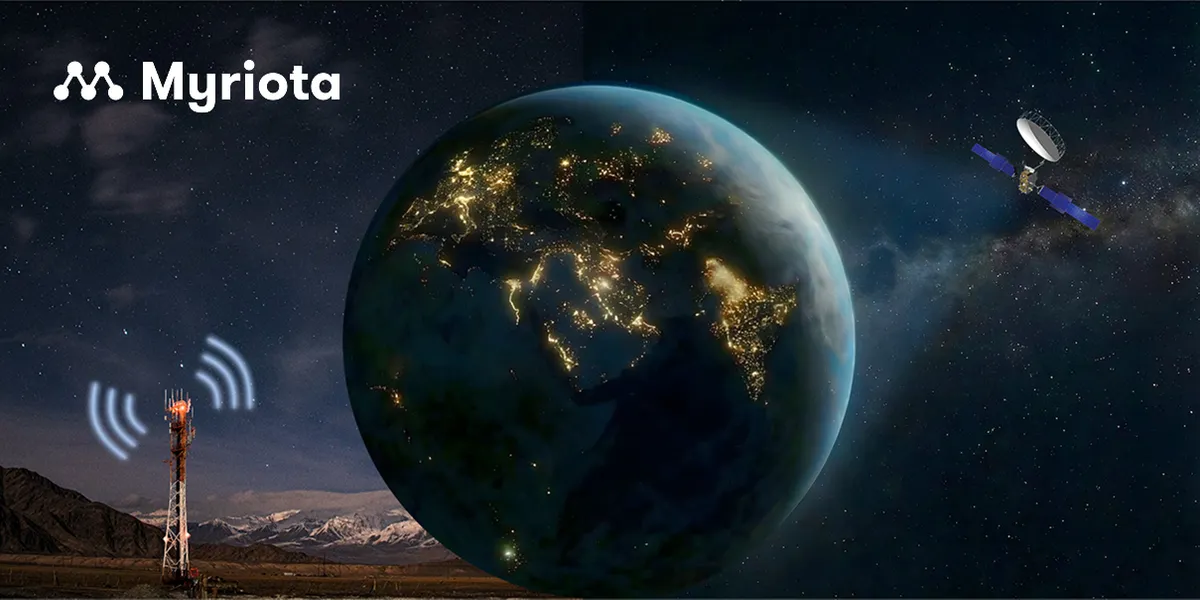
Myriota added cellular fallback to its HyperPulse satellite IoT network, priced from $0.99 a device per month.
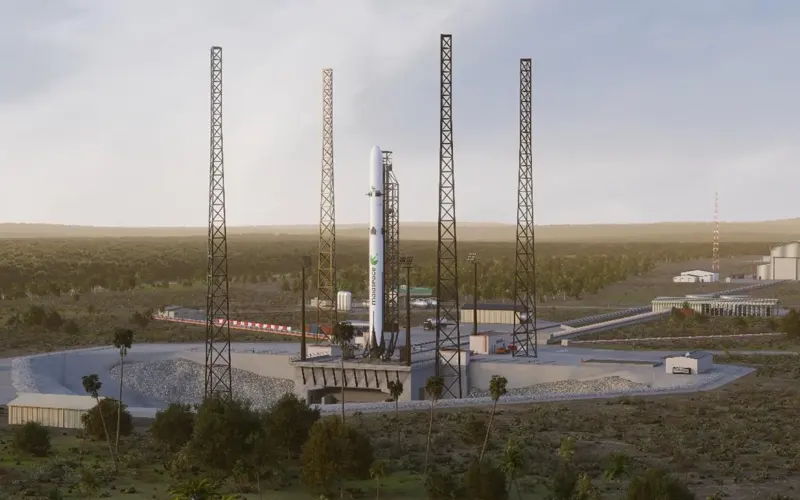
ArianeGroup subsidiary MaiaSpace is considering a fourth Prometheus engine that would double Maia's payload across all variants.
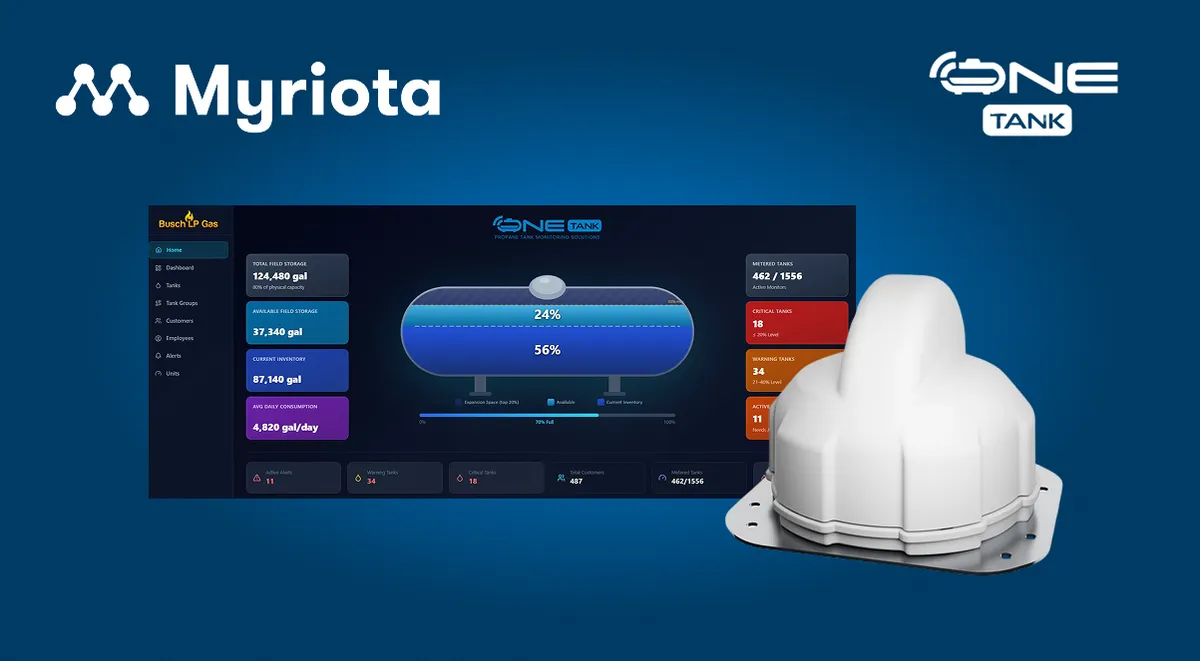
Myriota subsidiary One-Tank rolled out Pulse, a satellite propane-tank monitor priced at $0.99 a month.
The CLPS lander, designated Moon Base II by NASA, heads to California testing before a late-2026 Falcon Heavy launch.