City Labs launches BOHR, first commercial nuclear-powered satellite
City Labs
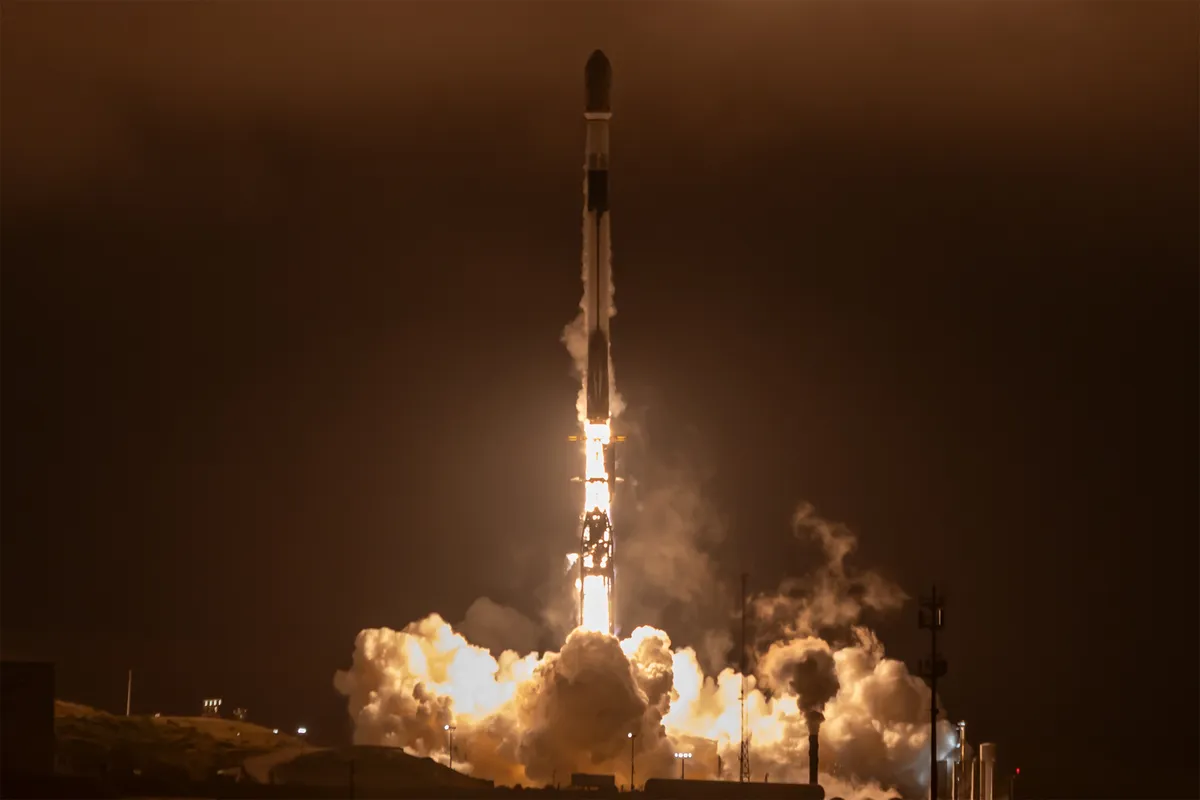
City Labs flew BOHR, calling it the first commercial nuclear-powered satellite, on SpaceX's Transporter-17 rideshare.
what happened
City Labs' BOHR cubesat launched aboard SpaceX's Transporter-17 rideshare mission on July 7 alongside 80 other payloads, released into an orbit between 350 and 400 miles (nearly 600 km) altitude, per Ars Technica, which the company and Payload describe as the first commercial nuclear-powered satellite and first nuclear cubesat. BOHR demonstrates City Labs' NanoTritium betavoltaic technology, generating continuous electrical current from the natural beta decay of tritium rather than from sunlight. The FAA issued an affirmative payload authorization for the mission on September 30, 2025.
why it matters
A power source independent of sunlight could keep small satellites or subsystems running through eclipse periods, in permanently shadowed regions, or on multi-decade missions without the mass and complexity of a radioisotope thermoelectric generator. It is a single-mission demonstration rather than a flight-proven product line, but it sets a regulatory and technical precedent for commercial nuclear power sources in orbit.
signal-to-noise
quick facts
- Companies
- City Labs
- Category
- product
- Impact
- noise
- SNR
- 4 / 5
- Event date
- 2026-07-07
- Published
- 2026-07-08 10:03 UTC