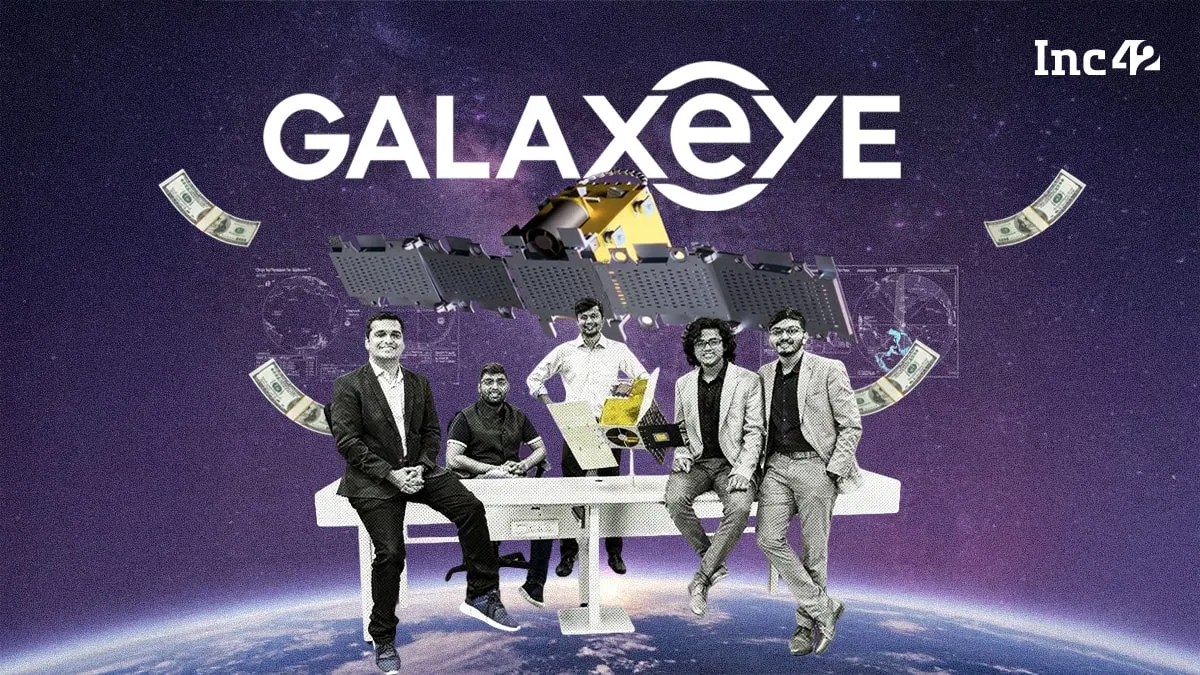
GalaxEye secures US patent for OptoSAR satellite imaging tech
GalaxEye became the first Indian startup to win a US patent for its OptoSAR tech, which fuses optical and SAR imaging on one satellite.
GalaxEye became the first Indian startup to win a US patent for its OptoSAR tech, which fuses optical and SAR imaging on one satellite.
Pixxel closed its Series C at $100 million co-led by Temasek and Seraphim, India's largest space-tech funding round to date.
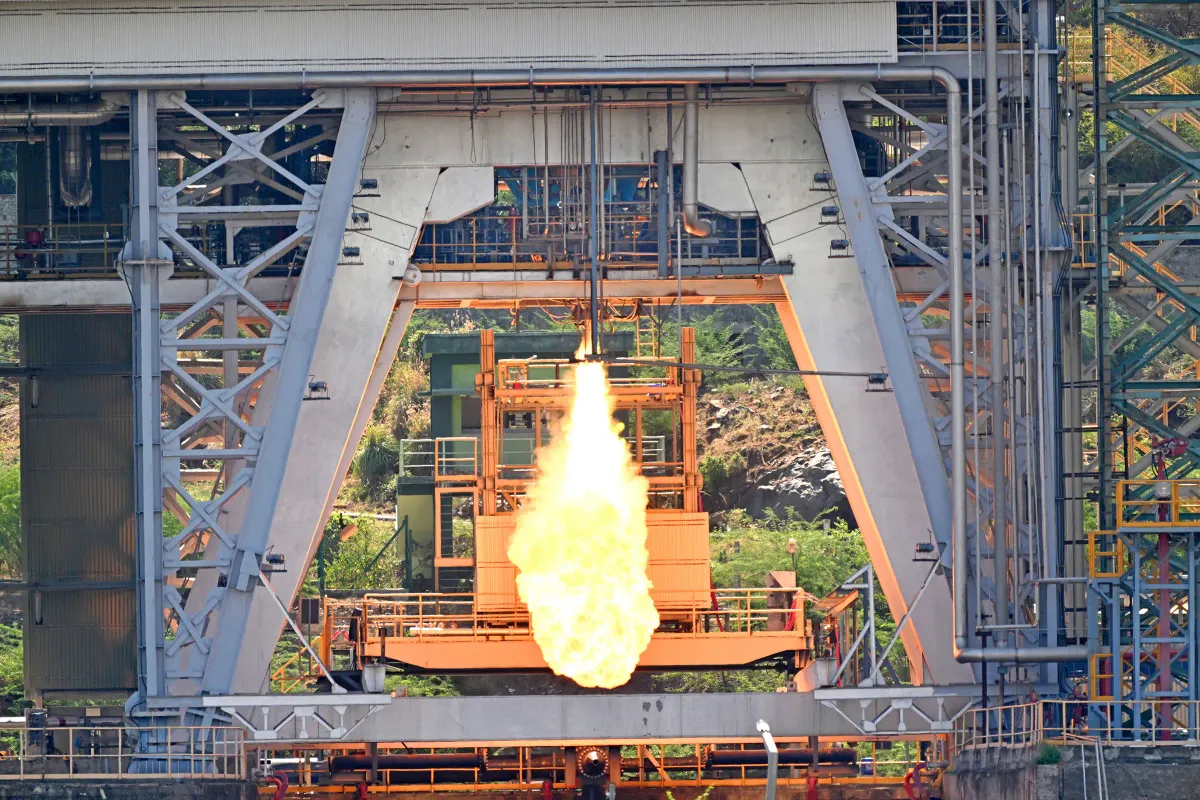
ISRO completed the first 100% thrust hot test of its semi-cryogenic engine power head, aimed at a heavier LVM3.
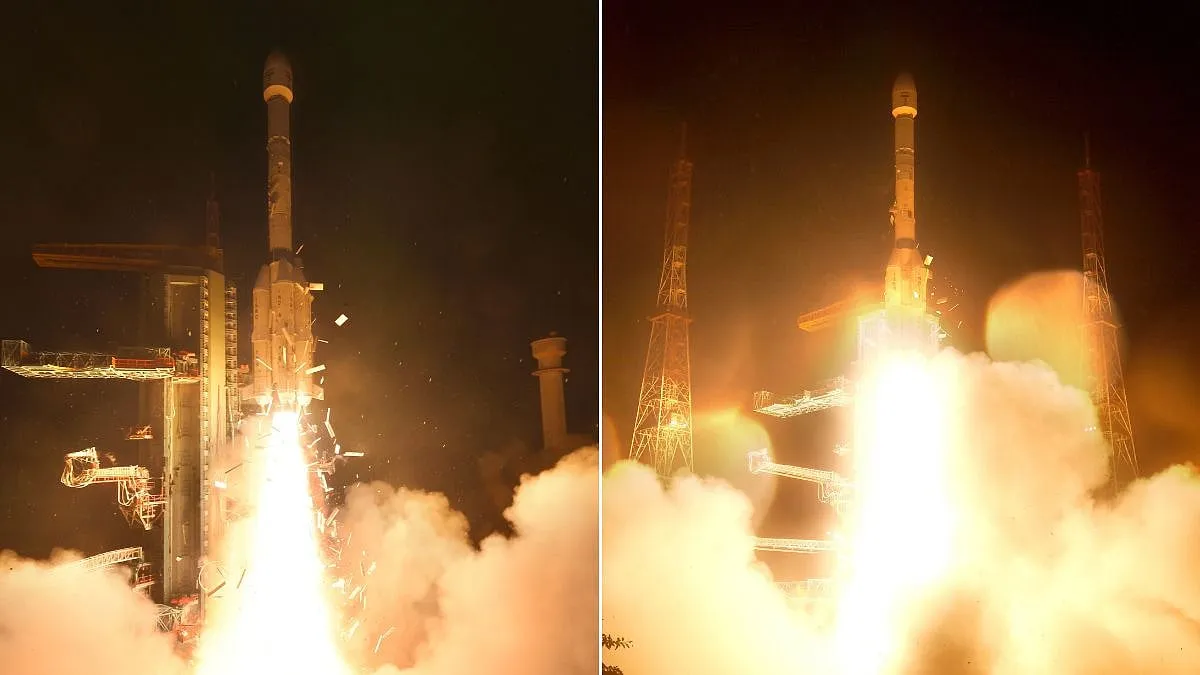
GSLV-F17 places India's first dedicated geo-orbit Earth imaging satellite into orbit, ISRO's first launch since a January failure.

Bengaluru startup Kepler Aerospace lands its first outside funding to build six autonomous swarming surveillance satellites.
Vantor's Maritime Sentry will feed SAR and optical imagery into the Indo-Pacific Partnership for Maritime Domain Awareness.
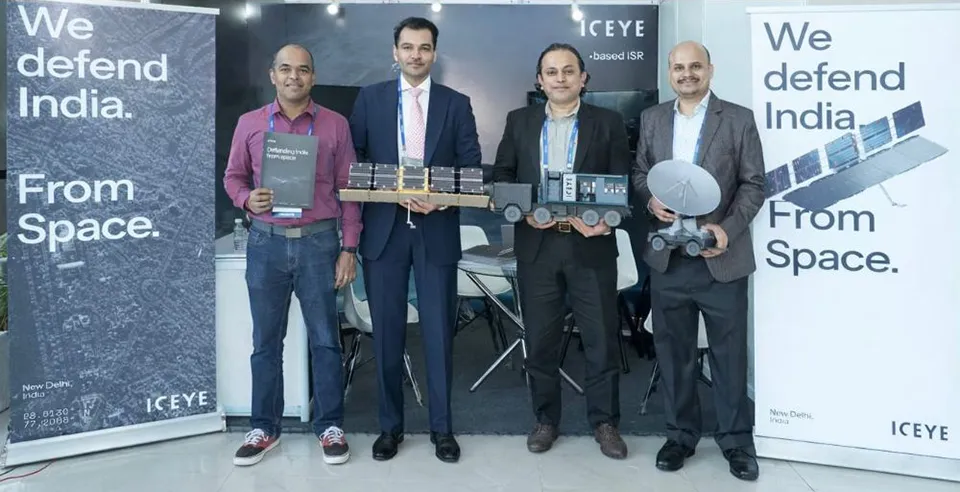
ICEYE opens ICEYE India in New Delhi, planning local SAR component manufacturing for Indian defense customers.
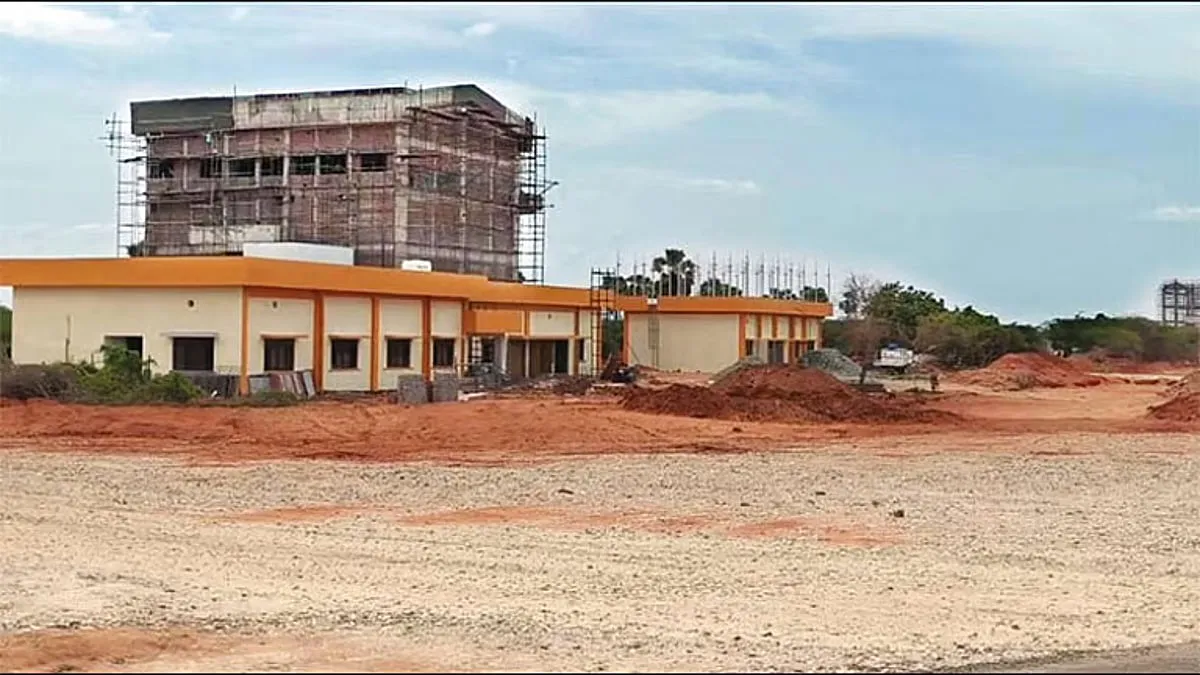
India has begun transferring operation and maintenance of the Rs 986 crore Kulasekarapattinam launch facility to private companies.

SpaceX's Starlink filed a fresh Gen 2 constellation application with India's IN-SPACe after regulators rejected its first bid.
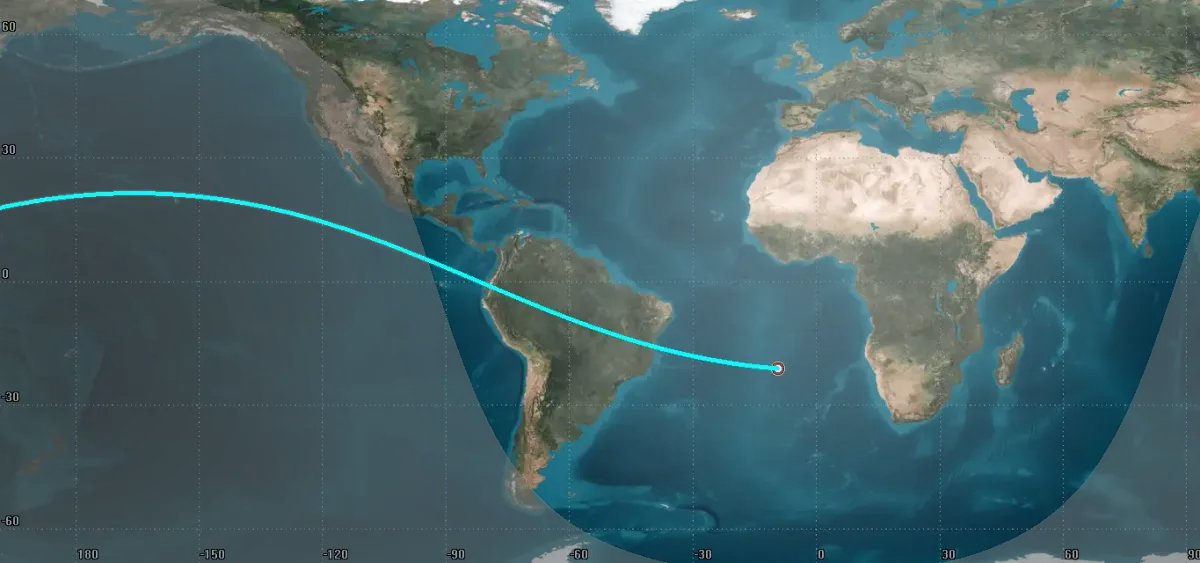
The C25 upper stage from ISRO's LVM3-M5 flight reentered over the Atlantic on July 30, within its planned short orbital lifetime.
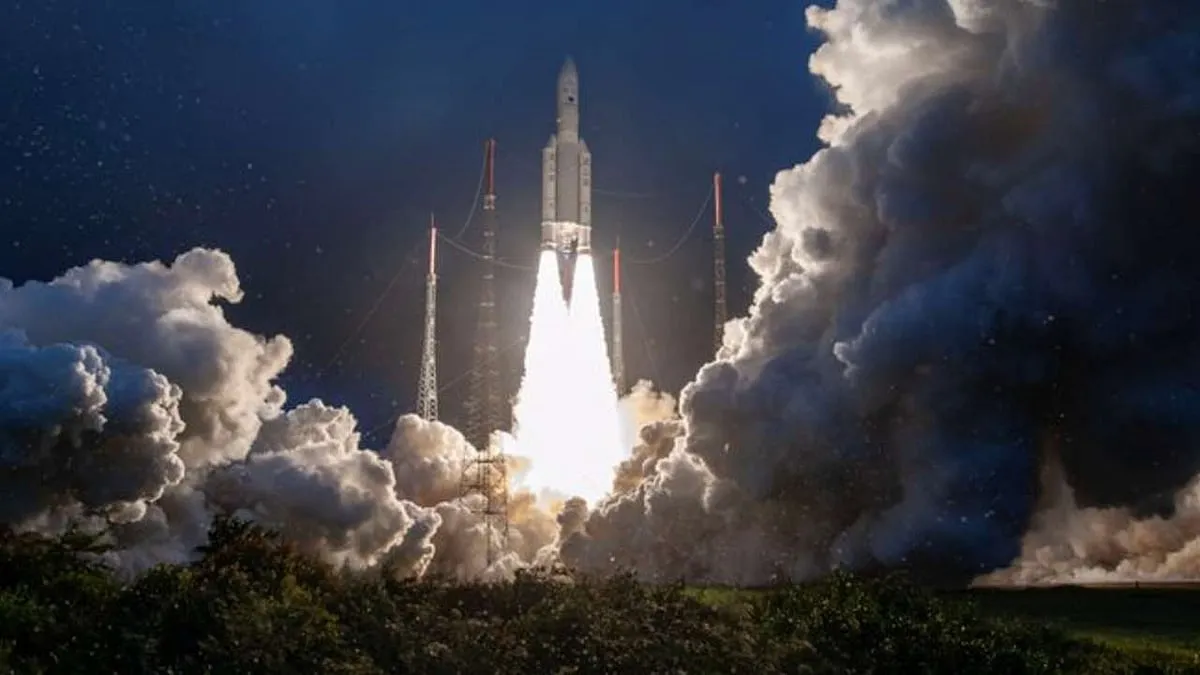
A US appeals court kept Devas' $562.5 million award against ISRO's Antrix alive; with interest it now tops $2 billion.

Pixxel-led Allied Orbits will build India's first fully privately owned national EO constellation, per a government Lok Sabha reply.
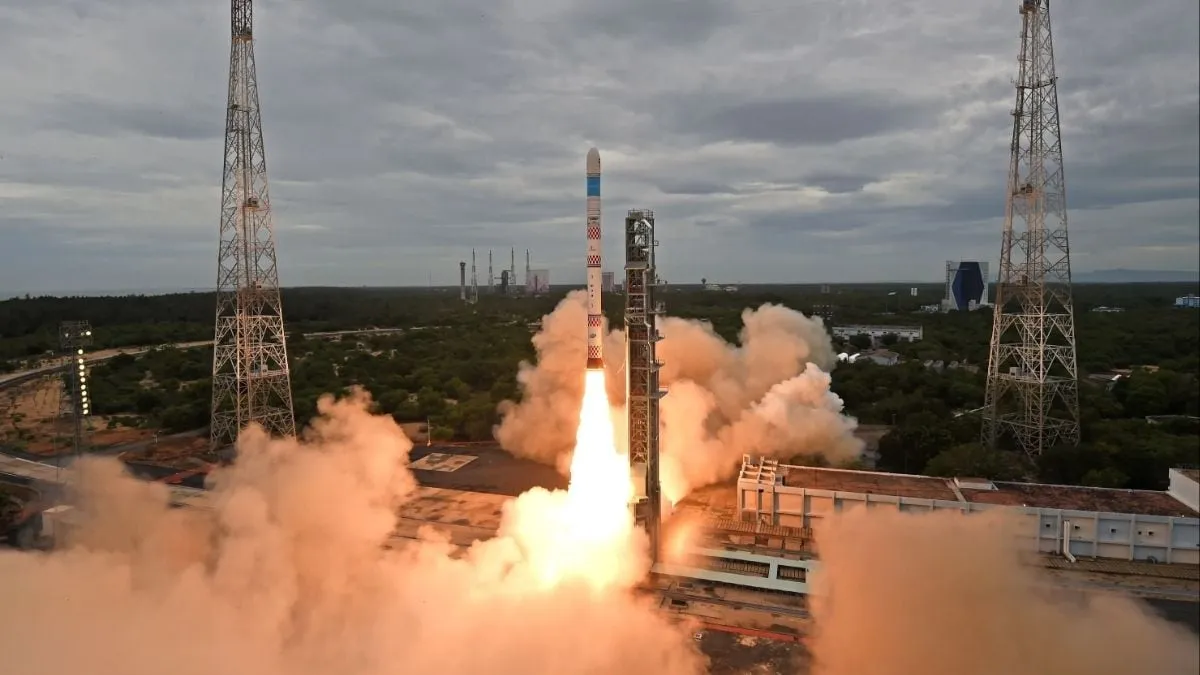
ISRO's redesigned SSLV solid booster passed a static test, expected to add about 100 kg of payload capacity.
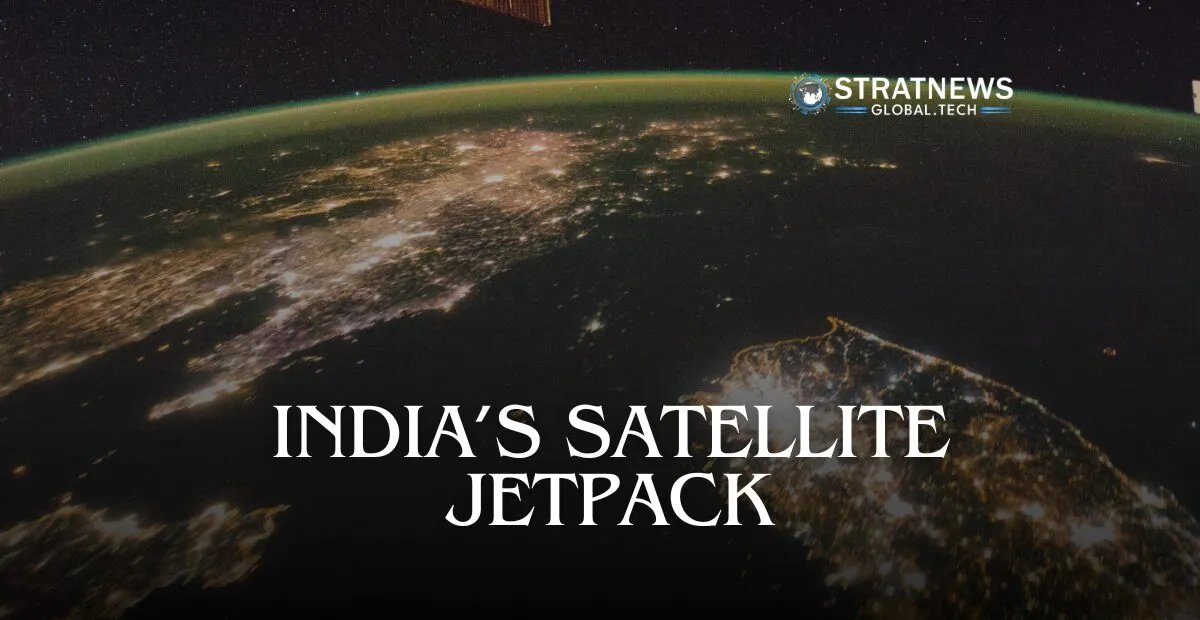
Indian in-space-servicing startup Aule Space became the first non-government user of ISRO's Rendezvous Simulation Laboratory.
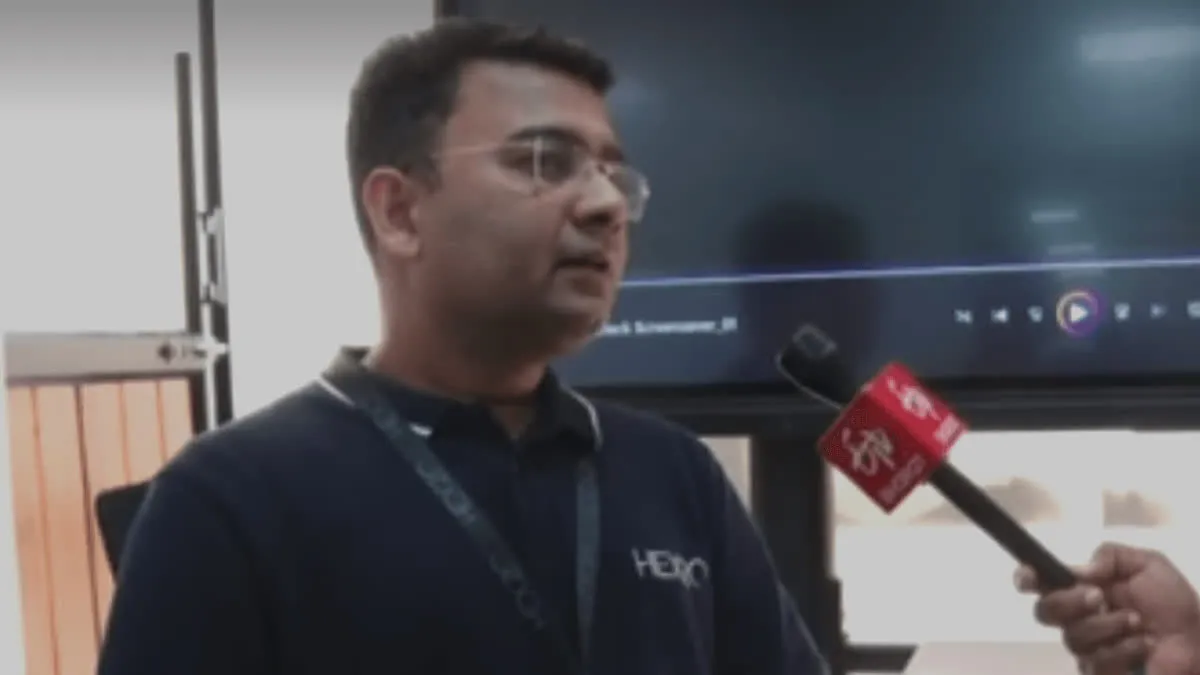
Skyroot Aerospace will fly three dedicated Vikram missions carrying HEX20's Nila-3, MAYA-V and DINK-N satellites starting late 2027.
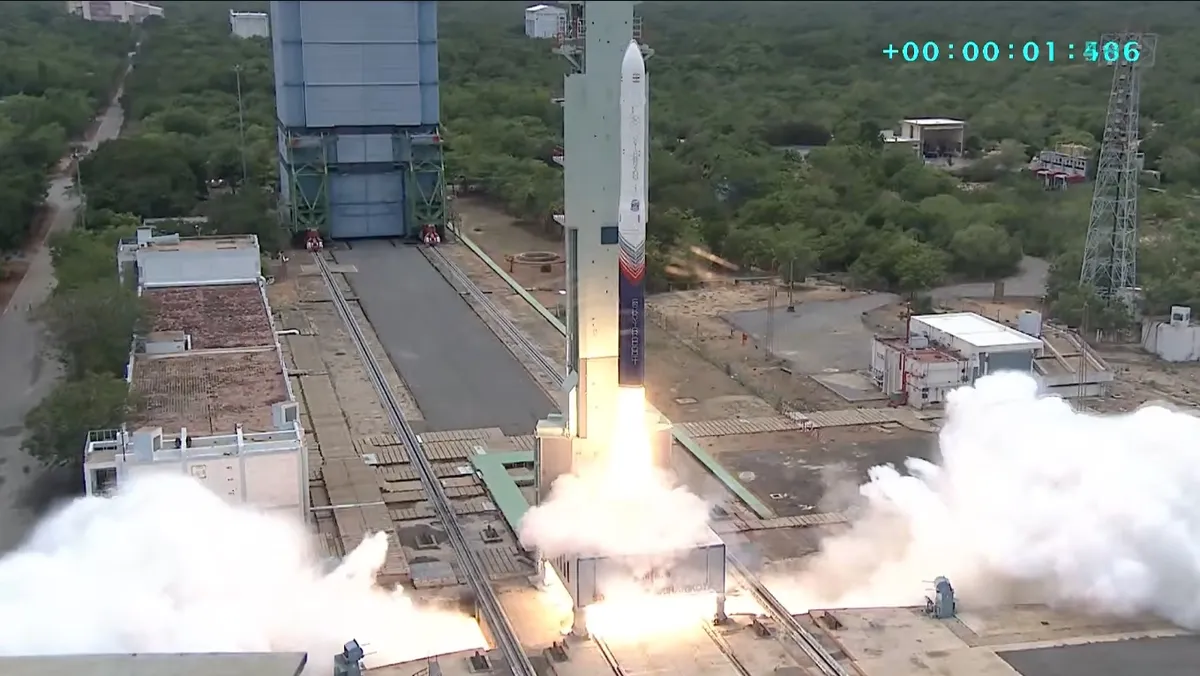
Skyroot's Vikram-1 reached orbit on its debut flight, becoming the first privately built rocket to do so from India.
Skyroot Aerospace's four-stage Vikram-1 rocket lifted off from India's Satish Dhawan Space Centre on July 18 and placed multiple payloads into a roughly 450-kilometer low Earth orbit about 15 minutes after liftoff, per SpaceNews. Reuters reported the rocket stands about 22 meters tall, uses three solid-fuel stages plus a liquid-fuel orbital adjustment module with a 3D-printed engine, and can carry up to 350 kilograms to low Earth orbit. The mission, called Aagaman, carried customer and technology-demonstration payloads including cubesats from Skyroot and Grahaa Space and hosted payloads from Dcubed and Cosmoserve Space, according to SpaceNews.

IN-SPACe, ISRO and DoT's WPC wing reportedly found Jio's 1,600-satellite plan "on par" with Starlink; neither party has confirmed it.
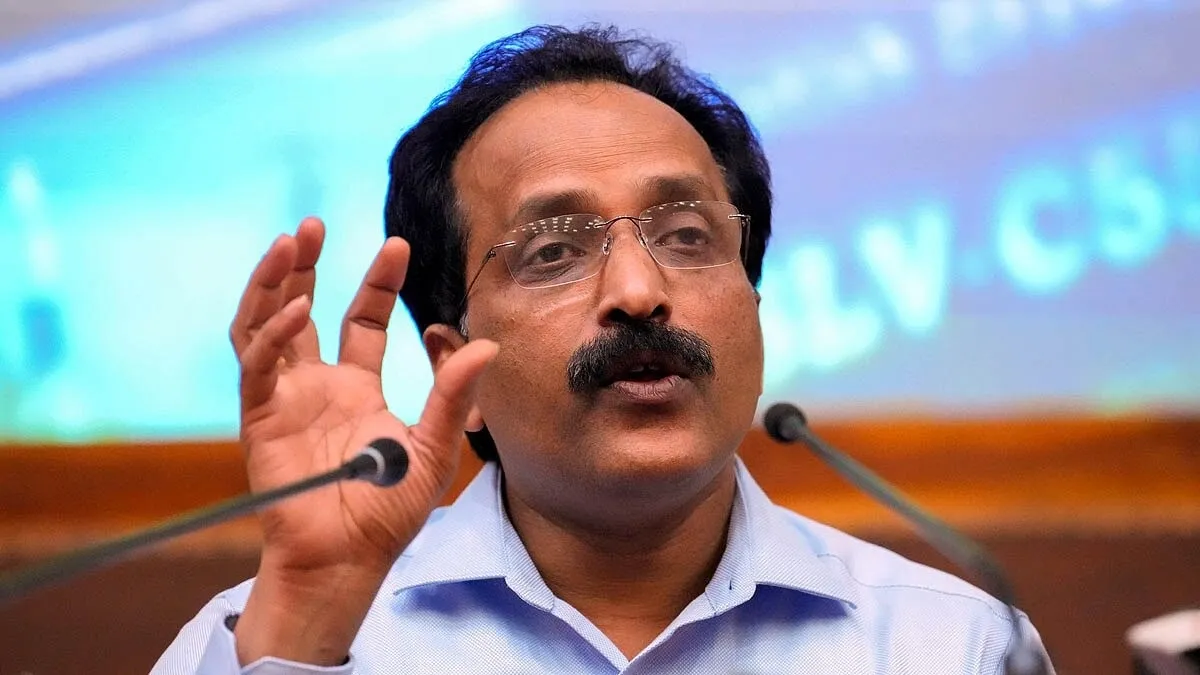
Former ISRO chairman S Somanath joins Agnikul Cosmos's board as an observer ahead of its Mission 02 booster-recovery attempt.
GalaxEye lost contact with Mission Drishti, billed as the world's first OptoSAR satellite, after a geomagnetic storm.
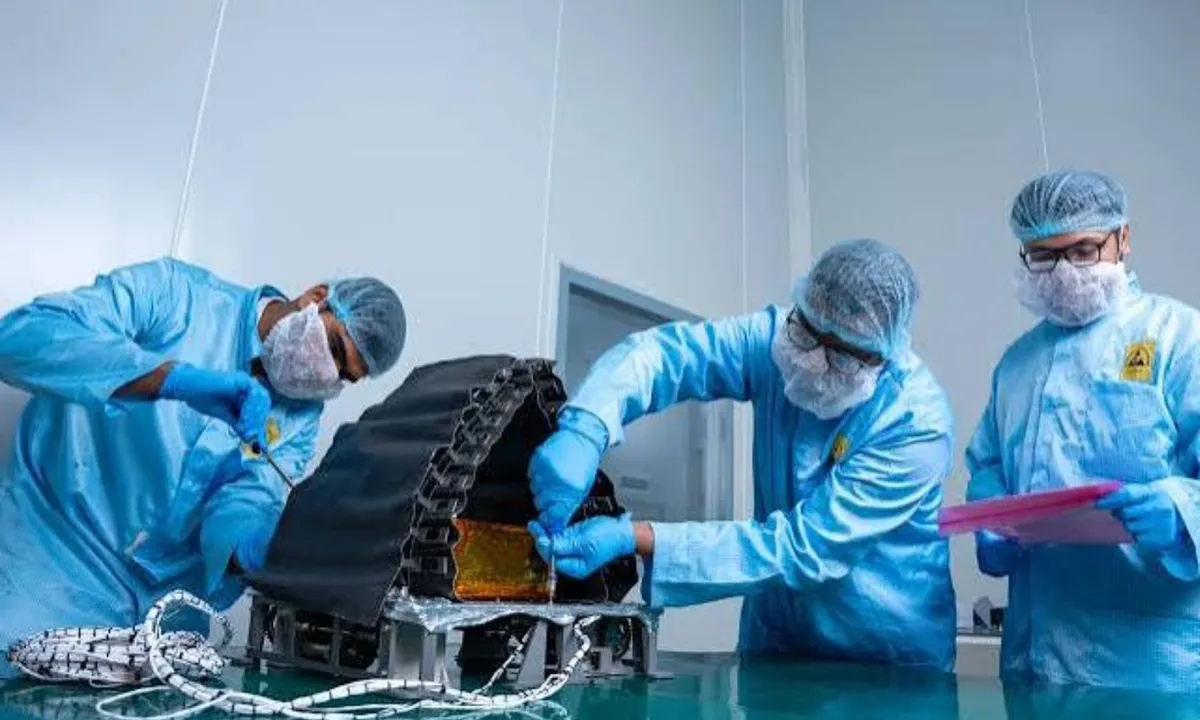
Cosmoserve will test a soft robotic debris-capture mechanism aboard Skyroot's first orbital launch.
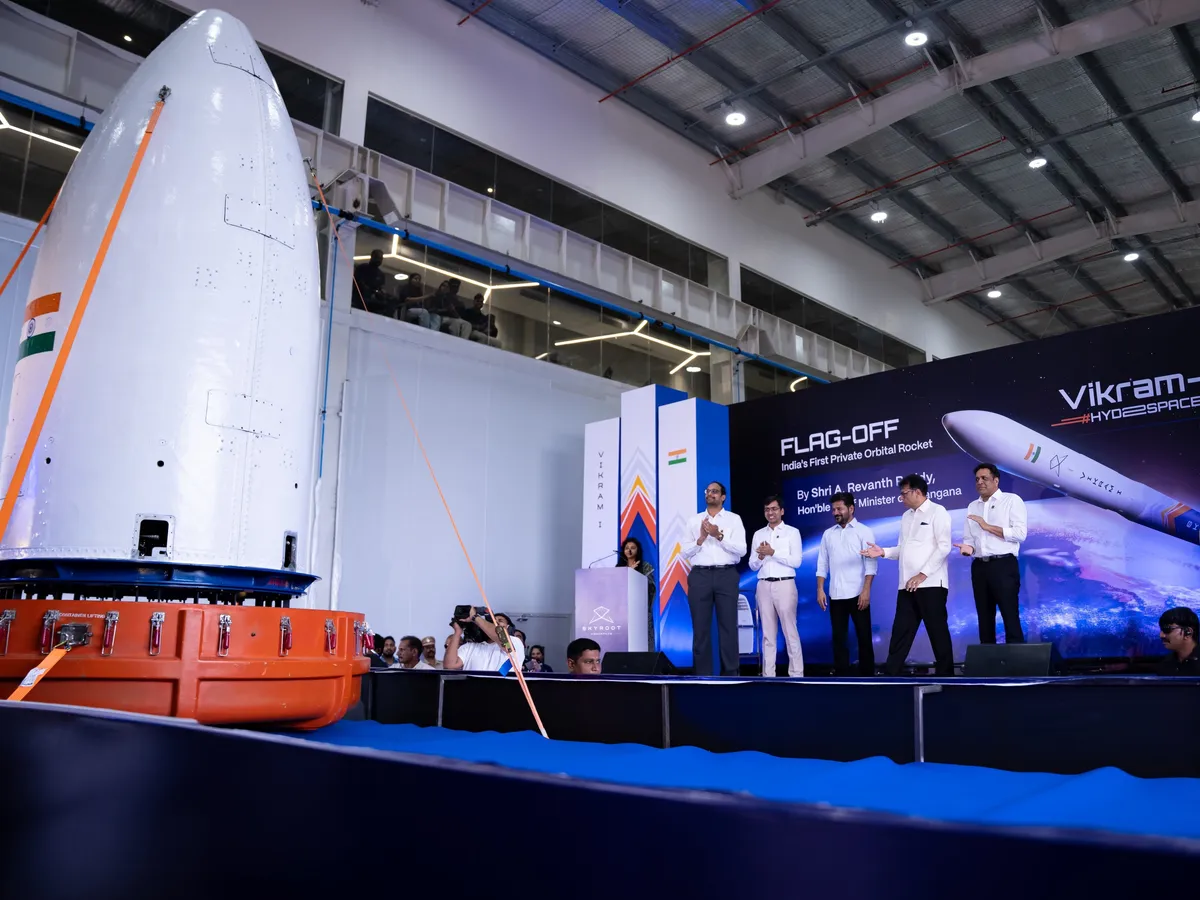
Skyroot set a July 12-August 4 launch window for Vikram-1, India's first private orbital rocket, per SpaceNews and PTI.

Per BIS Infotech: an MoU to design, manufacture and deploy SAR EO systems within India, pairing ICEYE tech with AgniKul launch.
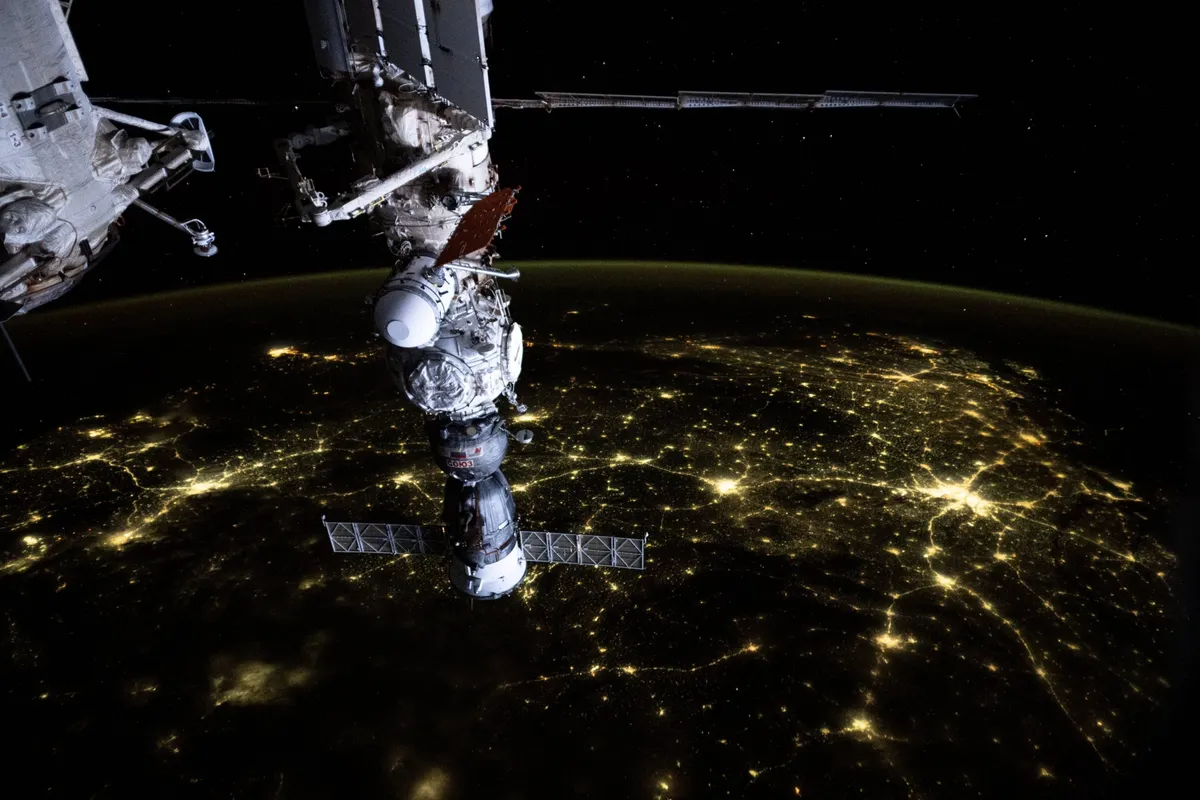
The RIL AGM statement commits to evaluating sovereign LEO capability; reported figures of ~1,600 satellites are unconfirmed.
Per GKToday: IN-SPACe invited Expressions of Interest for private companies to manufacture, operate and commercialise LVM3.
Per Reuters: a $2.57M Technology Adoption Fund grant to develop AI models for Earth observation, one of three projects selected.