JAXA completes Epsilon S second-stage engine test after switching to backup motor
JAXA's Epsilon S clears its second-stage engine test, using a fallback motor after two prior explosions grounded the program.
what happened
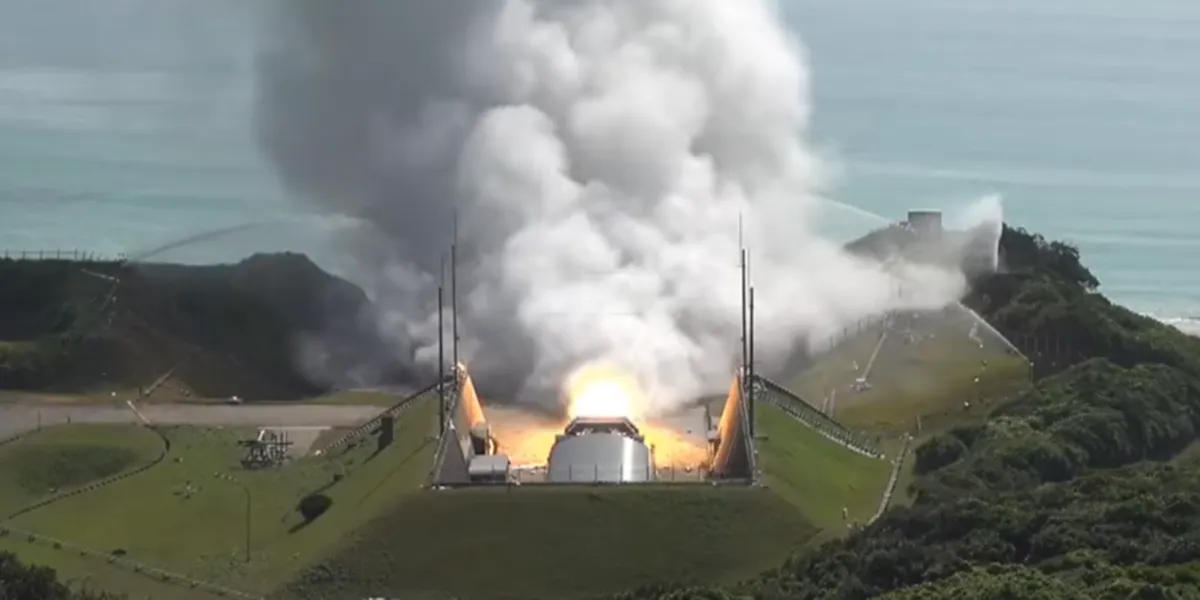
JAXA fired the M-35a second-stage engine for its Epsilon S small-satellite rocket for about two minutes at Tanegashima Space Center on July 23, per Xinhua and Nikkei Asia. JAXA switched to the older, proven M-35a design, adapted from an earlier Epsilon-series motor, after the newer E-21 engine exploded during ground tests in July 2023 and November 2024. The switch cuts the rocket's payload capacity to sun-synchronous orbit from 600 kg to 400 kg, and JAXA is targeting a first flight within the current Japanese fiscal year.
why it matters
The successful static fire clears a key hurdle toward Epsilon S's first flight after nearly two years of setbacks, restoring a dedicated Japanese small-satellite launch option. The reduced payload capacity narrows the vehicle's competitive window against other smallsat launchers before it has even flown its first mission.
for who
smallsat launch customers evaluating Japanese providers
signal-to-noise
quick facts
- Companies
- JAXA
- Category
- launch
- Impact
- notable
- SNR
- 4 / 5
- Event date
- 2026-07-23
- Published
- 2026-07-26 17:27 UTC