NASA and SpaceX delay Crew-13 launch after Dragon oxidizer leak
NASA and SpaceX fixed the Dragon oxidizer leak that delayed Crew-13 and now target an Oct. 1 ISS launch.
updates
- 2026-09-23NASA said Sept. 22 it and SpaceX are targeting 11:10 a.m.
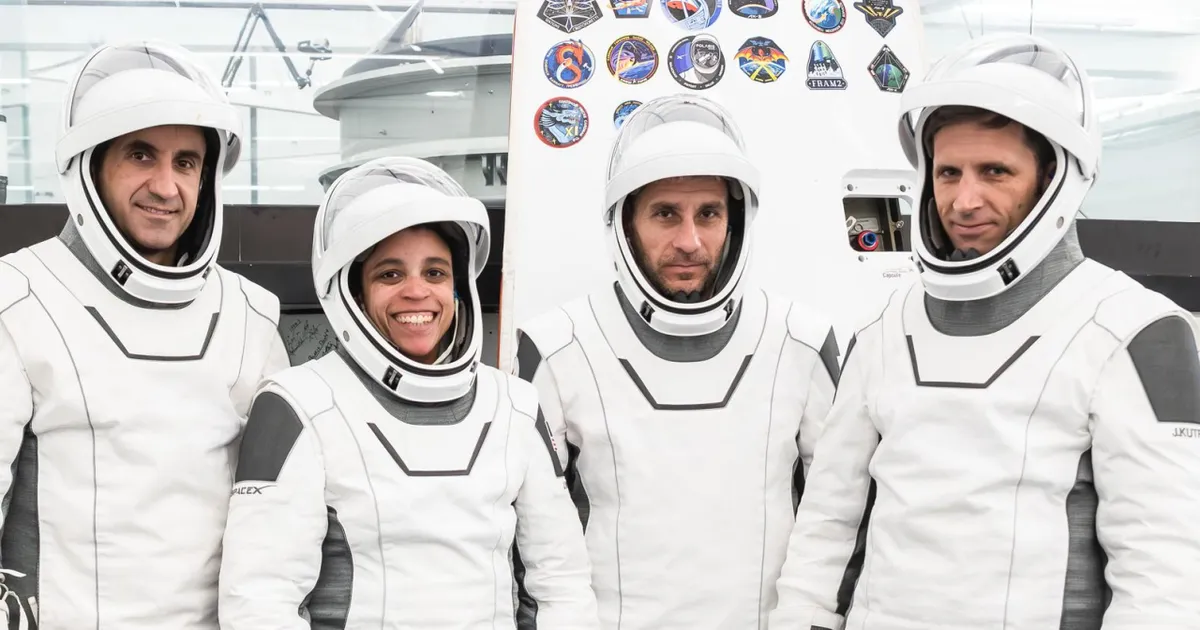
- 2026-09-18The mission, previously targeted for Sept. 12 from Space Launch Complex 40 at Cape Canaveral, will carry NASA's Jessica Watkins and Luke Delaney, CSA's Joshua Kutryk, and Roscosmos's Sergey Teteryatnikov to Expedition 75.
- 2026-09-08Per Central Florida Public Media, NASA Administrator Jared Isaacman said Sept. 8 the repair could take two to four weeks, pushing the launch to at least late September.
what happened
NASA said Aug. 29 that it and SpaceX are adjusting the launch date for the Crew-13 mission to the International Space Station after an oxidizer leak was detected on the Dragon spacecraft's propulsion system during standard prelaunch processing, per NASA's own blog. The mission, previously targeted for Sept. 12 from Space Launch Complex 40 at Cape Canaveral, will carry NASA's Jessica Watkins and Luke Delaney, CSA's Joshua Kutryk, and Roscosmos's Sergey Teteryatnikov to Expedition 75. Per Central Florida Public Media, NASA Administrator Jared Isaacman said Sept. 8 the repair could take two to four weeks, pushing the launch to at least late September. SpaceX replaced the leaking oxidizer valve in Dragon's propulsion system, per WFTV, and NASA said Sept. 17 that it and SpaceX are now targeting an early October launch; the crew entered quarantine at Johnson Space Center late Sept. 17 ahead of liftoff. NASA said Sept. 22 it and SpaceX are targeting 11:10 a.m. EDT Thursday, Oct. 1 as the earliest launch opportunity, with docking planned for about 8 p.m. the same day at Harmony's forward port; the crew was set to leave quarantine at Johnson Space Center for Kennedy Space Center on Sept. 26 to complete prelaunch reviews, per NASA's own blog.
why it matters
The firm Oct. 1 date closes out a three-week-plus slip caused by a hardware issue on Commercial Crew's workhorse vehicle, the kind of unplanned Dragon downtime NASA and its partners must absorb without a second US crew-rotation provider yet flying operational missions.