SpaceX files FCC re-entry and collision risk analysis for Starmind constellation
SpaceX filed FCC data on re-entry casualty and collision risk for its proposed Starmind orbital data-center satellites.
what happened
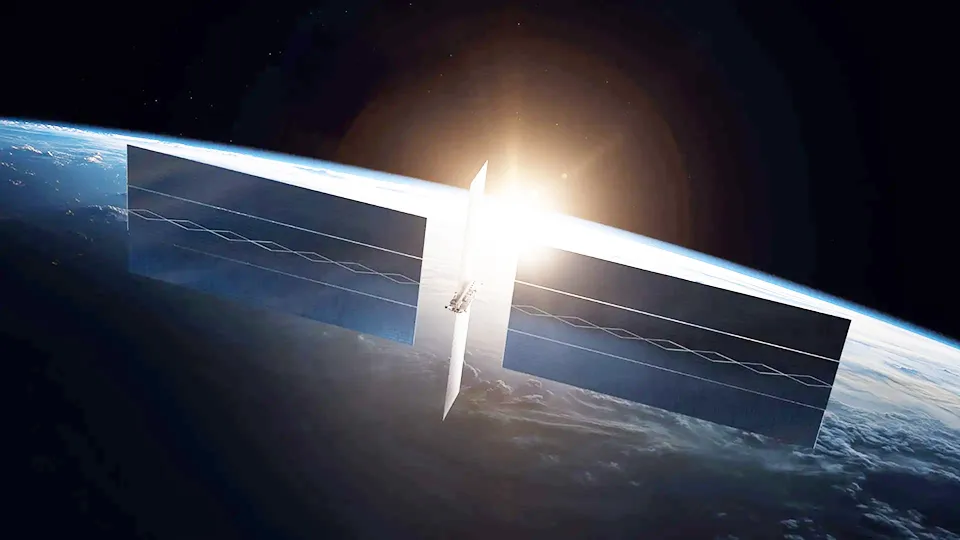
SpaceX filed a 12-page technical response with the FCC on September 18 detailing atmospheric re-entry thermodynamics and orbital collision probabilities for its proposed Starmind space-based data center constellation, per SatNews. The filing states each Starmind node weighs up to 4,000 kg, about seven times a Starlink V2 Mini satellite, and calculates that all surviving re-entry fragments would carry kinetic energy below 15 joules, for zero aggregate human casualty risk under NASA's Debris Assessment Software standard. It also puts the full-satellite collision probability with 10 cm-plus debris below 0.001 over the operational lifespan, and commits to a 1-in-100,000 collision-avoidance threshold. The Starmind application remains under active FCC Space Bureau review alongside NASA and FAA consultations; SpaceX is targeting initial prototype launches in late 2027.
why it matters
This is the first detailed look at how SpaceX plans to satisfy FCC orbital-debris and re-entry-safety rules for satellites far heavier than a Starlink bus, a threshold question for whether the wider orbital data-center concept (SpaceX's and rivals') can clear the same regulatory bar Starlink already has.
signal-to-noise
quick facts
- Companies
- SpaceX
- Category
- regulatory
- Impact
- notable
- SNR
- 3 / 5
- Event date
- 2026-09-18
- Published
- 2026-09-21 05:30 UTC