Planet's Tanager-2 satellite achieves first light, expanding methane monitoring
Planet Labs · Carbon Mapper
Planet's second Tanager hyperspectral satellite spotted a methane plume and a Spanish salt lake six days after its October launch.
what happened
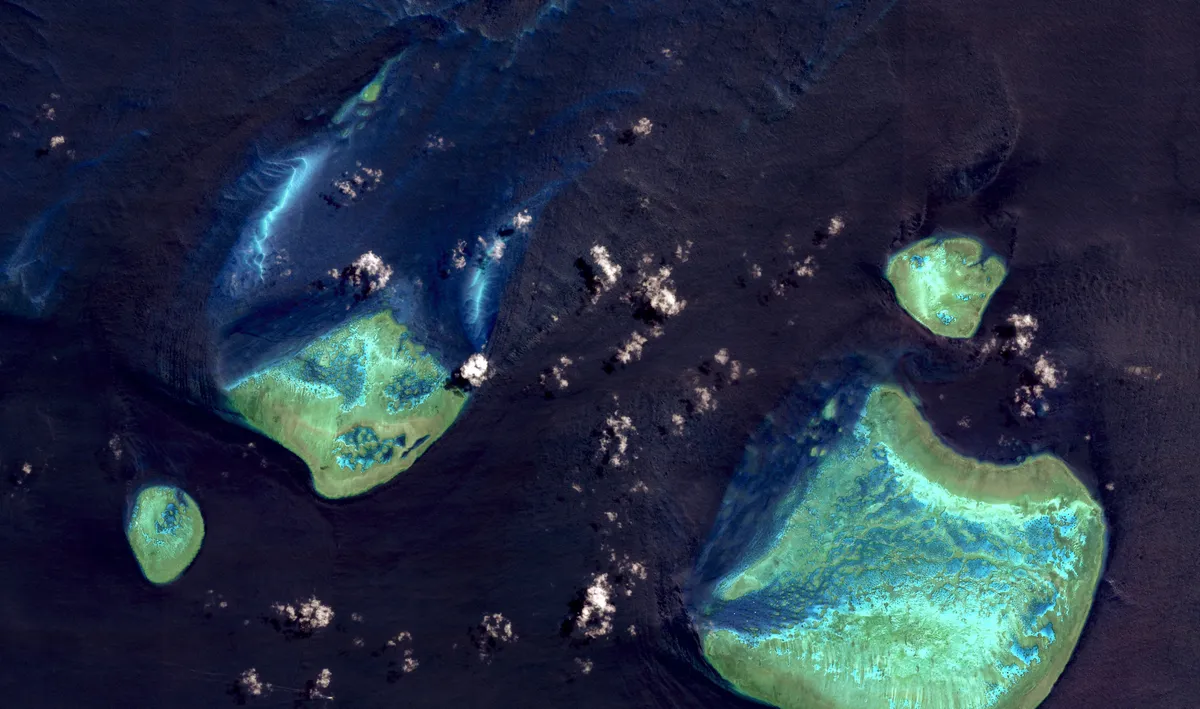
Planet's Tanager-2 hyperspectral satellite, launched on SpaceX's Transporter-18 rideshare mission on October 1, captured its first imagery six days later, photographing Spain's Pink Lake in Torrevieja on October 7 while simultaneously detecting a methane plume over the same coastal area, per Planet's October 20 blog post. A SuperDove from the new Flock 4J constellation, launched on the same mission, imaged Australia's Great Barrier Reef near the Whitsunday Islands on October 6. Tanager-2 is the second satellite in Planet's hyperspectral, methane-sensing partnership with the nonprofit Carbon Mapper; Carbon Mapper's own release says the satellite is designed to detect methane super-emitters with high granularity and that Planet plans to build and deploy at least two more broad-spectrum Tanagers plus one specialized next-generation imaging-spectroscopy unit.
why it matters
A second operational methane-mapping satellite increases Carbon Mapper's revisit frequency over tracked emission sources, speeding up the data public agencies, regulators and oil-and-gas operators use to find and fix leaks. It also demonstrates Planet turning a new satellite from launch to usable imagery within days, relevant to any customer weighing Planet's manufacturing and operations cadence.
signal-to-noise
quick facts
- Companies
- Planet Labs, Carbon Mapper
- Category
- constellation
- Impact
- noise
- SNR
- 5 / 5
- Event date
- 2026-10-20
- Published
- 2026-10-21 05:33 UTC