FAA drops aircraft exposure cap on falling space-launch debris
FAA
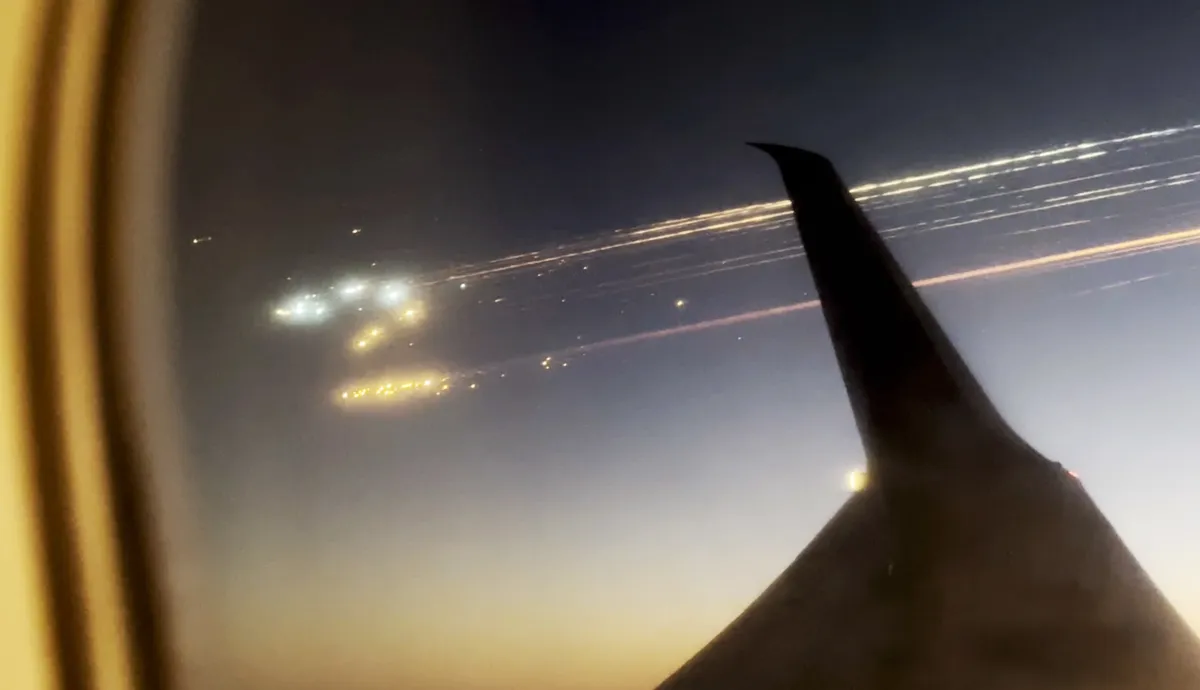
The FAA quietly dropped its rolling cap on aircraft exposure to falling launch debris in a June 8 memo, The Air Current reported.
what happened
The FAA's Executive Safety Council removed, in a June 8 memo titled "Decision on Safety Standards for Commercial Space," the rolling limit that had been the cornerstone of its acceptable-level-of-risk policy for aircraft flying near space launch and reentry hazard areas, The Air Current reported October 5 after obtaining the memo. The removed cap had allowed no more than 6,412 aircraft per 12-month period to transit the outer portions of hazard areas, a threshold designed to keep the odds of a fatal debris strike below 1-in-80-years at 95% confidence; the FAA said it had reached only about 30% of that cap but was on track to approach it as launch cadence rises. No aircraft may still transit the most hazardous inner portions of a hazard area, which the policy change does not affect, per The Air Current.
why it matters
Removing the exposure cap clears a regulatory constraint that could otherwise have throttled how many launches and reentries the FAA allows near busy airspace as SpaceX and competitors scale toward far higher annual launch and Starship reentry counts. The Air Current reported the Air Line Pilots Association objected that the change lowers the safety bar without consulting airlines, a dispute worth watching as cadence rises toward the administration's stated 1,000 launches-and-reentries-a-year 2030 target.
signal-to-noise
quick facts
- Companies
- FAA
- Category
- regulatory
- Impact
- notable
- SNR
- 3 / 5
- Event date
- 2026-06-08
- Published
- 2026-10-06 00:38 UTC