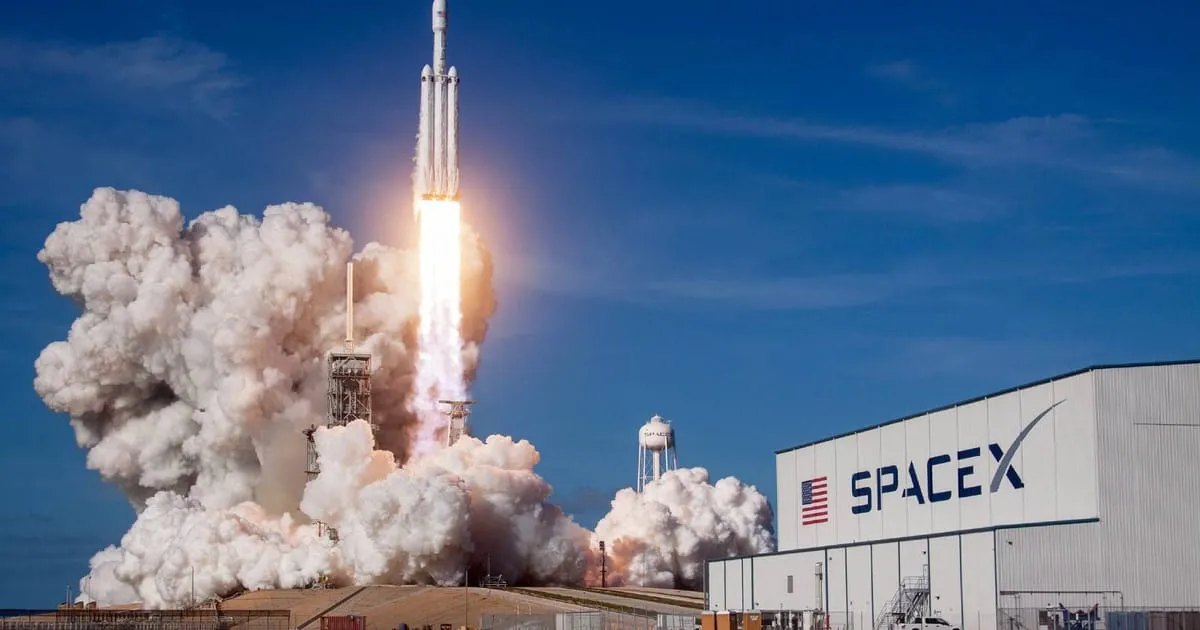
FAA proposes waiving 13 environmental laws for launch and reentry licensing
The FAA formally published its proposal to waive 13 federal laws, including NEPA, for launch and reentry licensing.
The FAA formally published its proposal to waive 13 federal laws, including NEPA, for launch and reentry licensing.
The FAA issued a final environmental finding clearing wider SpaceX Starship reentry and splashdown zones in the Pacific.
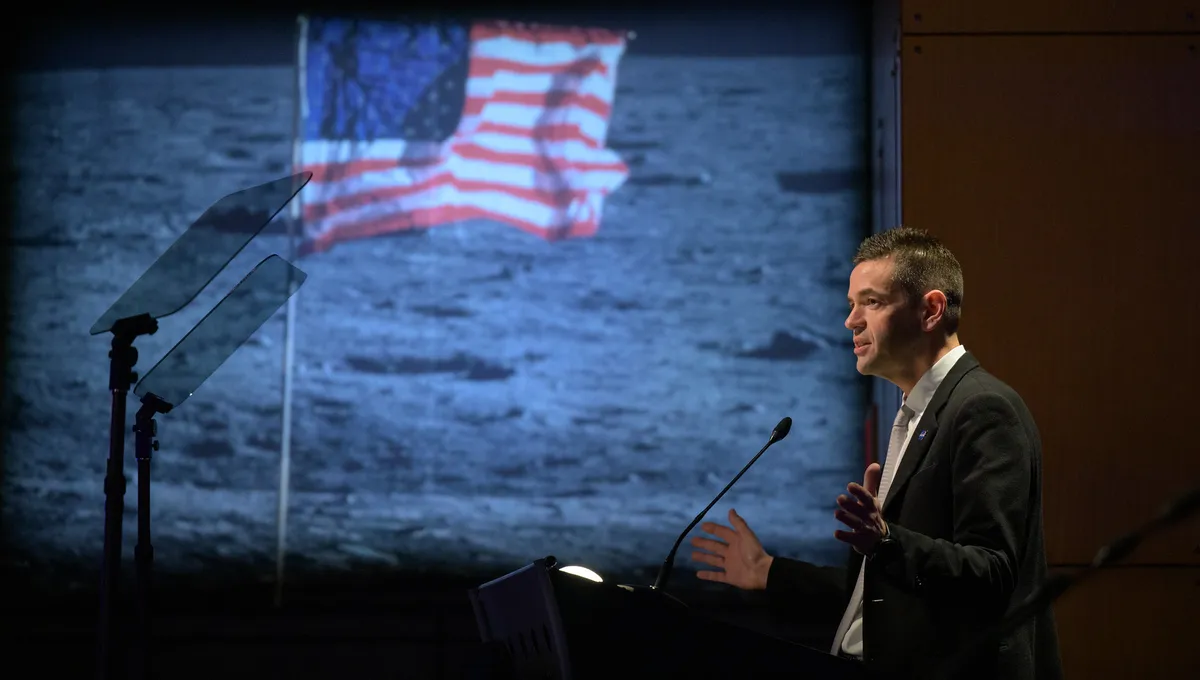
Per NASA Administrator Jared Isaacman: not every NASA problem has a commercial fix.
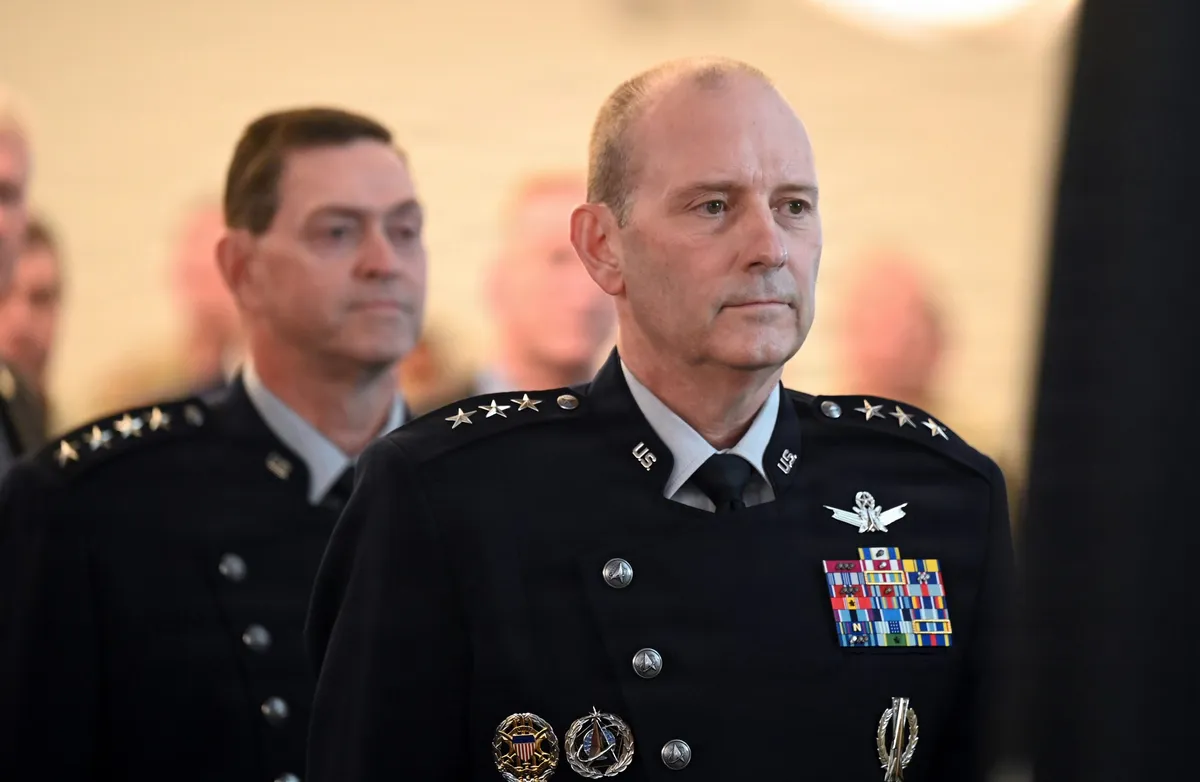
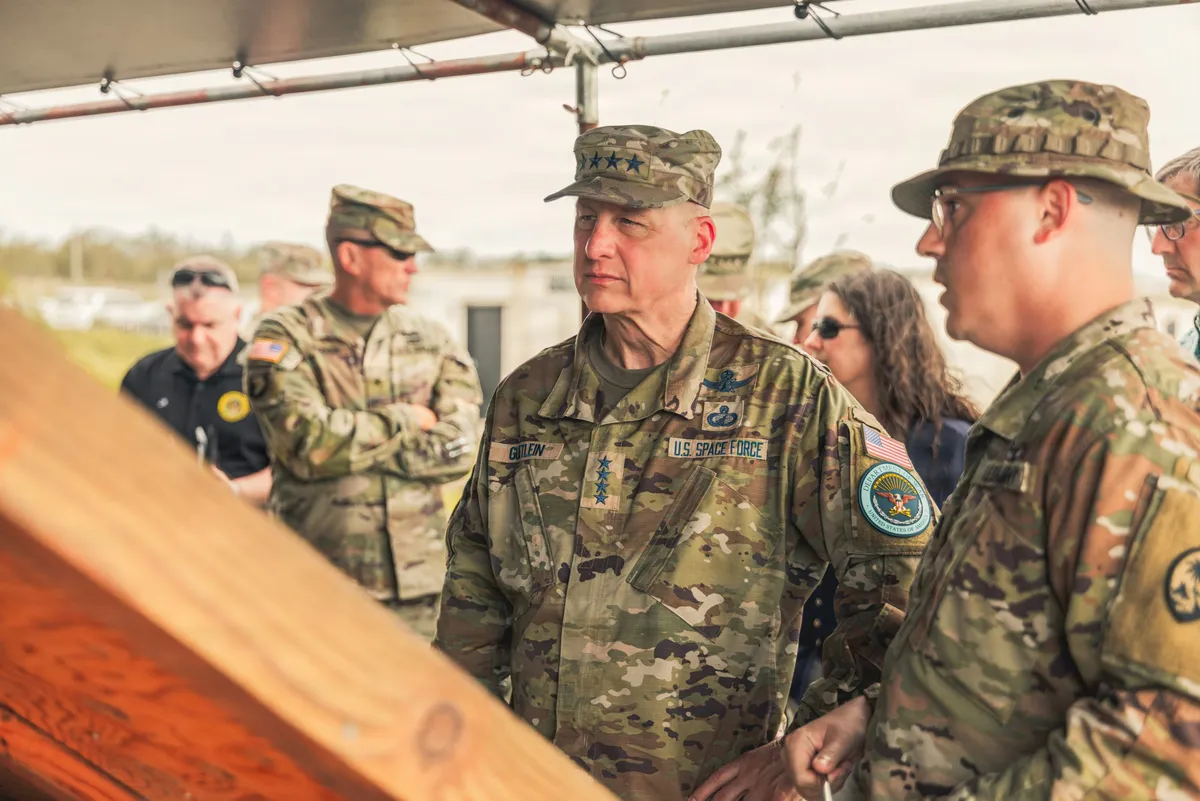
Gen. Douglas Schiess took over as Space Force's top uniformed officer, succeeding Gen. Chance Saltzman.

SpaceX urged the FCC to sunset its High-Cost rural subsidy fund as 'rent-seeking'; rural ISPs' trade group objected.
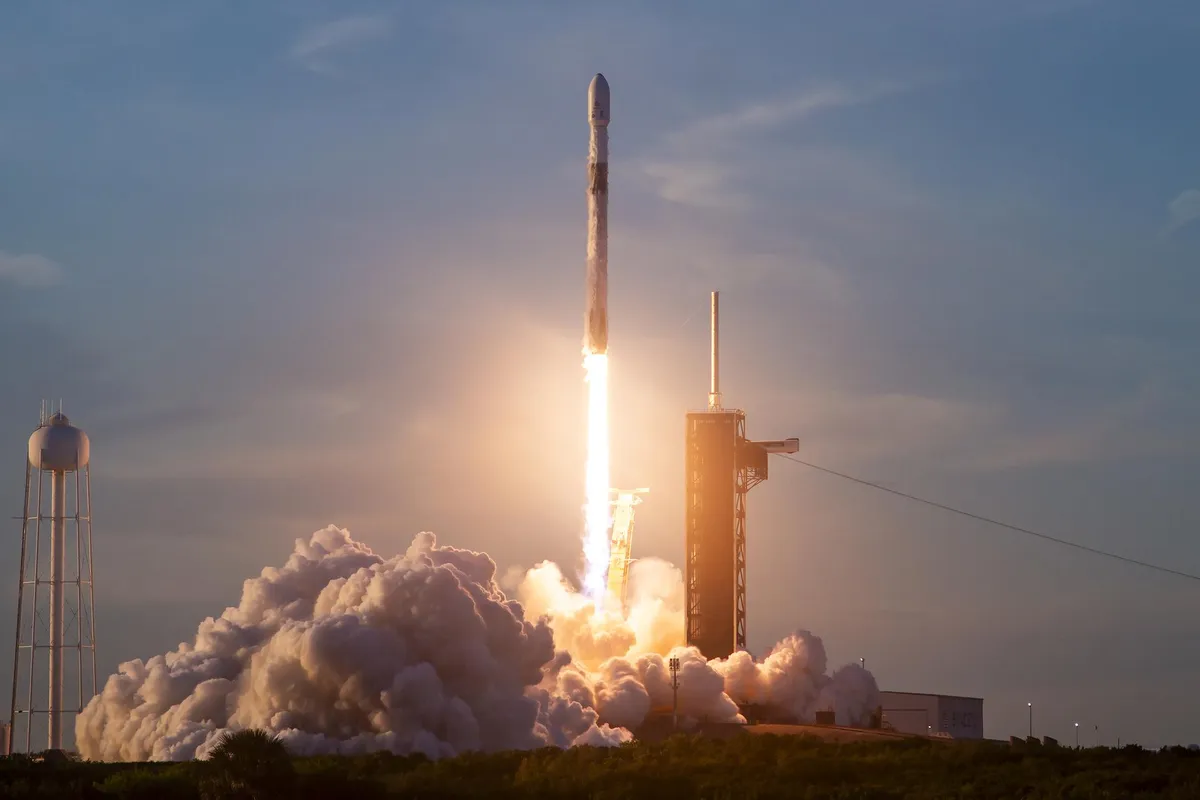
NASA is merging its launch programs into one office weighing block buys of launch services, per SpaceNews.
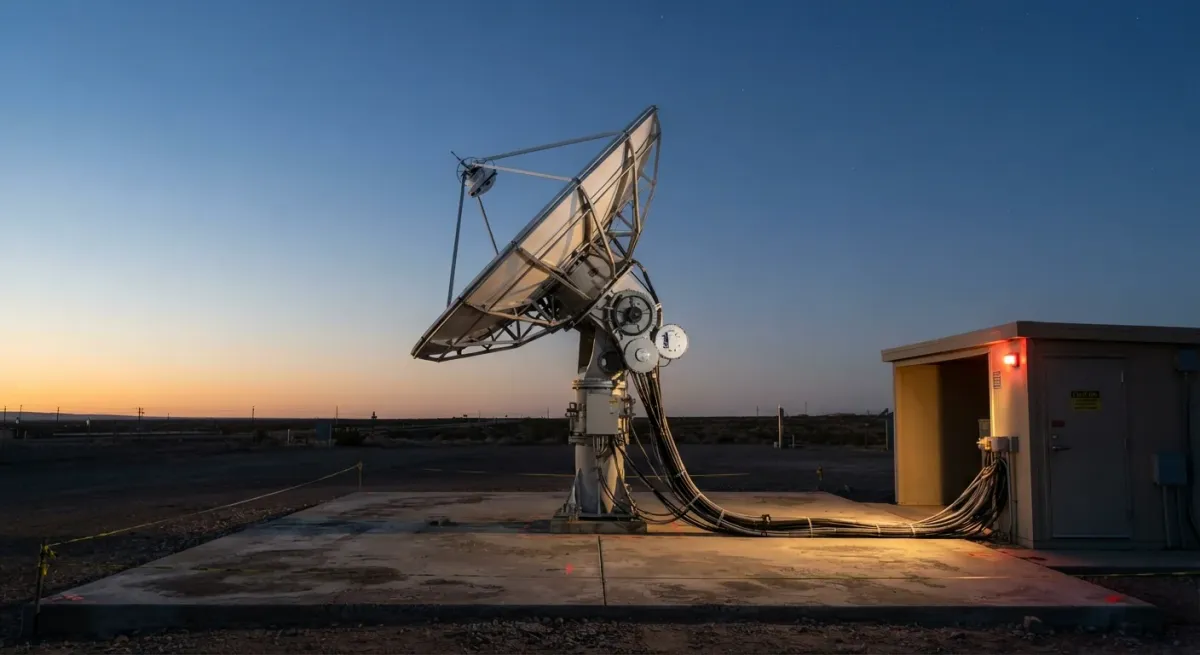
Telesat Government Solutions and Cailabs US will study pairing Lightspeed's optical inter-satellite links with Cailabs' ground stations.
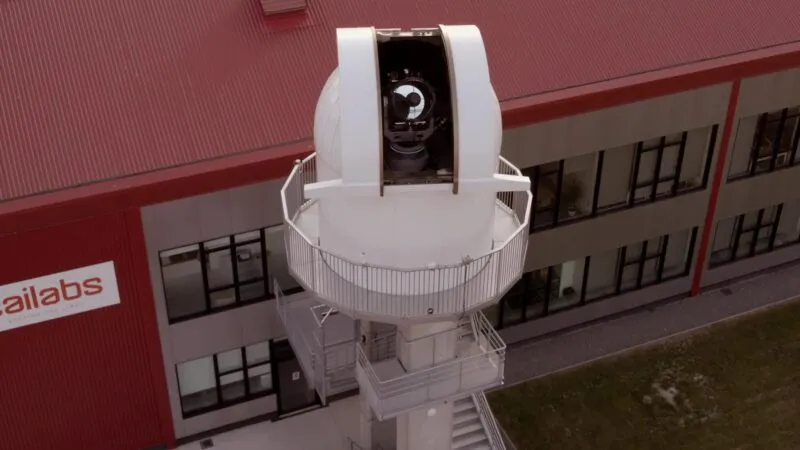
Kymeta secured a $20 million DoD order for more than 100 Osprey u8 multi-orbit satcom terminals.
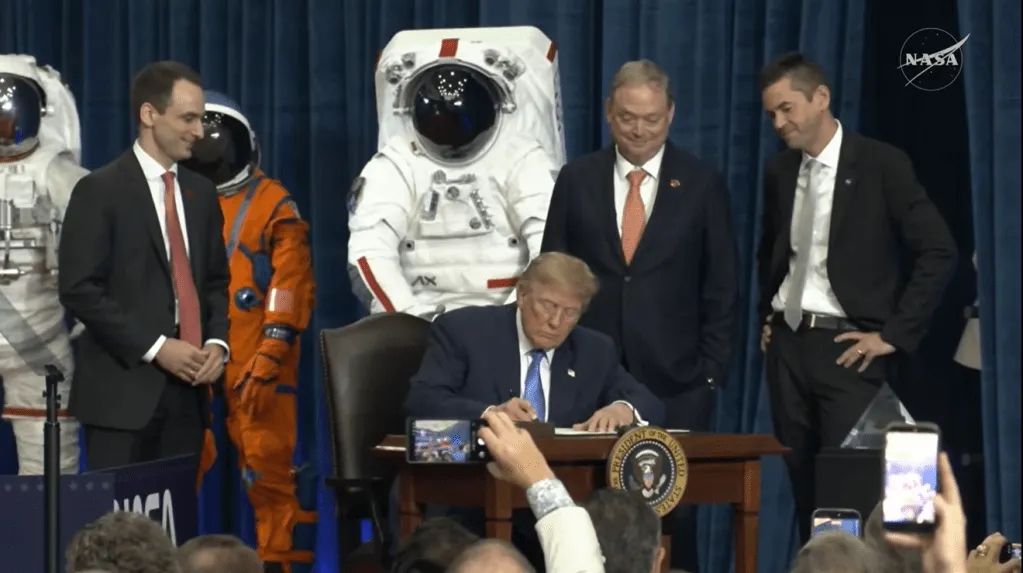
NASA picked Blue Origin over Rocket Lab to build and operate a $700 million Mars telecom orbiter due by December 2028.
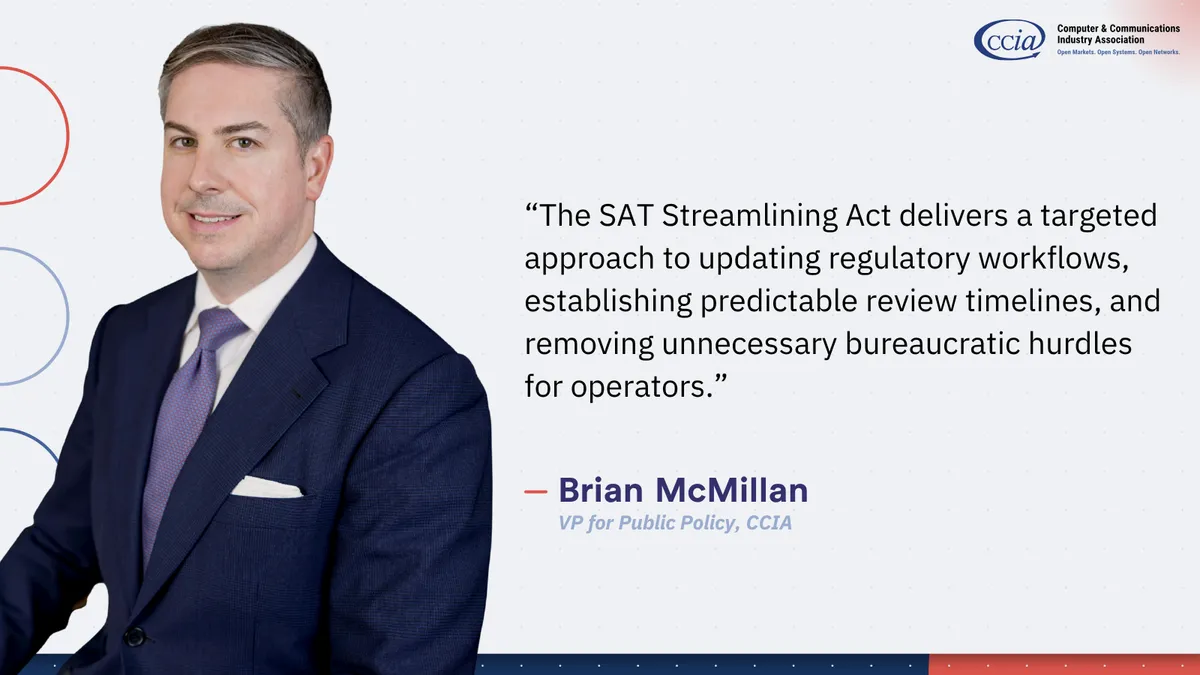
The House Energy and Commerce Committee's telecom subcommittee advanced the SAT Streamlining Act, per CCIA.
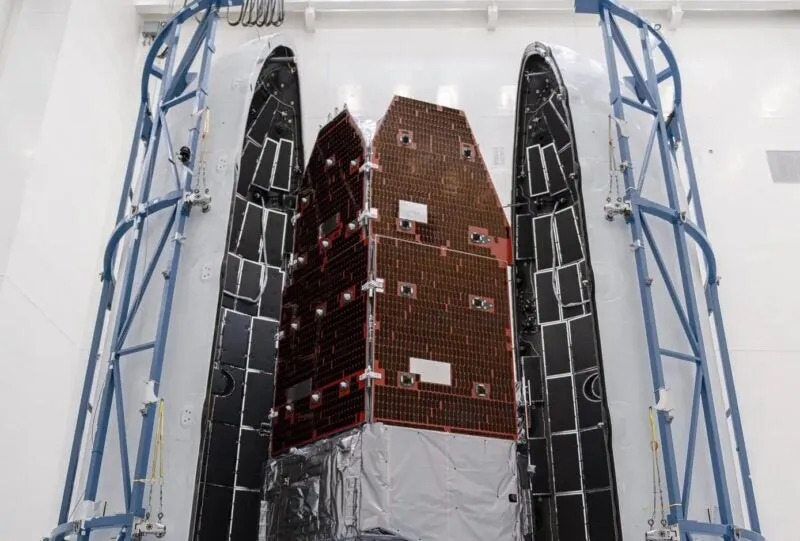
The Defense Innovation Unit tapped All.Space's Hydra satcom terminal for its 10ⁿ rapid-manufacturing program.

NOAA's TMATE program awarded Spire, Muon Space, and Weather Stream a combined $46.5 million to build new microwave sounding instruments.
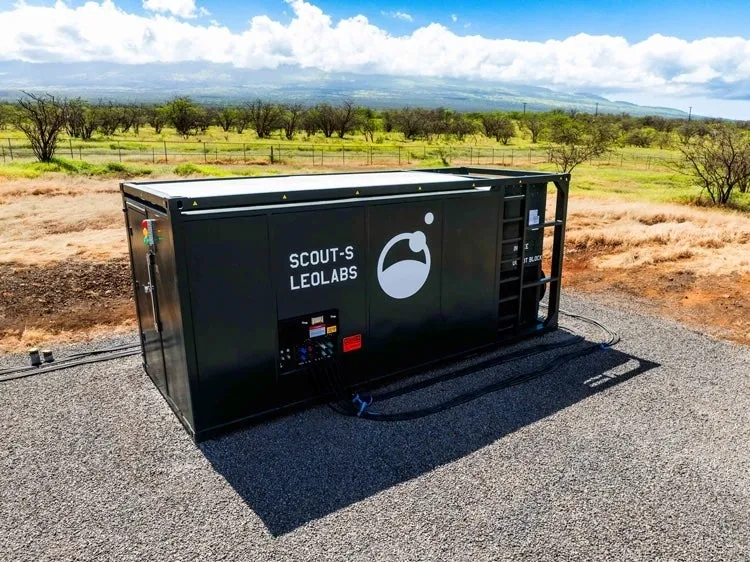
LeoLabs will deliver a modified Scout-S radar system for the Space Force under a $20.68 million prototype award.
OSC's acting TraCSS program manager says the space-traffic system remains in pilot mode and commercial SSA data purchases stay on hold.
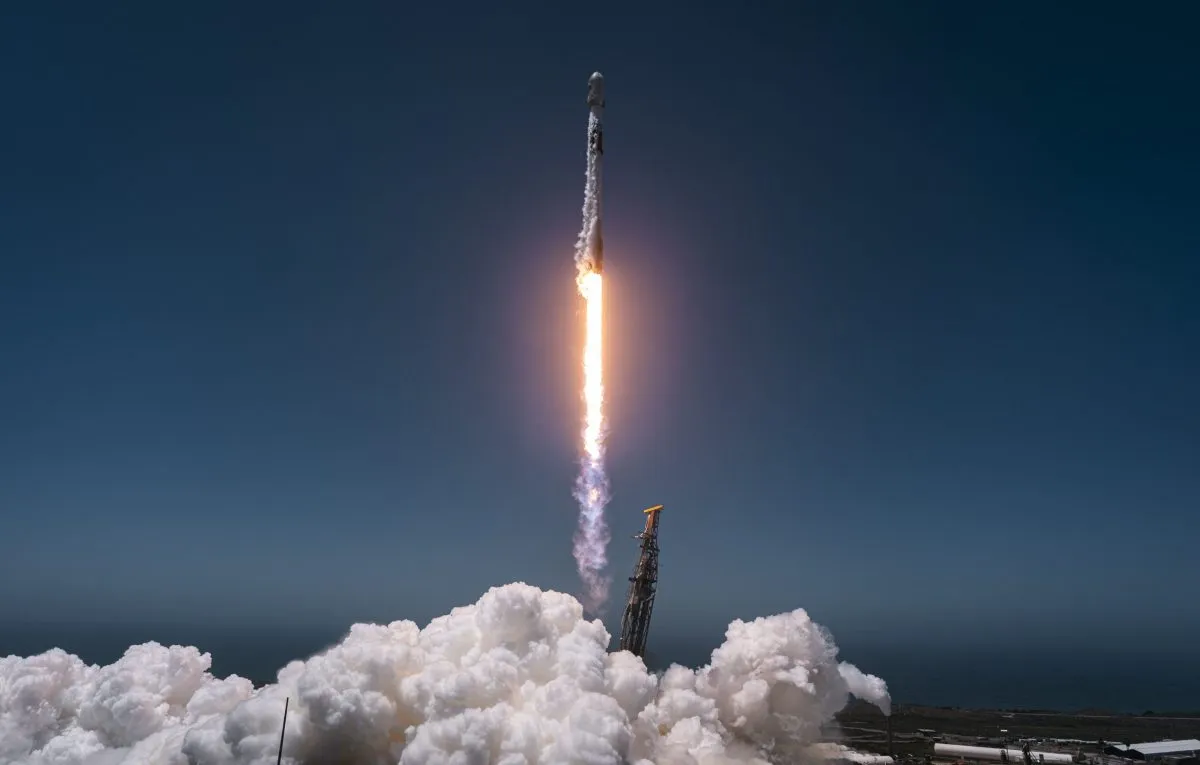
The White House sets a 1,000-launch-a-year goal and the FAA opens two implementation RFIs with an Oct. 26 comment deadline.
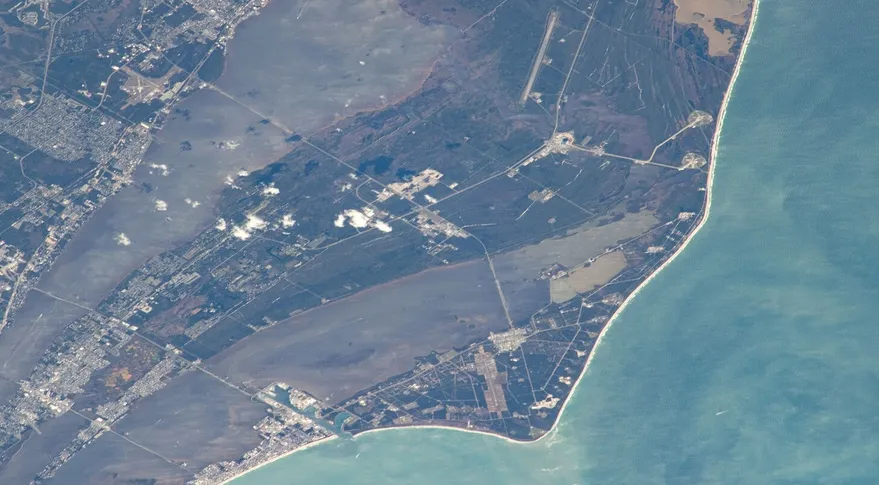
The FAA requested input on siting new spaceports and priority launch corridors as launch forecasts near 10,000 a year.
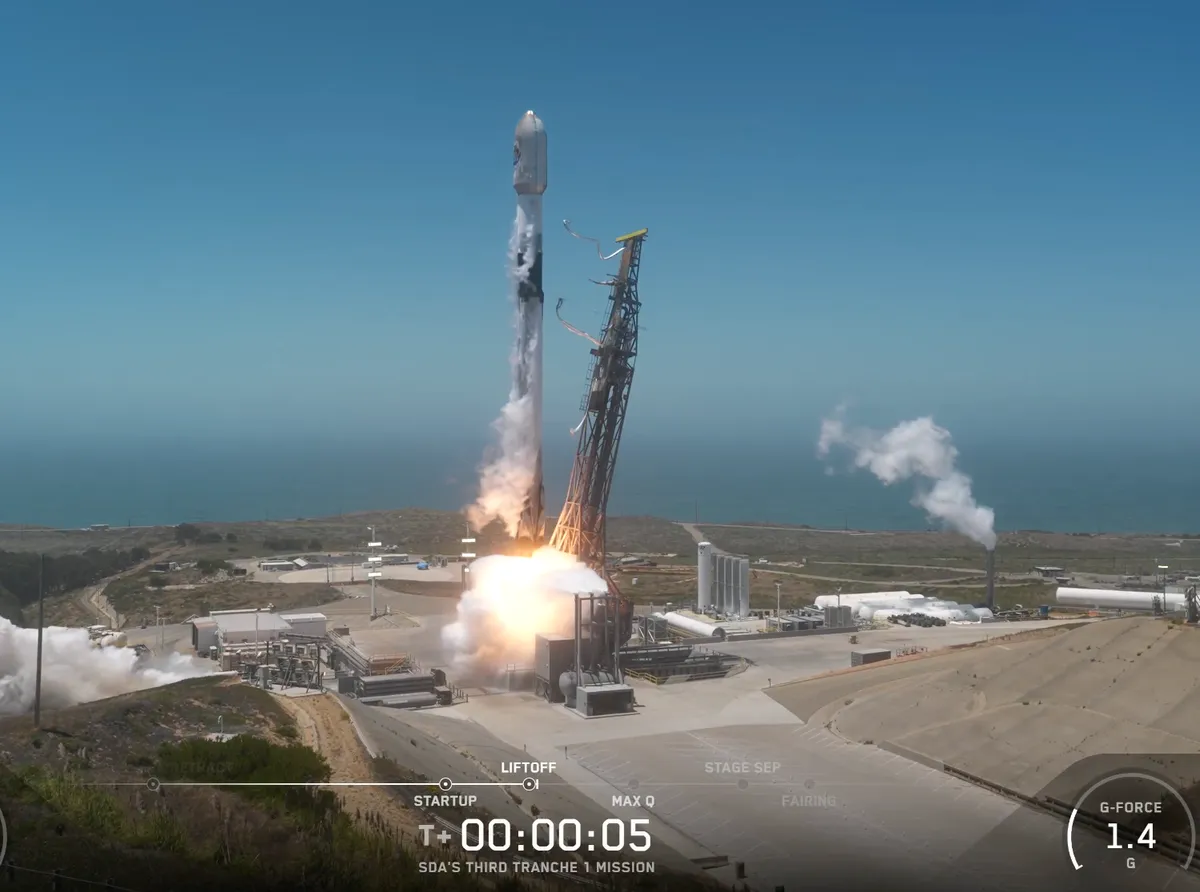
The Falcon 9 mission puts the military's proliferated data-relay constellation at the halfway mark of its planned 126 satellites.

OSC's new pilot invites companies to apply for one streamlined authorization path for novel in-space activities.

Amazon Leo, Lockheed, Northrop, Rocket Lab and York Space each get $12M to test linking to Space Force's satellite network.
HawkEye 360 became the first commercial RF provider to reach an operational NRO contract after completing three BAA test phases.
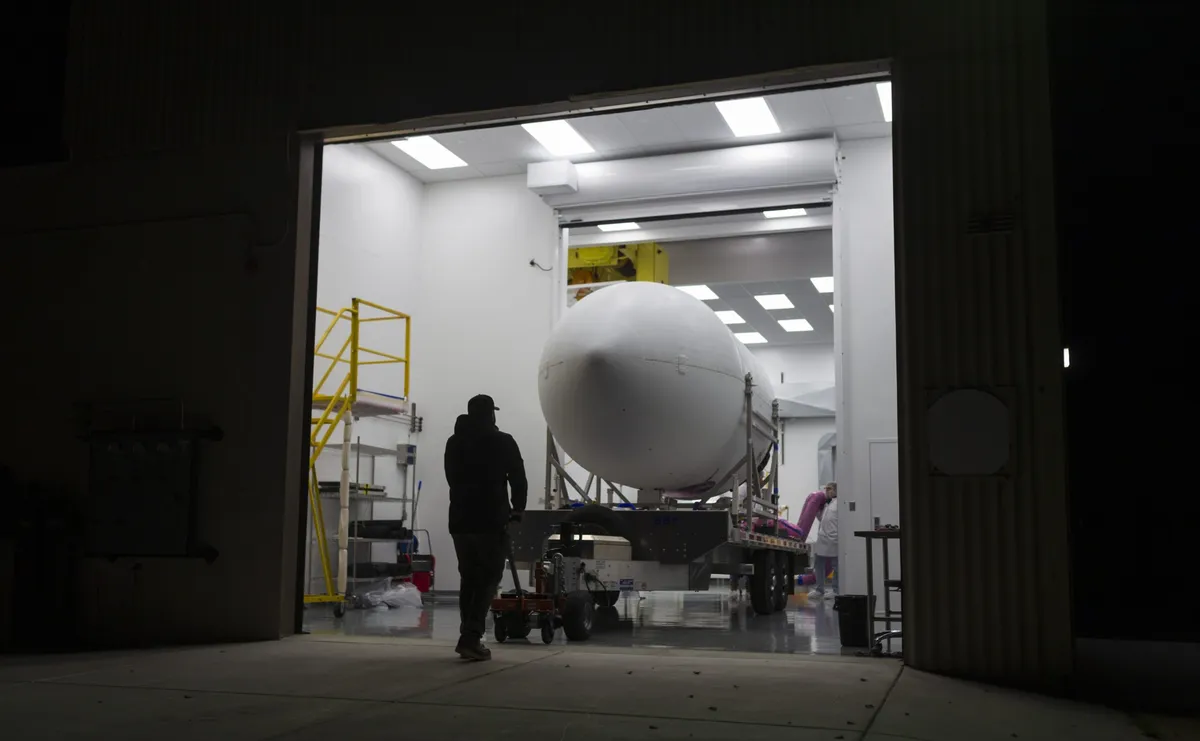
NASA added Firefly to its Spacecraft Processing Operations Contract, letting it compete for payload-processing task orders at Vandenberg.
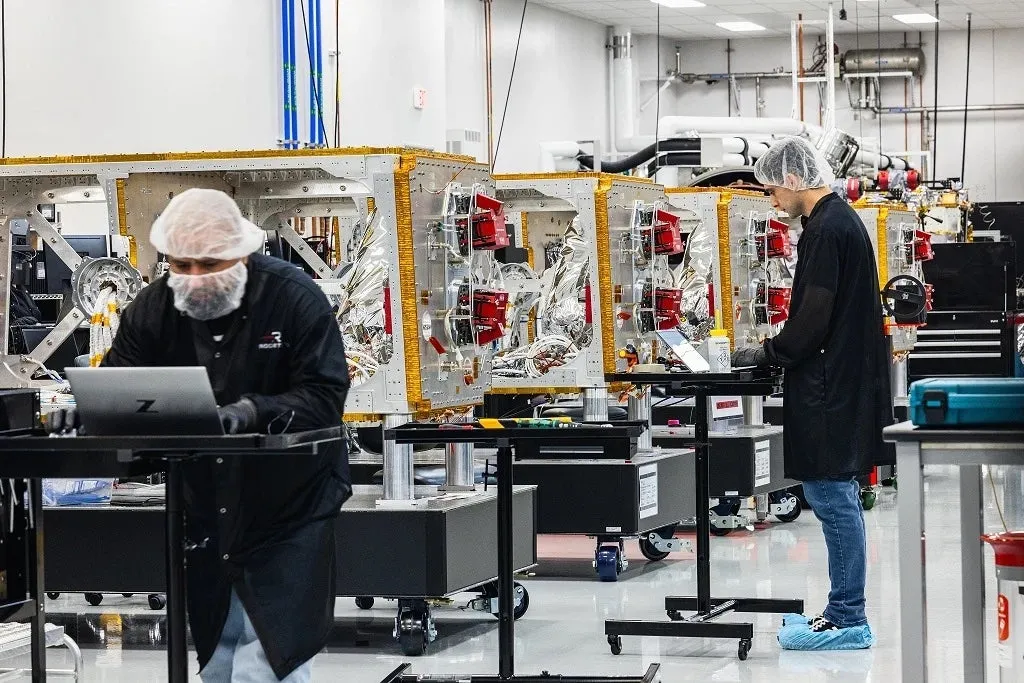
Viasat picked Rocket Lab to build the satellite bus for its Space Force PTS-G anti-jam GEO satellite.

SDA and DIU tapped Firefly, D-Orbit and Katalyst for a combined $8.4 million to design commercial satellite-deorbit services.

NOAA awarded Spire $3.7 million and PlanetiQ $2.7 million for GNSS radio-occultation weather data through early December.
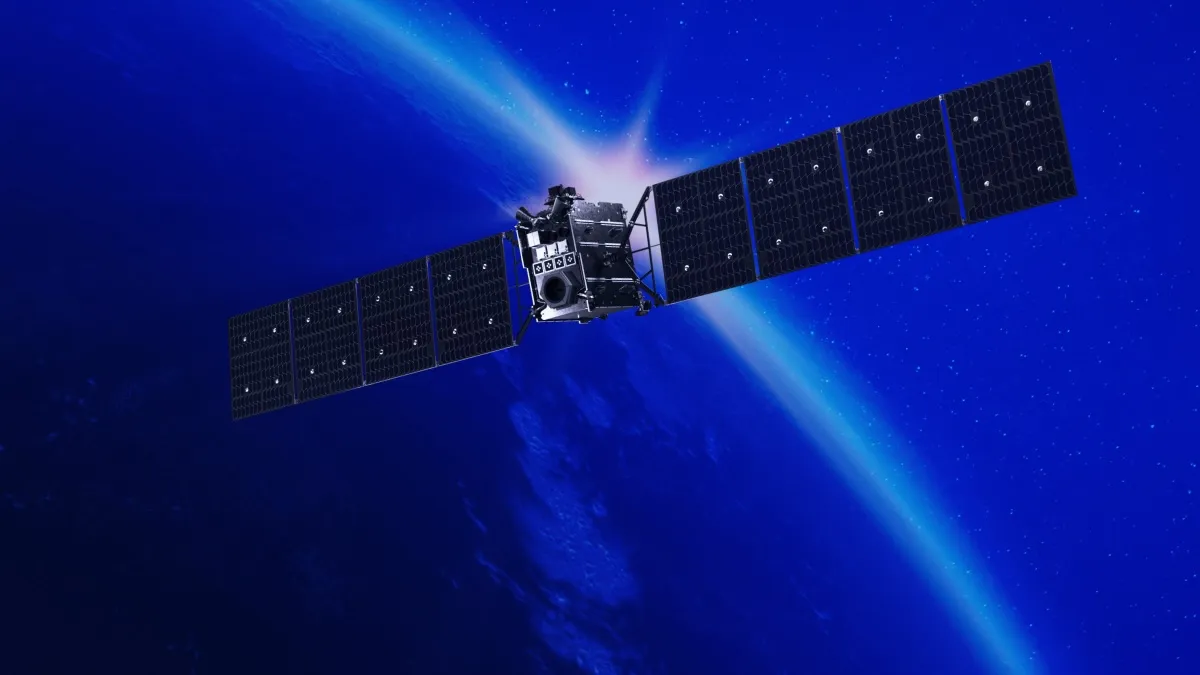
Astranis is building a new MicroGEO-based satellite line to inspect and track other spacecraft in geostationary orbit.
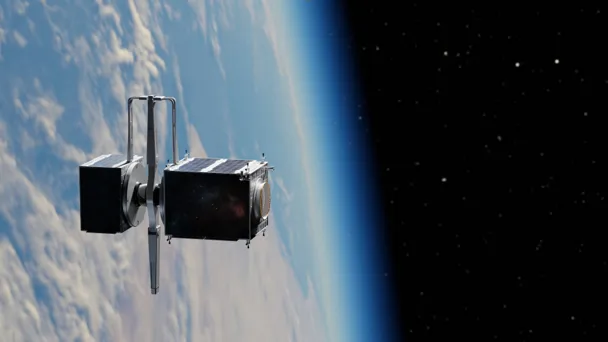
Space Kinetic landed a $50 million Space Force OTA to develop Whirlwind, a thrusterless satellite-flinging maneuver system.
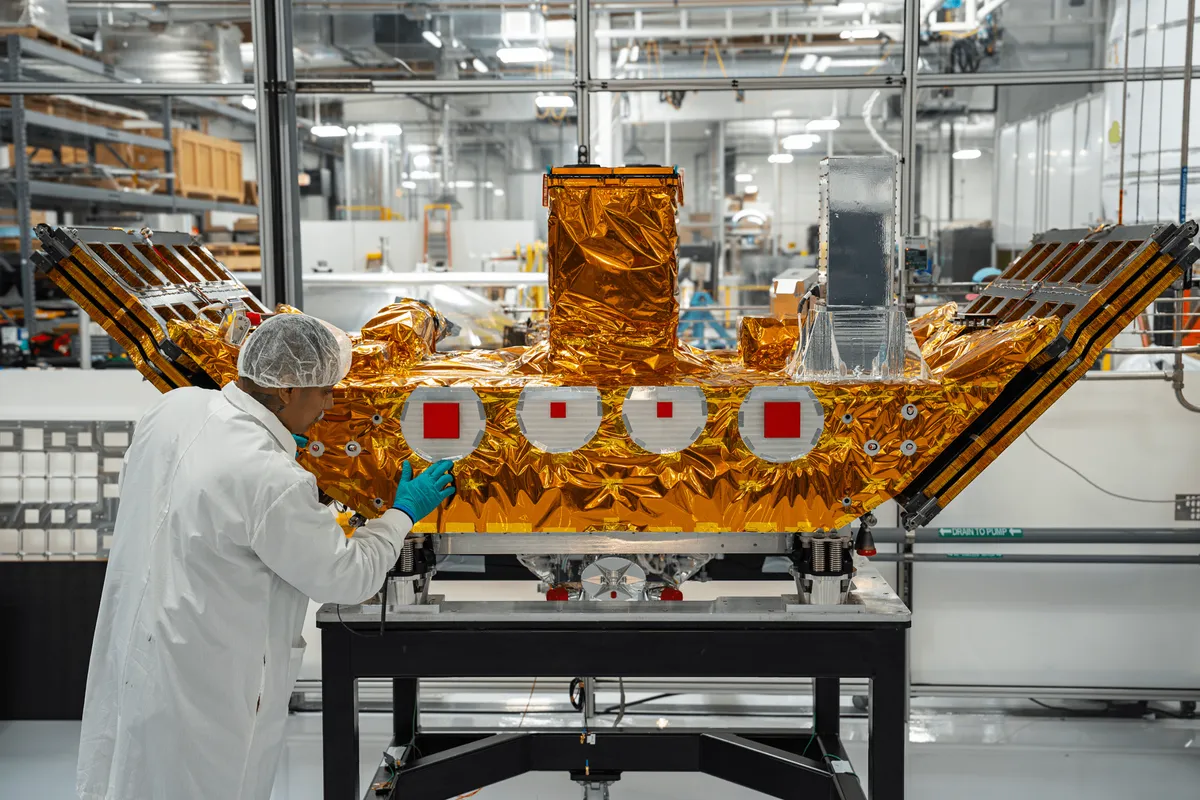
Space Force added Victus Salo 2 and 3 to Impulse Space's responsive-space contract, expanding the award to $62.8 million total.
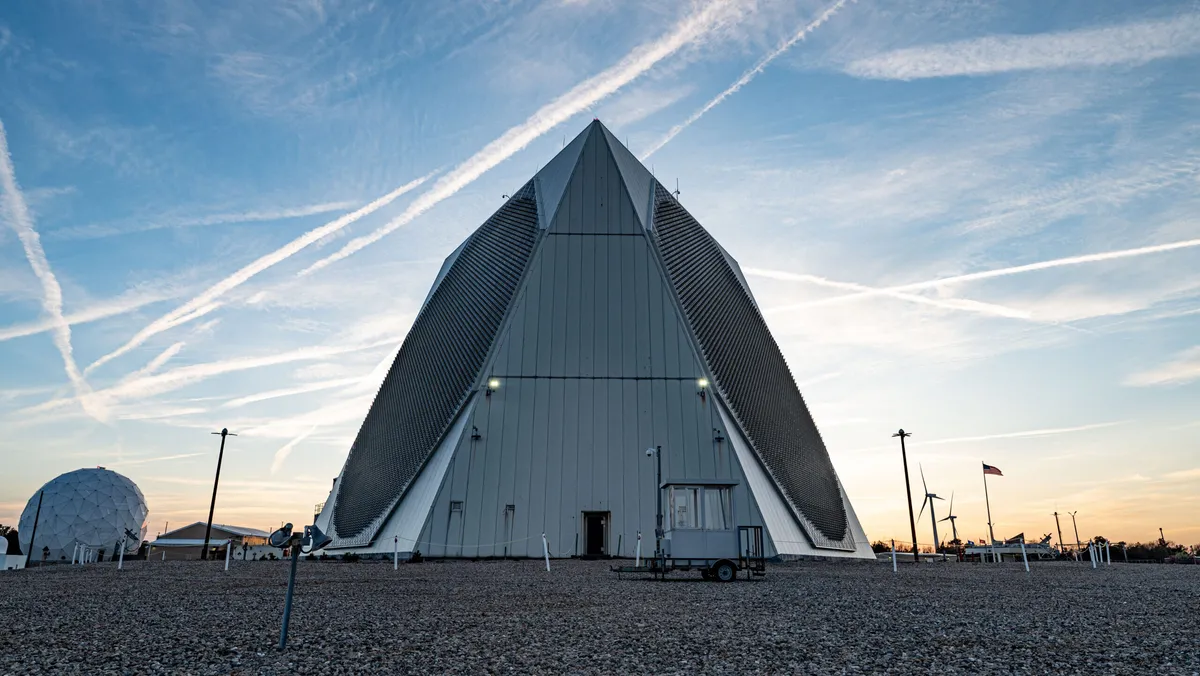
SciTec, a Firefly Aerospace subsidiary, won a $93.7 million Space Force contract to modernize ground-based radar.

Retired Space Force Lt. Gen. John Shaw joined Lunar Outpost's board, representing investor Industrious Ventures.

Proteus Space elevated former Space Force CTIO Kim Crider from advisor to its board of directors.
Golden Dome opened a public web portal letting companies submit concepts and access unclassified program data before formal solicitations.

Voyager Technologies won a Space Force contract to develop space-to-space communications; value undisclosed.
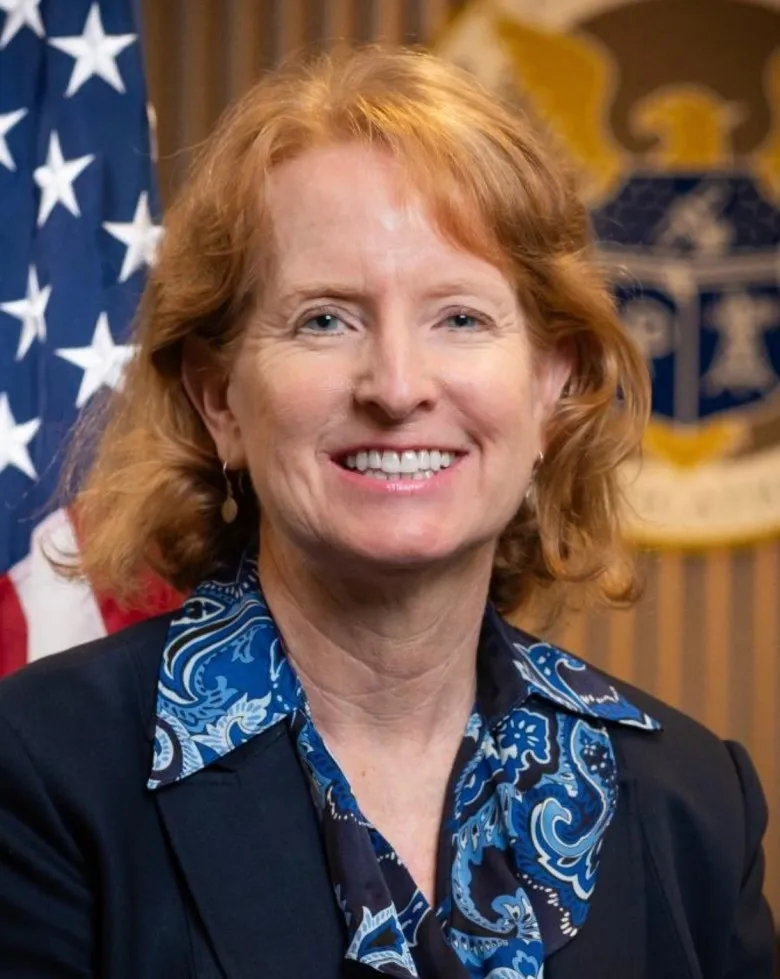
Jennifer Gilsenan becomes acting FCC Space Bureau chief as Jay Schwarz retires after 18 months leading the bureau, per SpaceNews.

Space Systems Command awarded Rocket Lab $266 million for 12 HASTE suborbital launches from Alaska, with an option for six more.

FCC proposes letting Wi-Fi, Bluetooth and IoT devices link directly to satellites across 225+ MHz of unlicensed spectrum.
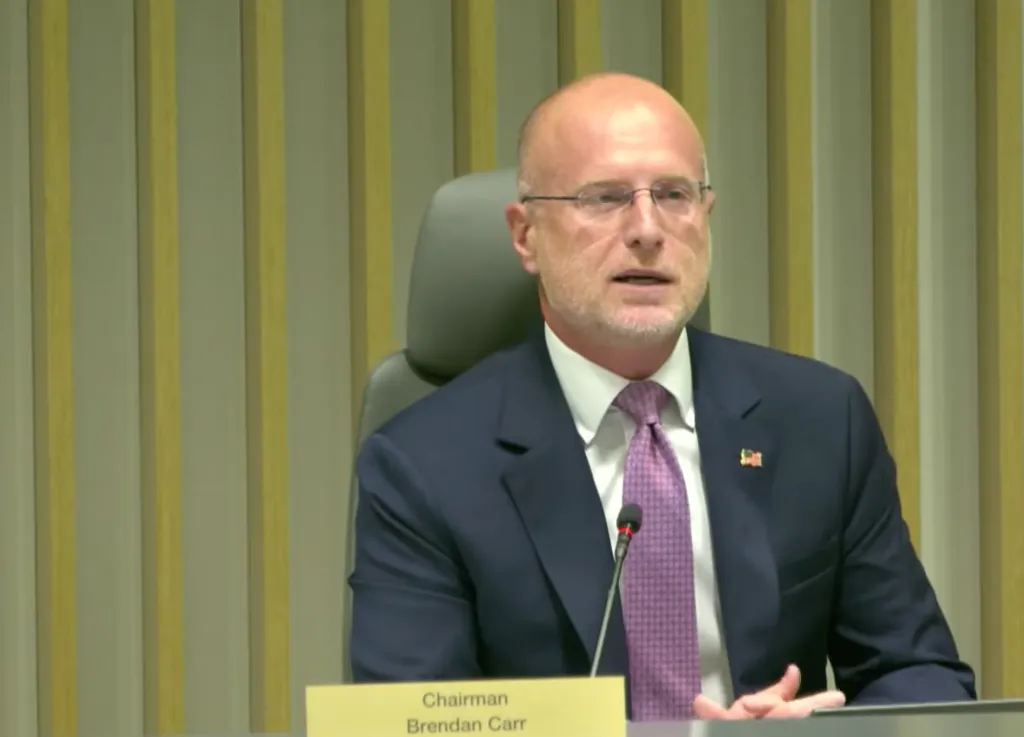
The FCC unanimously adopted a rulemaking exploring ~200 MHz of unlicensed Wi-Fi and IoT spectrum for direct-to-device satellite service.

The Senate passed Sen. Gary Peters' bill requiring Commerce to set up a panel advising on commercial space policy.
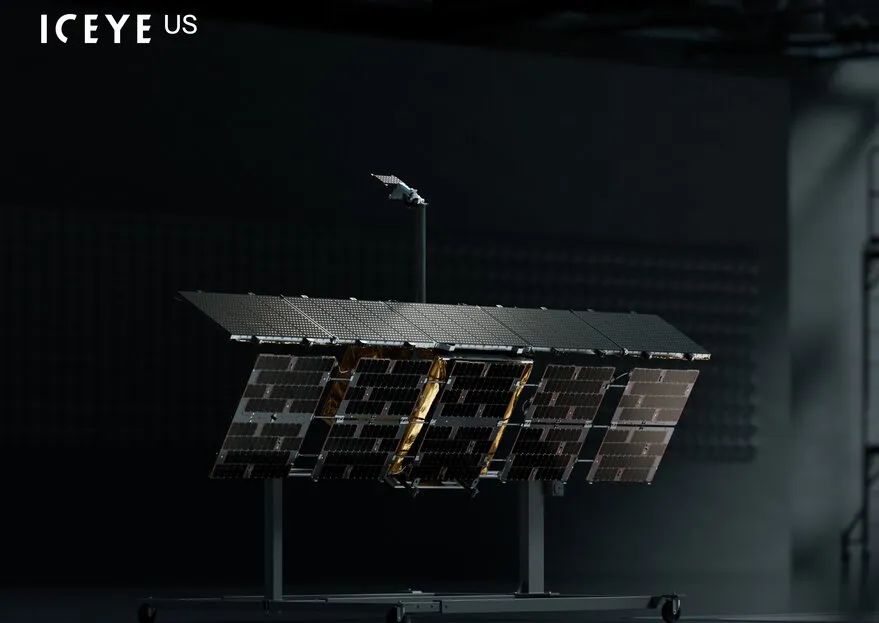
The NRO awarded Capella Space, ICEYE U.S. and Umbra new contracts to expand government use of commercial SAR imagery.
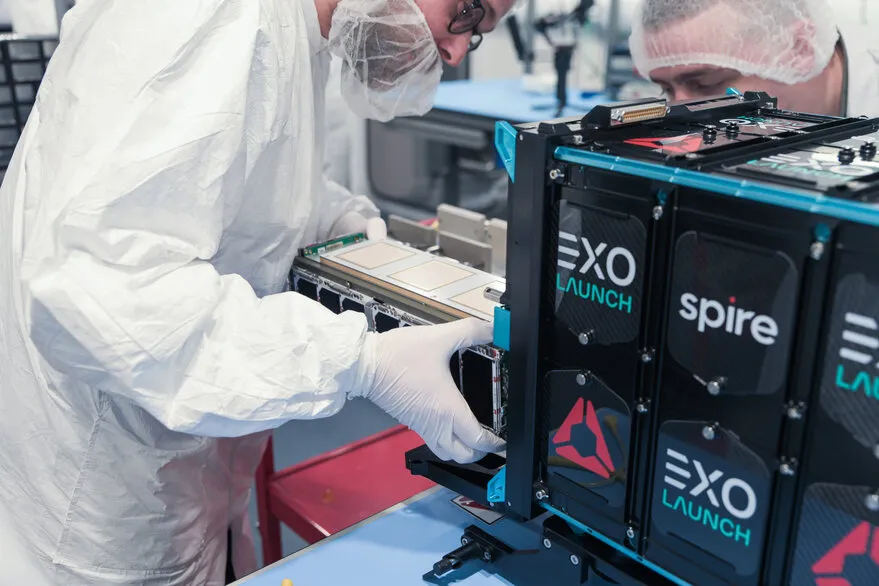
NOAA extended its evaluation of Spire's Hyperspectral Microwave Sounder data with a $3 million contract add-on.

Rocket Lab and STR split $615 million to build airborne-target-tracking satellites for the Space Force's SB-AMTI program.
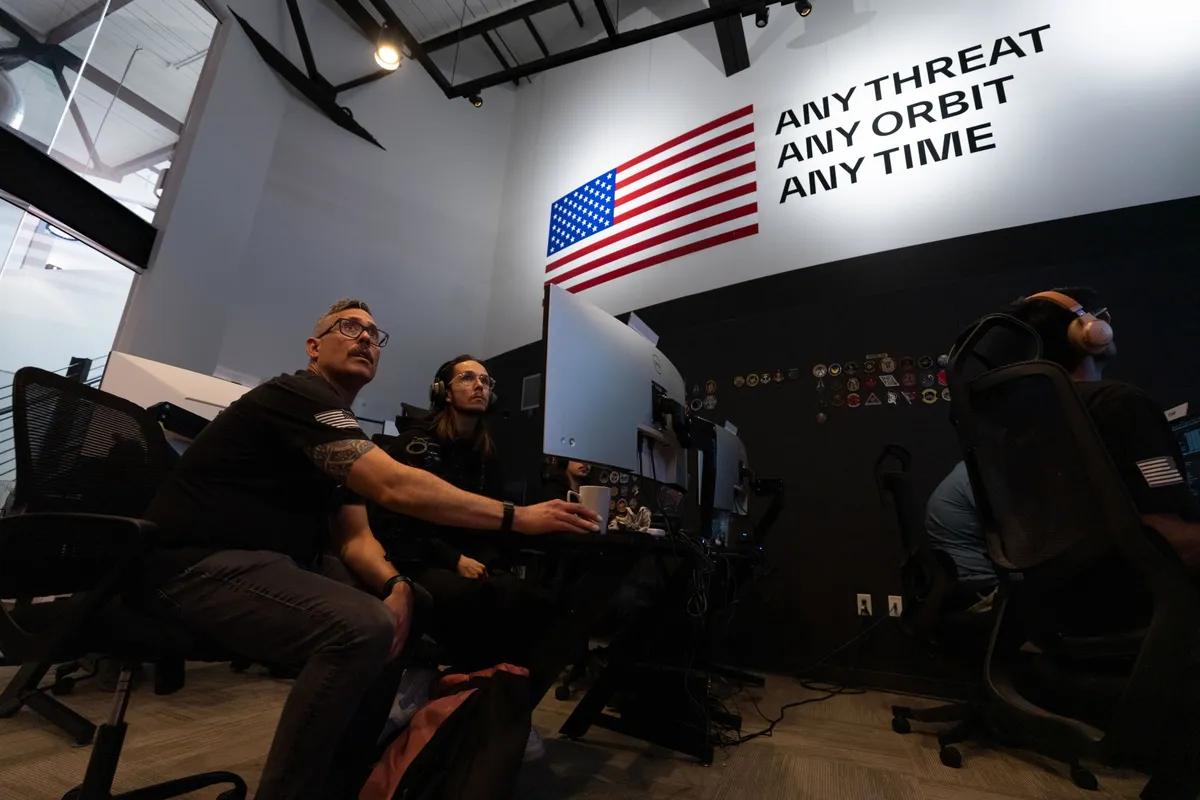
True Anomaly's Jackal spacecraft found, approached, and photographed a Rocket Lab-launched target for Space Systems Command.
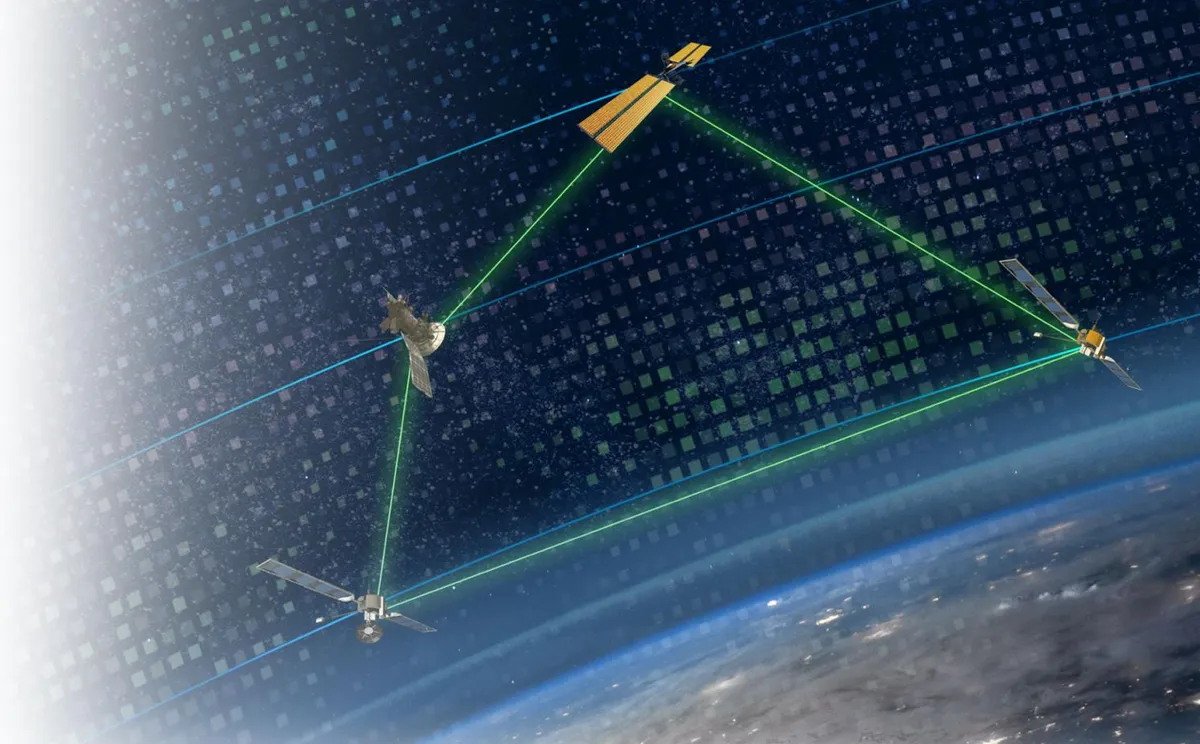
The Space Force awarded K2 Space $22.9 million to build and test laser communications terminals on two satellites by 2028.

Rocket Lab, Firefly, Redwire, Sierra Space, Viasat and York join legacy primes competing for NITE-STAR training-range task orders.
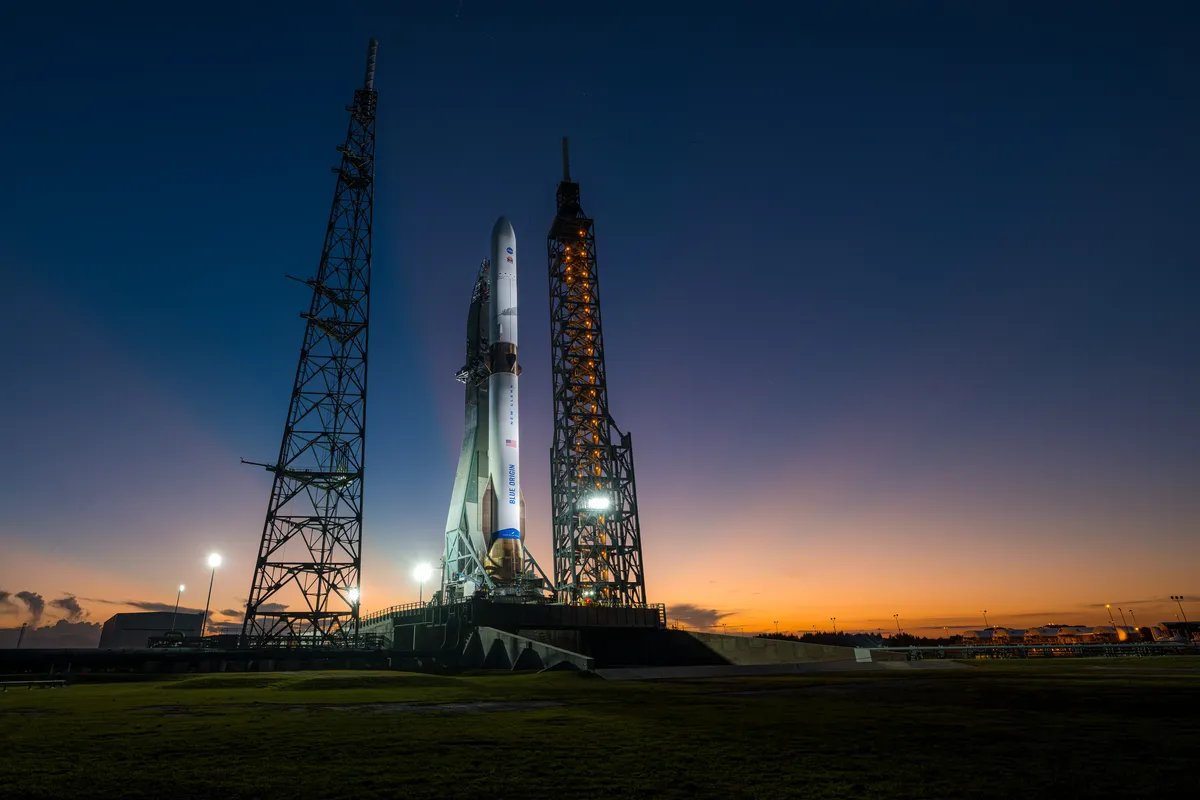
The Air Force Research Laboratory added $11.7 million to Blue Origin's REGAL contract to study rocket-based cargo delivery.
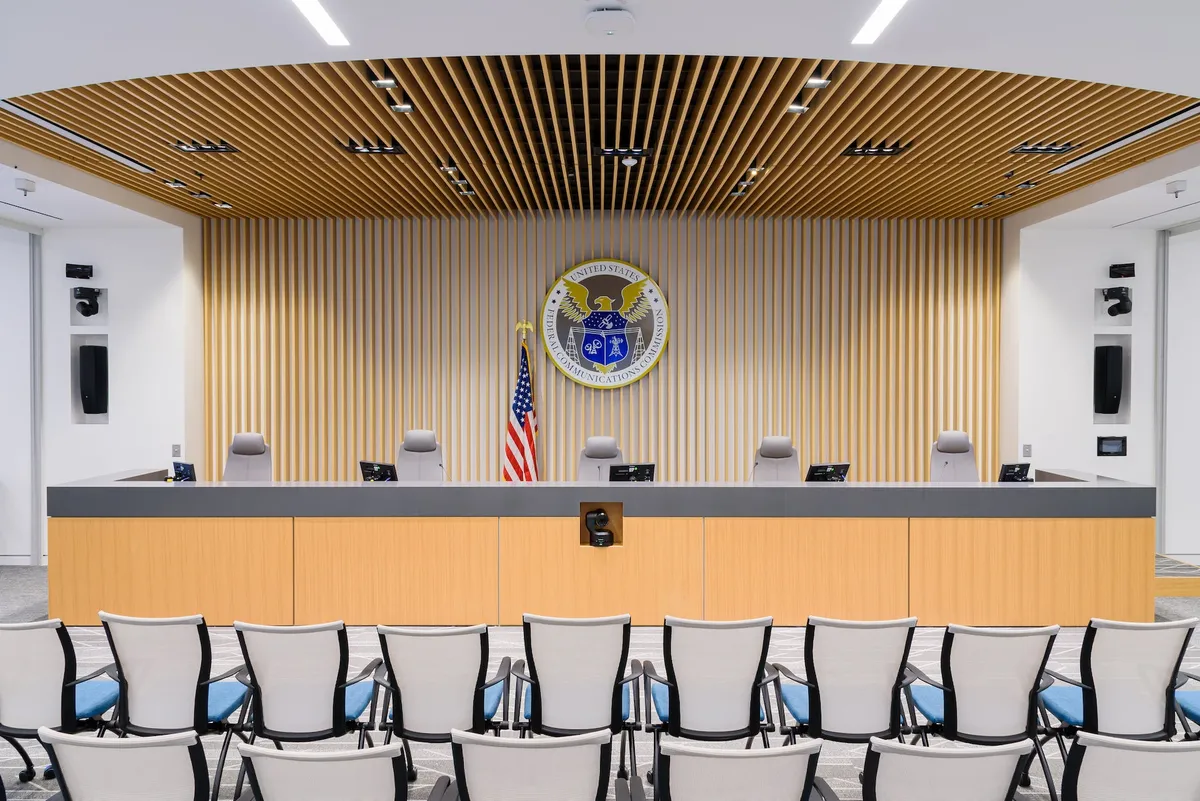
The FCC voted to auction 160 MHz of upper C-band spectrum for 5G by July 2027, forcing satellite operators to relocate.
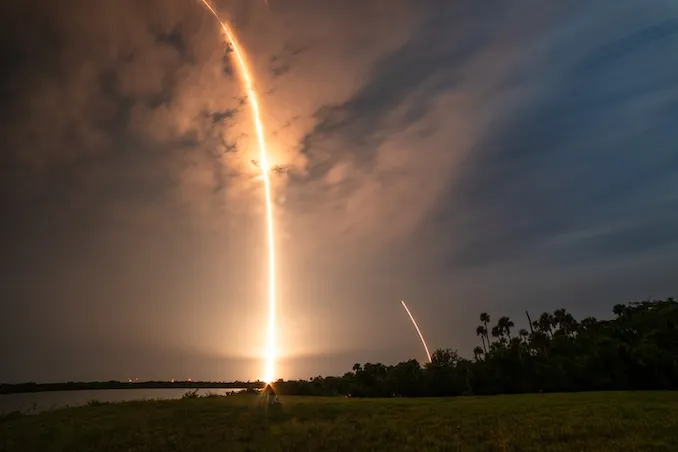
A Falcon 9 carried the NRO's classified NROL-95 payload from Cape Canaveral, landing its booster back at the Cape.
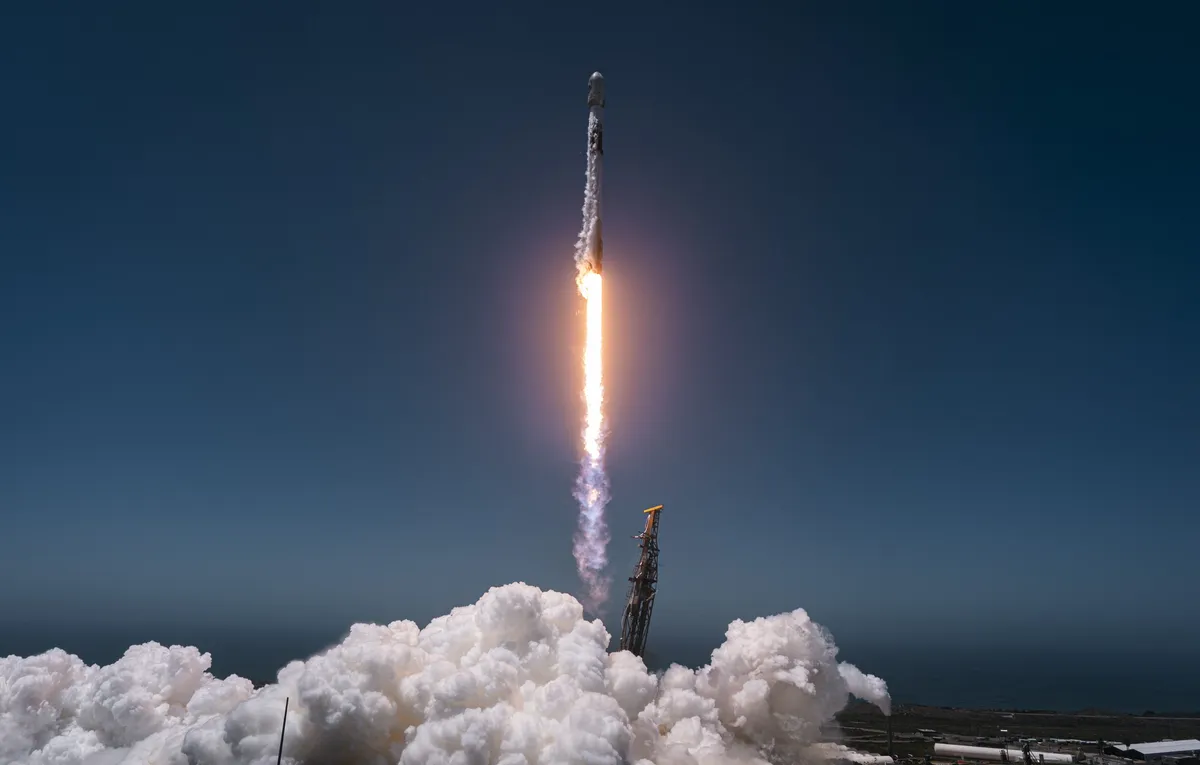
The Space Force ordered 18 Falcon 9 launches through 2027 for missile-tracking, targeting and comms satellites, worth $1.6B.
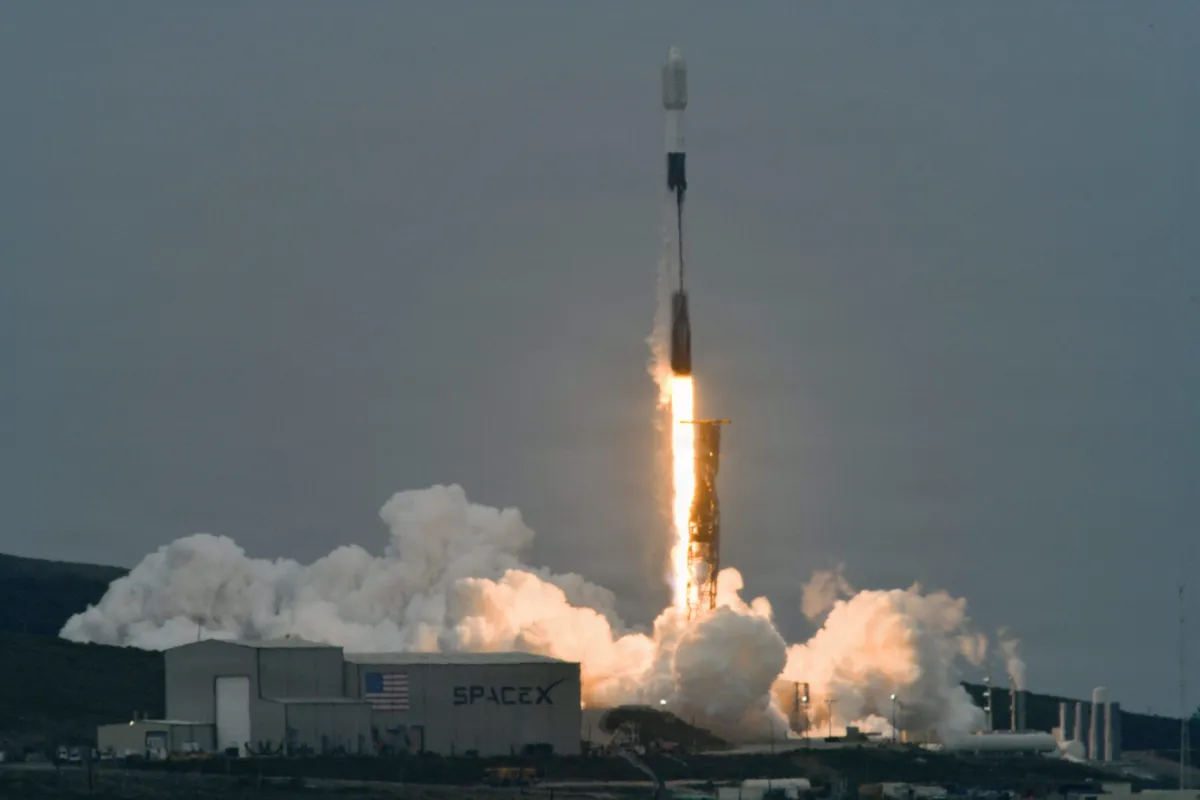
All Points Logistics will build a new satellite processing center at Vandenberg, the largest Space Force award of its kind to date.

Sphinx Defense won a $287 million Space Force award for ESS mission planning software, per SpaceNews.
The FCC exempted SpaceX's Starlink routers from its foreign-router ban, granting conditional approval through February 2028.
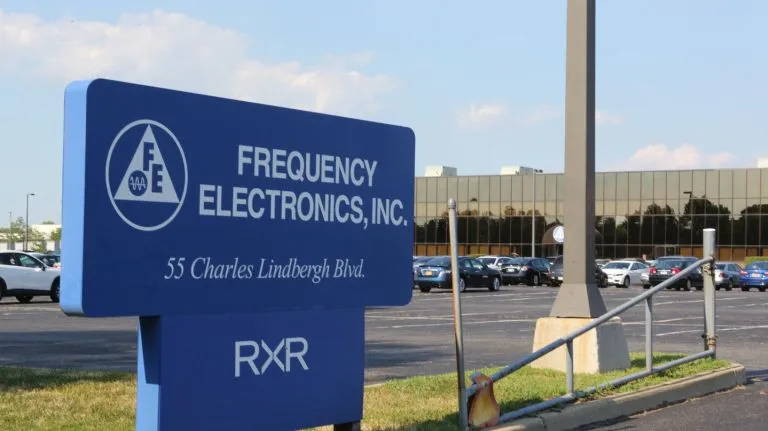
Frequency Electronics won $18 million in contracts, including an $11 million first-time award for a proliferated satellite program.
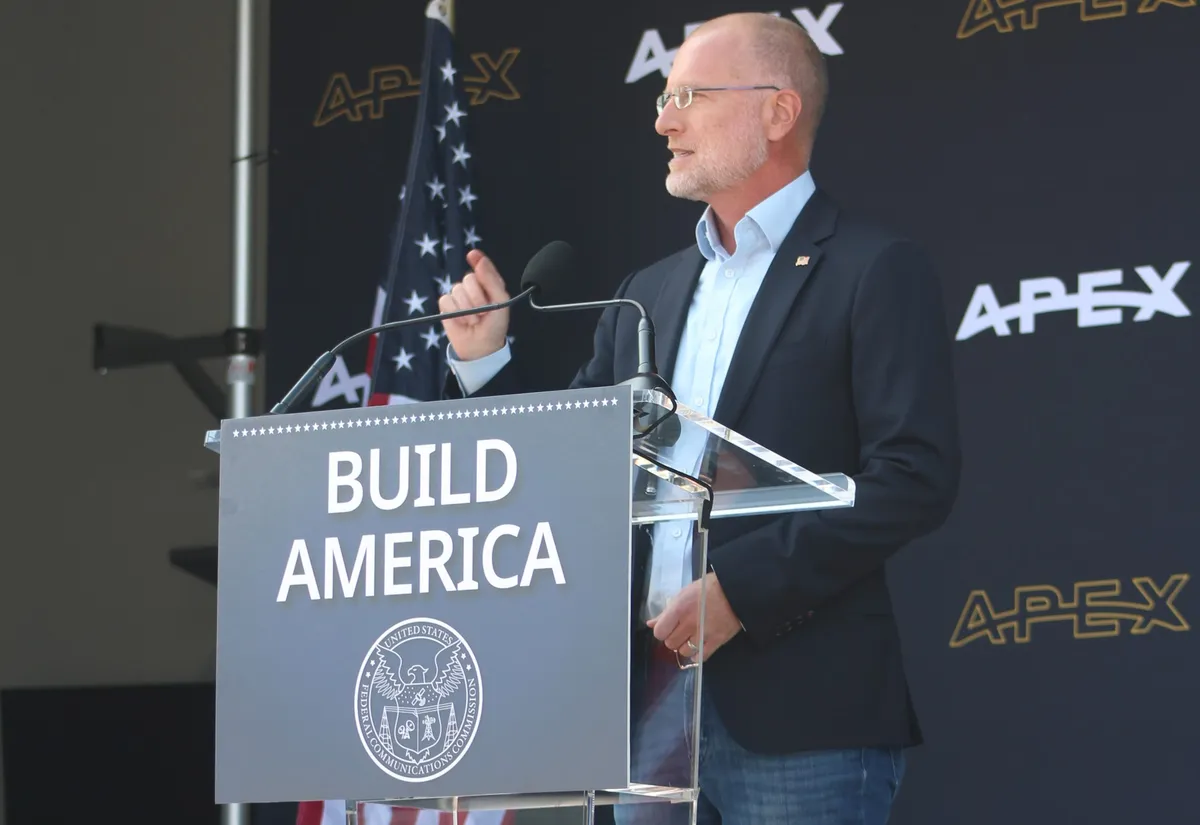
The FCC voted to replace Part 25 with Part 100, calling it a 'licensing assembly line' for satellite operators.

Vast hired ex-Slingshot Aerospace CEO Melanie Stricklan to lead a new division chasing national security work.
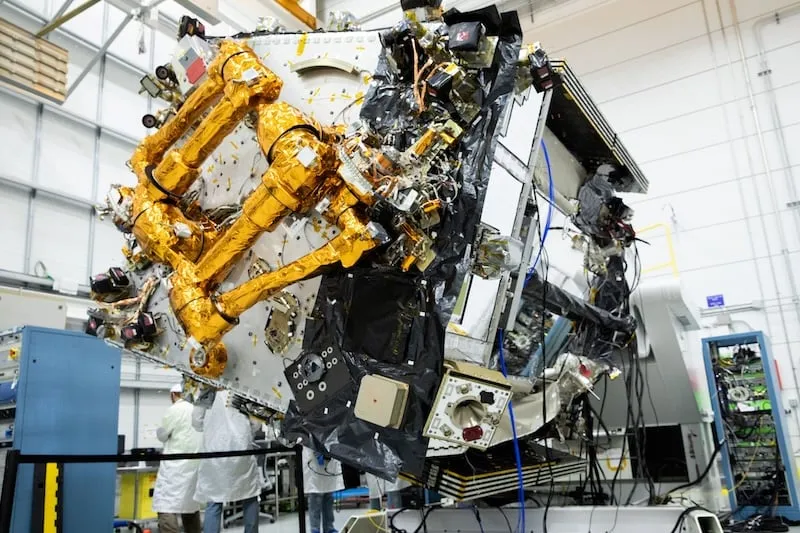
Northrop's Mission Robotic Vehicle launched on a Falcon 9, the first US multi-client GEO satellite-servicing spacecraft.

A House Intelligence Committee bill would let the government block commercial EO operators from sharing sensitive imagery.
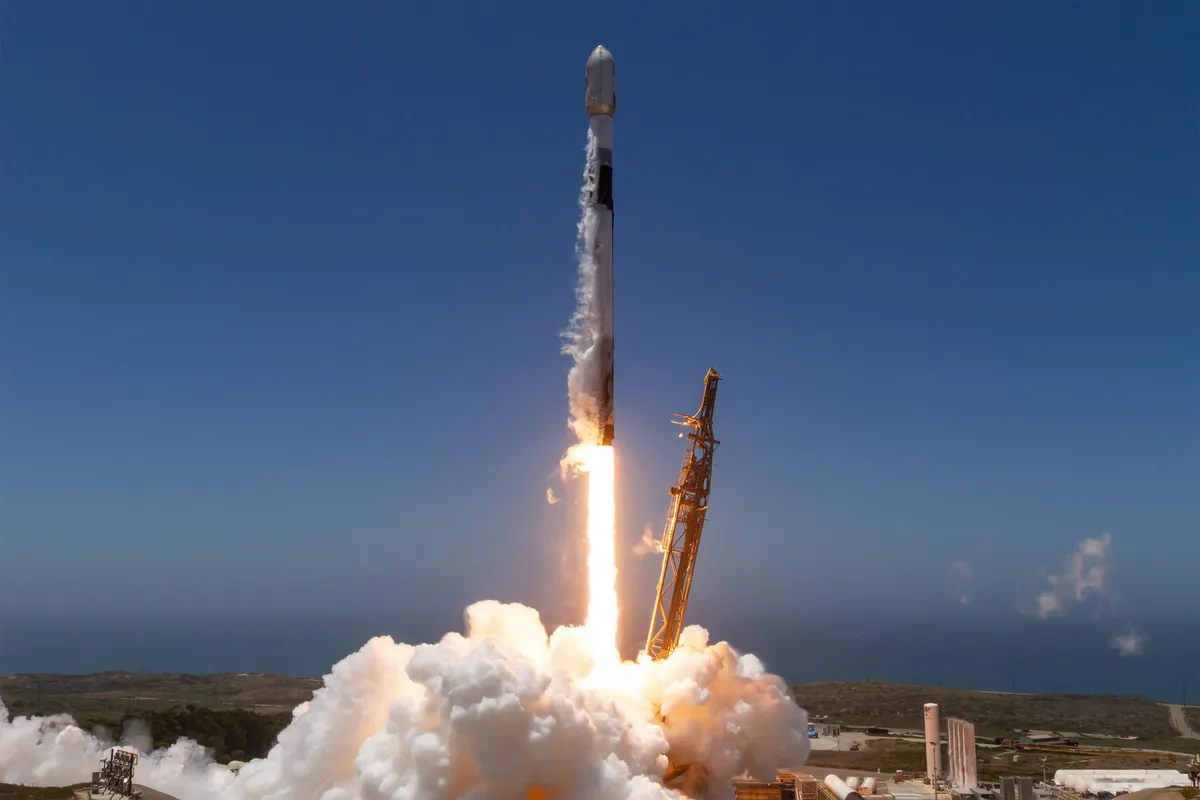
Space Force raised the NSSL Phase 3 Lane 1 launch contract ceiling from $5.6 billion to $17 billion for its seven-provider vendor pool.

HawkEye 360 relayed commercial RF intelligence direct to Lockheed Martin's Aegis-linked C2 system during Valiant Shield 2026.
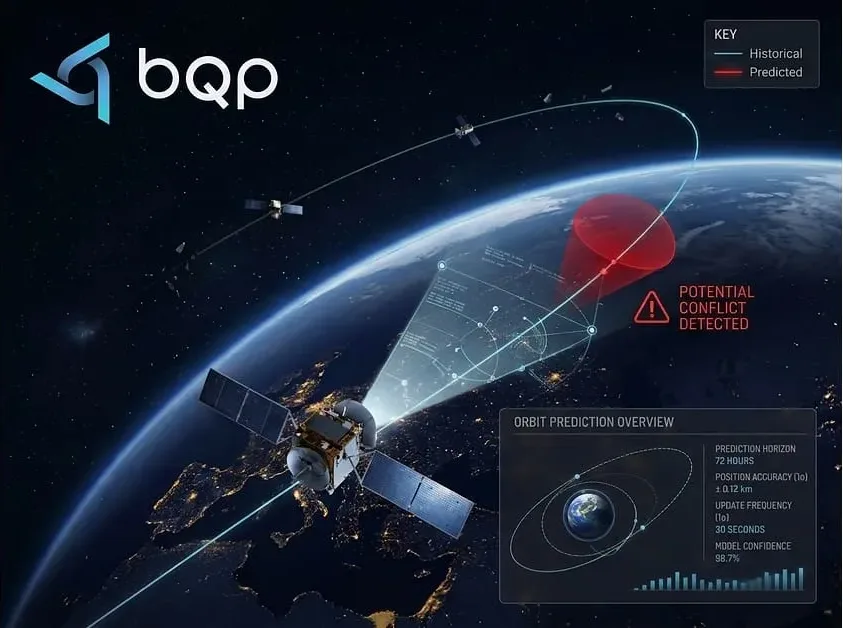
BosonQ Psi Federal's quantum-assisted AI software aims to classify unidentified orbital objects faster for the Space Force.
Per the Wall Street Journal, the multi-billion-dollar computing deal is still being negotiated and could fall apart.
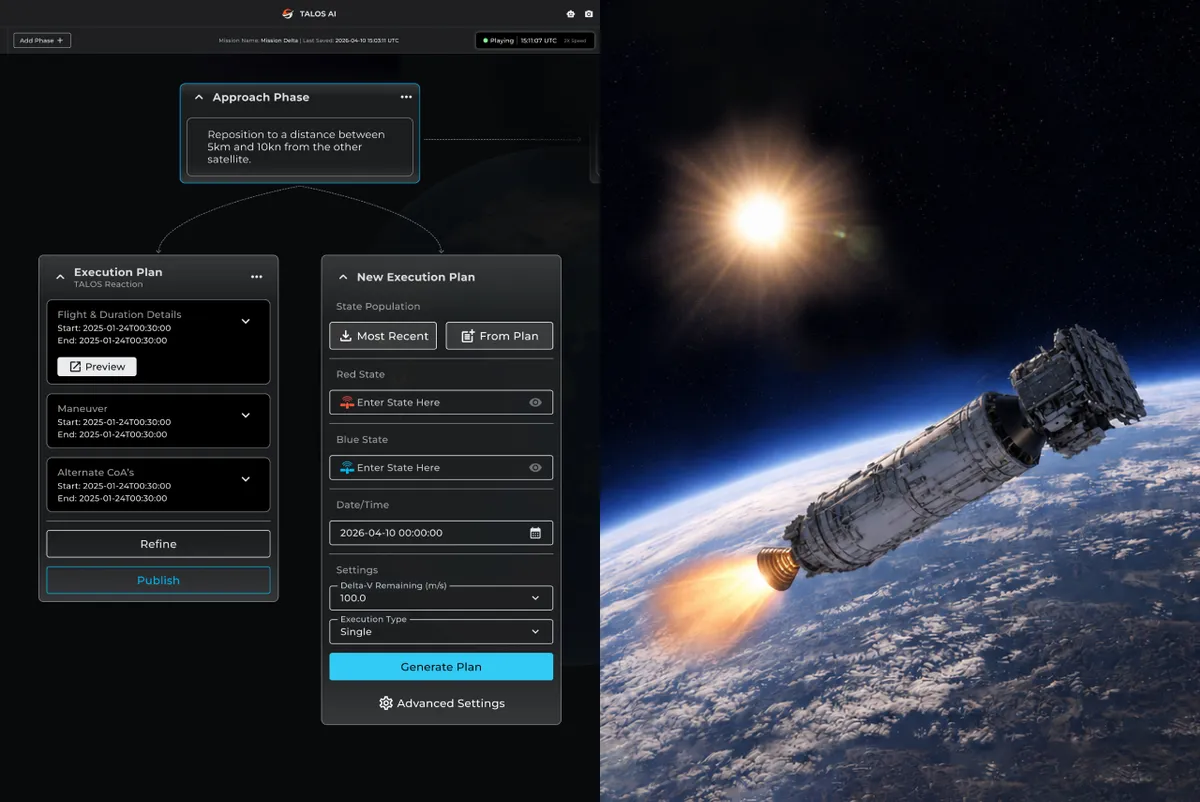
Slingshot's largest contract yet funds AI-powered mission-rehearsal training for Space Force Guardians.
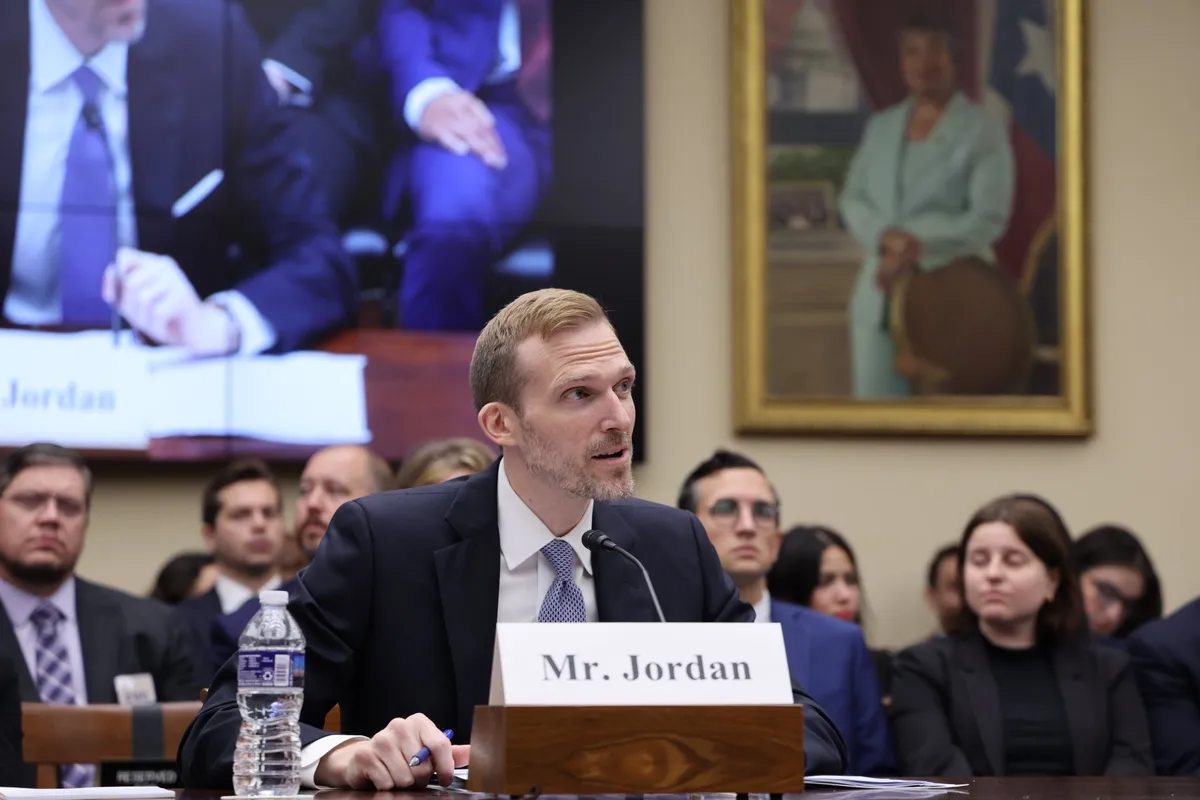
OSC's director defended a novel-activity licensing plan before a House panel as the White House proposed an 80% cut to TraCSS funding.

The Space Development Agency awarded the two companies a combined $1.75 billion to build 36 Tranche 3 missile-tracking satellites.

Space Force added Relativity Space and Impulse Space to its NSSL Phase 3 Lane 1 launch-services pool.

Pulse Space won a $40 million Space Force contract to mature laser-based power and data transmission between spacecraft.
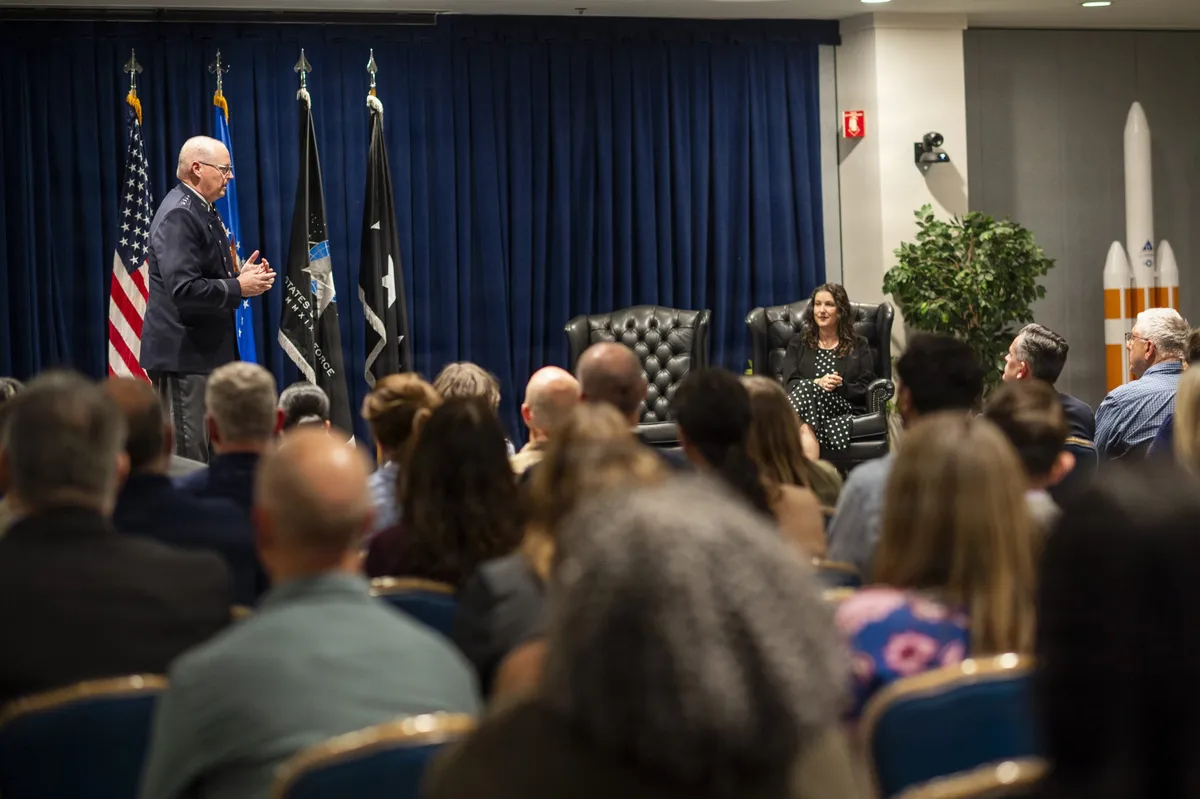
Space Force finished restructuring procurement around nine mission-focused portfolios instead of individual programs, per SpaceNews.
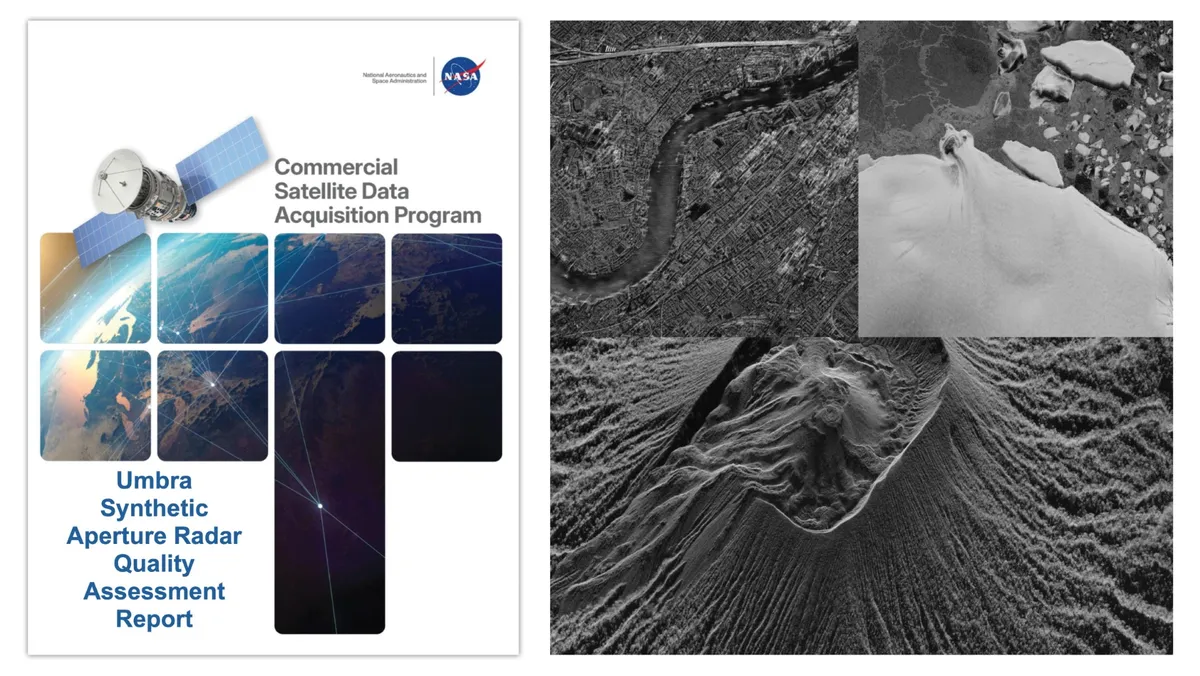
NASA's CSDA program found Umbra's SAR data underperforms on geolocation accuracy and radiometric calibration versus reference systems.
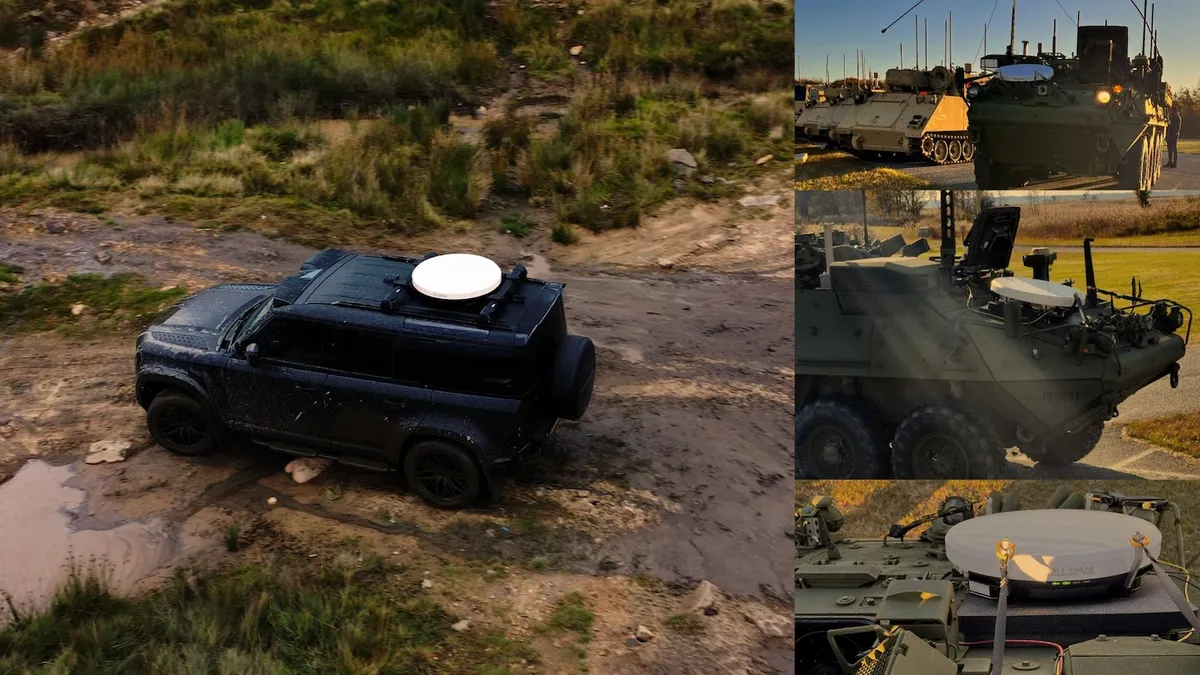
York Space Systems closed its purchase of satcom terminal maker All.Space at $300 million, down from the $355 million first announced.
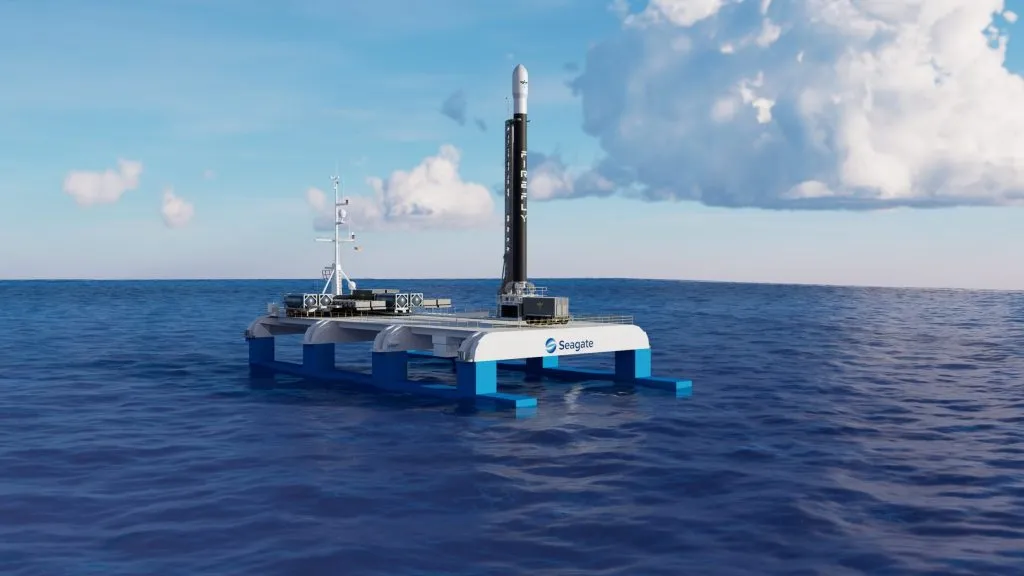
The Interior Department's BOEM opened a comment period on repurposing offshore oil rigs and new platforms for rocket launch and re-entry.
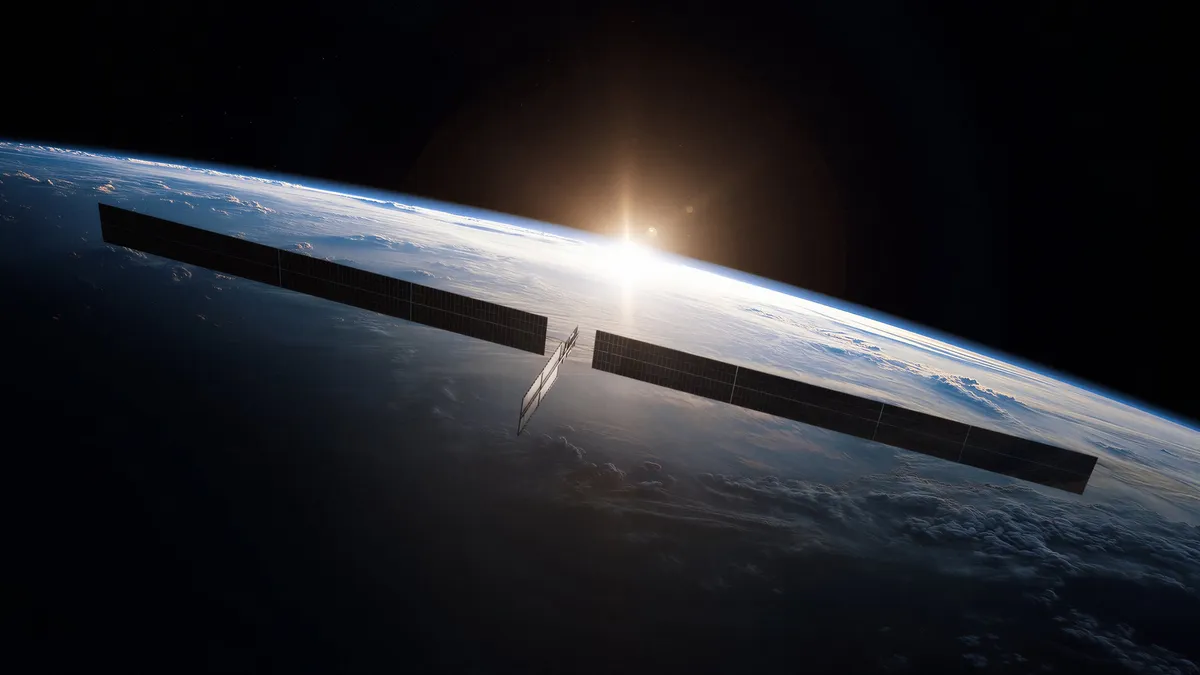
An Earthjustice-led coalition asked the FCC to complete a full environmental review before licensing any orbital data center satellites.
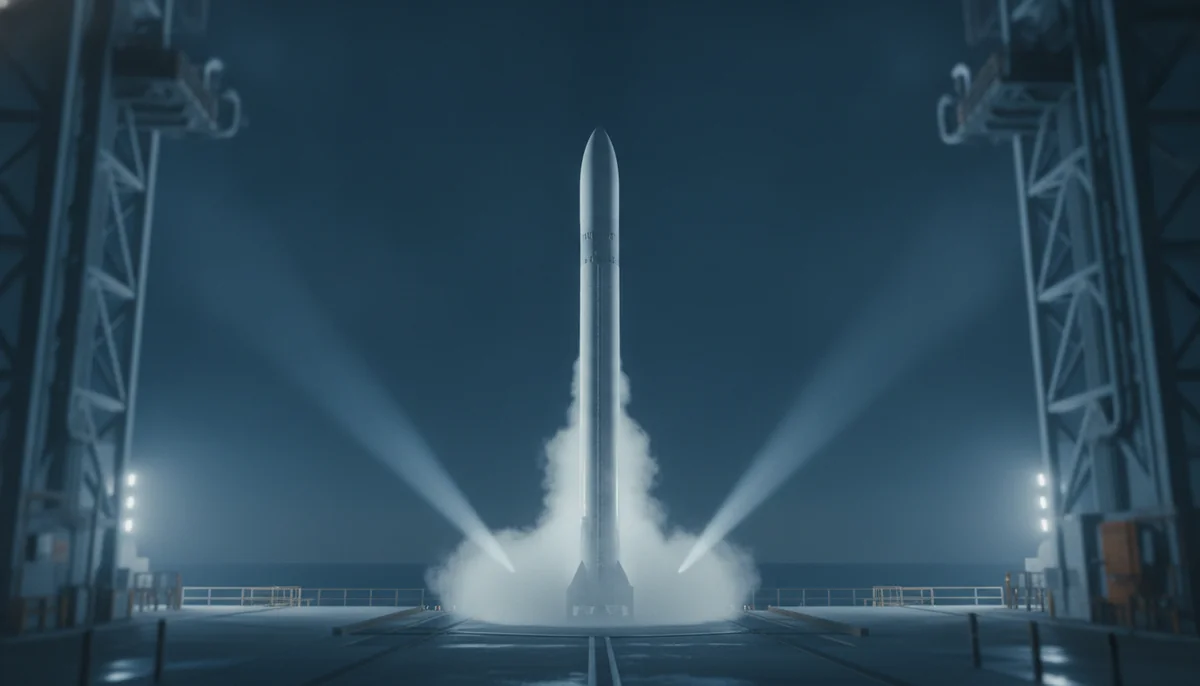
Rocket Lab says it finished all VICTUS HAZE mission phases for Space Force ahead of deadline, including on-orbit tracking in under 59 hours.
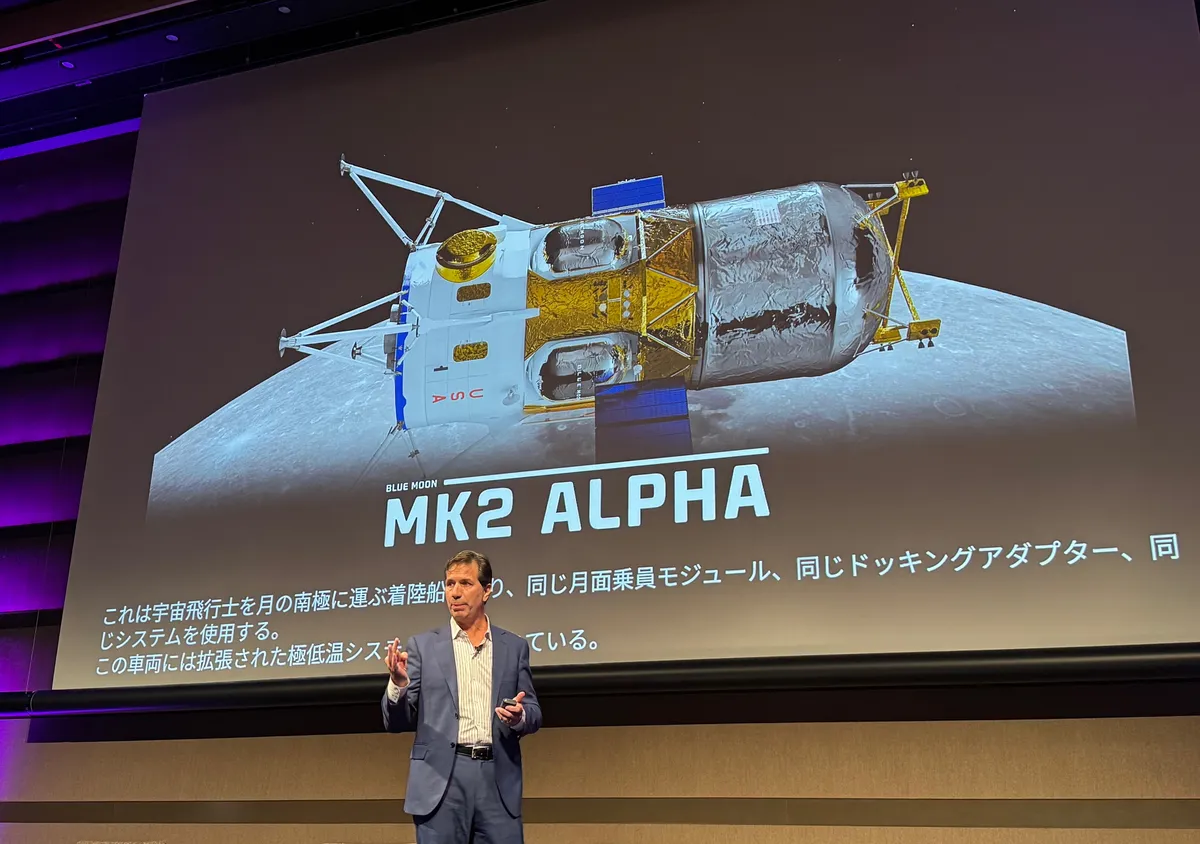
Blue Origin says seven Blue Moon lunar landers are in production, with the first cargo lander now slipping to Q1 2027.
BlackSky says it won multiple US R&D contracts to add AI target-recognition and damage detection to its Gen-3 imagery.
SES Space & Defense won a 5-year blanket purchase agreement to supply the US Space Force with managed Ku-band connectivity.

A Defense Production Act grant expands U.S. manufacturing of radiation-resistant satellite solar cell cover glass.
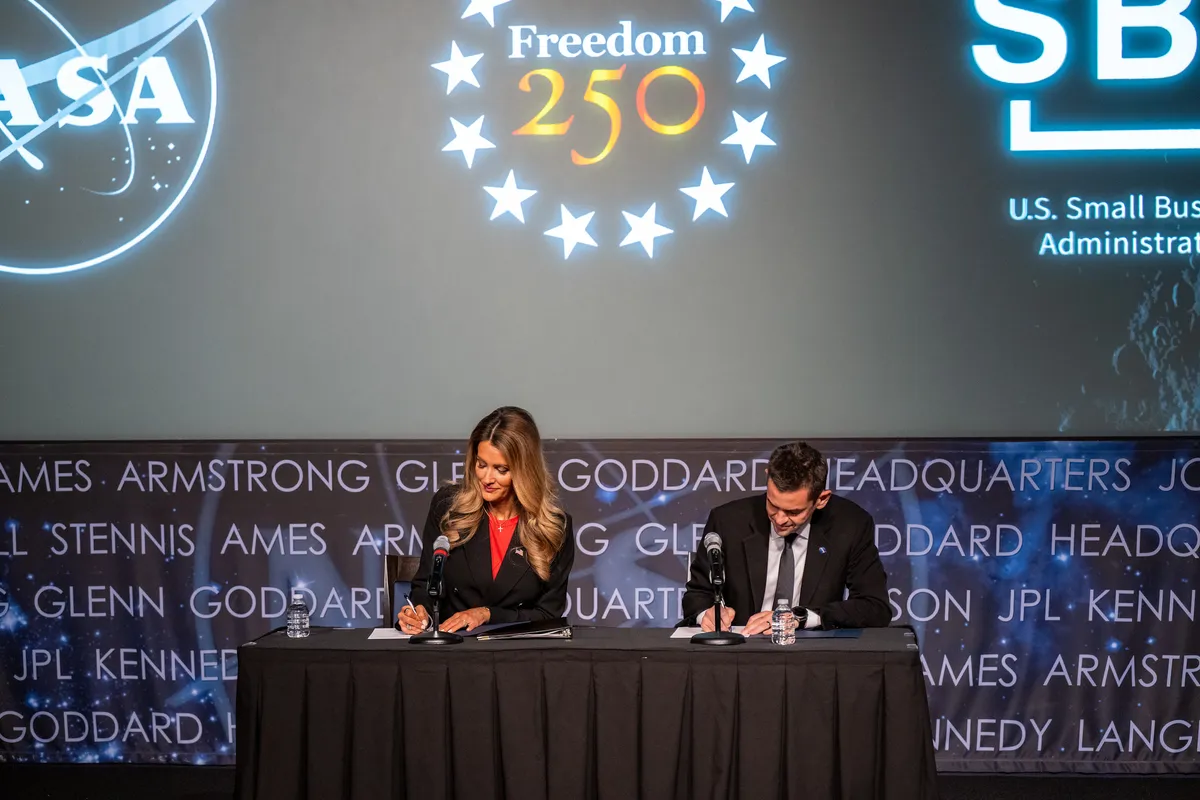
NASA and the SBA signed an agreement to help attract private capital for space technology suppliers.
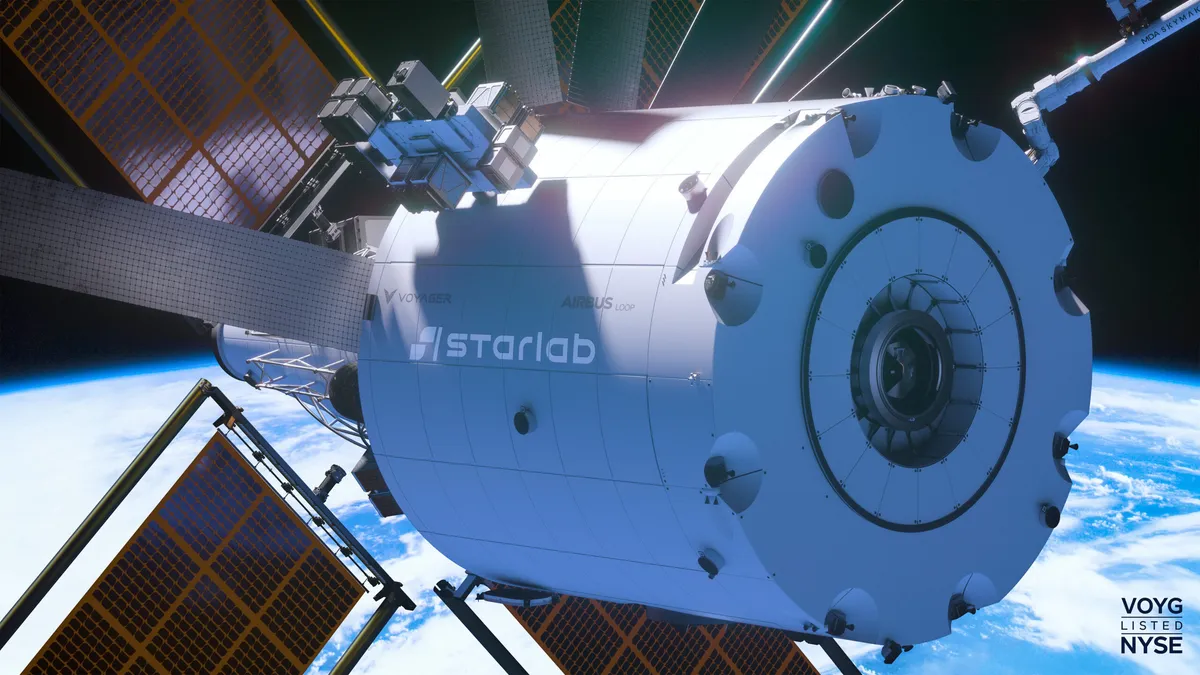
NASA issued a draft RFP for Commercial LEO Destinations, planning to fund at least two station builders in early development.

BAE Systems says its Endura processor passed radiation testing for classified and missile-defense satellite missions.
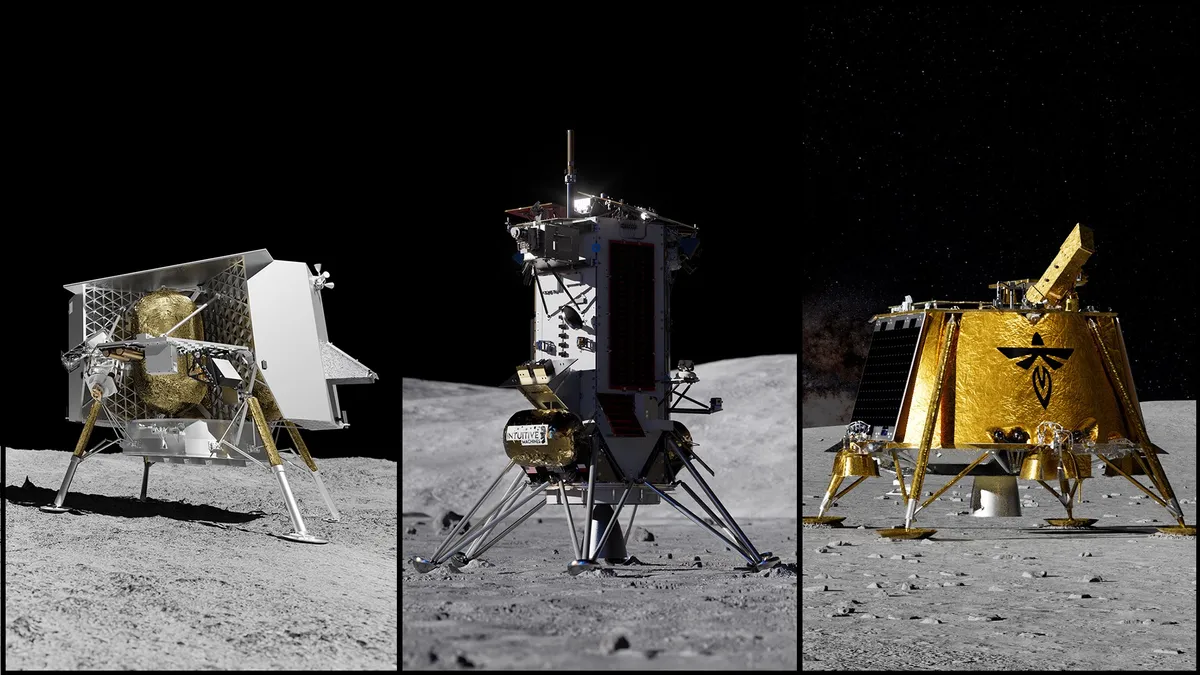
Astrobotic, Firefly Aerospace, and Intuitive Machines split nearly $600 million in new NASA lunar lander task orders.
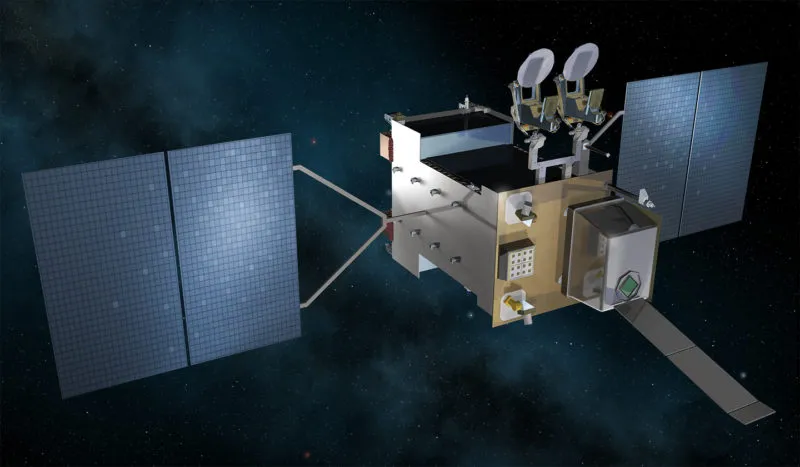
A GAO assessment found cost overruns and schedule slips across several Space Force missile-warning and satcom programs.
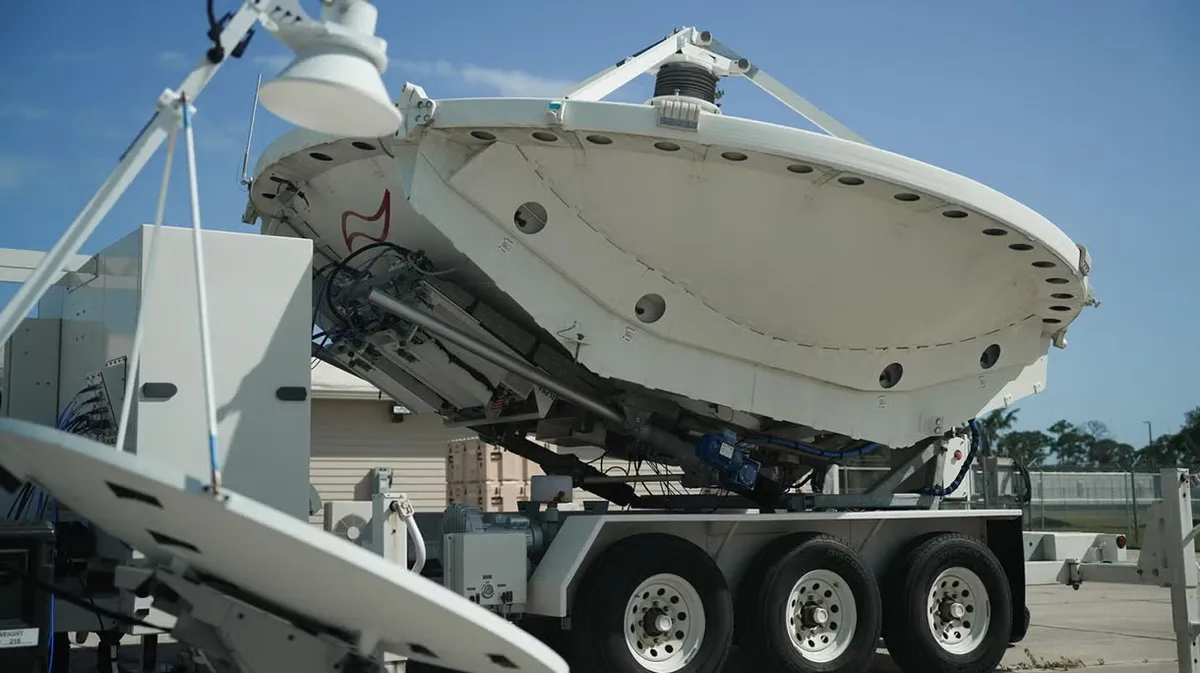
The Space Force operationally accepted L3Harris's mobile counter-communications jammer.
Parsons' ground-systems unit won a five-year, $245 million Navy IDIQ to keep running NRL's Blossom Point tracking facility.
Rocket Lab built, launched, and will operate a rendezvous-capable spacecraft for a Space Force rapid-response exercise.
Another batch of NRO satellites, widely believed to be Starshield-derived, reached orbit June 19, per Spaceflight Now.
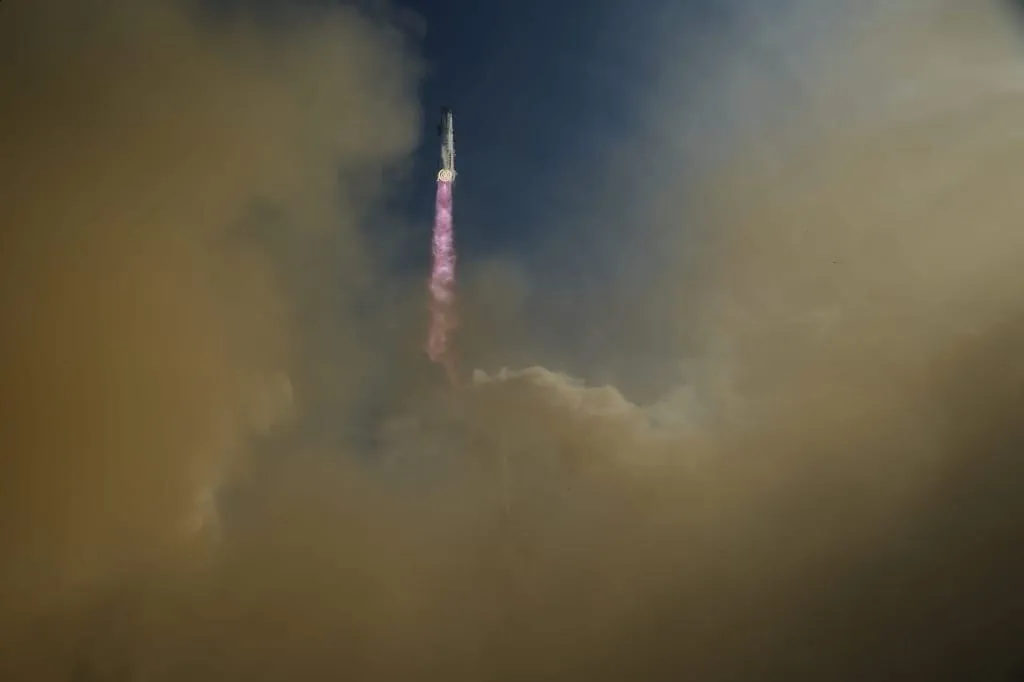
ConnectLA signed an $8.2 million BEAD deal with Starlink for 10,635 rural locations too costly to reach with fiber.
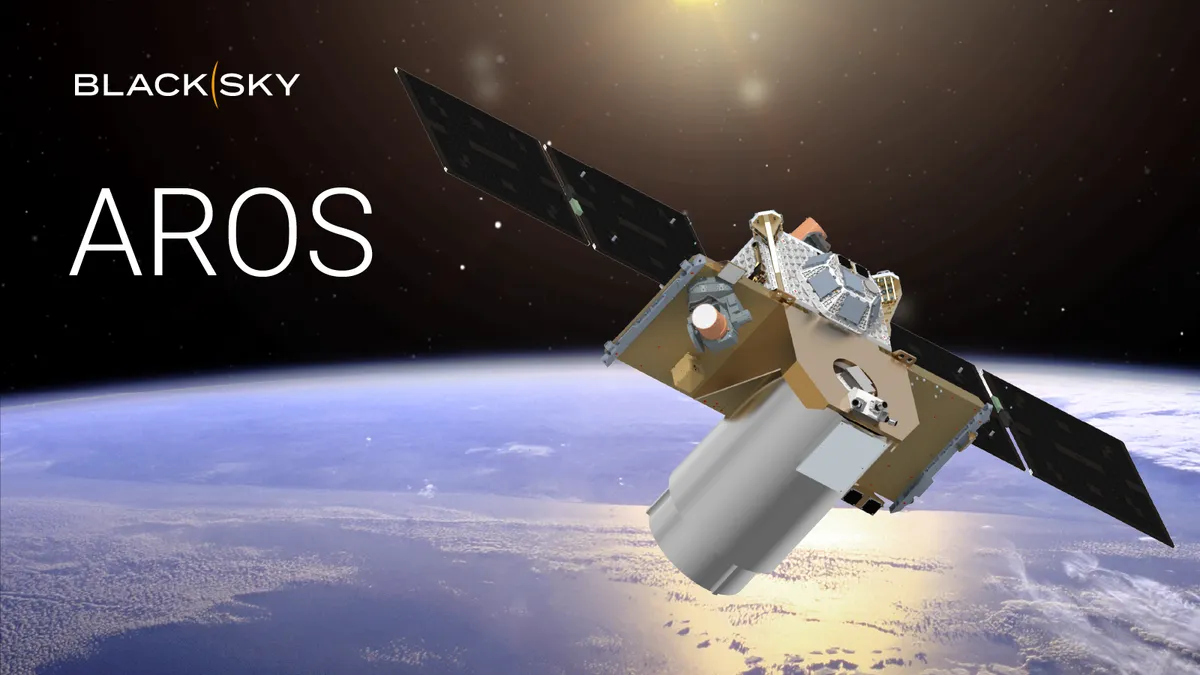
The mod funds a path to a flight-ready broad-area mapping system in 2028; NRO puts total contract value above $150M, per Defense Daily.

TraCSS begins onboarding read-only National Government Accounts; the pilot spans 52 users in 21 countries, 11,000+ spacecraft.
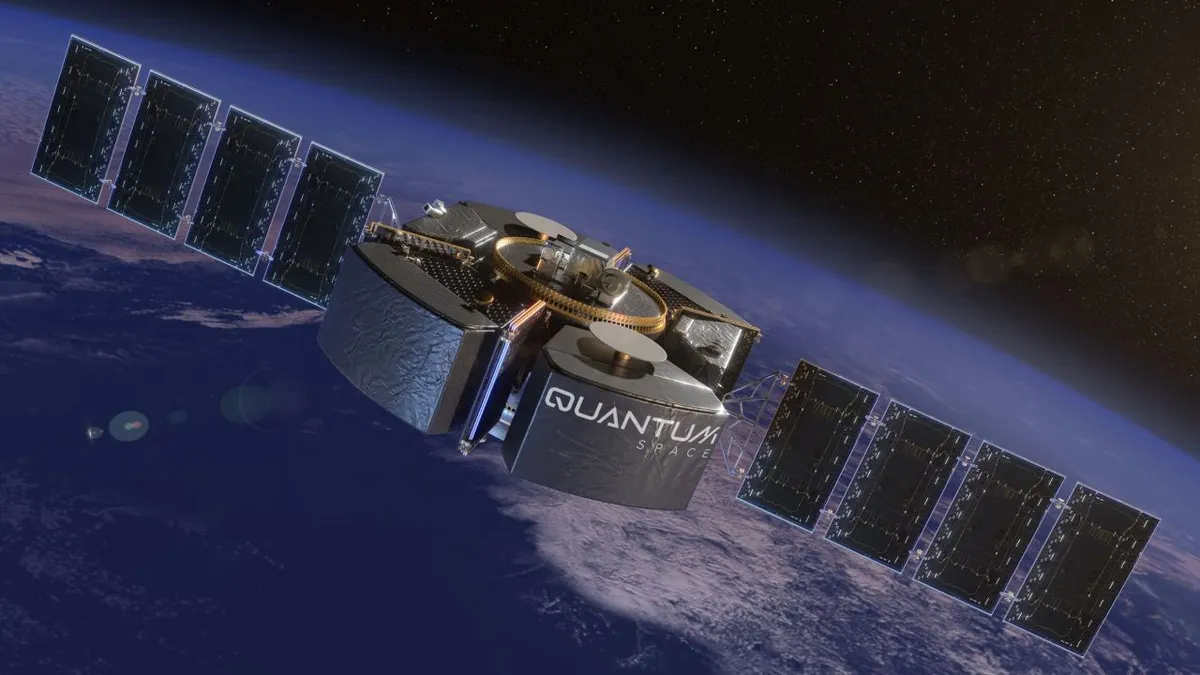
The Bridenstine-led spacecraft maker merges with Inflection Point VI, with a $300M PIPE, targeting Nasdaq as QSPC in Q4.

The FCC waived the July 2026 1,616-satellite milestone; late satellites temporarily lose processing-round spectrum priority.
Blue Origin, Boeing and Umbra signed SB-AMTI contracts June 2, growing the Space Force's tracking-satellite vendor pool to 12 companies.

Space Systems Command awarded SpaceX $4.16 billion for the initial phase of its SB-AMTI airborne-threat-tracking satellite program.
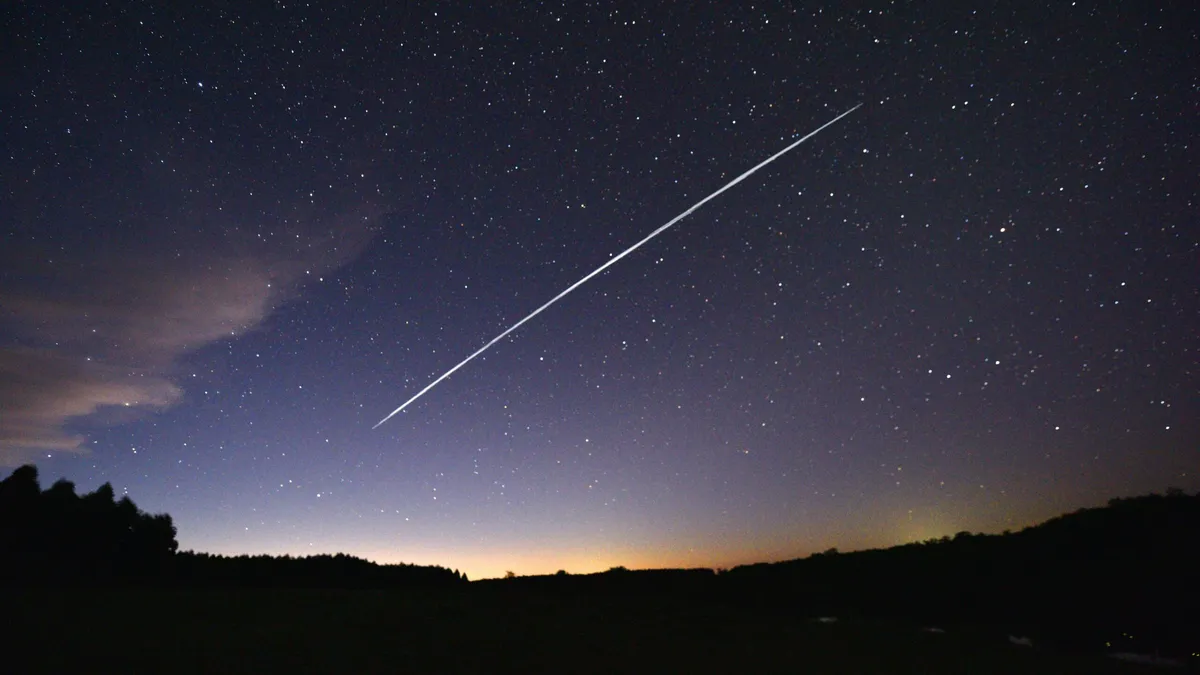
Space Systems Command awarded SpaceX $2.29 billion to build the backbone of its new military Space Data Network.

The FCC approved SpaceX's roughly $17 billion purchase of EchoStar spectrum, with a $2.4 billion escrow condition.