FCC votes to open unlicensed spectrum for direct-to-device satellite links
Federal Communications Commission · SpaceX
The FCC unanimously adopted a rulemaking exploring ~200 MHz of unlicensed Wi-Fi and IoT spectrum for direct-to-device satellite service.
what happened
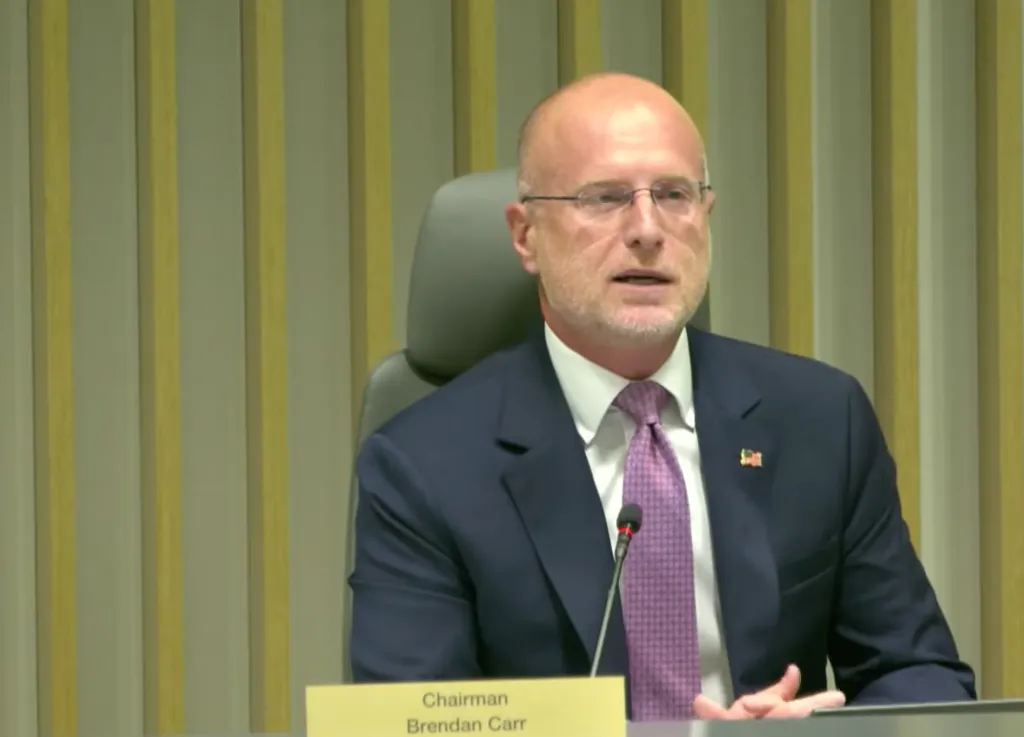
The FCC voted 3-0 on August 6 to adopt a Notice of Proposed Rulemaking that would let unlicensed Part 15 devices, including Wi-Fi, Bluetooth, and IoT sensors, communicate directly with satellites in the 2400-2483.5 MHz and 5725-5850 MHz bands, about 200 megahertz combined, per Fierce Network and Broadband Breakfast. The FCC dropped a proposed 902-928 MHz band from the adopted item; the FCC's Andrew Hendrickson said that band was "significantly more complex than the 2.5 GHz or 5.8 GHz," citing multiple incumbent services. Chairman Brendan Carr said the commission is "exploring whether D2D services are technically possible in more than 200 megahertz of unlicensed spectrum bands." SpaceX supported the proposal and asked the FCC to go further; the Wireless Internet Service Providers Association had objected before the vote, saying some NPRM statements misrepresented its members' band usage.
why it matters
This is the FCC's first move toward letting direct-to-device satellite operators use unlicensed spectrum rather than only the licensed bands they have spent billions acquiring, which could widen the pool of usable frequency for D2D services from SpaceX, AST SpaceMobile, and other operators. It is a proposal, not a grant: the NPRM opens a public comment period, so operators gain a filing opportunity now, not new spectrum rights yet.
for who
Direct-to-device and IoT connectivity operators
signal-to-noise
quick facts
- Companies
- Federal Communications Commission, SpaceX
- Category
- regulatory
- Impact
- notable
- SNR
- 4 / 5
- Event date
- 2026-08-06
- Published
- 2026-08-08 05:28 UTC