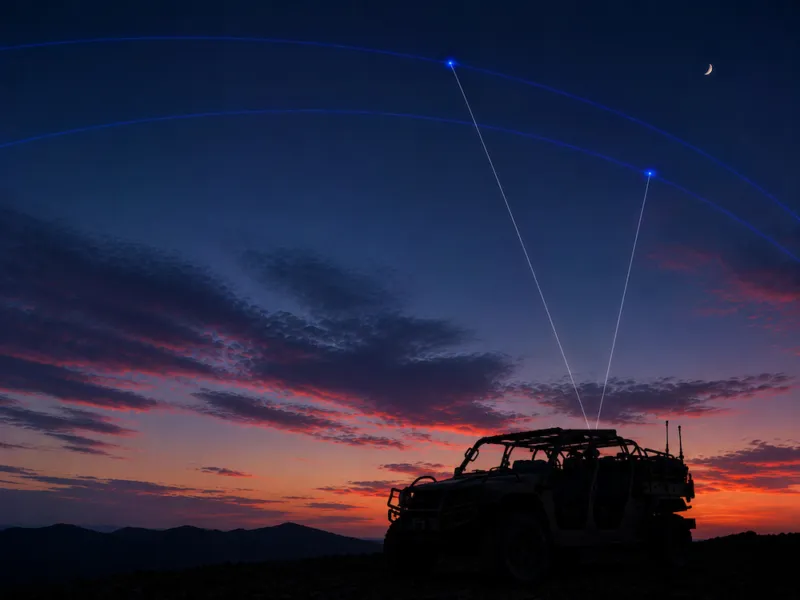
ST Engineering iDirect demonstrates multi-waveform 5G NR-NTN modem
ST Engineering iDirect piloted its INT3000 modem, which supports both 5G NR-NTN and existing DVB satellite waveforms in one device.
ST Engineering iDirect piloted its INT3000 modem, which supports both 5G NR-NTN and existing DVB satellite waveforms in one device.
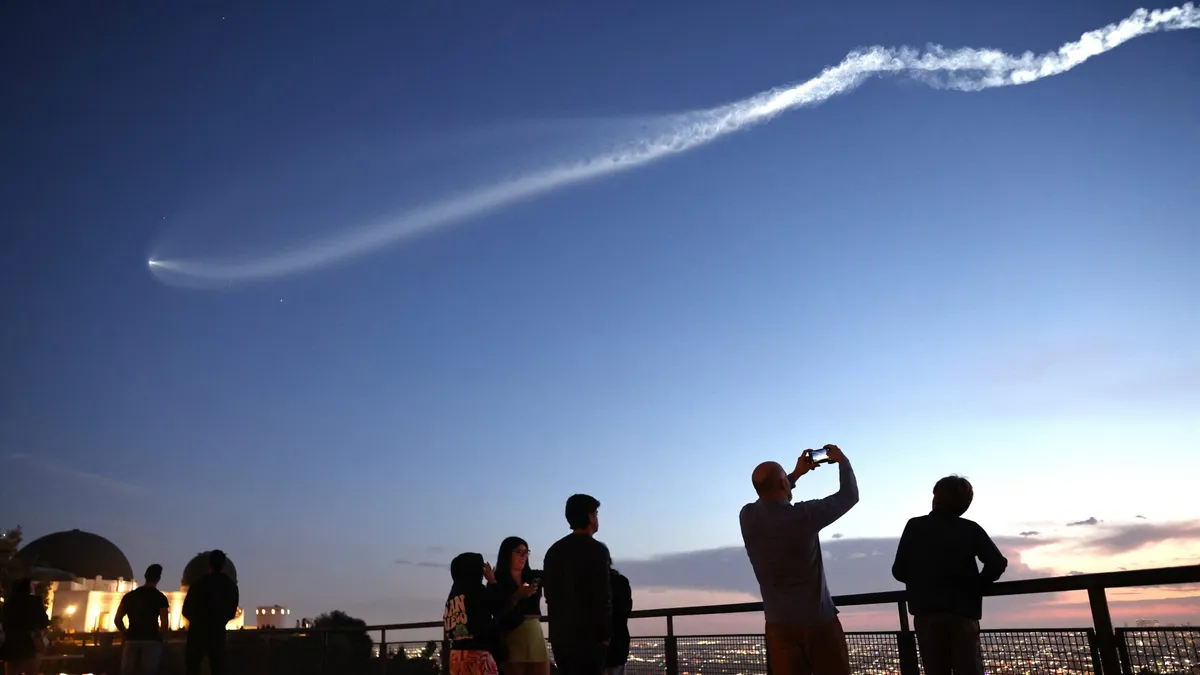
4iG and SpaceX signed Europe's first Starlink Mobile and Sovereign Solutions agreements, launching in Hungary and Albania.
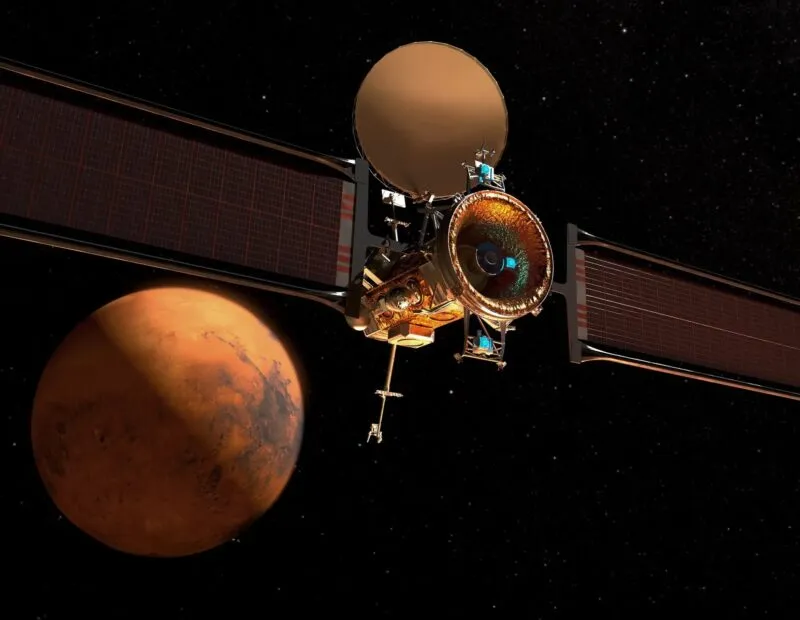
Open Cosmos becomes an approved provider on the UK's £8 billion TacSys defence-communications framework.
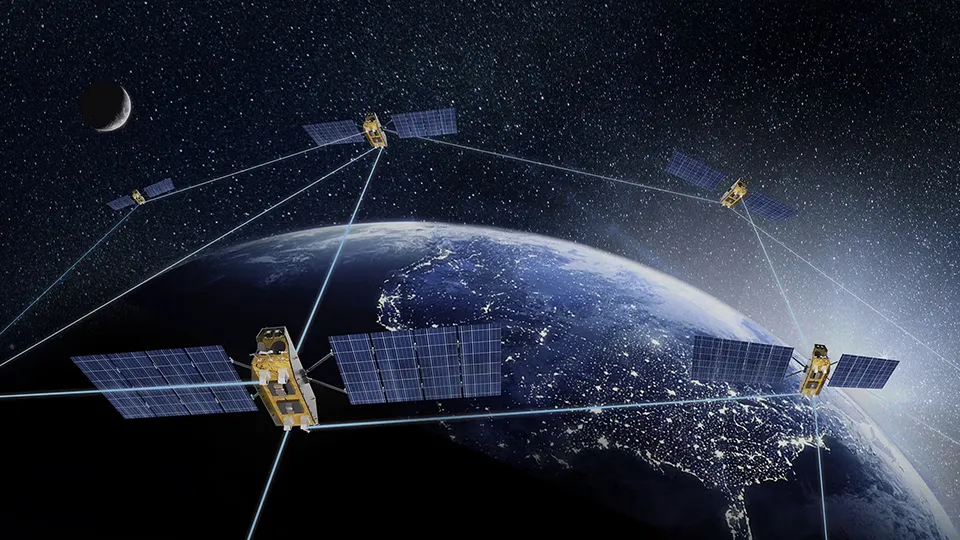
Per SatNews: MDA Space is applying its software-defined AURORA satellite platform to the direct-to-device market, targeting 2027 deliveries.
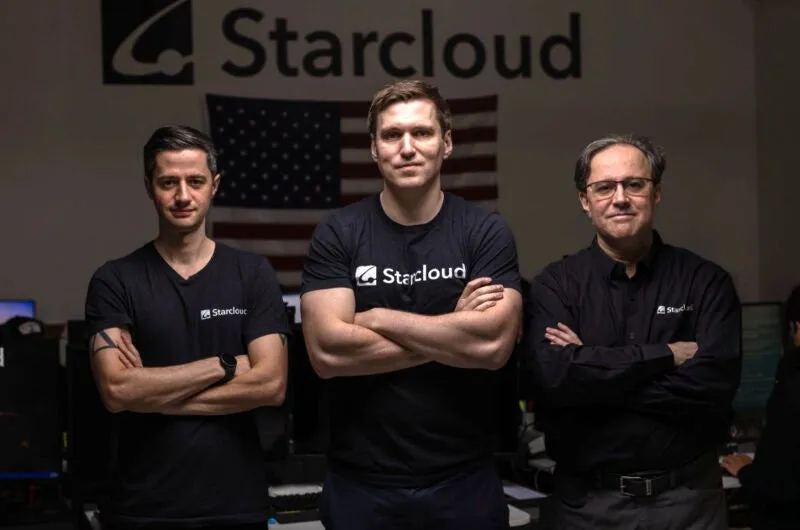
Astrum Space is merging with SPAC Black Spade Acquisition III at a roughly $1 billion valuation.
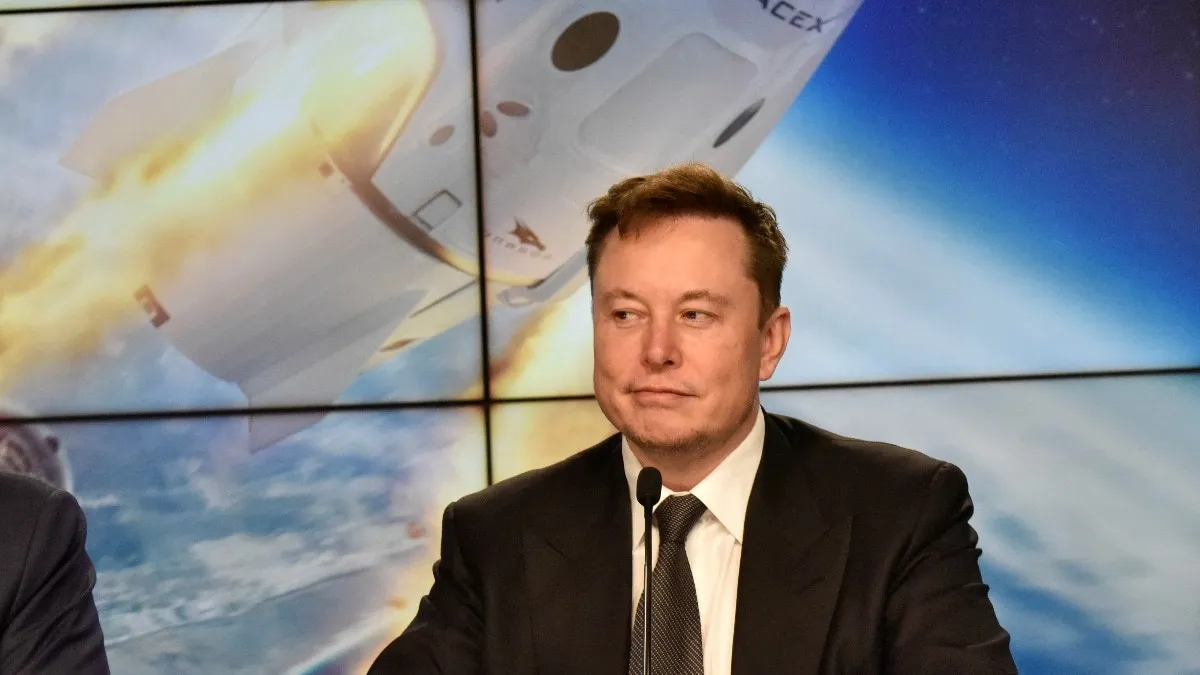
SpaceX's Starlink filed a fresh Gen 2 constellation application with India's IN-SPACe after regulators rejected its first bid.

Seraphim Space Investment Trust put a further $30 million into satellite-Bluetooth network operator Hubble Network.
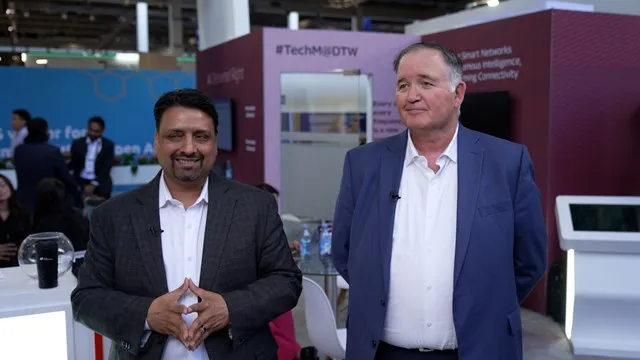
SES deepens its stake in Elveo Mobile, the D2D operator formed from the Lynk/Omnispace merger, to build a multi-orbit D2D offering.
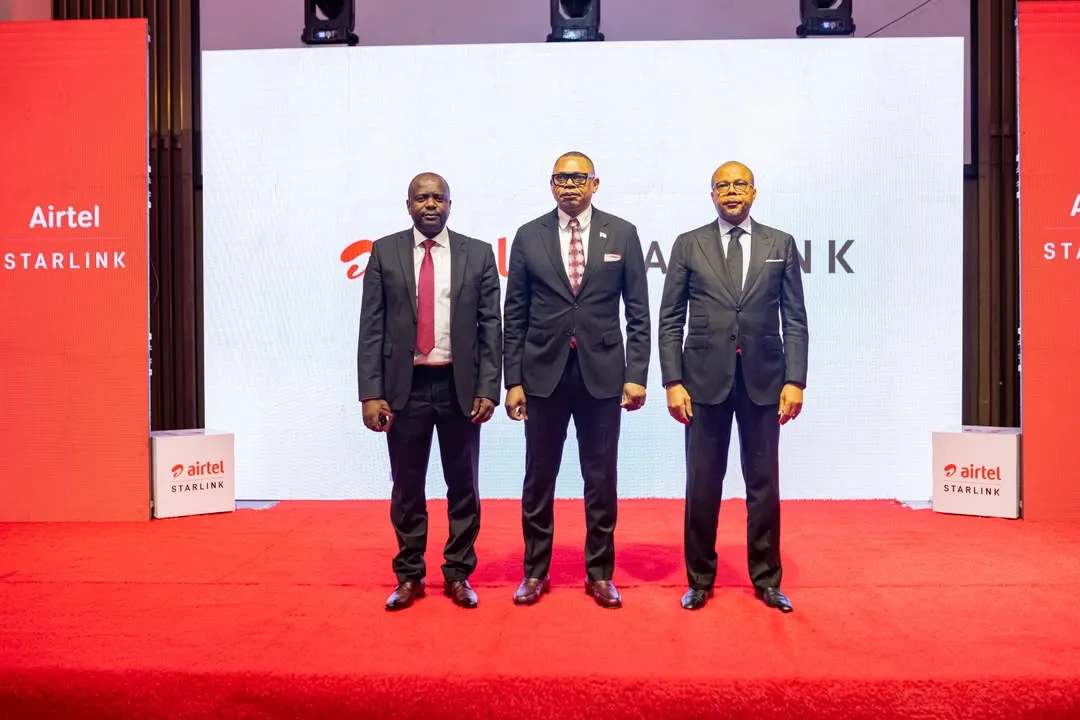
Airtel Africa commercially deployed Starlink's satellite-to-mobile service in the DRC, the first such commercial launch on the continent.
Lynk and Omnispace closed their merger as Elveo Mobile, and investor SES announced an expanded D2D investment and collaboration.
SpaceX opened Starlink orders in Vietnam under a five-year pilot that caps the service at 600,000 subscribers.
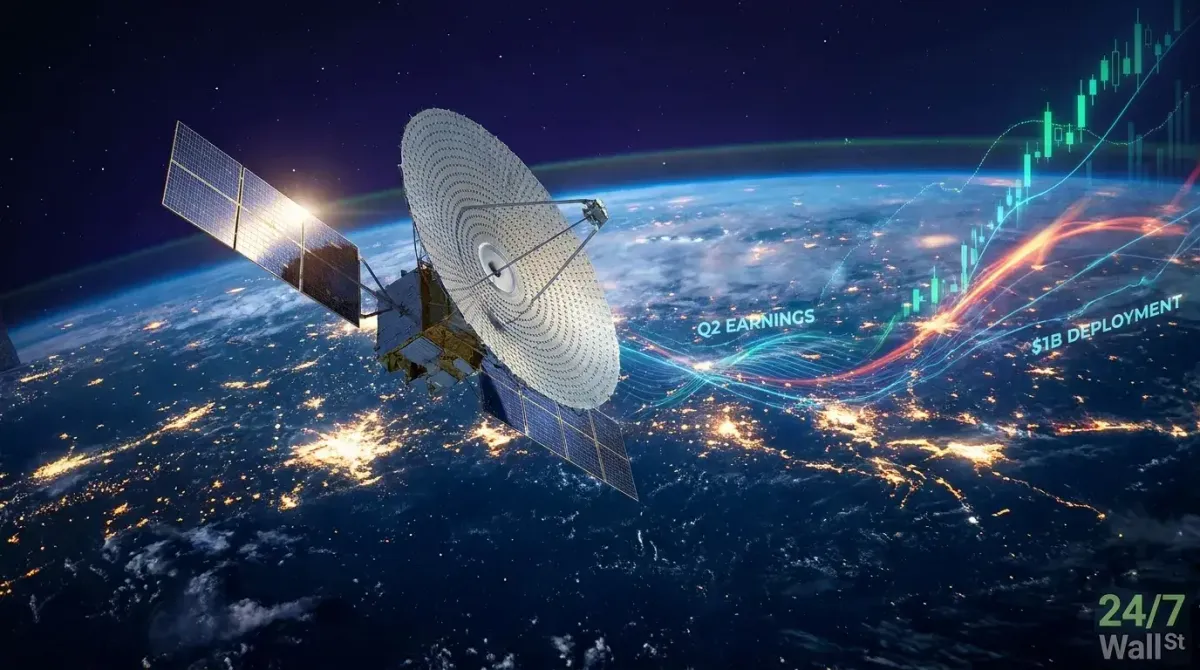
AST SpaceMobile's Q2 net loss widened to $230.9 million, driven partly by a $125.9 million write-off tied to the lost BlueBird 7 satellite.

FCC proposes letting Wi-Fi, Bluetooth and IoT devices link directly to satellites across 225+ MHz of unlicensed spectrum.
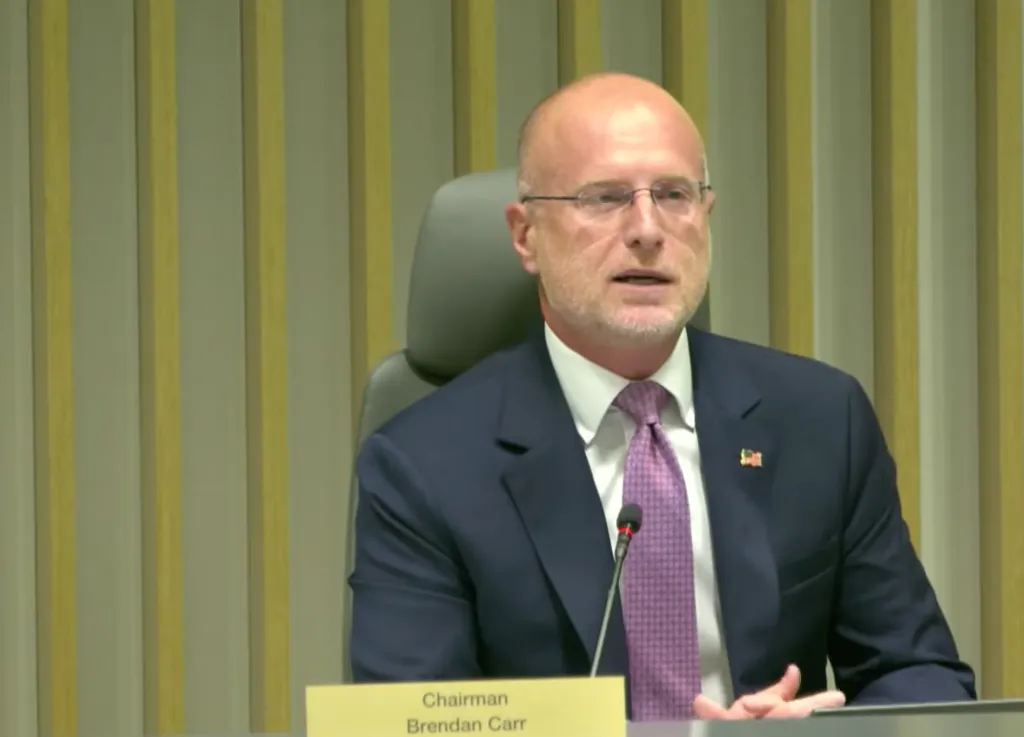
The FCC unanimously adopted a rulemaking exploring ~200 MHz of unlicensed Wi-Fi and IoT spectrum for direct-to-device satellite service.
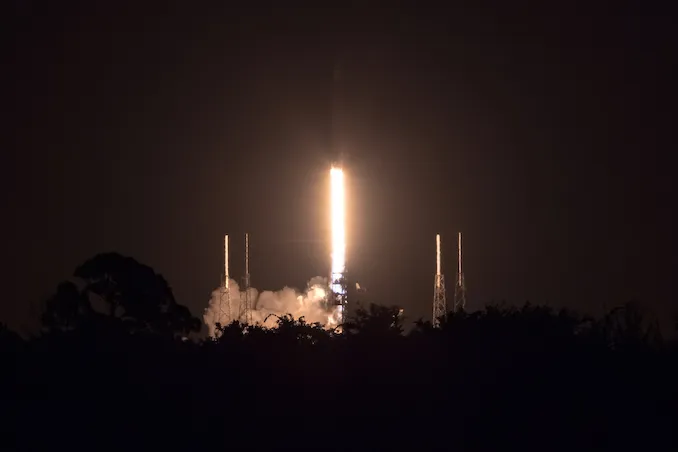
SpaceX launched three new Block 2 BlueBird direct-to-cell satellites for AST SpaceMobile from Cape Canaveral.
Shotwell confirmed on SpaceX's first earnings call that it will build a terrestrial network for Starlink Mobile using EchoStar spectrum.

AST SpaceMobile began active satellite-to-phone service in Japan alongside Rakuten Mobile, its first commercial market outside the US.
Amazon Leo asked the FCC to license 5,105 satellites for direct-to-device service on Globalstar spectrum, starting 2028.

The SEC filing flags possible vertical integration into launch and an advanced-stage Rakuten joint venture for Japan's J-LEO program.
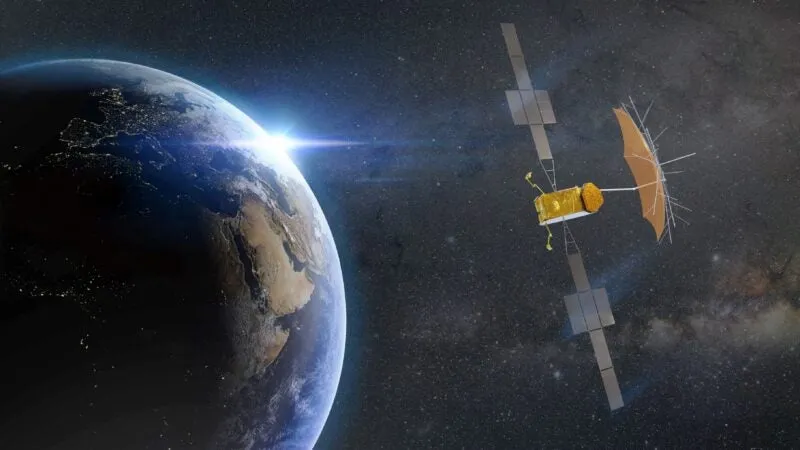
Space42 and Skylo tested two-way SMS and SOS messaging to standard Android phones via the Thuraya-4 satellite.
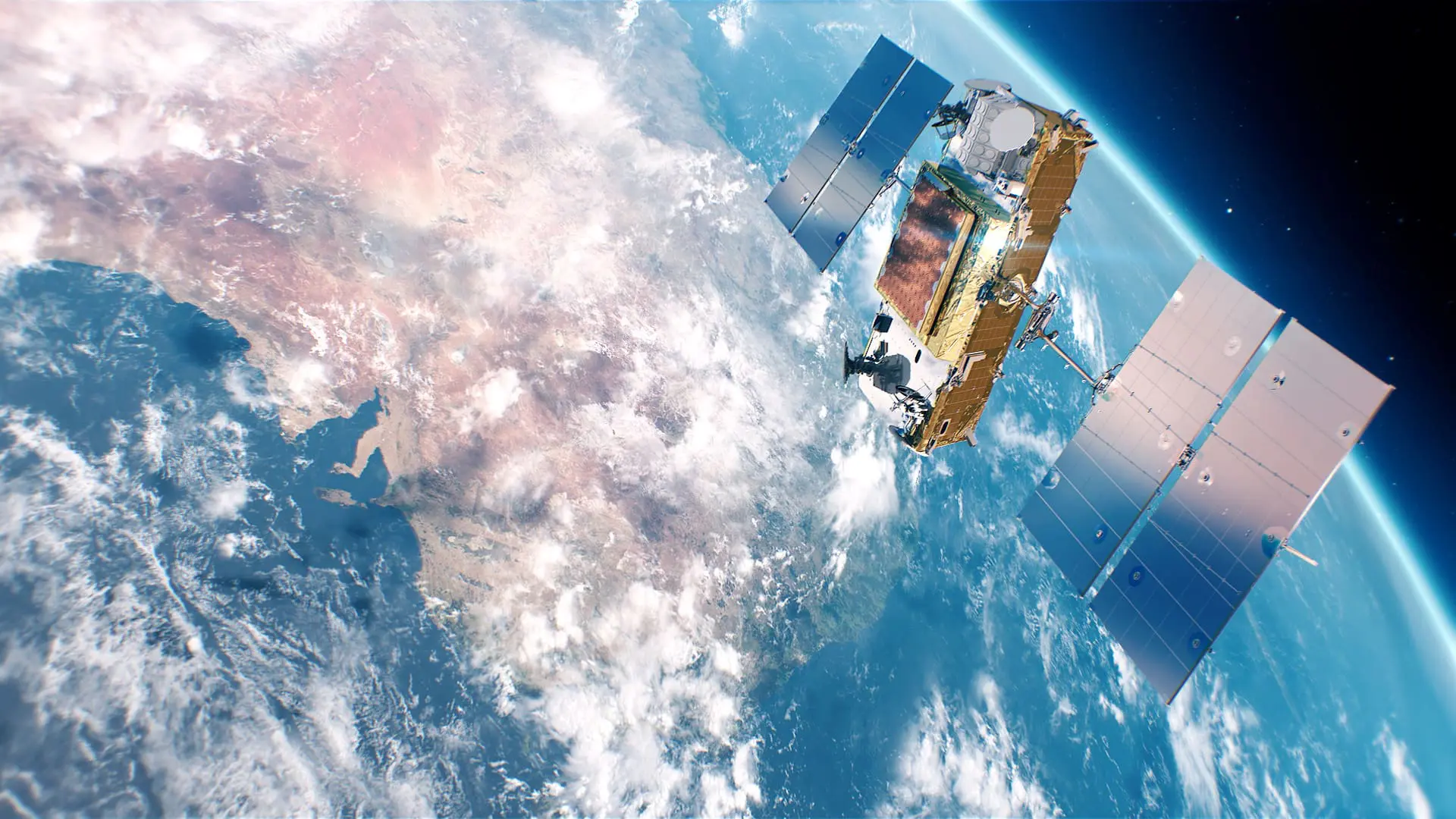
Rocket Lab agreed to acquire Iridium Communications in a cash-and-stock deal valuing Iridium at about $8 billion enterprise value.
Rocket Lab and Iridium Communications said they signed a definitive agreement for Rocket Lab to acquire all outstanding Iridium common stock, per a joint press release filed as an exhibit to Rocket Lab's 8-K with the SEC on June 29, 2026. Iridium stockholders will receive $27.00 in cash plus Rocket Lab shares under an exchange ratio collared between $67.50 and $112.50, a structure the companies say has a notional value of $54.00 per Iridium share and implies an $8.0 billion enterprise value. Both boards approved the deal unanimously, Rocket Lab has commitments for a $3.6 billion bridge loan from Deutsche Bank and Wells Fargo, and the companies expect to close in mid-2027 subject to Iridium stockholder and regulatory approval. On July 6, 2026, Iridium said it completed its acquisition of the remaining 61% of Aireon, the space-based air-traffic-surveillance venture it did not already own, paying about $367 million to providers in Canada, England, Denmark, Ireland, and Italy, per SpaceNews, consolidating Aireon as a wholly owned subsidiary ahead of the Rocket Lab deal's close.
Three Block 2 direct-to-cell satellites launched successfully, per AST's release; the prior BlueBird 7 was lost in May.

The FCC approved SpaceX's roughly $17 billion purchase of EchoStar spectrum, with a $2.4 billion escrow condition.

Amazon Leo will absorb Globalstar's satellite fleet and direct-to-device spectrum rights in a deal expected to close in 2027.
Amazon agreed April 14, 2026 to acquire Globalstar for up to $90 per share in cash or Amazon stock, a deal worth roughly $11.6 billion, per Amazon's own release. Globalstar shareholders holding about 58% of voting power approved the deal by written consent. Closing is expected in 2027, subject to regulatory approvals and Globalstar meeting satellite-deployment milestones tied to its HIBLEO-4 replacement constellation, with up to $110 million of downward price adjustment if those milestones are missed, per Amazon and IoT Business News. Amazon said it will use Globalstar's direct-to-device spectrum licenses and more than 30 years of low Earth orbit satellite operations expertise to build a next-generation Amazon Leo direct-to-device system. Globalstar CEO Paul Jacobs said the combination "will advance innovations in digital connectivity," and Apple SVP Greg Joswiak noted Apple and Amazon's existing infrastructure relationship, per Amazon's release.