Impulse Space brings two Mira vehicles within 200 meters using own software
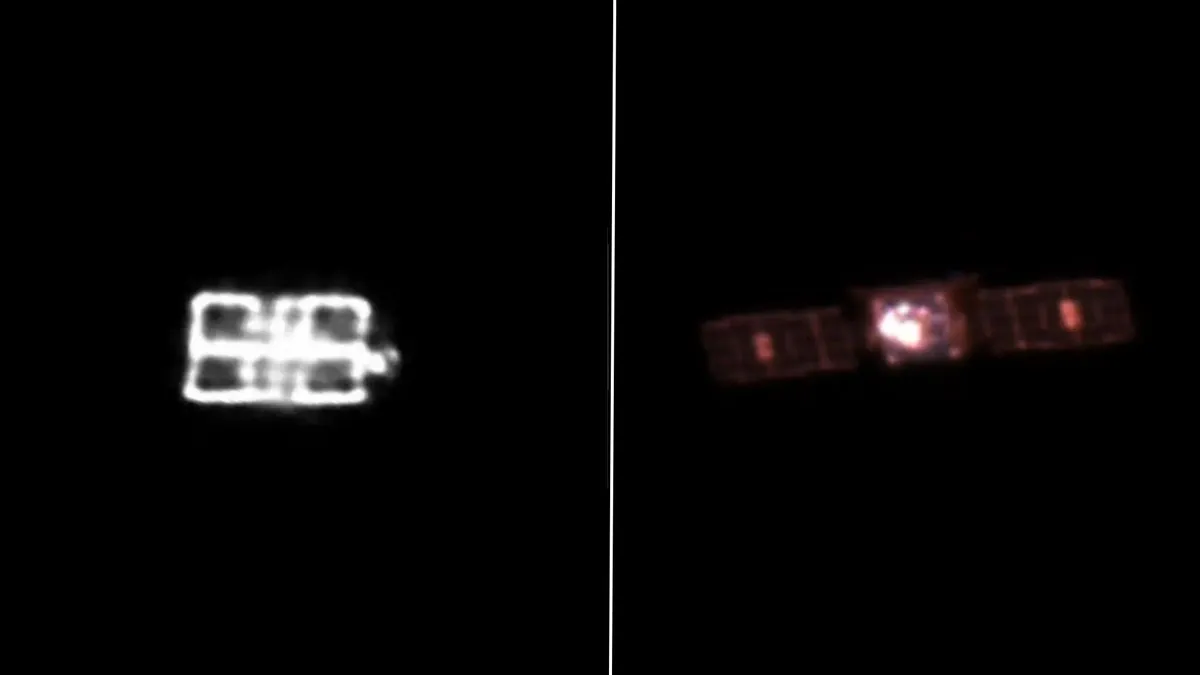
Impulse Space closed two of its own Mira orbital transfer vehicles to about 200 meters apart using in-house guidance software alone.
what happened
Impulse Space said its LEO-2 and LEO-3 Mira orbital transfer vehicles, launched in January and November 2025, closed to roughly 200 meters of each other in low Earth orbit in a proximity campaign completed this month, using guidance, navigation and control software Impulse built itself rather than a partner's. The company says that is a sixfold tighter approach than the roughly 1,250-meter baseline set by its December 2025 Remora mission, which had used Starfish Space's navigation software. "These types of dynamic, agile maneuvers are how we unlock full access to space after launch and create new mission possibilities," CEO Tom Mueller said.
why it matters
Rendezvous and proximity operations without a third-party navigation partner is the configuration Impulse needs for the missions it has actually contracted, from Space Force tactically responsive space work to future servicing and inspection contracts. Demonstrating tighter, self-sufficient close-approach control on its own hardware strengthens Impulse's pitch against other in-space mobility providers as the market for orbital transfer and servicing vehicles matures.
for who
In-space servicing and mobility customers
signal-to-noise
quick facts
- Companies
- Impulse Space
- Category
- product
- Impact
- notable
- SNR
- 5 / 5
- Event date
- 2026-09-11
- Published
- 2026-09-11 17:27 UTC