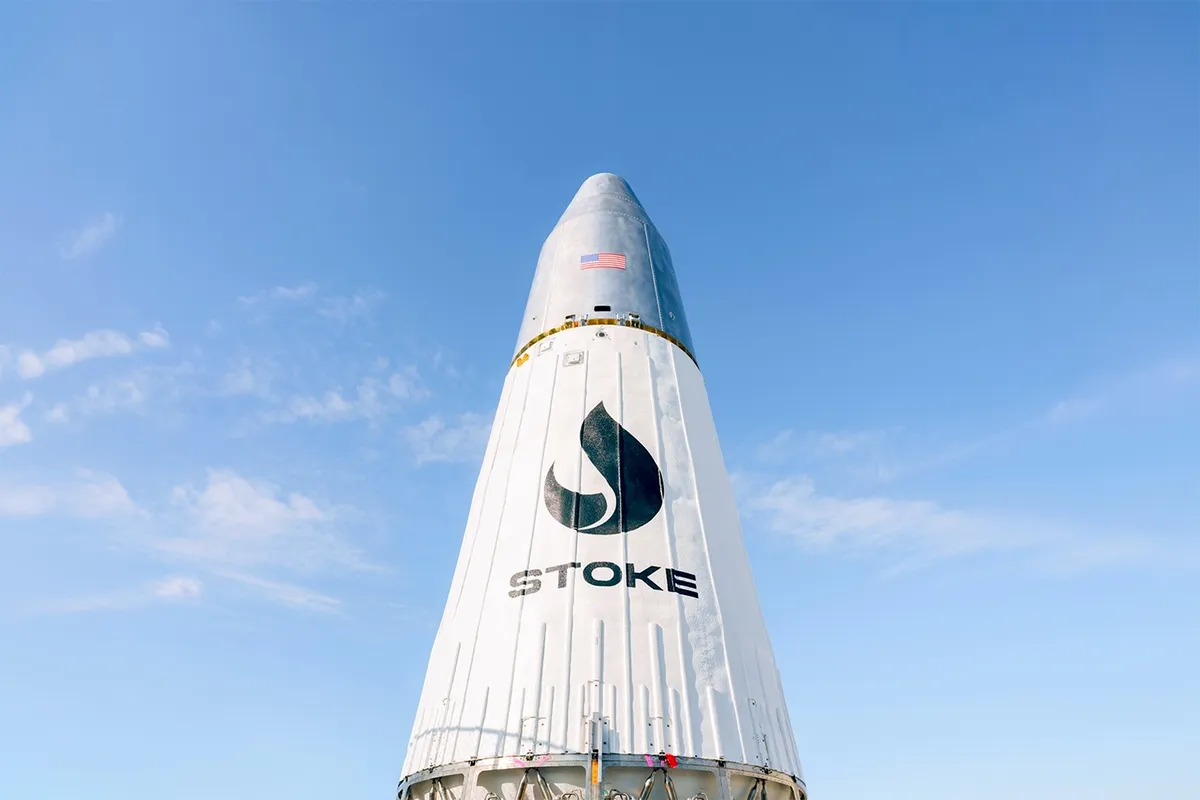
Stoke Space raises $1 billion Series E round, total funding hits $2.3 billion
Stoke Space closed an initial $1B Series E tranche, taking total capital raised to $2.3B ahead of Nova Pathfinder's debut.
Stoke Space closed an initial $1B Series E tranche, taking total capital raised to $2.3B ahead of Nova Pathfinder's debut.
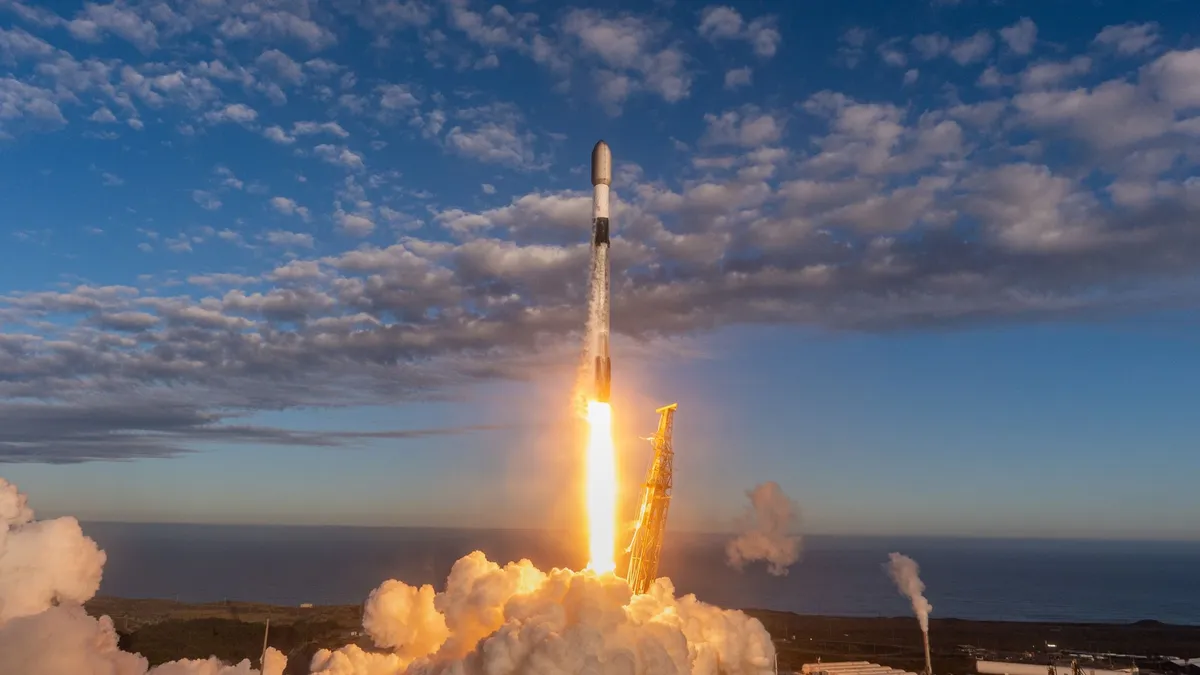
SpaceX flew Falcon 9 booster B1088 for the 19th time from Vandenberg, the droneship's 223rd booster recovery.
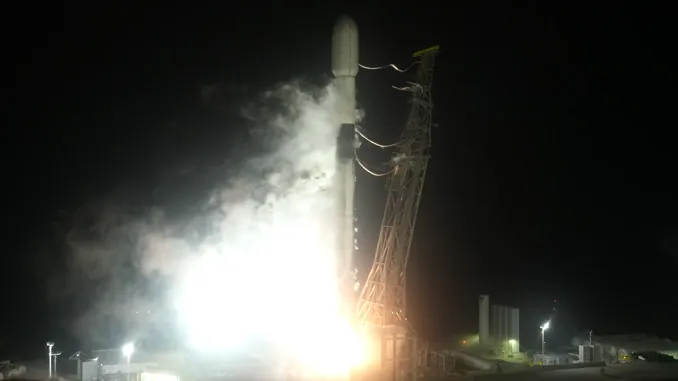
Booster B1063 launched 27 Starlink satellites from Vandenberg, two flights short of SpaceX's Falcon 9 reuse record.
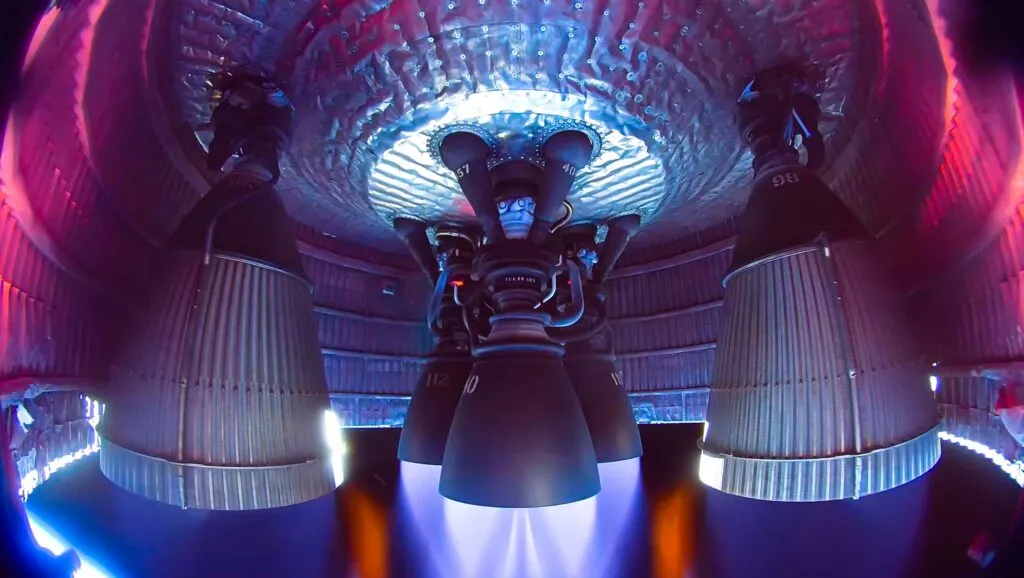
SpaceX and Louisiana officials confirmed a $100 billion Starbase Louisiana spaceport on 130,000 acres at Vermilion Parish's Pecan Island.
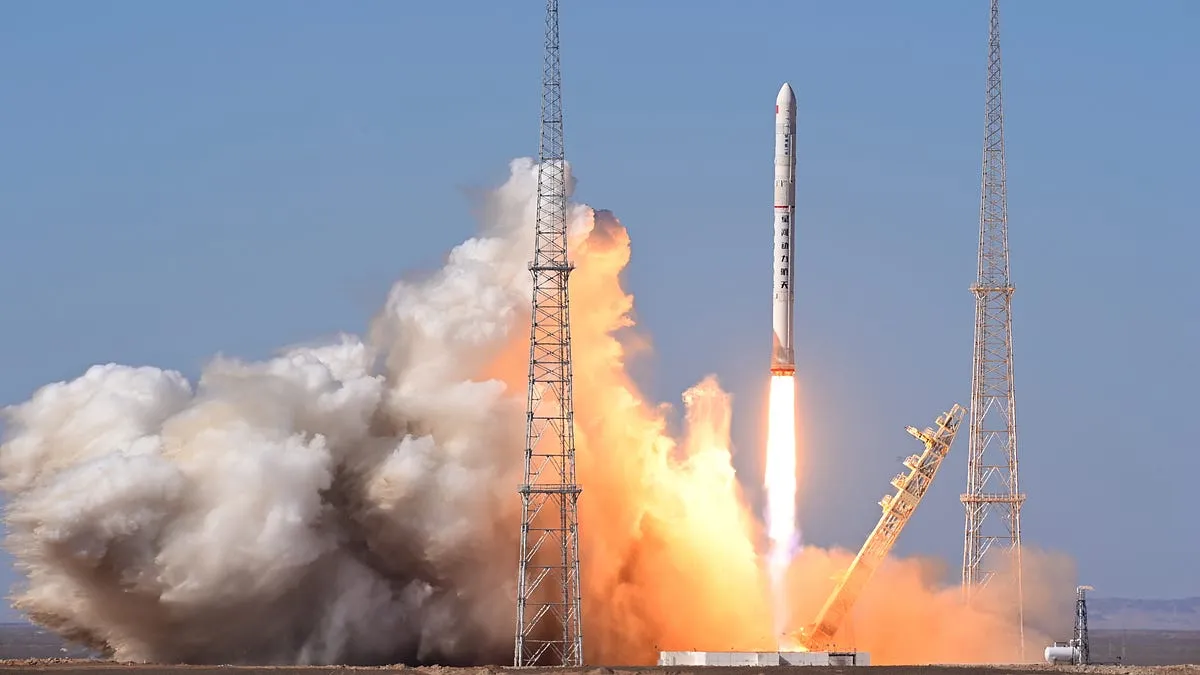
China's Galactic Energy flew its new Pallas-1 rocket for the first time, reaching orbit on a test flight with no customer payload.
Galactic Energy launched the Pallas-1 Y1 rocket on its maiden flight from the Dongfeng commercial space site at Jiuquan on September 1 at 10:00 a.m. Beijing time (02:00 UTC), carrying no customer or internal payload; both stages separated normally and the second stage reached its target sun-synchronous orbit, completing the flight's test objectives, per Xinhua and China-in-Space. No booster-recovery hardware was installed on this flight; Galactic Energy said the debut completes the first of a three-step plan toward routinely reusing the first stage, which the company says will progress to a controlled descent and an eventual first-stage landing on future flights, per China-in-Space.
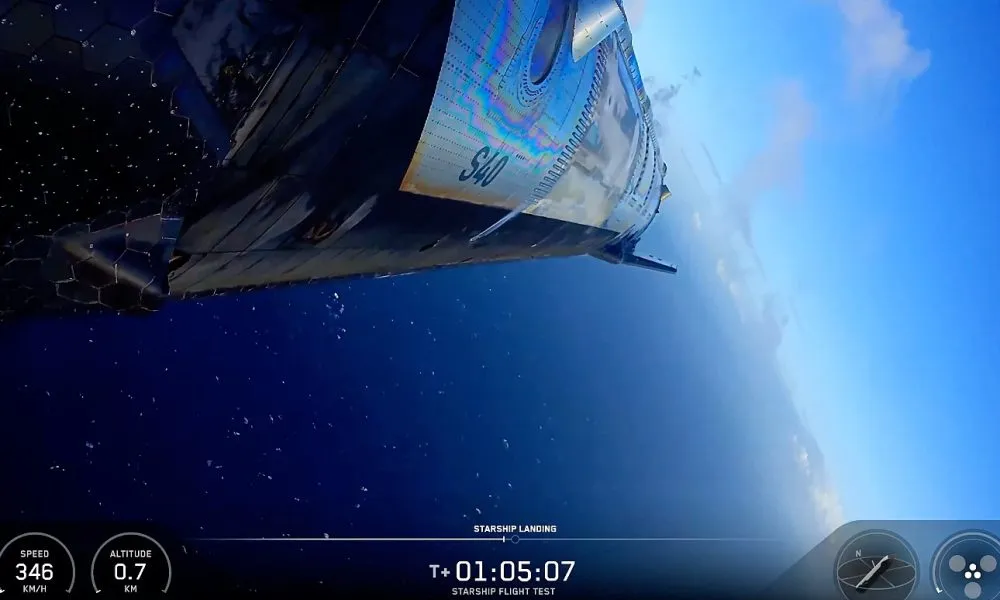
Per Teslarati: SpaceX's FCC filing for Flight 14 describes Starship's first real orbital-insertion attempt, targeting Sept. 15.
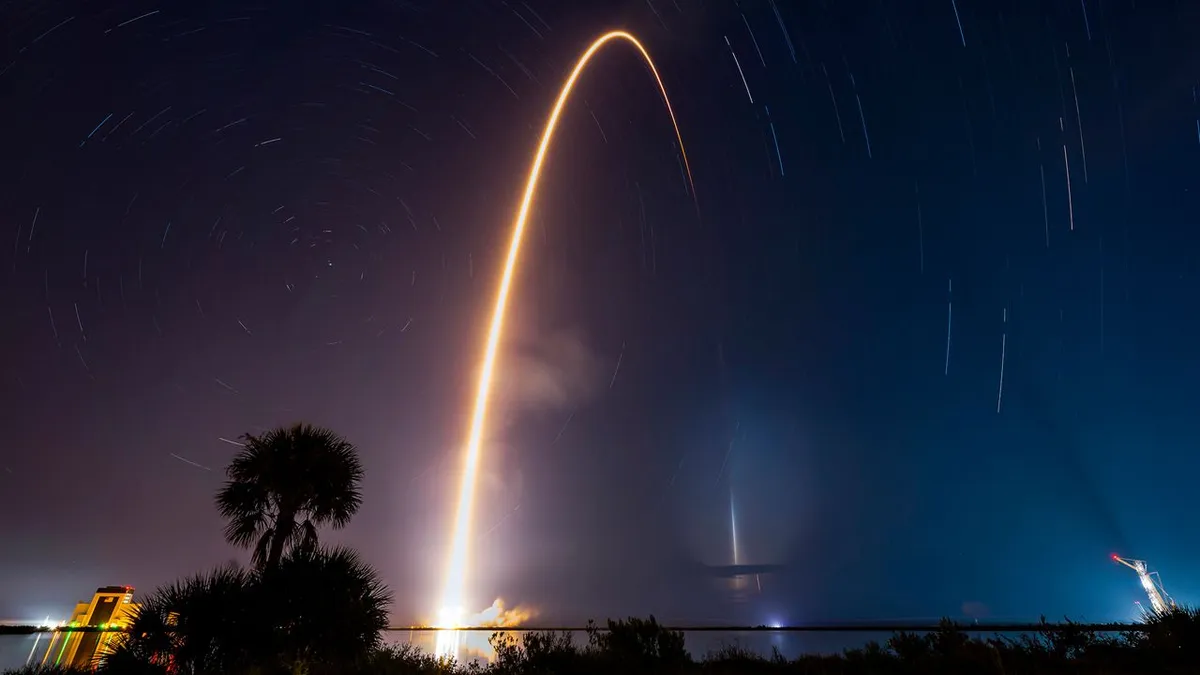
The booster's 100th Falcon 9 launch of 2026 was also the last planned Falcon 9 Starlink mission from Florida, per SpaceX.
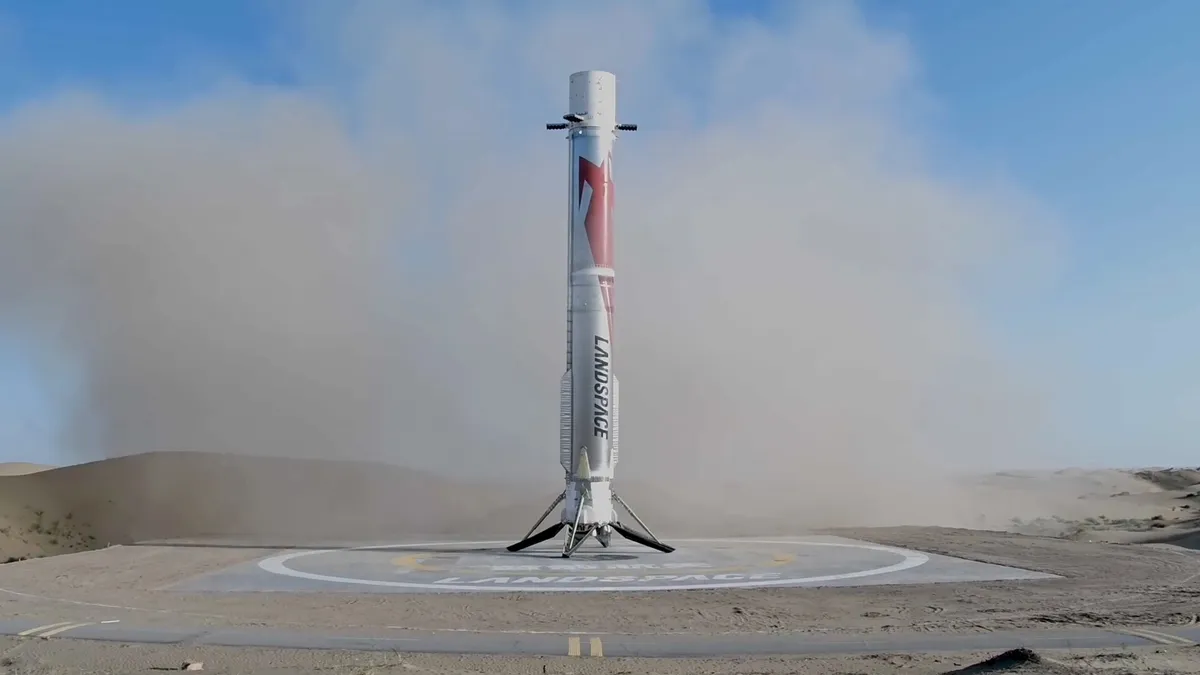
LandSpace landed Zhuque-3's booster on its second flight, a China first, but the recovered stage later tipped over on the pad.
LandSpace launched its Zhuque-3 rocket on its second flight from the Dongfeng Commercial Space Innovation Pilot Zone at the Jiuquan Satellite Launch Center at 23:35 UTC on Aug. 18, carrying a prototype LEO communications satellite for its subsidiary Hongqing Technology, per SpaceNews, Space.com and NASASpaceflight. About 137 seconds after stage separation, the first stage completed a powered vertical landing on deployable legs roughly 390 km downrange in Minqin County, Gansu province, becoming the first Chinese company to recover an orbital-class booster and the first recovery in China using landing legs rather than net capture. Zhuque-3's December 2025 debut flight reached orbit, but its booster crashed during an earlier landing attempt. LandSpace said the mission moves Zhuque-3 "from the technological demonstration and verification phase toward the engineering application phase of reusability," per Space.com. LandSpace was targeting a reflight of the recovered booster within six months, a company representative told SpaceNews. Days later, the booster tipped over on the recovery pad: a fire broke out near its base during propellant offloading and one of its four landing legs failed, per NASASpaceflight and China in Space. China in Space reported the fall damaged the interstage and both propellant tanks and deformed two of the booster's nine Tianque-12A engine nozzles.
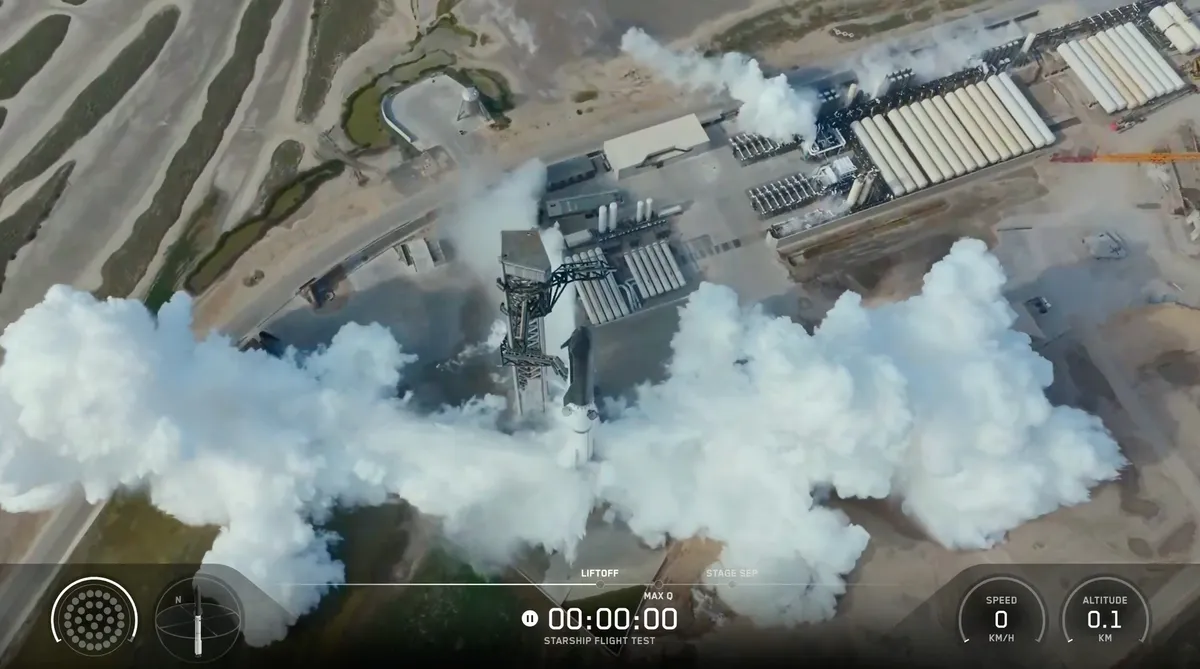
Flight 13 flew: Starship's first intact splashdown, first V3 Starlink deployment, and a hard Super Heavy booster landing.
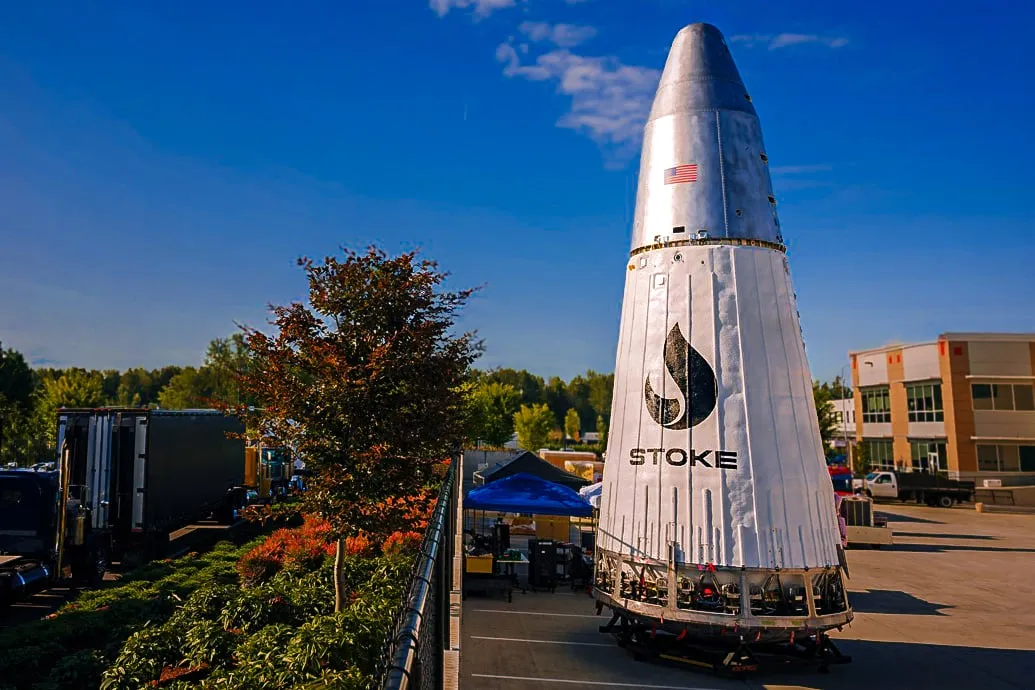
Stoke Space mated Nova's second stage for fit checks and finished building three first-stage engines ahead of its 2026 debut.
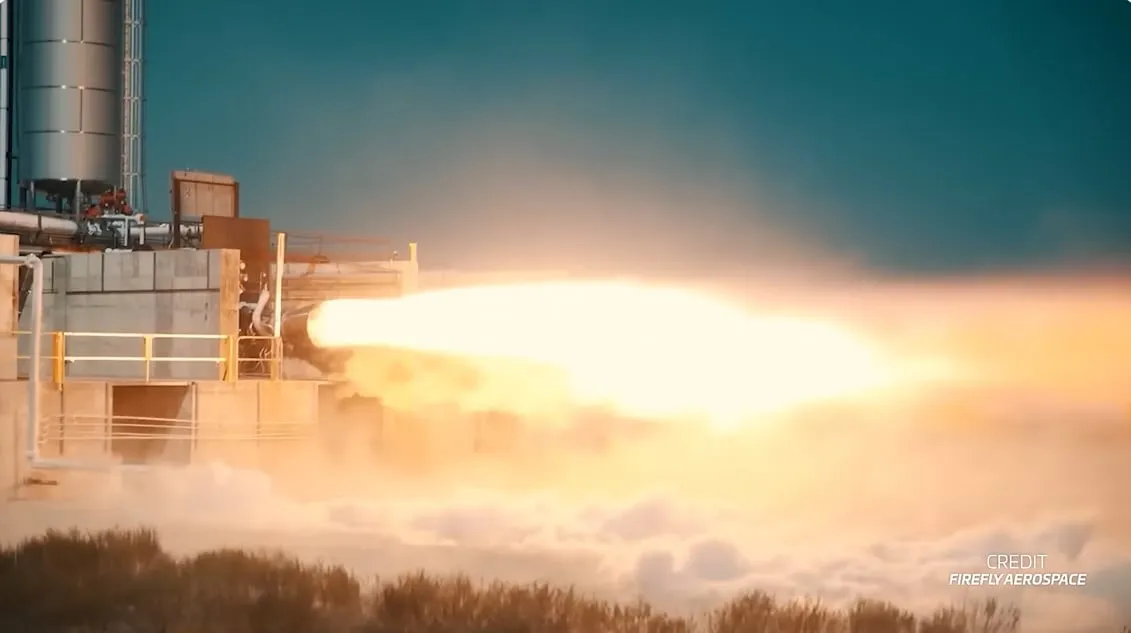
Firefly's Miranda engine cleared a 226-second flight-like burn, a milestone toward qualifying Eclipse's first stage.
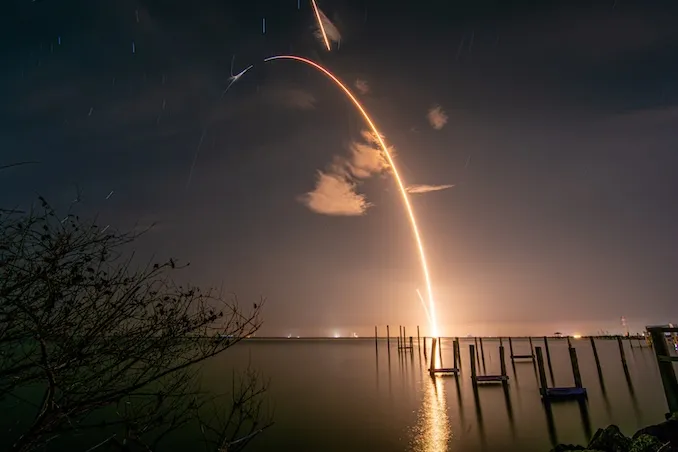
SpaceX launched two Falcon 9s 38.5 minutes apart on Aug. 15, a new cadence record, with the 650th Falcon booster landing.
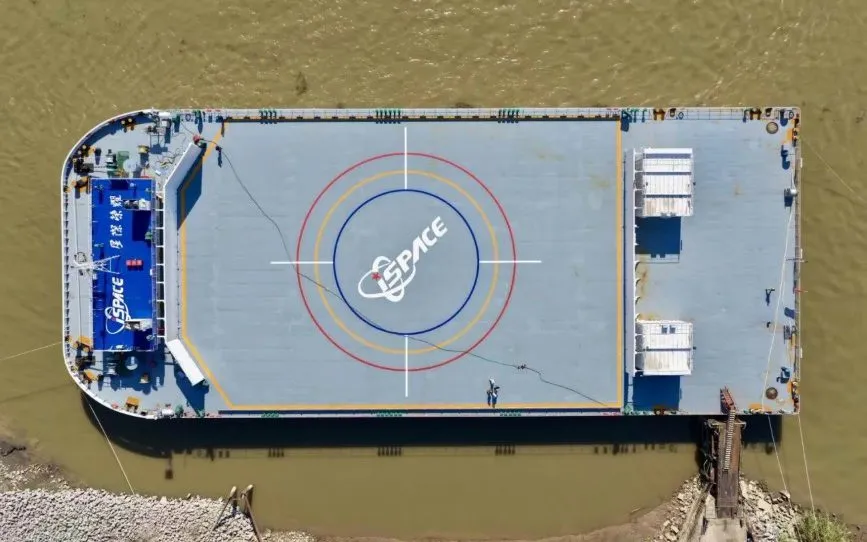
China's iSpace closed a $148 million first tranche of a Series E round for its reusable Hyperbola-3 rocket, with fundraising ongoing.
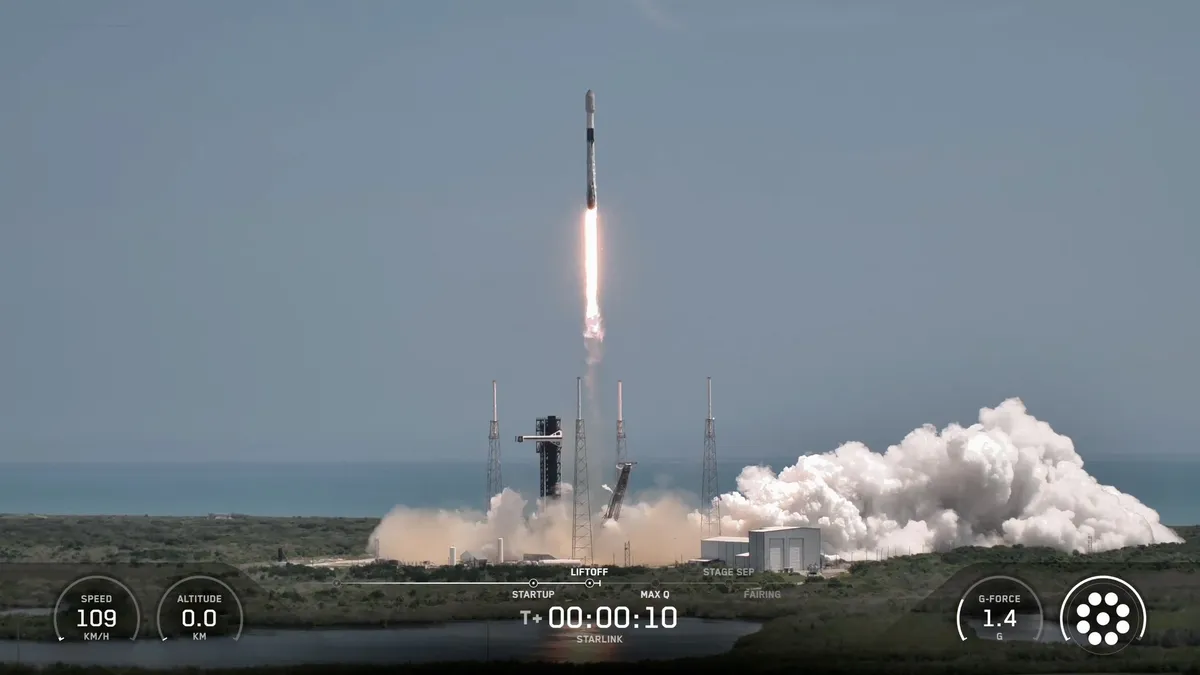
A Falcon 9 booster flying its 18th mission delivered 29 Starlink satellites to orbit from Florida.
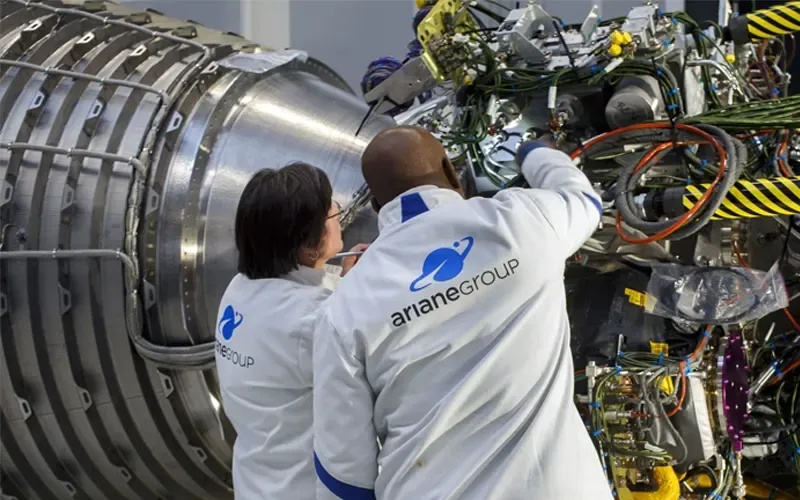
CNES president François Jacq says a subscale ASTRE engine prototype will get its first hot-fire test in 2028.
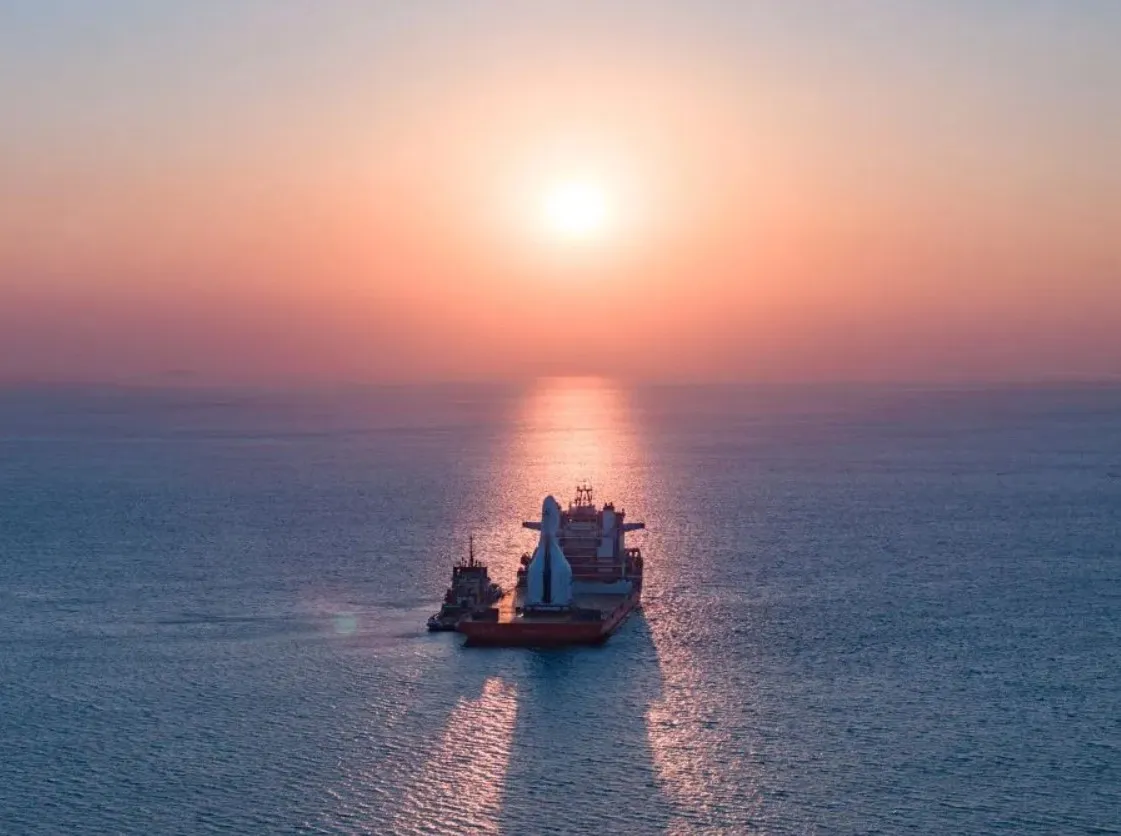
The Chinese launch startup closed a pre-C funding round and began IPO coaching while pushing Gravity-2 toward a Q4 debut.
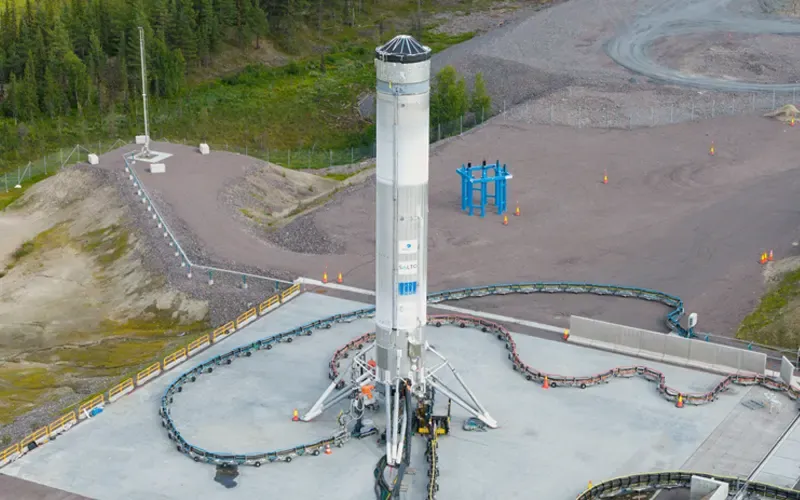
ArianeGroup rehearsed a full cryogenic countdown for the Themis reusable-booster demonstrator, its first update in ten months.
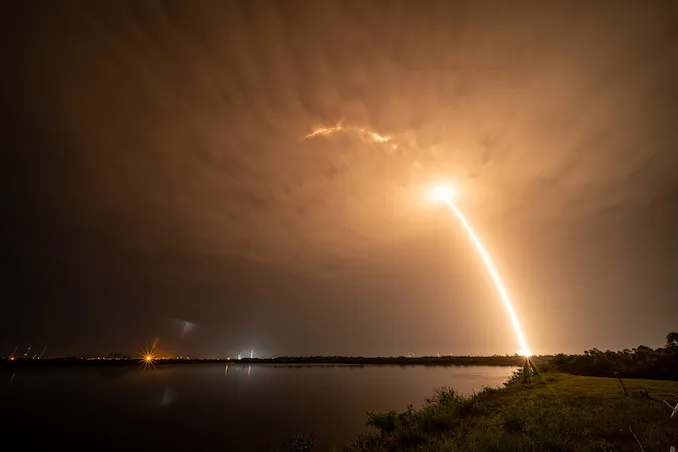
Booster B1080's 28th flight, carrying 29 Starlink satellites, was the 600th reflight of a flight-proven Falcon booster.
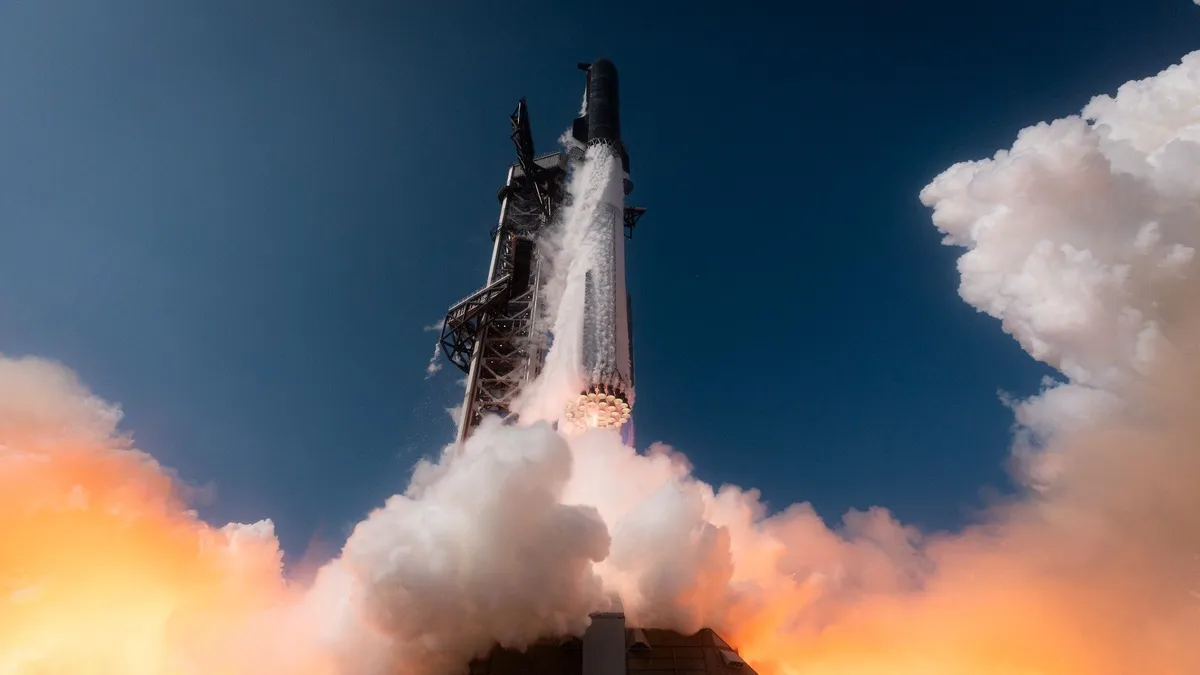
The FAA closed its investigation into May's Starship booster failure and cleared SpaceX for Flight 13 as soon as July 16.
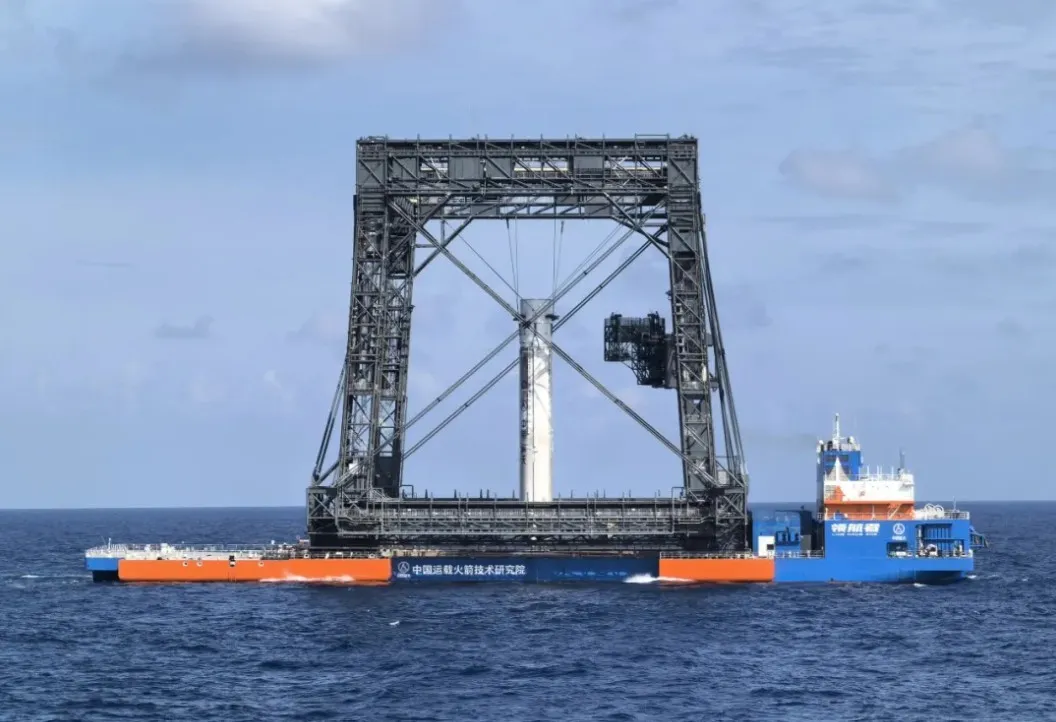
CALT confirmed the methalox Long March 10C as its commercial launch workhorse after the 10B's first booster recovery.
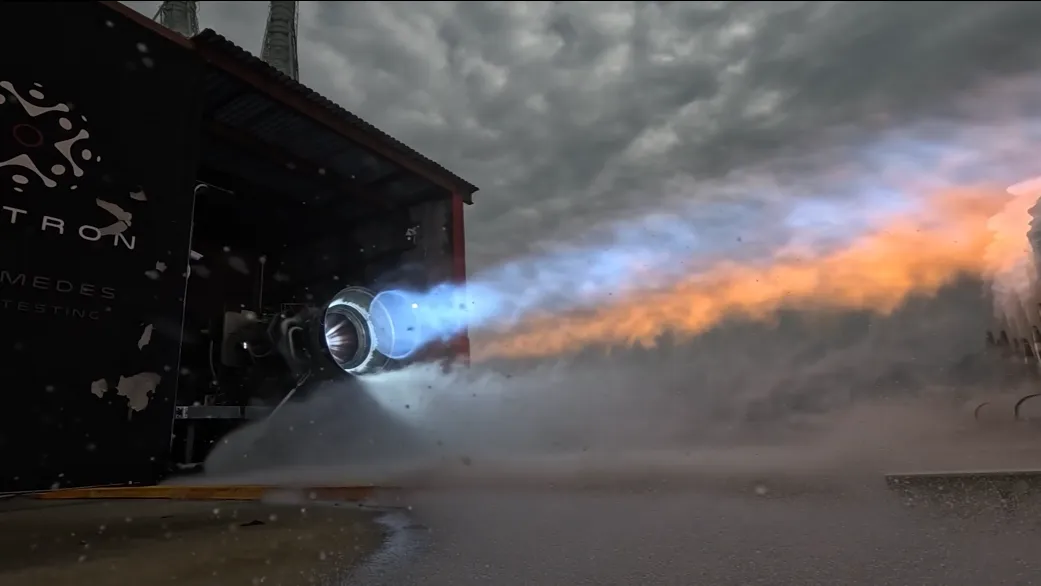
Rocket Lab ran a 5.5-minute full-duration test of the Archimedes vacuum engine that powers Neutron's second stage.
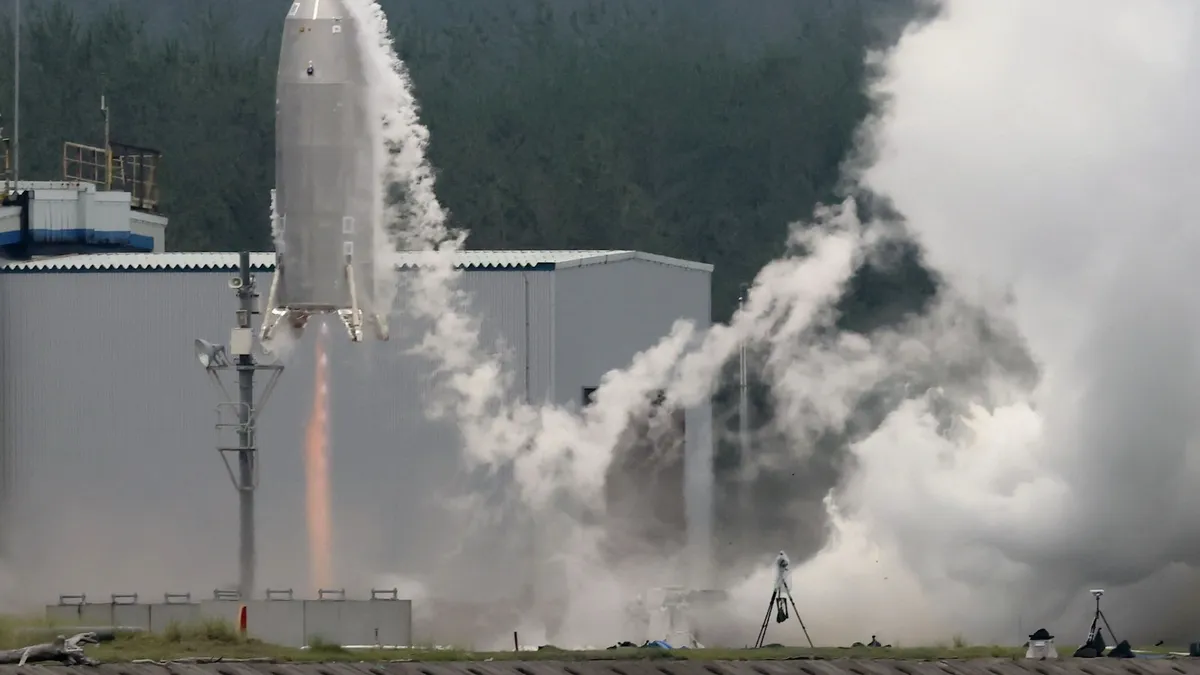
JAXA and Mitsubishi Heavy Industries flew a short hover-and-land test of their RV-X reusable rocket testbed.
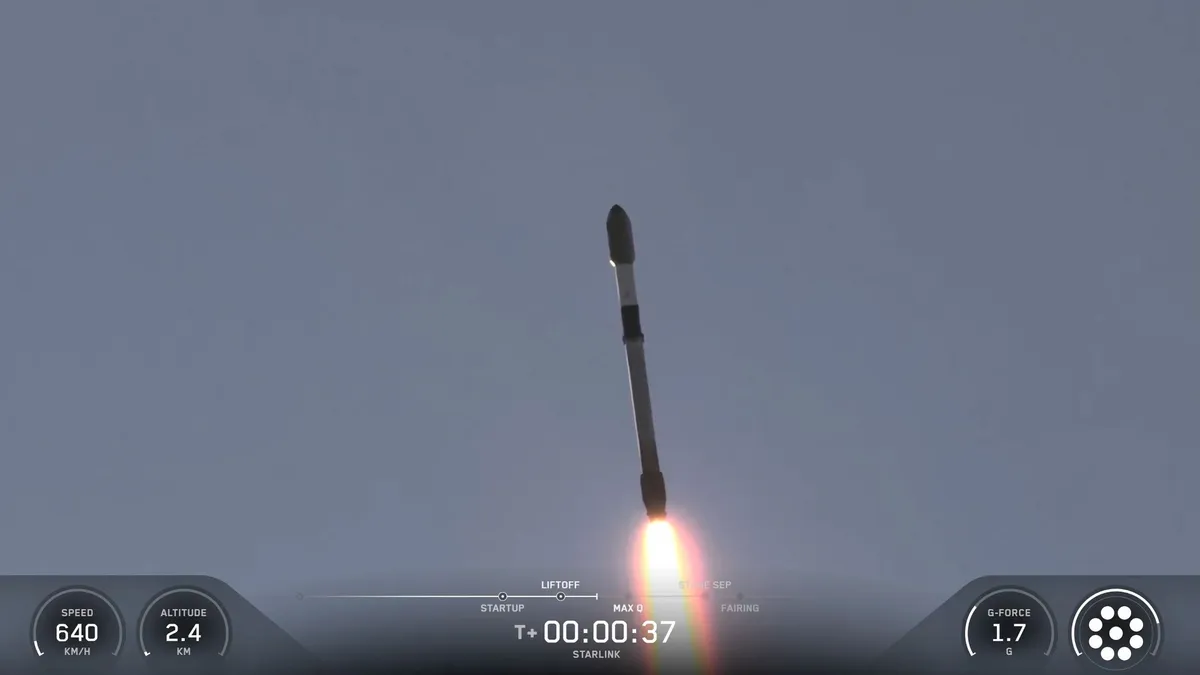
A routine Starlink batch from California, flown on a booster one flight short of SpaceX's reuse record.
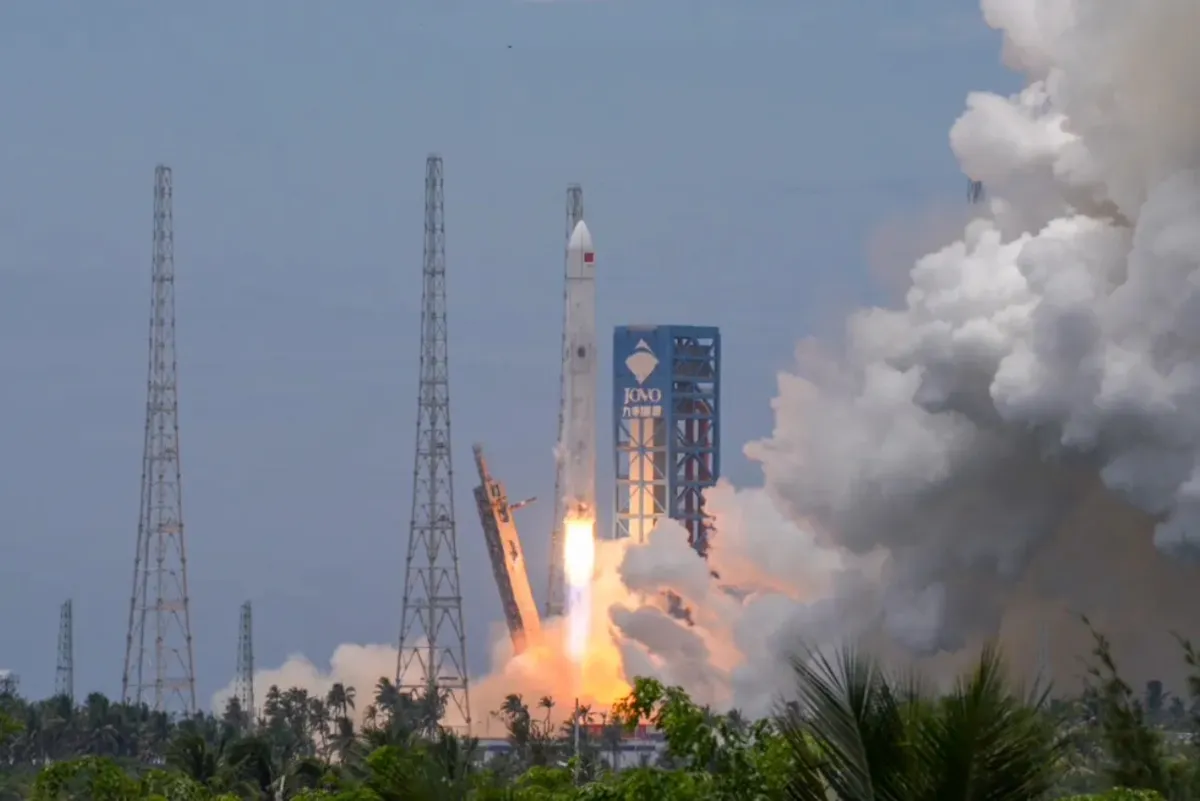
China's Long March 10B flew for the first time and recovered its first stage at sea, the second country to do so.
China Aerospace Science and Technology Corporation (CASC) launched the Long March 10B on its maiden flight from the Hainan Commercial Space Launch Site early July 10, carrying a satellite that reached its planned orbit, per SpaceNews and Space.com. About six minutes after stage separation, the first stage returned vertically and was captured by a net system aboard a sea-based recovery platform, the vessel Linghang Zhe, roughly 11 minutes after liftoff, per CASC's own statement quoted by Space.com. CASC said it intends to reuse the recovered stage before the end of 2026.
Booster B1067 extends the Falcon 9 reuse record to 36 flights, a month after setting it at 35.
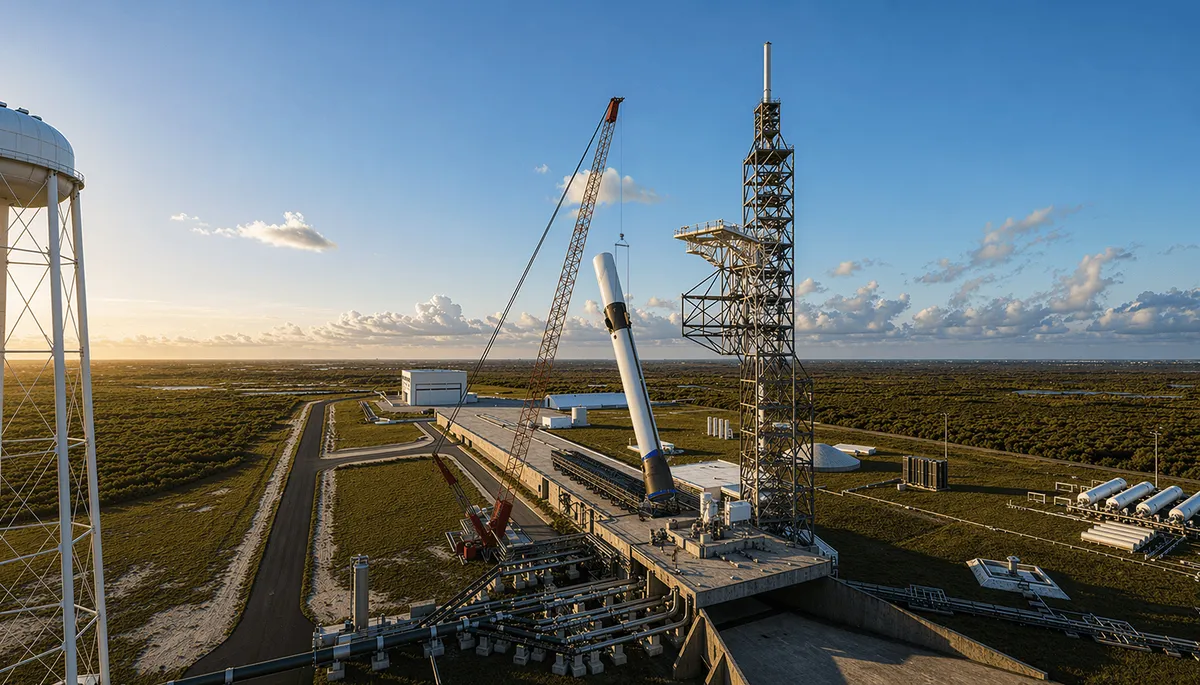
After a May 28 pad explosion destroyed its transporter-erector, Blue Origin will move New Glenn horizontally then raise it by crane.
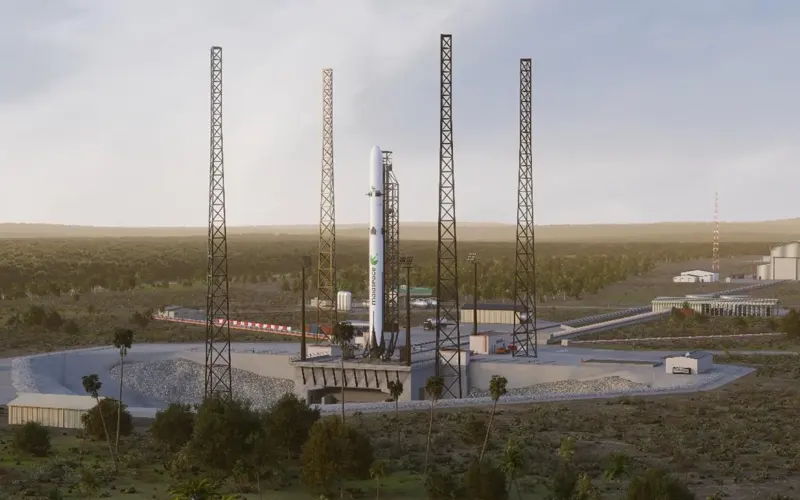
ArianeGroup subsidiary MaiaSpace is considering a fourth Prometheus engine that would double Maia's payload across all variants.

MaiaSpace's 2025 loss pushed shareholders' equity to -€823,375; ArianeGroup voted against dissolving the launch startup.
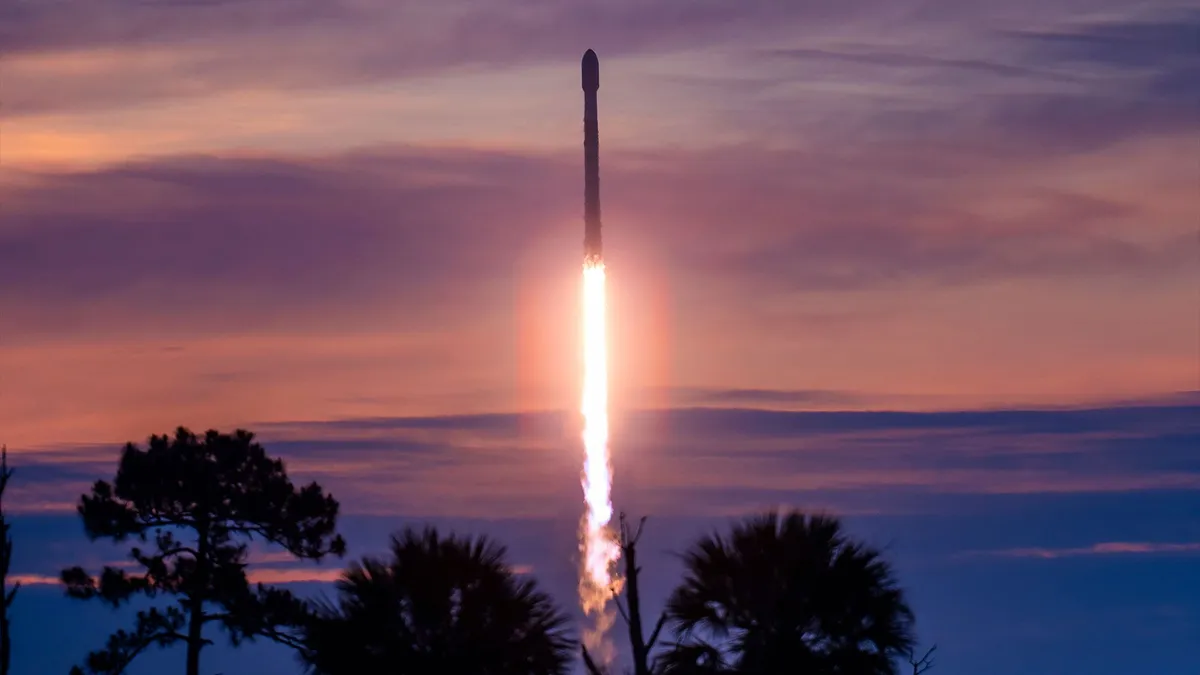
The fleet-leading booster launched 29 Starlink satellites from Cape Canaveral and landed at sea, per Space.com.