
NASA aims to cut science mission selection time by up to 45%
NASA's Competition Model 2.0 aims to cut science-mission selection timelines by up to 45%, starting with a lighter first review step.
NASA's Competition Model 2.0 aims to cut science-mission selection timelines by up to 45%, starting with a lighter first review step.
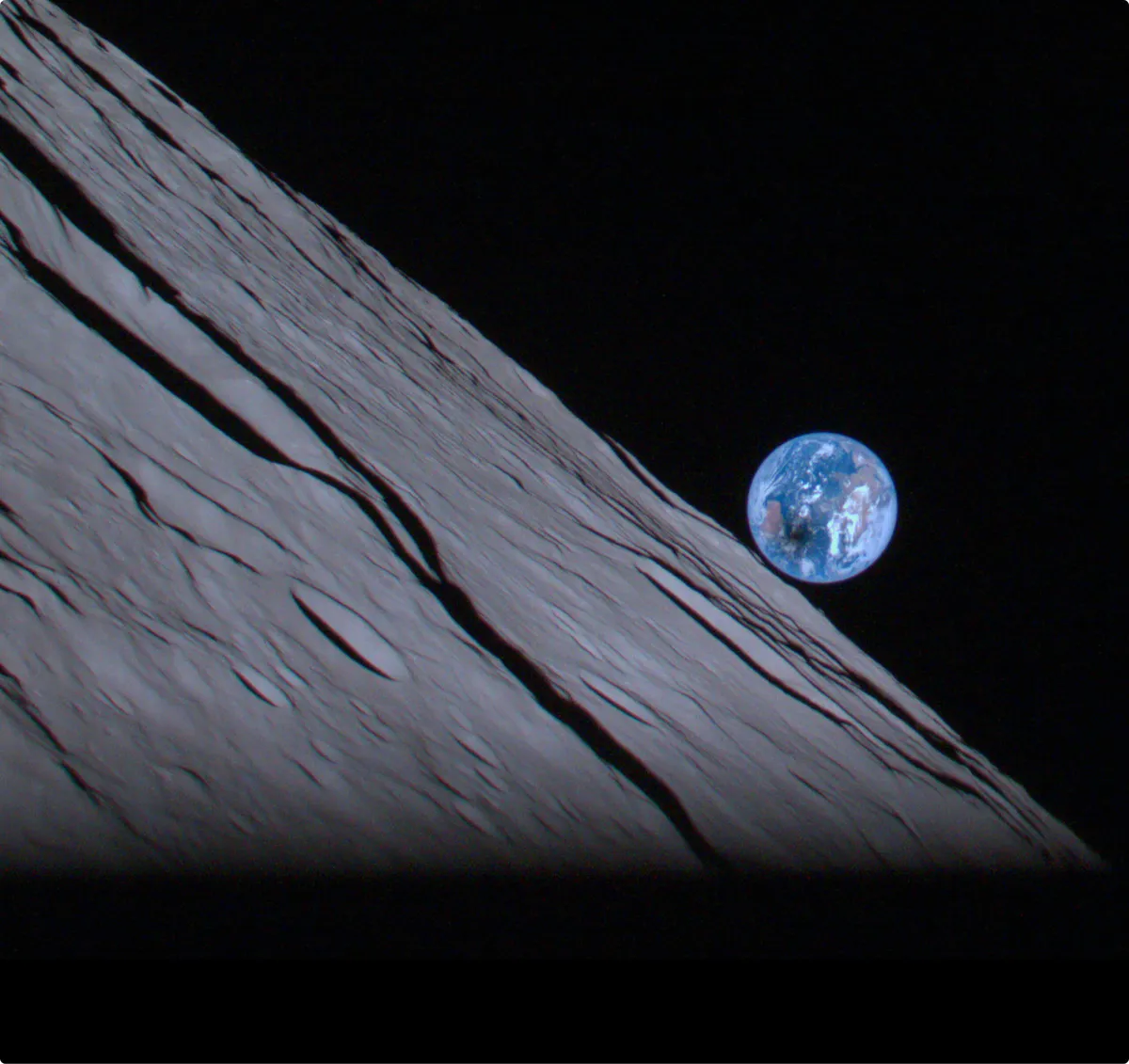
JAXA selected ispace to conceptually design a solar-power tower for the Moon's south pole, targeting deployment after 2030.
JAXA confirms MMX completed its initial critical operations phase on Oct. 21: solar arrays deployed, three-axis attitude control established, and the spacecr...
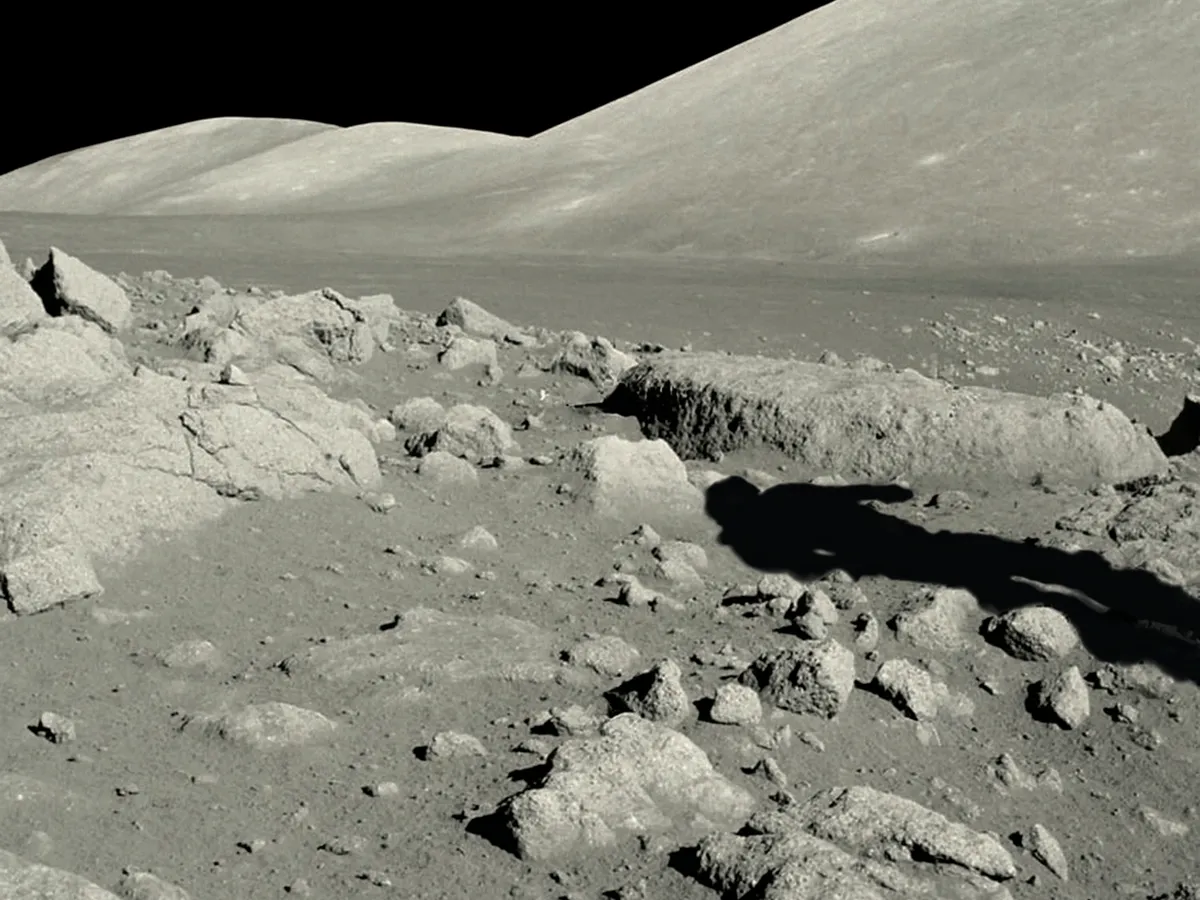
A NASA-commissioned report names four non-polar sites for future crewed moon landings beyond Artemis.
JAXA's own post-launch release confirms MMX separated from the H3 upper stage 71 minutes and 13 seconds after liftoff and was injected into its planned traje...
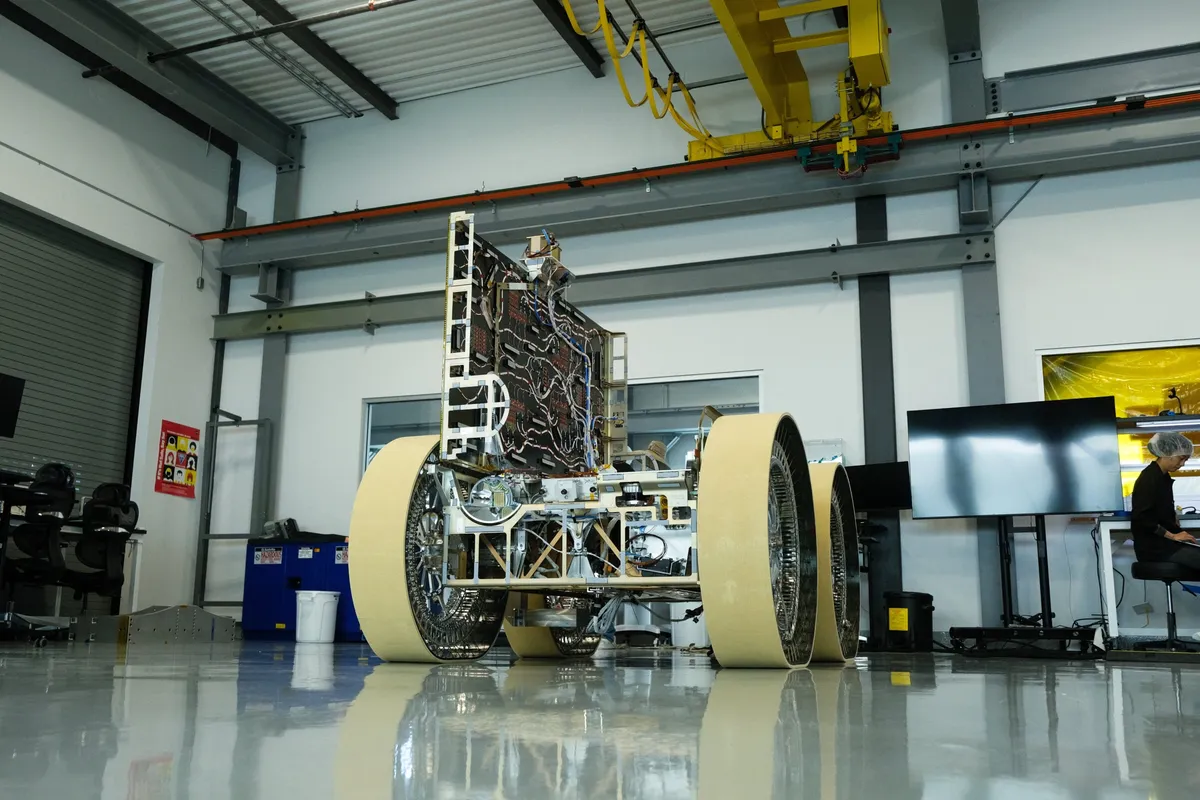
Spaceborne Computer-4 rides Astrolab's FLIP rover to the lunar south pole, running NASA and Deloitte AI workloads on the Moon's surface.
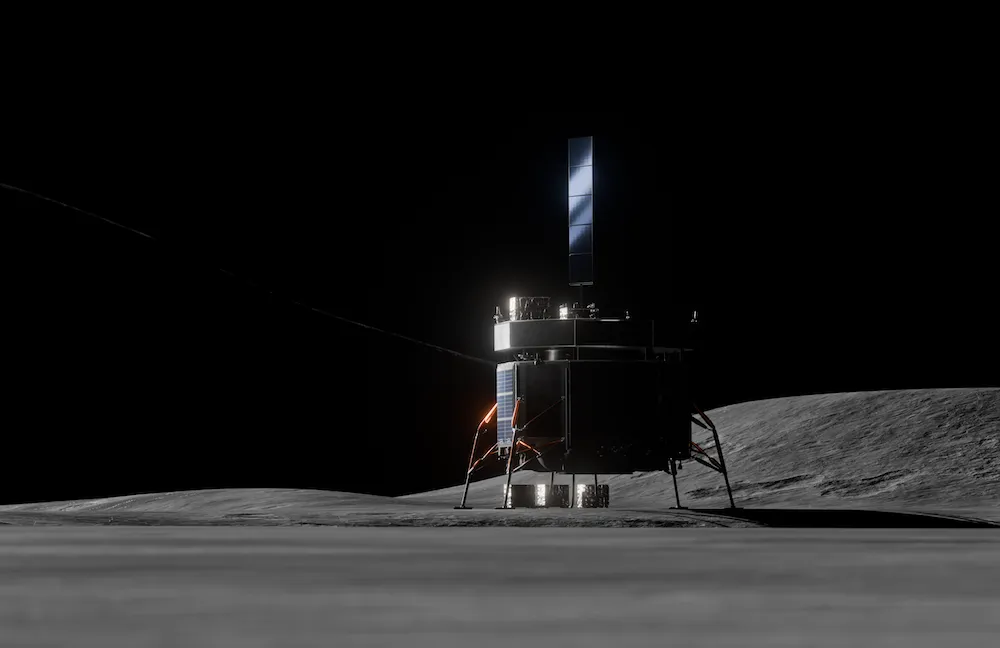
OHB will lead ESA studies for OASIS, a shared power, communications and data-storage platform for the lunar surface.
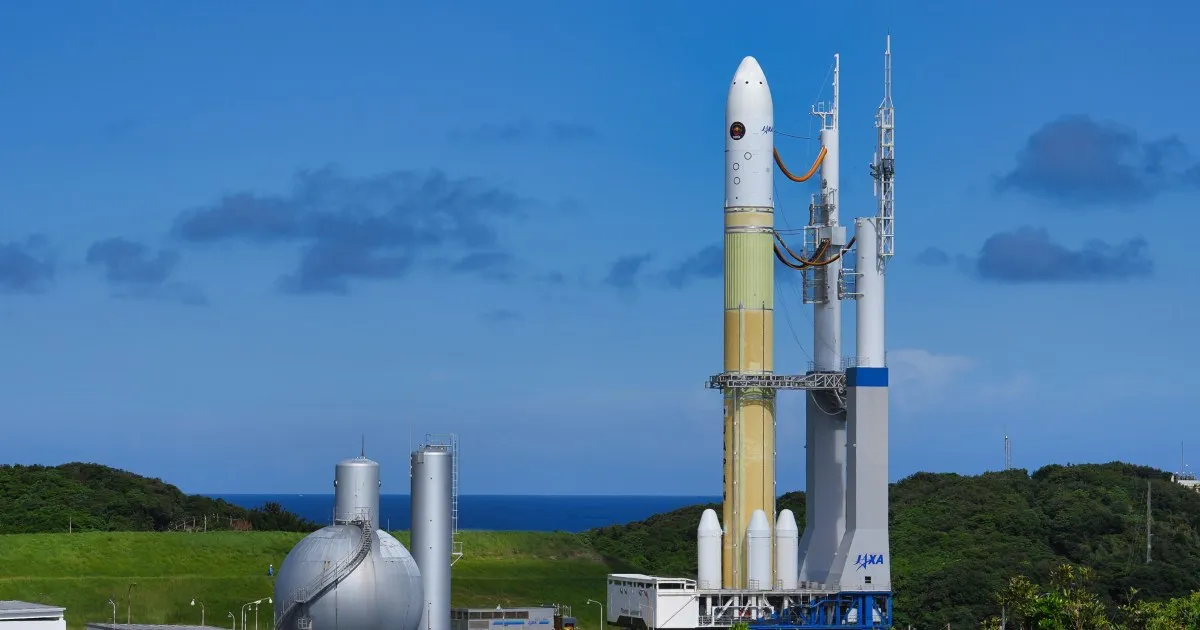
JAXA's H3 rocket lifted off carrying MMX, Japan's first interplanetary mission and first attempt to return a sample from a Martian moon.
SpacePolicyOnline adds detail on MMX's two NASA instruments, the 15% US sample share, NASA's $87 million cost stake, and the mission's international partners.
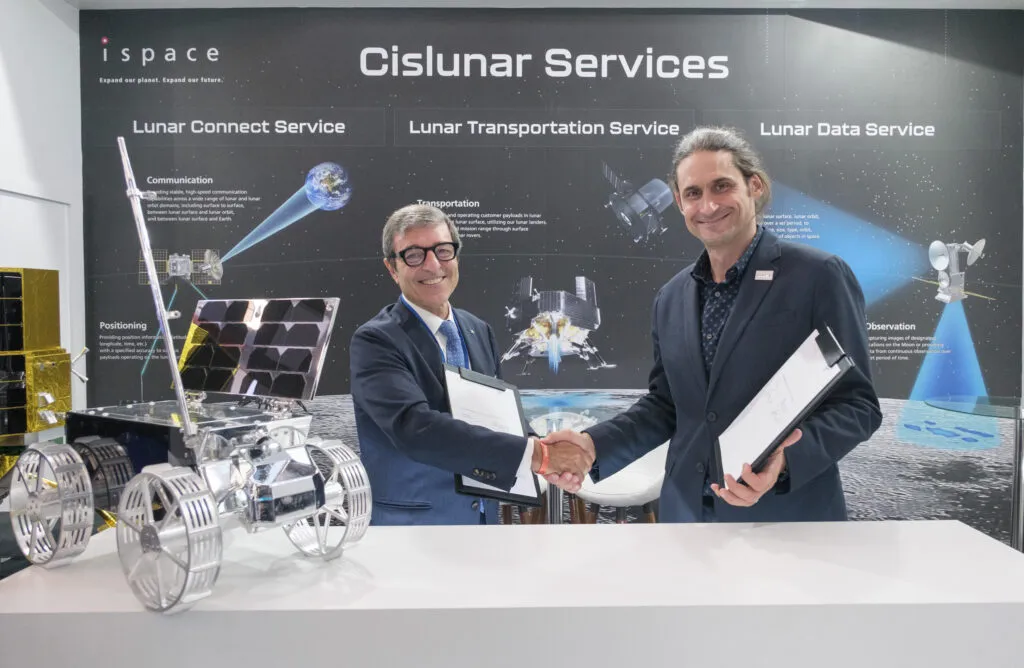
ispace-Europe and Italy's ALTEC will assess using ALTEC's Turin facilities to test lunar rovers and train mission operators.
Isaacman says NASA will beat the 2030 target, with the Moon Base's first element launching in December and near-monthly robotic missions starting in early 20...
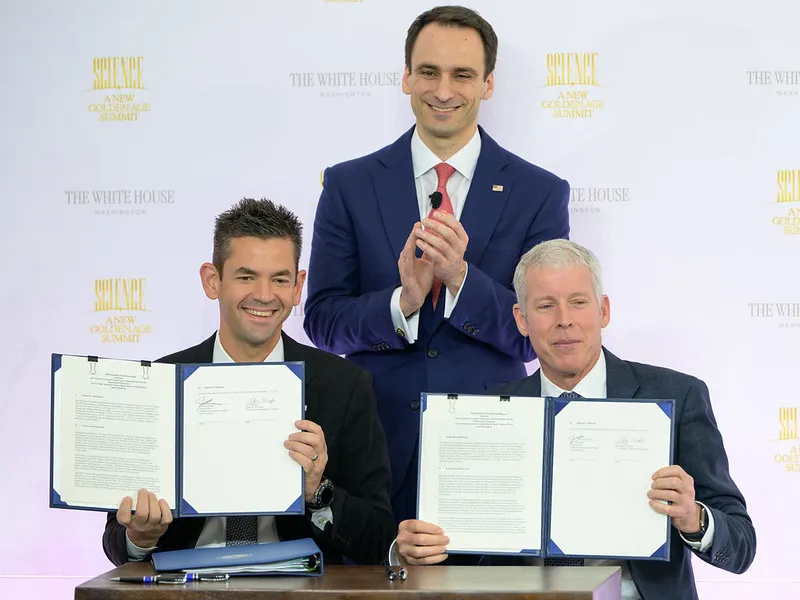
NASA and DOE agreed to jointly advance nuclear space reactors and propulsion, from fuel production to launch integration.
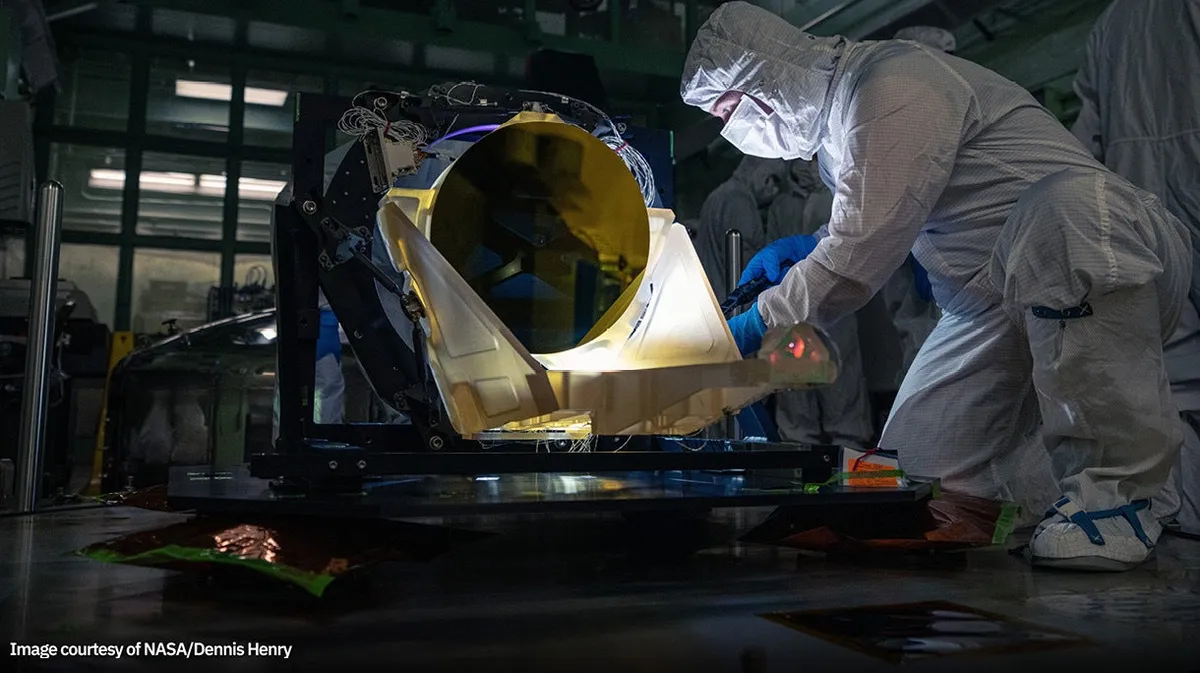
NASA awarded L3Harris a contract to build all-glass telescopes for ESA's LISA gravitational-wave observatory.
ESA's own mission page now shows Smile's first released images: a July 24 UVI auroral-substorm view and an SXI test shot of Cassiopeia A, with the main X-ray...

ESA narrowed its 12th Earth Explorer science satellite mission down to three concepts advancing to the next development phase.
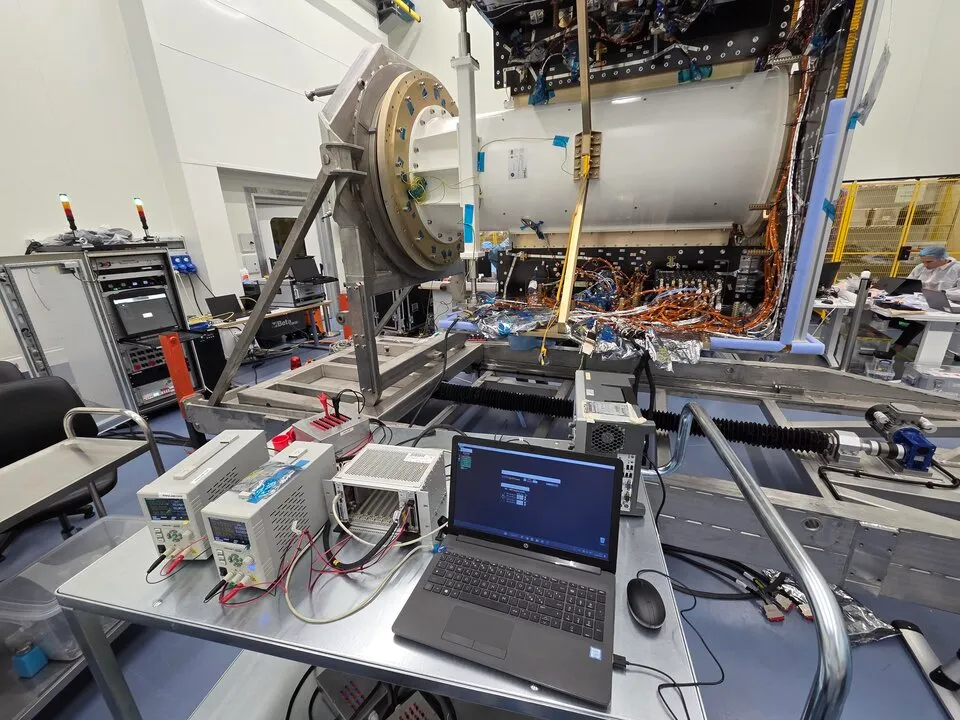
Ramses asteroid mission's core module was switched on for the first time, starting integrated functional testing.
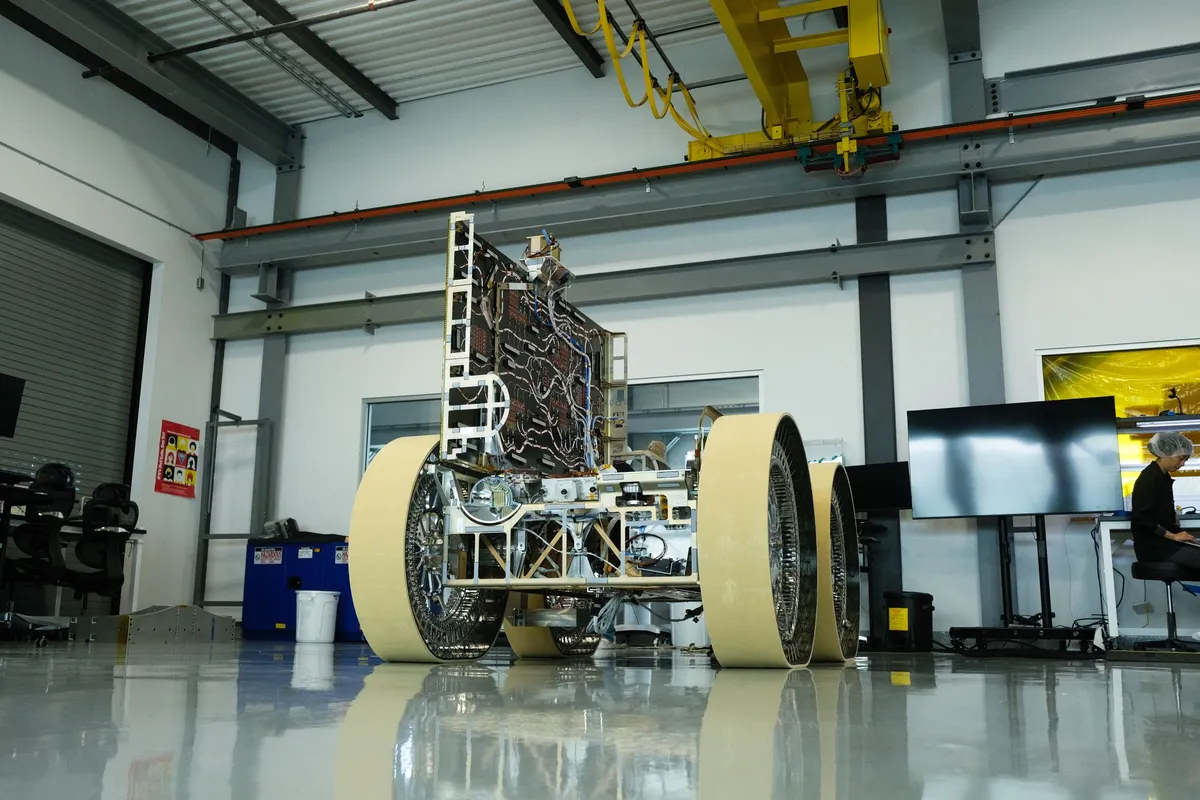
Interstellar Mapping will map subsurface lunar volatiles to guide where Astrolab's FLIP rover searches for water.
NASA picked the PRIMA far-infrared space telescope to advance toward construction as the first mission in its new Probe Explorers class.
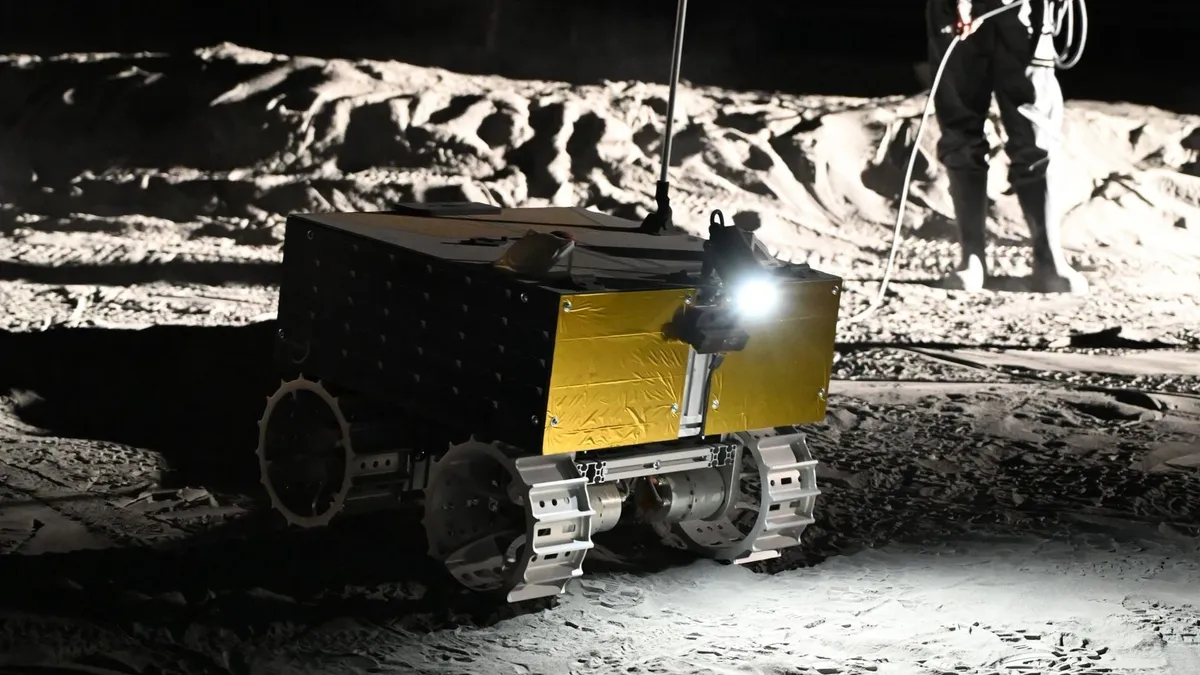
Belgium's Space Applications Services secured a ride for its LUVMI-M rover aboard a Blue Origin Blue Moon Mark 1 lander, on track for 2029.
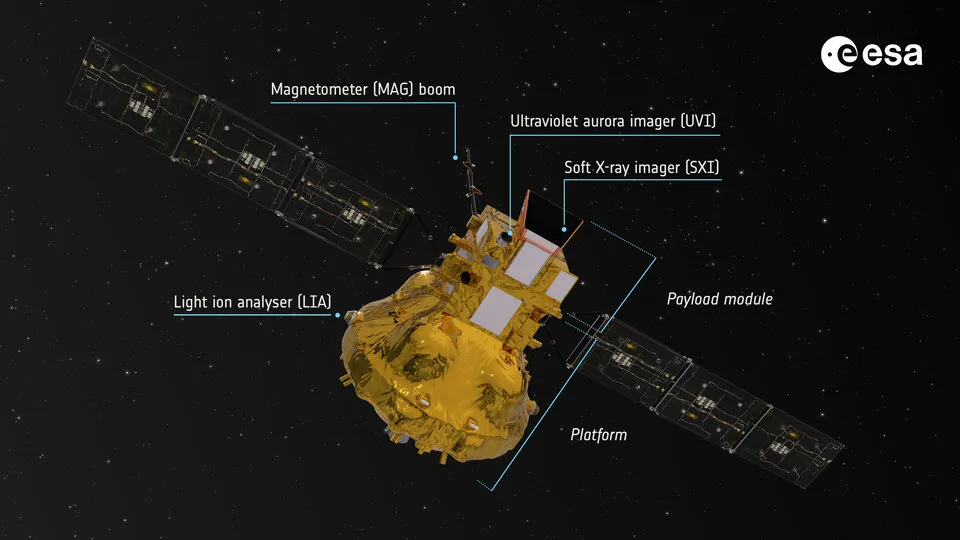
ESA says Smile has released its first science images: an auroral substorm from UVI and a supernova-remnant test shot from its X-ray camera.
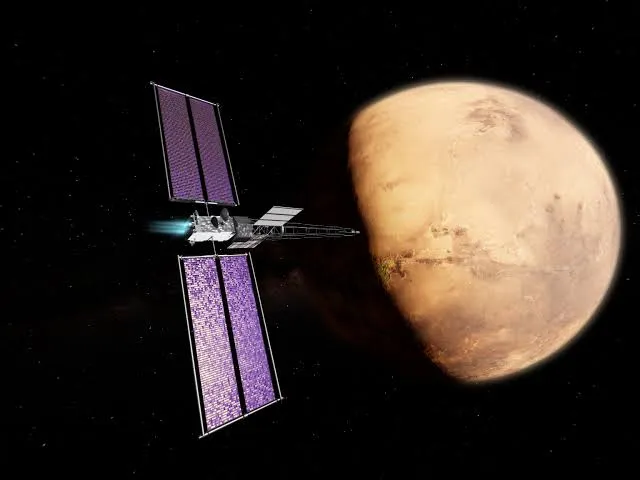
TRL11 will build imaging systems for NASA's SR-1 Freedom, the fission-powered Mars mission carrying the SkyFall helicopters, per Payload.
NASA awarded SpaceX a task order to launch its StarBurst gamma-ray-burst detector no earlier than 2028.
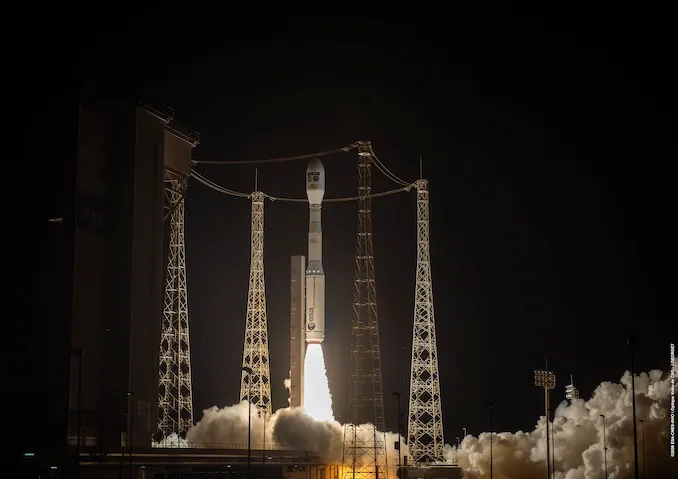
Vega-C's eighth flight carried Copernicus Sentinel-3C and the FLEX vegetation mission into orbit from French Guiana.
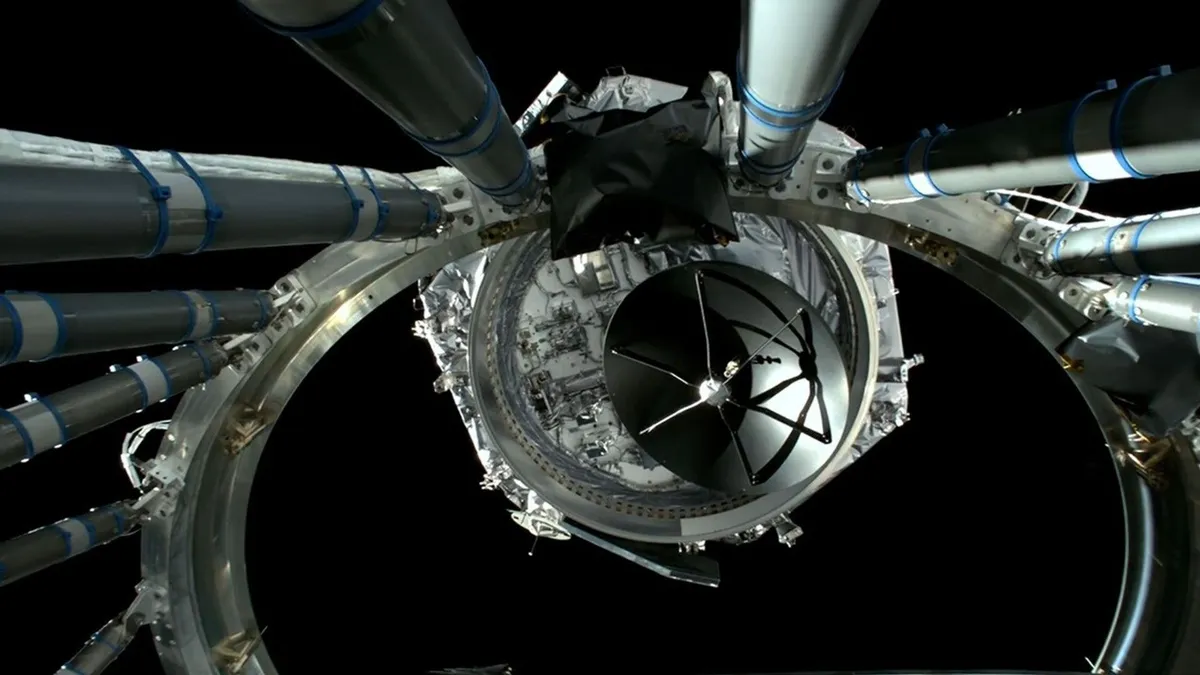
The Wide Field Instrument's 18 infrared detectors switched on and returned first test data as Roman heads to L2.
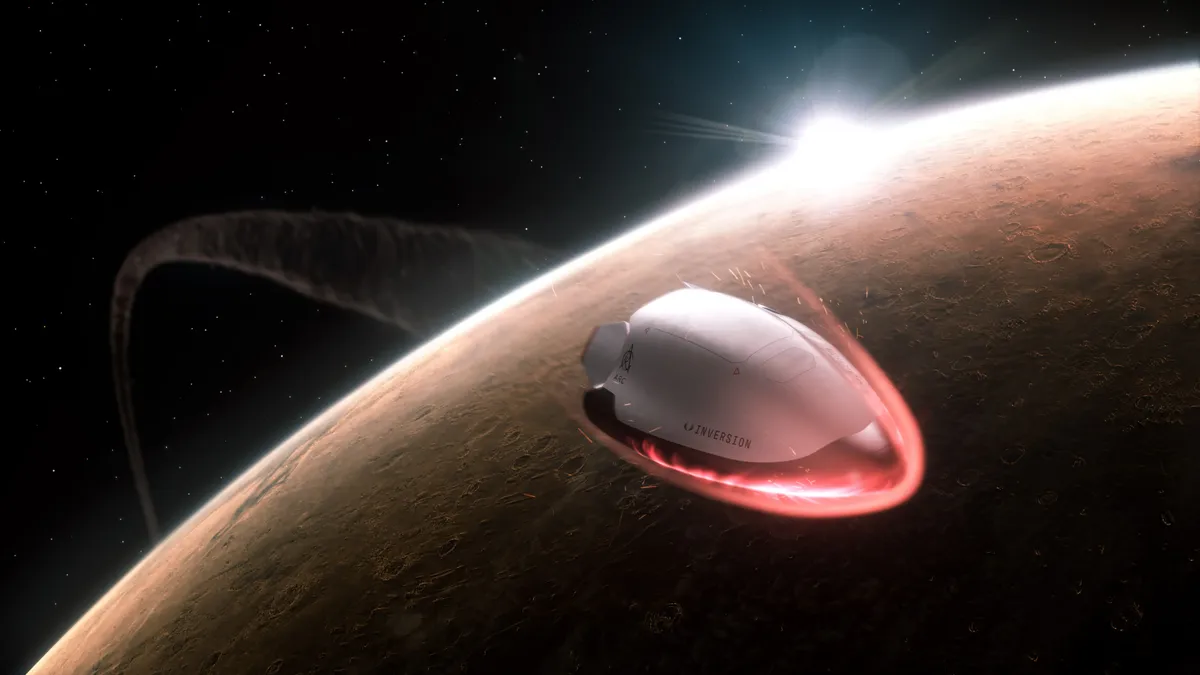
NASA tapped Inversion Space to study using its Arc reentry vehicle to demonstrate aerocapture at Earth for future interplanetary missions.
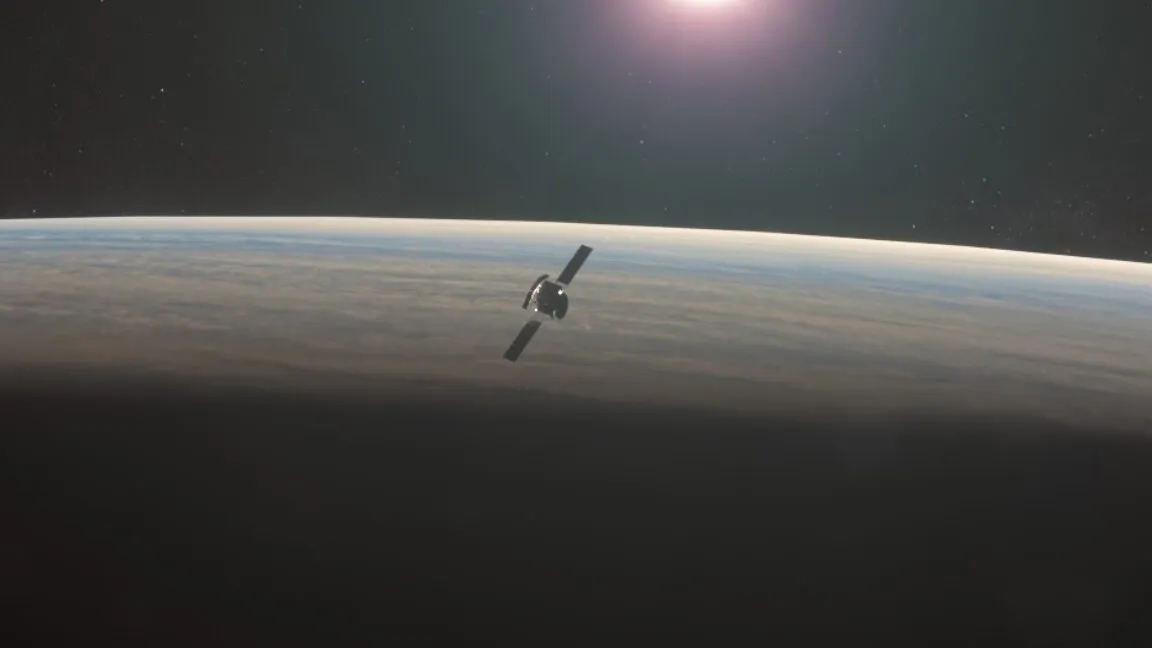
NASA is unlikely to deliver the VenSAR radar it committed to ESA's EnVision Venus orbiter, per Ars Technica; ESA says it's pressing ahead.
The supply chain reaches beyond the US: CNES says France's Laboratoire d'astrophysique de Marseille designed and built the 16 parabolic mirrors inside Roman'...
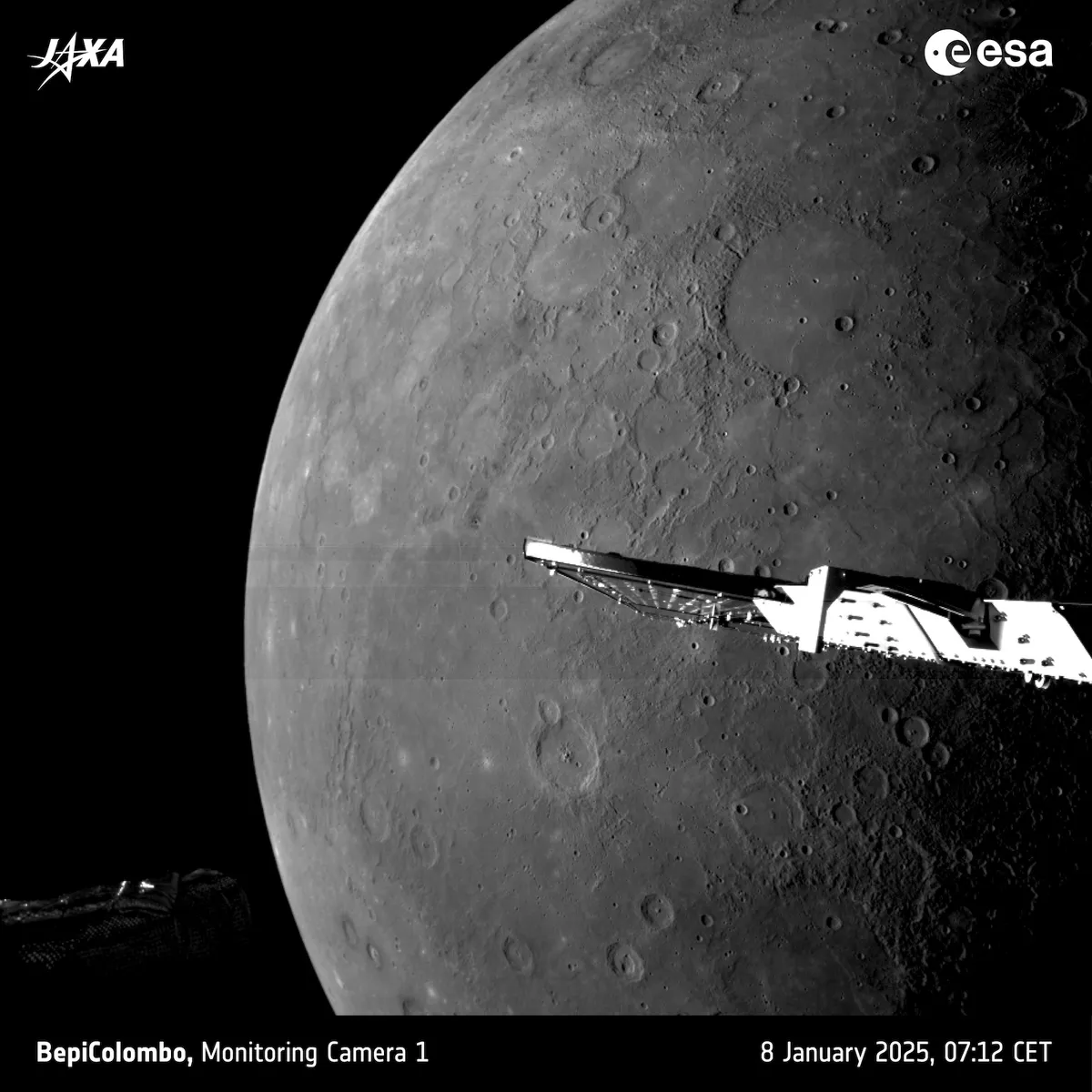
ESA and JAXA's BepiColombo shed its transfer module and began final approach to Mercury, orbit insertion set for November 21.
ESA's own Sept. 2 page confirms the MAGPIE contract's formal implementation signing ceremony (Space for Inspiration event, Copenhagen) and adds first-party m...
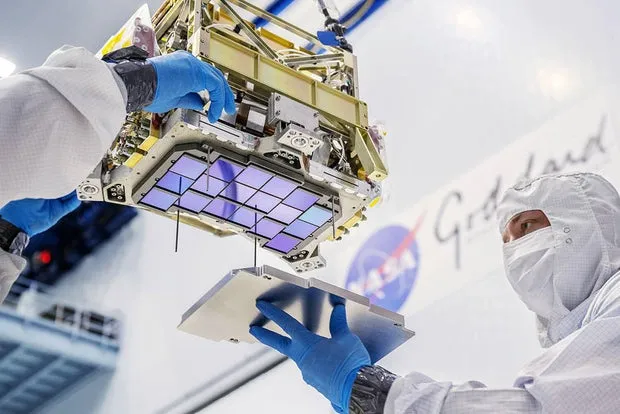
A SpaceX Falcon Heavy launched NASA's flagship Roman Space Telescope on Aug. 30, nine months ahead of schedule.
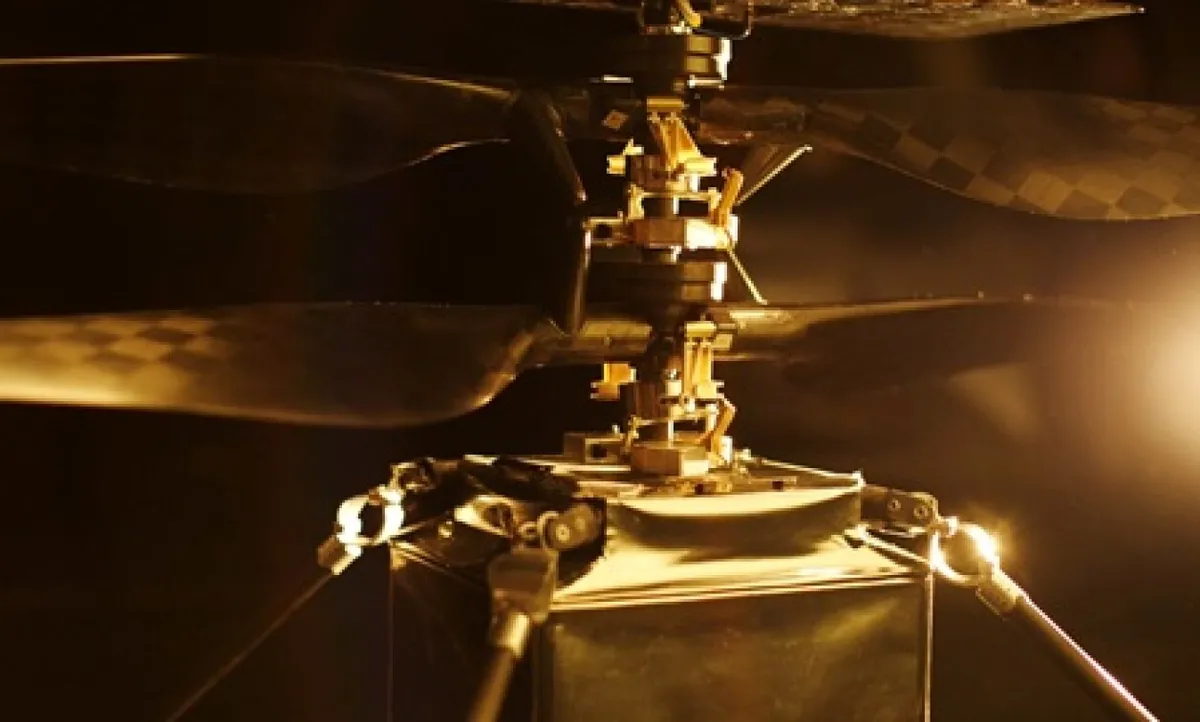
AeroVironment will co-design and build three autonomous helicopters for NASA's SkyFall mission to Mars, targeting a November 2028 launch.
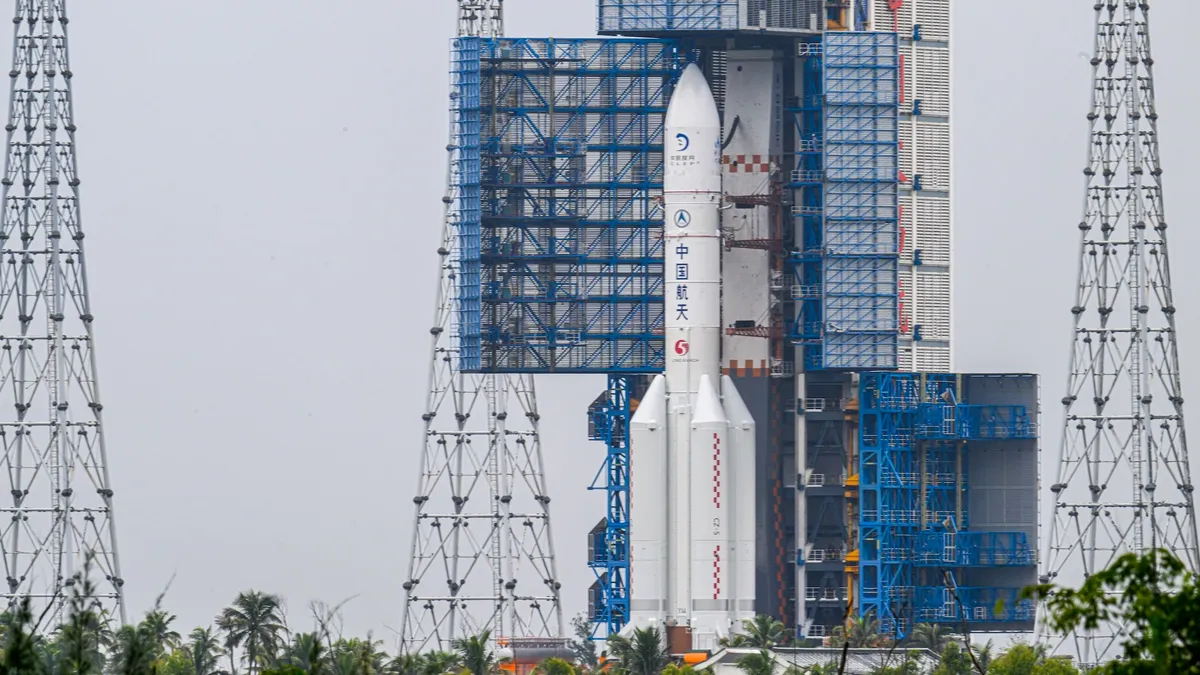
China's ice-hunting lunar lander missed its launch window this year, with no confirmed new date.
JAXA set an October 20 launch date for its MMX Mars sample-return mission aboard H3 flight F10, carrying two NASA instruments.
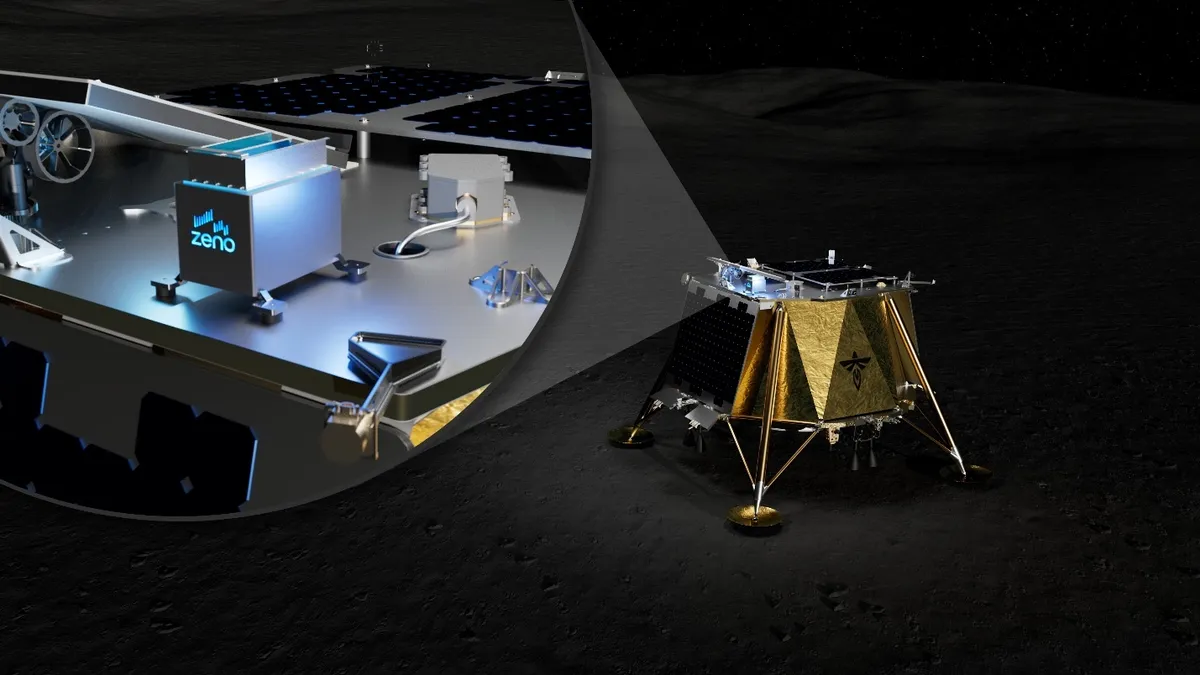
Firefly will fly Zeno Power's radioisotope heater unit on a Blue Ghost mission to test surviving the 14-day lunar night.
Upgrades the lead from Nikkei (mainstream) to Mitsubishi Heavy Industries' own press release confirming the launch-services contract signing, and attaches Sp...

ispace and Mitsubishi Heavy Industries signed a launch contract putting ispace's next lunar lander on Japan's domestic H3 rocket in 2028.
European Spaceflight reported July 27 that, asked why the award exceeds SMEX's roughly 50 million euro cost target, an ESA spokesperson said the MAGPIE contr...
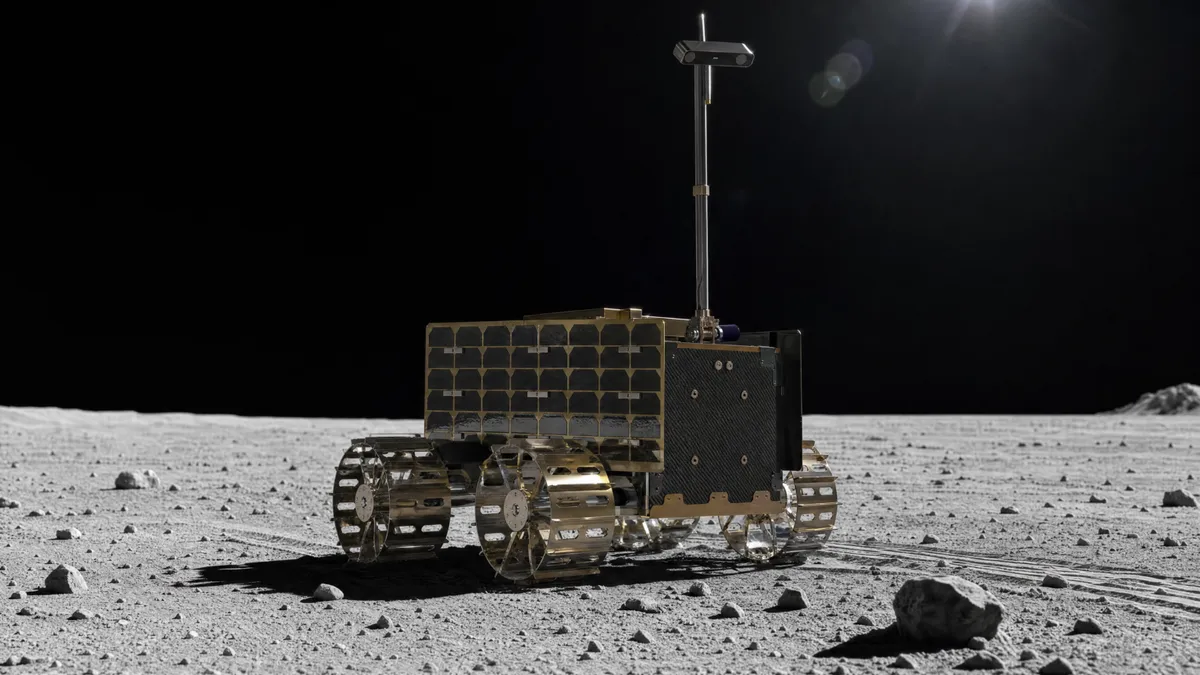
ESA awarded ispace-Europe a 65 million euro Phase 2 contract to build and deliver its MAGPIE rover to the Moon's south pole.
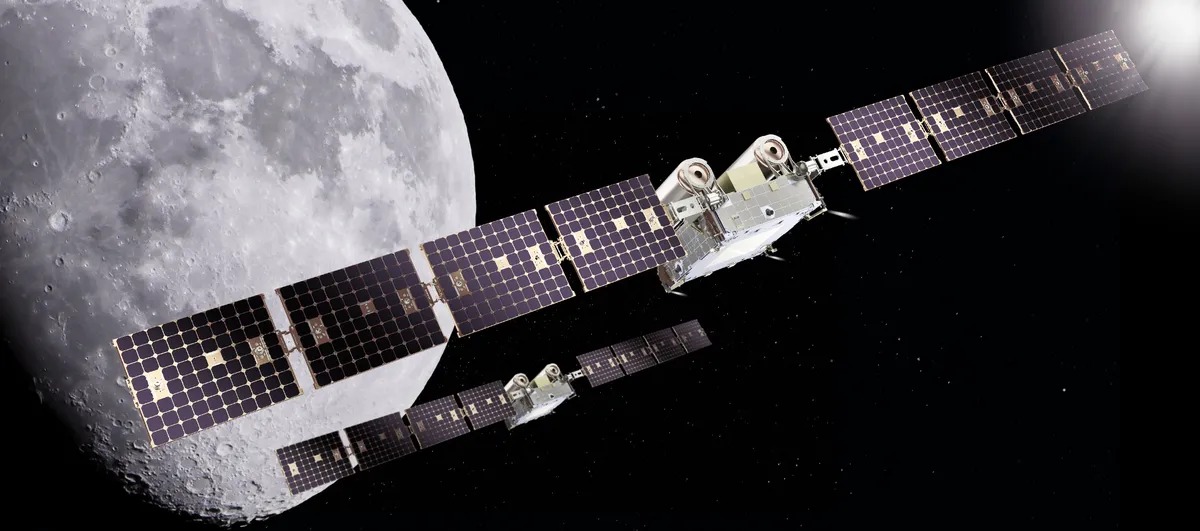
NASA picked Advanced Space to fly CAPSTONE 02, twin cislunar satellites testing autonomous rendezvous ahead of a 2027 launch.
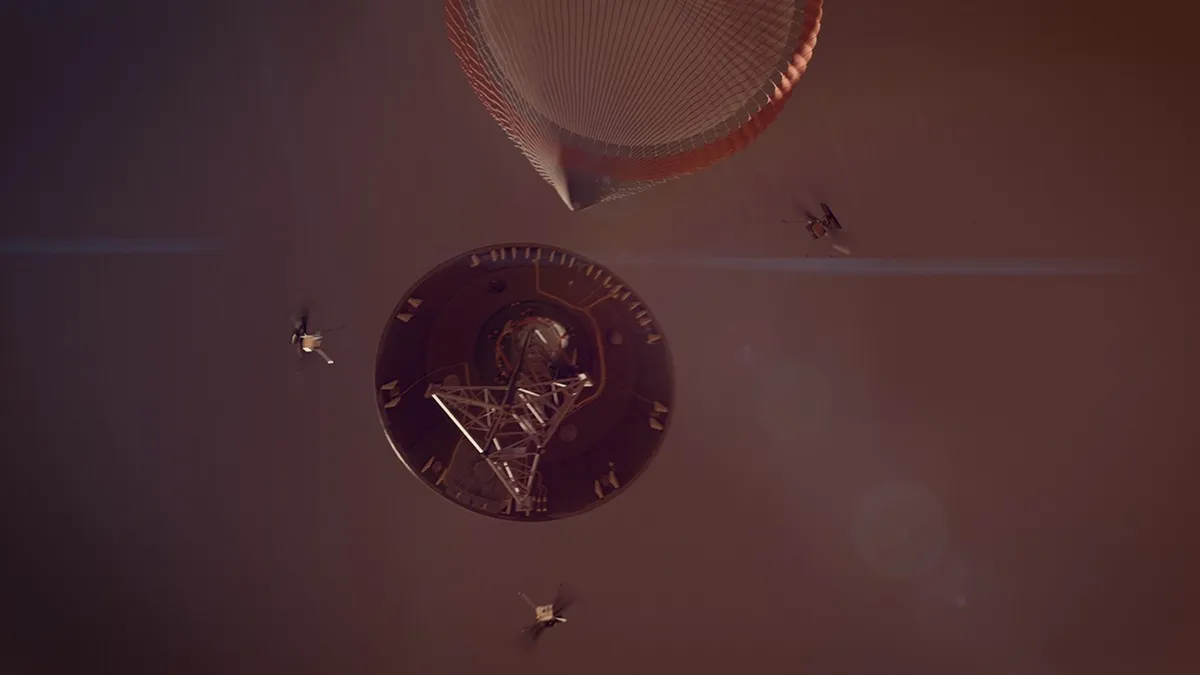
NASA budgeted its first fission-powered Mars spacecraft, SR-1 Freedom, at $2.1 billion for a late-2028 launch.
MDA Space UK will supply LEIA LiDAR sensors for the hazard-detection system on ESA's Argonaut lunar lander, per an interim OHB contract.
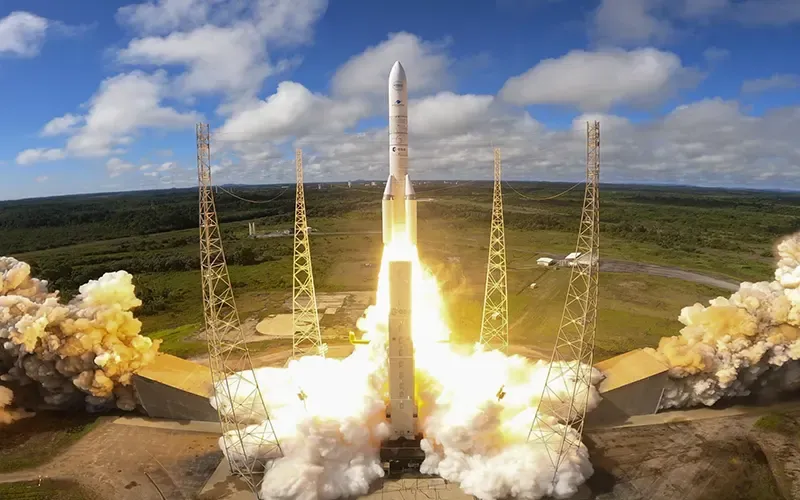
ESA signed a launch contract flying its Henon CubeSat as a secondary payload on Ariane 6 alongside the Plato telescope.
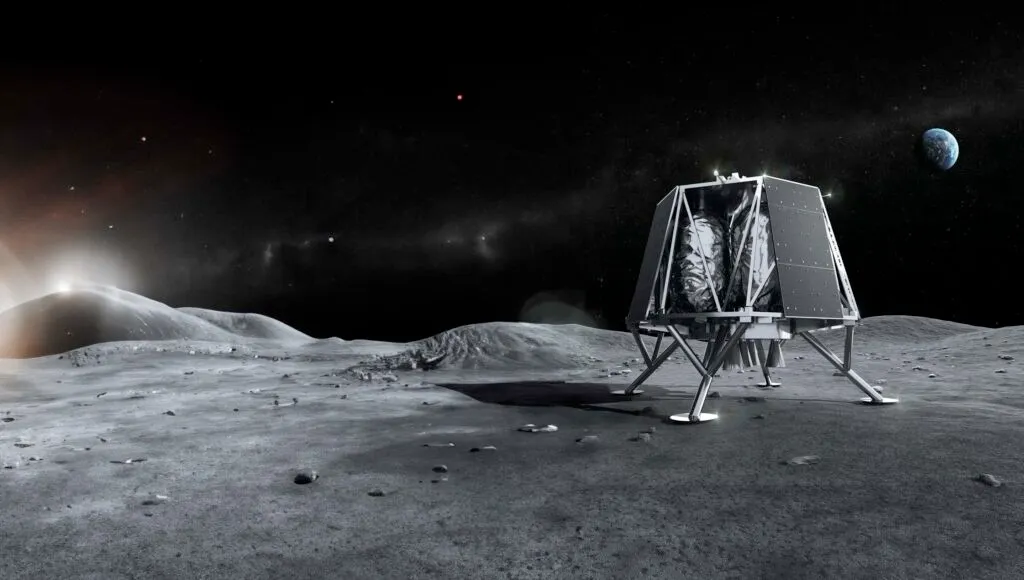
NASA and Draper mutually ended the CP-12 lunar lander task order after years of schedule slips, ispace-U.S. said.
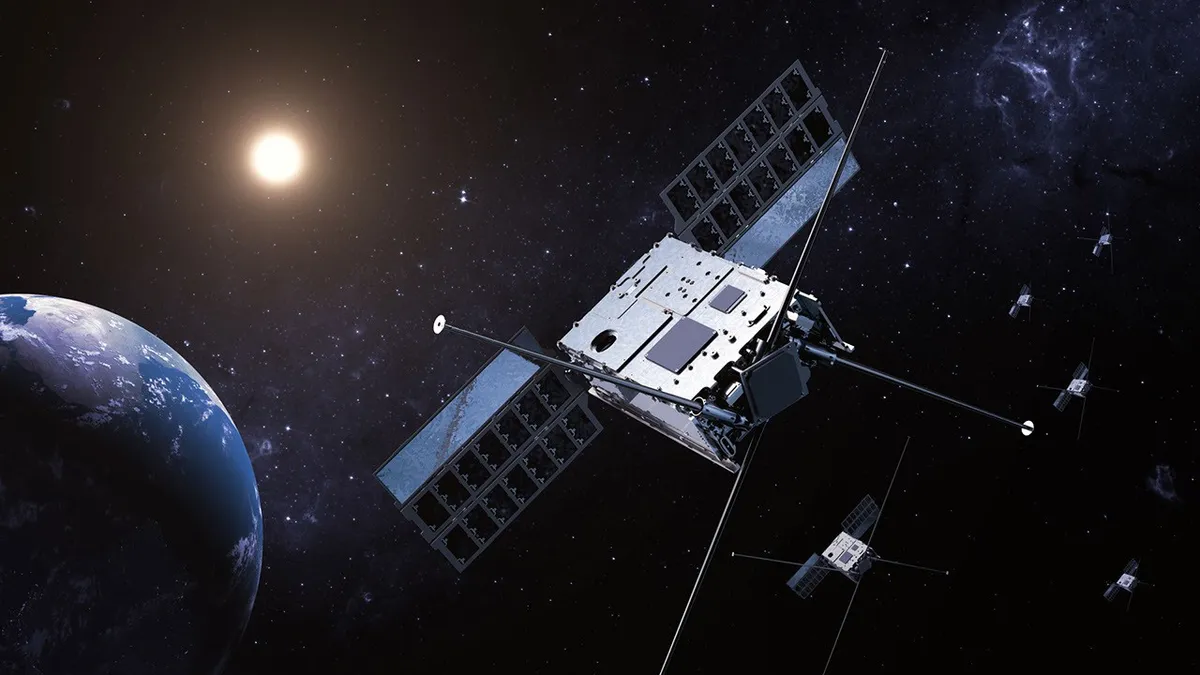
NASA's SunRISE solar radio mission will now launch on a Falcon Heavy rideshare instead of a Vulcan Centaur.
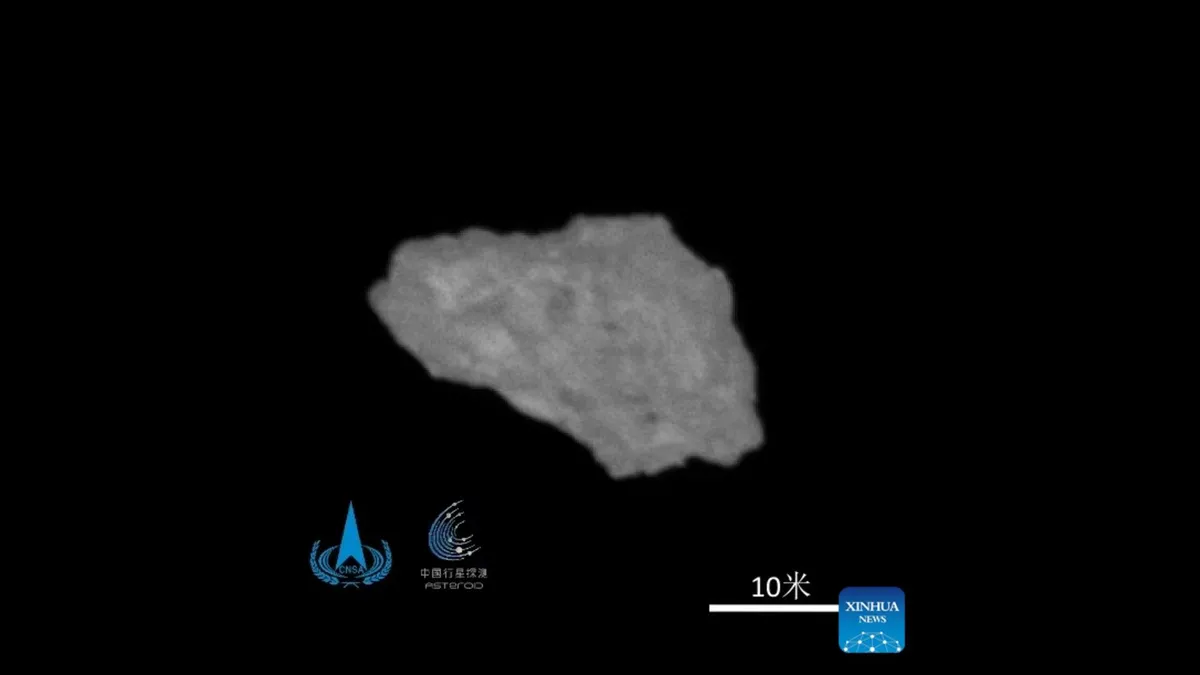
Tianwen-2 closed to 20km of Kamo'oalewa and sent its first photos, revealing a smaller asteroid than expected.
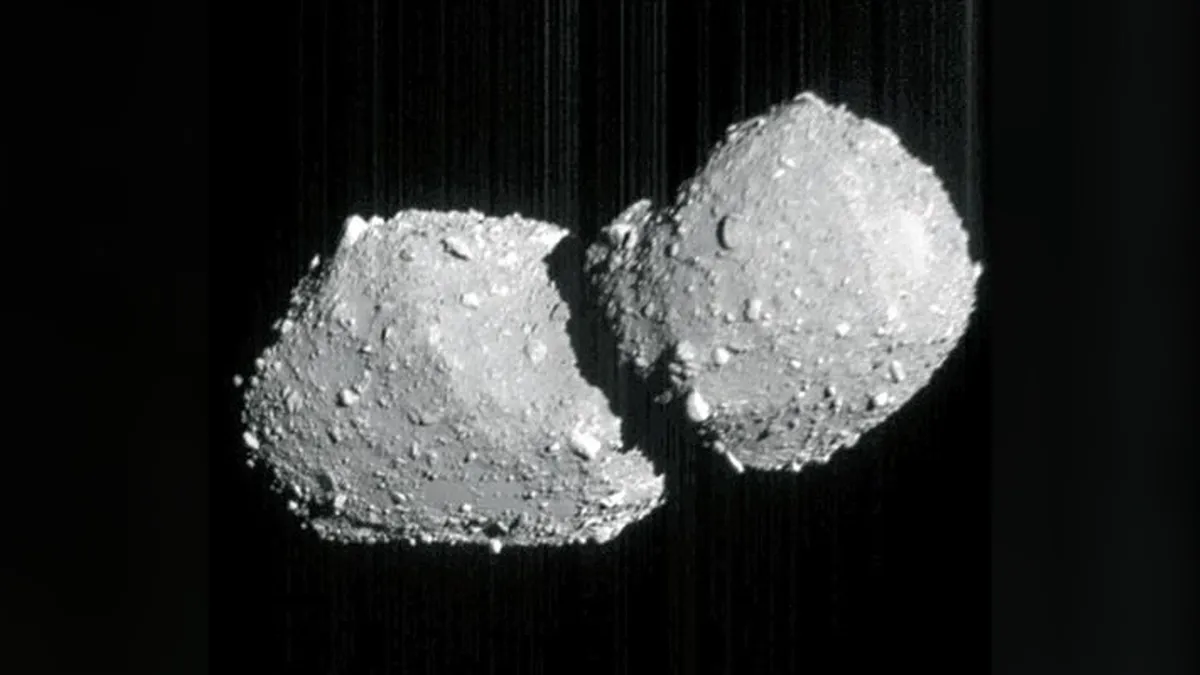
Hayabusa2 passed 744 meters from asteroid Torifune's center, the closest Solar System flyby on record, laser-ranging it during the pass.
ESA contracted Spain's EMXYS to build Don Quijote, the first CubeSat designed to land on an asteroid, for its Ramses mission.