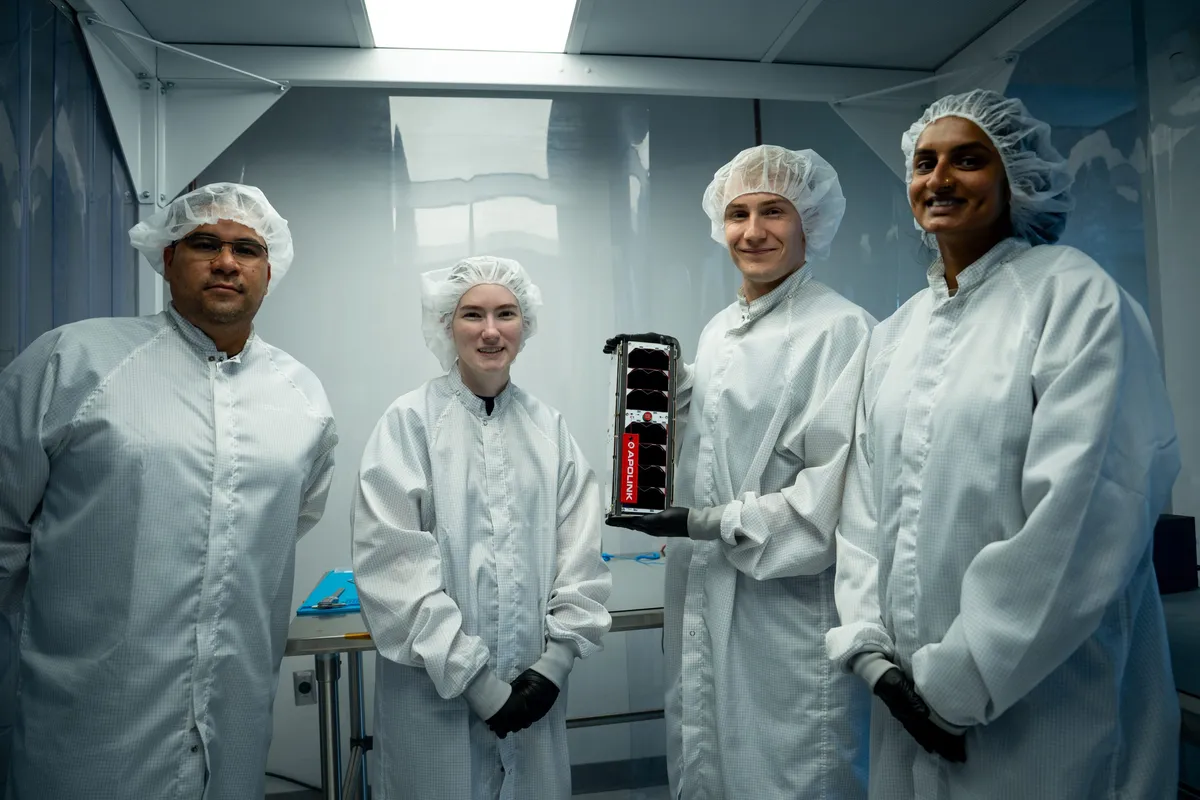
Apolink makes first contact with its relay demo satellite
Per SpaceNews, Apolink's IPoS-TDsM cubesat launched on Transporter-17 and is now relaying signals on an experimental FCC S-band license.
Per SpaceNews, Apolink's IPoS-TDsM cubesat launched on Transporter-17 and is now relaying signals on an experimental FCC S-band license.
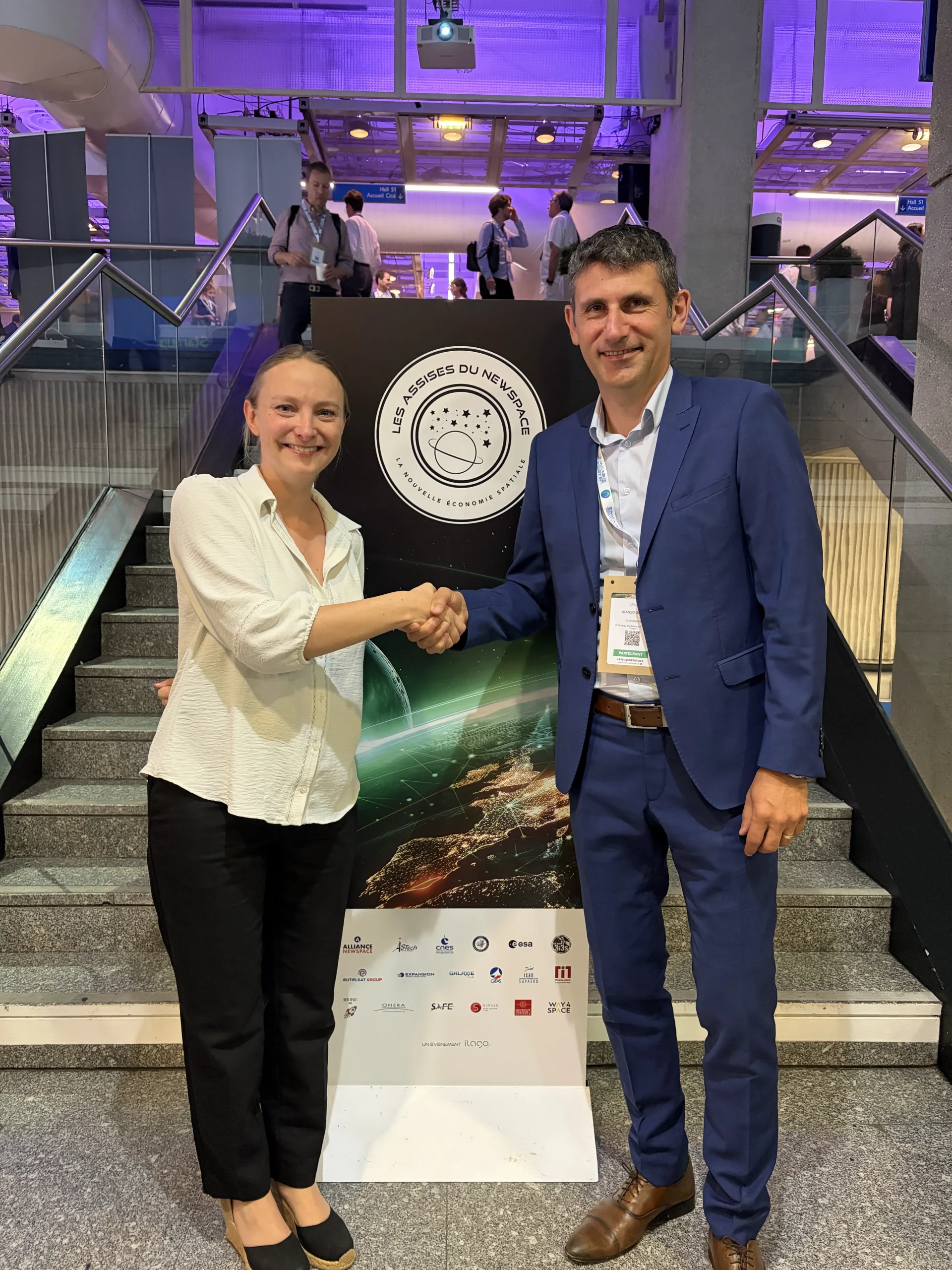
Per SpaceNews, Arianespace and Infinite Orbits will explore direct-to-GEO rideshare services on Ariane 6 from 2029.
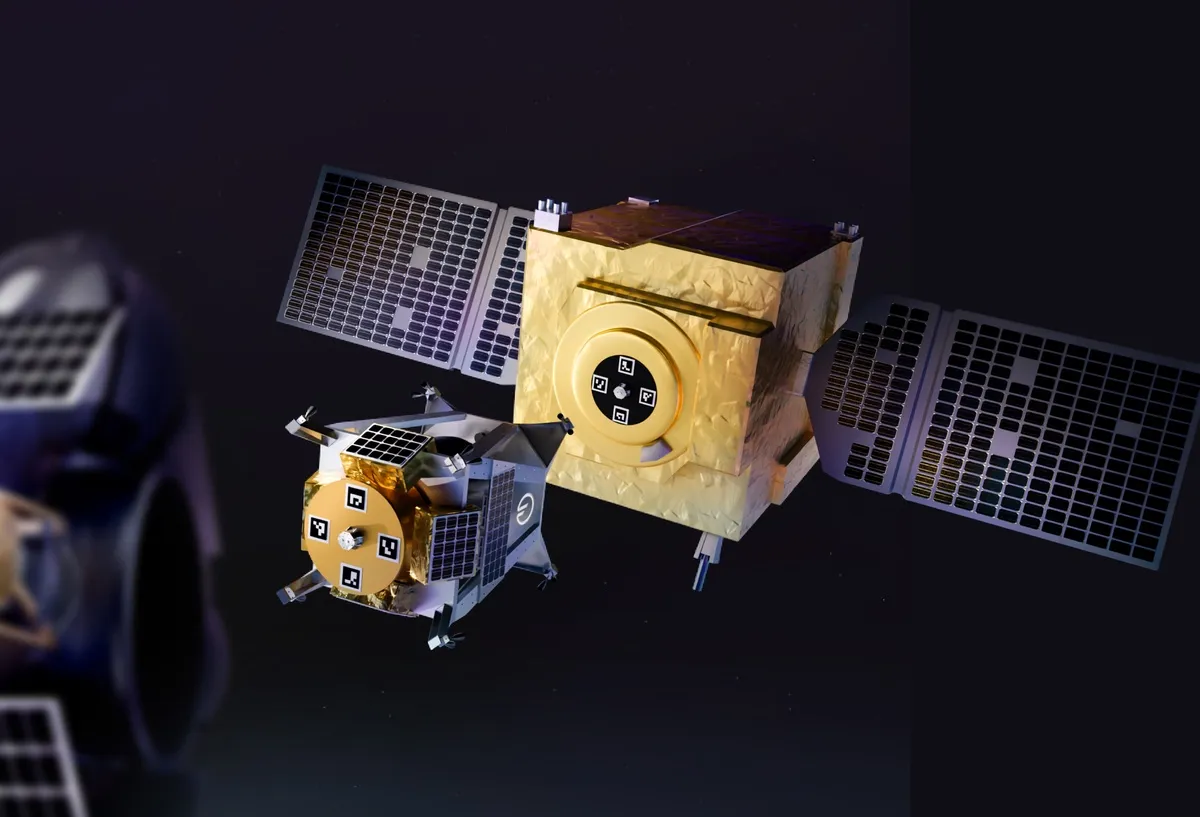
Per SpaceNews, Orbit Fab appointed Peter Shaper as CEO and raised over $25 million in interim funding ahead of a Series B round.
SES Space & Defense won a 5-year blanket purchase agreement to supply the US Space Force with managed Ku-band connectivity.
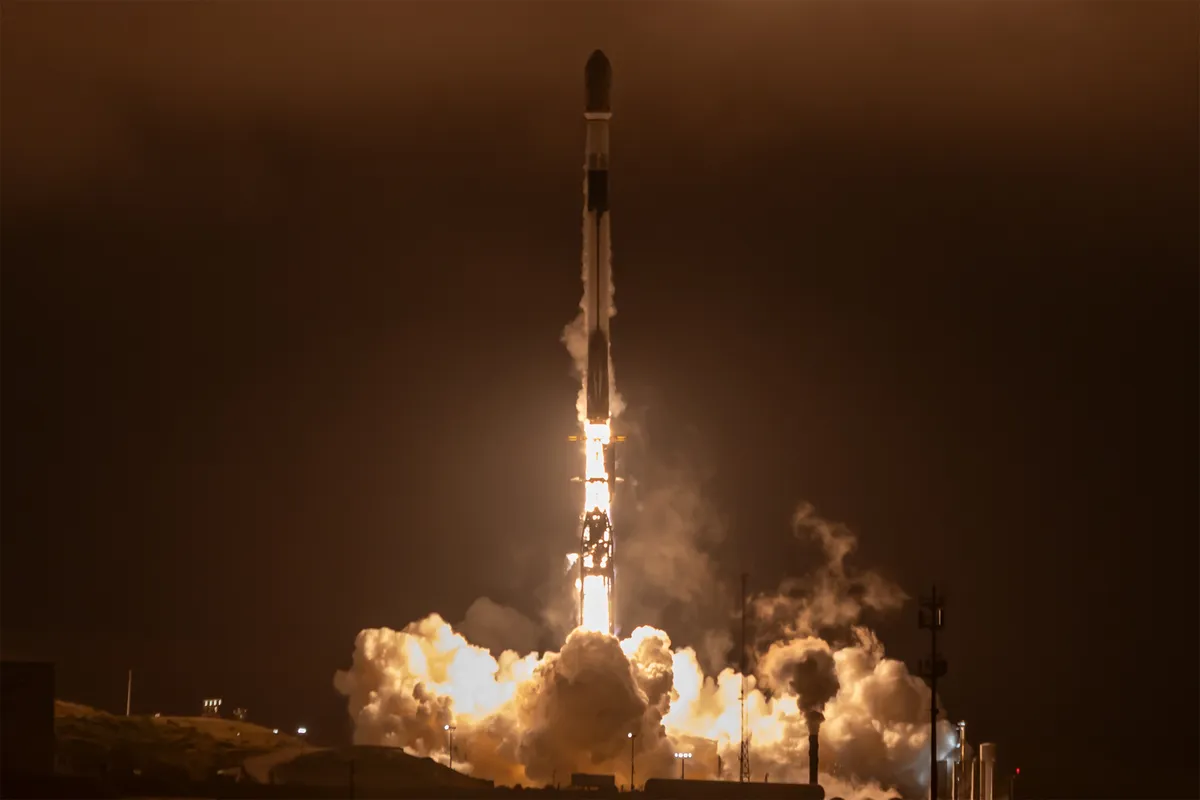
City Labs flew BOHR, calling it the first commercial nuclear-powered satellite, on SpaceX's Transporter-17 rideshare.
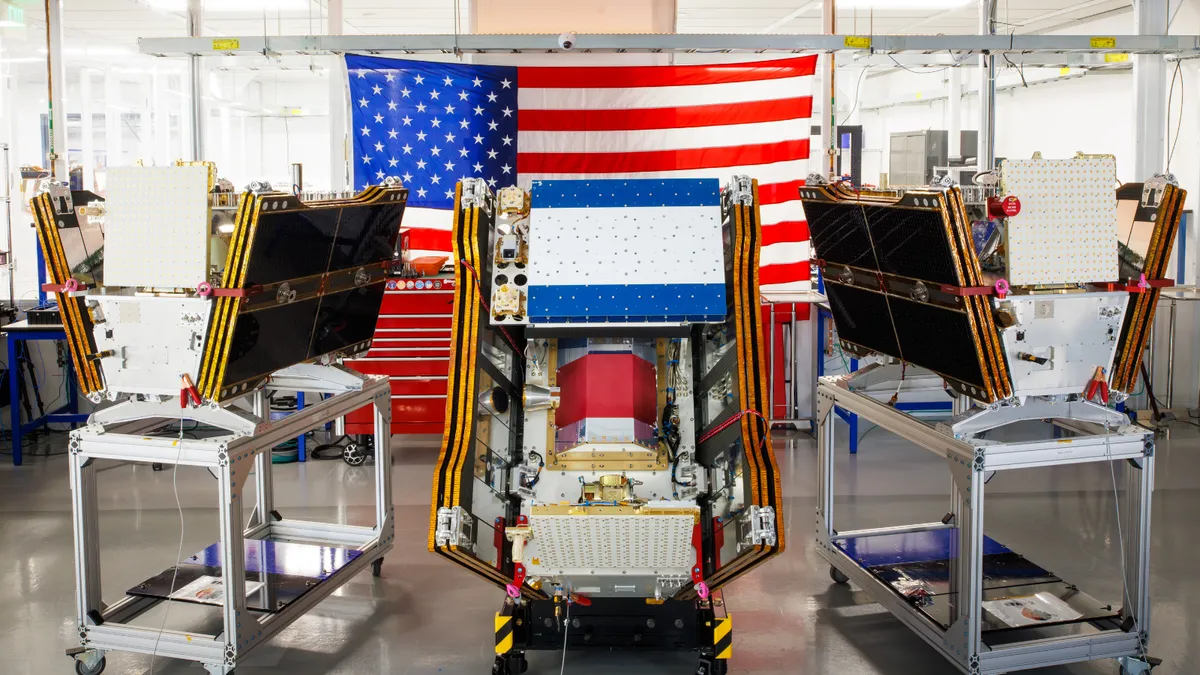
Muon Space says it deployed the first three operational FireSat satellites for the Earth Fire Alliance's wildfire-detection constellation.

Unseenlabs says it launched BRO-31, the first satellite of a heavier, more capable second-generation RF-detection fleet.
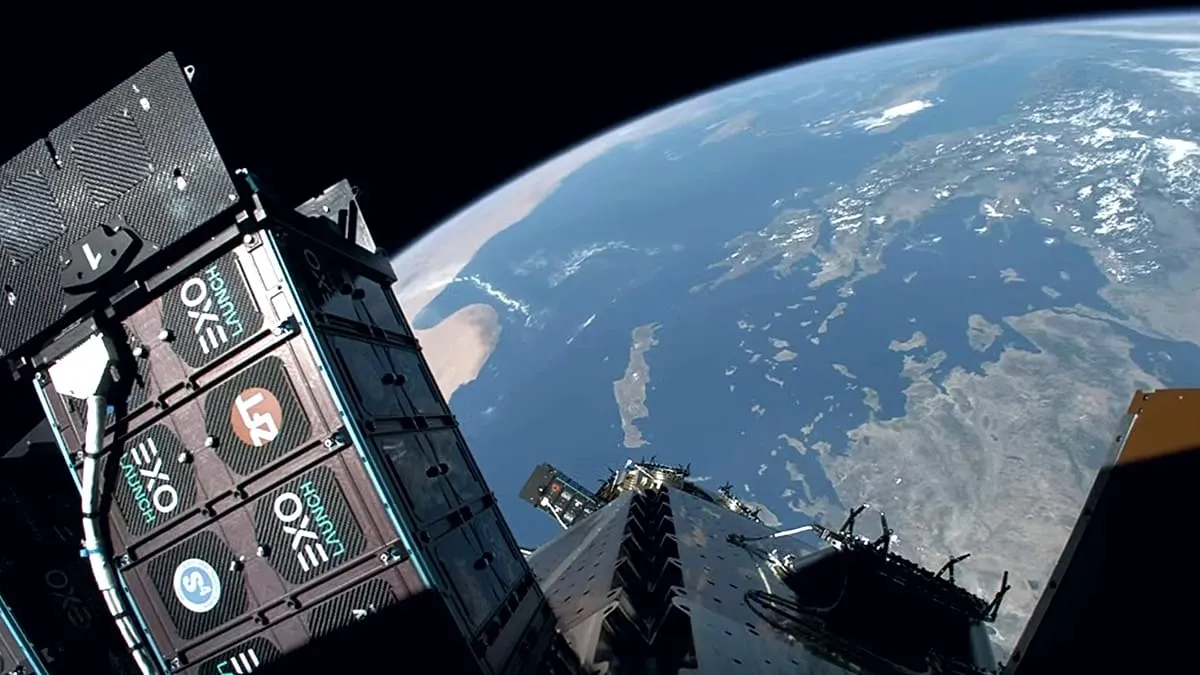
Open Cosmos launched Posidonia, the Balearic Islands' first satellite, and Hyperion GR-1, the first of a planned Greek EO constellation.
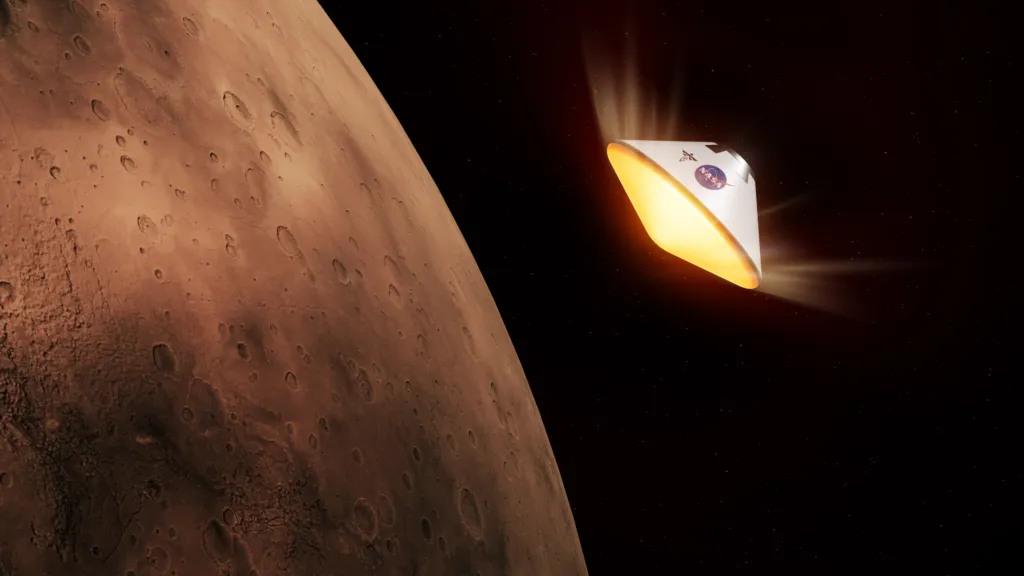
Firefly Aerospace will build the aeroshell for NASA JPL's SkyFall Mars helicopter mission under a $13 million subcontract.
GalaxEye lost contact with Mission Drishti, billed as the world's first OptoSAR satellite, after a geomagnetic storm.

SpaceX joined the Nasdaq-100 at a market value near $2 trillion, its shares slipping on the debut.
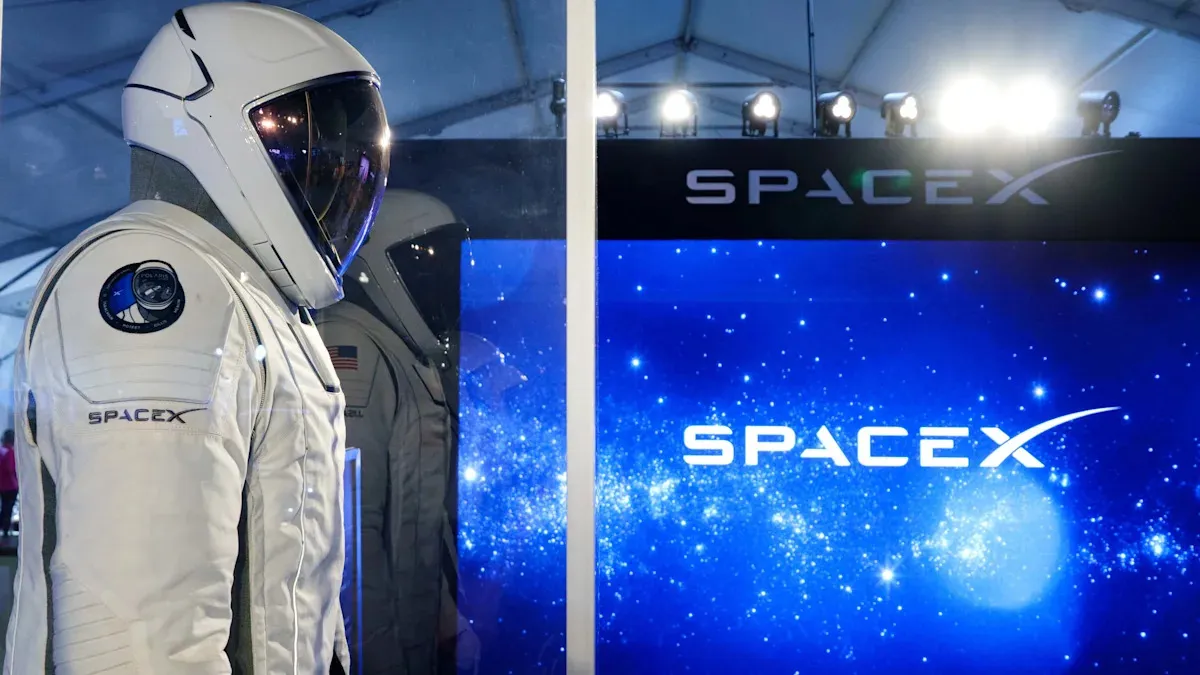
Per Morgan Stanley: SpaceX is worth $300 a share on reusable rockets, Starlink and AI infrastructure; Goldman sees $205.
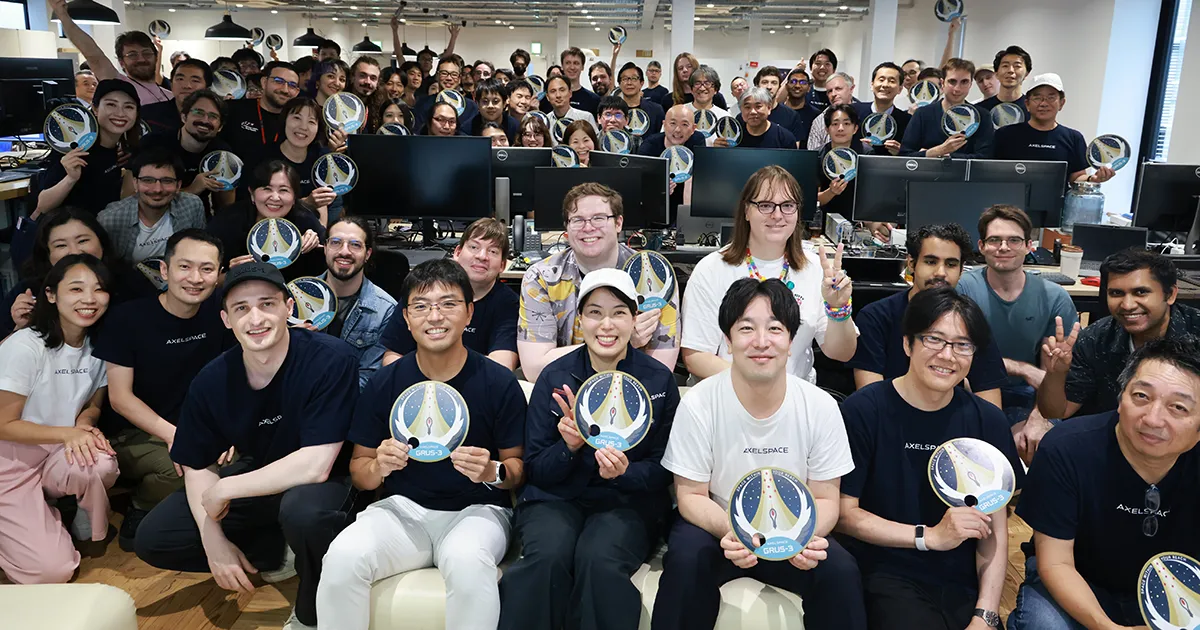
Axelspace's seven next-generation GRUS-3 microsatellites reached orbit and returned first signals on Transporter-17.

Eurospace's 2025 report shows European space industry sales up 23% to EUR10.9 billion, with EO overtaking telecom as the top segment.
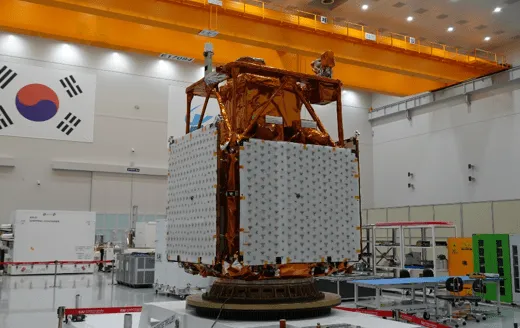
KAI launched CAS500-4, South Korea's first satellite dedicated to agriculture and forestry monitoring.
SpaceX doubled its Starlink Business Aviation subscription prices and raised hardware costs to $200,000, per Benzinga.
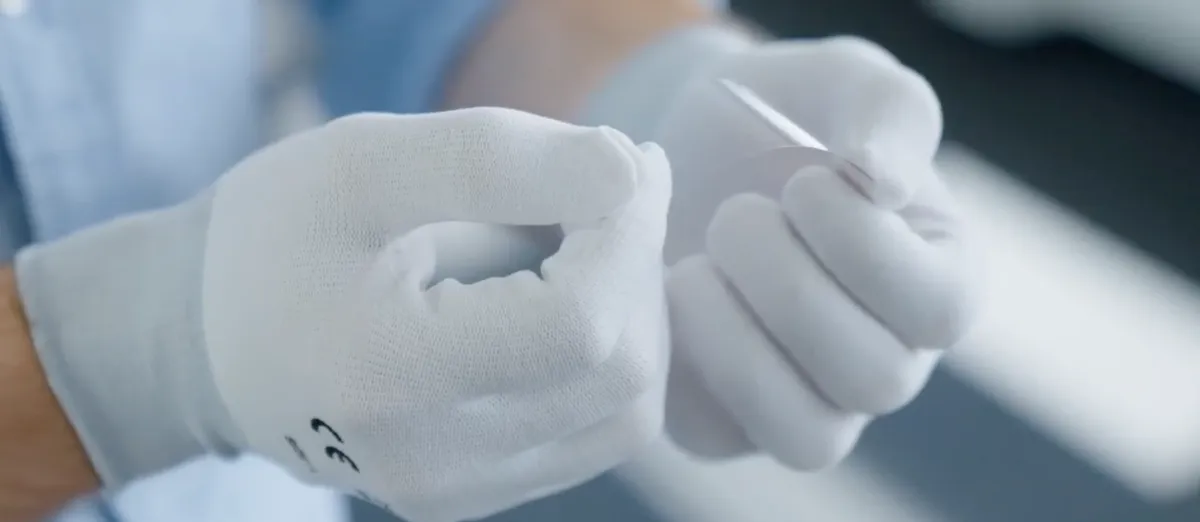
A Defense Production Act grant expands U.S. manufacturing of radiation-resistant satellite solar cell cover glass.
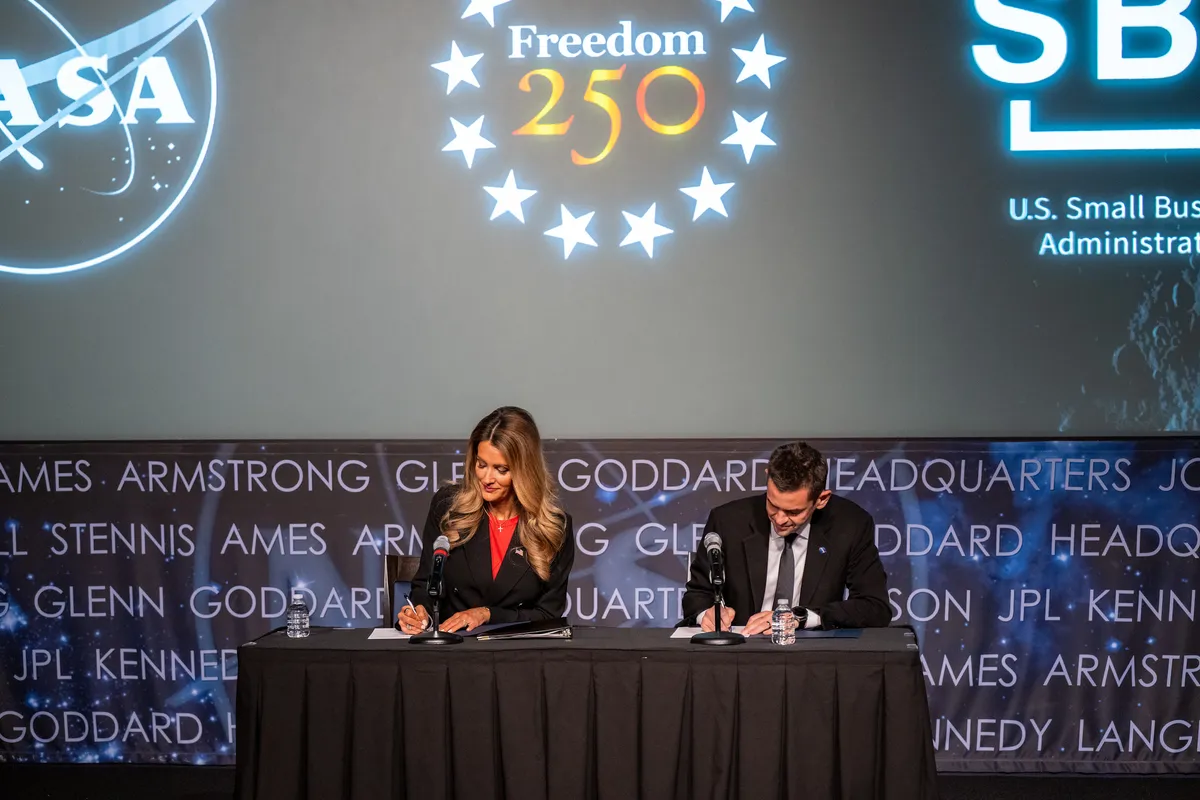
NASA and the SBA signed an agreement to help attract private capital for space technology suppliers.

Former German Chancellery chief Wolfgang Schmidt joins Planet's European Advisory Board.
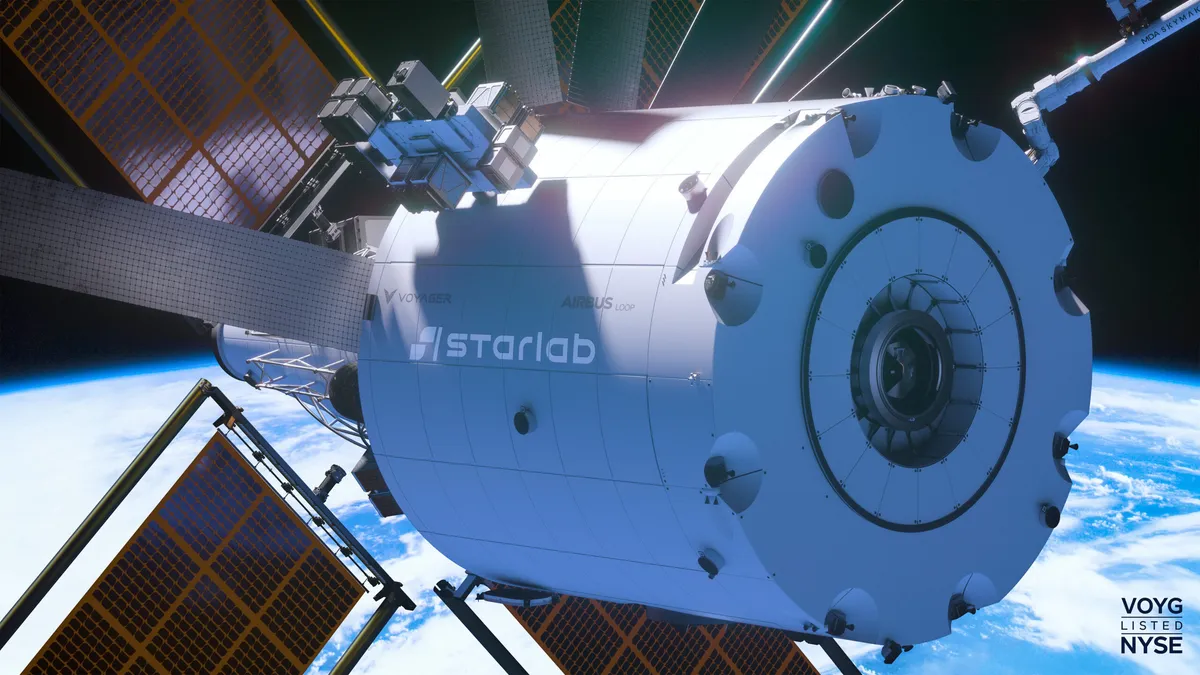
NASA issued a draft RFP for Commercial LEO Destinations, planning to fund at least two station builders in early development.
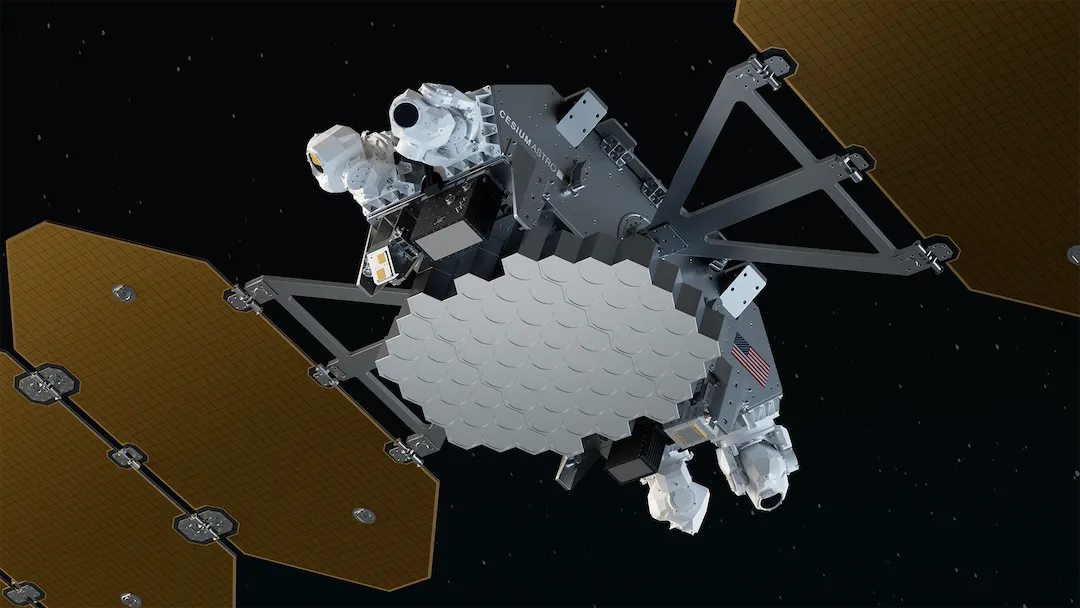
CesiumAstro asked the FCC to license its own 737-satellite Synchronicity constellation for reconfigurable connectivity.
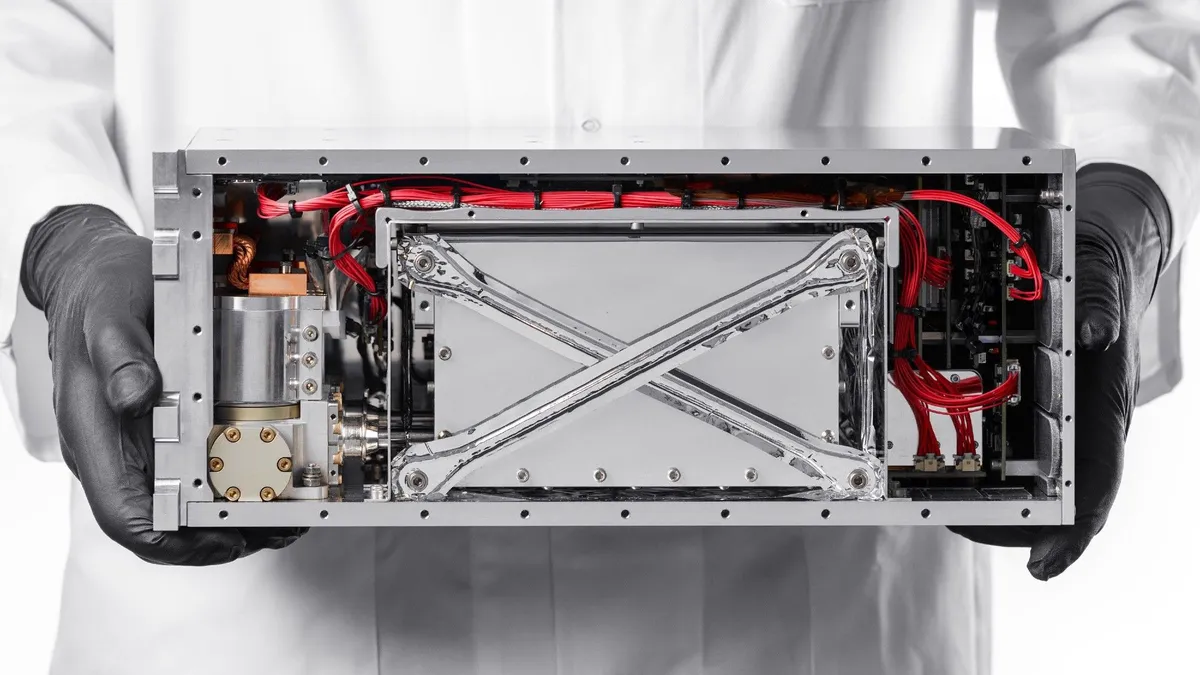
Zenno Astronautics says it is the first company to operate a superconducting product in space, testing its fuel-free Supertorquer thruster.
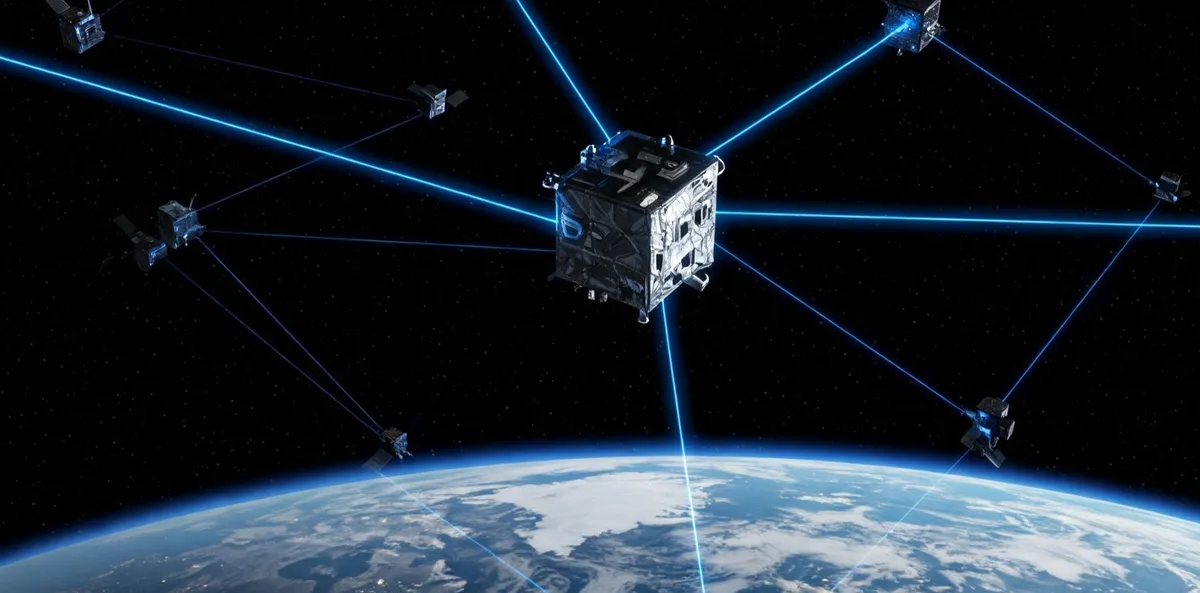
Ravee Optics raised a $6 million seed round to build compact meta-optics laser communication terminals for small satellites.
BAE Systems says its Endura processor passed radiation testing for classified and missile-defense satellite missions.
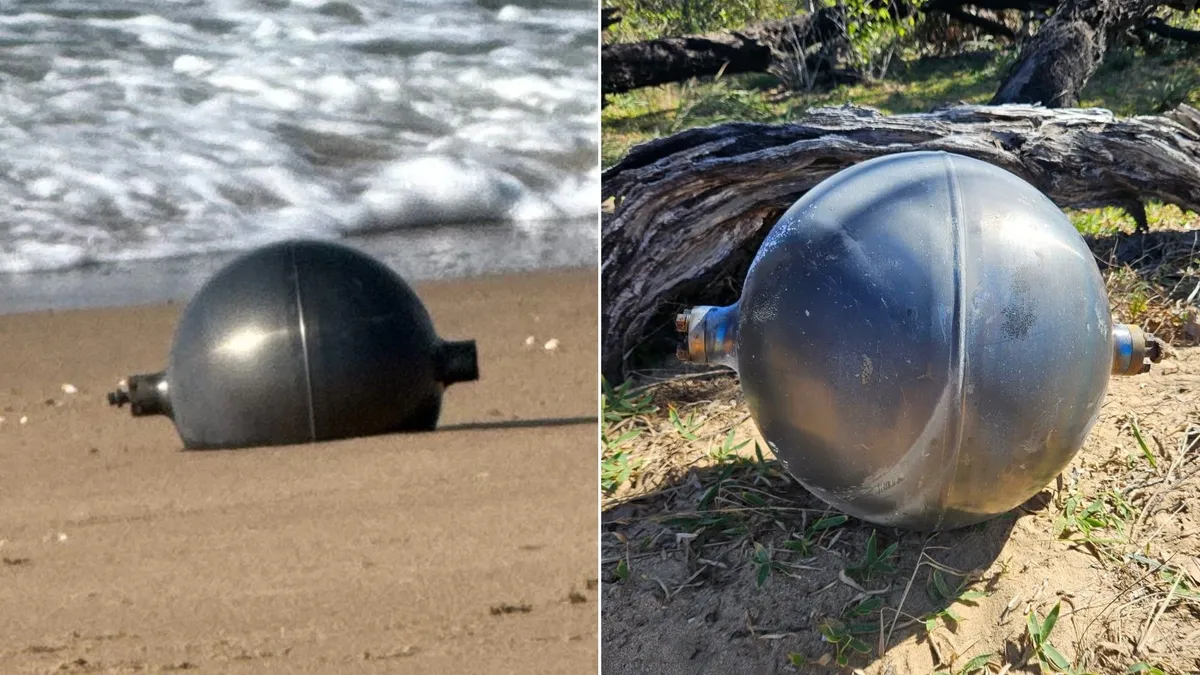
The Australian Space Agency says metal spheres found on a Queensland beach are debris from a foreign rocket body.
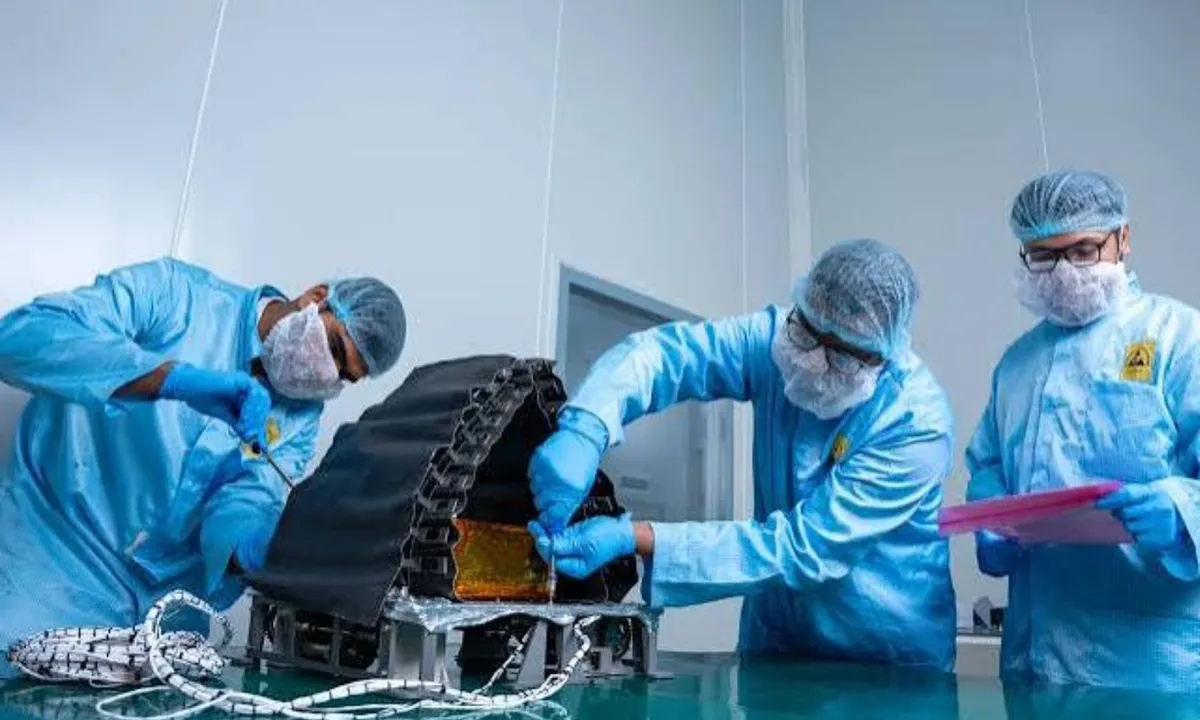
Cosmoserve will test a soft robotic debris-capture mechanism aboard Skyroot's first orbital launch.
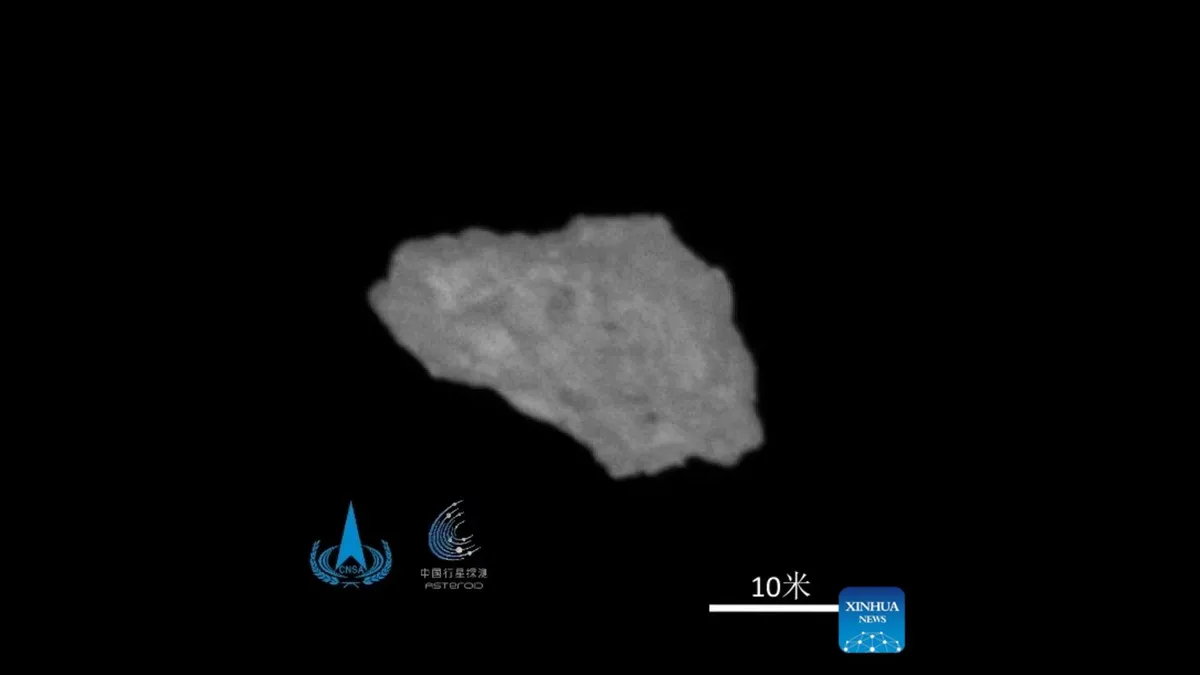
Tianwen-2 closed to 20km of Kamo'oalewa and sent its first photos, revealing a smaller asteroid than expected.
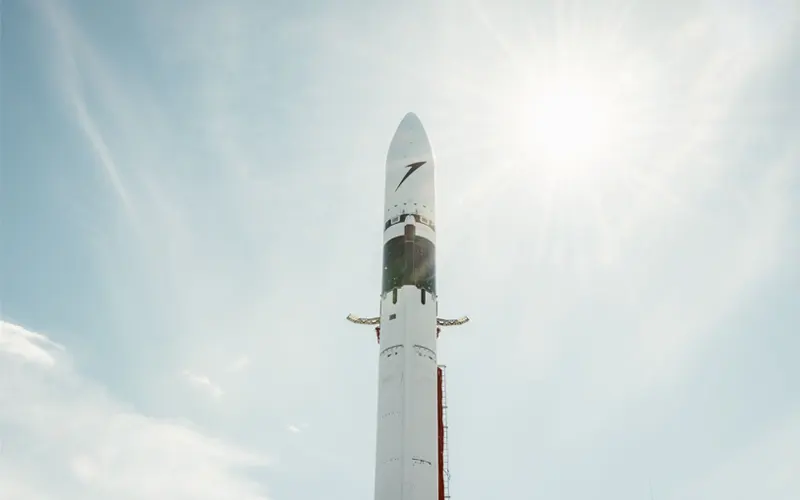
Isar's Spectrum rocket will carry a Planet Labs Germany Pelican Earth-observation satellite within about a year of the deal.
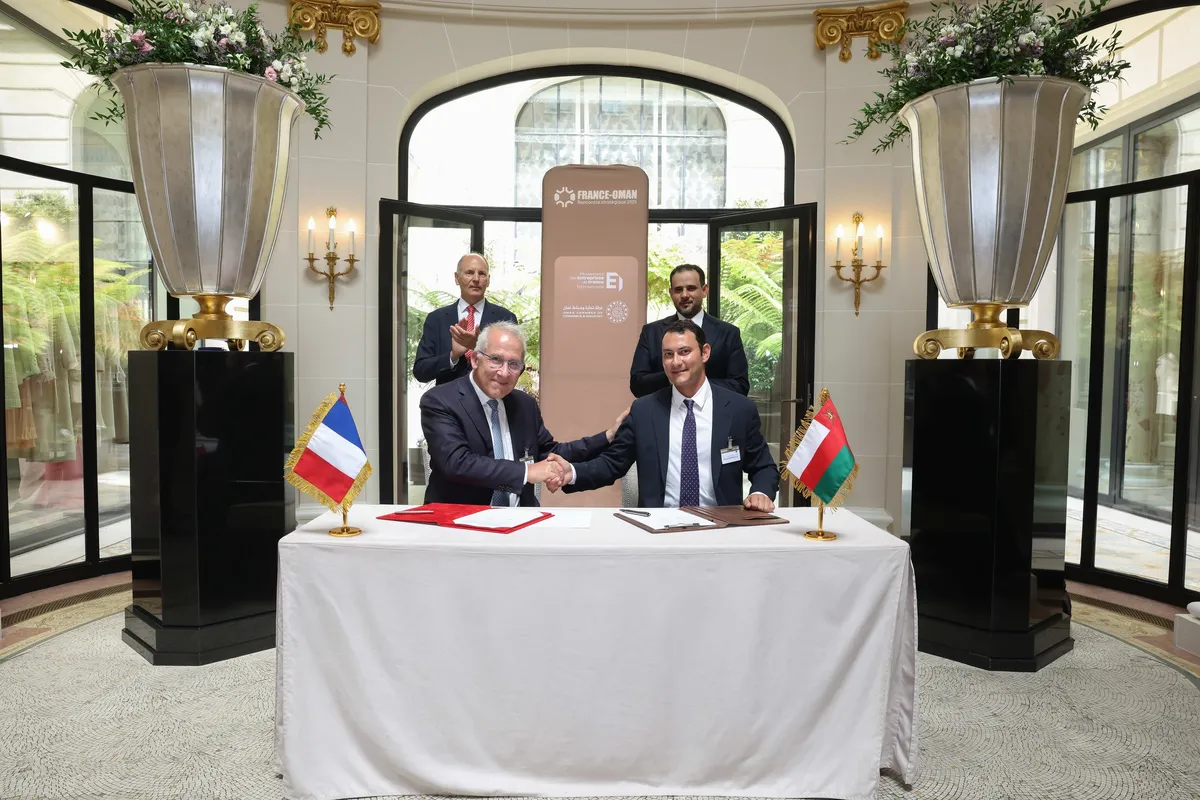
French launch startup Latitude wants to fly its small launcher from a new Omani spaceport as soon as late 2027.
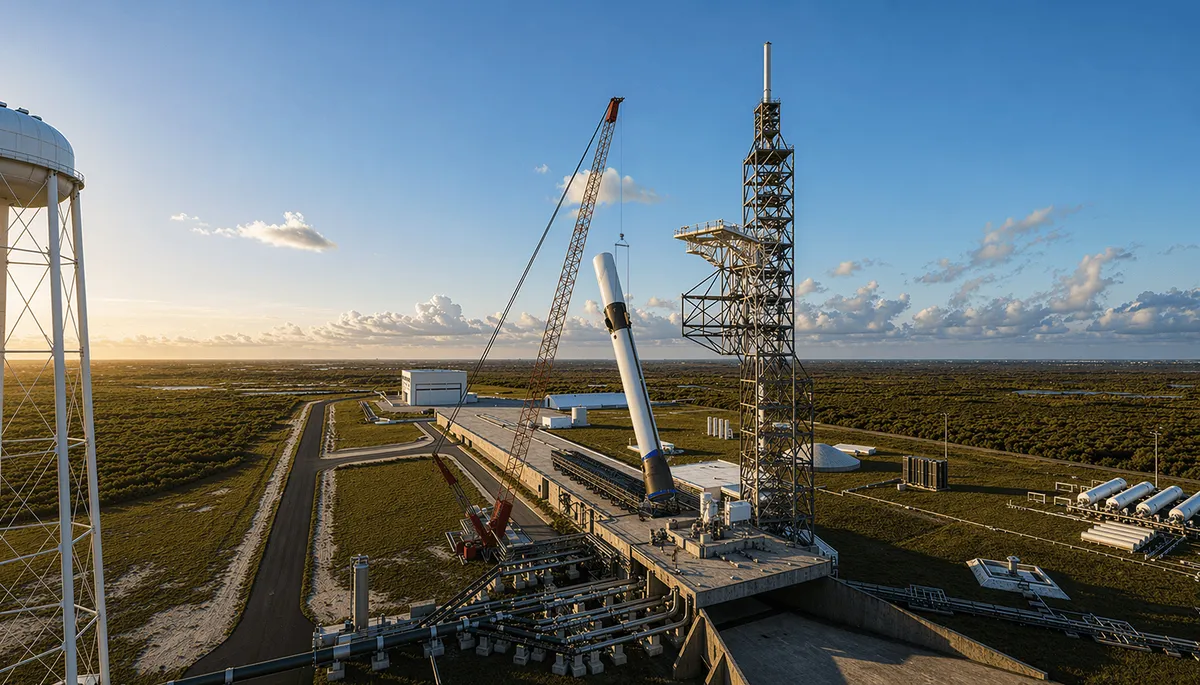
After a May 28 pad explosion destroyed its transporter-erector, Blue Origin will move New Glenn horizontally then raise it by crane.
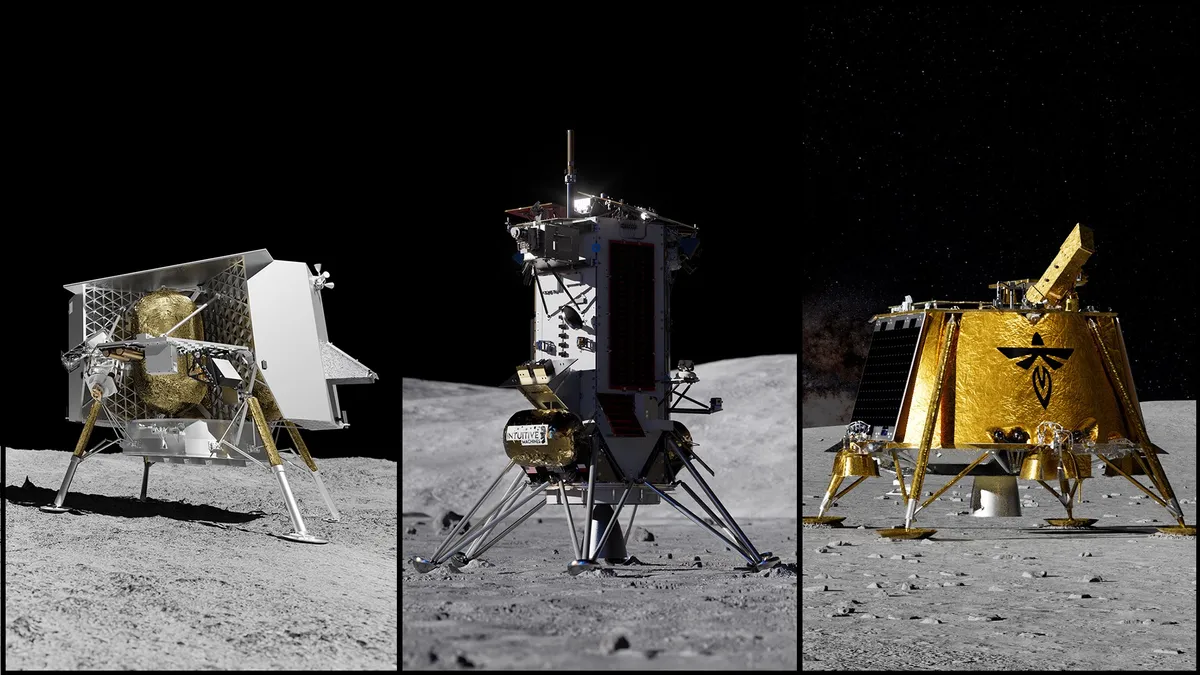
Astrobotic, Firefly Aerospace, and Intuitive Machines split nearly $600 million in new NASA lunar lander task orders.
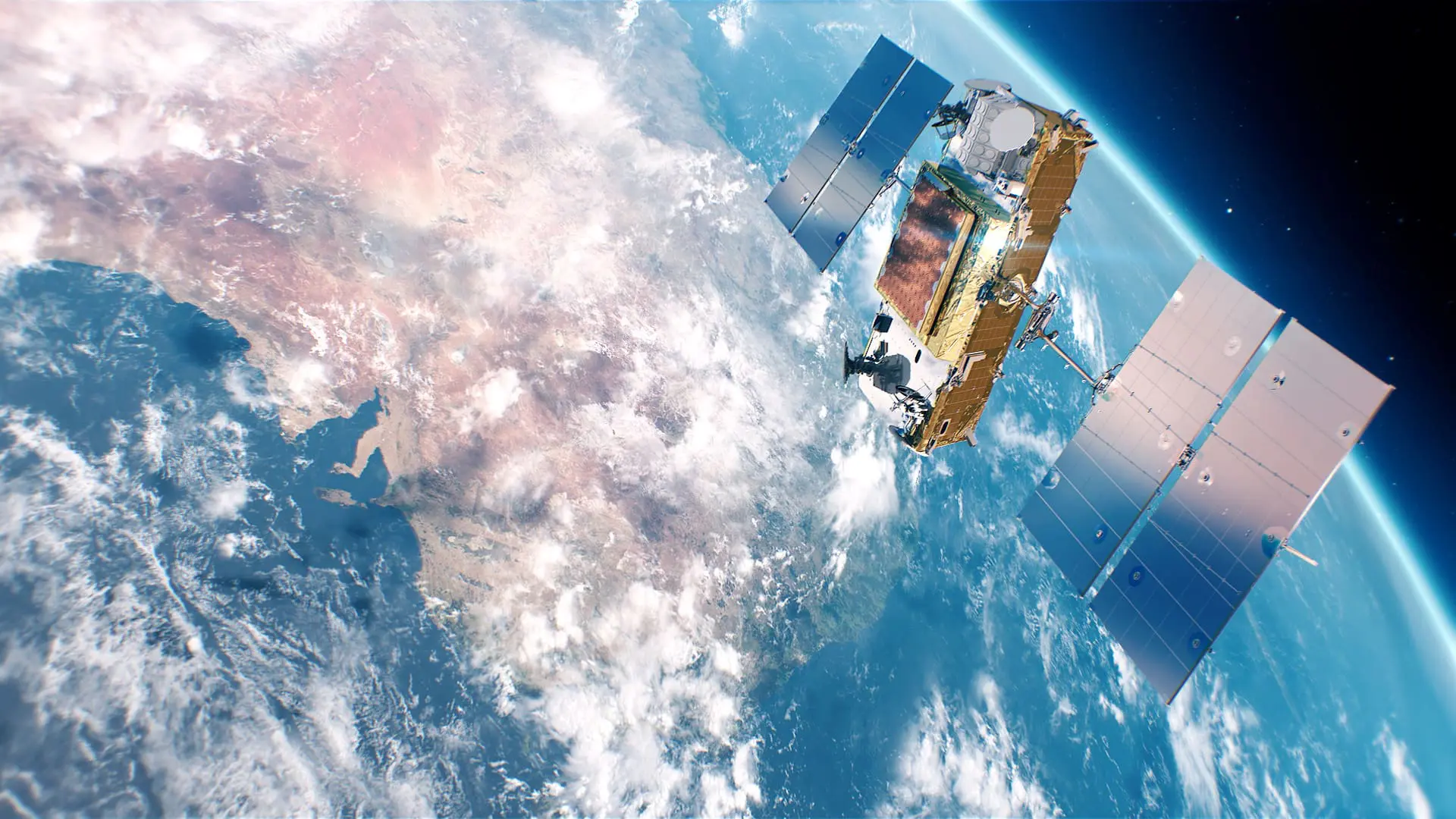
Rocket Lab agreed to acquire Iridium Communications in a cash-and-stock deal valuing Iridium at about $8 billion enterprise value.
Rocket Lab and Iridium Communications said they signed a definitive agreement for Rocket Lab to acquire all outstanding Iridium common stock, per a joint press release filed as an exhibit to Rocket Lab's 8-K with the SEC on June 29, 2026. Iridium stockholders will receive $27.00 in cash plus Rocket Lab shares under an exchange ratio collared between $67.50 and $112.50, a structure the companies say has a notional value of $54.00 per Iridium share and implies an $8.0 billion enterprise value. Both boards approved the deal unanimously, Rocket Lab has commitments for a $3.6 billion bridge loan from Deutsche Bank and Wells Fargo, and the companies expect to close in mid-2027 subject to Iridium stockholder and regulatory approval. On July 6, 2026, Iridium said it completed its acquisition of the remaining 61% of Aireon, the space-based air-traffic-surveillance venture it did not already own, paying about $367 million to providers in Canada, England, Denmark, Ireland, and Italy, per SpaceNews, consolidating Aireon as a wholly owned subsidiary ahead of the Rocket Lab deal's close.
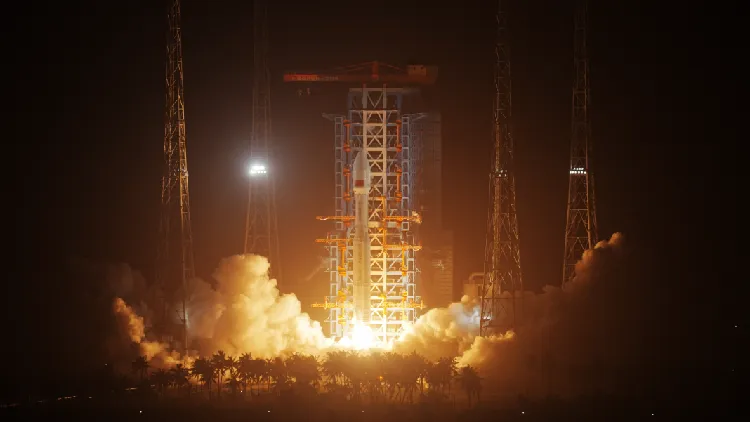
The largest Qianfan group yet per China in Space: 20 satellites, taking the constellation to 238 deployed.
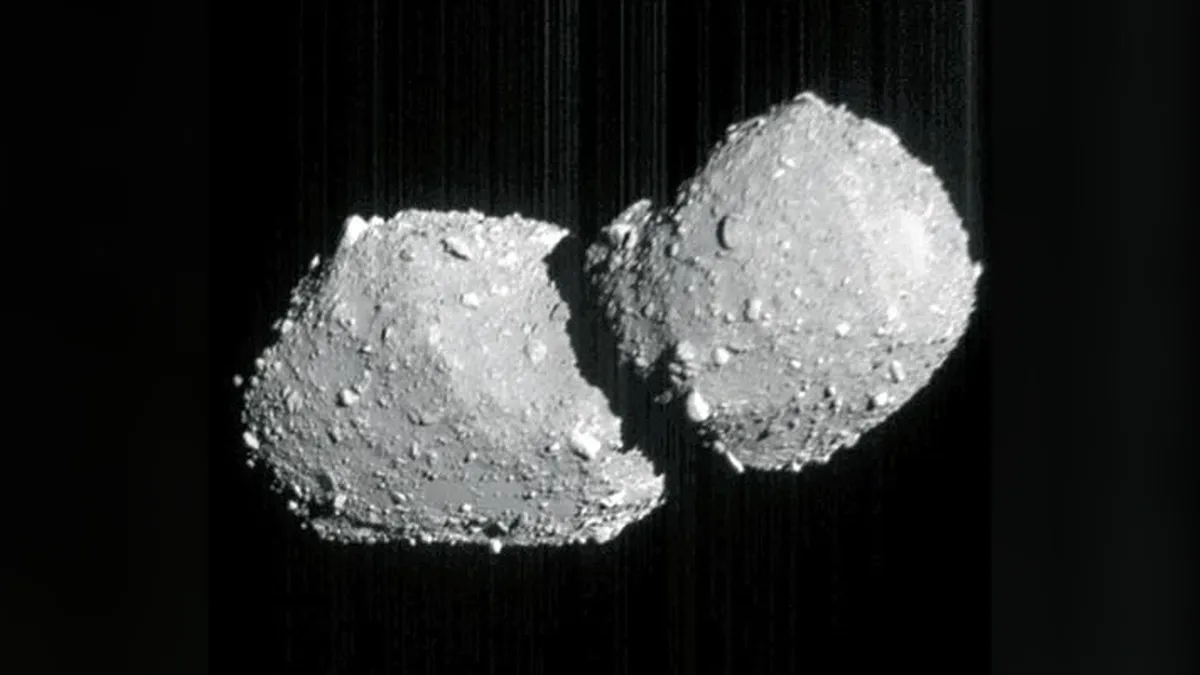
Hayabusa2 passed 744 meters from asteroid Torifune's center, the closest Solar System flyby on record, laser-ranging it during the pass.
Jilin-1 operator Chang Guang Satellite raised about 5 billion yuan for satellite production and constellation growth.
Another SpaceSail constellation batch, launched a day before a second group flew from Hainan.
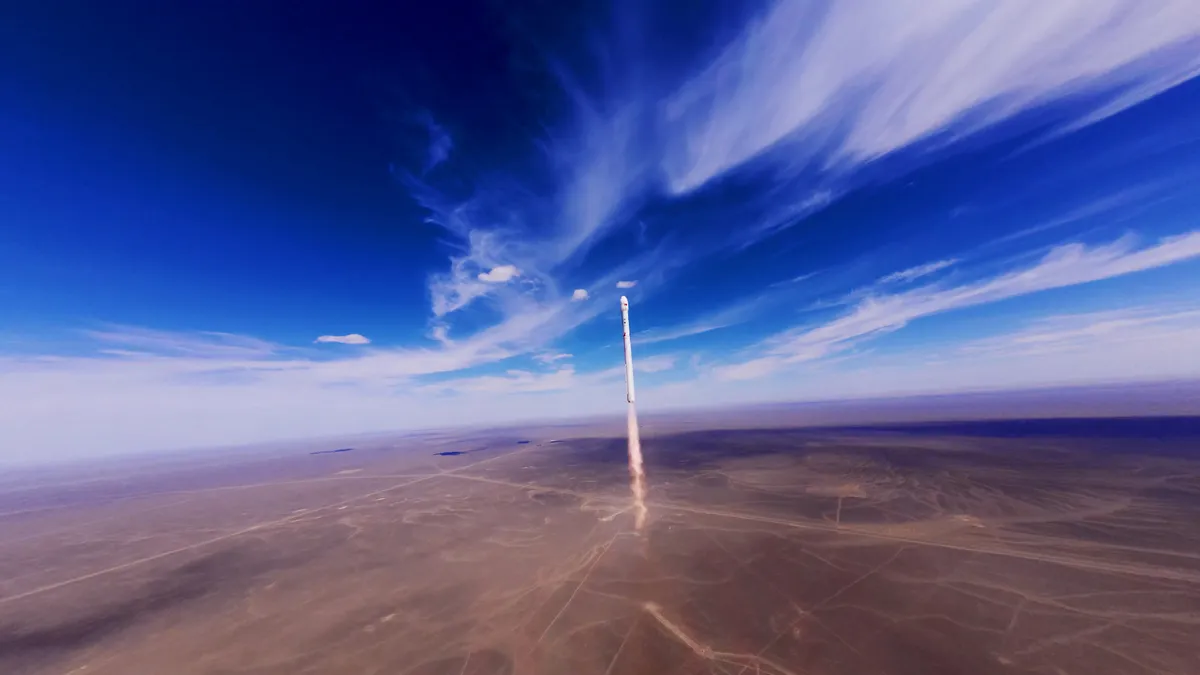
A satellite-manufacturing affiliate of launch company Landspace raised over 1.3 billion yuan from state-linked banks and investment funds.
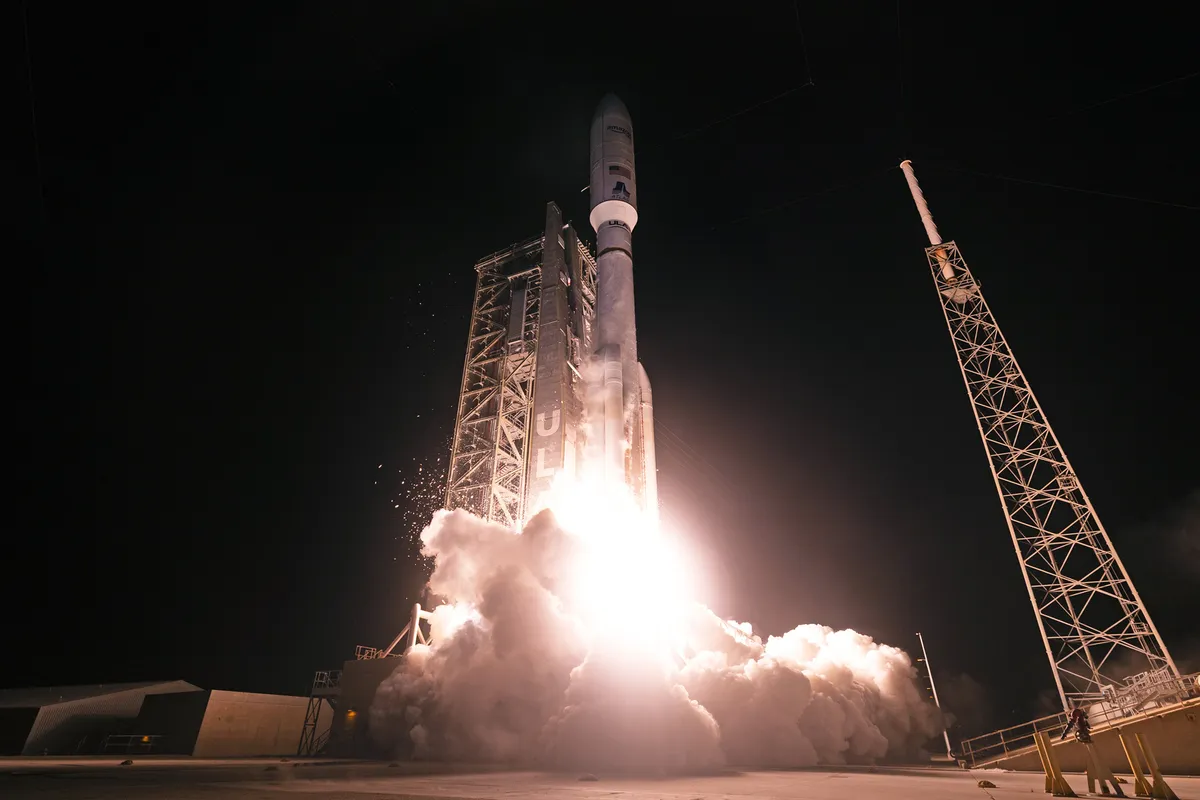
An Atlas V 551 deployed 29 Amazon Leo satellites in what ULA says is the rocket's last flight carrying a satellite payload.
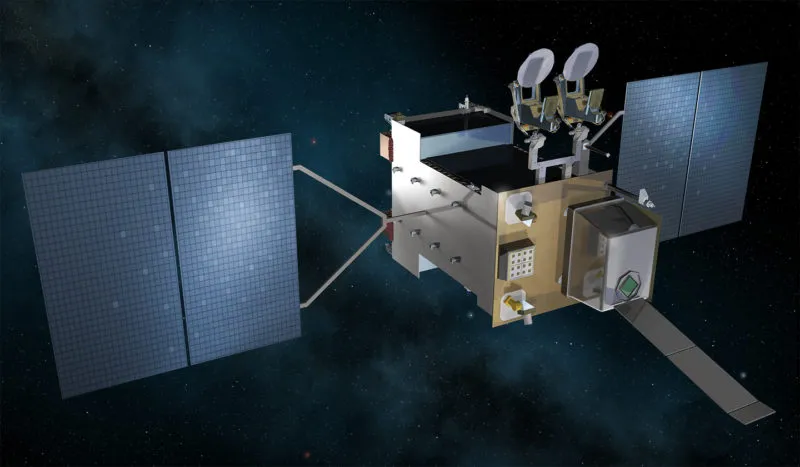
A GAO assessment found cost overruns and schedule slips across several Space Force missile-warning and satcom programs.
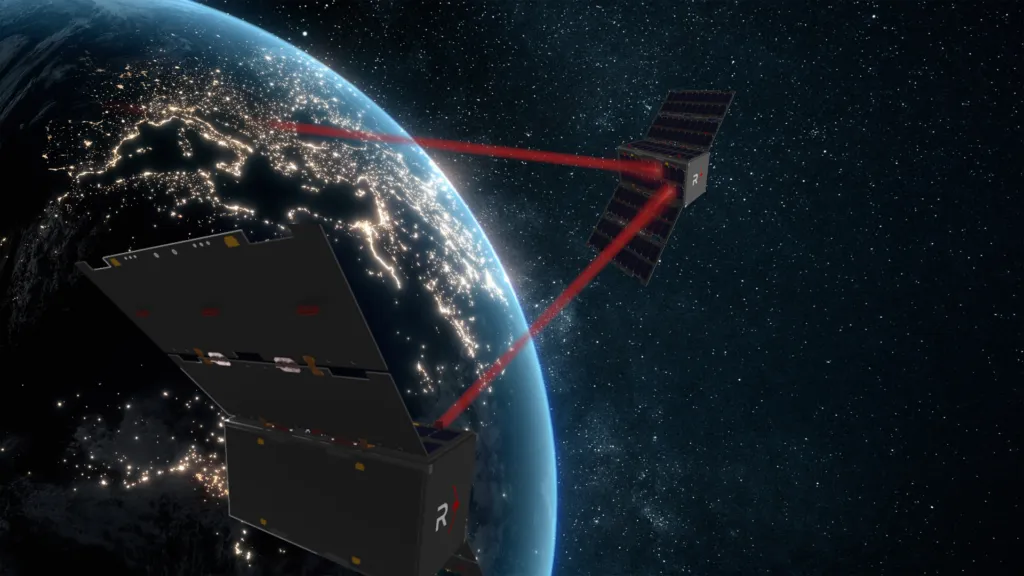
Austria's Ministry of Defence picked R-Space to build Aurora, a laser-comms and quantum-encryption demonstration satellite due in 2027.
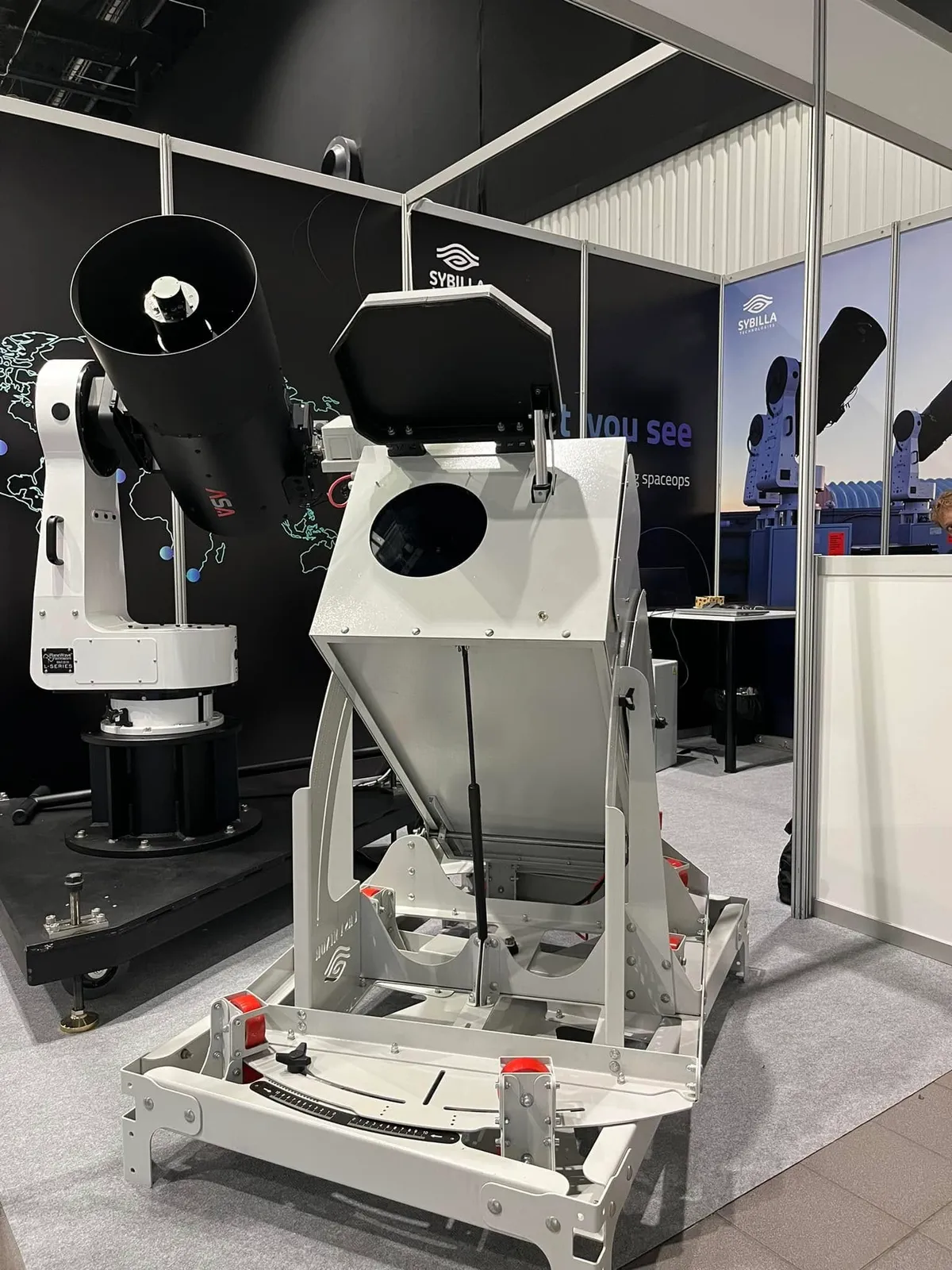
Poland's Sybilla Technologies raised about $10 million to grow its optical sensor network and enter the US market.
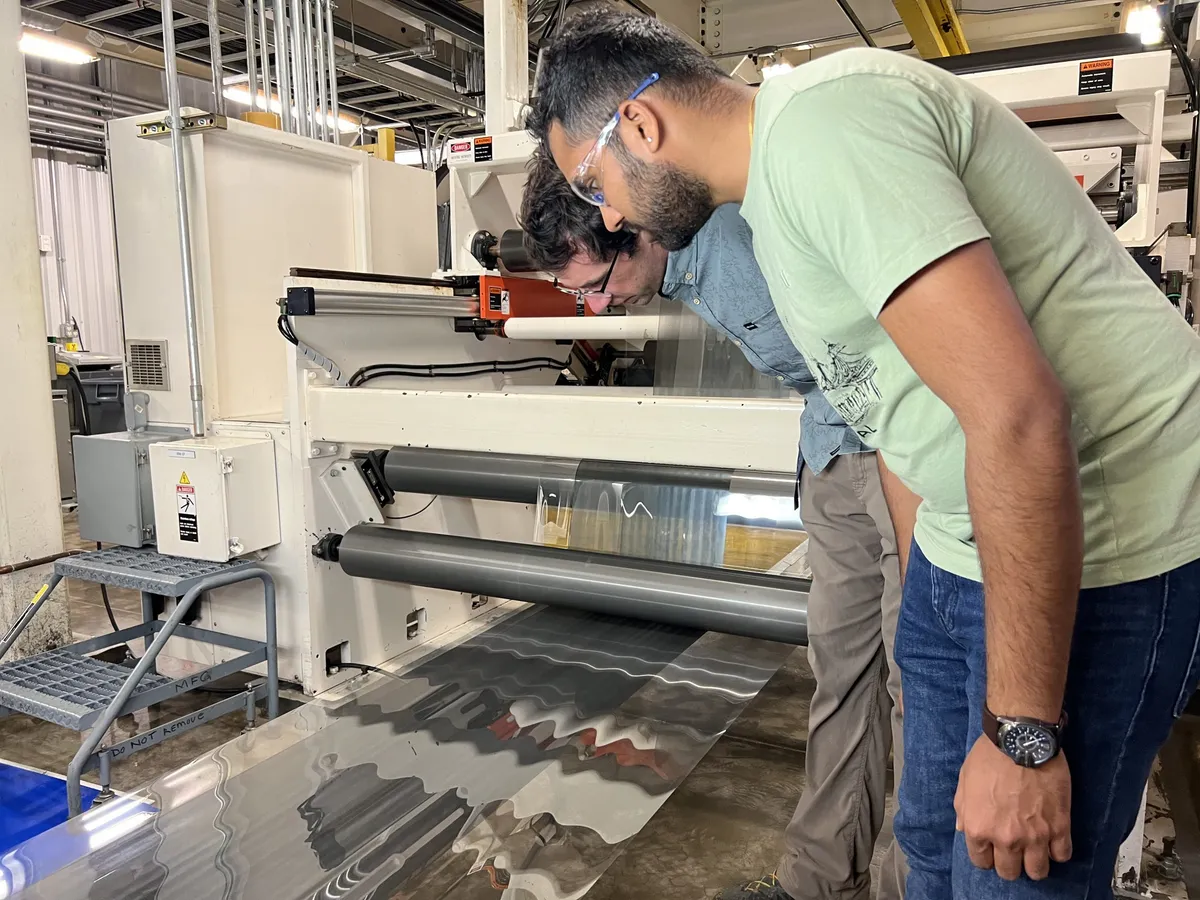
Vermont's Verde Technologies is shifting its perovskite solar-panel business from rooftops toward satellites, naming a new CEO to lead it.
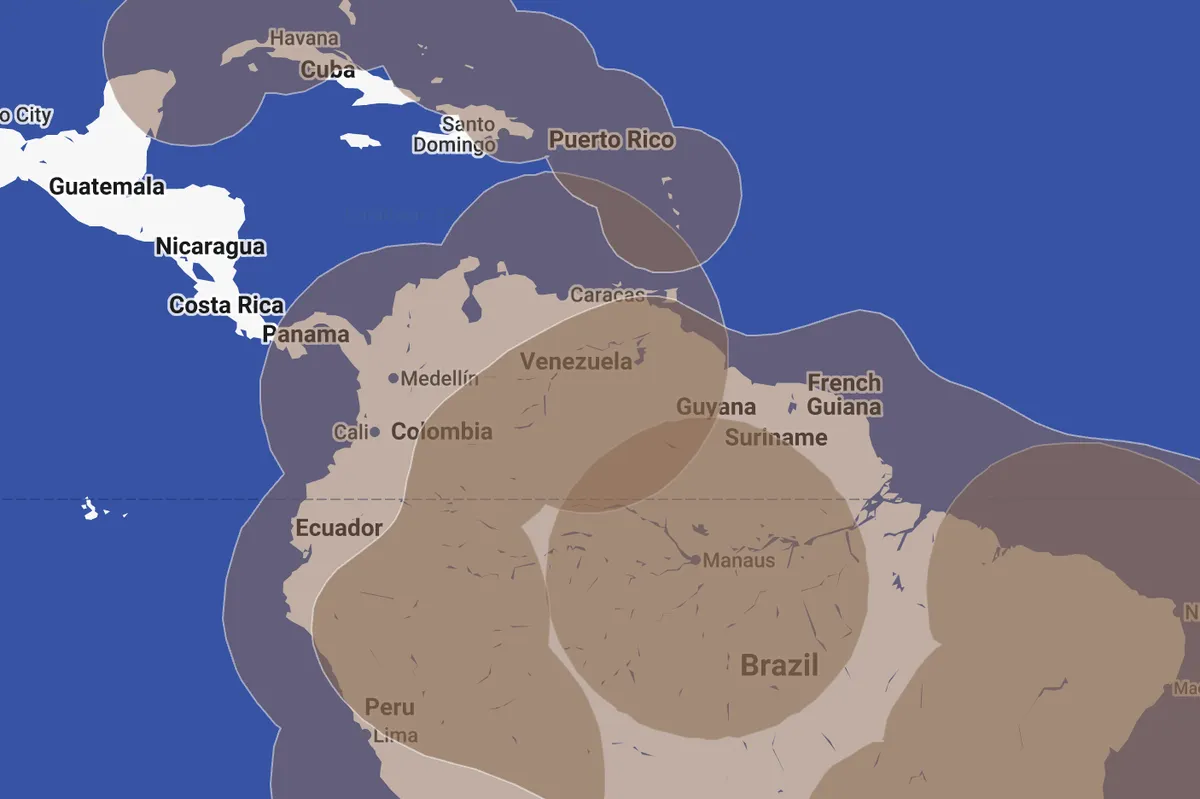
Telesat is donating Telstar 19 VANTAGE capacity to Top Comunications for Venezuela's earthquake recovery effort.
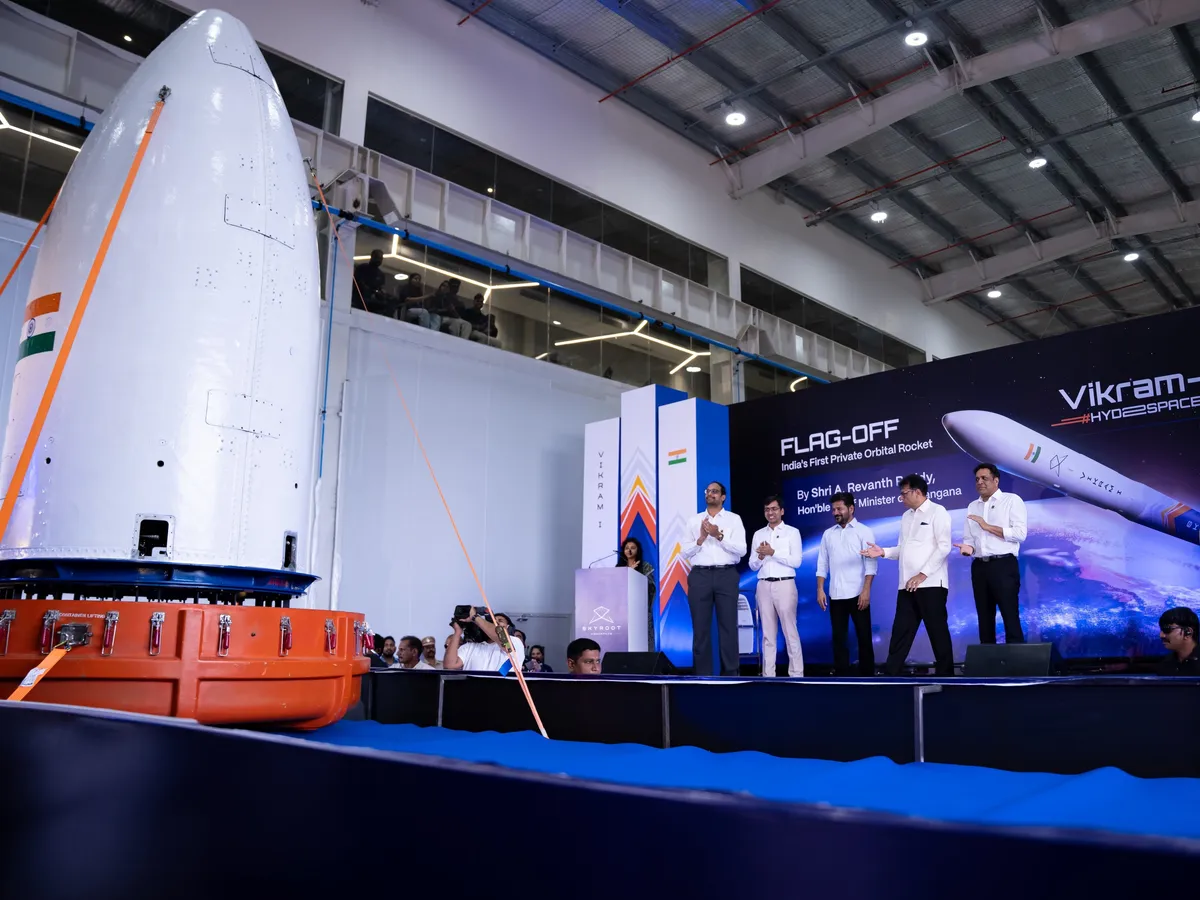
Skyroot set a July 12-August 4 launch window for Vikram-1, India's first private orbital rocket, per SpaceNews and PTI.
ESA contracted Spain's EMXYS to build Don Quijote, the first CubeSat designed to land on an asteroid, for its Ramses mission.
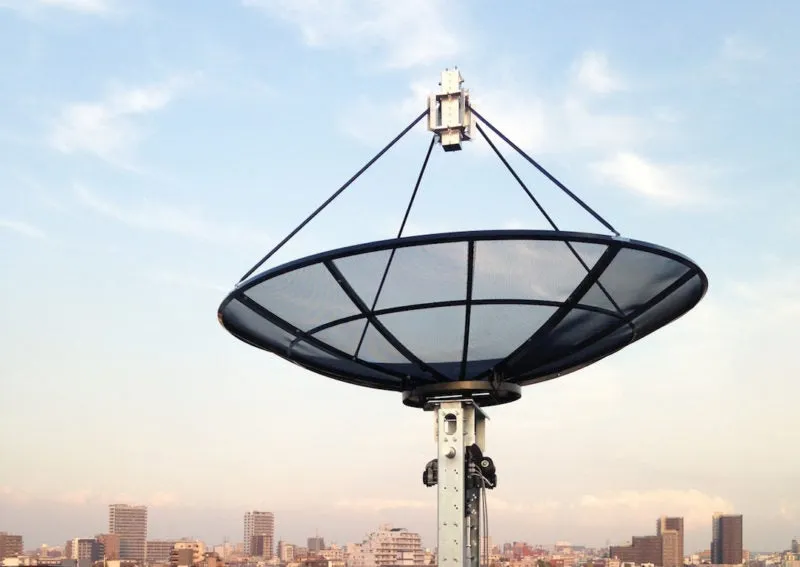
Mitsubishi Electric took full ownership of Japanese ground-station-as-a-service provider Infostellar; terms undisclosed.
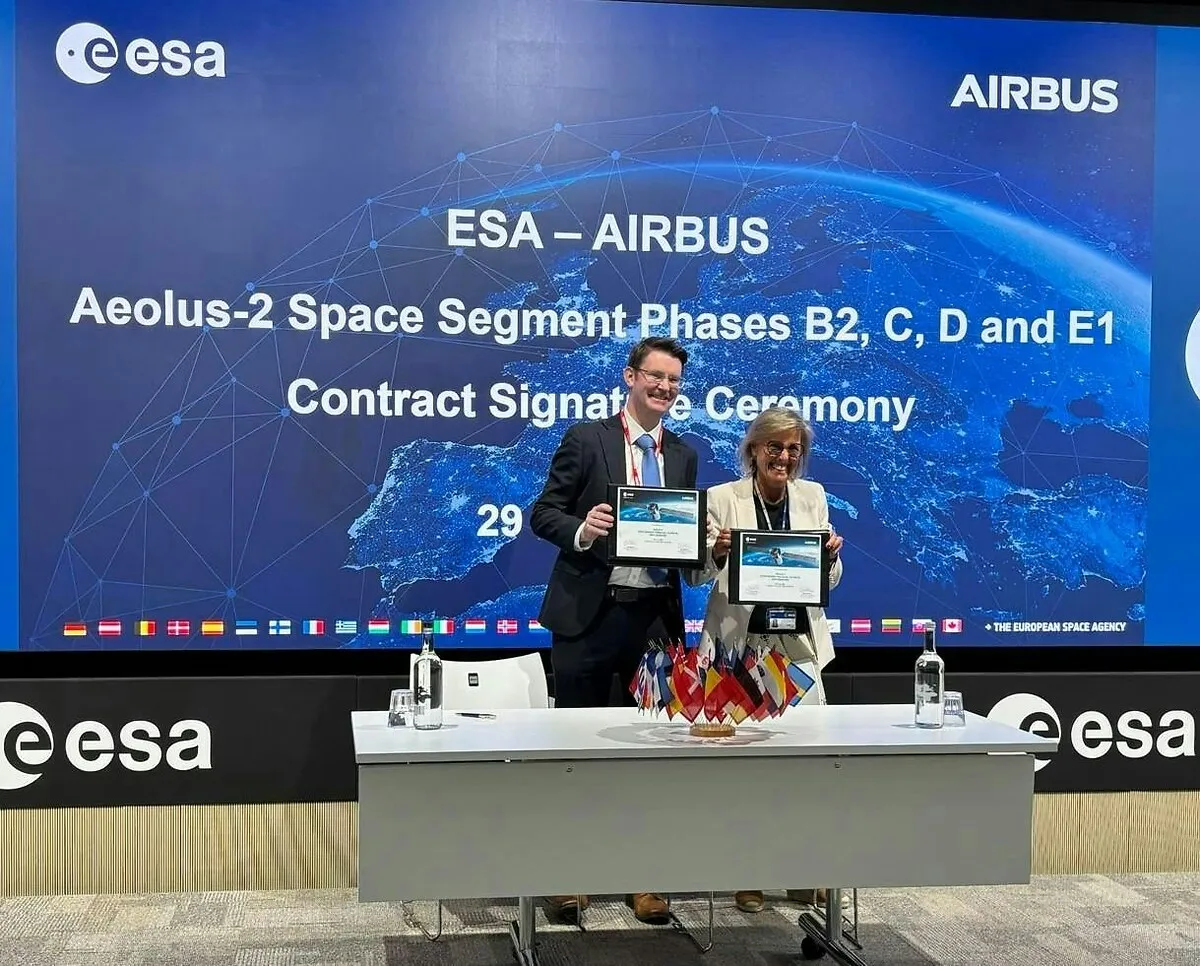
ESA and EUMETSAT contract Airbus to build a successor to the Aeolus wind-lidar satellite as an operational service.
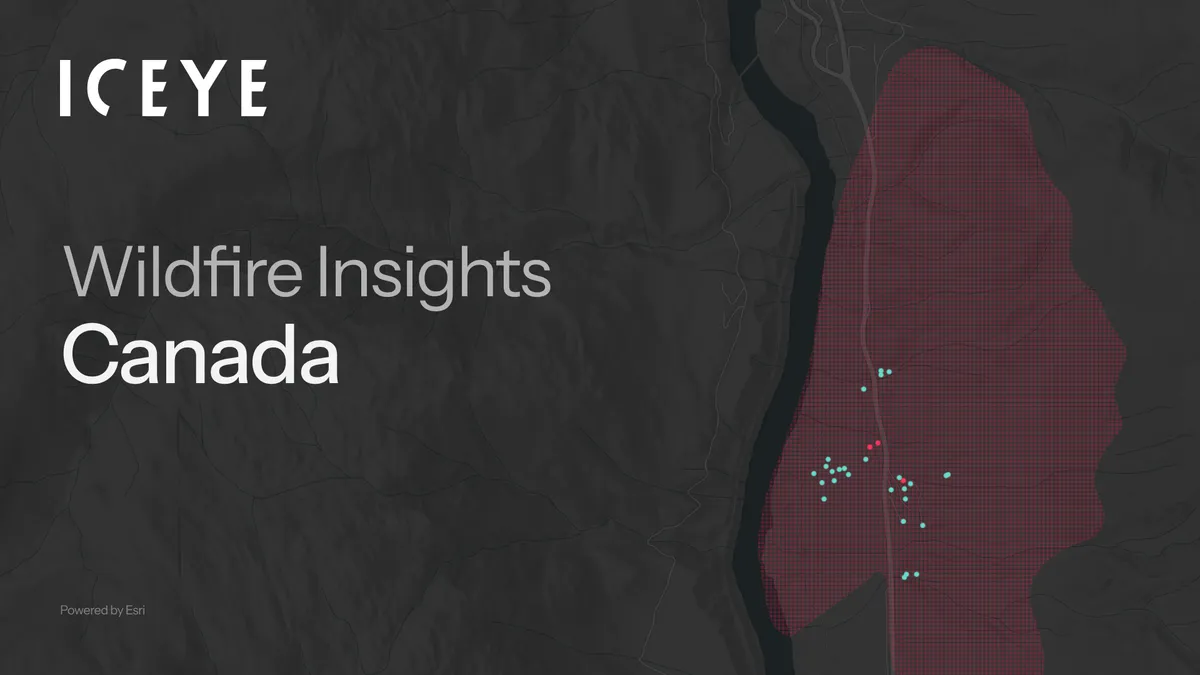
ICEYE extended its SAR wildfire-monitoring service to Canada.
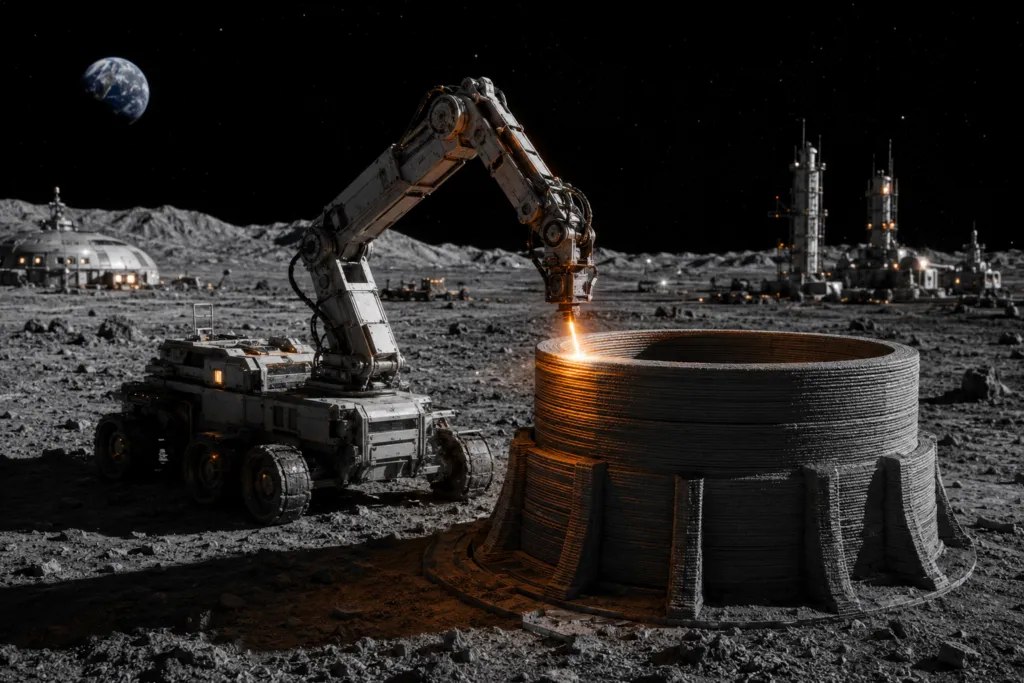
Startup Lunar Forge came out of stealth with laser-sintering tech that turns lunar regolith into structures, starting with reactor housing.
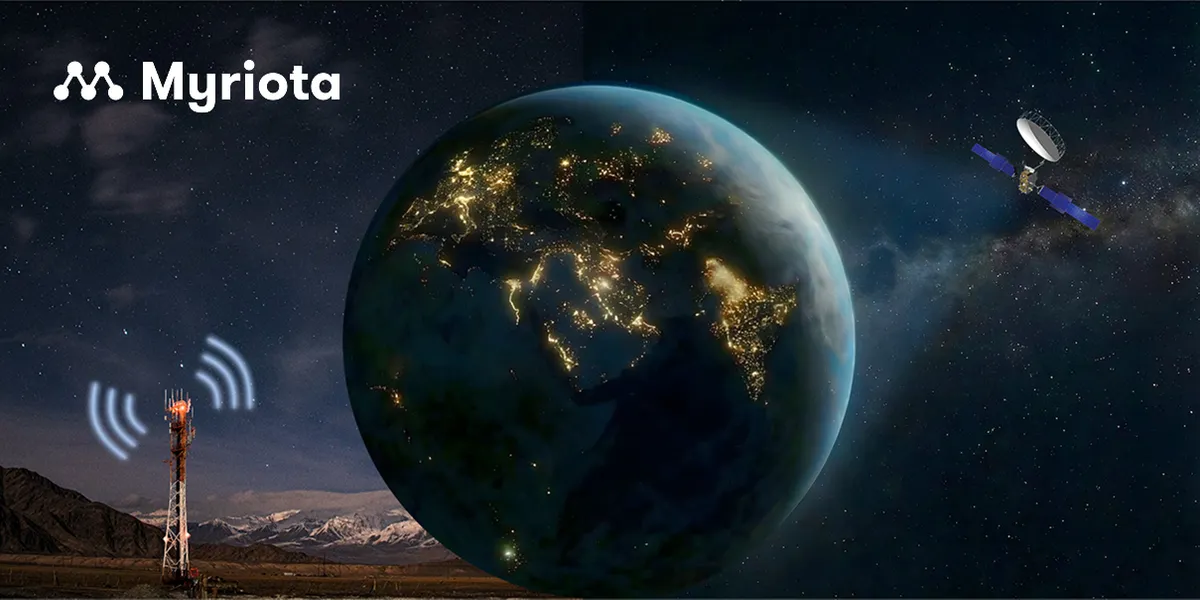
Myriota added cellular fallback to its HyperPulse satellite IoT network, priced from $0.99 a device per month.