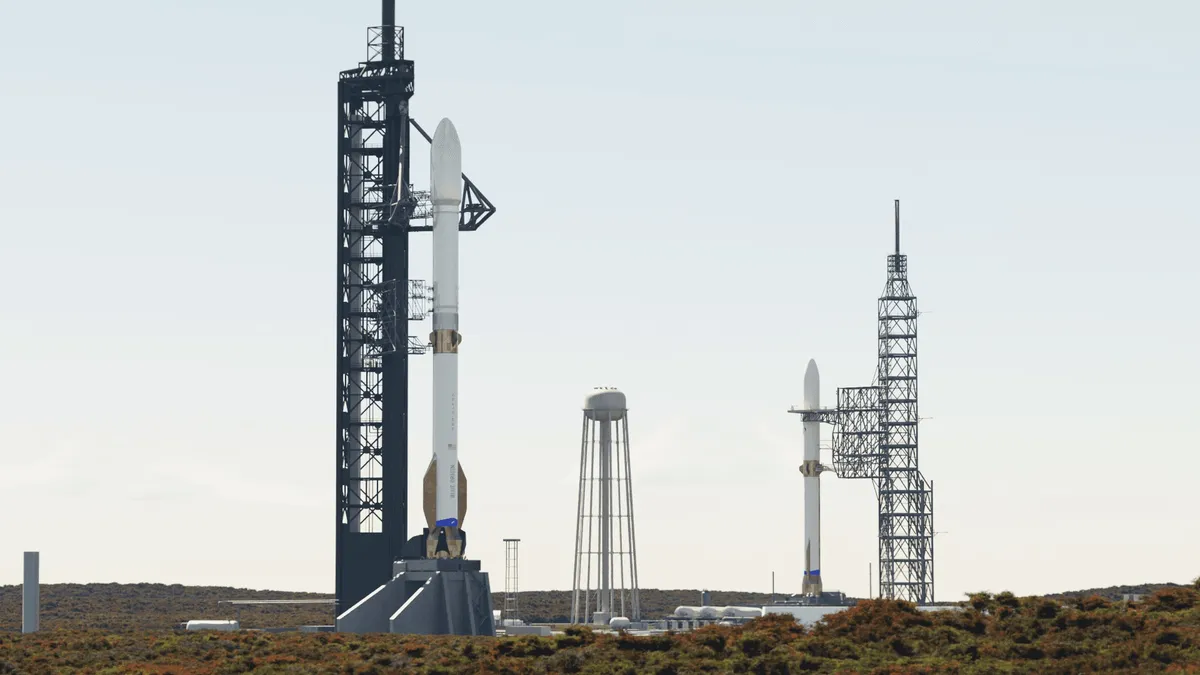
Blue Origin outlines new Cape Canaveral pad for larger New Glenn
Blue Origin will add Launch Complex 36B at Cape Canaveral for a larger, nine-engine New Glenn variant.
Blue Origin will add Launch Complex 36B at Cape Canaveral for a larger, nine-engine New Glenn variant.

Pixxel-led Allied Orbits will build India's first fully privately owned national EO constellation, per a government Lok Sabha reply.
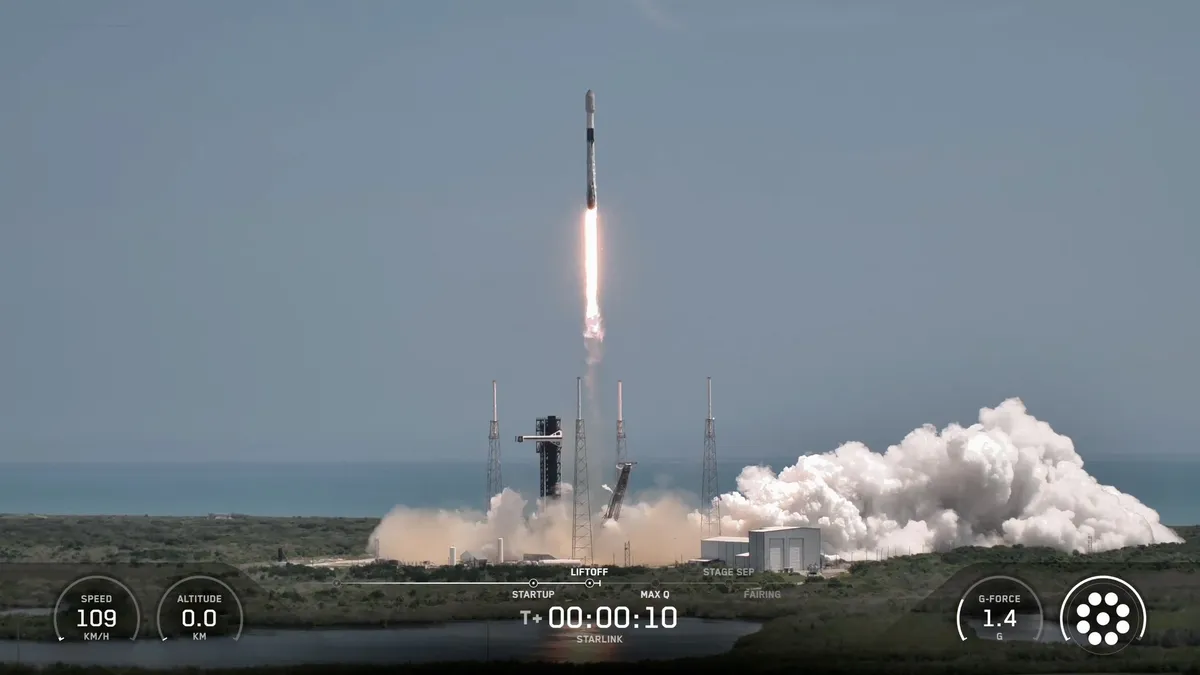
A Falcon 9 booster flying its 18th mission delivered 29 Starlink satellites to orbit from Florida.
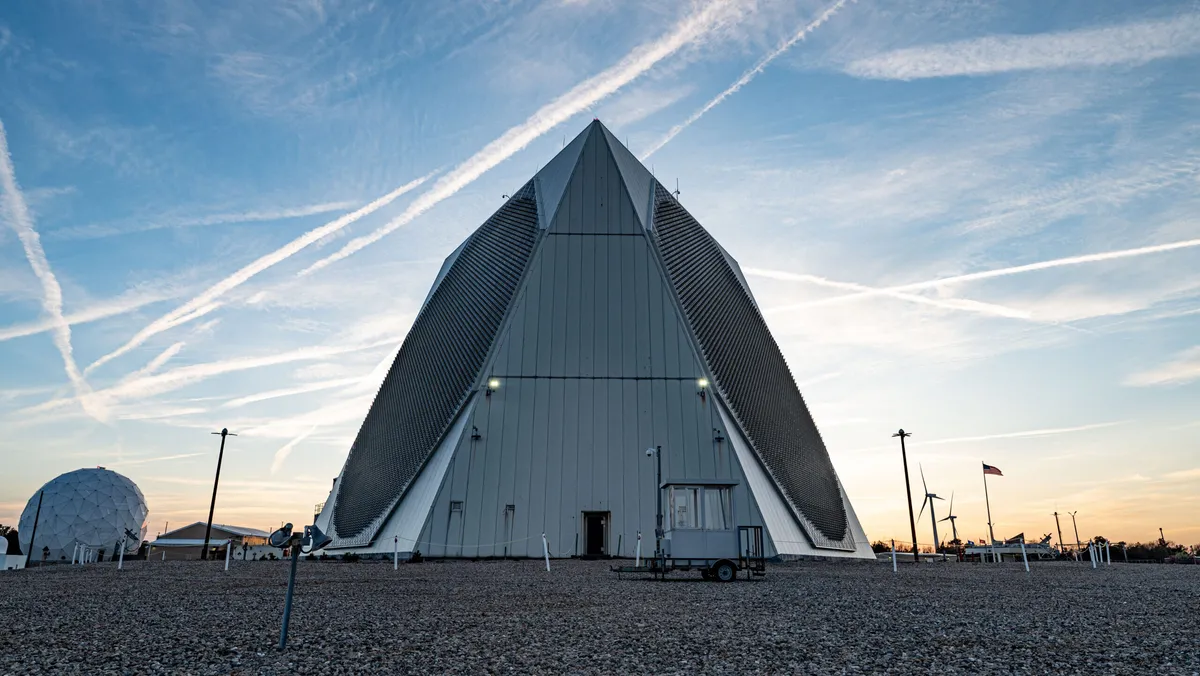
SciTec, a Firefly Aerospace subsidiary, won a $93.7 million Space Force contract to modernize ground-based radar.
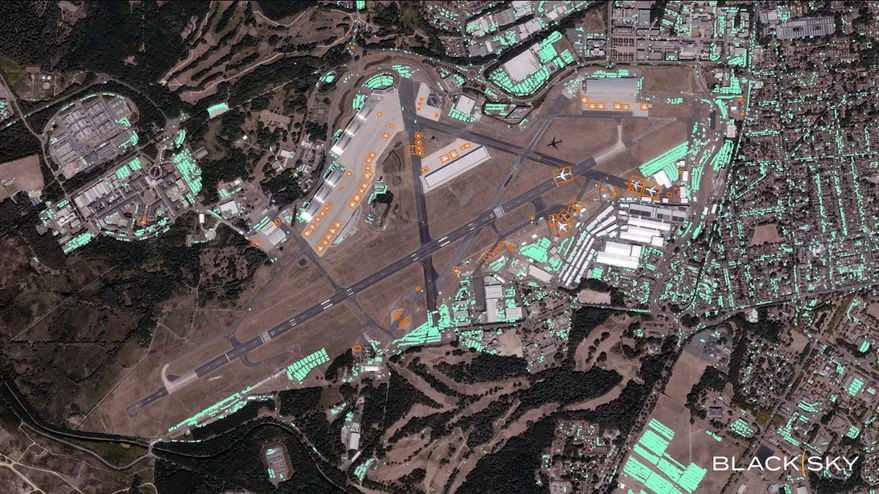
BlackSky converted a pilot program into a seven-figure, multiyear international imagery contract.

Retired Space Force Lt. Gen. John Shaw joined Lunar Outpost's board, representing investor Industrious Ventures.
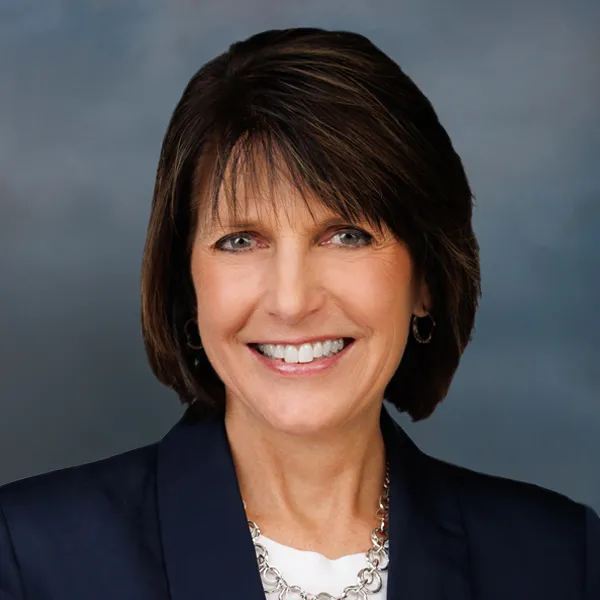
Proteus Space elevated former Space Force CTIO Kim Crider from advisor to its board of directors.
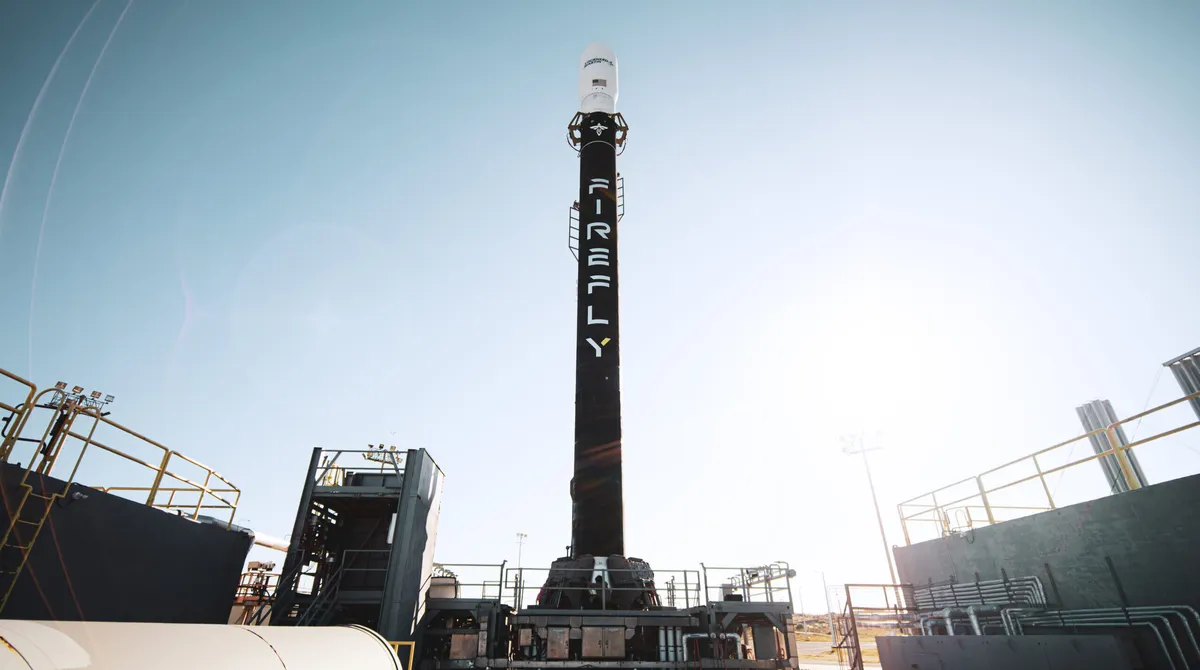
Firefly and Lockheed Martin extended their multi-launch deal to up to 25 Alpha flights through 2031, on the upgraded Alpha Block II rocket.
Marlink agreed to buy Global RadioData Communications, a UK satellite and RF comms specialist serving the UK Ministry of Defence and NATO.
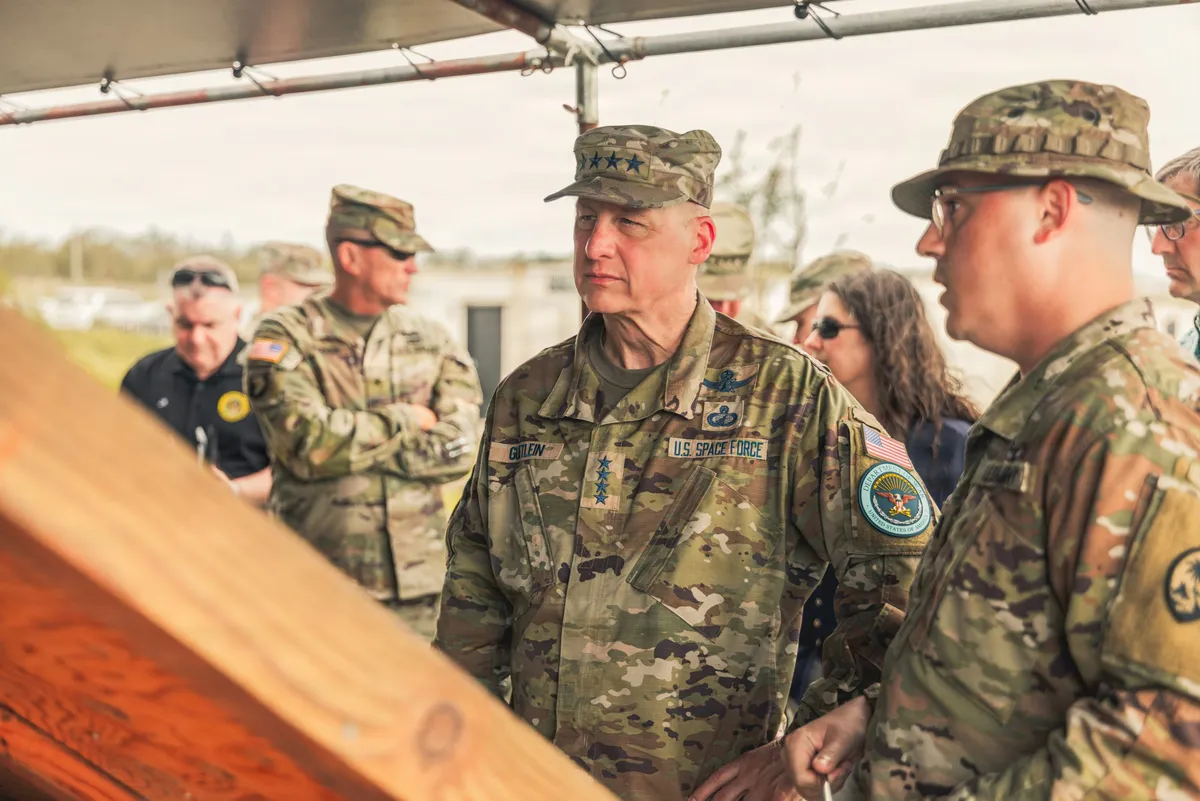
Golden Dome opened a public web portal letting companies submit concepts and access unclassified program data before formal solicitations.
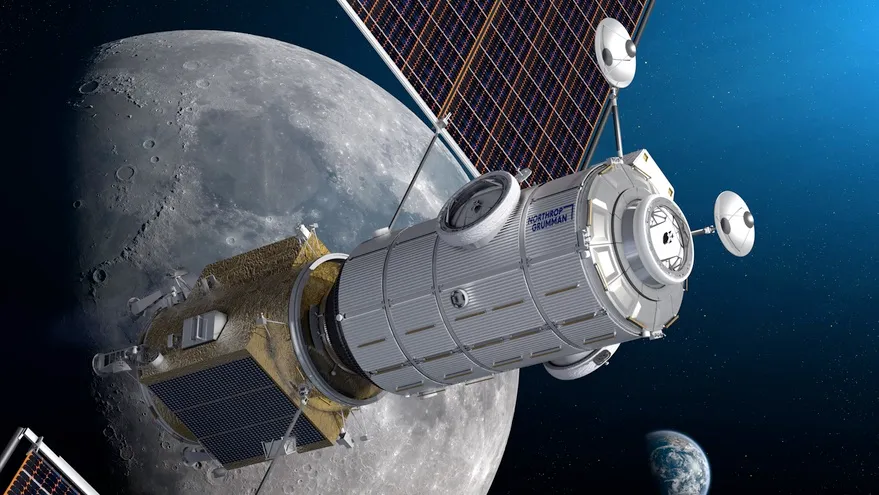
Paragon Space Development laid off staff after Northrop Grumman terminated its NASA Gateway life-support subcontract.
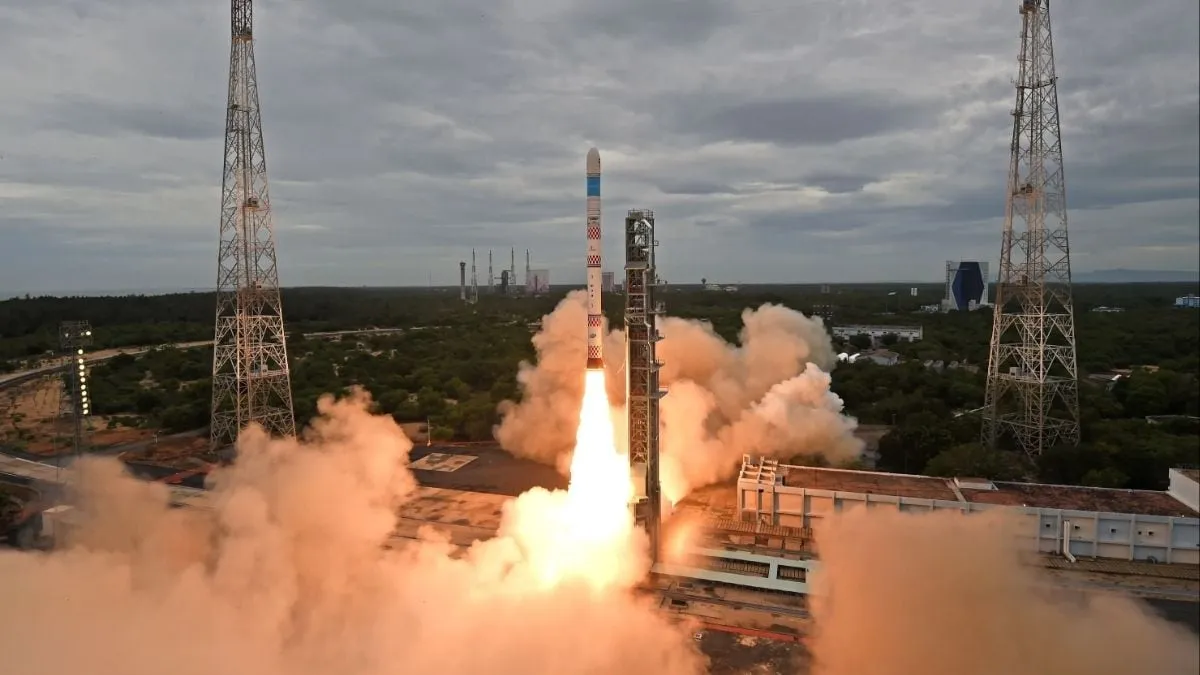
ISRO's redesigned SSLV solid booster passed a static test, expected to add about 100 kg of payload capacity.
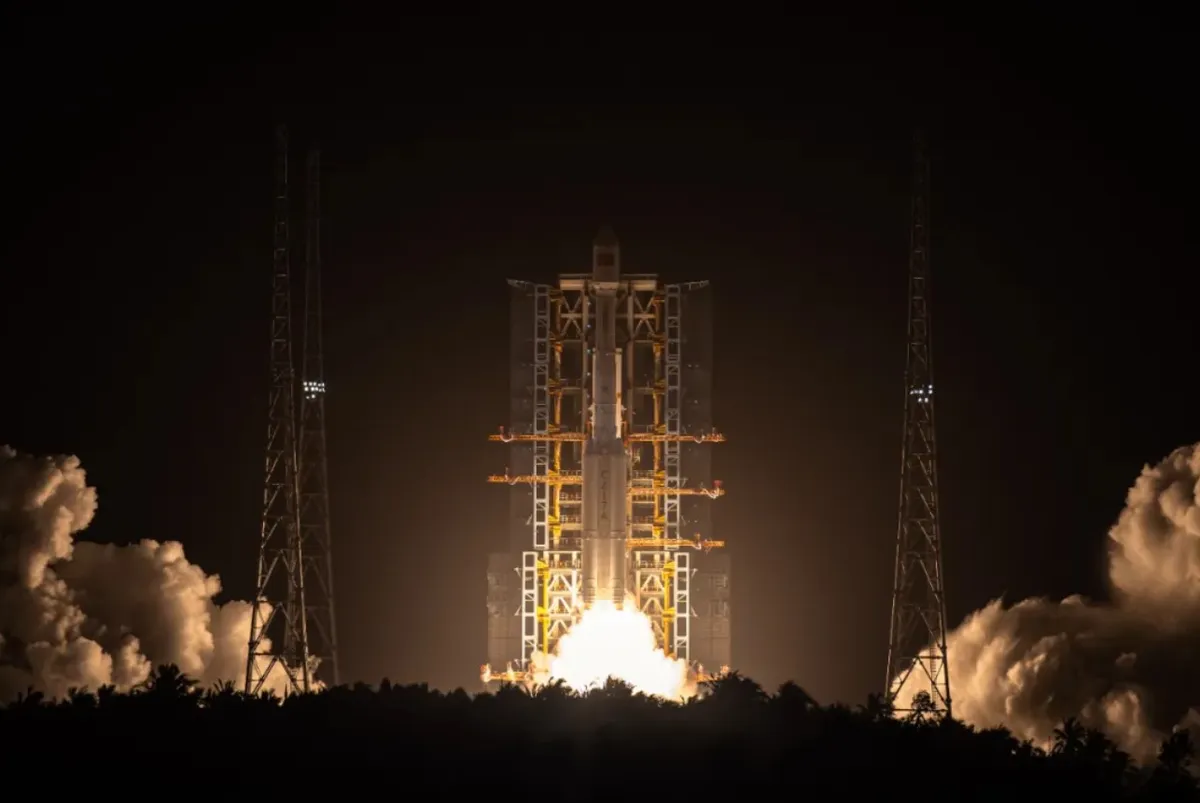
A Long March 7A carrying the ChinaSat-4B communications satellite exploded about 85 seconds into flight from Wenchang.
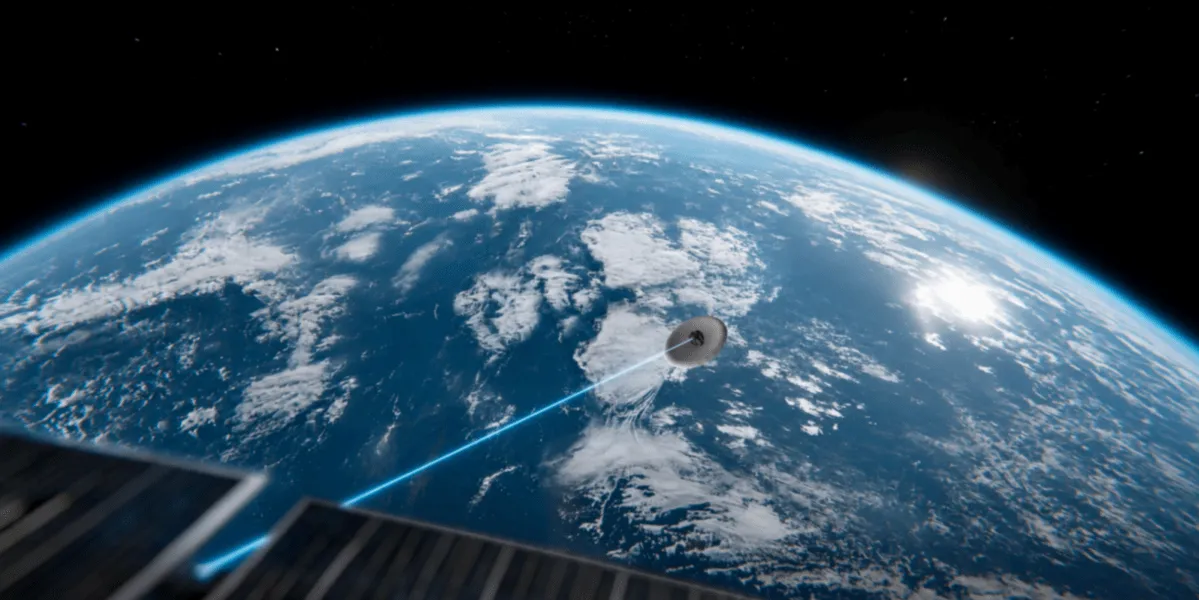
The companies signed an MOU to demonstrate a 2.5 Gbps optical link between a reentry capsule and an orbiting satellite in 2027.
Planet's near-daily imagery is now available to Rwandan government agencies, universities and startups under a new national program.
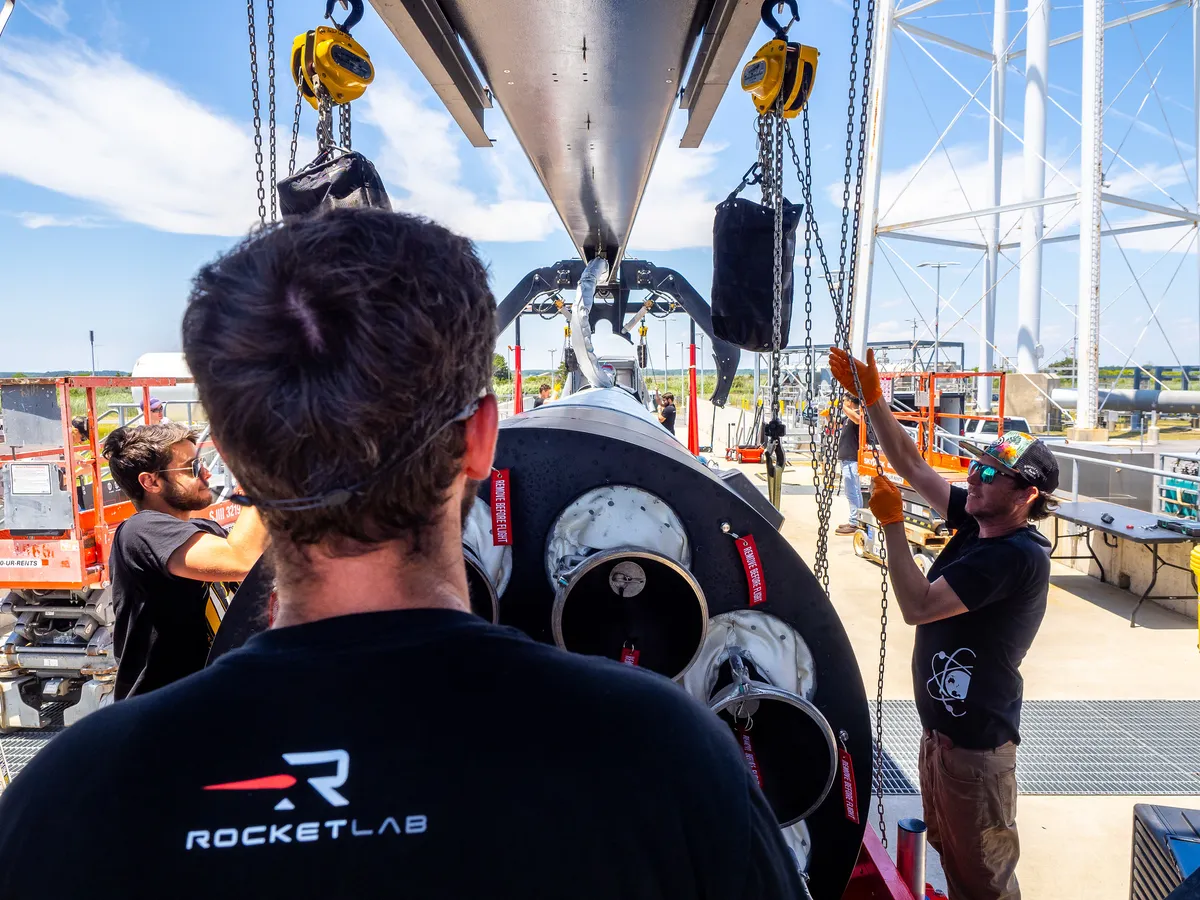
Rocket Lab's new shipping-container launch infrastructure will let it stand up Electron and HASTE pads anywhere, debuting in Alaska in 2027.
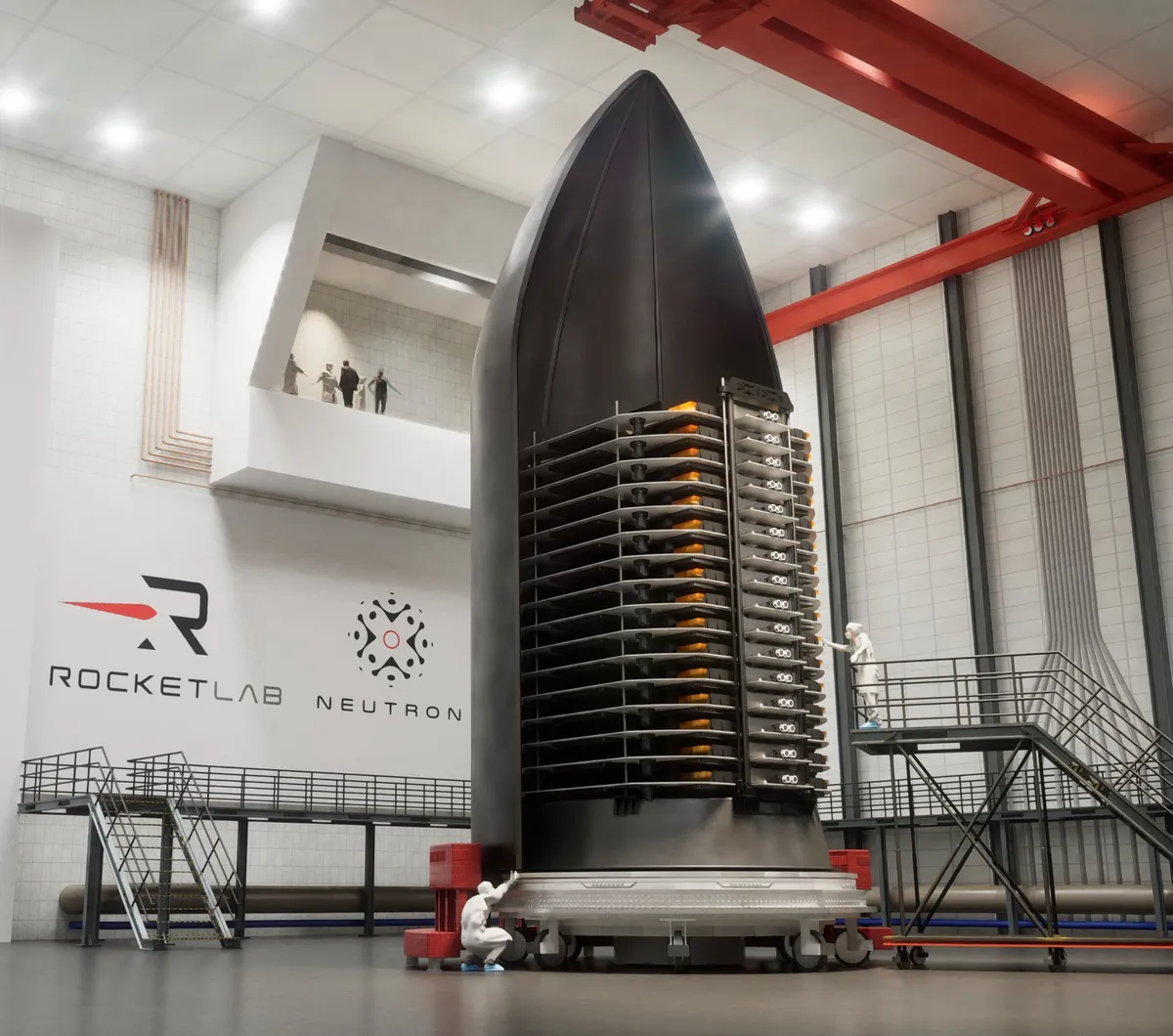
Kepler signed its first dedicated launch vehicle mission, booking a Rocket Lab Neutron flight from Virginia no earlier than 2028.
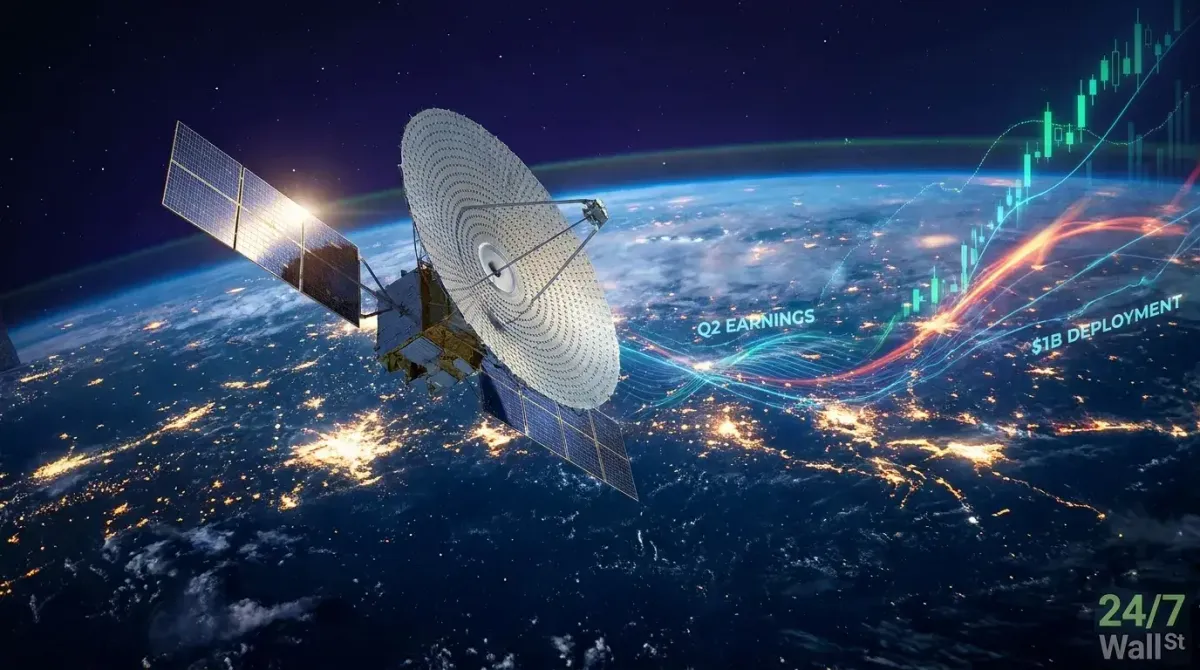
AST SpaceMobile's Q2 net loss widened to $230.9 million, driven partly by a $125.9 million write-off tied to the lost BlueBird 7 satellite.
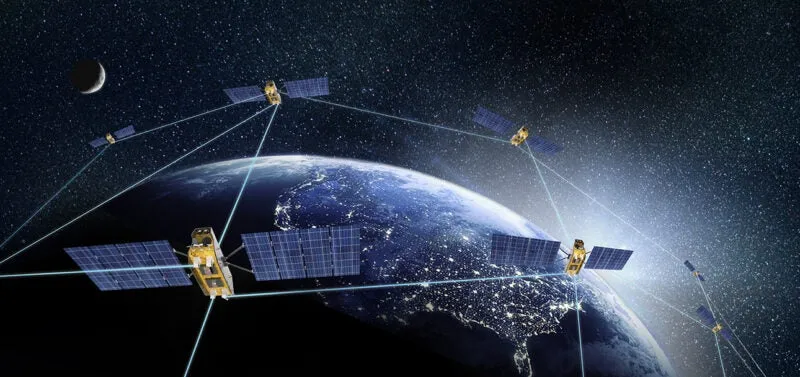
Voyager Technologies won a Space Force contract to develop space-to-space communications; value undisclosed.
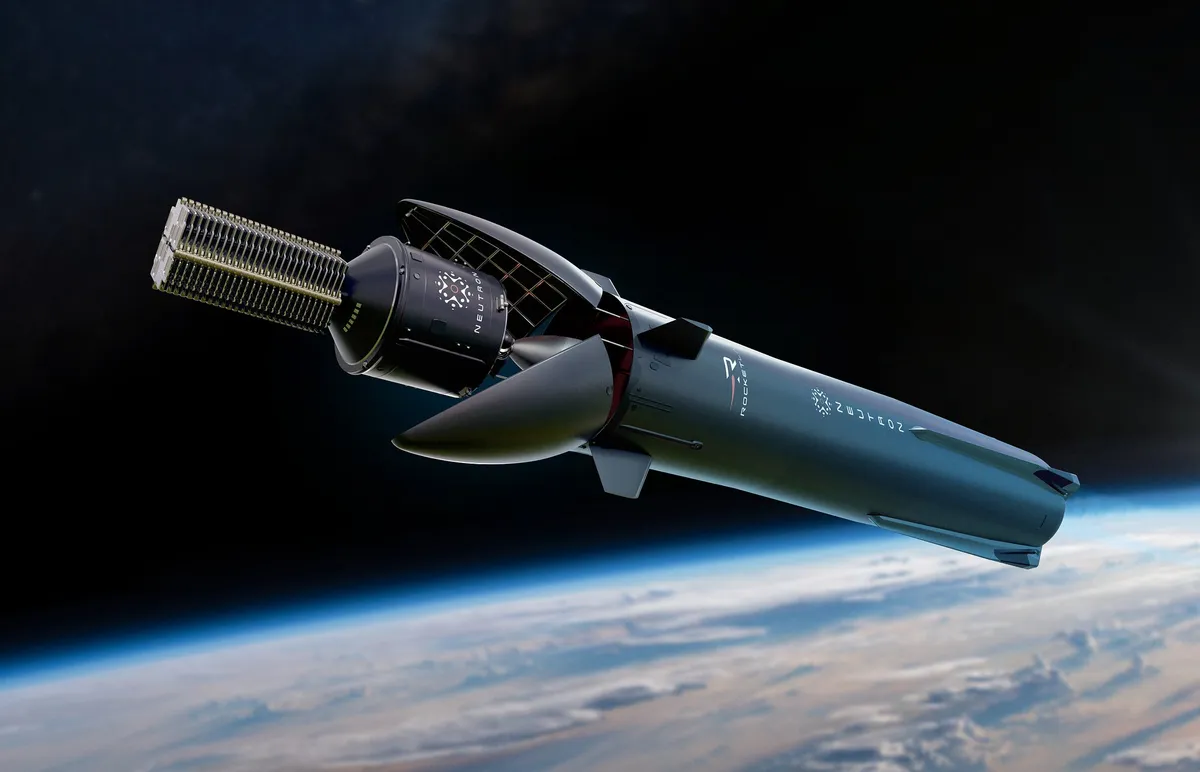
Rocket Lab CEO Peter Beck said Neutron's window for an end-of-year 2026 debut is narrowing and may slip to 2027.
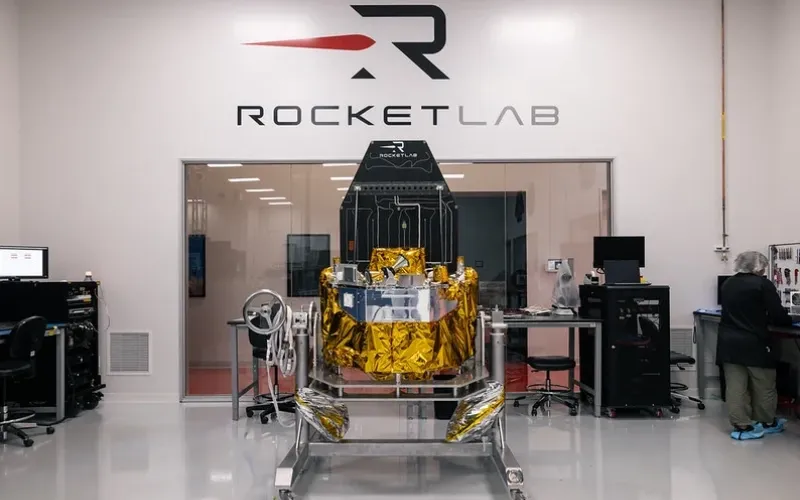
Rocket Lab launched a Munich-based German subsidiary to build a regional hub for satellite manufacturing and European launch sales.

ESA's Aschbacher tells the Financial Times Europe's launch capacity won't meet demand by 2030, and wants developers to price expansion.
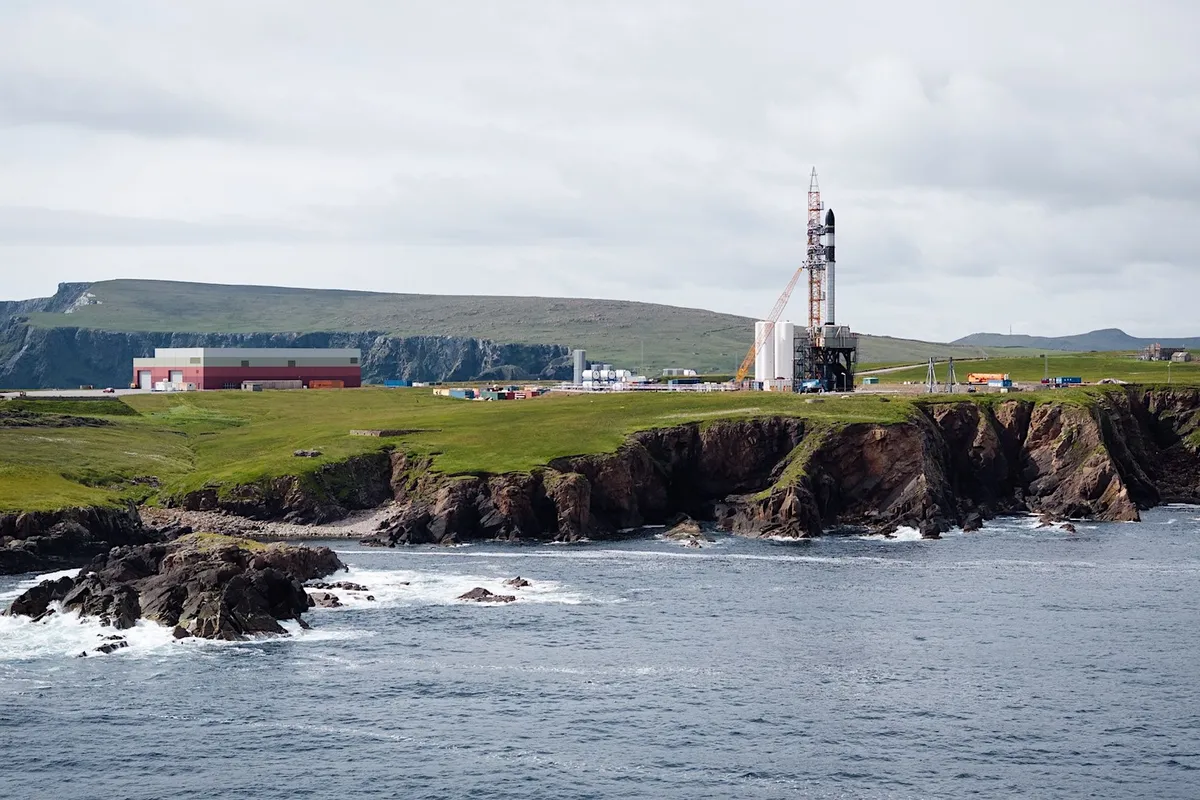
RFA de-stacked its rocket to investigate an issue, forcing SaxaVord to cancel its planned launch-window traffic orders.

The European Commission and SpaceRISE concluded a deal adding 66 satellites to IRIS2, taking the program to EUR15.6 billion.
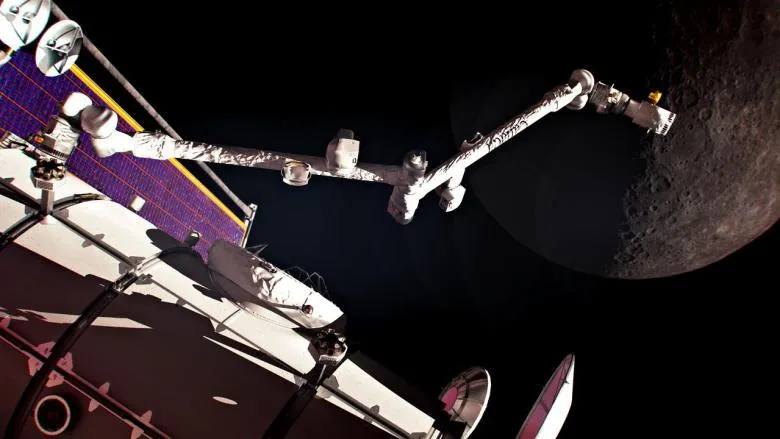
CSA will keep funding MDA Space's Canadarm3 program, repurposed from Gateway to lunar surface robotics and commercial LEO stations.
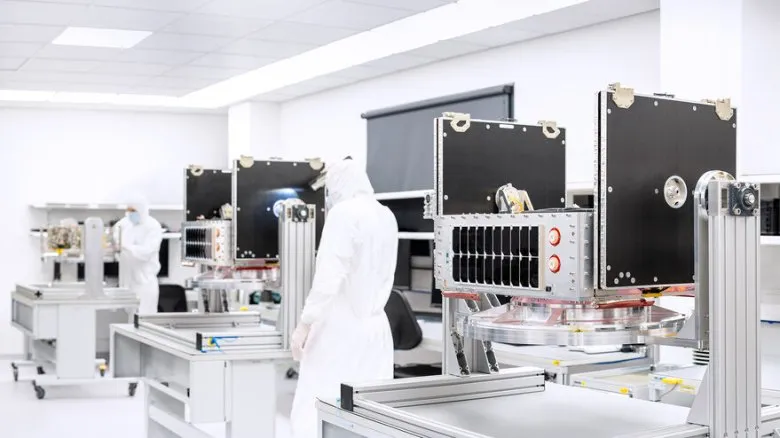
Kreios Space will fly its air-breathing electric propulsion system on a NanoAvionics satellite bus in 2027.
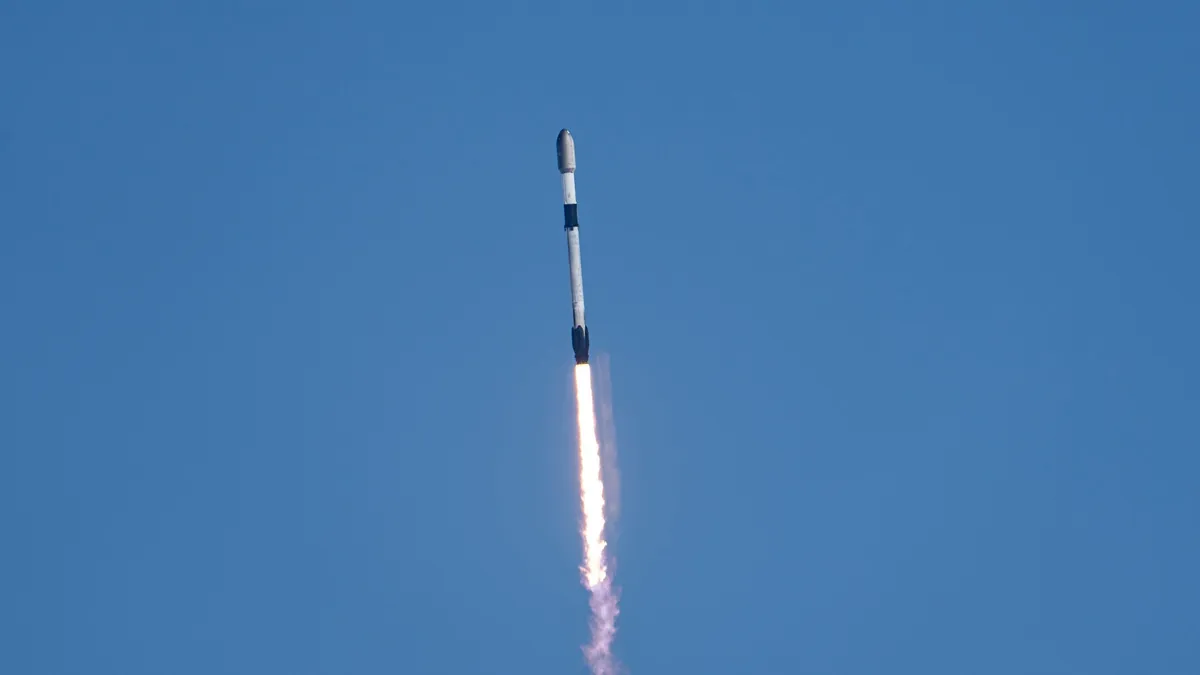
A routine Falcon 9 batch from California deployed 24 more Starlink satellites; the booster completed its 16th flight.
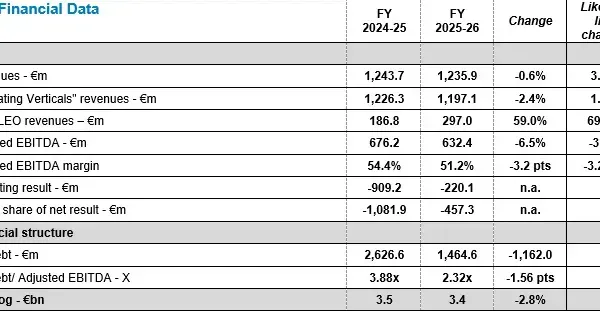
Eutelsat's full-year results show LEO connectivity revenue up 69.5% to EUR297 million, now a quarter of total revenue.
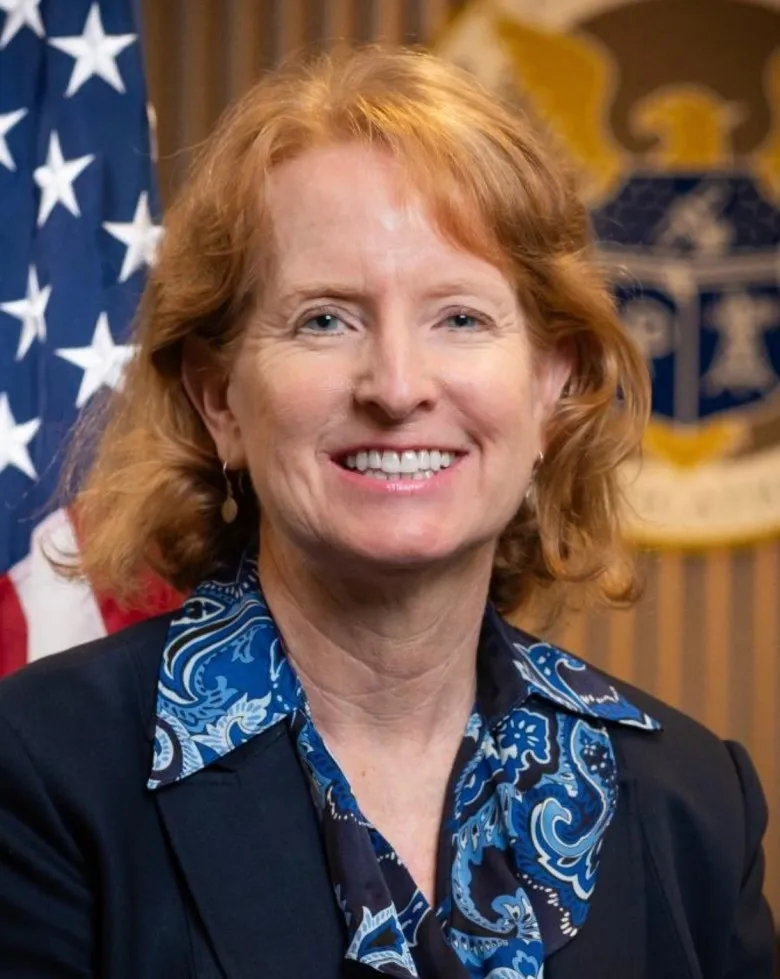
Jennifer Gilsenan becomes acting FCC Space Bureau chief as Jay Schwarz retires after 18 months leading the bureau, per SpaceNews.
Indian in-space-servicing startup Aule Space became the first non-government user of ISRO's Rendezvous Simulation Laboratory.
SES cleared a key IRIS² milestone and confirmed up to €1.35 billion to build 18 medium-orbit satellites for the EU program.
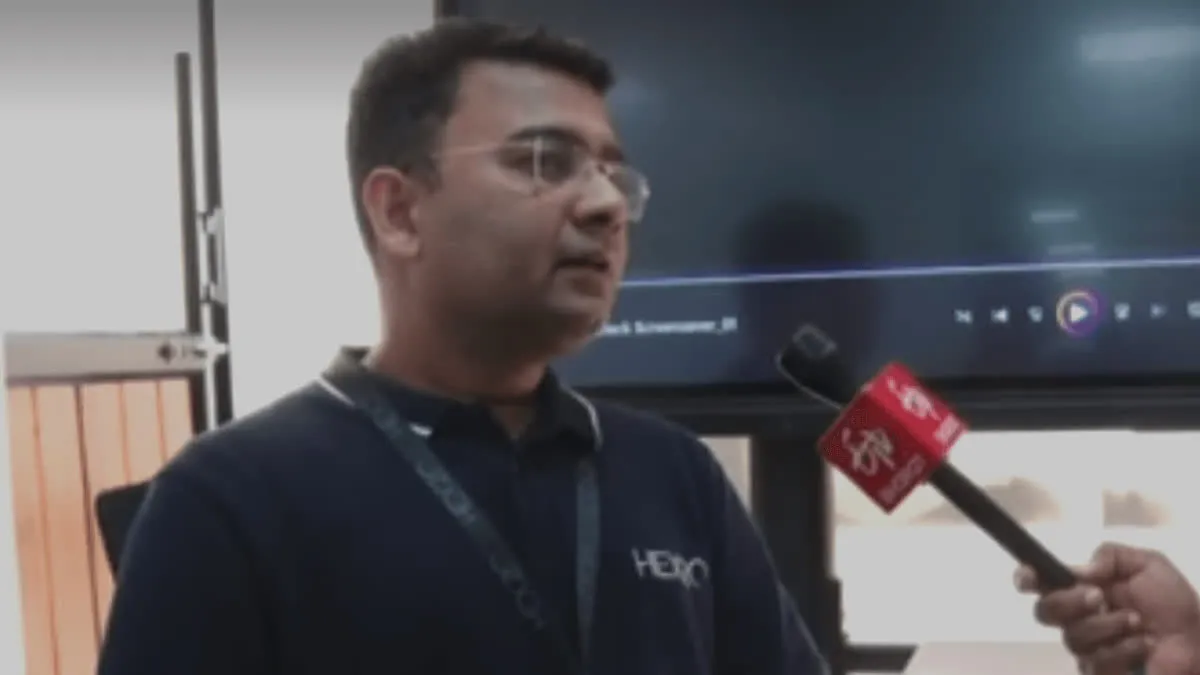
Skyroot Aerospace will fly three dedicated Vikram missions carrying HEX20's Nila-3, MAYA-V and DINK-N satellites starting late 2027.
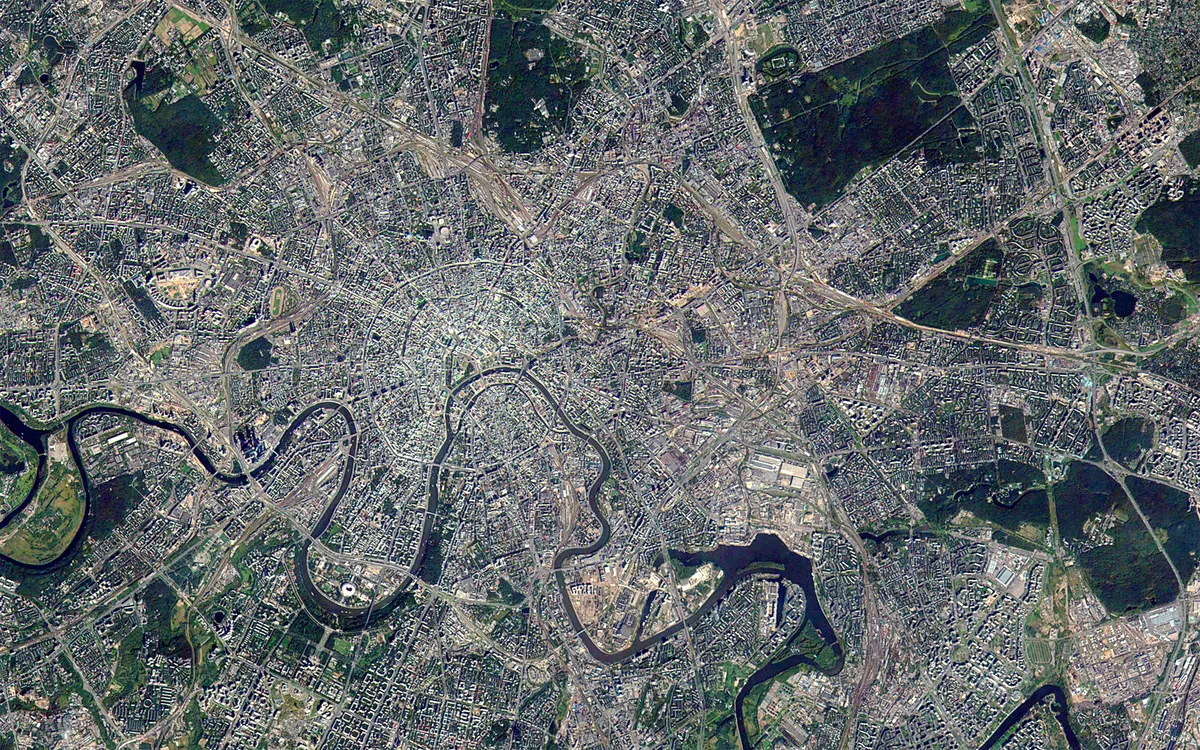
The EU sanctioned NII TP's director general and other Russian defense-industry executives for supporting the war in Ukraine.

Space Systems Command awarded Rocket Lab $266 million for 12 HASTE suborbital launches from Alaska, with an option for six more.

FCC proposes letting Wi-Fi, Bluetooth and IoT devices link directly to satellites across 225+ MHz of unlicensed spectrum.
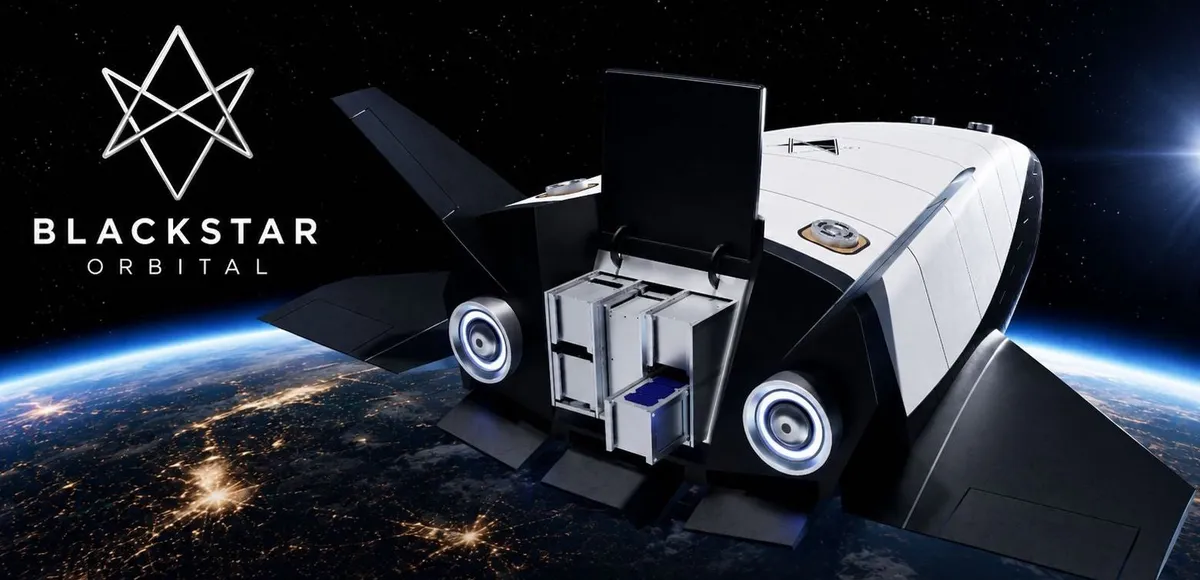
The reusable-spaceplane startup will merge with Pono Capital Four, targeting a Q1 2027 close.
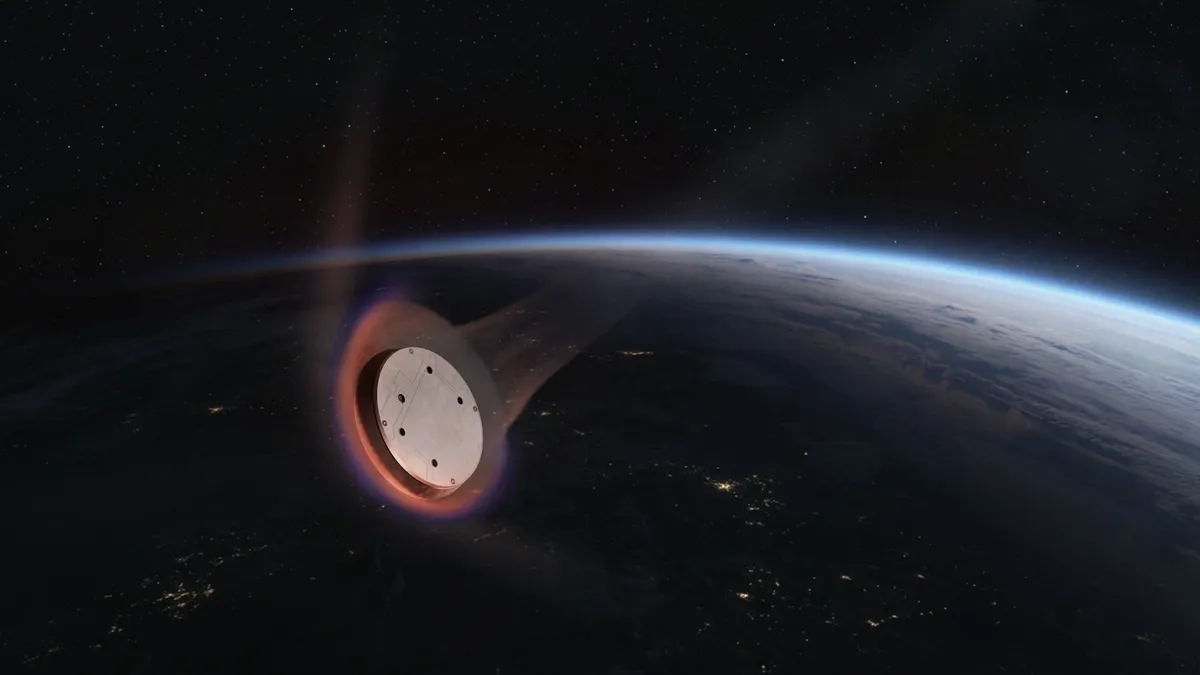
SpaceMD will fly up to 32 PIL-BOX pharmaceutical experiment packages on a dedicated late-2028 Starfall mission.
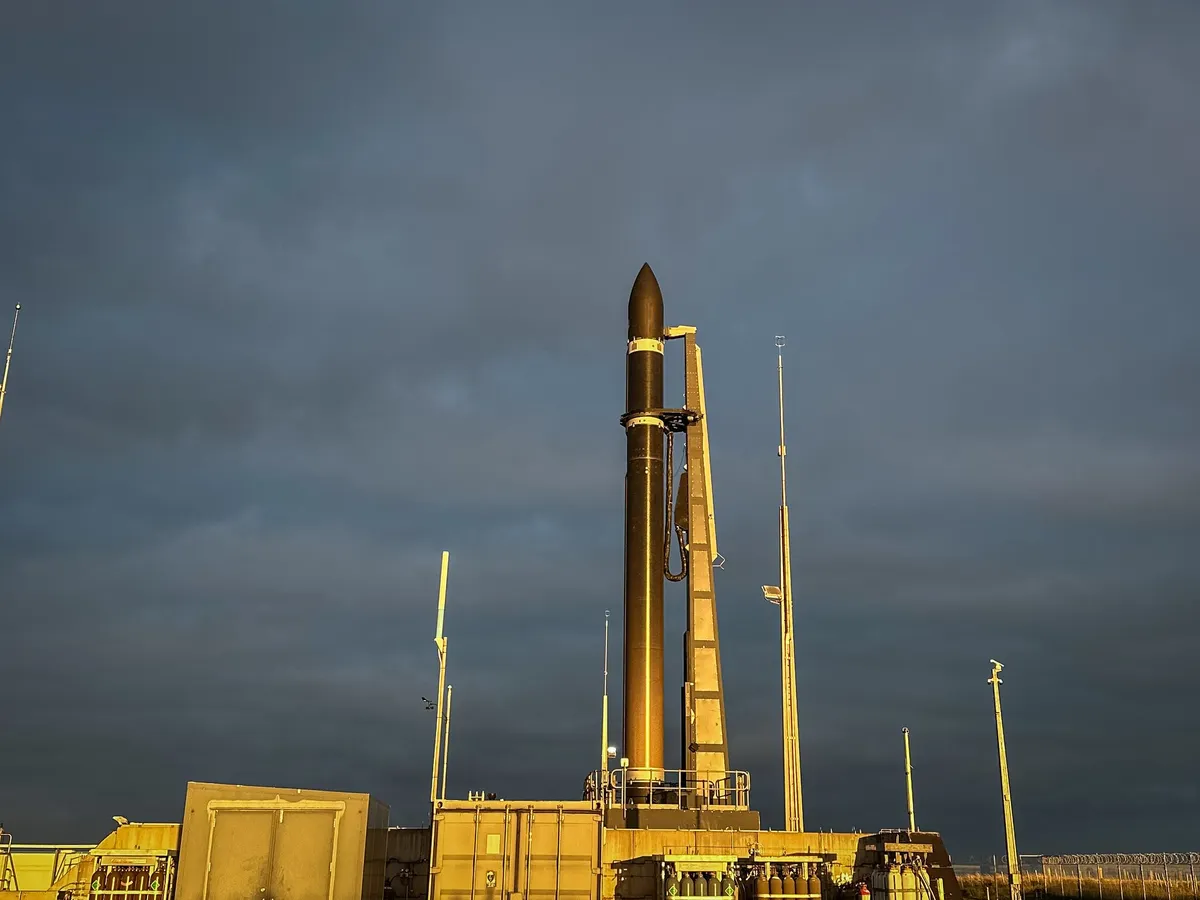
Electron deployed iQPS's QPS-SAR-13 satellite, Rocket Lab's 92nd orbital mission, five weeks after a launch abort.
Space-based intelligence revenue rose 36% as BlackSky's Gen-3 constellation adoption accelerated.
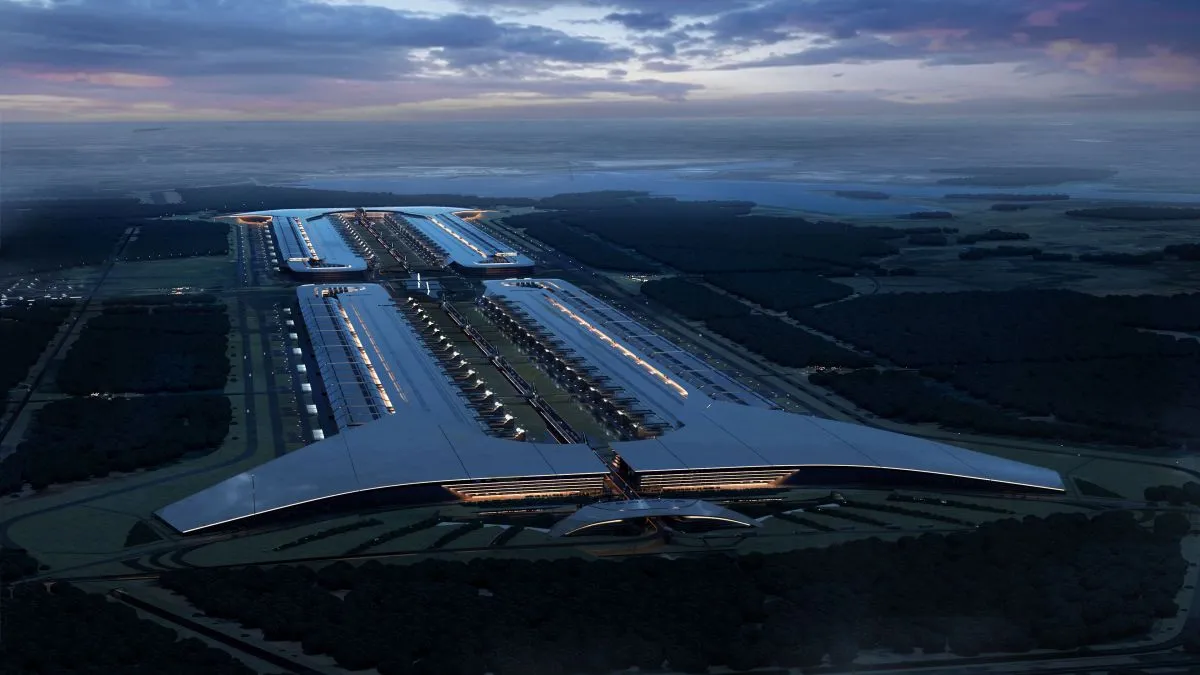
The joint venture's Grimes County, Texas complex will make AI chips for Tesla robots and SpaceX's planned space-based data centers.
Gilat says its patent-pending AI system canceled satellite-link interference at up to 10x conventional performance.
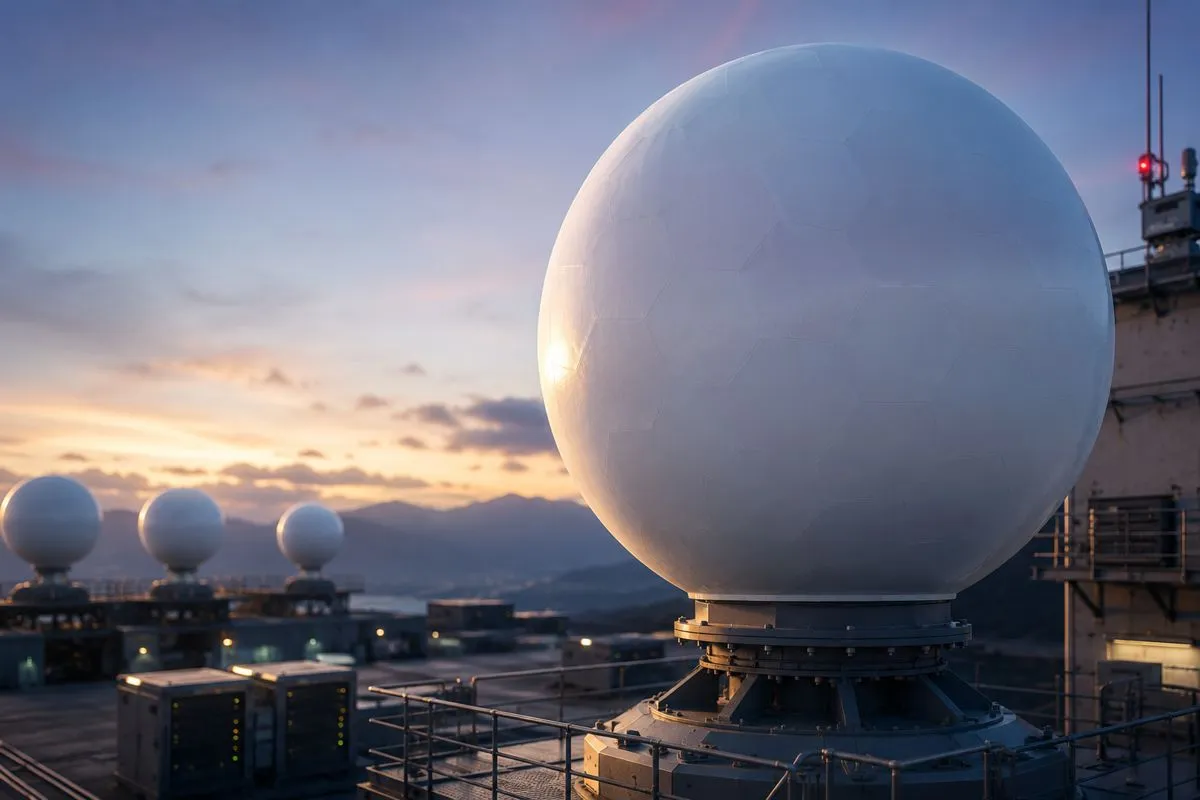
The new process lets MatSing produce Luneburg lens antennas at apertures and frequencies it says were previously lab-only.
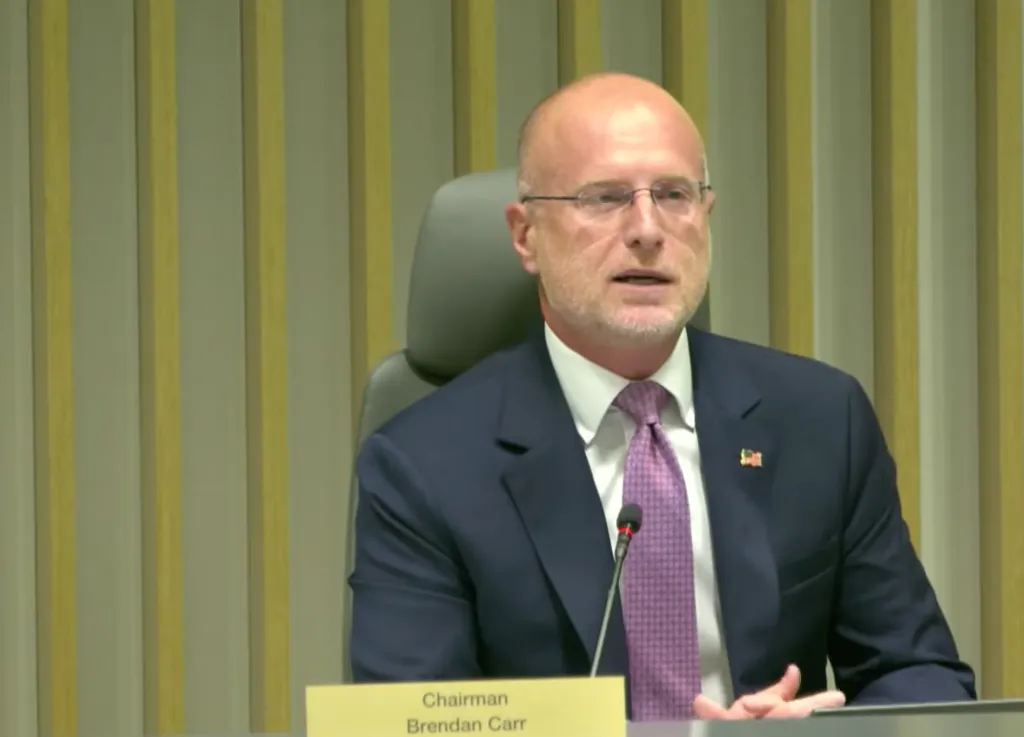
The FCC unanimously adopted a rulemaking exploring ~200 MHz of unlicensed Wi-Fi and IoT spectrum for direct-to-device satellite service.

The Senate passed Sen. Gary Peters' bill requiring Commerce to set up a panel advising on commercial space policy.

Bulgaria's government signed an MOU with EnduroSat to turn a former air base into a European satellite production hub.
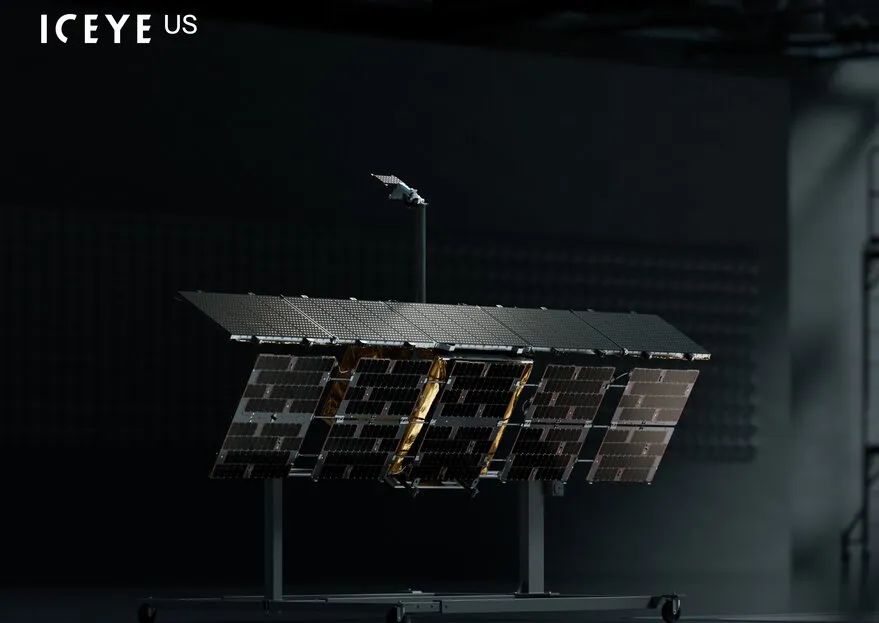
The NRO awarded Capella Space, ICEYE U.S. and Umbra new contracts to expand government use of commercial SAR imagery.
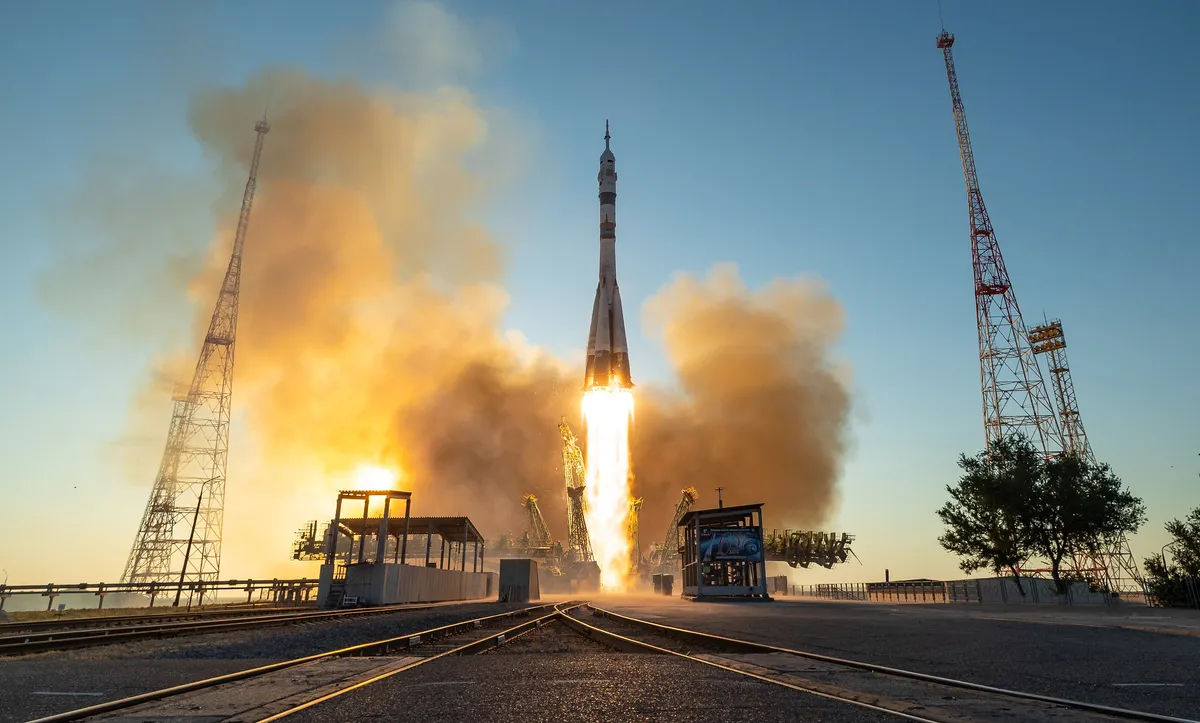
Russia commits to the station's 2030 retirement date, two years past its prior pledge, and keeps its no-cost astronaut seat-swap with NASA.

China's STAR.VISION launched Lampung-1 and Samarkand-2028, sovereign hyperspectral satellites built for Indonesia and Uzbekistan.
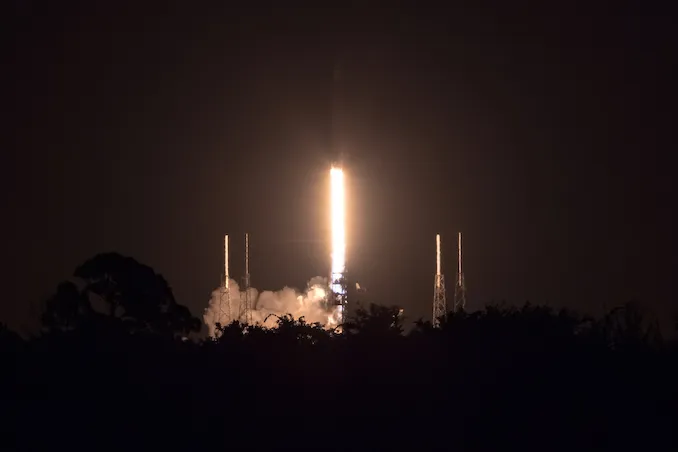
SpaceX launched three new Block 2 BlueBird direct-to-cell satellites for AST SpaceMobile from Cape Canaveral.
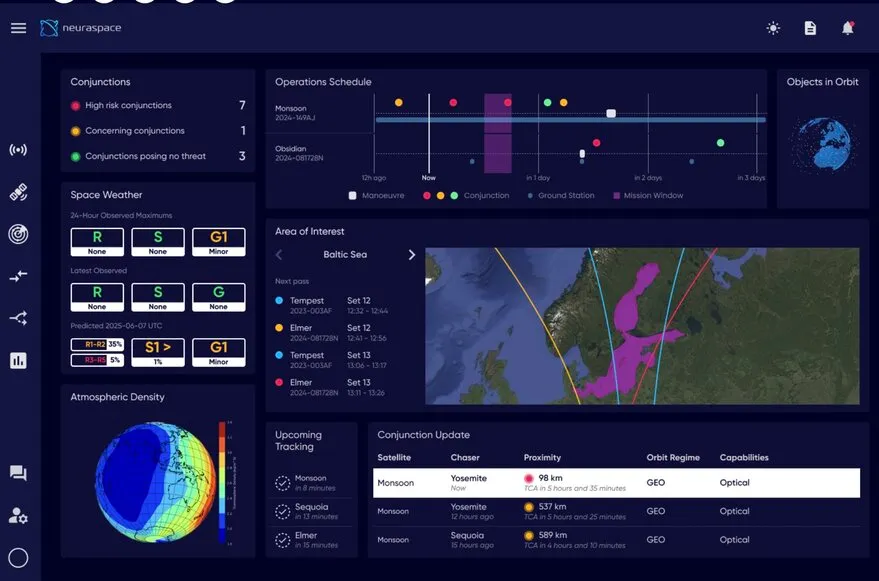
Portugal's Neuraspace secured an $18 million Series B and EU funding round for AI-driven space traffic management.