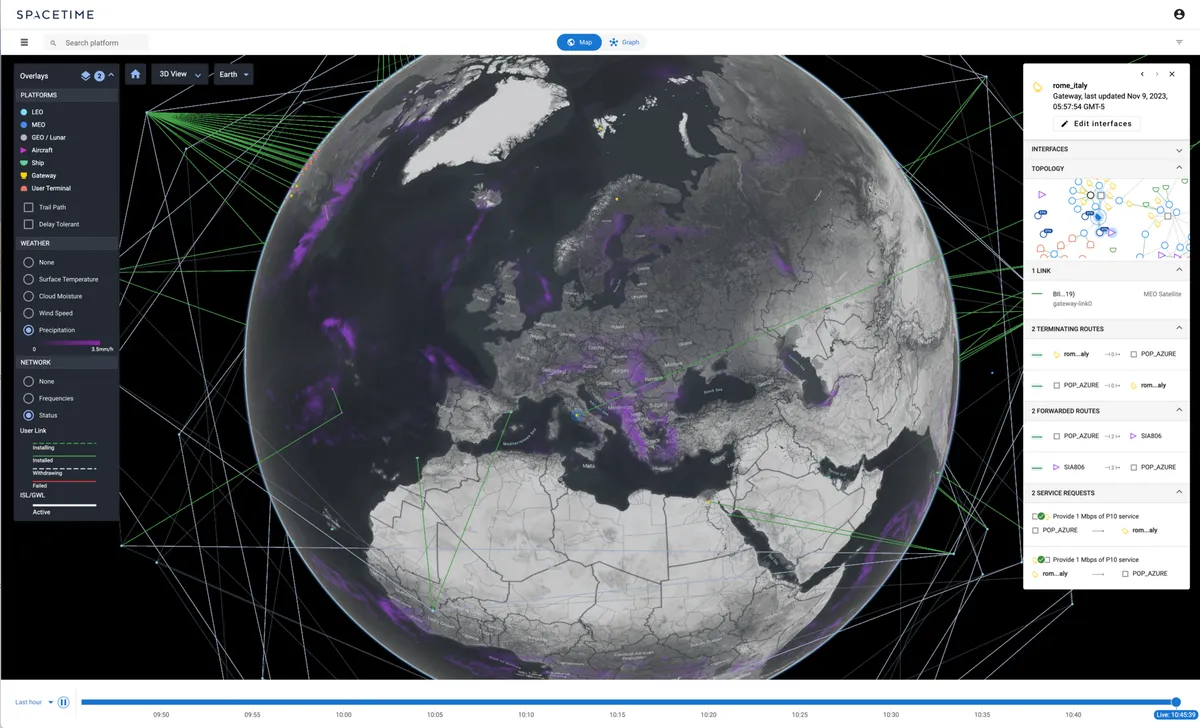
Aalyria wins ESA contract to build deep-space network hub
Aalyria will build ESA's DTN network-operations center at Goonhilly, plugging deep-space links into LunaNet, per Payload.
Aalyria will build ESA's DTN network-operations center at Goonhilly, plugging deep-space links into LunaNet, per Payload.
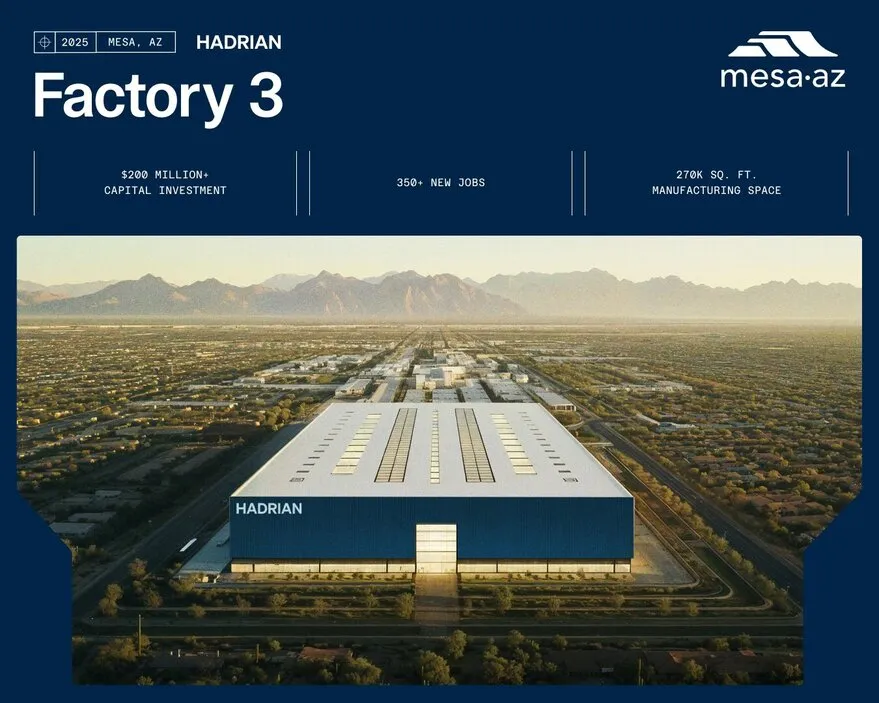
Fortastra and Hadrian will jointly evaluate additive and precision manufacturing methods for Fortastra's satellite buses.
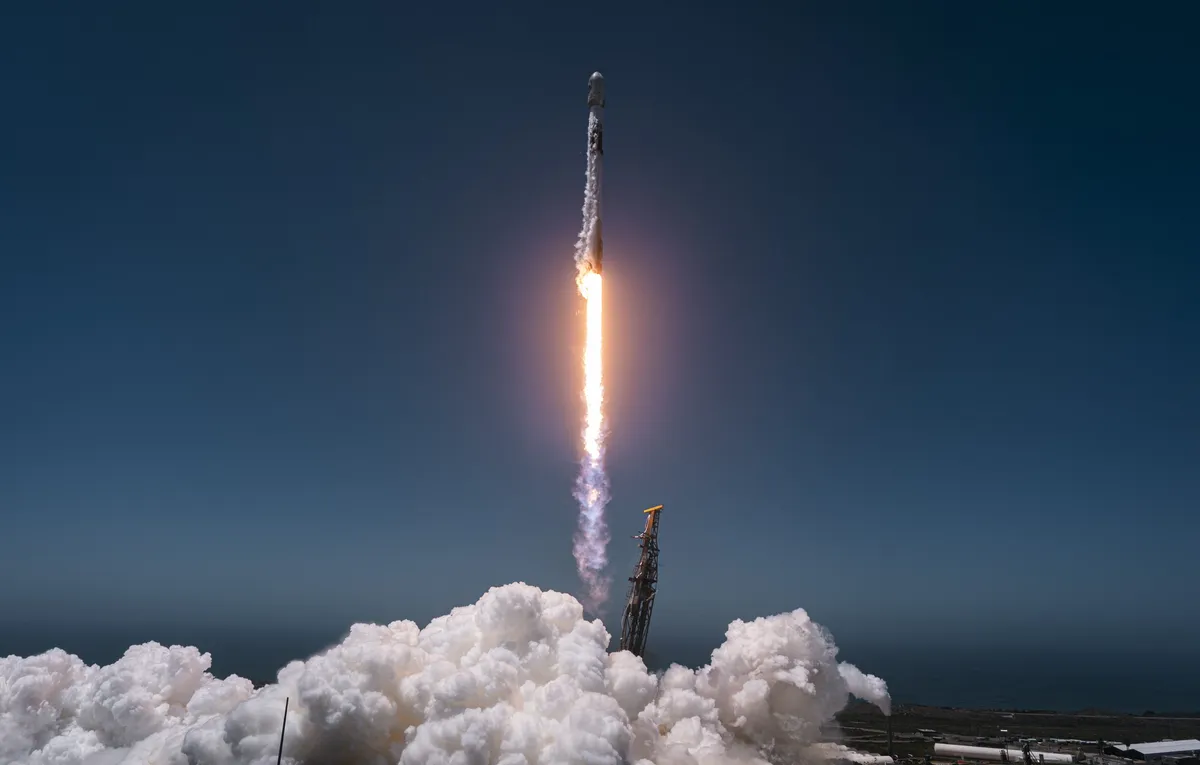
The Space Force ordered 18 Falcon 9 launches through 2027 for missile-tracking, targeting and comms satellites, worth $1.6B.
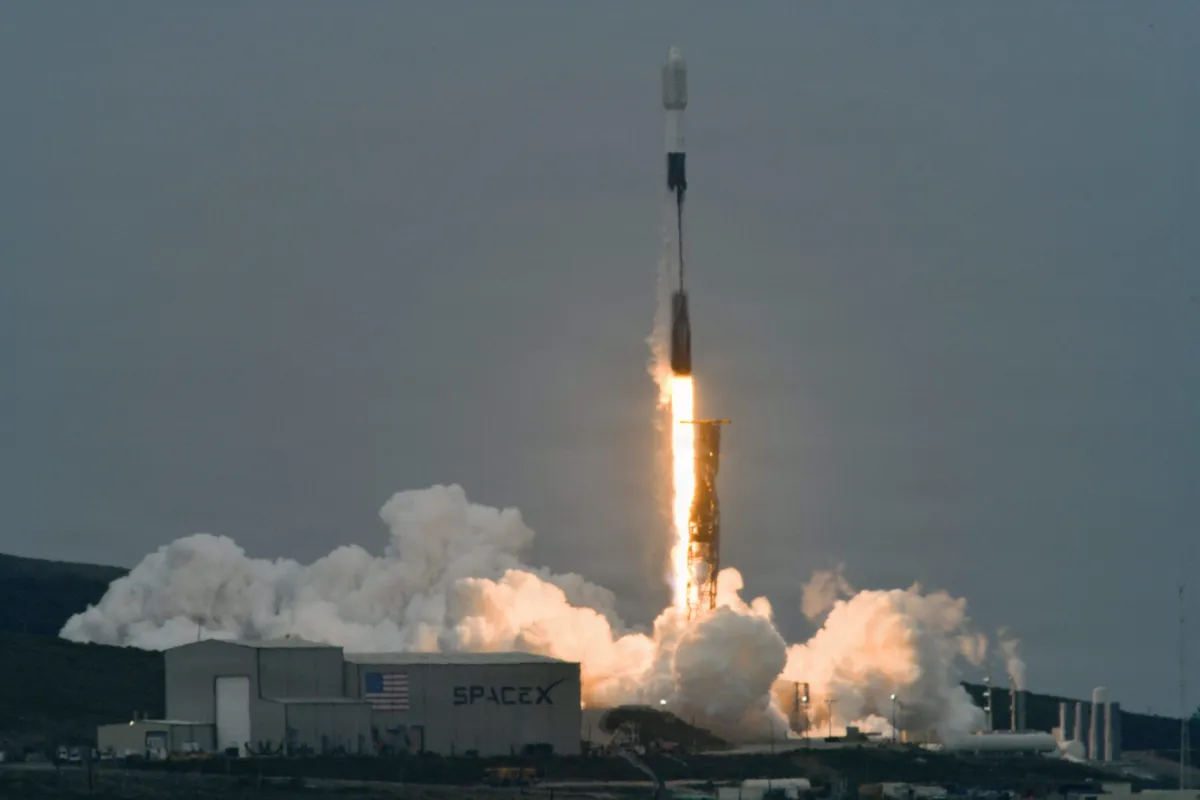
All Points Logistics will build a new satellite processing center at Vandenberg, the largest Space Force award of its kind to date.
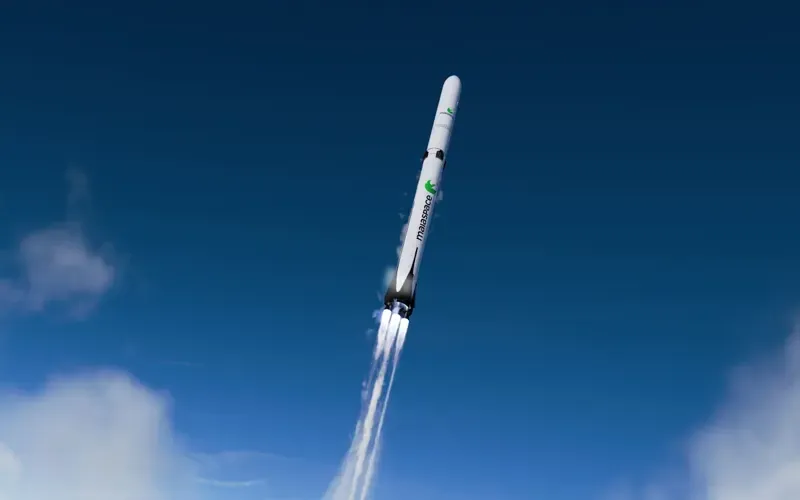
MaiaSpace says ground testing made a suborbital hop unnecessary; Maia's debut now targets an orbital attempt in second-half 2027.
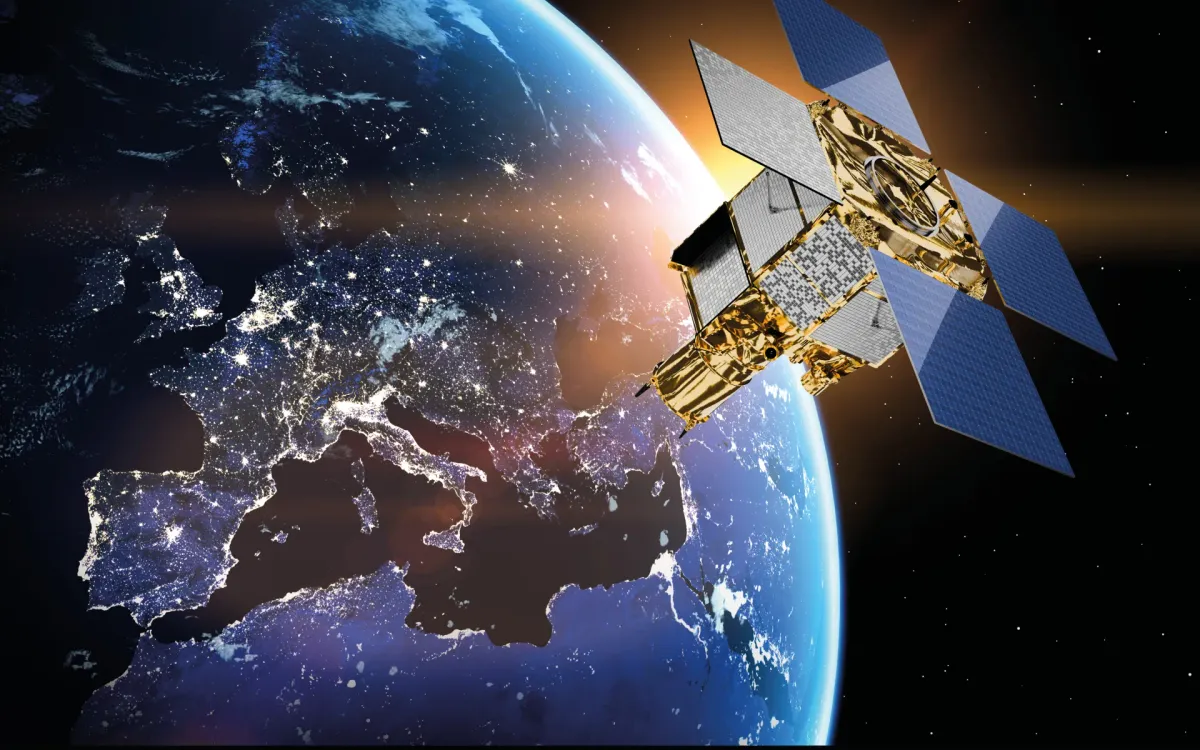
OHB Italia, Thales Alenia Space and Leonardo will build Italy's next hyperspectral satellite, tripling ground resolution to 10 meters.
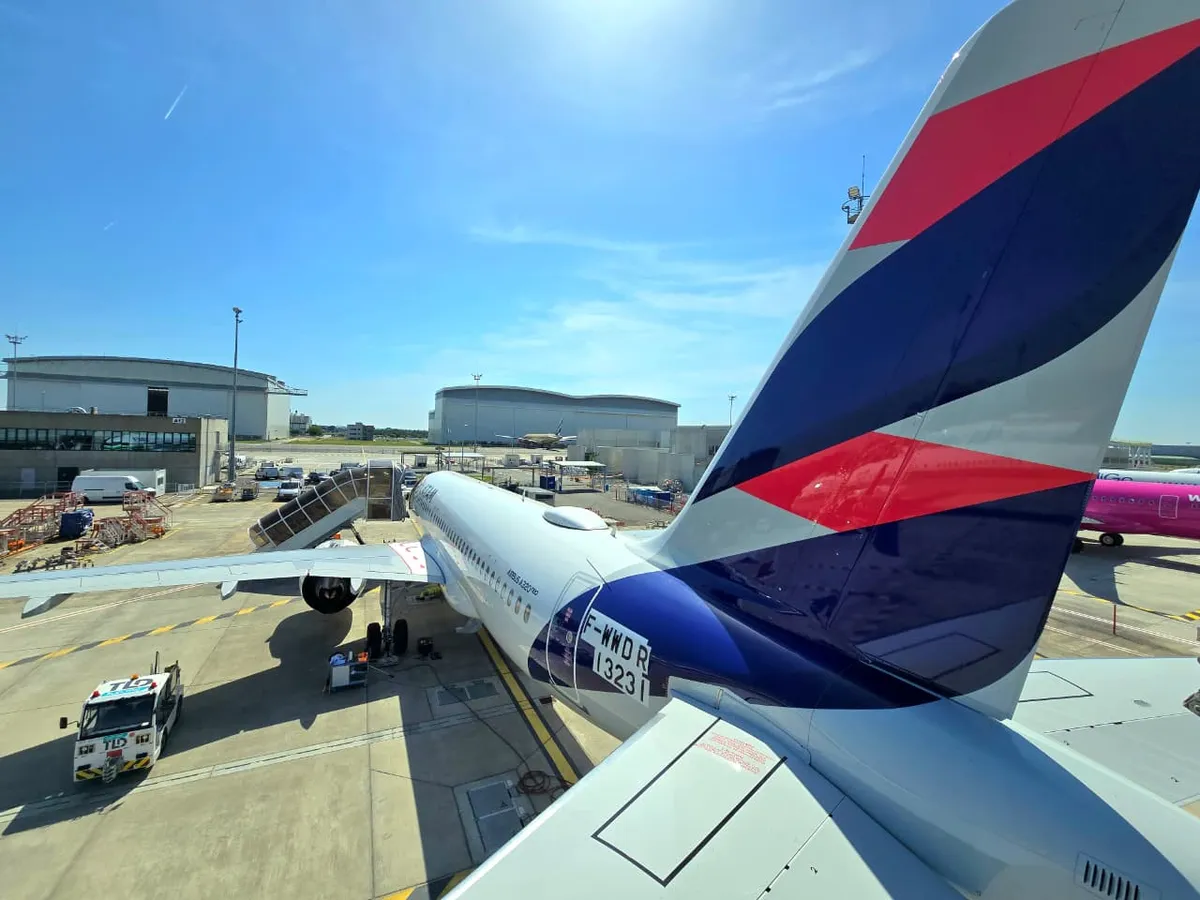
SES will equip 60+ LATAM Airbus and Embraer aircraft with multi-orbit GEO/LEO inflight connectivity using a new low-profile antenna.
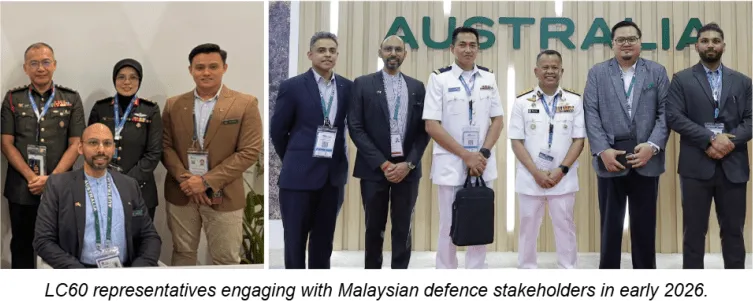
LatConnect 60 unveiled an AI system fusing its planned SWIR imagery with radar and other intelligence for defence buyers.
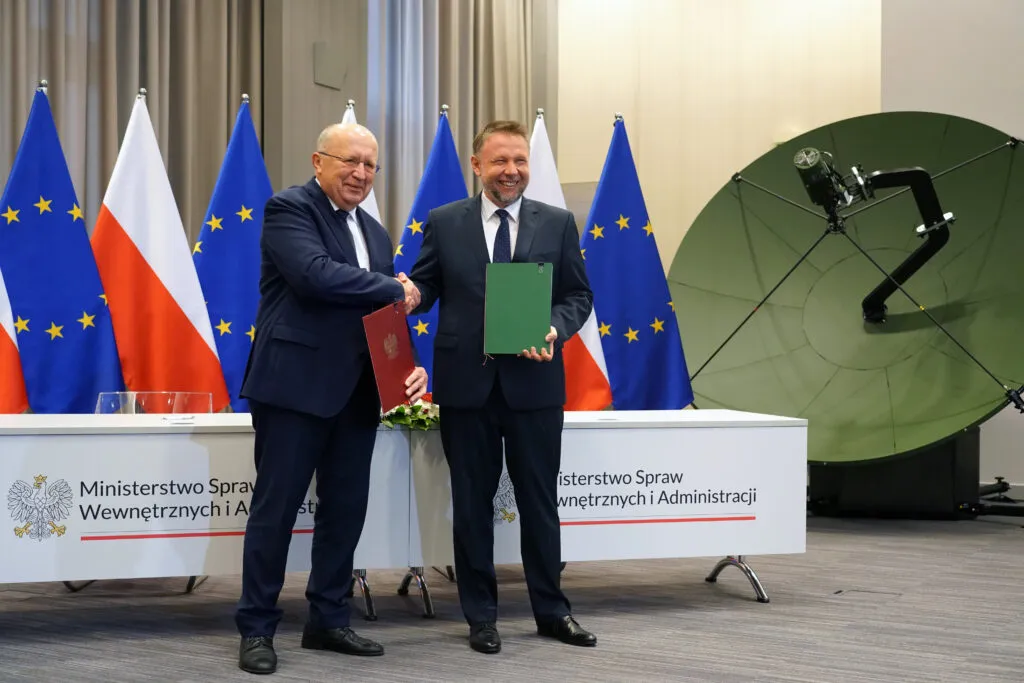
Poland more than doubled its IRIS2 contribution to 656.3 million euros; Eutelsat has now detailed its side of the MoU.
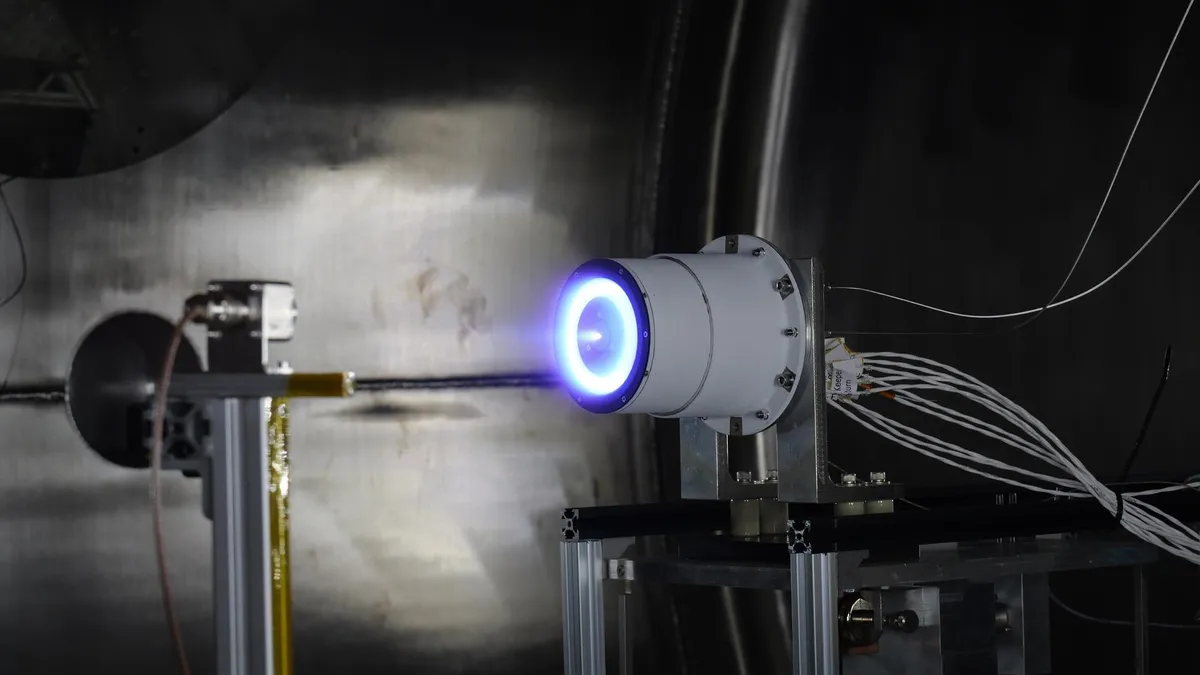
Impulse Space detailed Electra, its first in-house electric propulsion system, built to complement its chemical thrusters.

Orbcomm's Skywave will embed Iridium's Short Burst Data satellite service into its heavy-equipment IoT terminals.
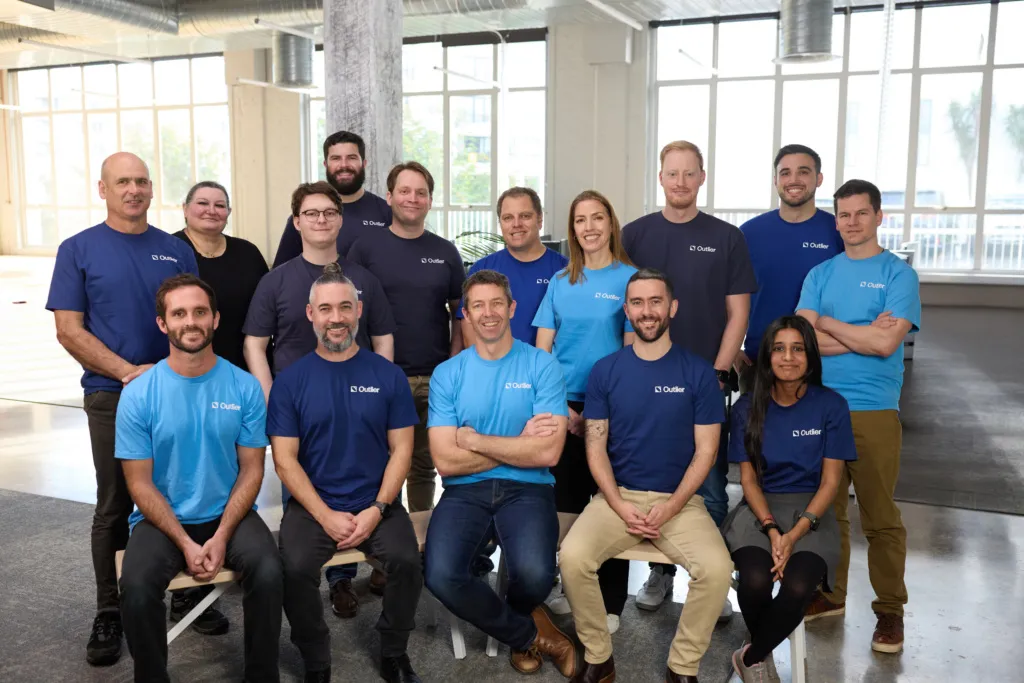
Outlier Space raised $7.35 million pre-seed to build a reusable microgravity return capsule, per Payload.
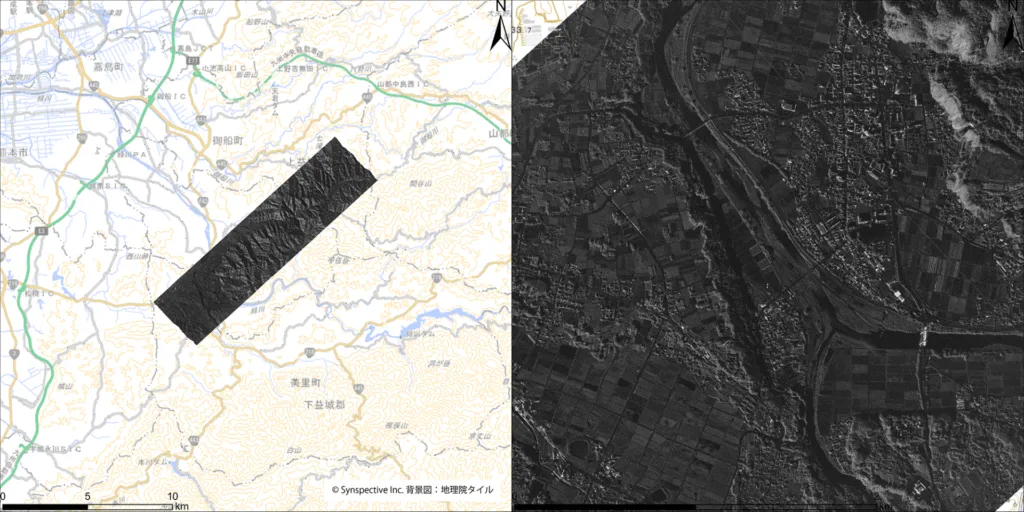
Synspective tasked StriX SAR satellites hours after Japan's July 28 Kumamoto quake, later measuring up to 1m of fault displacement.

EchoStar closed its $20.25 billion spectrum sale to AT&T, funding debt payoff across its satellite and wireless units.

Orbes unveiled its Exo-ORB inspection spacecraft and signed a letter of intent to fly it on Symphony Space's station.
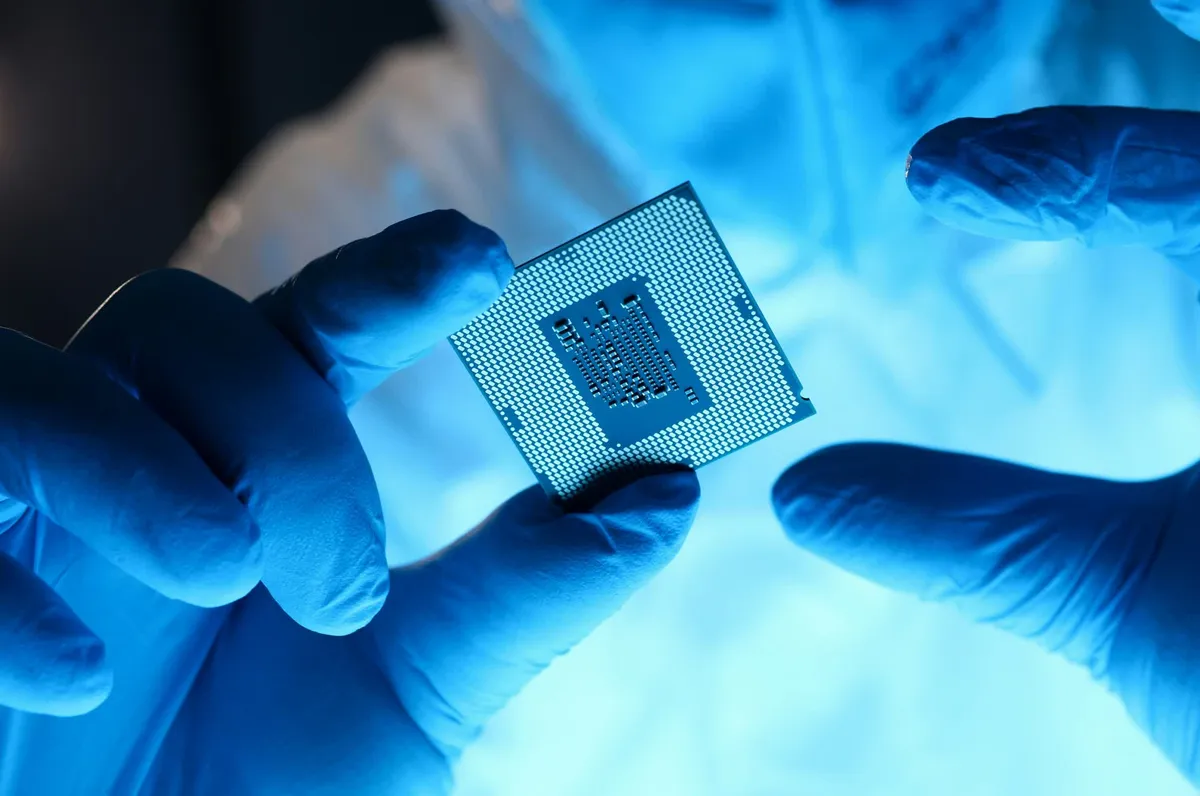
Intel launched Starfire, a radiation-hardened system-on-chip built for onboard satellite AI and data processing.

SES Space & Defense will deliver always-on LEO Relay Services to Starlab's commercial space station via O3b mPOWER.

Sphinx Defense won a $287 million Space Force award for ESS mission planning software, per SpaceNews.
The FCC exempted SpaceX's Starlink routers from its foreign-router ban, granting conditional approval through February 2028.
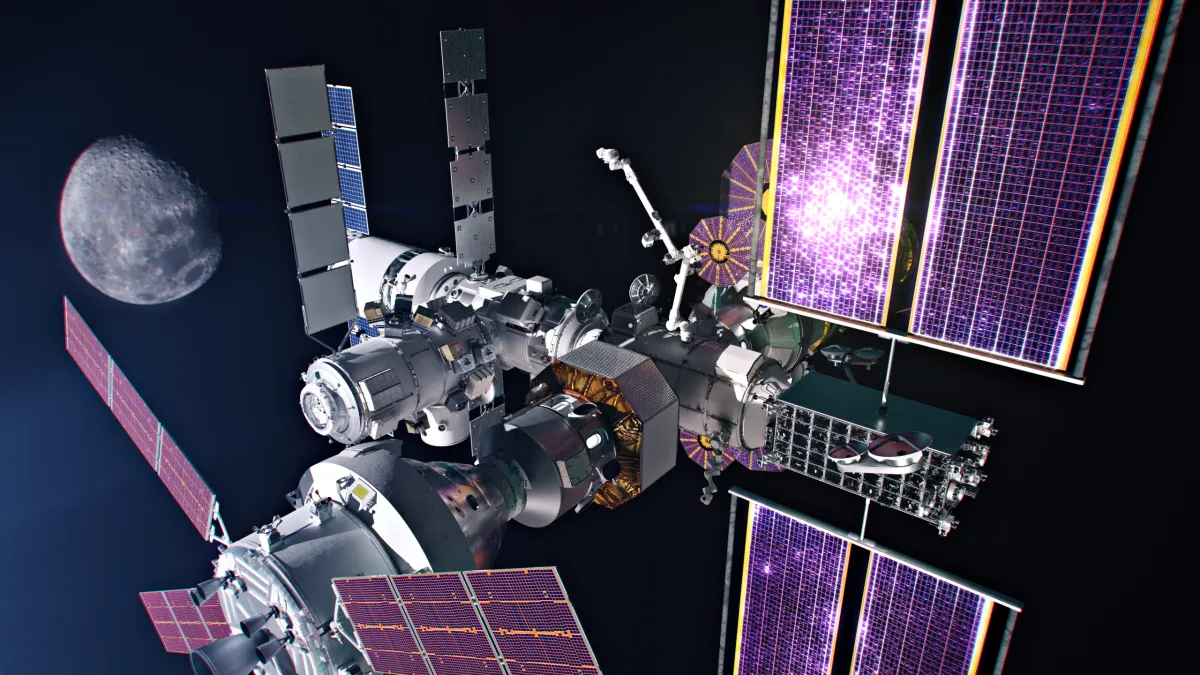
ESA is soliciting feasibility studies to turn its Gateway-built Lunar Link payload into a standalone lunar comms satellite.
Per the Financial Times, the German space firm is negotiating a $300 million round that would value it at over $2 billion.
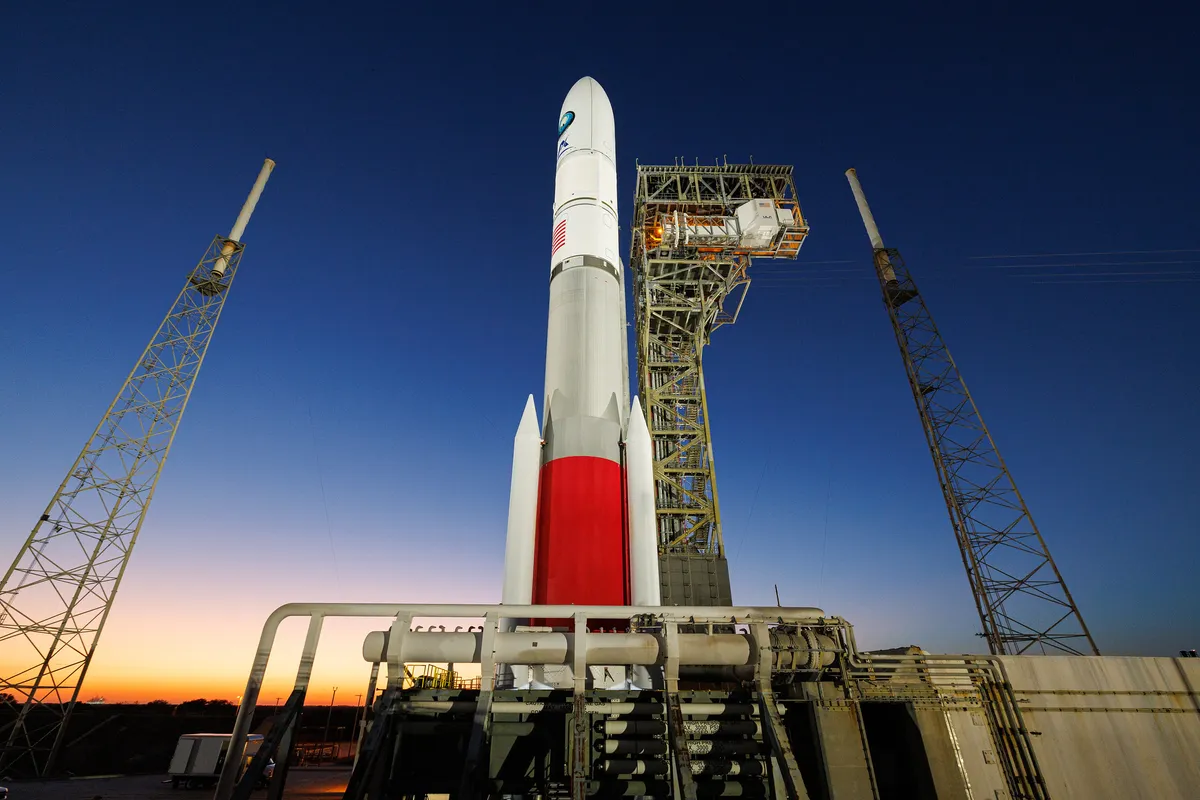
Lockheed cut its Space profit outlook and backed a $500 million ULA loan as Vulcan's grounding drags on.
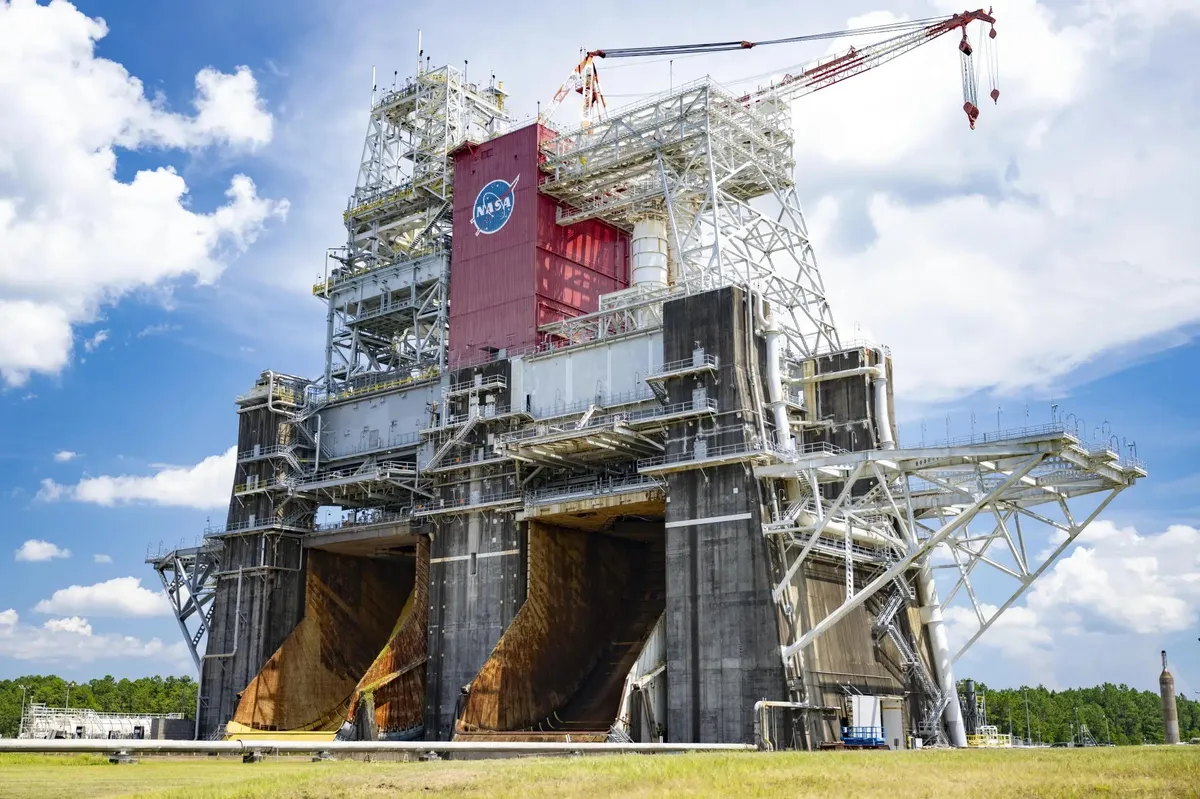
NASA and Blue Origin will hot-fire test New Glenn's second stage on the Apollo-era B-2 stand at Stennis starting this fall.
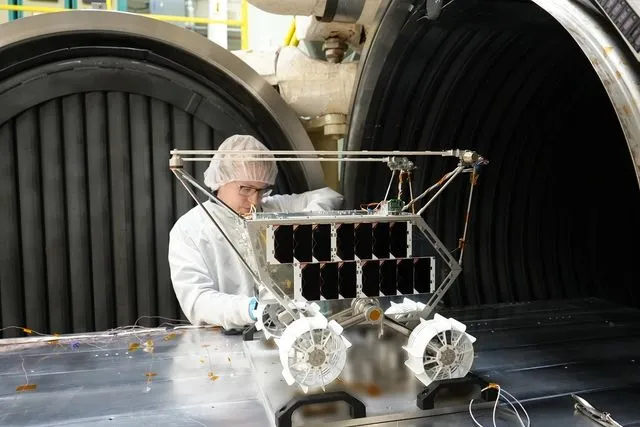
Lunar Outpost will fly an NVIDIA Jetson AI chip on its MAPP rover this year, with NVIDIA's Space-1 module on two later flights.
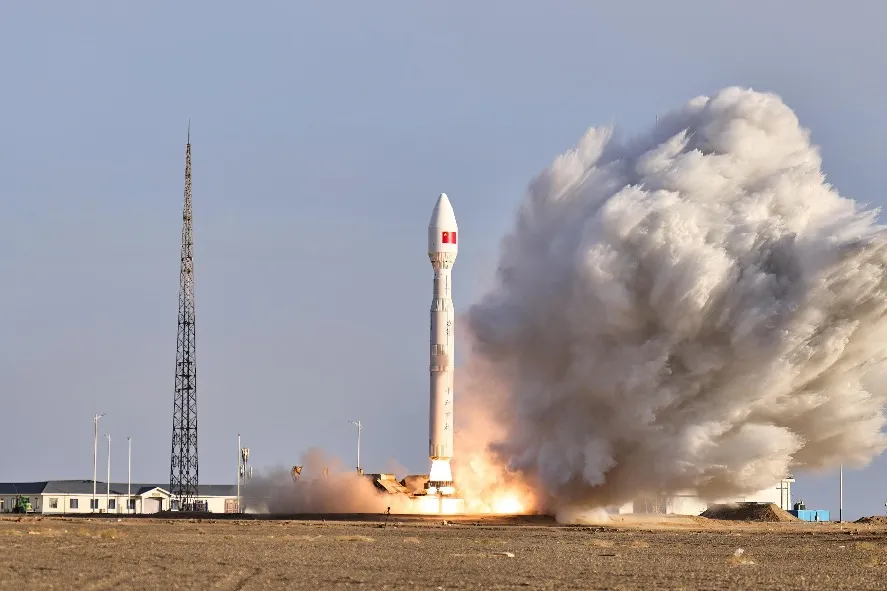
ATmoto's Gande-01, per Xinhua, is China's first commercial space debris monitoring satellite in a planned 120-satellite network.
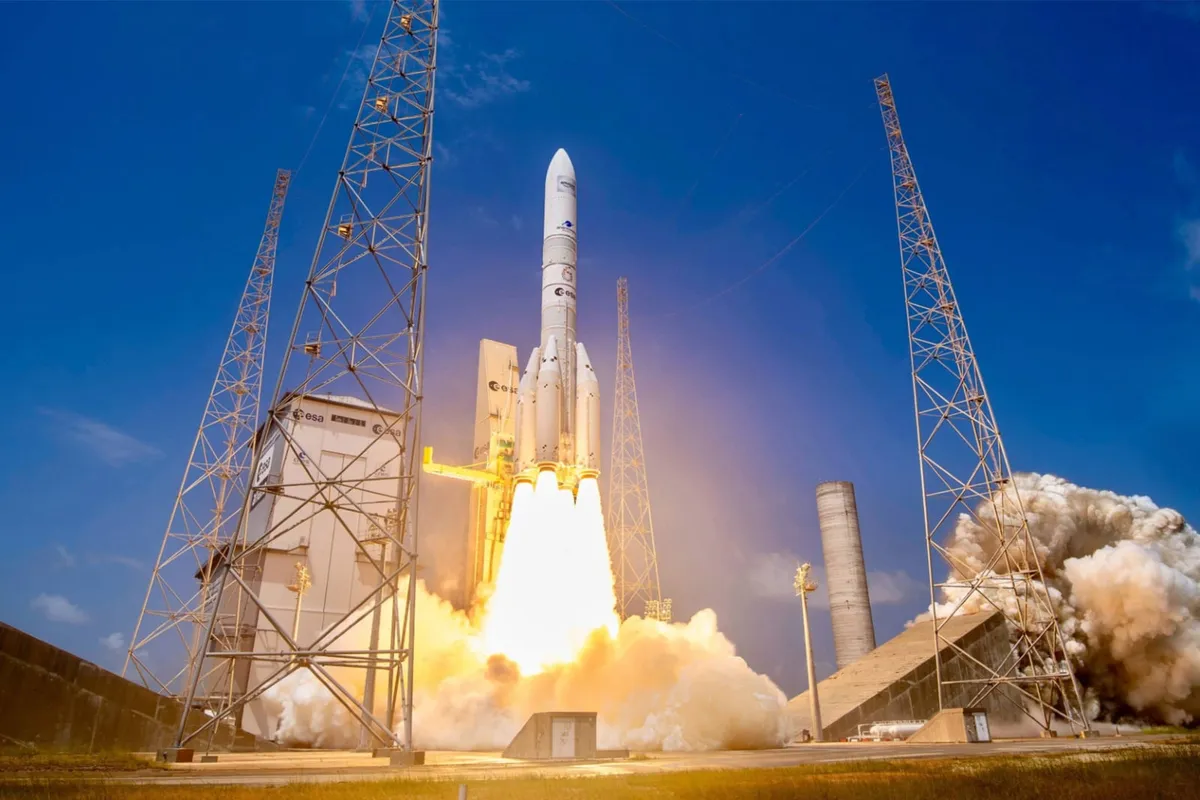
Amazon Leo asked the FCC to license 5,105 satellites for direct-to-device service on Globalstar spectrum, starting 2028.
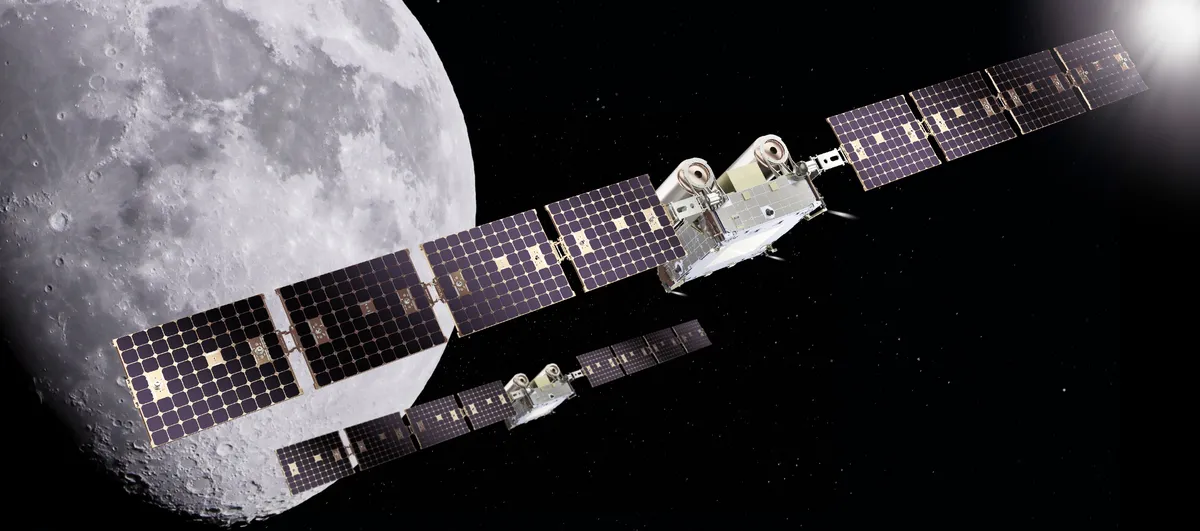
NASA picked Advanced Space to fly CAPSTONE 02, twin cislunar satellites testing autonomous rendezvous ahead of a 2027 launch.
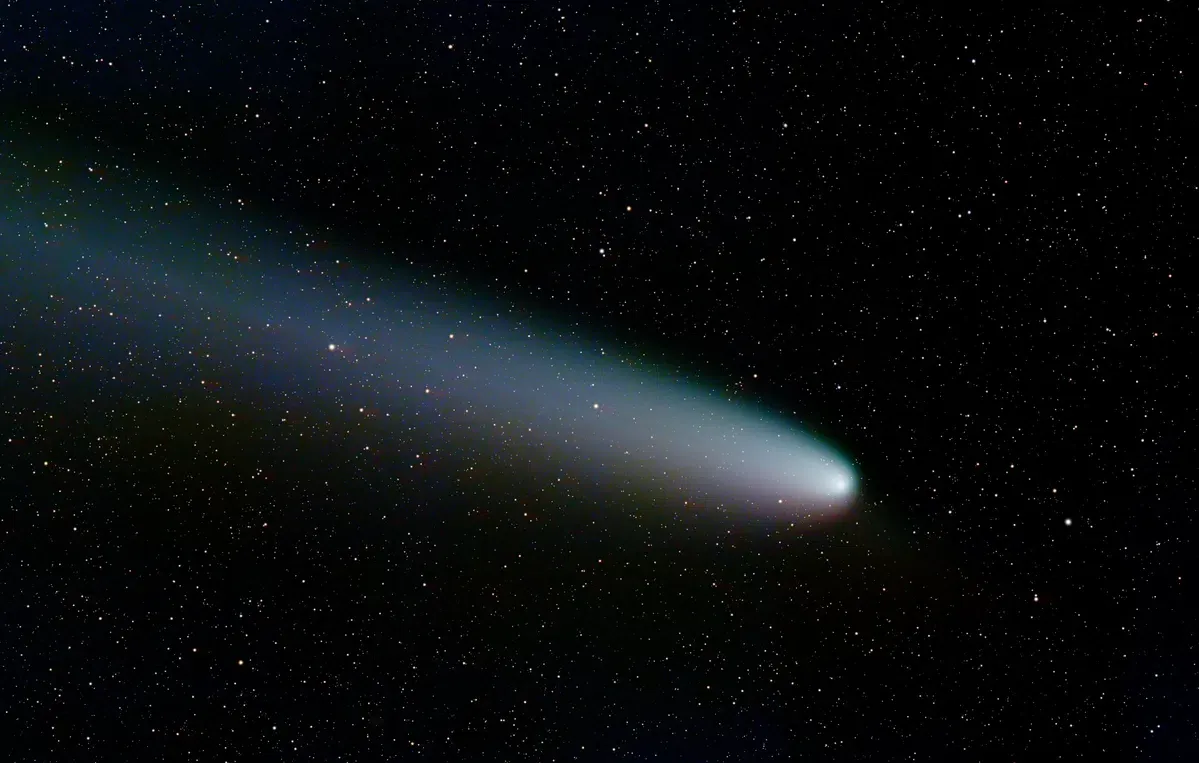
A defunct SpaceX Starlink satellite burned up over the Netherlands on July 24, producing a widely observed fireball, per Dutch outlets.
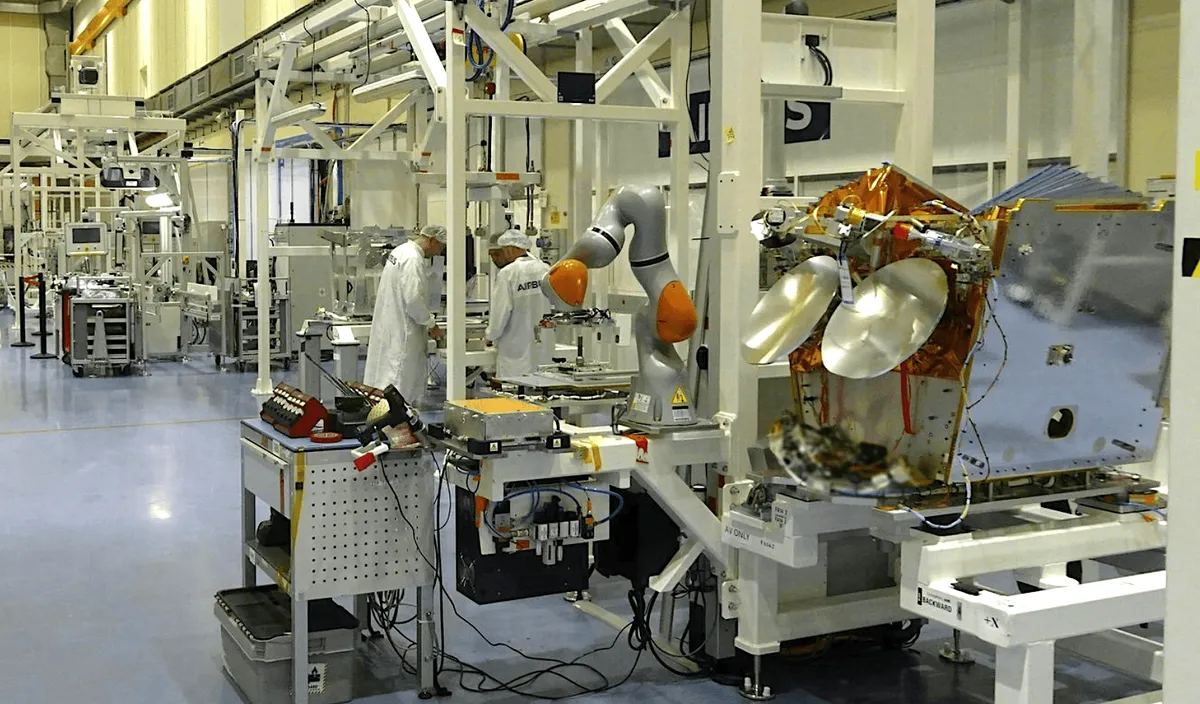
Eutelsat asked the FCC for US market access for a planned 528-satellite Next constellation alongside its existing OneWeb fleet.
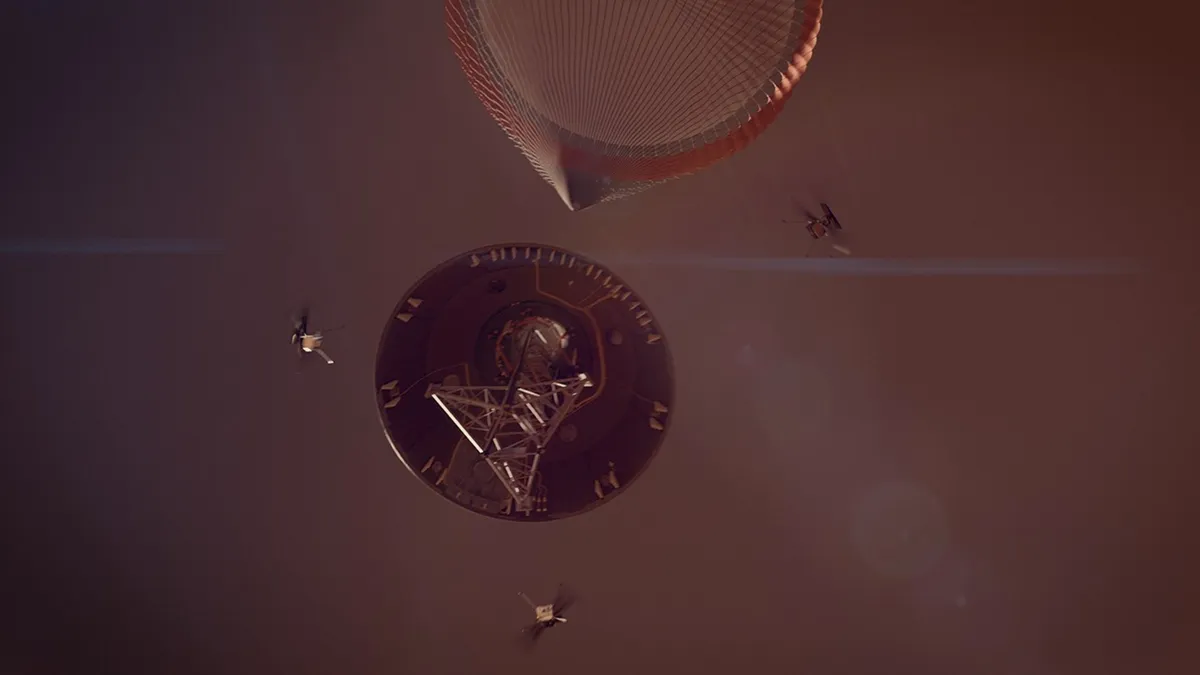
NASA budgeted its first fission-powered Mars spacecraft, SR-1 Freedom, at $2.1 billion for a late-2028 launch.
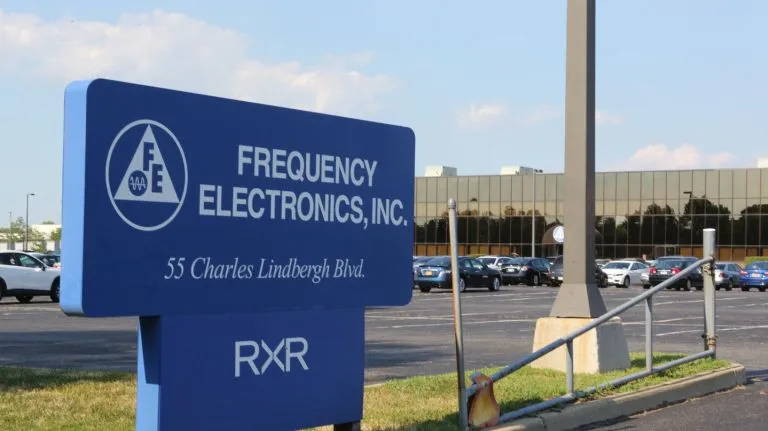
Frequency Electronics won $18 million in contracts, including an $11 million first-time award for a proliferated satellite program.
Intellian's new C100M terminal, built on Iridium Certus 100, gives it a dedicated terminal for every Iridium Certus GMDSS service tier.
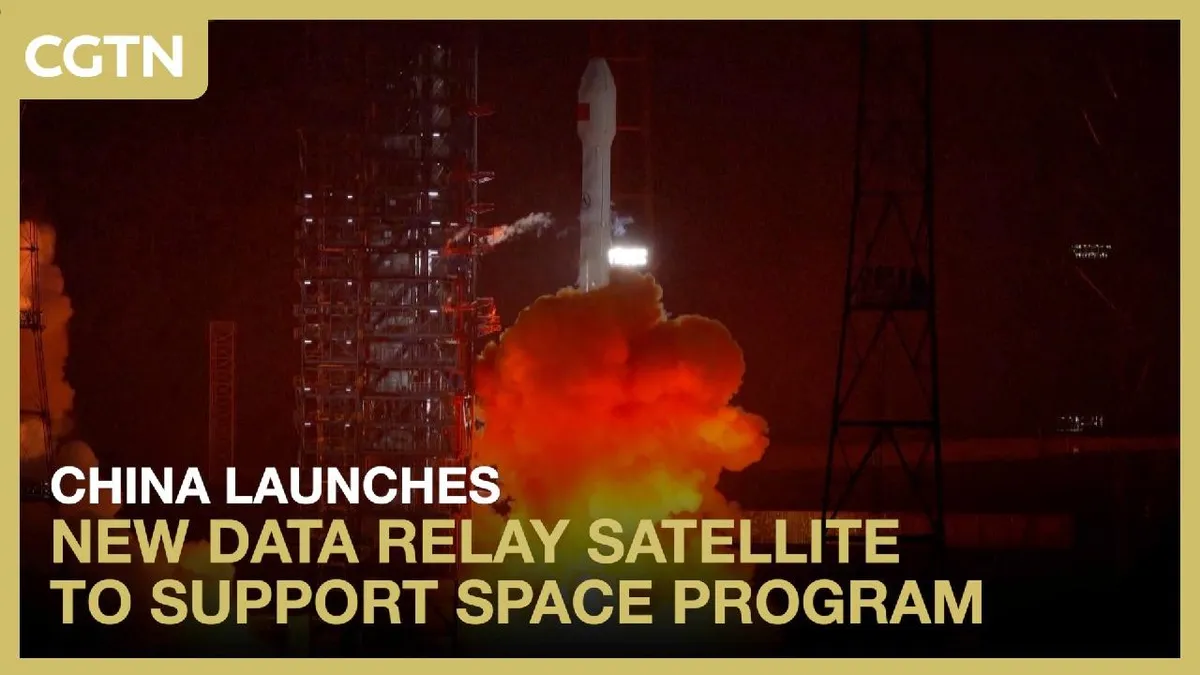
A Long March-3B carried China's Tianlian II-06 relay satellite into orbit from Xichang despite a lightning strike, per Xinhua and SpaceNews.
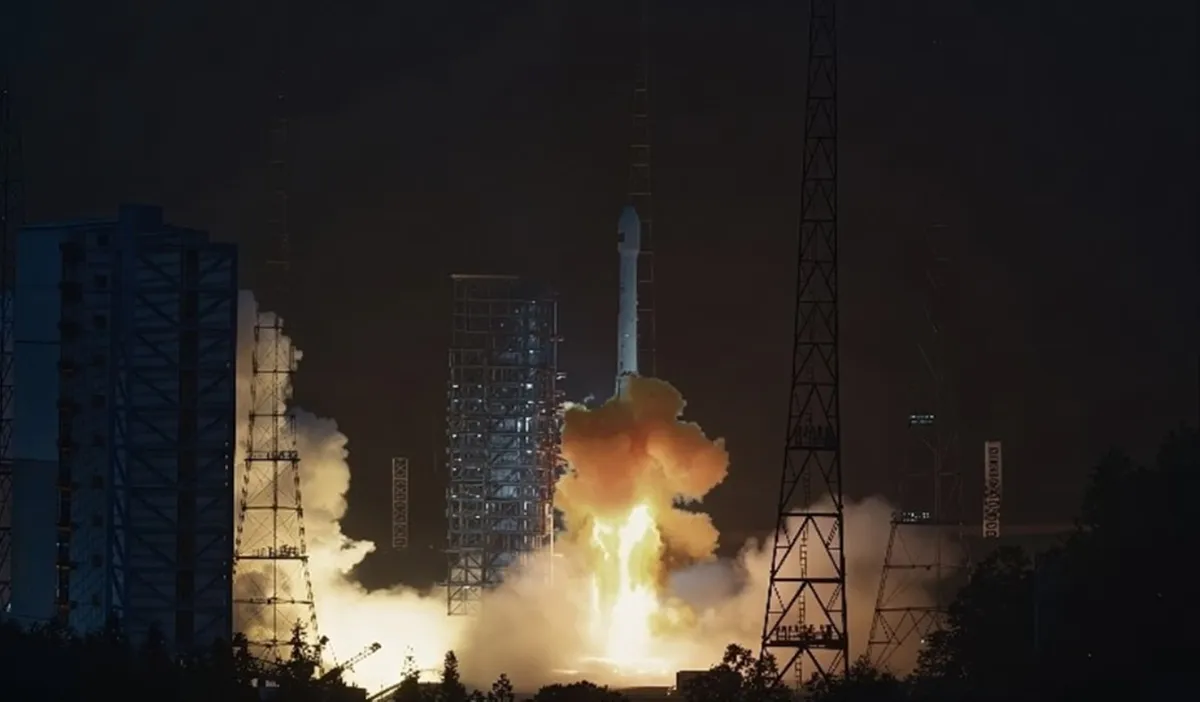
CAS Space's Kinetica-1 solid rocket delivered five commercial Earth observation and tech demo satellites to orbit from Jiuquan.
Spire and SATE will spend 18 months building an ESA-funded AI system, called STRAIDE, for real-time satellite health monitoring.

Mark Matossian and two co-founders launched Whipsmart Ventures, a fund for Series A-stage space and deep-tech startups.
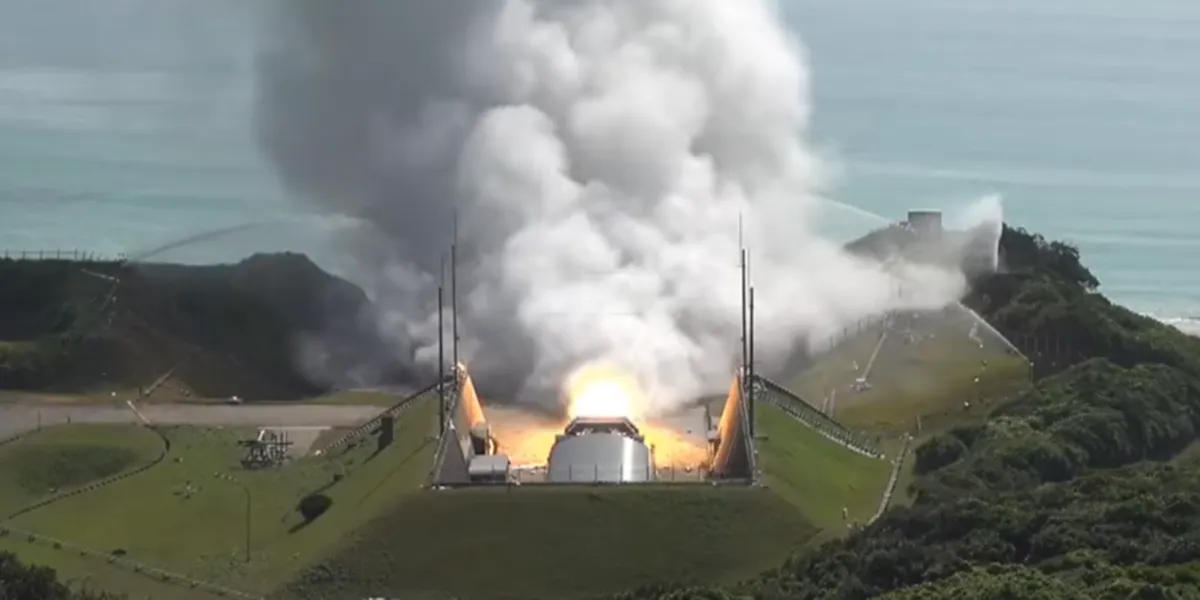
JAXA's Epsilon S clears its second-stage engine test, using a fallback motor after two prior explosions grounded the program.
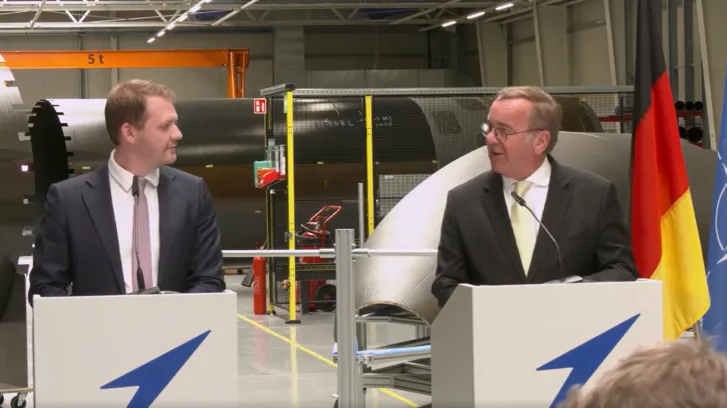
German Defence Minister Pistorius said the Bundeswehr is weighing its own launch site to avoid commercial launch queues.
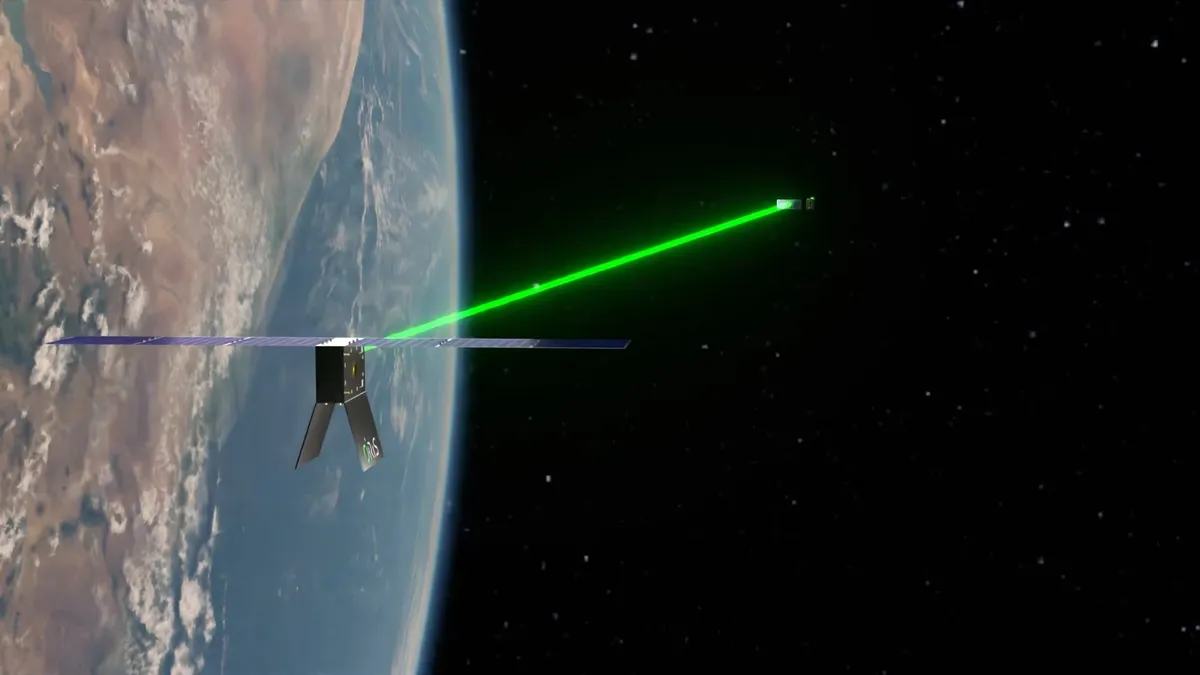
Per SpaceNews: the Turin startup raised 5 million euros to develop laser-based wireless power beaming for satellites.
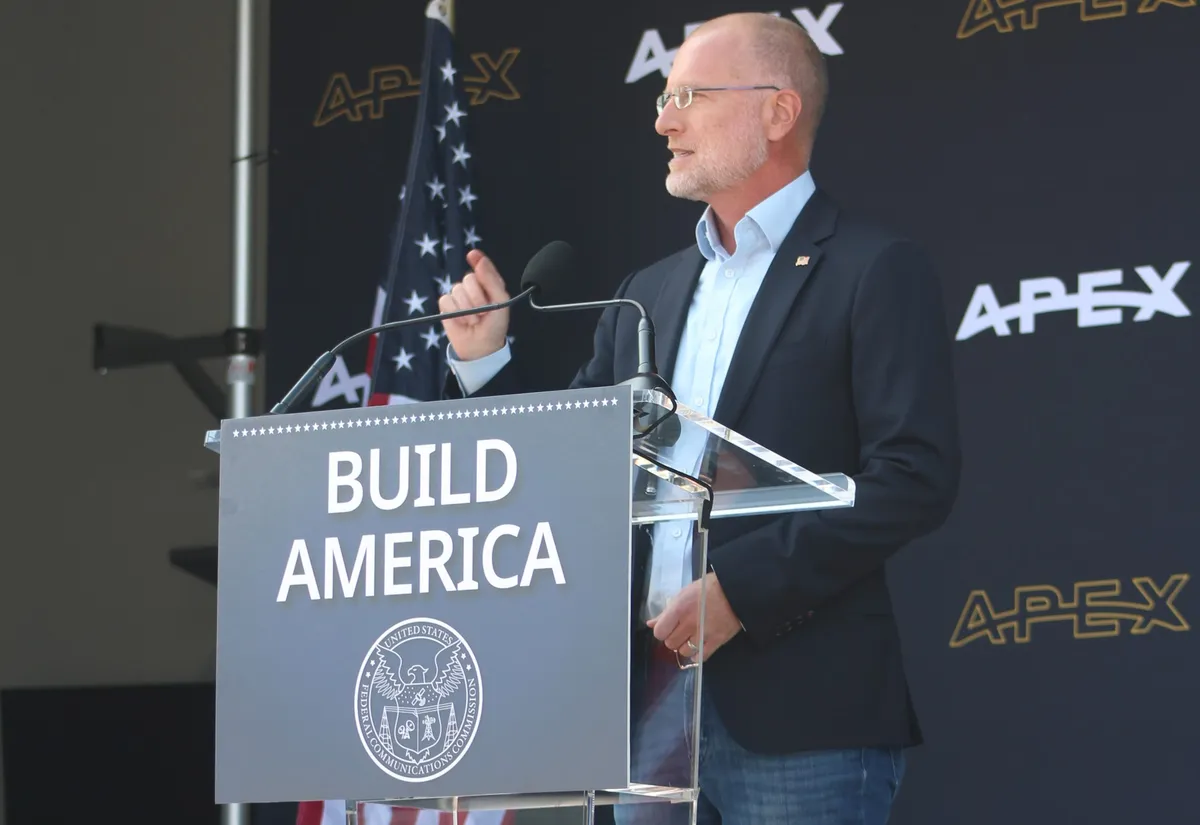
The FCC voted to replace Part 25 with Part 100, calling it a 'licensing assembly line' for satellite operators.
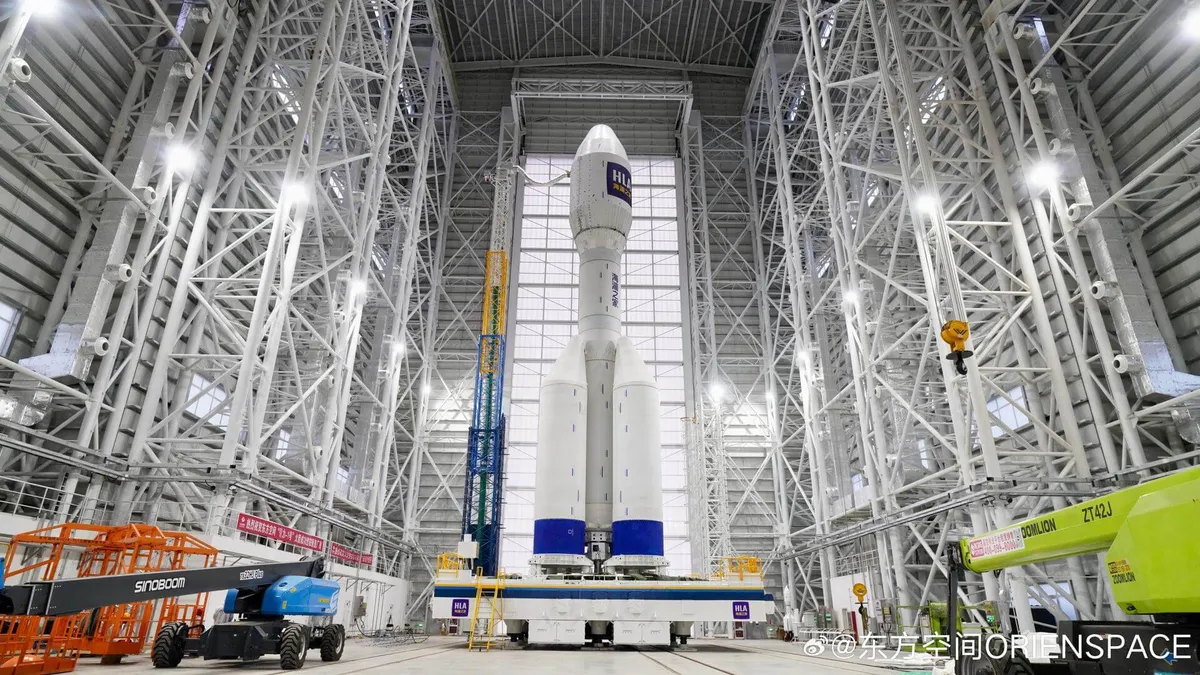
Orienspace's solid-fuel Gravity-1 rocket carried nine satellites to orbit from a sea launch platform off Shanghai.

Vast hired ex-Slingshot Aerospace CEO Melanie Stricklan to lead a new division chasing national security work.
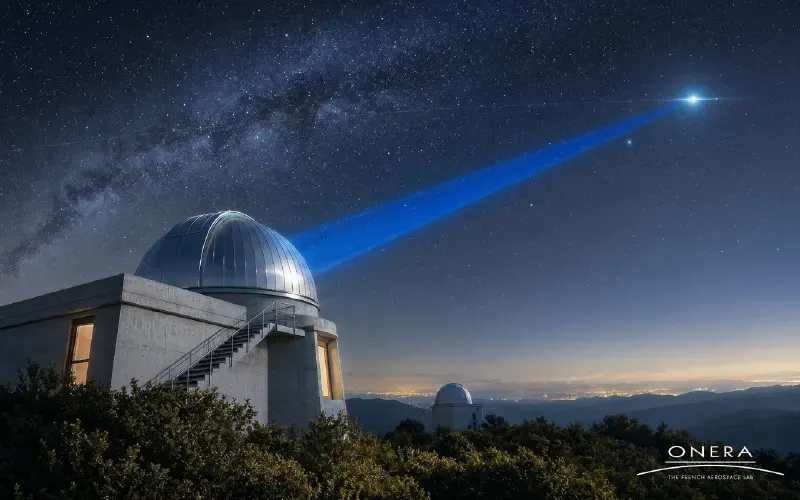
Belgium's AMOS will build PROVIDENCE, a 2.5-metre telescope giving France's Air and Space Force LEO object-tracking down to 10 cm.

ICEYE and KT SAT will supply near-real-time flood monitoring to South Korean government and commercial customers.
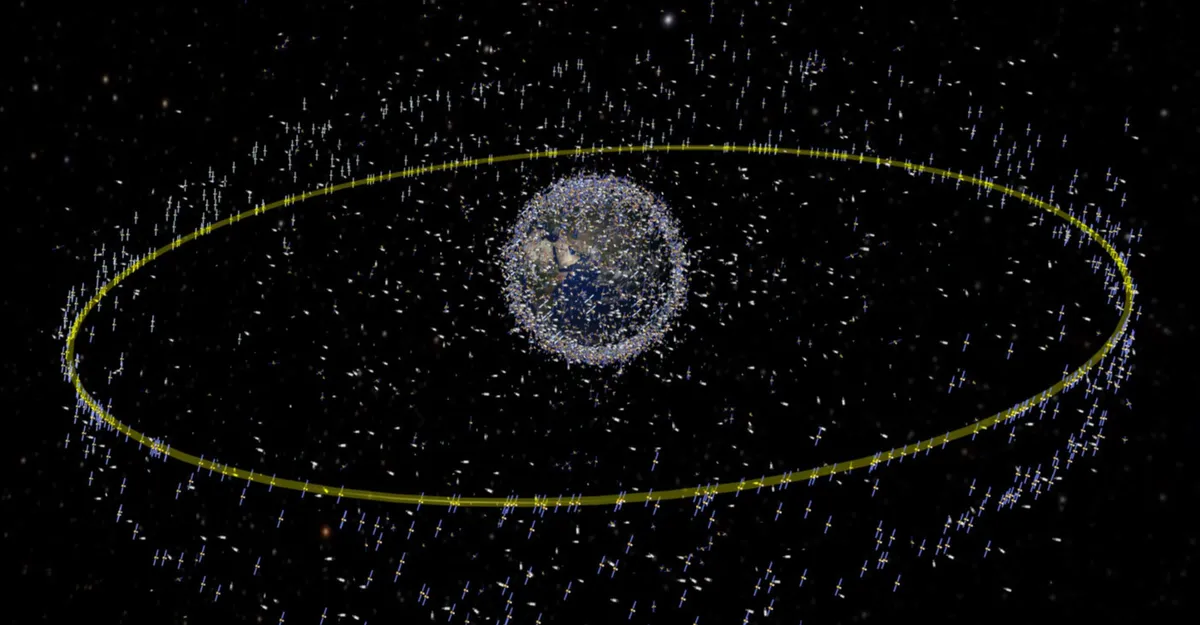
The Beijing startup raised nearly 100 million yuan to build its Guanlan space situational-awareness constellation.
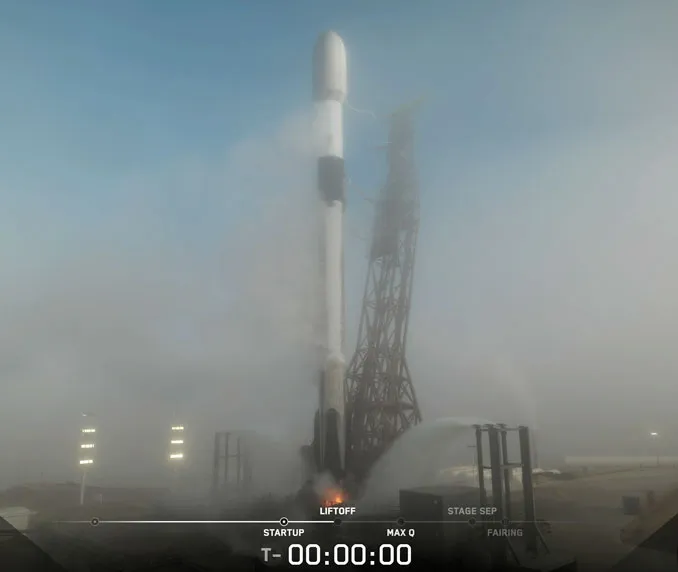
All nine Merlin engines briefly ignited then shut down, only the second post-ignition Falcon 9 abort since June 2024.
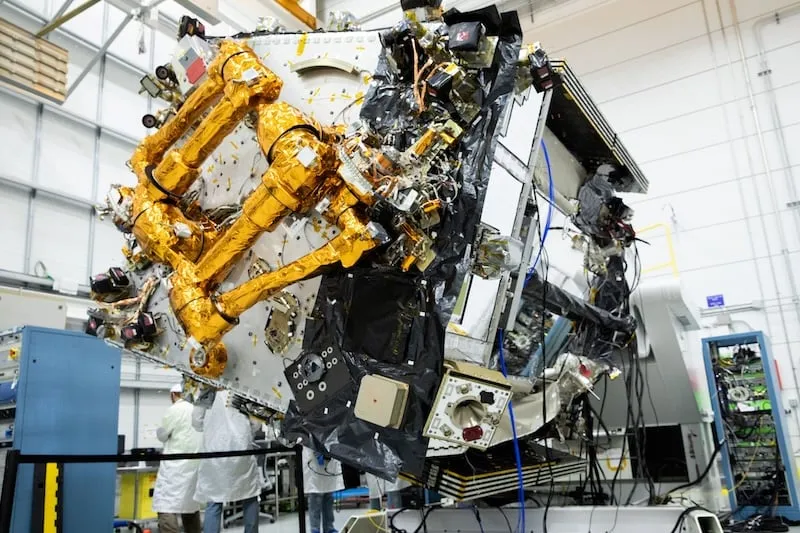
Northrop's Mission Robotic Vehicle launched on a Falcon 9, the first US multi-client GEO satellite-servicing spacecraft.
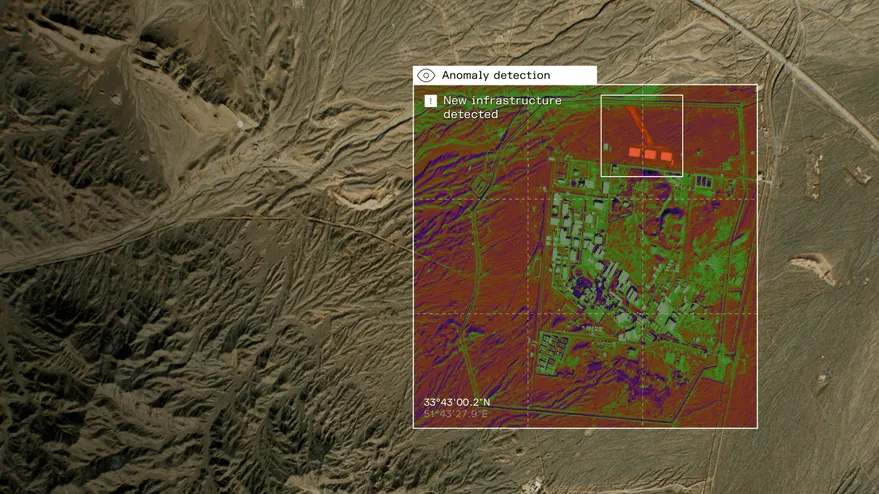
IHI and Kuva Space signed an MOU to explore Hyperfield-2 hyperspectral satellites for Japan's EO constellation.

Taiwan eases foreign-ownership caps for satellite operators, opening a path for Starlink's entry.
German fluidics maker deltaVision raised 10.2 million euros to scale valve production for in-orbit refueling.