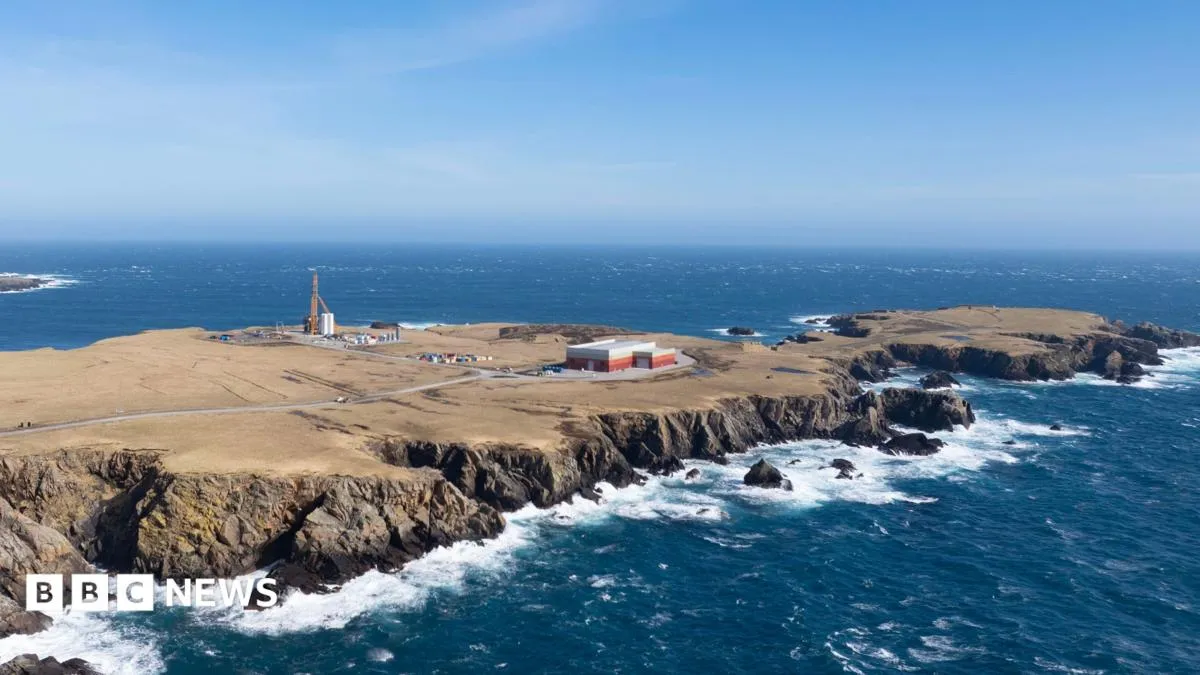
SaxaVord Spaceport secures £30 million UK government funding pledge
The UK government pledged £30 million toward SaxaVord's launchpad buildout, part of a £60 million public-private package.
The UK government pledged £30 million toward SaxaVord's launchpad buildout, part of a £60 million public-private package.
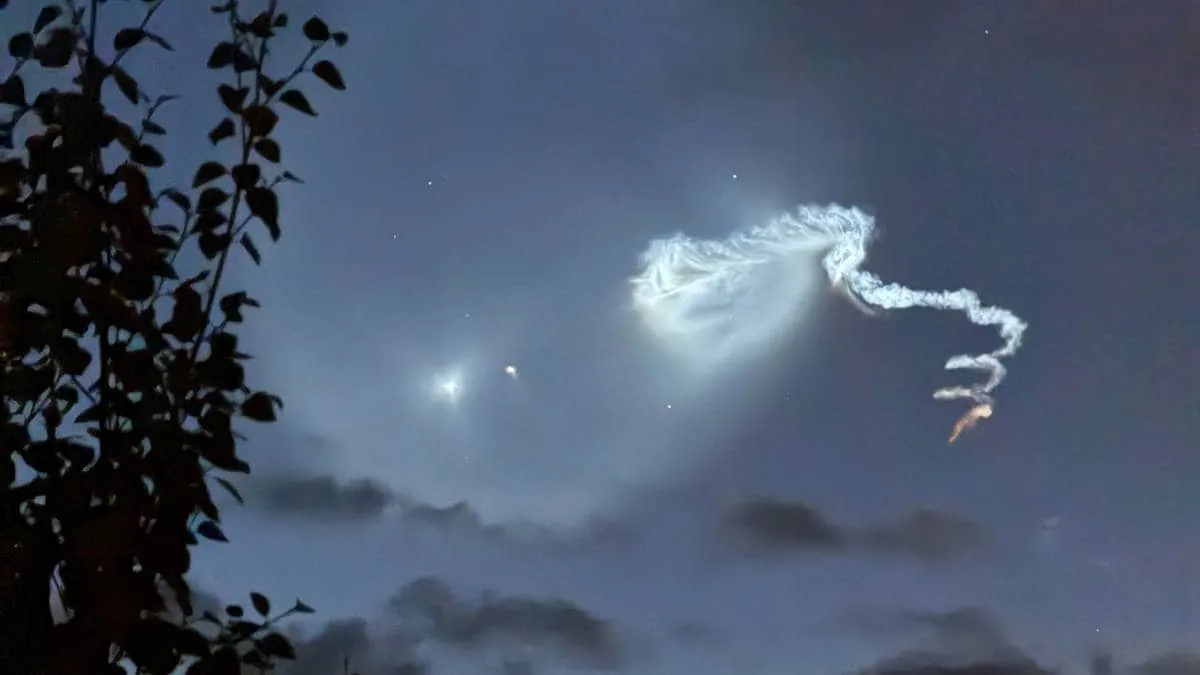
Isar Aerospace's Spectrum rocket reached orbit from Norway, the first orbital-class launch from Western Europe.
Isar Aerospace's Spectrum rocket lifted off from Andoya Spaceport in Norway on its second flight, carrying five cubesats and one ESA-sponsored experiment, and reached orbit roughly seven minutes after liftoff, per NRK and Aftenposten. The rocket's March 2025 debut failed 30 seconds after launch, and five subsequent launch attempts this year were scrubbed for technical and weather reasons before Saturday's flight. Isar Aerospace itself reported the second stage achieved a preliminary 180 x 500 km orbit, per SpaceNews reporter Jeff Foust. Isar's chief commercial officer Stella Guillen told CNBC on September 7 that the company's order pipeline is now worth more than 10 billion euros, though the company has not said how much of that is signed.

Per ASD Eurospace President Marco Fuchs: Europe needs "strong and determined institutional customers" to anchor a stable space market.
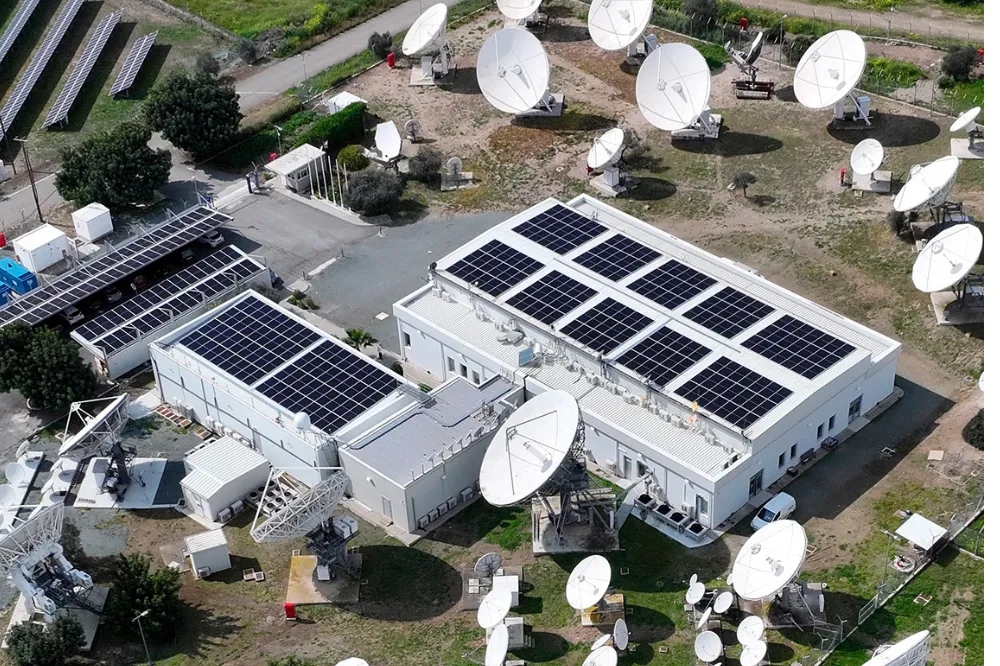
Sparkle and Hellas Sat extended quantum-safe encryption over a live satellite link connecting their Athens and Cyprus infrastructure.
Planet signed a one-year agreement to supply Planet Mosaics and support services to an unnamed European defense and intelligence customer.
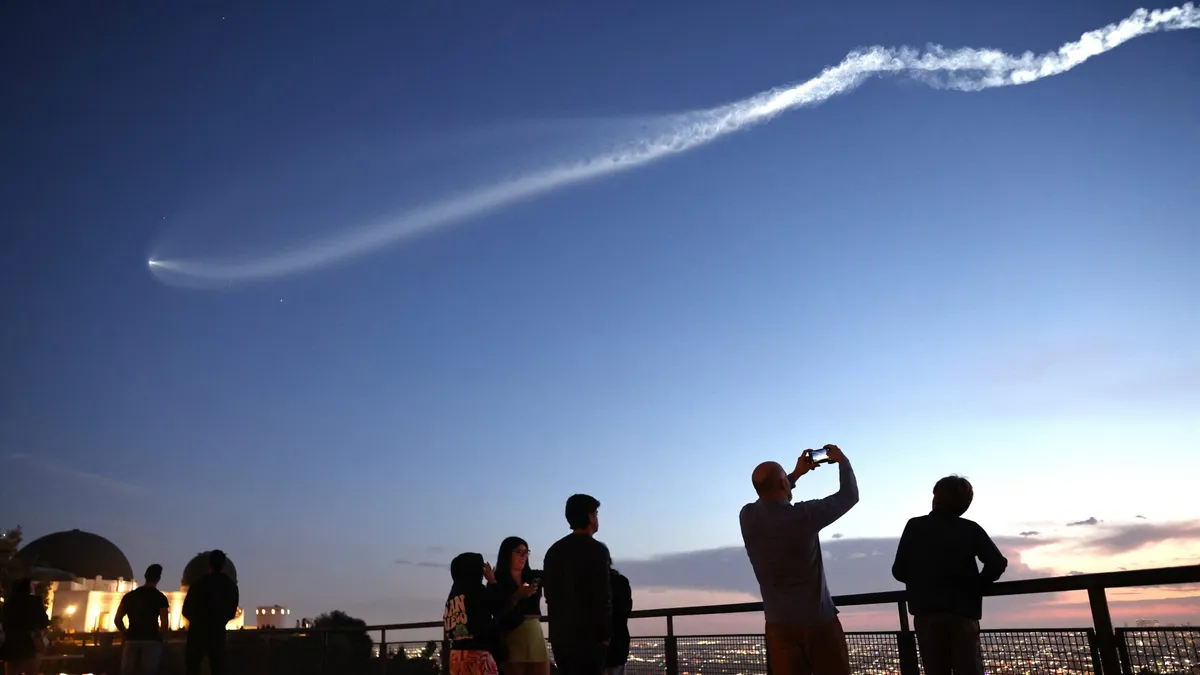
4iG and SpaceX signed Europe's first Starlink Mobile and Sovereign Solutions agreements, launching in Hungary and Albania.
Axelspace and Airbus Defence and Space will jointly distribute GRUS satellite imagery to a broader customer base.
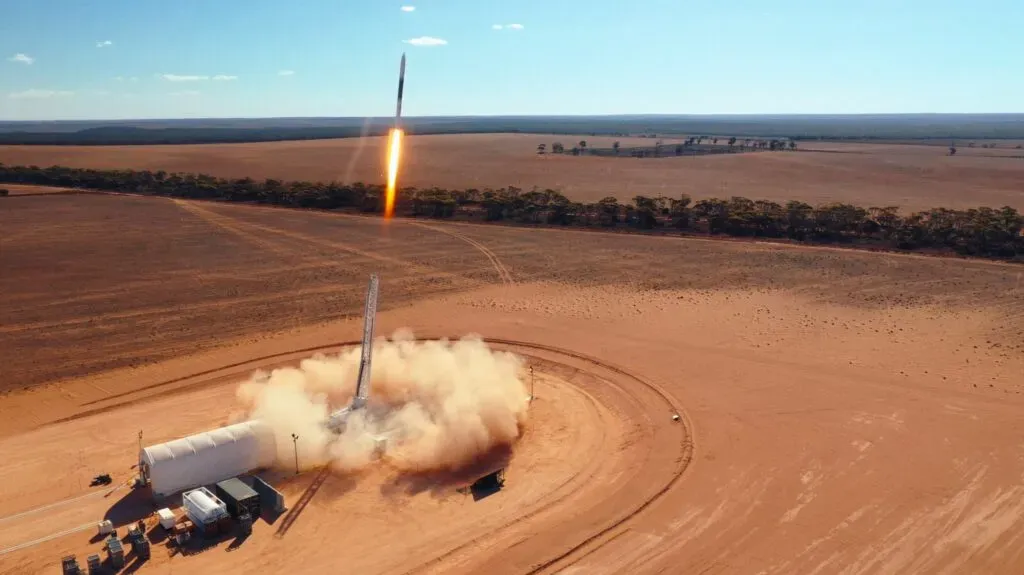
The German launch company adds 50 million euros to its Series A, taking total funding past 125 million euros.
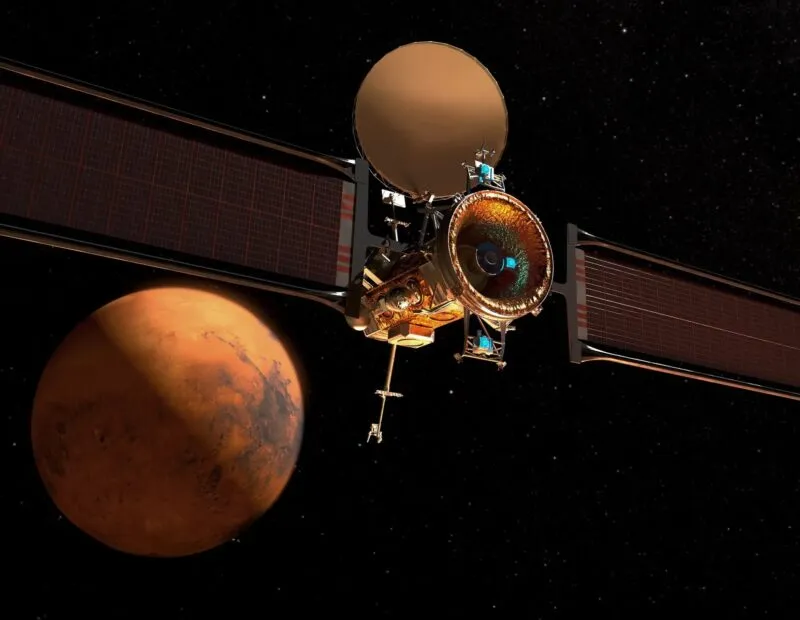
Open Cosmos becomes an approved provider on the UK's £8 billion TacSys defence-communications framework.
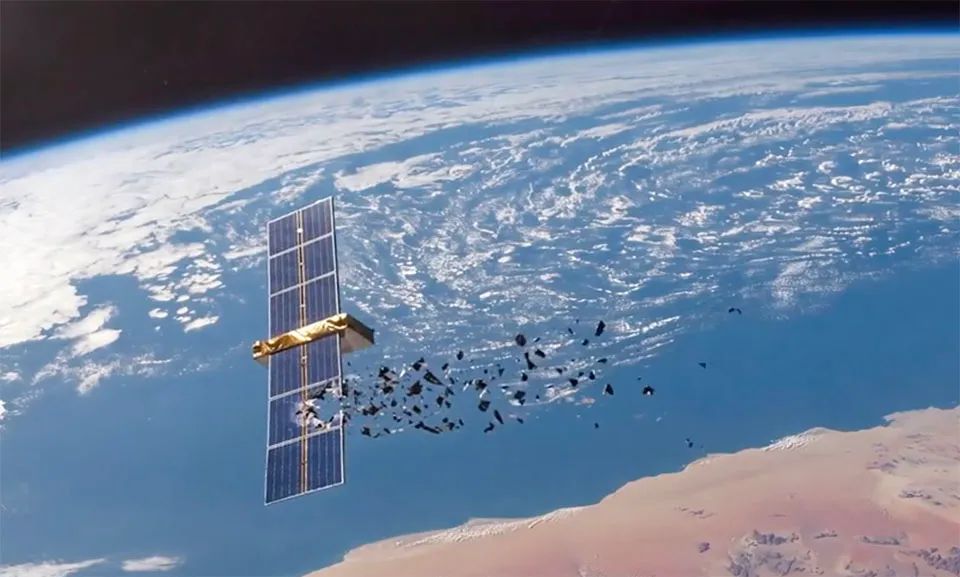
Project-S emerged from stealth with a multi-million-euro seed round to build a radar-based system for tracking orbital debris.
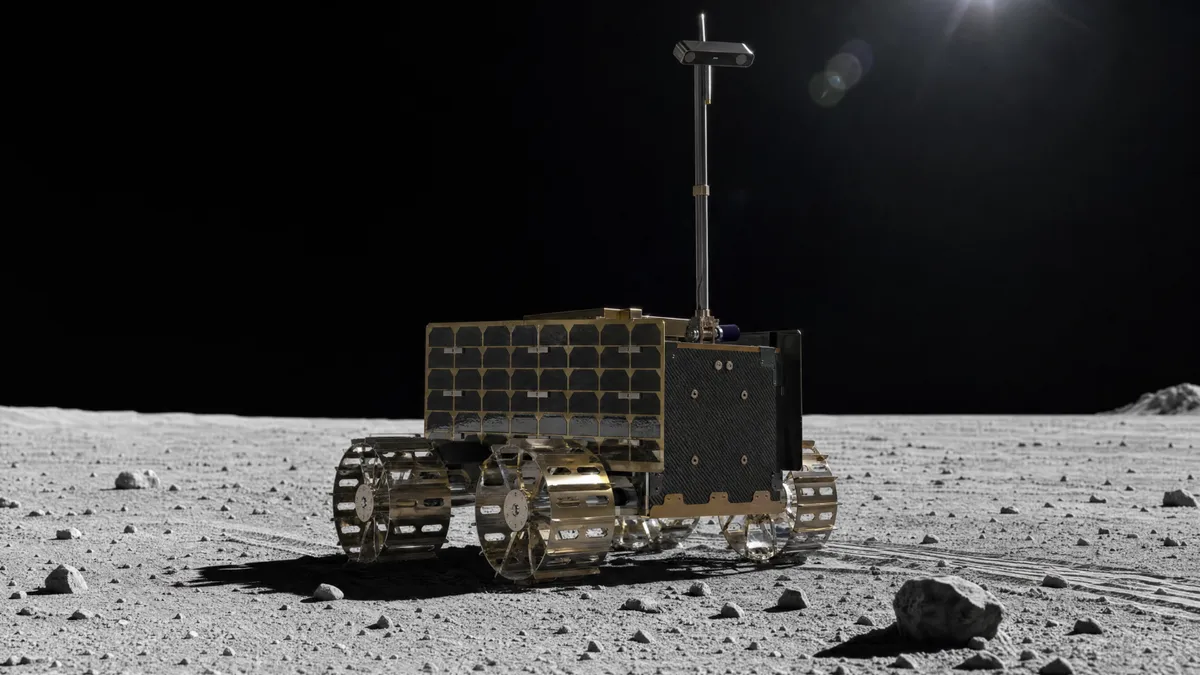
ESA awarded ispace-Europe a 65 million euro Phase 2 contract to build and deliver its MAGPIE rover to the Moon's south pole.
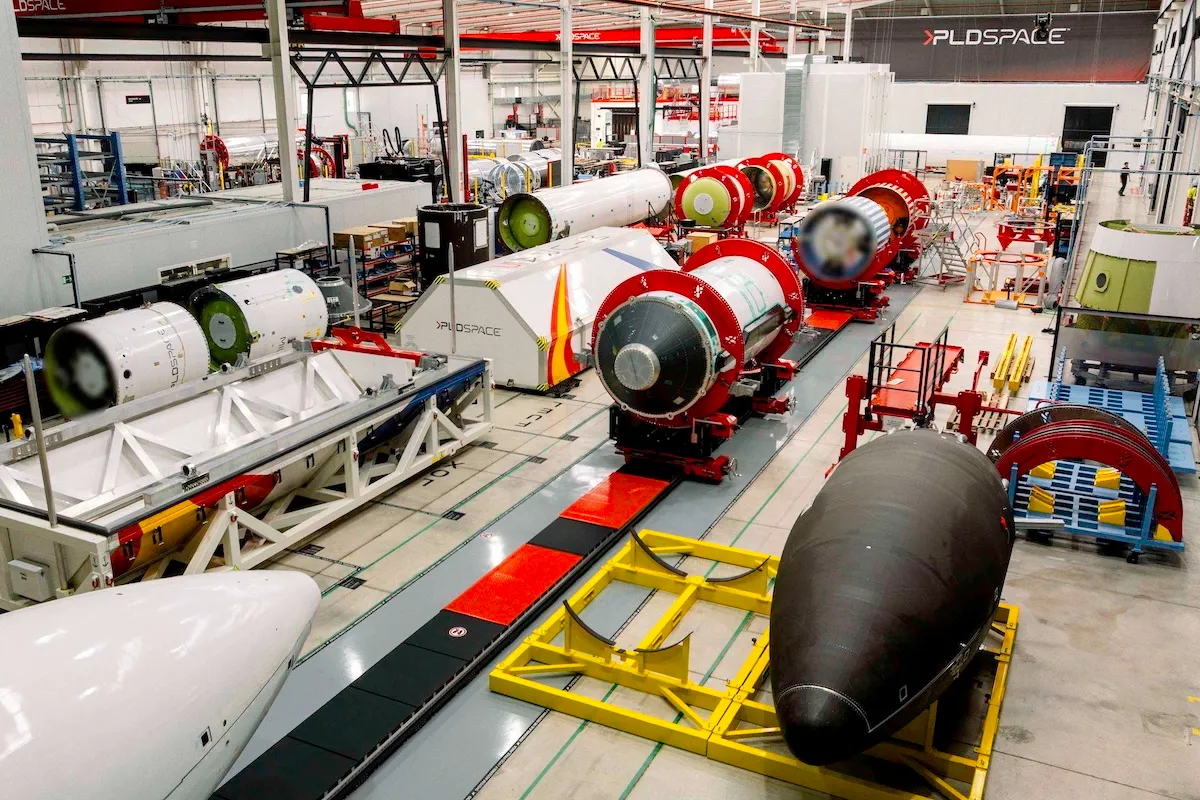
Mitsubishi Electric leads a fresh €108M tranche, bringing PLD Space's Series C round to €288M total.

OHB will build all 18 IRIS2 medium Earth orbit satellite platforms under a contract worth almost €1 billion from SES.
Swedish satellite operator Ovzon signed its first German partnerships to test its satcom platform with a government customer.
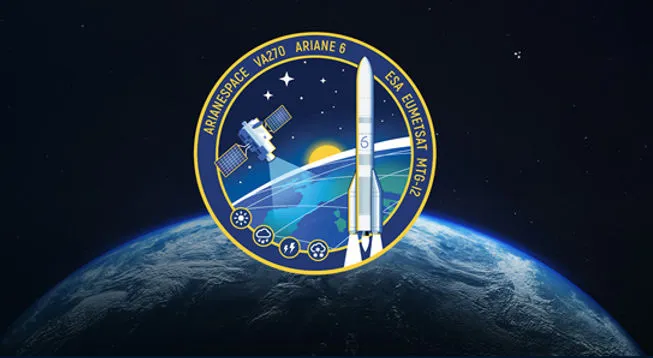
Ariane 6 successfully launched EUMETSAT's MTG-I2 weather satellite on its first flight to geostationary transfer orbit.
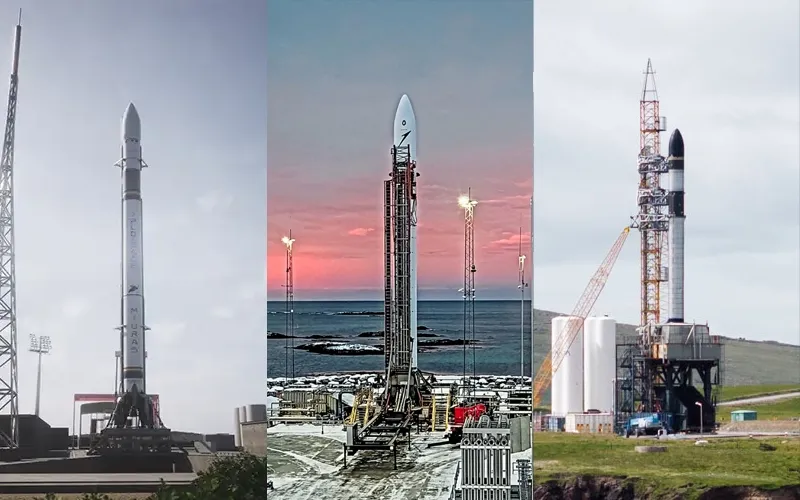
ESA awarded Isar Aerospace, Rocket Factory Augsburg, and PLD Space a combined €543.6 million to fly alternatives to Ariane 6.
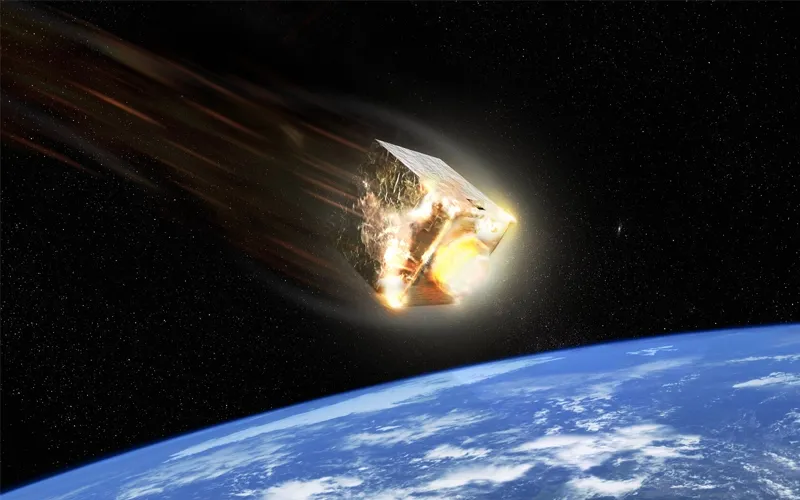
ESA's Draco satellite, built to record its own atmospheric breakup, passed its Critical Design Review ahead of a 2027 launch.

ICEYE opens a Dutch subsidiary and R&D hub tied to its existing SAR intelligence work for the Royal Netherlands Air and Space Force.
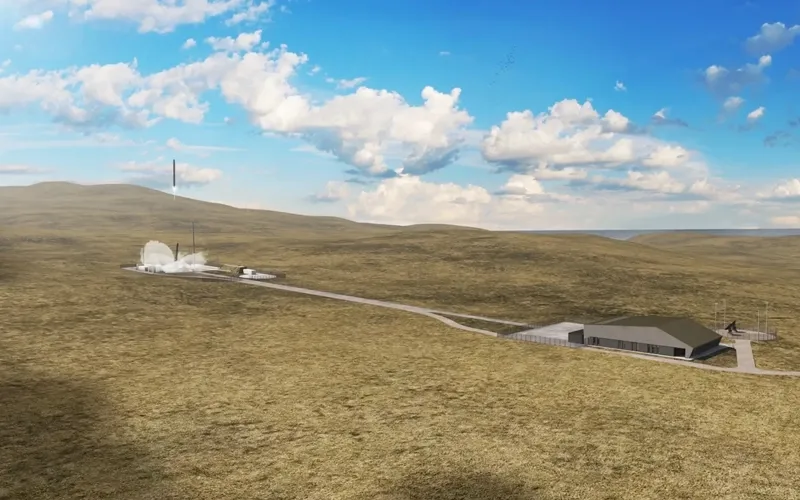
Highlands and Islands Enterprise bought Sutherland Spaceport's assets out of liquidation, leaving the site's future launch use undecided.
Scotland's HIE bought the liquidated Sutherland Spaceport's assets, keeping the UK launch site's future open after Orbex's collapse.

Kongsberg will double its N3X dark-vessel-tracking constellation to six satellites in early 2027 for the Norwegian Armed Forces.
MaiaSpace's fifth commercial contract lets French broker Ride sell auxiliary payload space on future Maia launches from 2028.
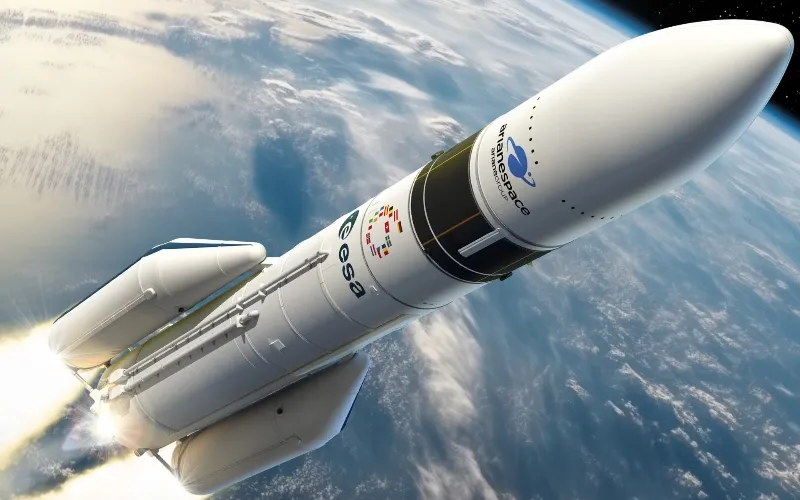
ESA told European Spaceflight it is no longer considering the Ariane 6 Block 3 upgrade and its lightweight carbon-composite upper stage.
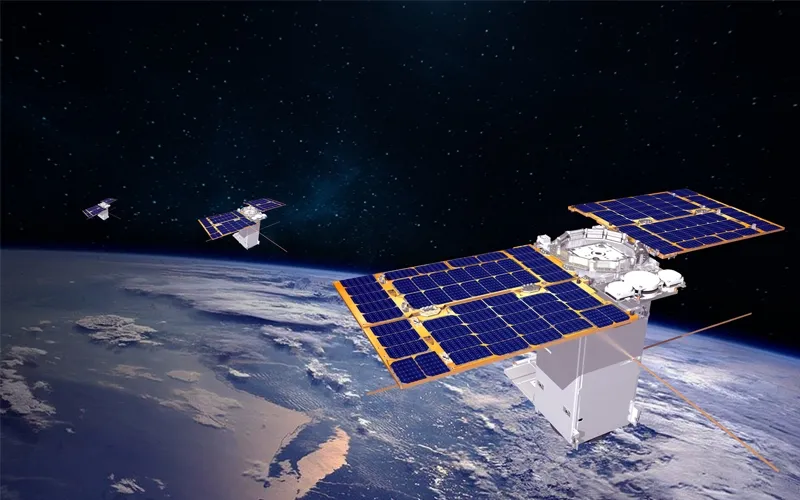
CNES issued an RFI for a compact, diamond-machined optical telescope meant to scale past 1,000 units for constellations.
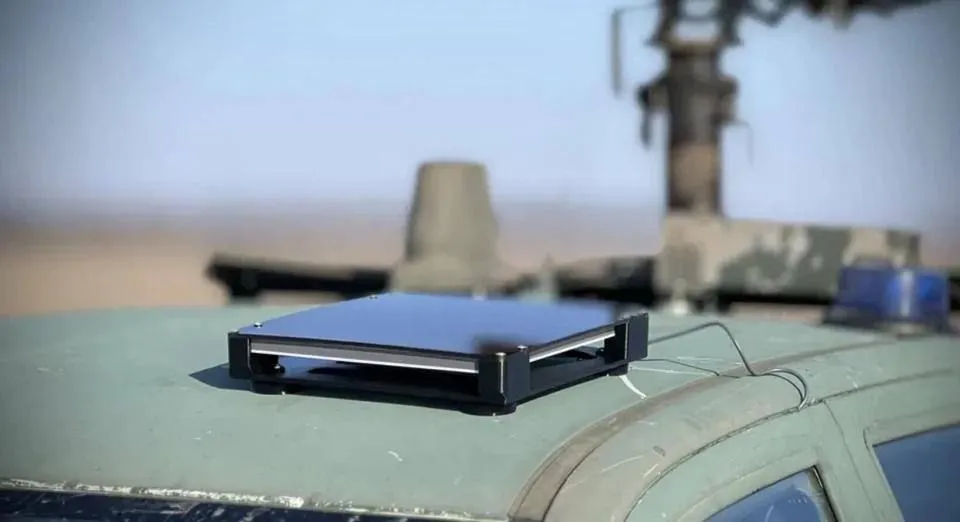
SpaceX reversed Starlink's Poland roaming exclusion days before it was due to take effect, after Polish officials protested.

Synspective opened Synspective Europe GmbH in Munich, Germany, to serve as its EMEA hub for SAR satellite data and partnerships.
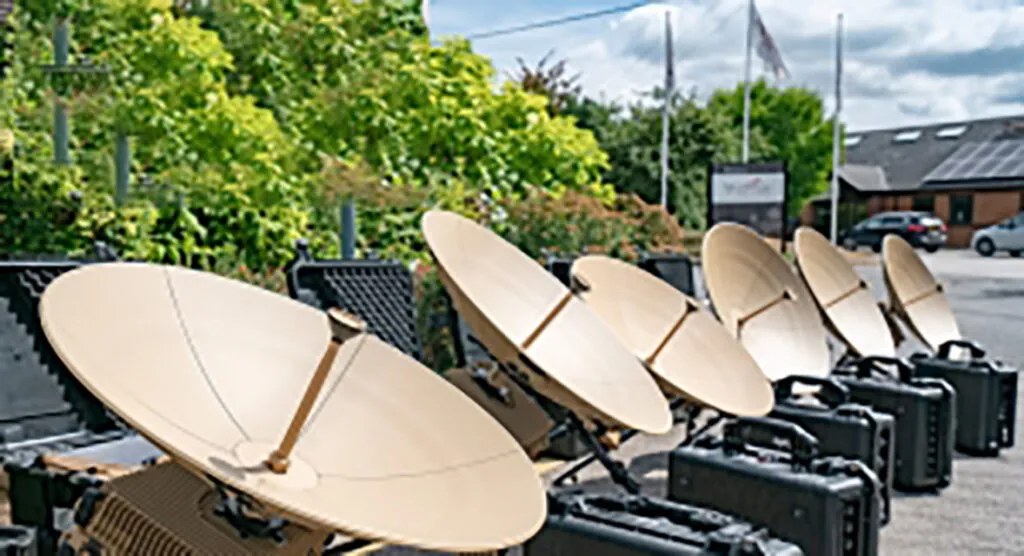
Marlink agreed to buy Global RadioData Communications, a UK satellite and RF comms specialist serving the UK Ministry of Defence and NATO.
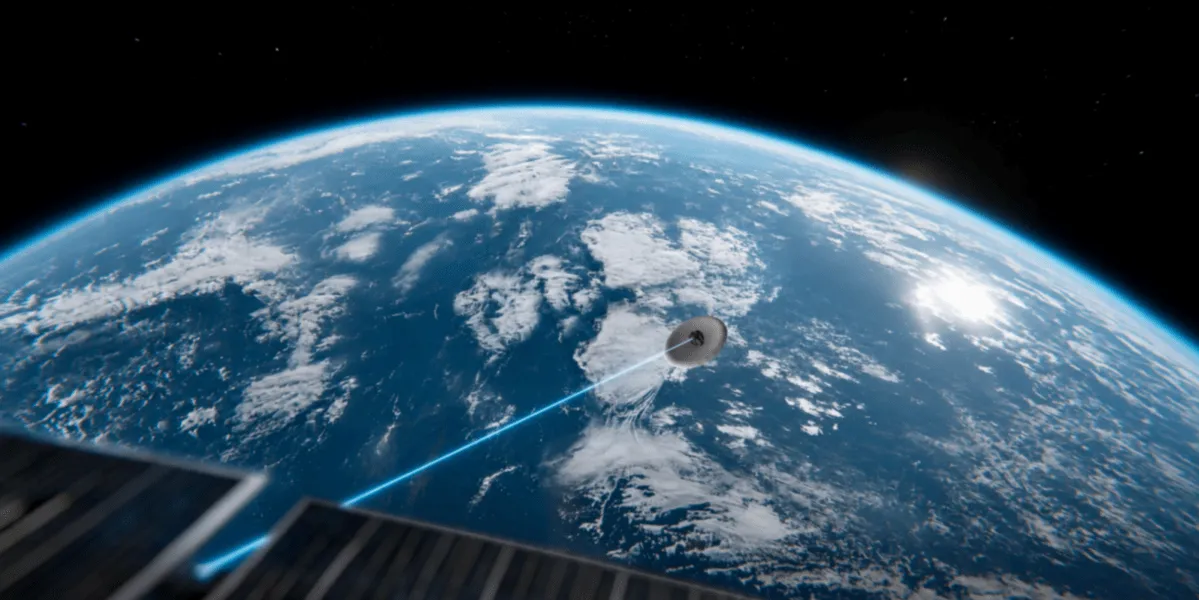
The companies signed an MOU to demonstrate a 2.5 Gbps optical link between a reentry capsule and an orbiting satellite in 2027.
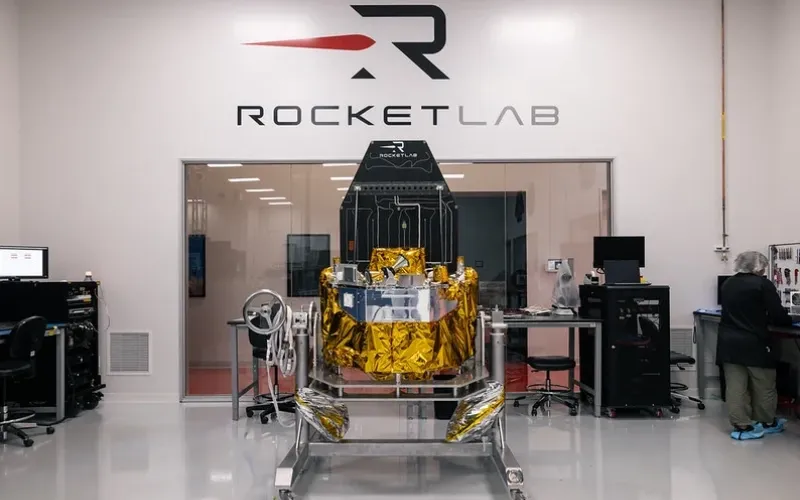
Rocket Lab launched a Munich-based German subsidiary to build a regional hub for satellite manufacturing and European launch sales.

ESA's Aschbacher tells the Financial Times Europe's launch capacity won't meet demand by 2030, and wants developers to price expansion.
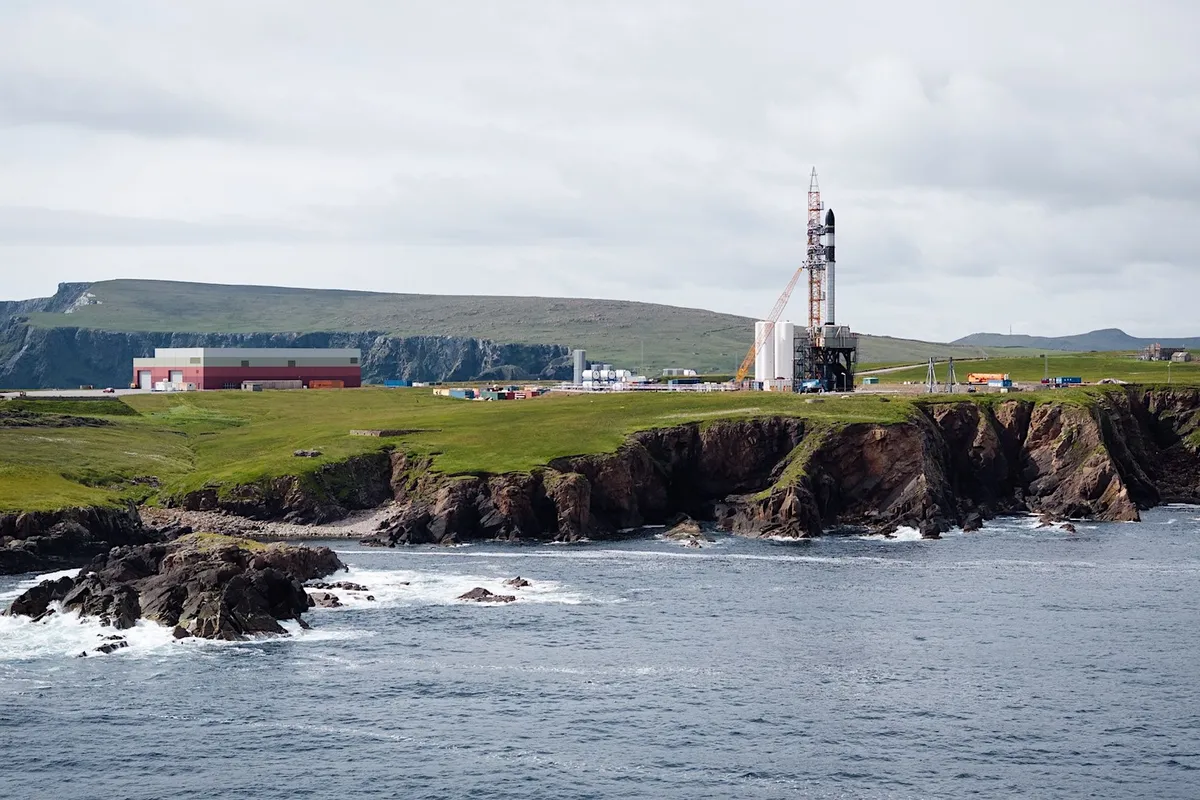
RFA de-stacked its rocket to investigate an issue, forcing SaxaVord to cancel its planned launch-window traffic orders.

The European Commission and SpaceRISE concluded a deal adding 66 satellites to IRIS2, taking the program to EUR15.6 billion.
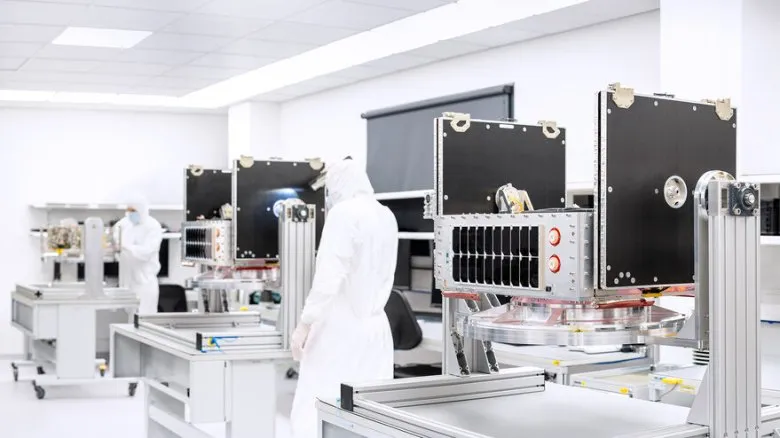
Kreios Space will fly its air-breathing electric propulsion system on a NanoAvionics satellite bus in 2027.
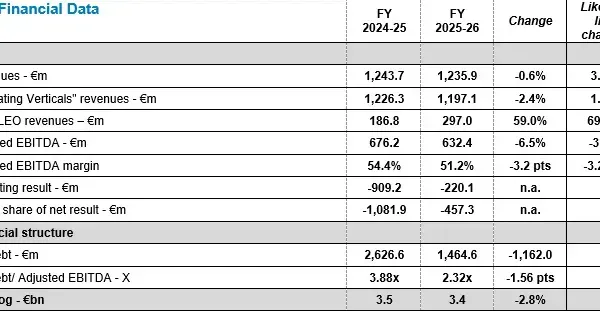
Eutelsat's full-year results show LEO connectivity revenue up 69.5% to EUR297 million, now a quarter of total revenue.
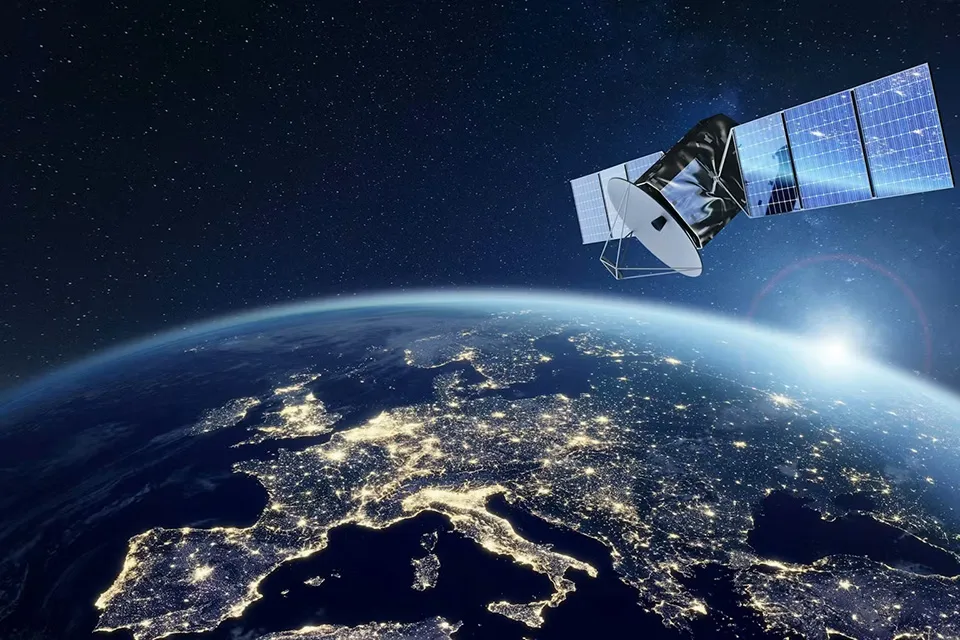
SES cleared a key IRIS² milestone and confirmed up to €1.35 billion to build 18 medium-orbit satellites for the EU program.

Bulgaria's government signed an MOU with EnduroSat to turn a former air base into a European satellite production hub.
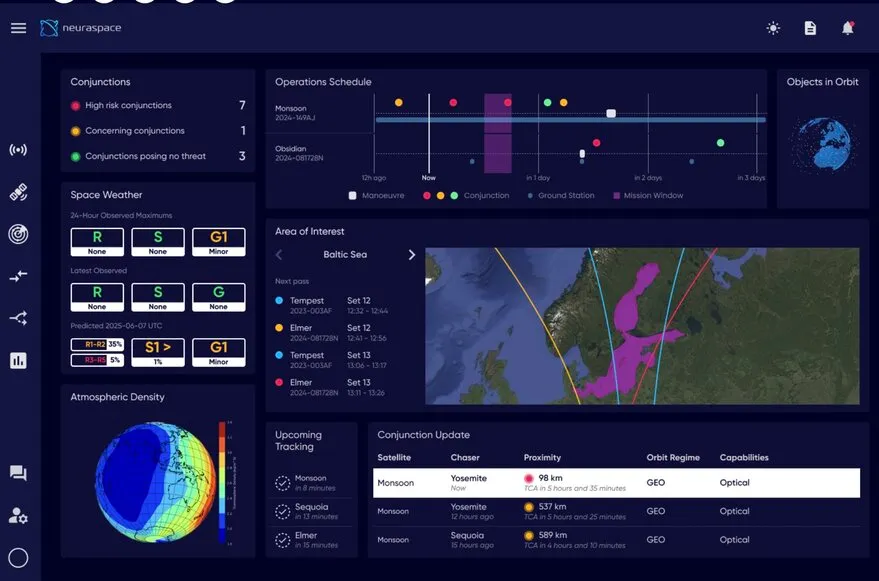
Portugal's Neuraspace secured an $18 million Series B and EU funding round for AI-driven space traffic management.
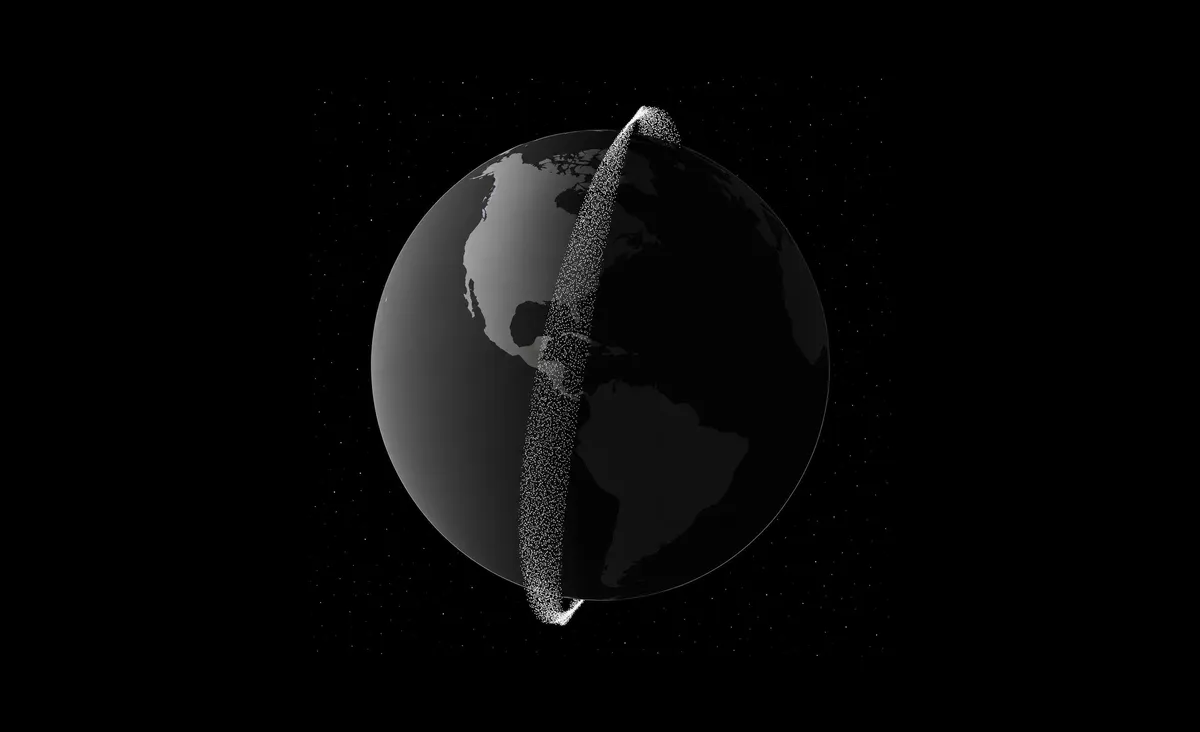
Per ESPI: Chinese orbital-computing ventures are moving to deployment while Europe still weighs the concept.
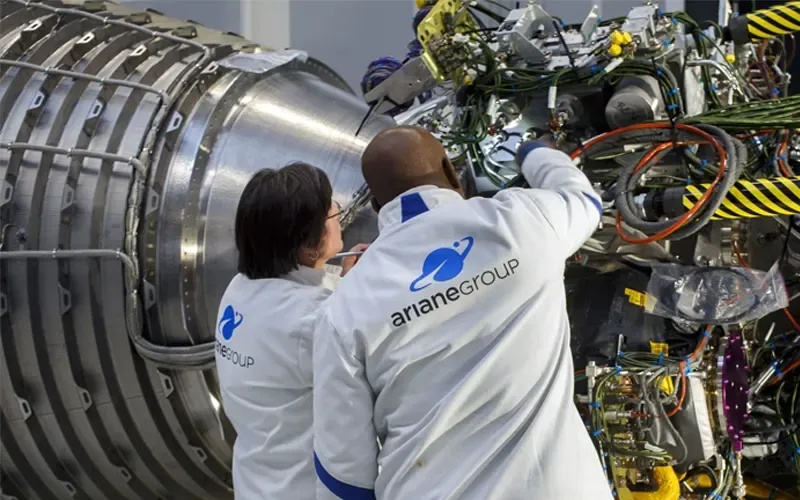
CNES president François Jacq says a subscale ASTRE engine prototype will get its first hot-fire test in 2028.
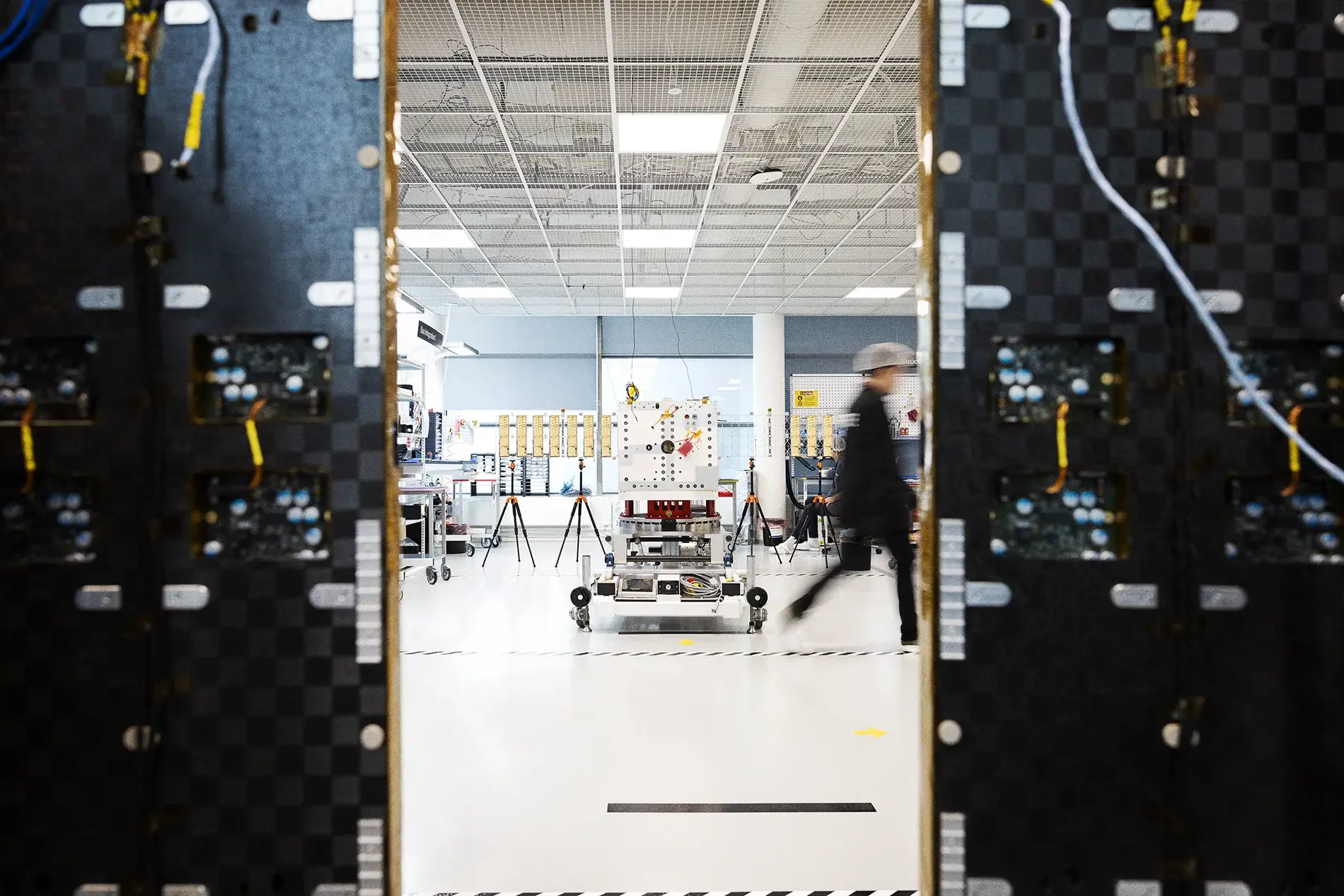
ICEYE's primary Series F values the SAR operator above EUR 10B; the full round tops EUR 1B with a secondary placement.

Germany's Space Agency at DLR funded LiveEO to study a foundation AI model spanning optical and radar Earth-observation imagery.
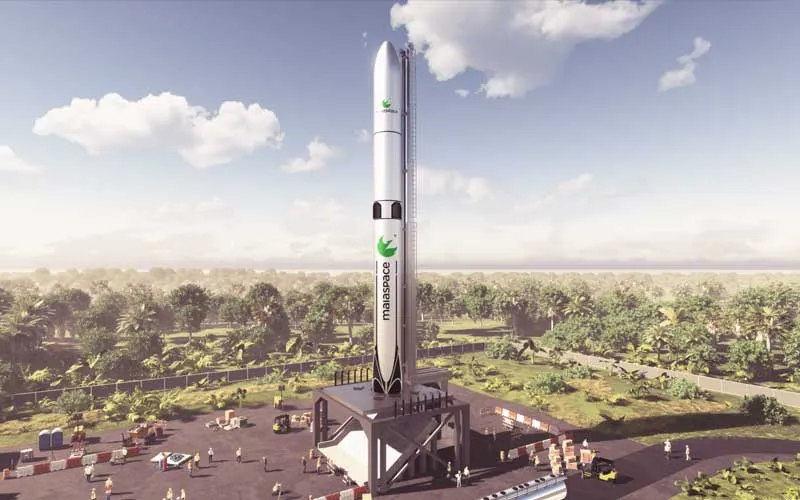
MaiaSpace posted a 37.5 million euro loss for 2025 that pushed shareholders' equity negative; ArianeGroup voted not to dissolve it.
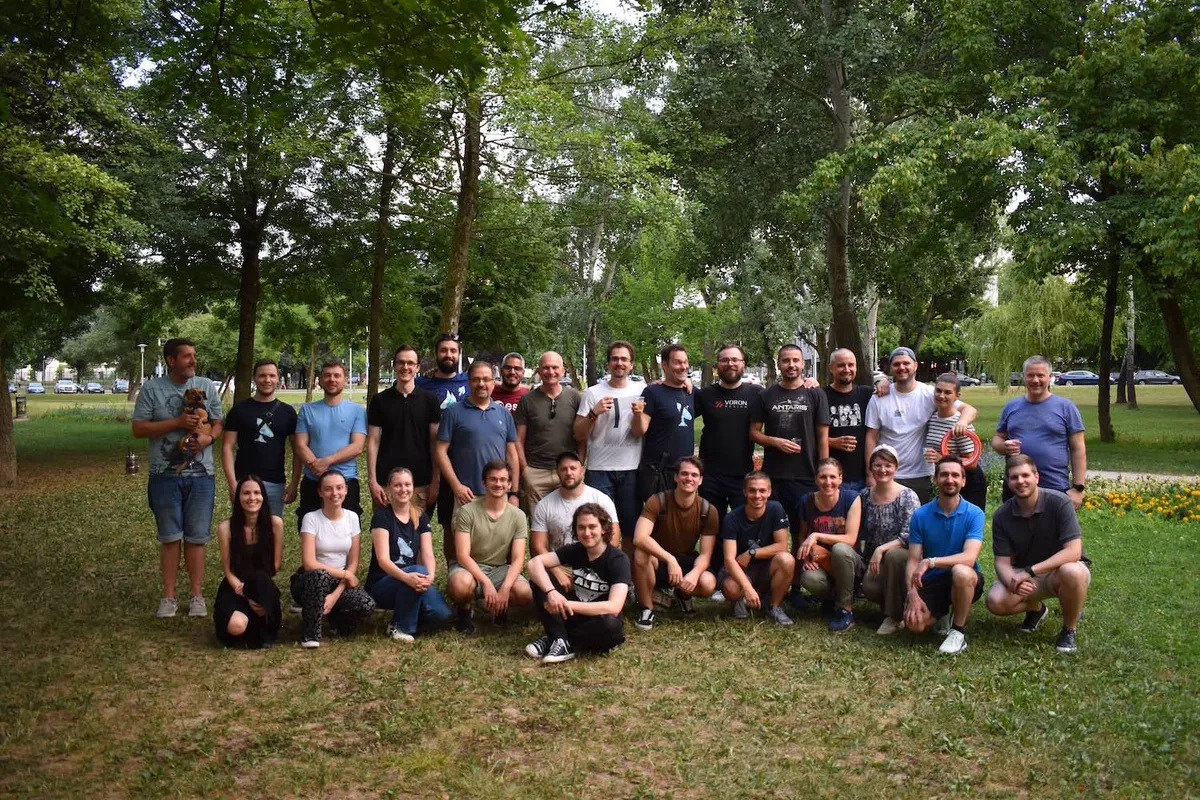
ETL Systems buys Croatian software specialist Amphinicy to broaden its satellite ground-segment portfolio.
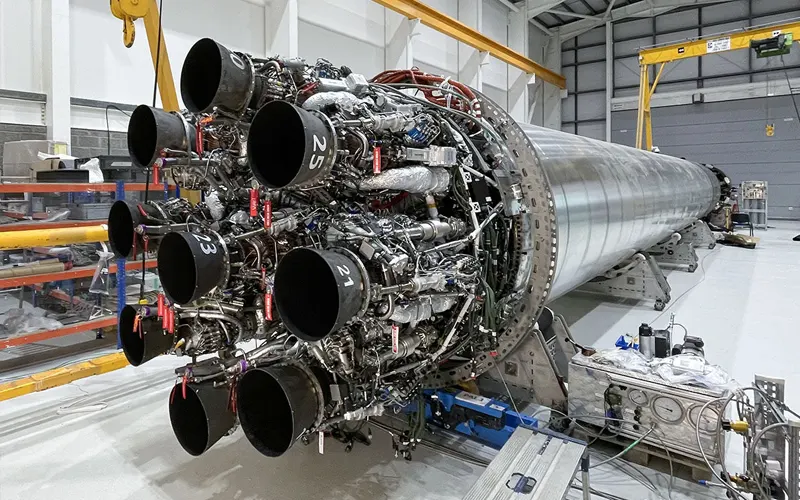
Rocket Factory Augsburg found an issue during pressure testing and de-stacked RFA ONE, casting doubt on the planned August 10 launch window.
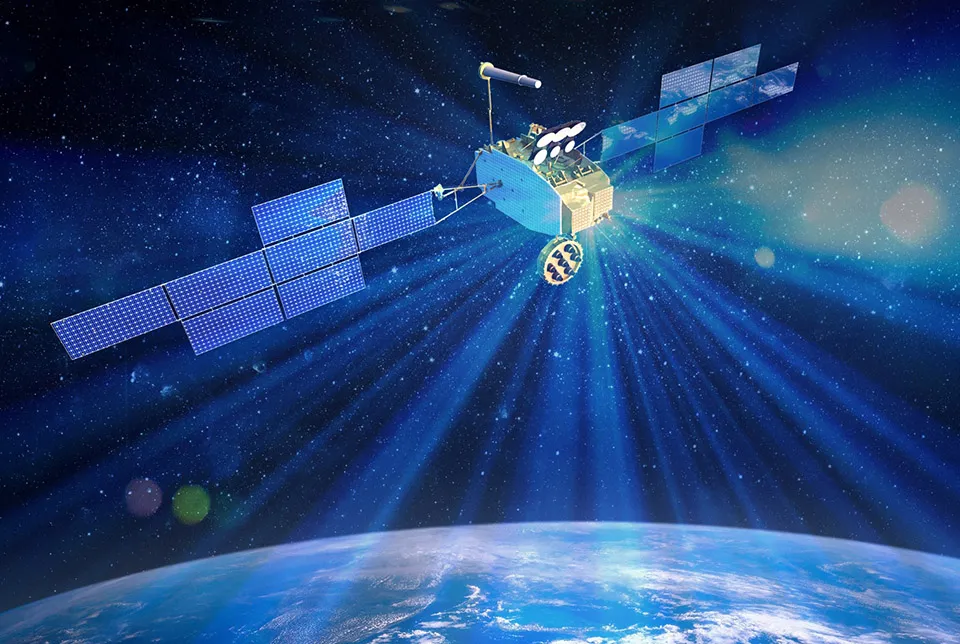
Spain's satellite operator signed the industrial contract for a replacement secure-comms satellite after SpainSat NG II's total loss.
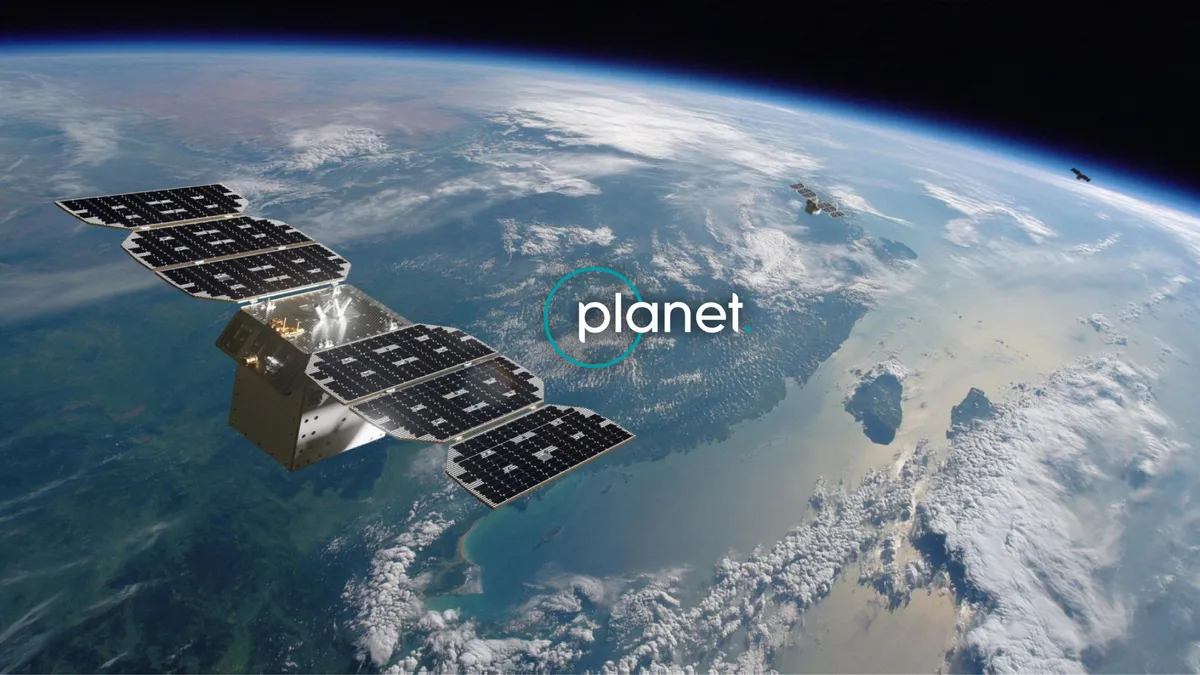
Scotland's government picked Planet, via reseller Computacenter, for a one-year, seven-figure satellite-monitoring deal.
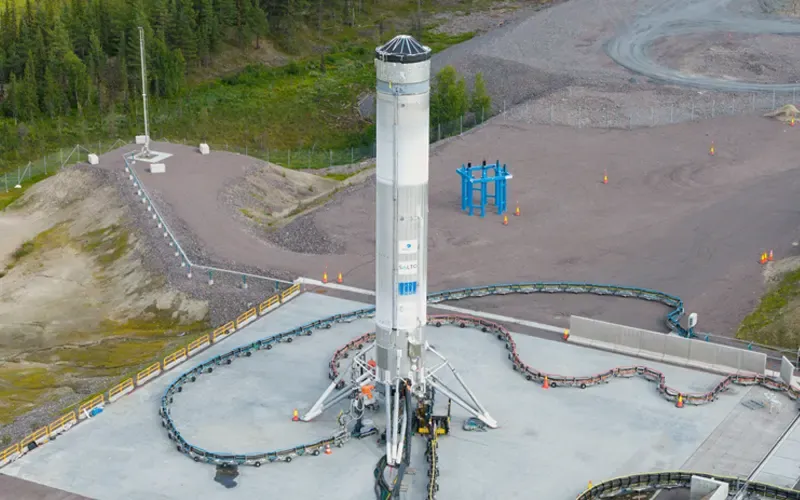
ArianeGroup rehearsed a full cryogenic countdown for the Themis reusable-booster demonstrator, its first update in ten months.
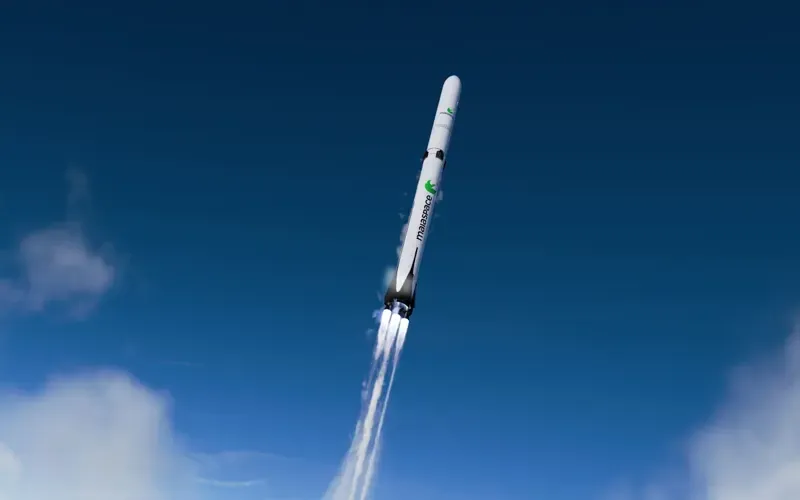
MaiaSpace says ground testing made a suborbital hop unnecessary; Maia's debut now targets an orbital attempt in second-half 2027.
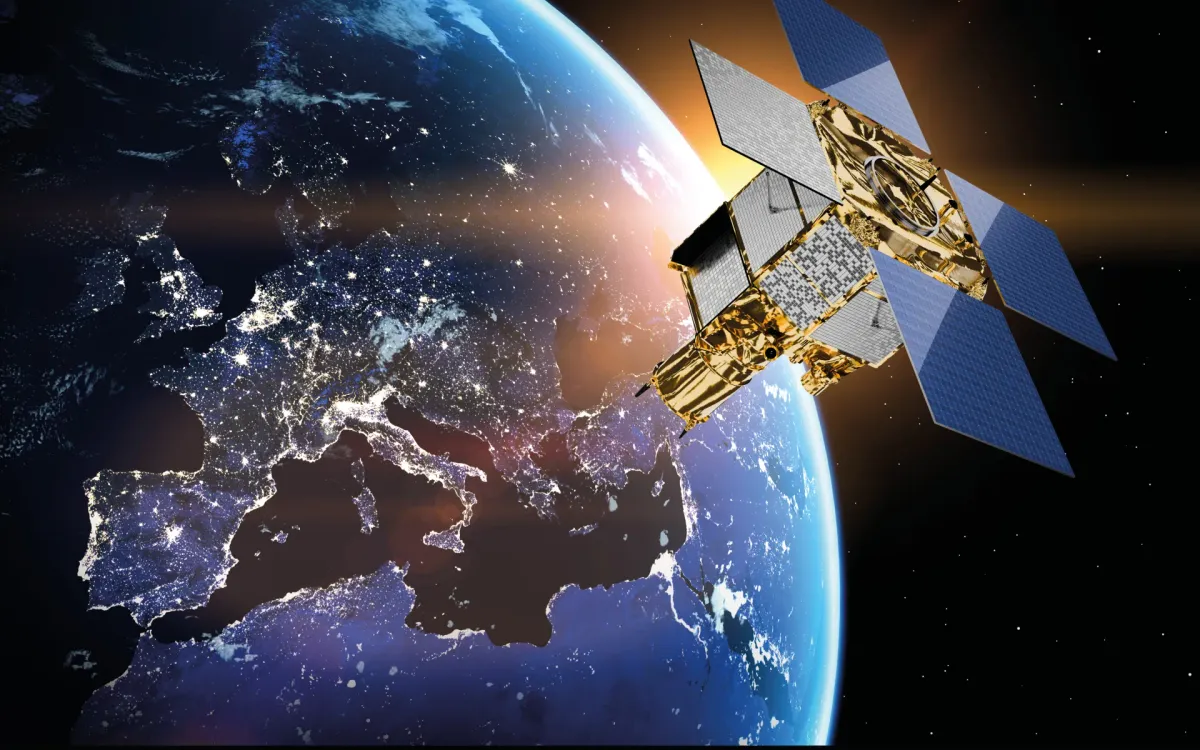
OHB Italia, Thales Alenia Space and Leonardo will build Italy's next hyperspectral satellite, tripling ground resolution to 10 meters.
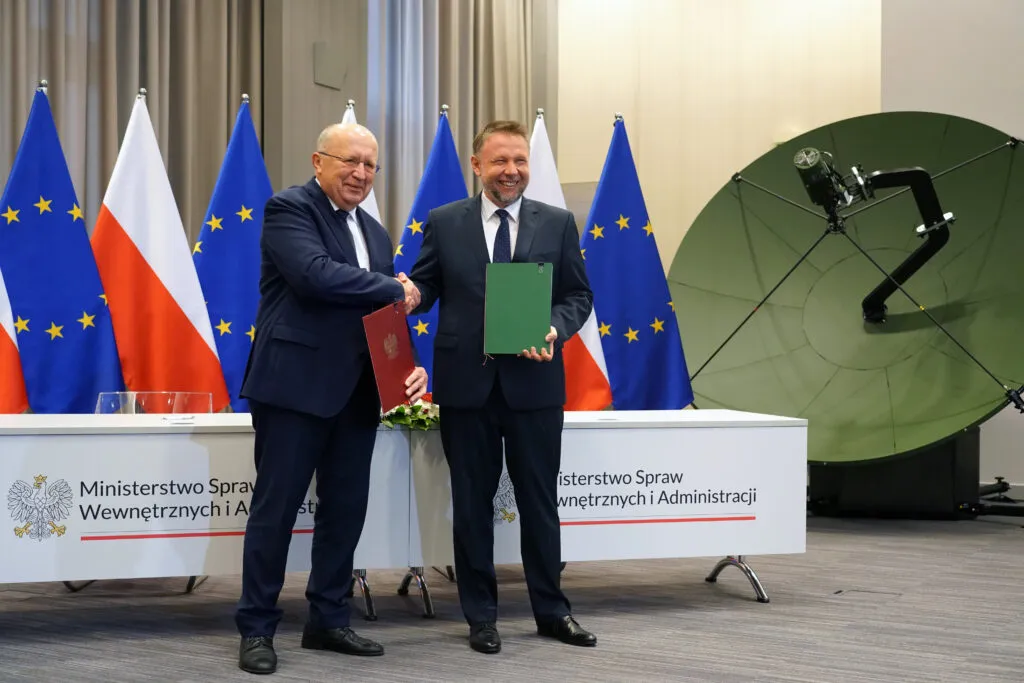
Poland more than doubled its IRIS2 contribution to 656.3 million euros; Eutelsat has now detailed its side of the MoU.
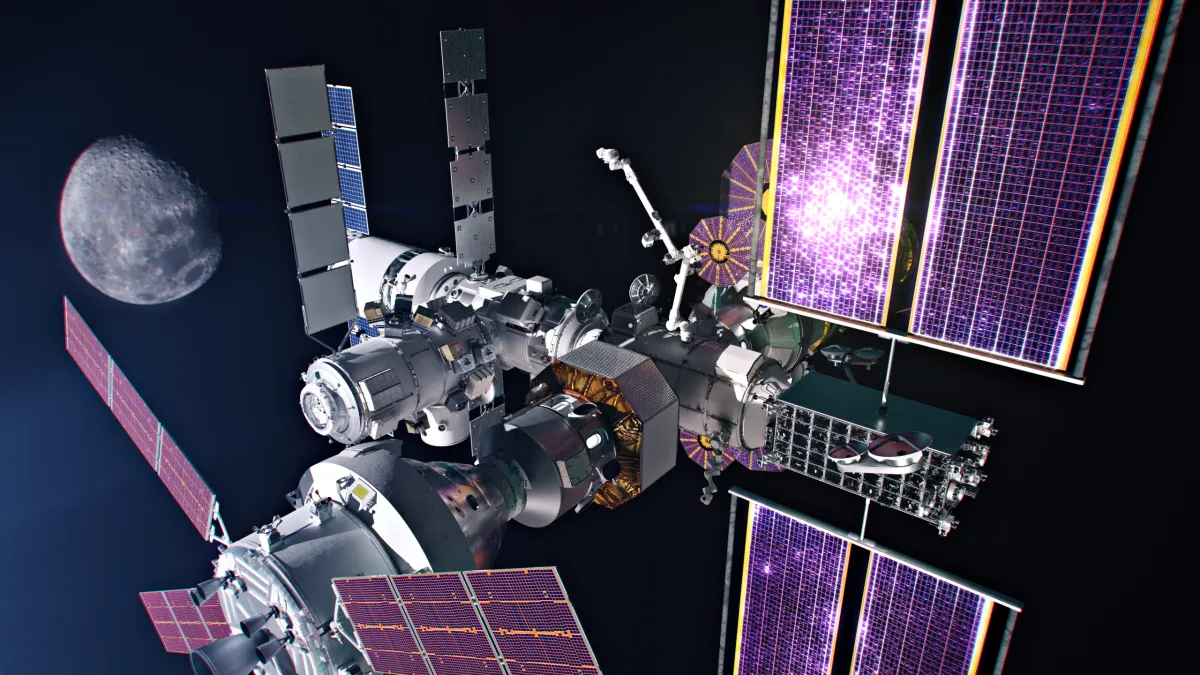
ESA is soliciting feasibility studies to turn its Gateway-built Lunar Link payload into a standalone lunar comms satellite.
Per the Financial Times, the German space firm is negotiating a $300 million round that would value it at over $2 billion.
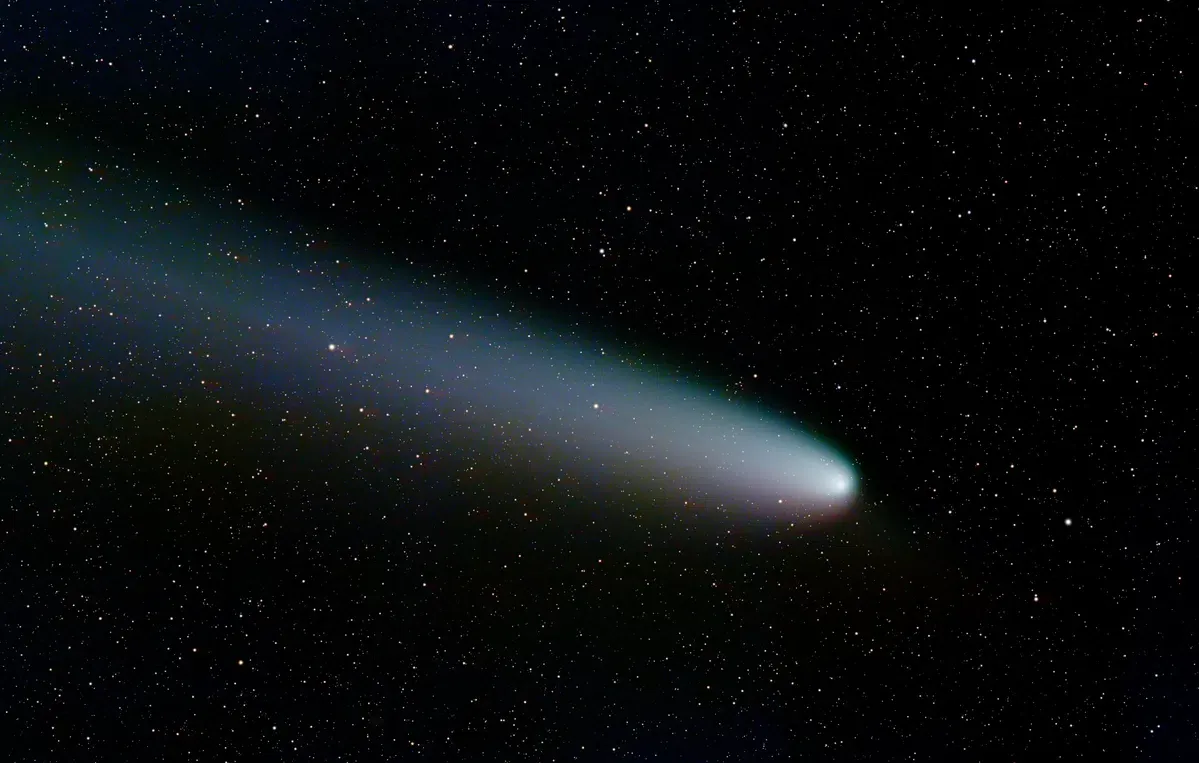
A defunct SpaceX Starlink satellite burned up over the Netherlands on July 24, producing a widely observed fireball, per Dutch outlets.
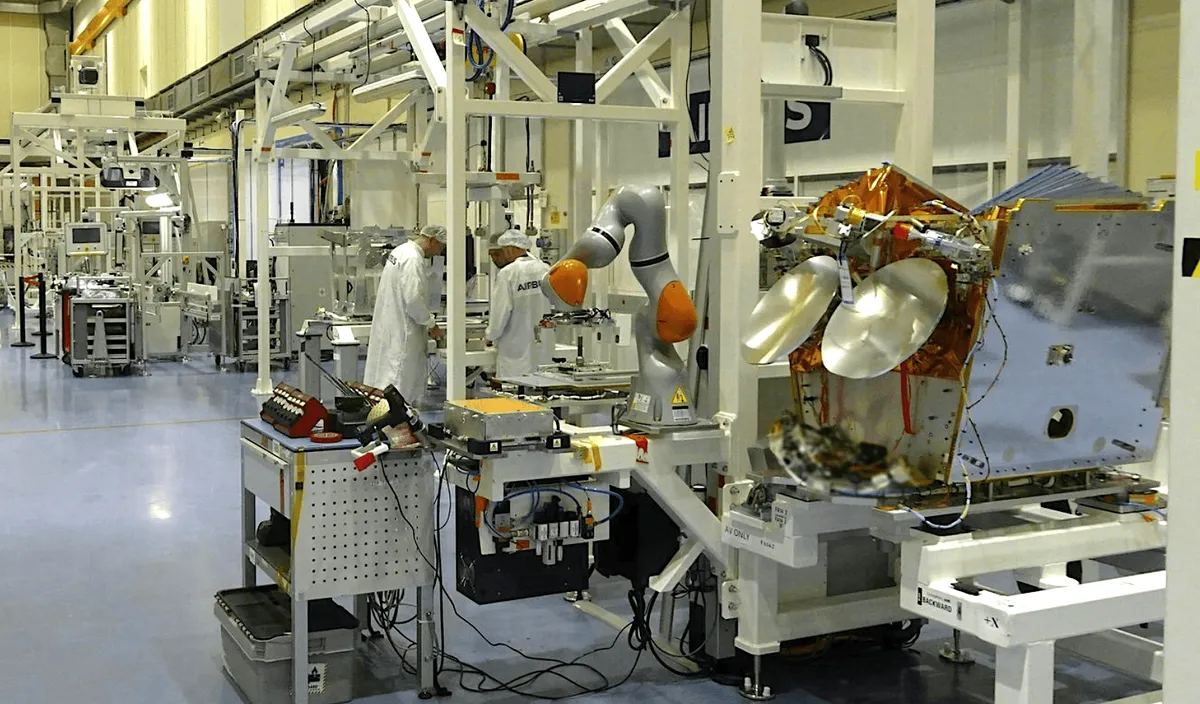
Eutelsat asked the FCC for US market access for a planned 528-satellite Next constellation alongside its existing OneWeb fleet.
Spire and SATE will spend 18 months building an ESA-funded AI system, called STRAIDE, for real-time satellite health monitoring.
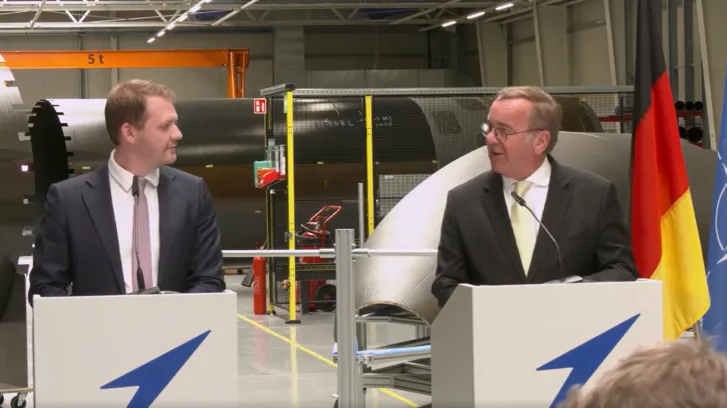
German Defence Minister Pistorius said the Bundeswehr is weighing its own launch site to avoid commercial launch queues.
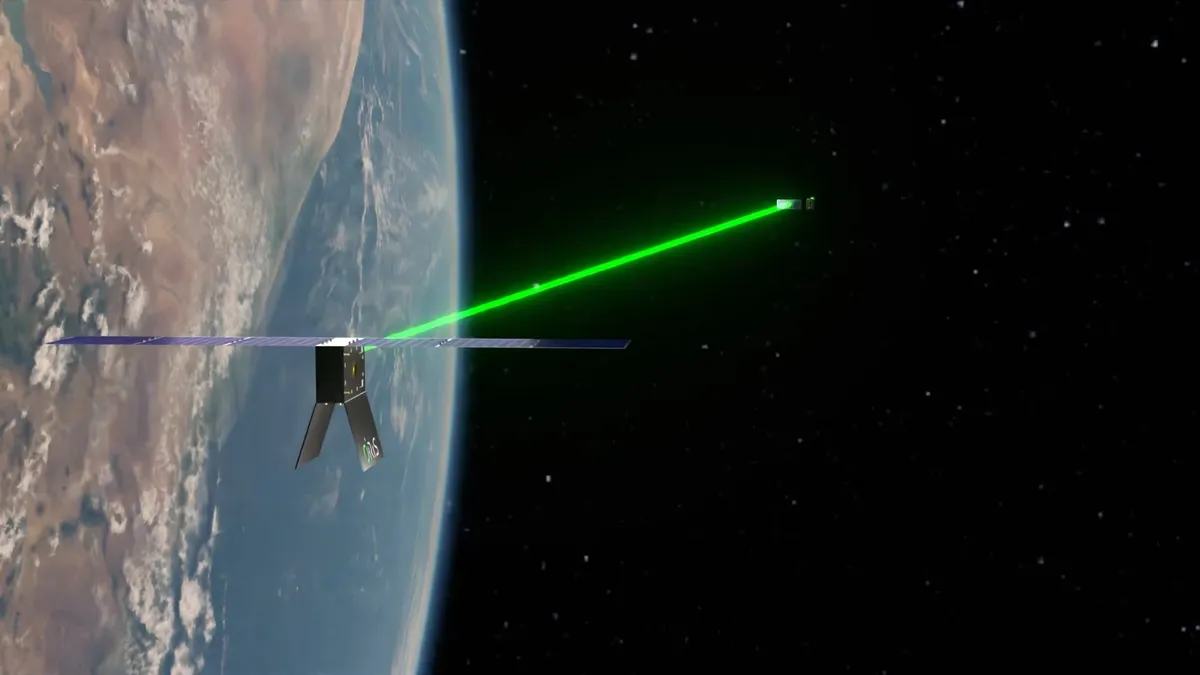
Per SpaceNews: the Turin startup raised 5 million euros to develop laser-based wireless power beaming for satellites.

Belgium's AMOS will build PROVIDENCE, a 2.5-metre telescope giving France's Air and Space Force LEO object-tracking down to 10 cm.
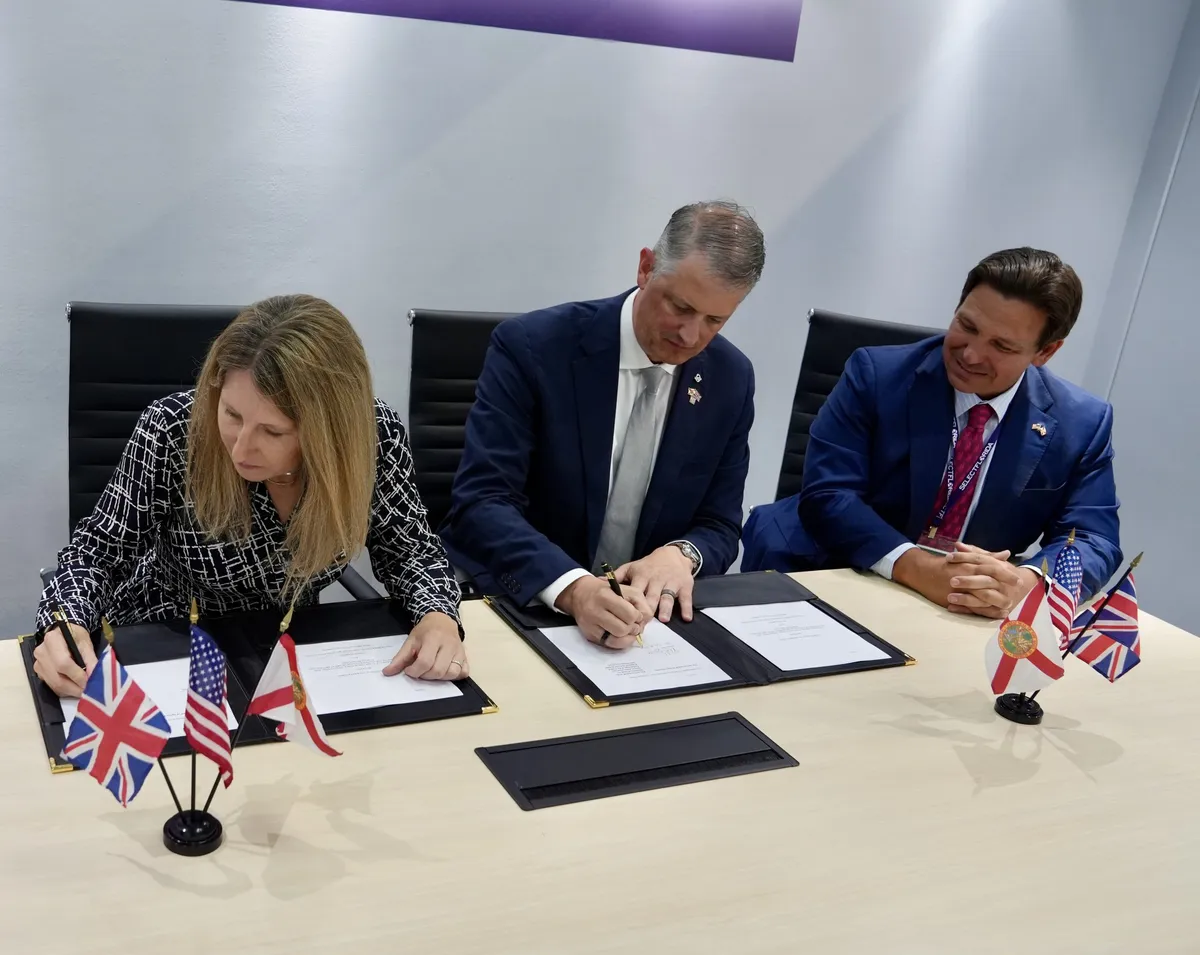
The UK government and Space Florida each pledged $200,000 to launch a new joint aerospace innovation fund.
MDA Space UK will supply LEIA LiDAR sensors for the hazard-detection system on ESA's Argonaut lunar lander, per an interim OHB contract.

The UK government opened GBP62 million in space-sector funding, including a third C-LEO satcom technology round.
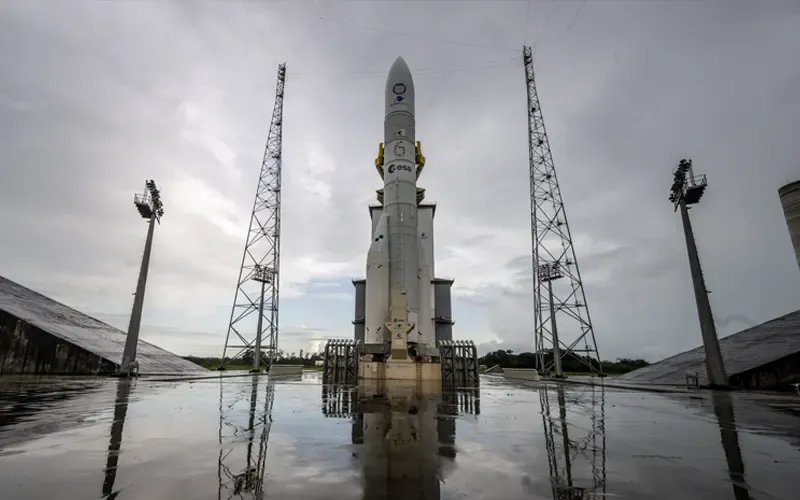
Per Hartpunkt: David Cavaillolès says a 10-20-launch block order would 'completely change' Ariane 6's supply chain planning.
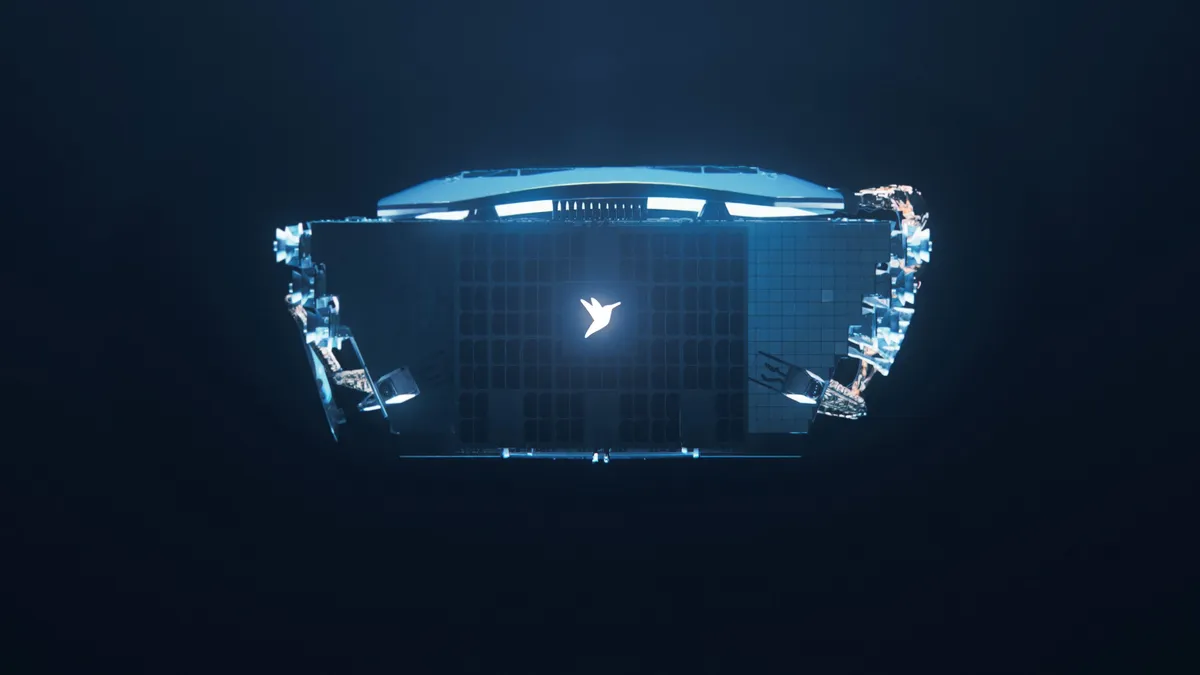
Swissto12 raised a $70 million Series C to scale up HummingSat small-GEO satellite manufacturing.
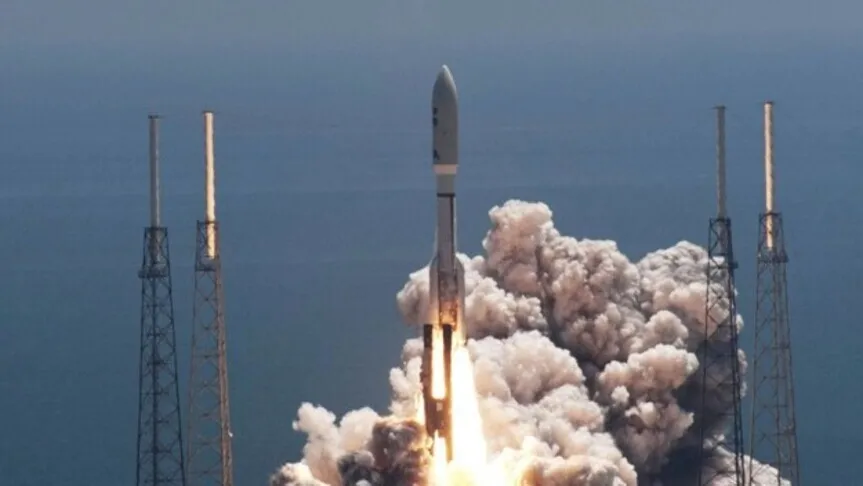
Belgium's defence ministry will spend over 200 million euros on its own low-Earth-orbit imaging constellation.
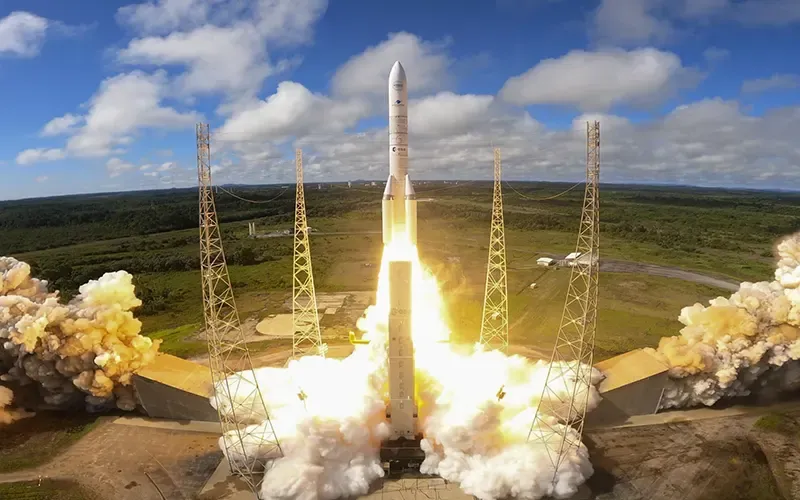
ESA signed a launch contract flying its Henon CubeSat as a secondary payload on Ariane 6 alongside the Plato telescope.
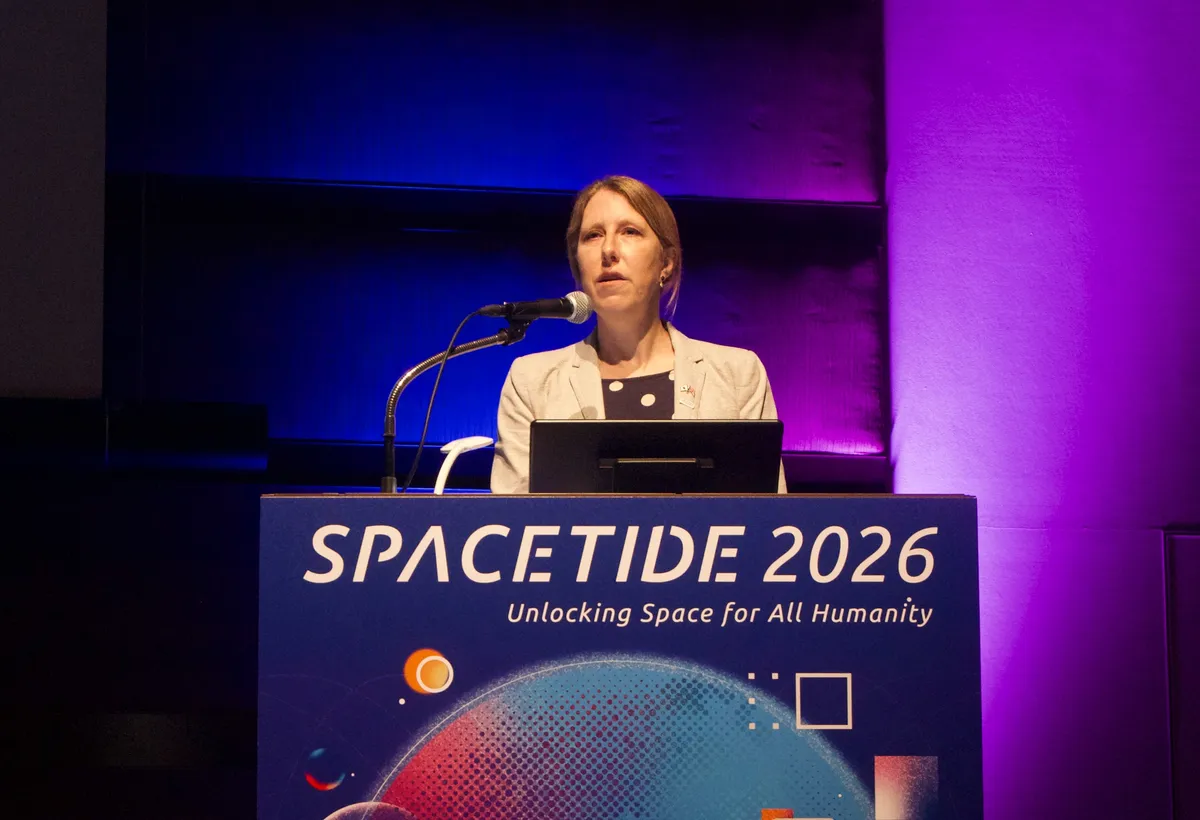
UK Space Agency director Rebecca Evernden says a new national space strategy is coming 'in the coming weeks.'
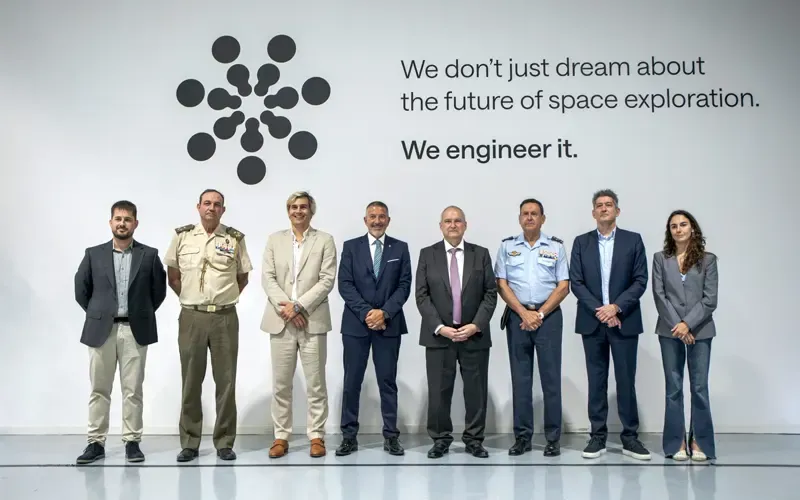
The Spanish propulsion maker opened a 1,000-square-metre plant near Barcelona, its first shift to serial production.
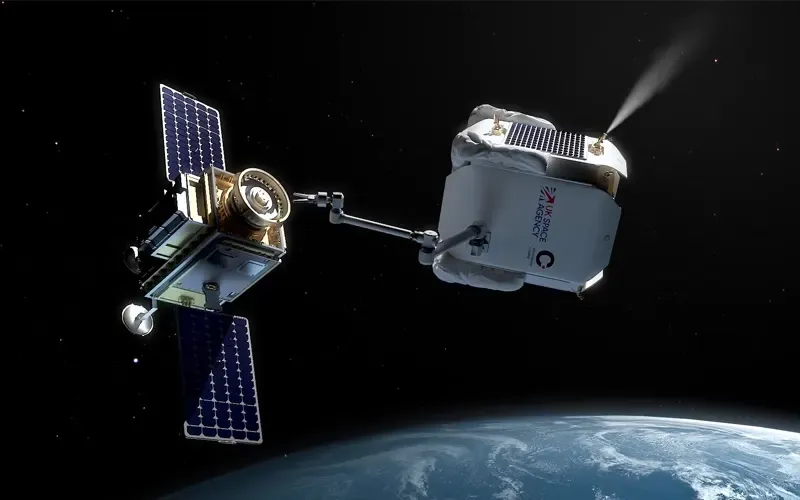
The UK Space Agency missed its deadline to award a GBP75.6 million debris-removal contract to Astroscale or ClearSpace.

Spire and Italy's SATE will spend 18 months building AI to diagnose satellite health and failures, under an ESA-backed program.

The EU Council ordered a 24-hour delay releasing Sentinel imagery of part of the Gulf of Oman after a US security request.
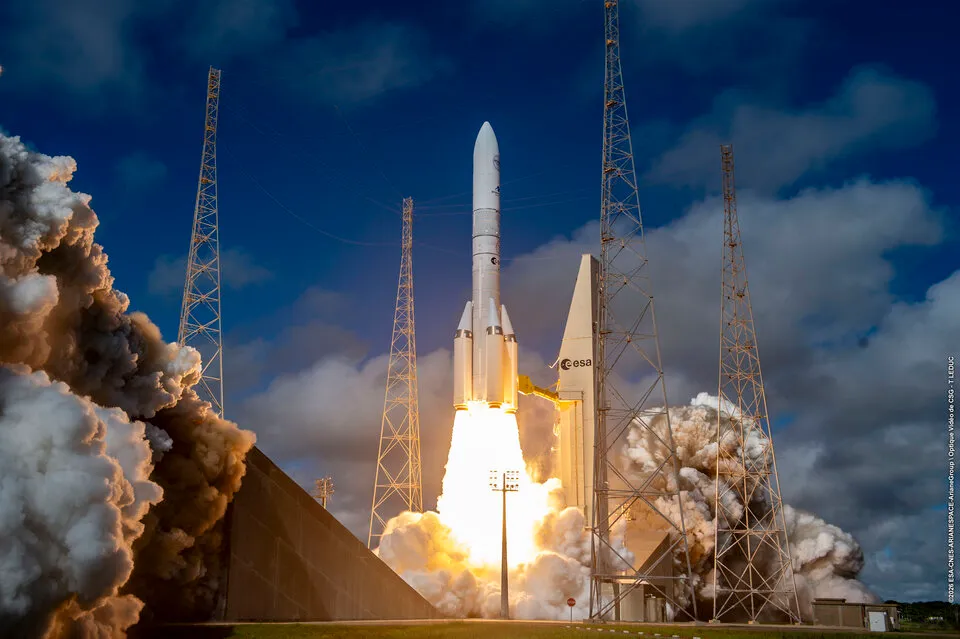
ESA's 2026 report found European space budgets grew 12% to €13.5 billion in 2025, the fastest rise in five years.
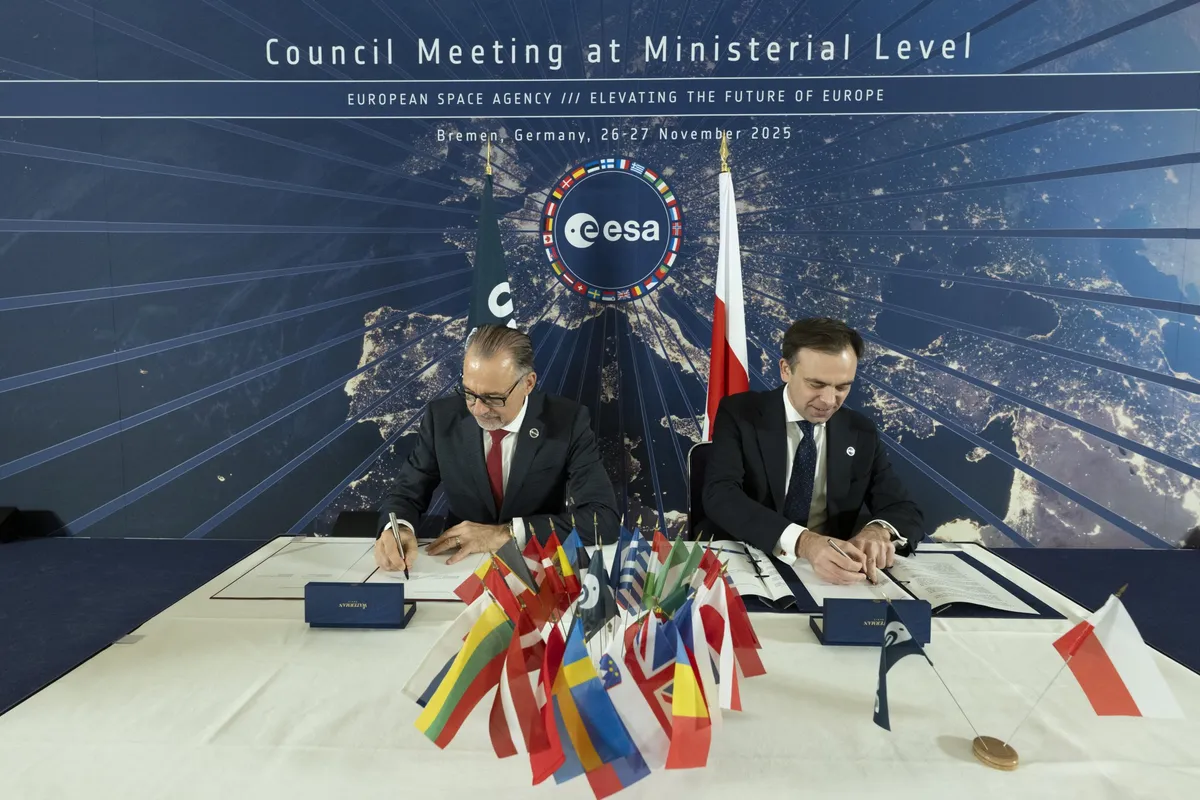
Poland will host ESA's first center in an eastern-flank member state and is raising its ESA funding roughly tenfold for 2026-2028.
Eight NATO members will network their sovereign military satellites into a shared hybrid constellation.
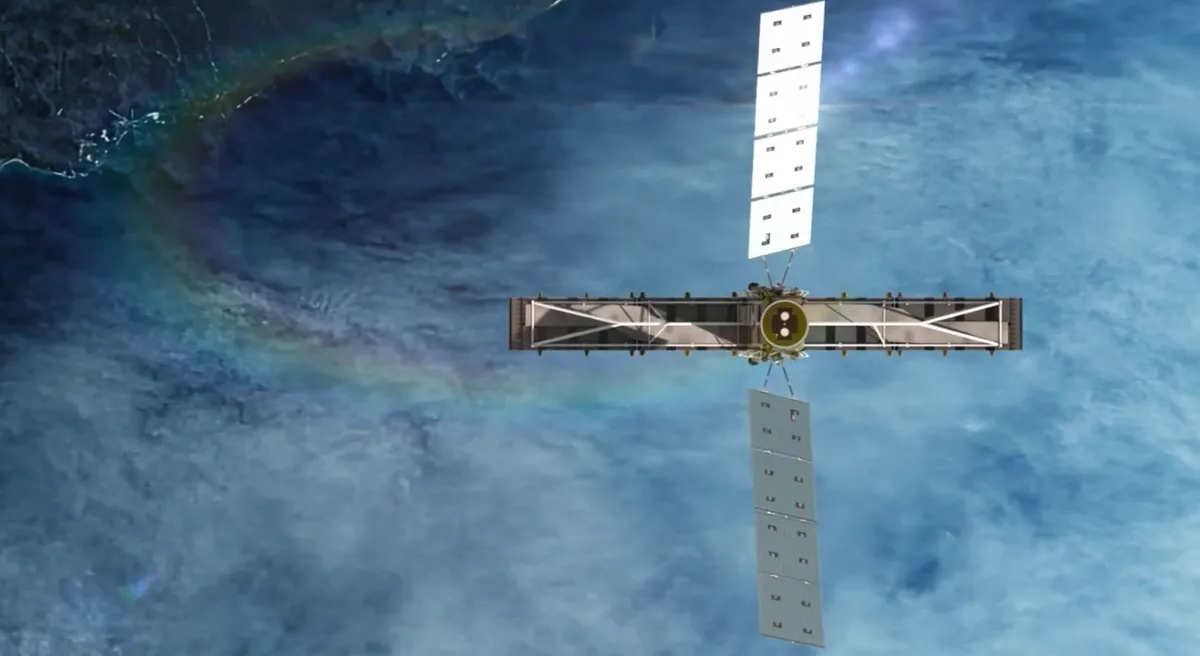
MDA Space is acquiring a 70% stake in French EO data analytics firm CLS for 567 million euros, per SpaceNews.
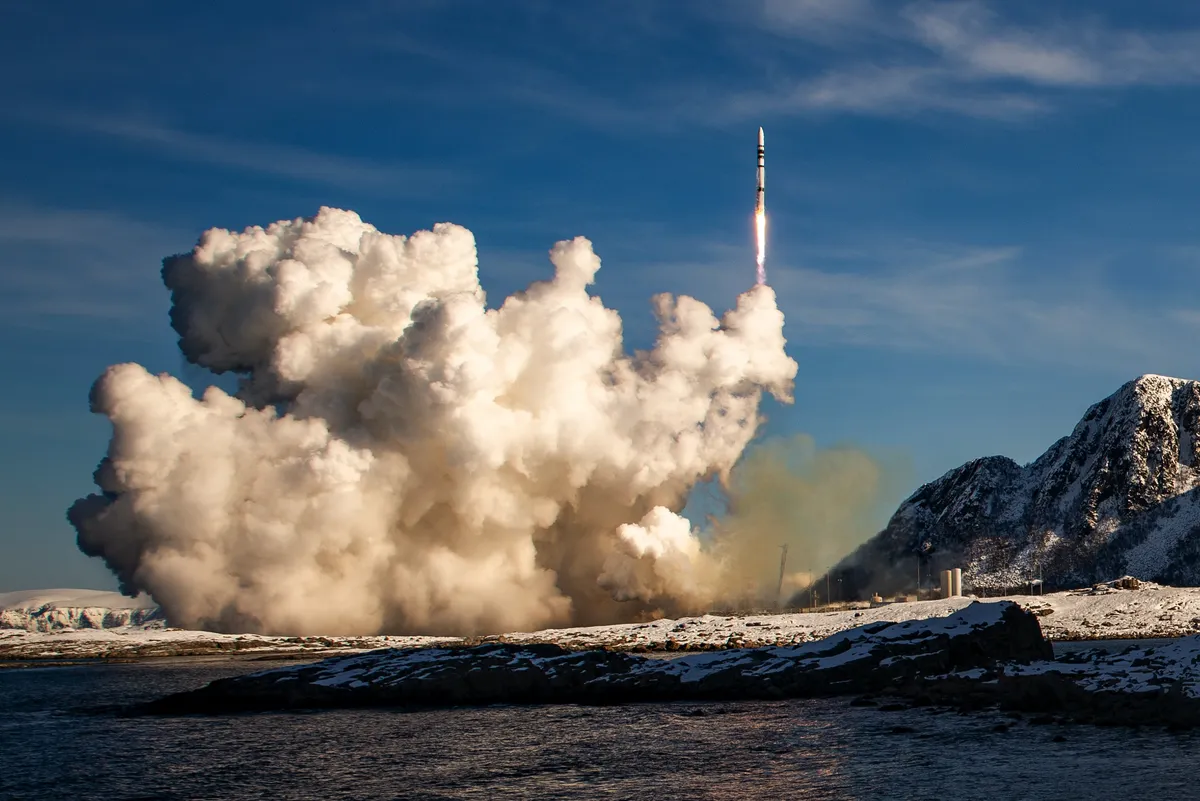
Isar Aerospace will pay Maritime Launch Services for a dedicated Spectrum launch complex at Spaceport Nova Scotia in Canada.
ICEYE established ICEYE Portugal and a Lisbon R&D center of excellence, naming Rui Costa as country CEO.
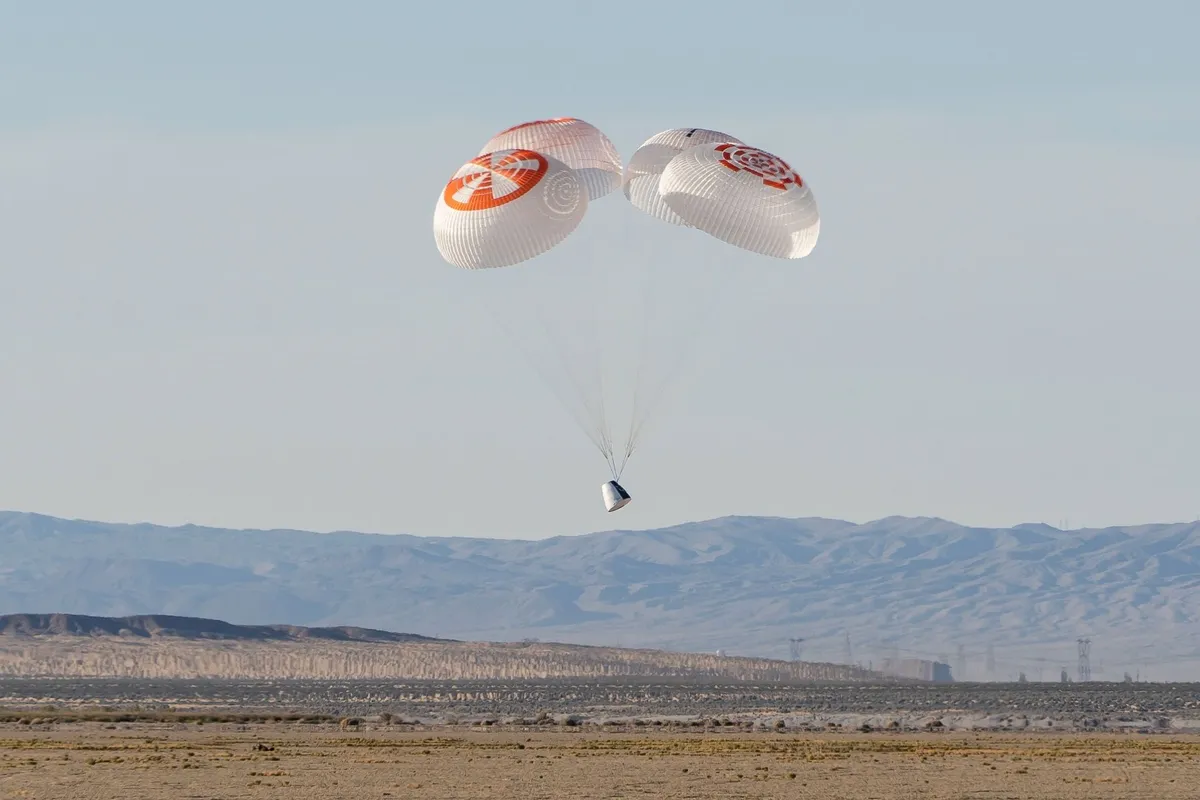
The Exploration Company set up a Houston-based US entity, TEC Federal, to compete for US government contracts.
Ovzon tested its GEO satellite and mobile terminals nearly 1,300 km inside the Arctic Circle with NATO country observers.
ICEYE formally established a German entity in Berlin and Munich, naming Philipp Herkelmann CEO of ICEYE Germany.
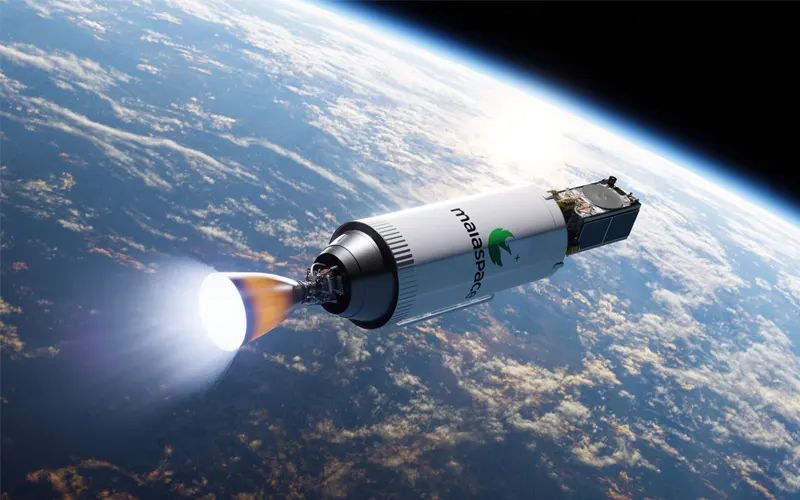
Per Andrew Parsonson on Bluesky, Loft Orbital signed MaiaSpace for multiple launches starting 2028.

Beyond Gravity will supply 27 payload fairings for Ariane 6 flights 16 through 42, its largest Swiss launch-vehicle contract yet.

Per Aviation Week's Vivienne Machi: NATO signaled the SDA concept "may be evolving into a blueprint for organizing allied space."

Intesa Sanpaolo, the EIB and ESA launched a EUR 300 million financing facility for Italy's aerospace supply-chain SMEs.
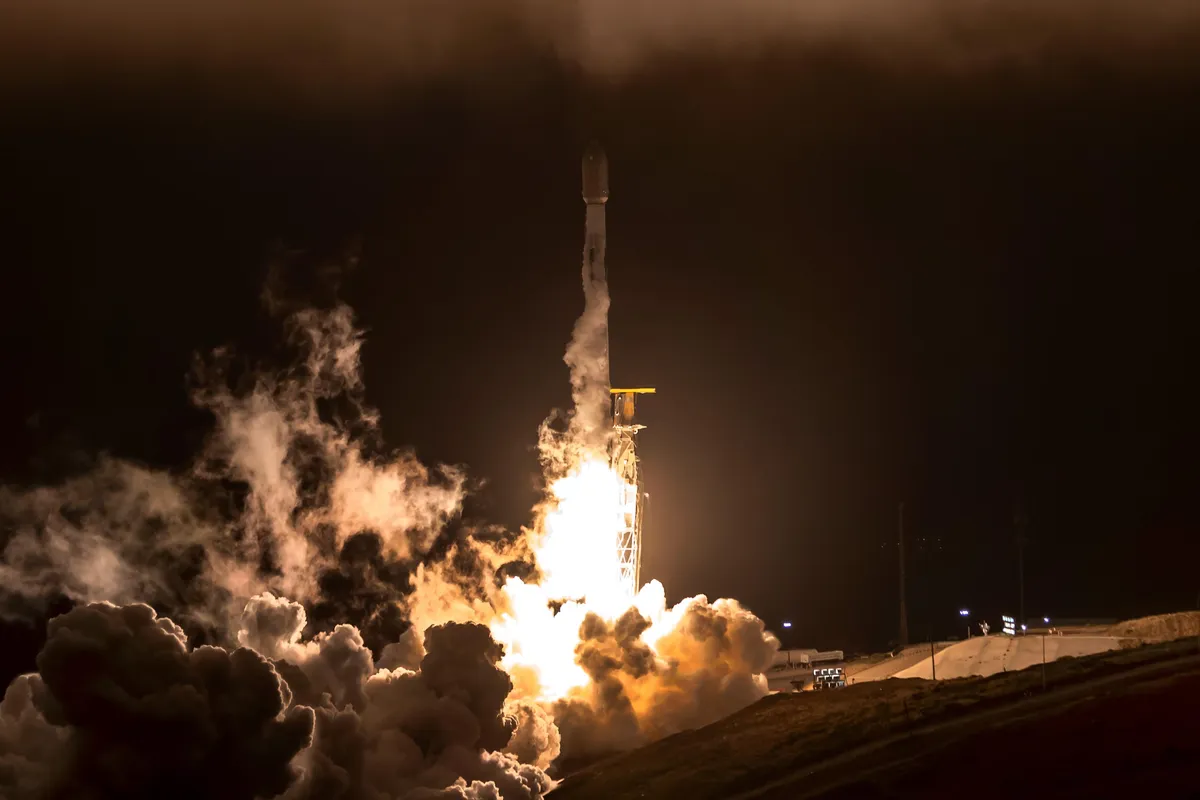
ICEYE says its SAR constellation now stands at 76 satellites after a four-satellite Transporter-17 launch.
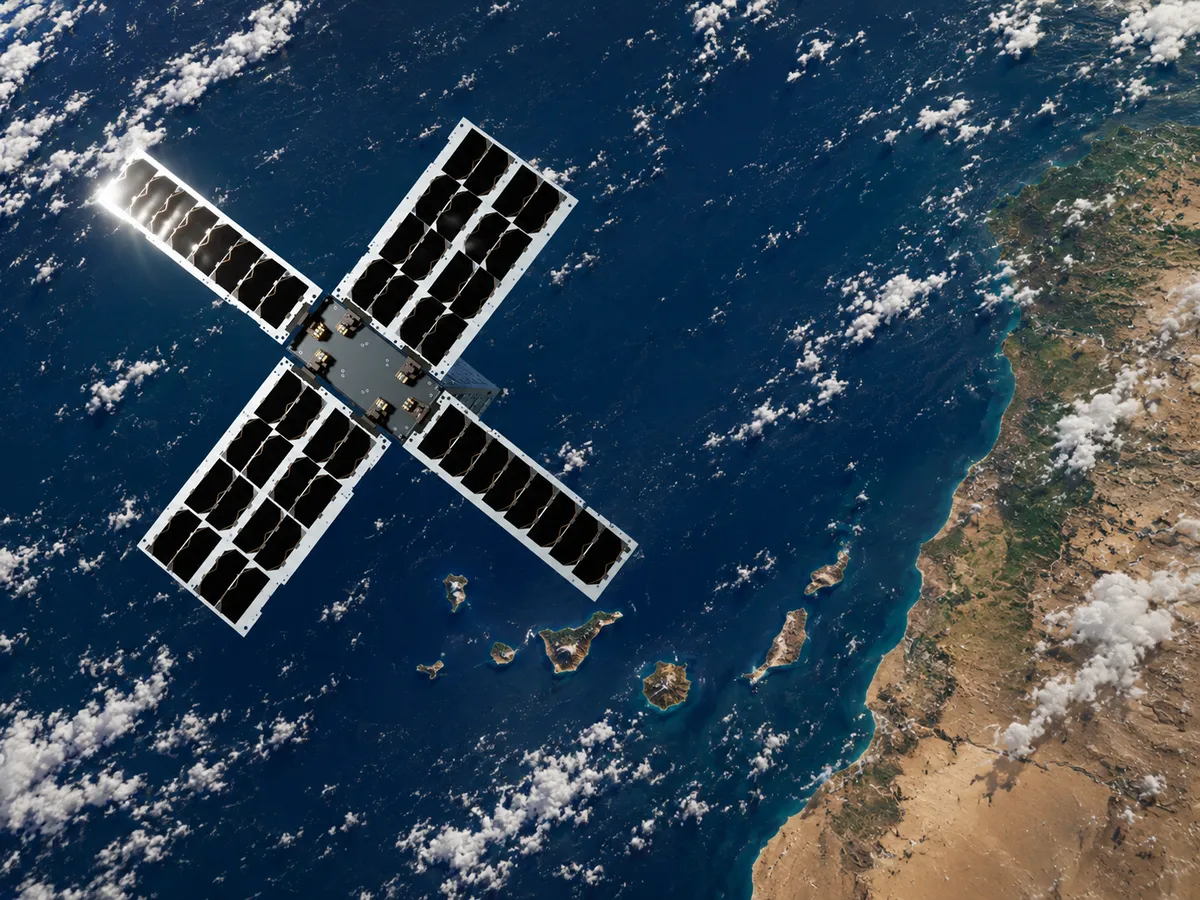
Per SpaceNews, Simera Sense won a deal to supply eight multispectral imagers for a new regional EO constellation.
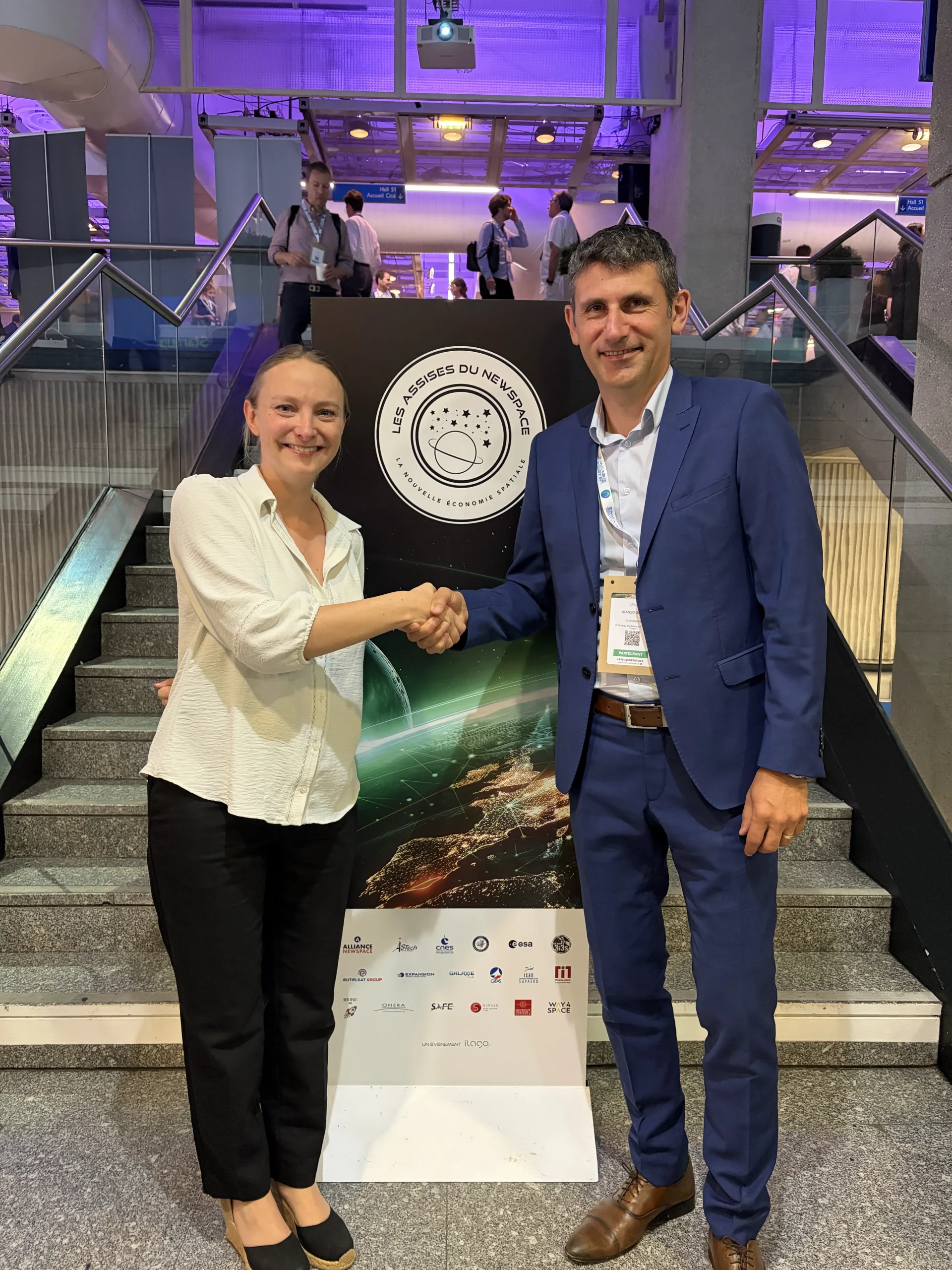
Per SpaceNews, Arianespace and Infinite Orbits will explore direct-to-GEO rideshare services on Ariane 6 from 2029.

Unseenlabs says it launched BRO-31, the first satellite of a heavier, more capable second-generation RF-detection fleet.
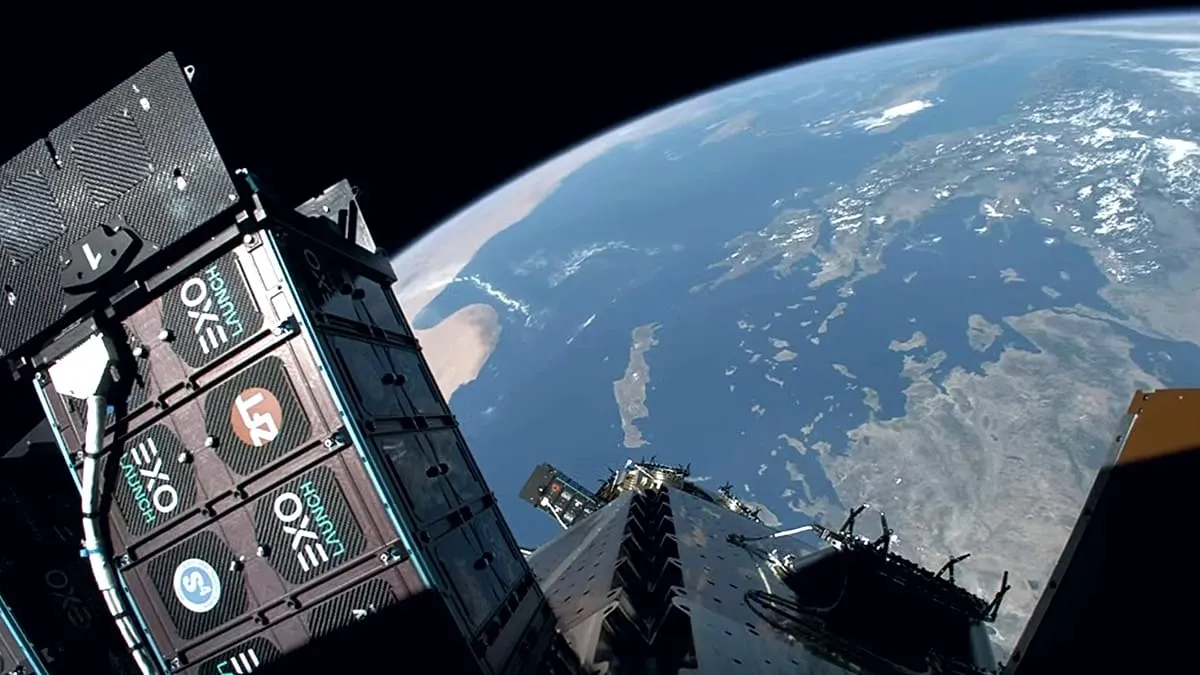
Open Cosmos launched Posidonia, the Balearic Islands' first satellite, and Hyperion GR-1, the first of a planned Greek EO constellation.
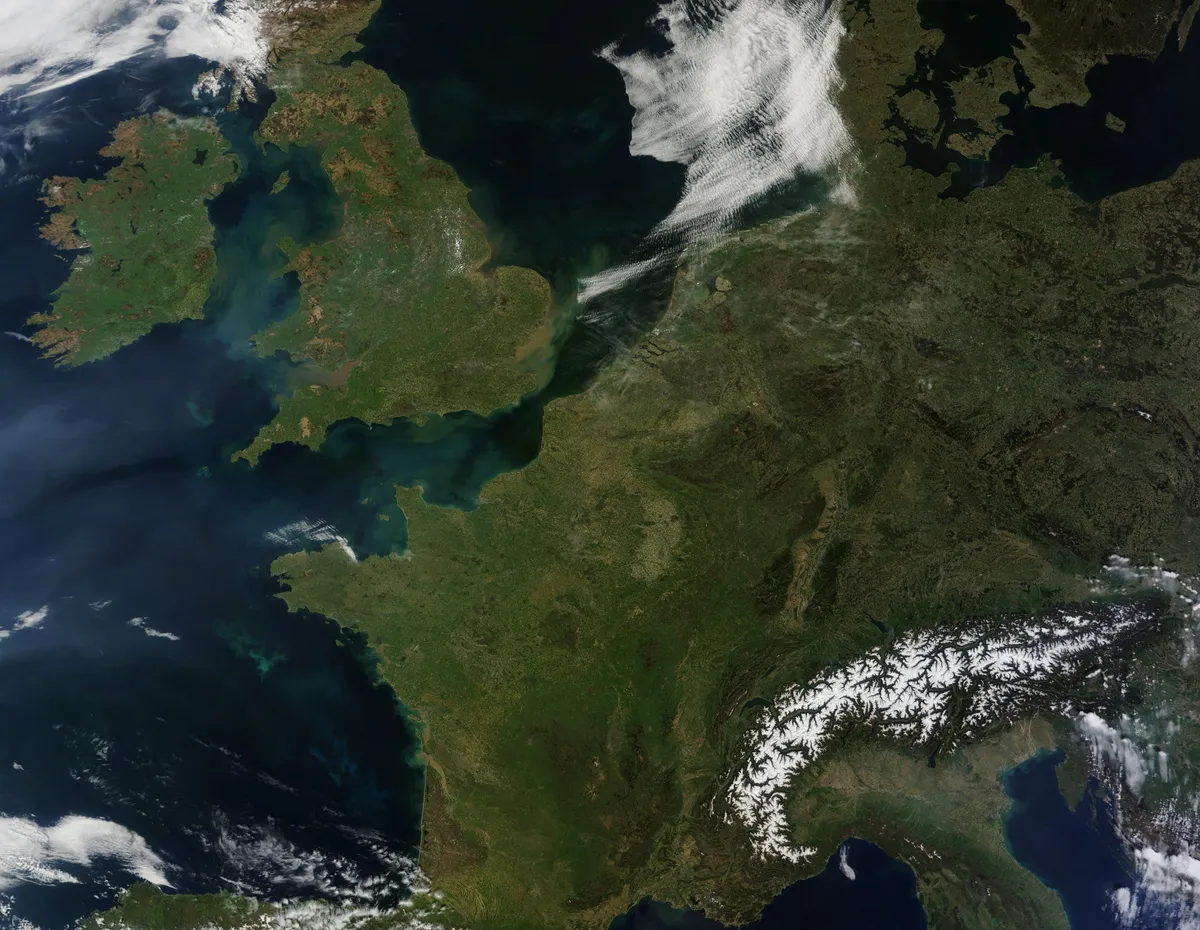
Eurospace's 2025 report shows European space industry sales up 23% to EUR10.9 billion, with EO overtaking telecom as the top segment.

Former German Chancellery chief Wolfgang Schmidt joins Planet's European Advisory Board.
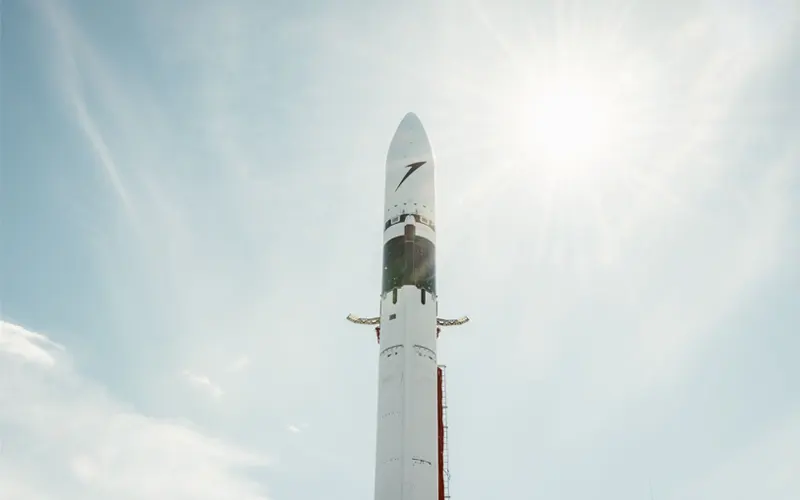
Isar's Spectrum rocket will carry a Planet Labs Germany Pelican Earth-observation satellite within about a year of the deal.
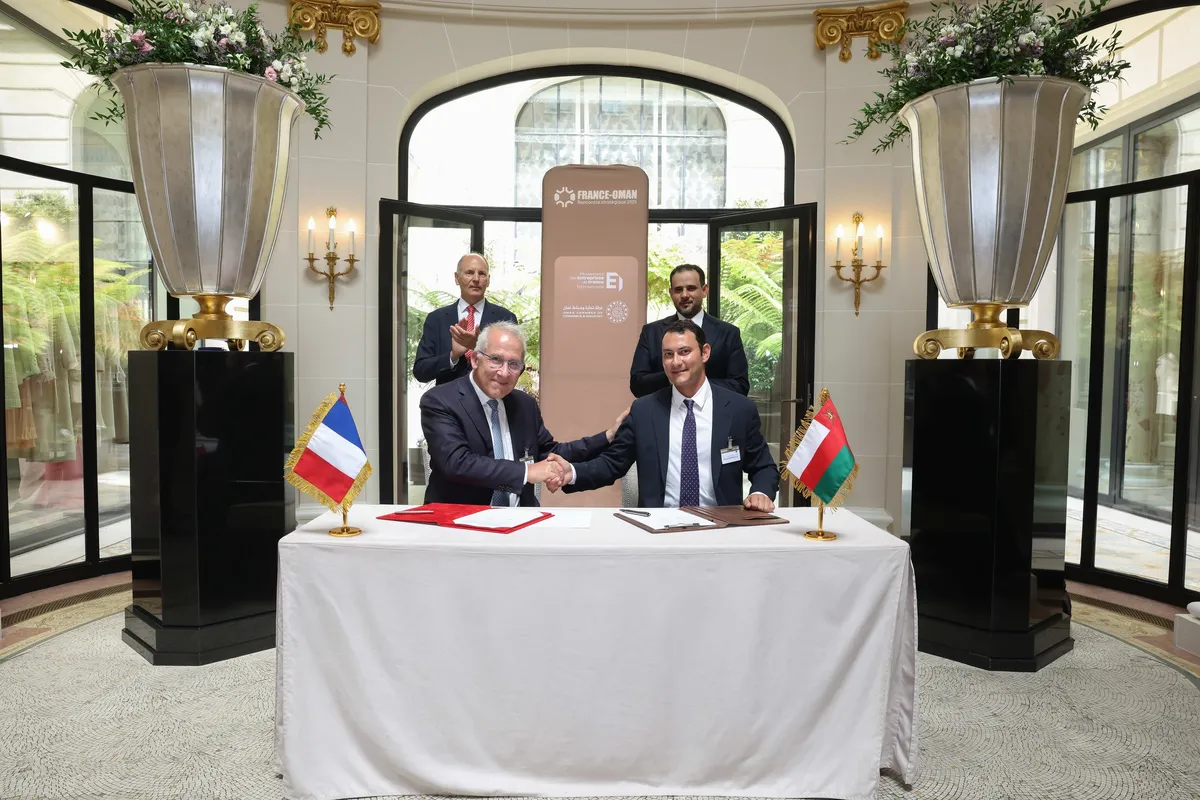
French launch startup Latitude wants to fly its small launcher from a new Omani spaceport as soon as late 2027.
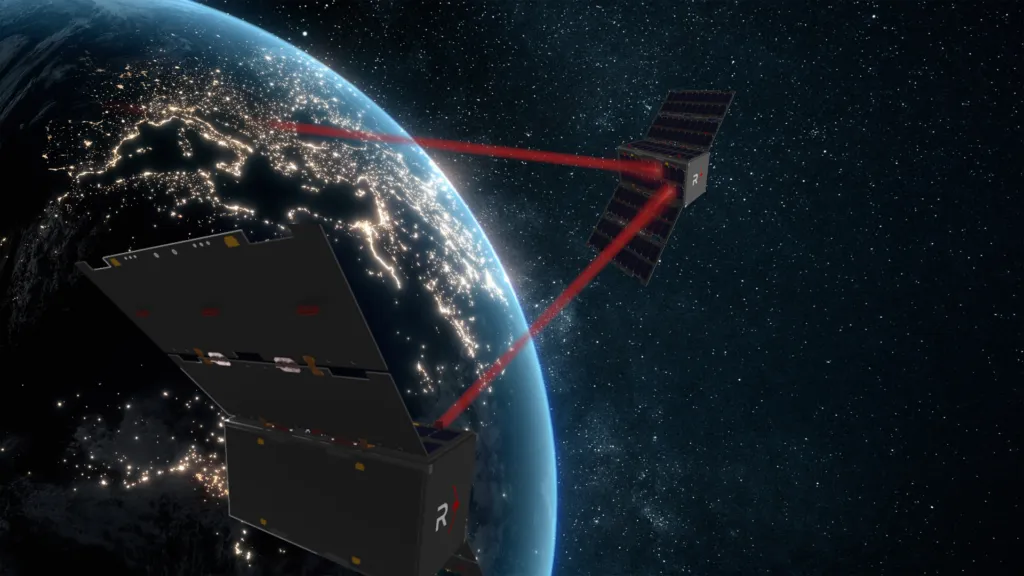
Austria's Ministry of Defence picked R-Space to build Aurora, a laser-comms and quantum-encryption demonstration satellite due in 2027.
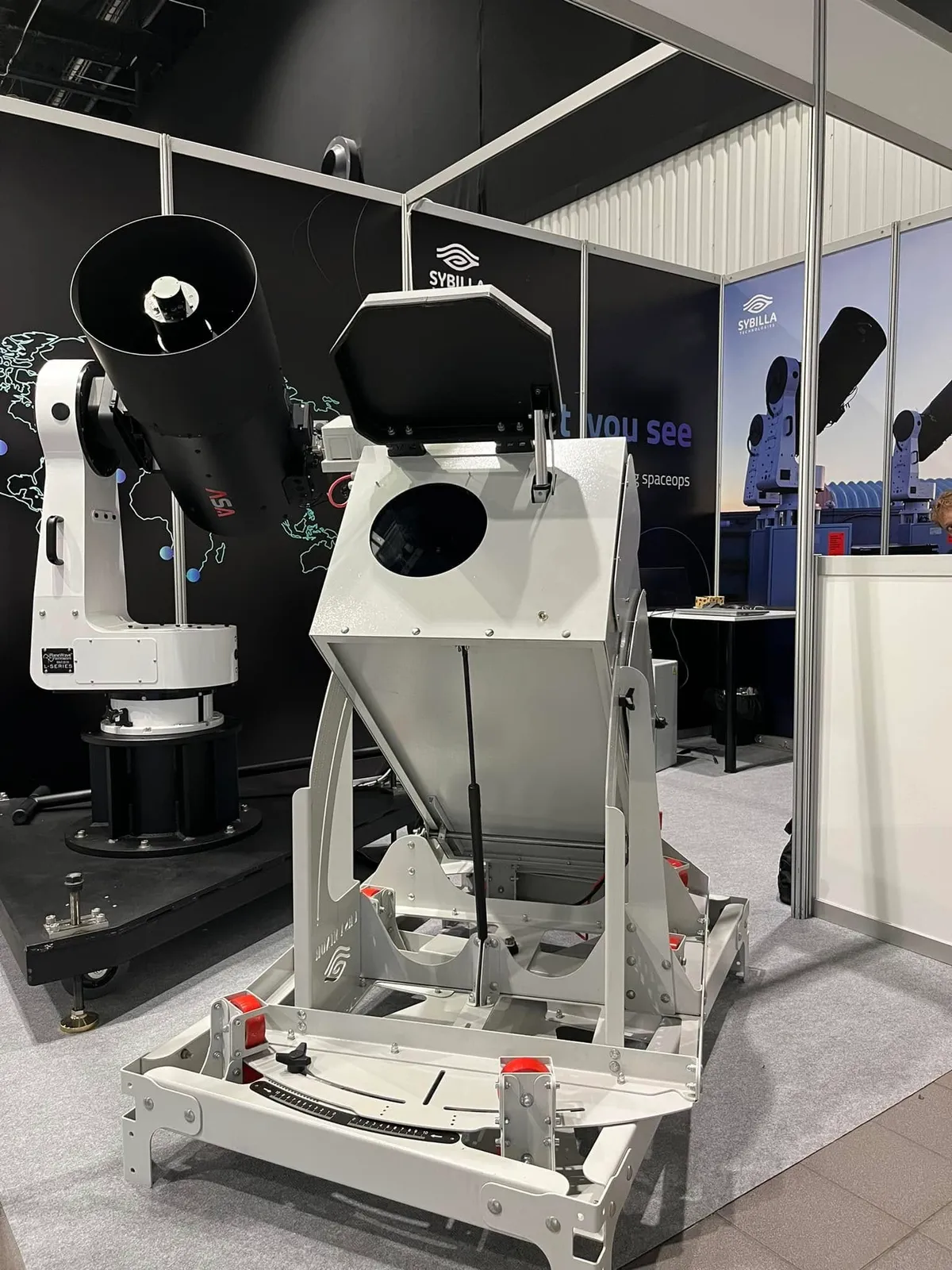
Poland's Sybilla Technologies raised about $10 million to grow its optical sensor network and enter the US market.
ESA contracted Spain's EMXYS to build Don Quijote, the first CubeSat designed to land on an asteroid, for its Ramses mission.
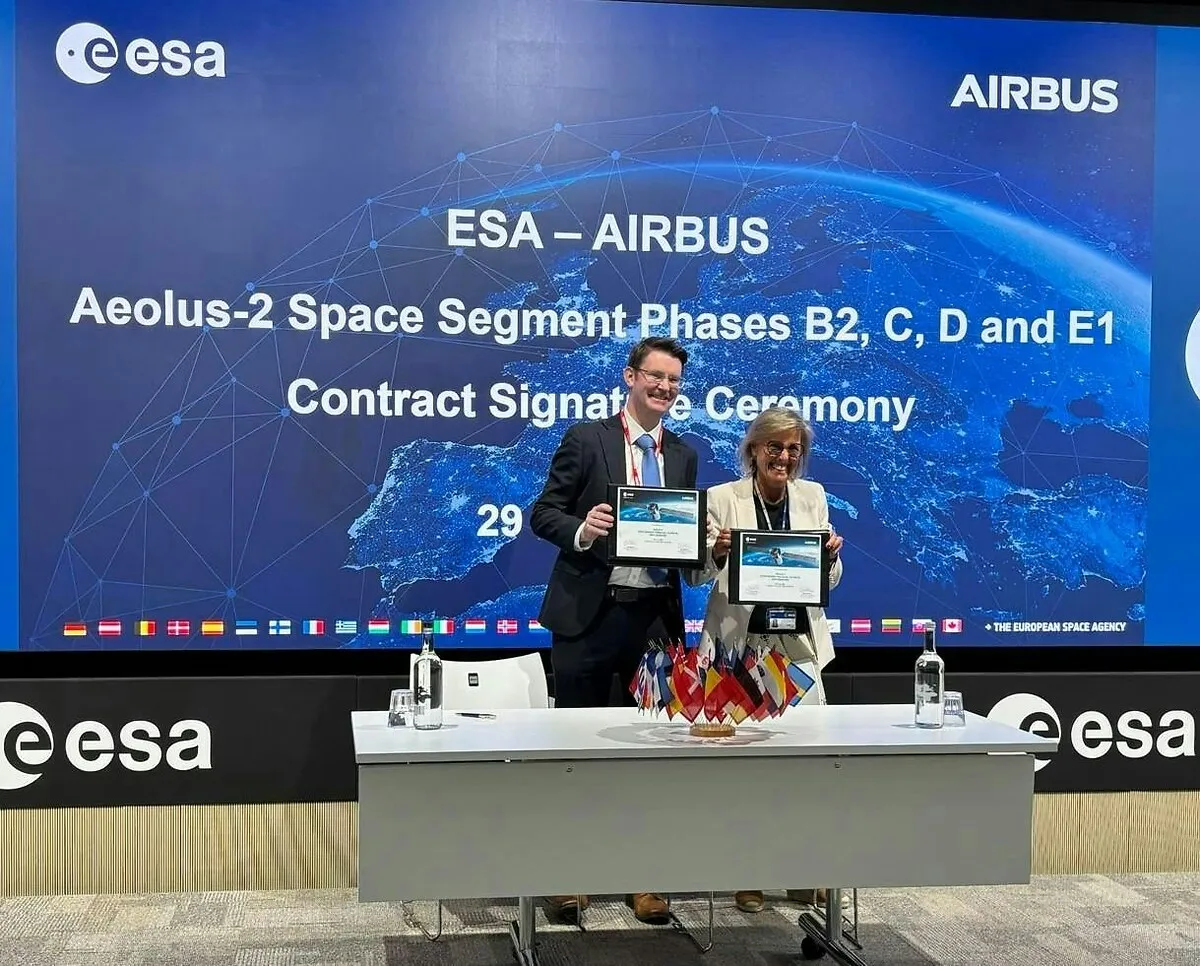
ESA and EUMETSAT contract Airbus to build a successor to the Aeolus wind-lidar satellite as an operational service.
Italy's IRIDE Earth observation marketplace went live July 1 for government users, with commercial access planned later.
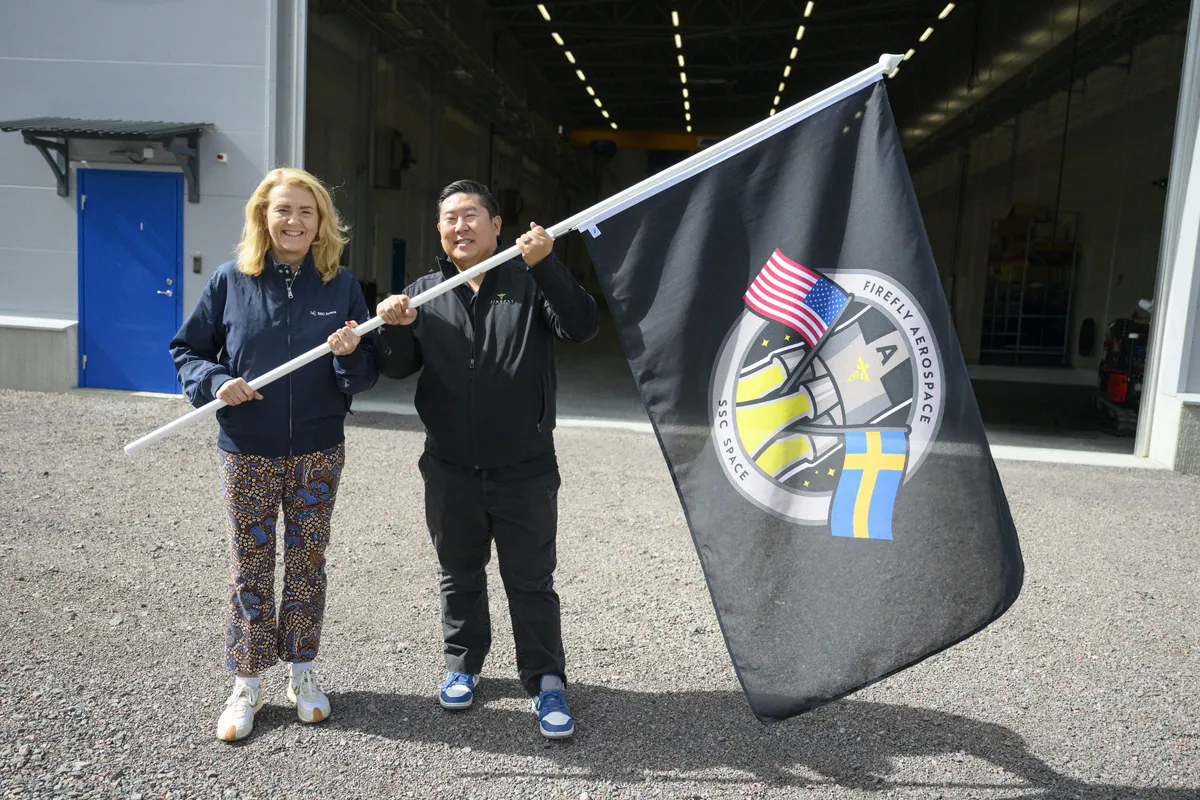
Firefly's Alpha rocket is set to fly from a new pad in Swedish Lapland by 2028, adding an orbital launch site to mainland Europe.
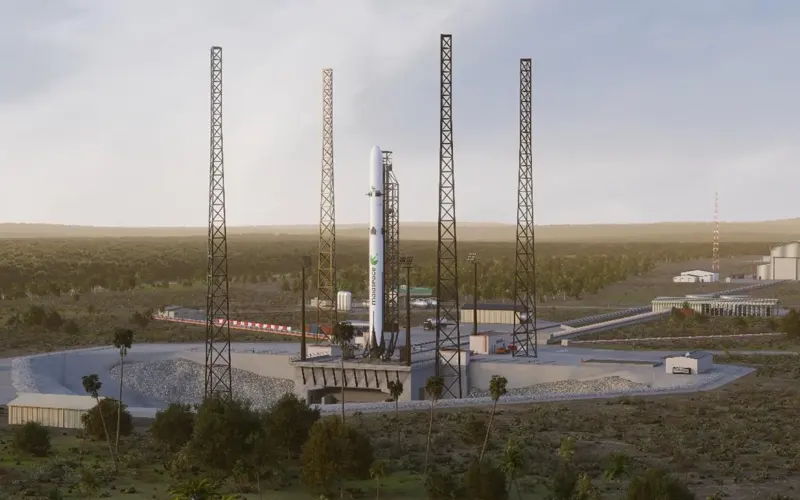
ArianeGroup subsidiary MaiaSpace is considering a fourth Prometheus engine that would double Maia's payload across all variants.
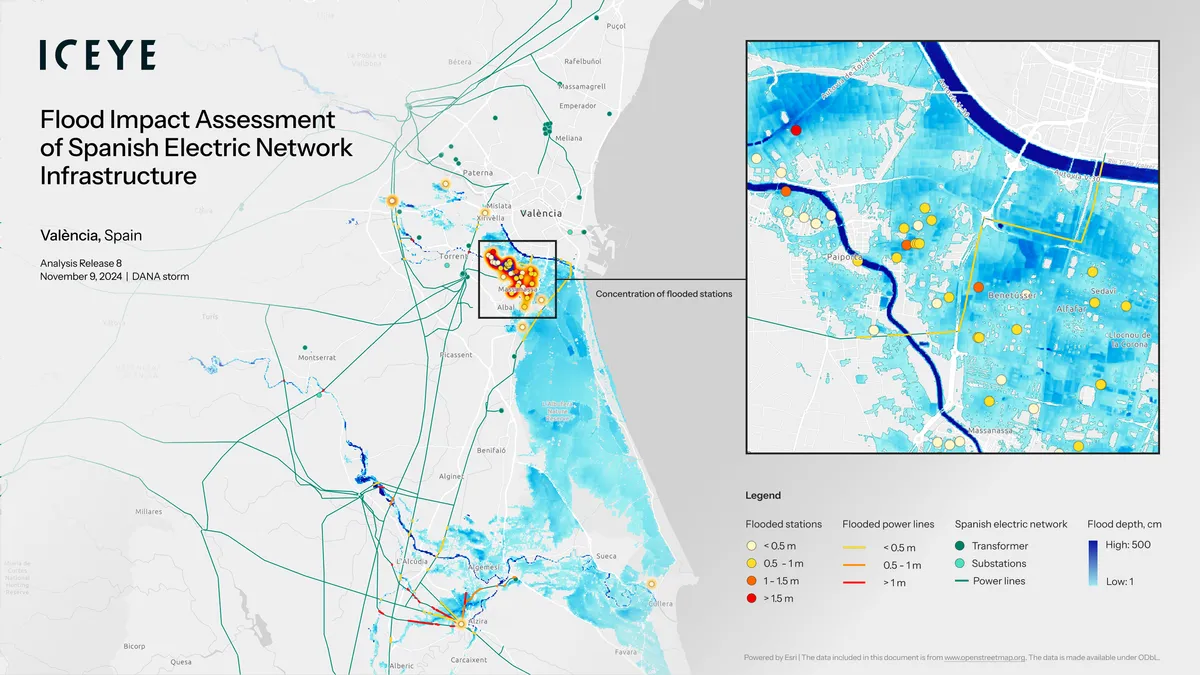
Iberdrola picked ICEYE for a 12-month satellite grid-monitoring pilot.

MaiaSpace's 2025 loss pushed shareholders' equity to -€823,375; ArianeGroup voted against dissolving the launch startup.

Per SpaceNews, NASA added three European Earth-observation firms to its CSDA commercial-data contract.
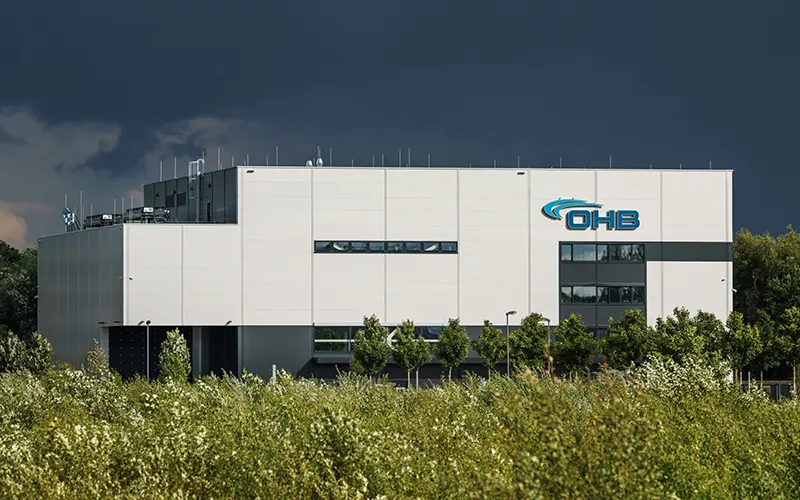
OHB is issuing new shares worth roughly 510 million euros to fund manufacturing capacity and its RFA launch subsidiary.
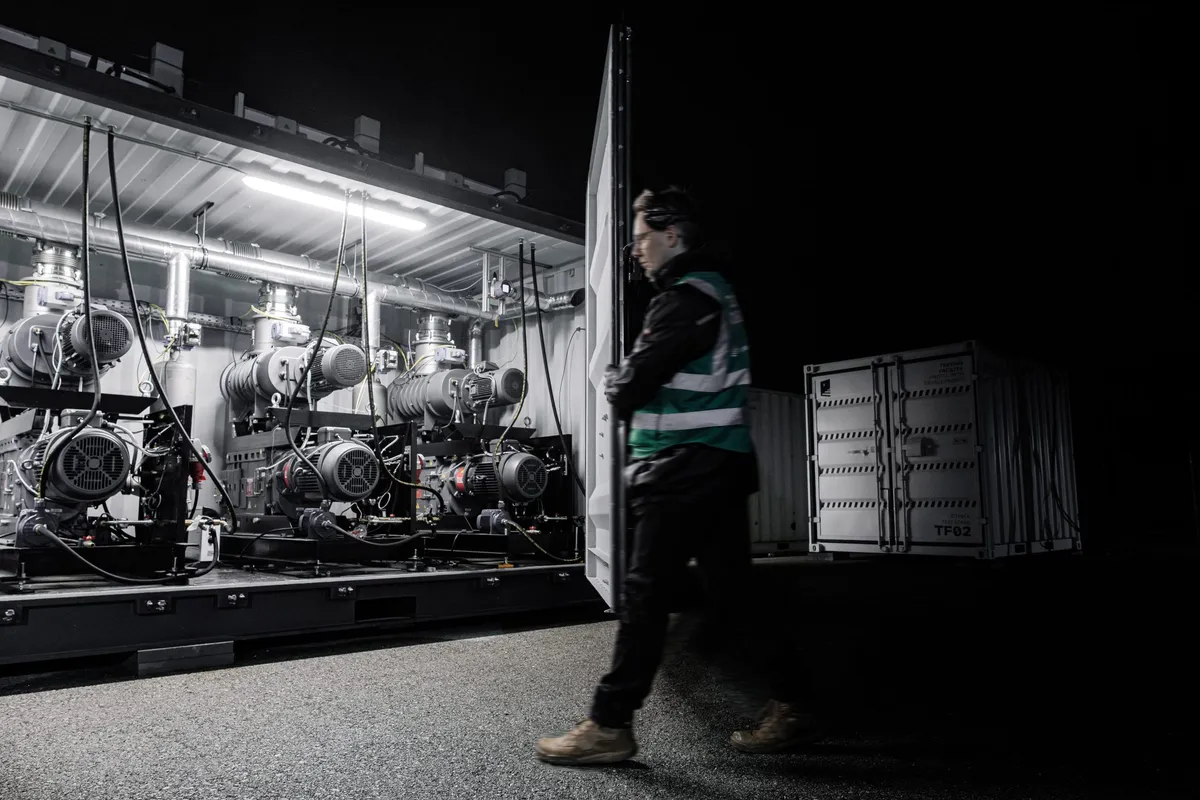
The Vienna TU Wien spinout gets grants and equity to industrialise its chemical Jetpack thrusters, per SpaceNews.
ICEYE will provide always-on SAR flood tracking across mainland Norway and Svalbard under a one-year government contract.
Portugal is expanding its sovereign SAR constellation from one satellite to four, all built by ICEYE.
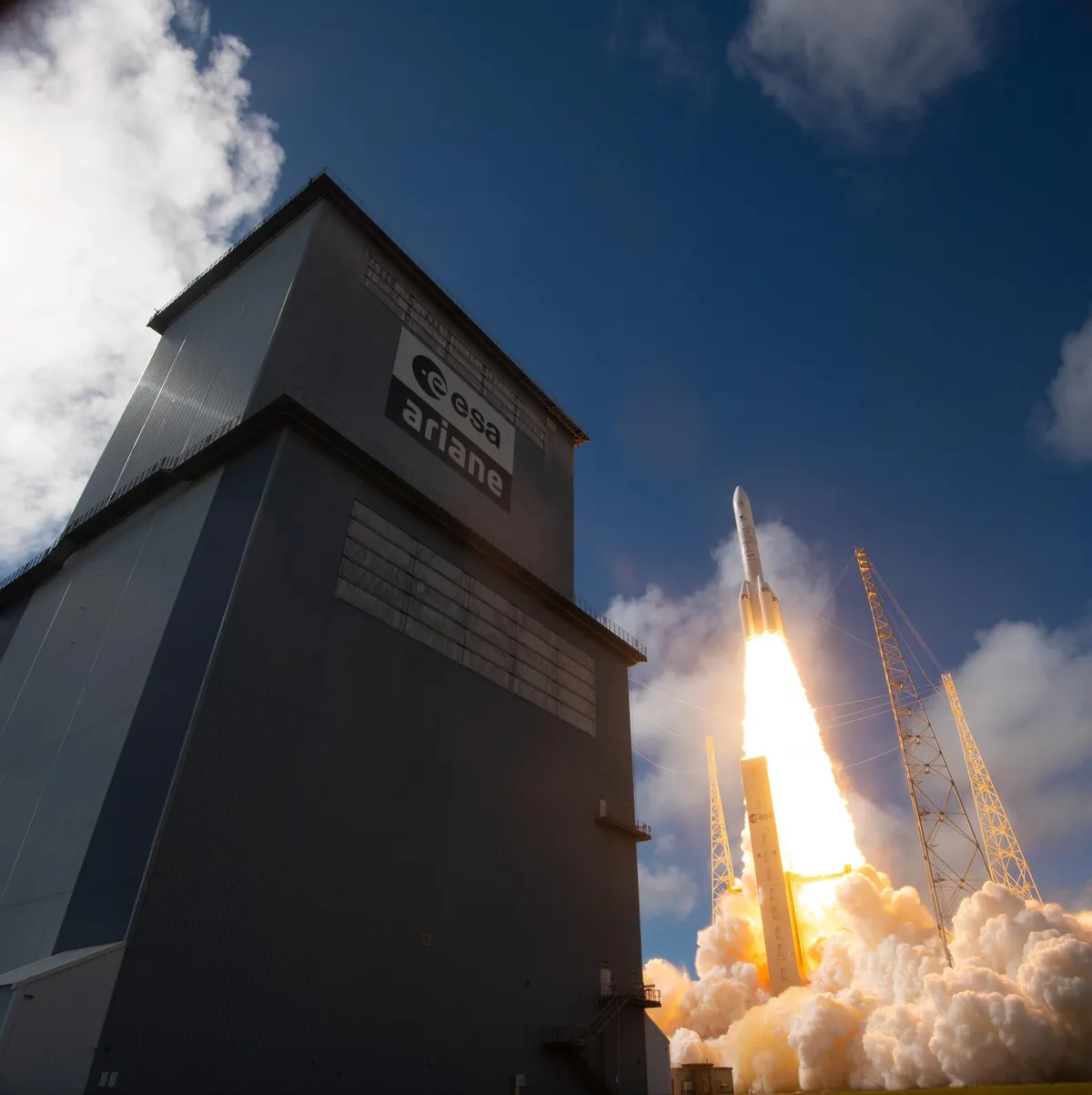
ESA says the upgraded boosters made this the heaviest payload ever launched by a European rocket, beating Ariane 5's ATV.
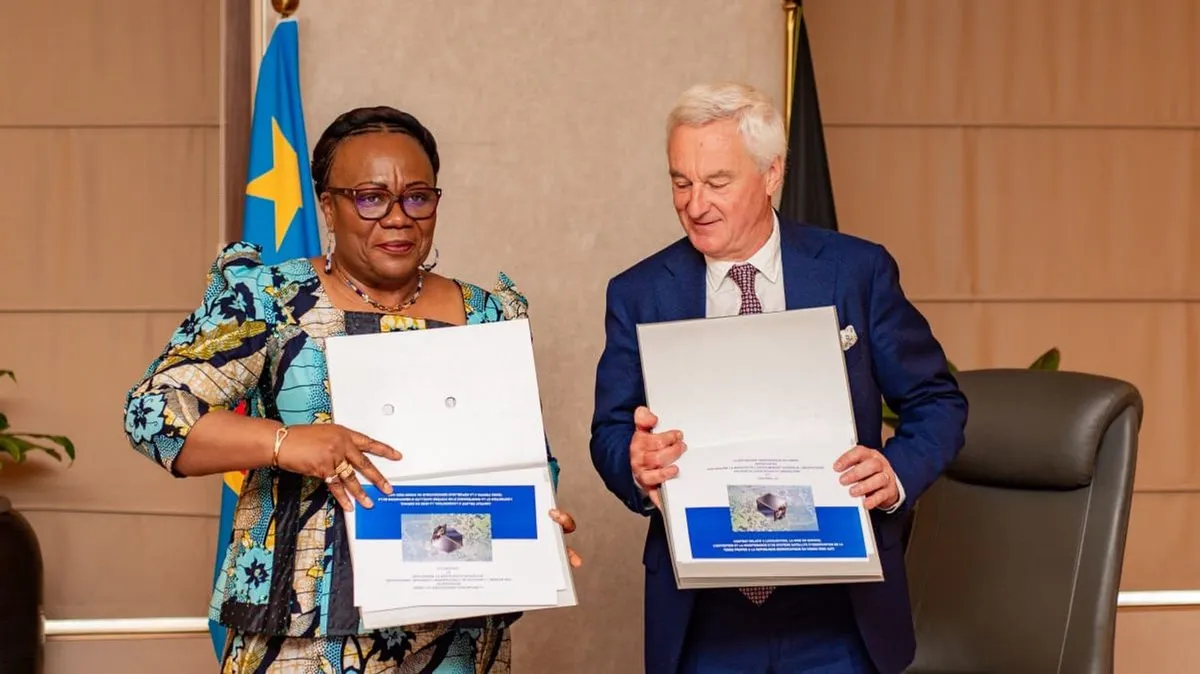
The Belgian firm calls it the first made-in-Belgium commercial satellite; RTBF reports a hyperspectral instrument aboard.
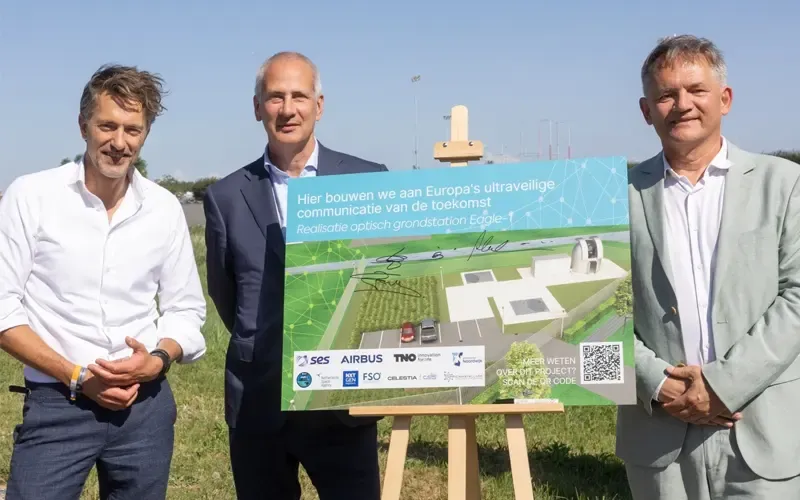
SES and Airbus signed a lease in Noordwijk, Netherlands for Eagle-1's optical ground station, per European Spaceflight.

The Israeli defence company and German manufacturer co-fund a very-high-resolution, high-revisit satellite line, per their release.

Spire and the German defence integrator will explore satellite-based early warning against ballistic and hypersonic missiles.
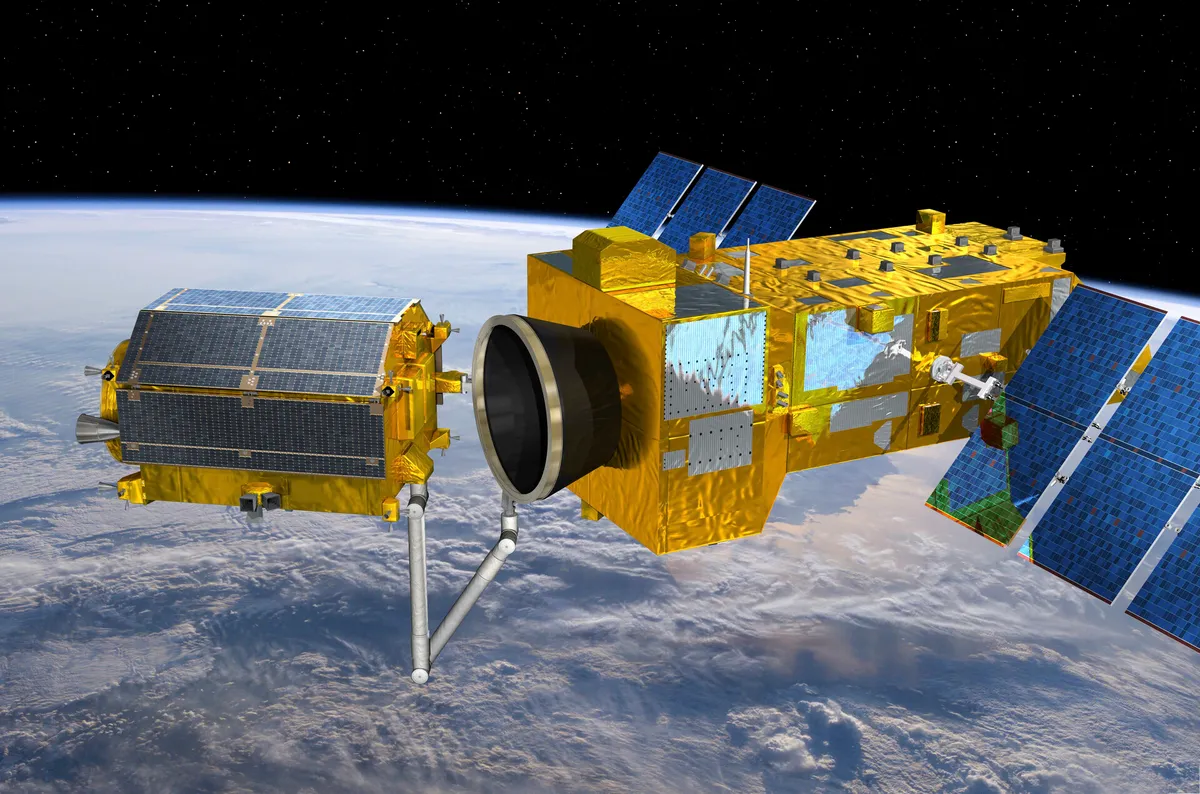
An ISOS joint declaration at ILA Berlin, plus six Horizon Europe projects launched, led by a EUR 12M servicing-spacecraft award.
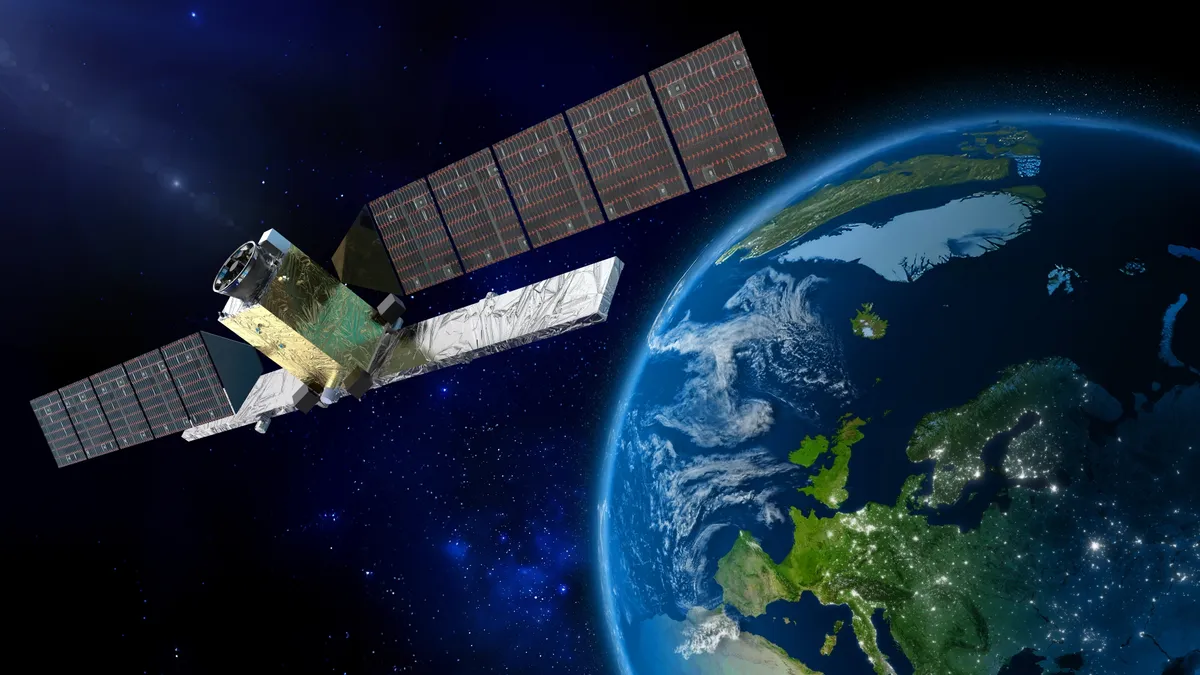
Thales Alenia Space will build two next-generation Sentinel-1 radar satellites, with Airbus supplying the SAR instruments.
Bresnik commands, Parmitano pilots; the reprofiled mission will demo docking with Blue Origin and SpaceX lander test versions.
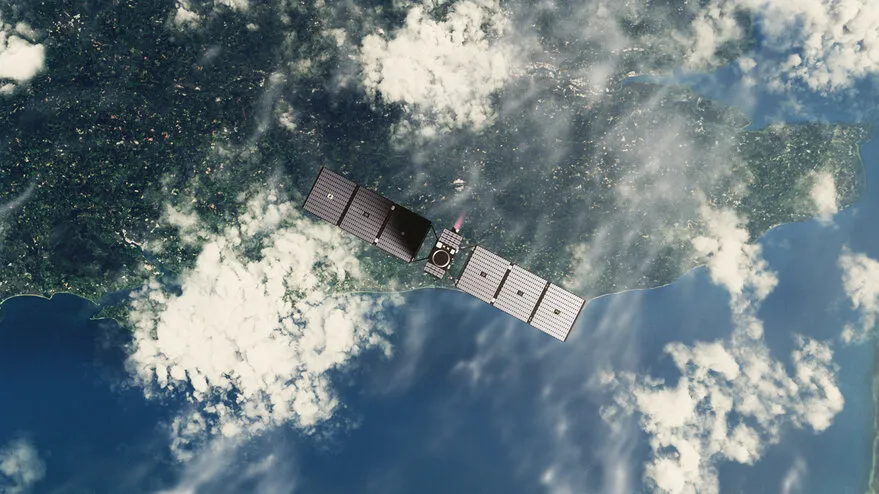
The UK startup targets 200-300 km very low Earth orbit with air-breathing ion propulsion; first flight planned for 2028.
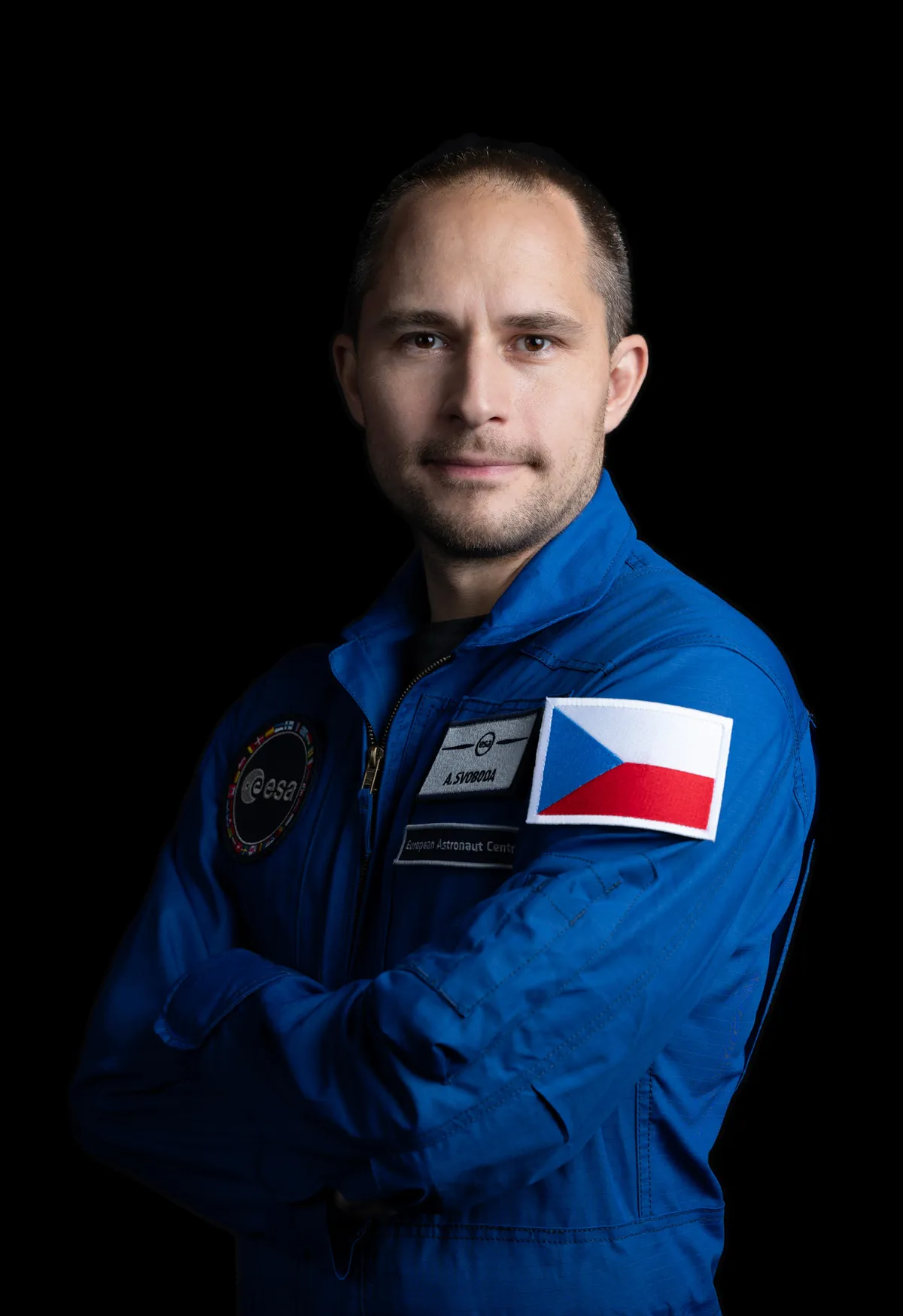
ESA signed a deal for Vast to fly Czech astronaut Ales Svoboda to the ISS in 2027 under a NASA-awarded mission.
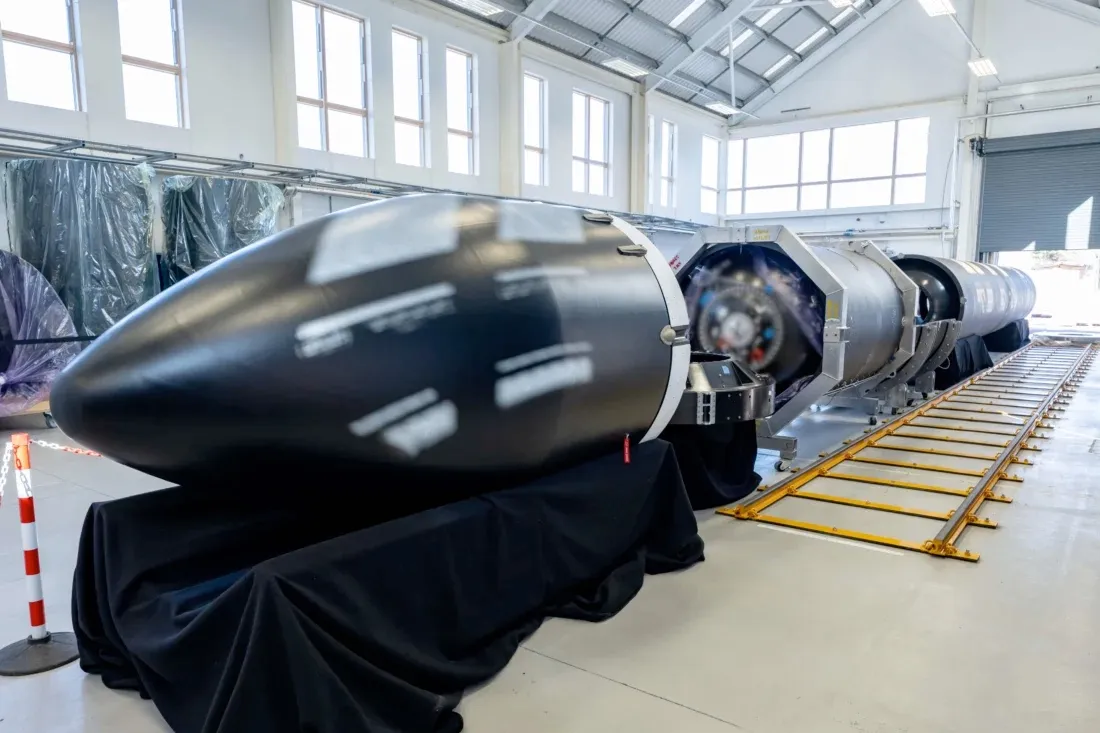
Orbex filed for UK administration in February after Series D funding talks and an acquisition by The Exploration Company both fell through.
Orbex, developer of the UK's Prime small launch vehicle, filed a notice of intention to appoint administrators on February 11, 2026, after failing to close a Series D funding round or complete a previously announced acquisition by French company The Exploration Company, per SpaceNews, Via Satellite, and European Spaceflight. Orbex, a winner of ESA's European Launcher Challenge that had received EUR34.9 million ($41.5 million) from the program, had already shut down its Danish rocket-engine subsidiary and laid off about 90 employees in January; administration puts roughly 150 further UK jobs at risk. CEO Phil Chambers said: "Disappointing doesn't come close to describing how we feel about this moment."
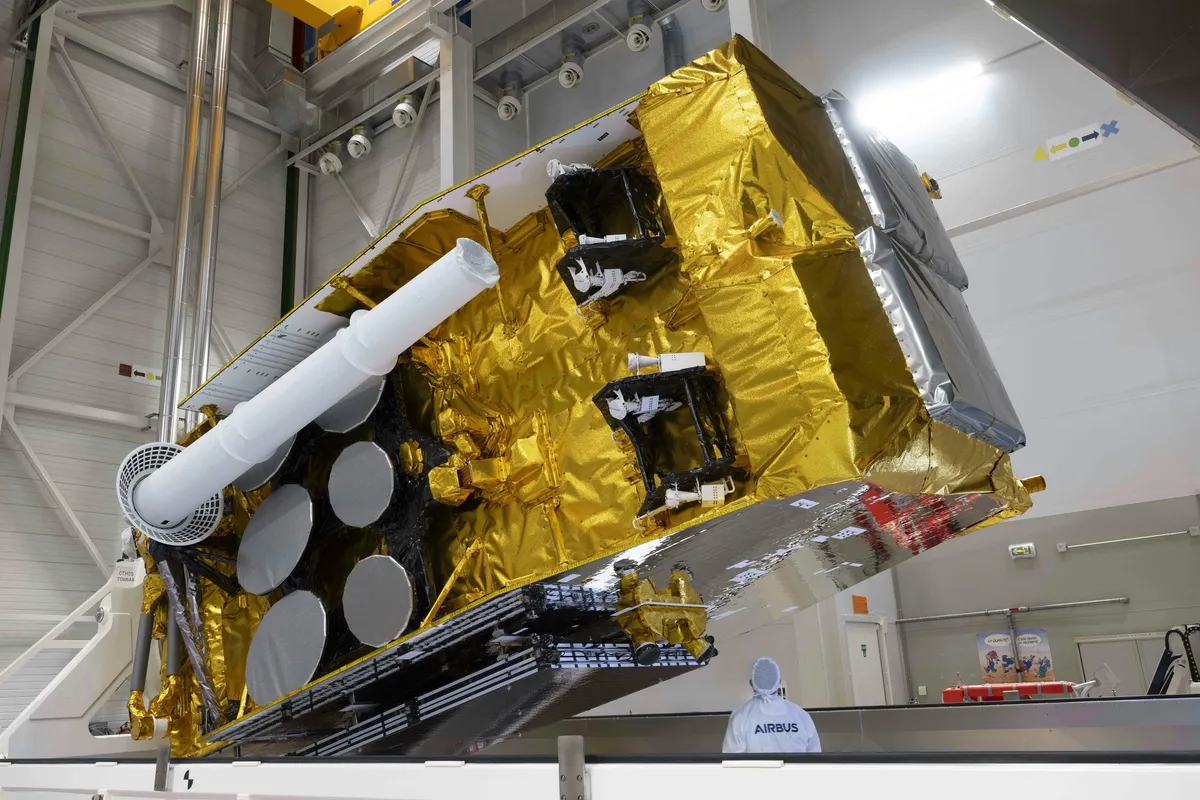
A space particle strike during orbit-raising destroyed Spain's new secure military comms satellite before it entered service.

OHB CEO Marco Fuchs said OHB will raise formal concerns during the EU's antitrust review of the Airbus-Leonardo-Thales space merger.

Airbus, Leonardo and Thales signed an MOU to combine space units into one company with 25,000 staff and EUR 6.5bn revenue.
Airbus, Leonardo and Thales signed a memorandum of understanding on October 23, 2025 to combine their space businesses into a new, jointly controlled company, per Via Satellite. Airbus will hold 35% of the new venture and Leonardo and Thales 32.5% each; the combination pools Airbus's Space Systems and Space Digital units, Leonardo's Space Division including its stakes in Telespazio and Thales Alenia Space, and Thales's own shares in Thales Alenia Space, Telespazio and Thales SESO (launchers are excluded). The companies project the venture will have about 25,000 employees across Europe, roughly EUR 6.5 billion in pro-forma 2024 revenue, and a backlog covering more than three years of sales, with operations expected to start in 2027 subject to regulatory approvals.